
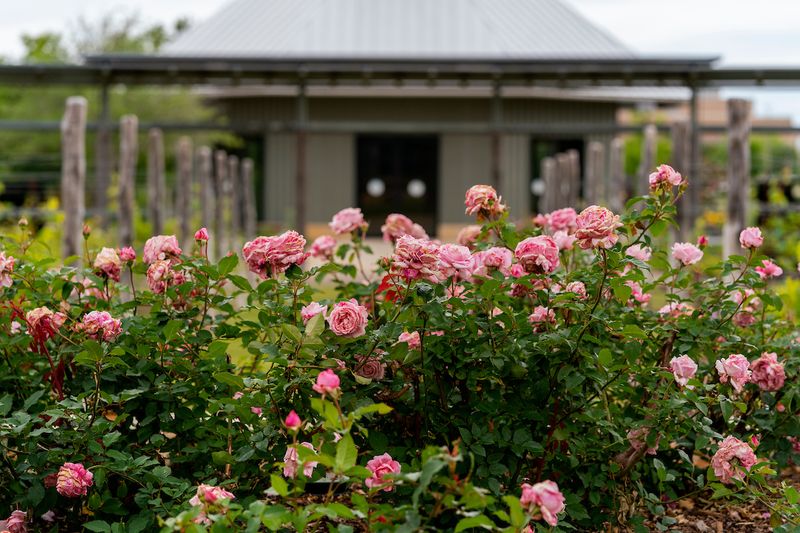
September is a turning point for Texas rose growers in Central and South Texas. A well-timed light trim on the right plant can nudge an established, repeat-blooming shrub or bush rose toward a fall flush that peaks in mid- to late October, and possibly into November in warmer areas.
The trick is knowing which roses qualify, what the cut should look like, and when local conditions make the treatment a smart move rather than a risky one.
A light September trim may help some Texas roses flower in fall
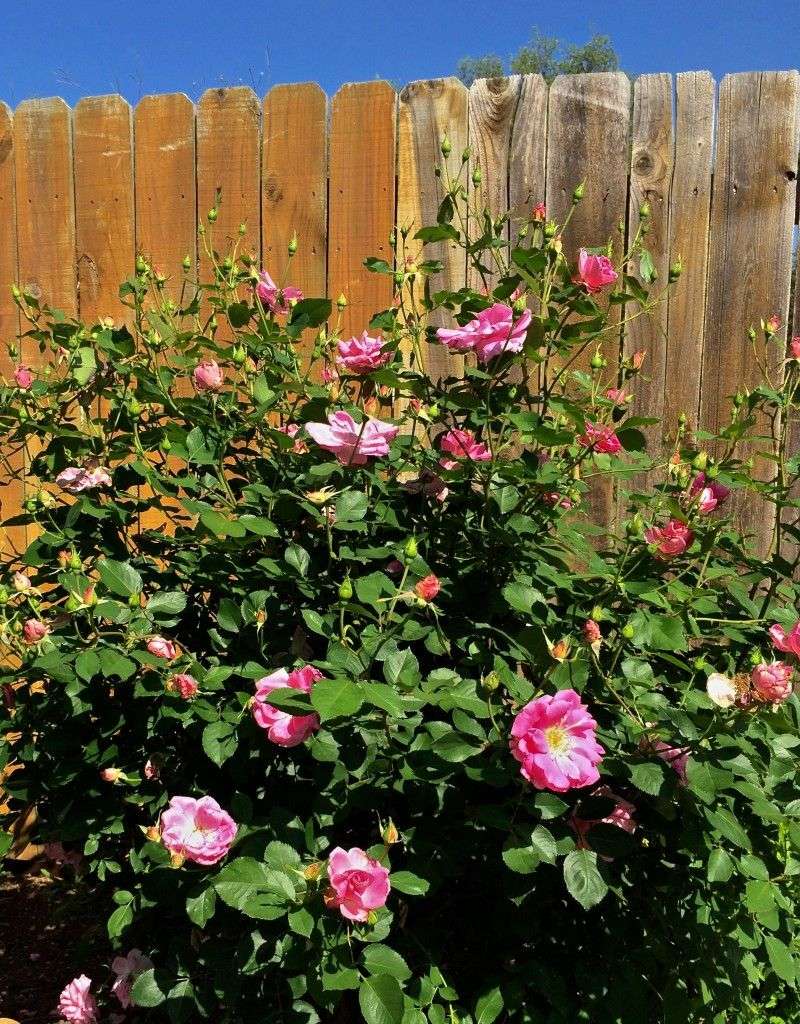
Texas gardeners who grow established, repeat-blooming bush or shrub roses in Central or South Texas have a narrow but useful window in late August and early September. Texas Master Gardener guidance from Guadalupe County supports a light fall trim during this period, reducing the plant by about one-third, with the goal of encouraging a fall bloom cycle that often peaks between mid- and late October.
That potential flush is worth planning for, but the trim itself is an optional bloom-timing technique, not a universal Texas rule. Texas A&M AgriLife Extension pruning guidance makes clear that rose pruning varies by type and region, and the major annual structural pruning for most roses generally happens in late winter or early spring, not early September.
For Knock Out roses specifically, the Knock Out company’s own guidance recommends the signature hard cut back in late winter or early spring, not as a fall treatment. The September trim described here is a lighter, regional approach aimed at timing a bloom cycle, not resetting the plant.
Fall bloom results also depend on more than a single cut. The rose type, cultivar, plant health, irrigation, sunlight, disease pressure, temperatures, and the number of frost-free weeks remaining all shape the outcome.
A light September trim can help position an eligible plant for a possible fall show, but no single pruning decision guarantees October or November flowers.
Identify the rose before you reach for the shears
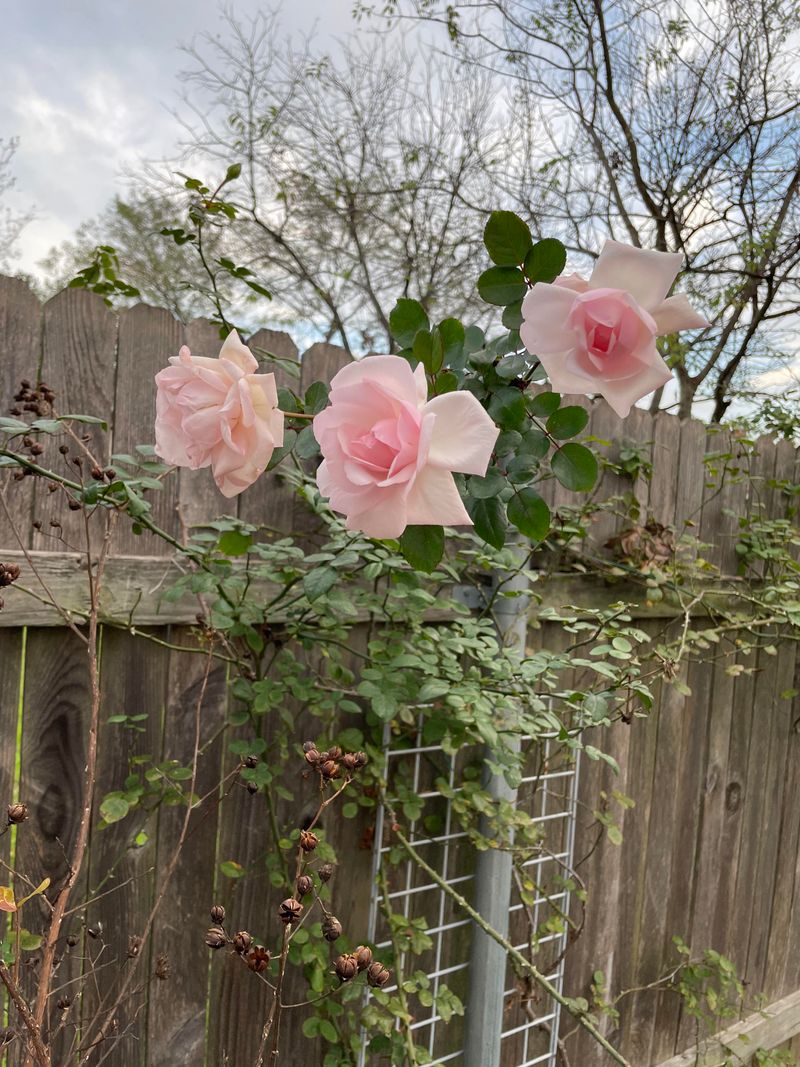
Before picking up pruning shears in early September, confirm what kind of rose you are actually working with. The light fall trim described here applies to established, repeat-blooming bush or shrub roses, meaning plants that produce multiple bloom cycles throughout the growing season rather than flowering just once a year.
Once-blooming old garden roses should generally be left alone in early September. Many of them set flower buds on older wood from the previous season’s growth, so cutting them back now can remove the very wood that will carry next year’s flowers.
Pruning those roses after their single annual flowering period is the standard approach, not a mid-season trim.
Climbing and rambling roses require a different approach for the same basic reason. The American Rose Society’s Consulting Rosarian Manual distinguishes climbing and rambling rose pruning clearly from shrub rose care because these plants flower on lateral shoots from established canes.
An early-September cut risks disrupting that growth habit and removing productive wood.
Knock Out roses fall into the repeat-blooming shrub category, but they come with their own nuance. Texas A&M’s Earth-Kind pruning guidance and the Knock Out company both emphasize that the major rejuvenation cut for that group belongs in late winter or early spring.
A light September shaping is a different, optional technique and should not be treated as a substitute for that main annual pruning.
When in doubt about a rose’s type or bloom habit, check the plant tag, contact the nursery where it was purchased, or consult your county’s Texas A&M AgriLife Extension office before proceeding.
Remove about one-third and clear crowded wood
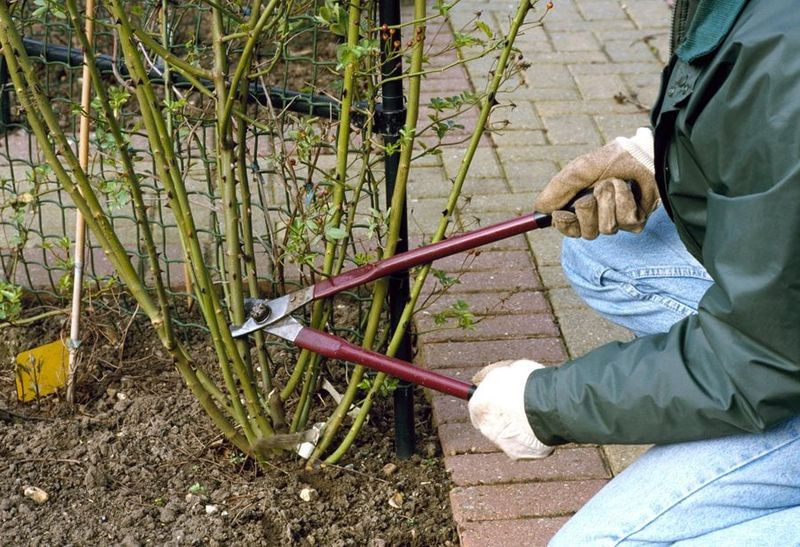
Once you have confirmed that the rose is an established, repeat-blooming shrub or bush type and the plant looks healthy, the structural work begins. Start by removing the problem wood before making any height reduction.
Dead, diseased, and damaged canes come out first, followed by crossing or rubbing stems, weak spindly growth, twiggy interior shoots, and any canes growing inward toward the center of the plant.
Clearing that material serves two purposes. It reduces competition for the plant’s resources as it pushes new growth, and it opens the center of the bush so air moves more freely through the canopy.
Better air circulation helps reduce the humid, stagnant conditions that favor fungal diseases like black spot, which is a persistent problem in many parts of Texas during the warm, wet months.
Guadalupe County Master Gardener guidance recommends removing roughly one-third of the plant during this fall trim, or shortening it to a workable height, rather than making a severe cut. Weak, small, or heat-stressed plants should receive an even lighter treatment, since they need to hold onto healthy foliage to recover and support new growth.
Preserving enough green, leafy growth matters because Texas A&M AgriLife Extension advises leaving at least two sets of leaves when cutting stems, and multiple extension sources caution against heavy pruning on plants that are already under stress. The goal is a tidy, open plant with a reasonable amount of healthy foliage intact, not a hard reset that forces the rose to start from scratch heading into fall.
Place clean cuts above outward-facing buds
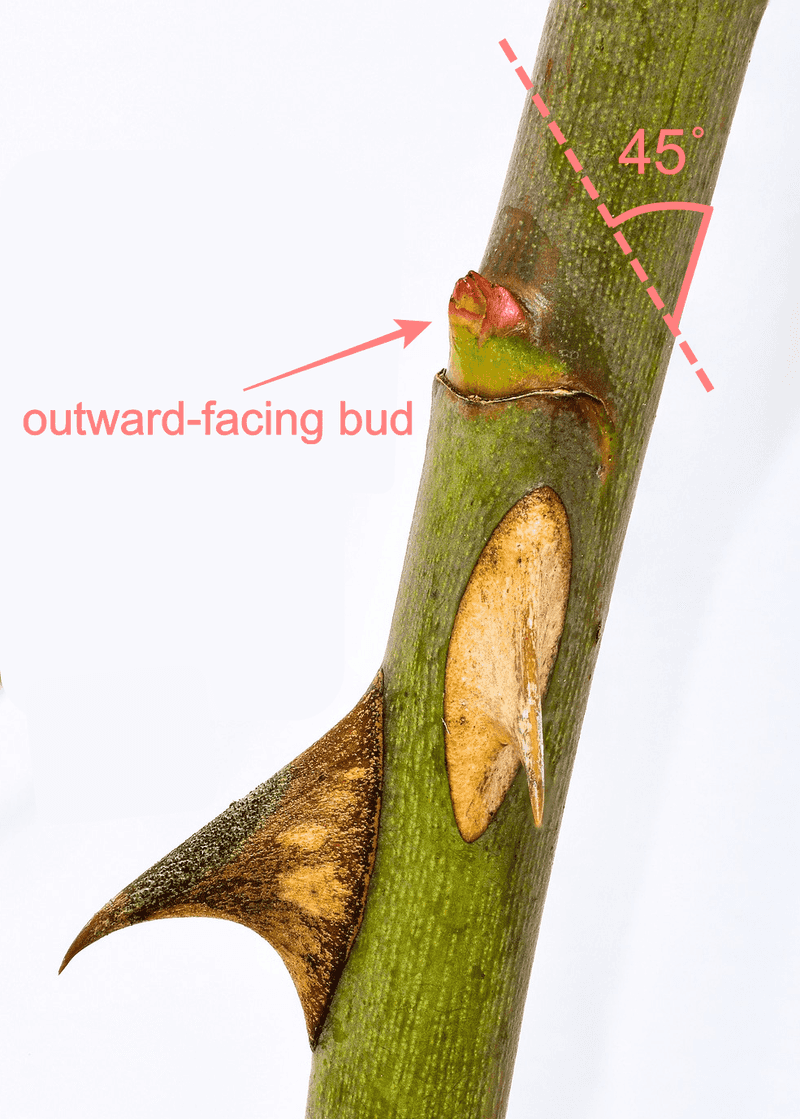
After deciding which canes to shorten, the next step is placing each cut correctly. Find an outward-facing bud on the cane you are reducing, which is a bud that points away from the center of the plant rather than toward it.
Making your cut just above that bud encourages the new shoot to grow outward, which helps keep the center of the bush open and reduces crowding over time.
Texas A&M AgriLife Extension recommends a cut made at roughly a 45-degree angle, placed about one-half inch above the bud. Other extension sources specify approximately one-quarter inch.
The practical principle shared by both is to avoid leaving a long stub above the bud, since stubs can die back, invite disease, and slow the plant’s response.
Clean tools matter here as much as cut placement. Dull blades crush rather than cut cane tissue, and dirty blades can transfer disease between plants.
Sharp bypass pruners, wiped down between plants, give the cleanest result.
Outward-facing cuts encourage outward growth and reduce crowding, but they do not by themselves produce a stronger or more abundant fall bloom. Flower timing and quality also depend on the cultivar, plant vigor, available sunlight, soil moisture, disease pressure, and temperatures in the weeks following the trim.
Good technique supports the plant; it does not override the other factors that determine whether a fall flush actually develops.
Check heat stress, moisture, and feeding before supporting new growth
Plant condition should shape how hard you prune, or whether you prune at all in early September. A rose that has been struggling through a dry, brutal Texas summer may be carrying fewer leaves than normal, showing wilted or scorched foliage, or producing little new growth.
That plant needs water and recovery time, not a structural cut that removes more of its remaining resources.
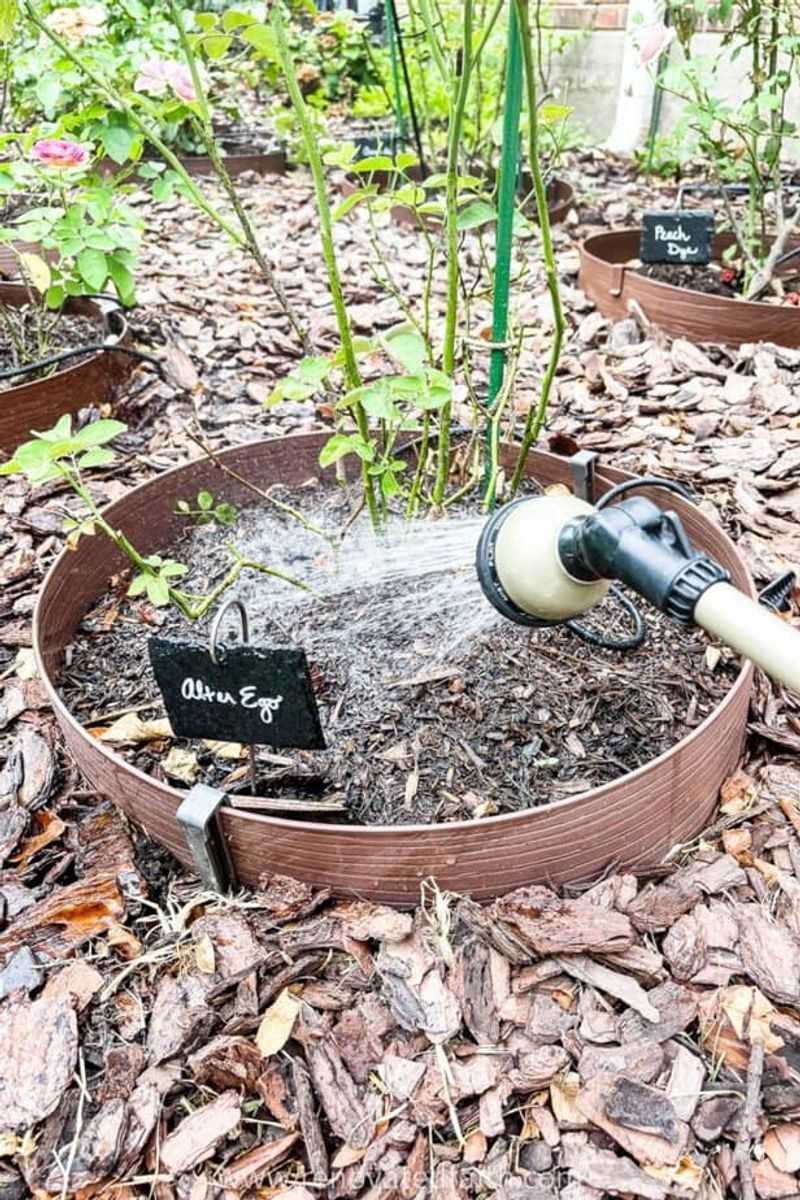
Harris County Master Gardener guidance for September and October 2025 specifically recommends watering roses deeply after the fall trim when the soil is dry, and continuing to monitor moisture during hot, dry September weather. Drought-stressed plants should receive a much lighter touch, or the trim should be postponed until conditions improve and the plant shows signs of active, healthy growth.
El Paso County Master Gardener September tips recommend a light, restorative trim for heat-stressed roses rather than a hard cut, which aligns with the general principle that the fall treatment should support recovery, not deepen stress.
Fertilizer after a fall trim is a topic where Texas sources do not all agree. Some guidance supports a light feeding to help fuel new growth after the cut, but several extension sources warn that late-season nitrogen can push soft, tender growth that is vulnerable to cold injury when temperatures drop.
If you choose to feed, follow the product label, apply conservatively, and check with your local Texas A&M AgriLife Extension office for region-specific timing. Aggressive post-pruning fertilization is not a universal recommendation and carries real risk as fall progresses.
Use local freeze risk and plant condition to judge the window
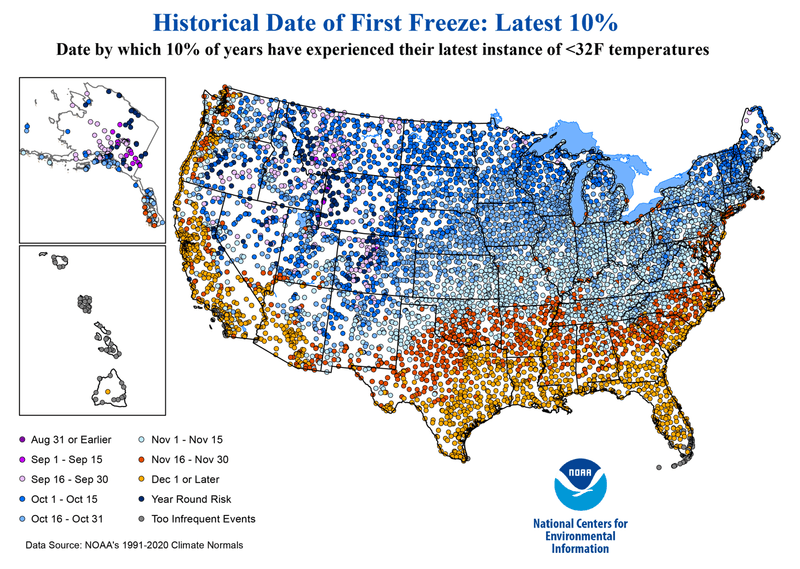
Texas is not one gardening climate, and early September does not carry the same meaning in every part of the state. South Texas and the Gulf Coast typically enjoy a long stretch of frost-free weeks after Labor Day, giving a trimmed rose enough time to push new growth and set flower buds before cold weather arrives.
Move north into the Hill Country, Central Texas, or East Texas and the window shortens. Head further north or up in elevation toward the Panhandle or West Texas and the first freeze can arrive considerably earlier.
Texas A&M AgriLife Extension notes that South and Central Texas roses can tolerate a more substantial fall reduction than North Texas roses because of the longer growing season. That regional difference is worth taking seriously before deciding how much to remove.
The National Weather Service office in San Angelo publishes first-fall-freeze statistics for West Central Texas locations that show meaningful variation by site. Amarillo freeze records show that the Panhandle has seen freezing temperatures as early as September in some years, making a September pruning cut genuinely risky for growers in that region.
El Paso average freeze data reflects a different pattern again, with its own first-freeze window that gardeners there should check before acting.
Freeze risk is one factor to weigh, not the only one. Rose type, plant health, current soil moisture, and the time needed for regrowth and bud development all belong in the decision.
A rose that is still recovering from summer stress or showing signs of disease may not be a good candidate for a September trim even when the local forecast looks favorable.
Disease symptoms change the job from shaping to sanitation
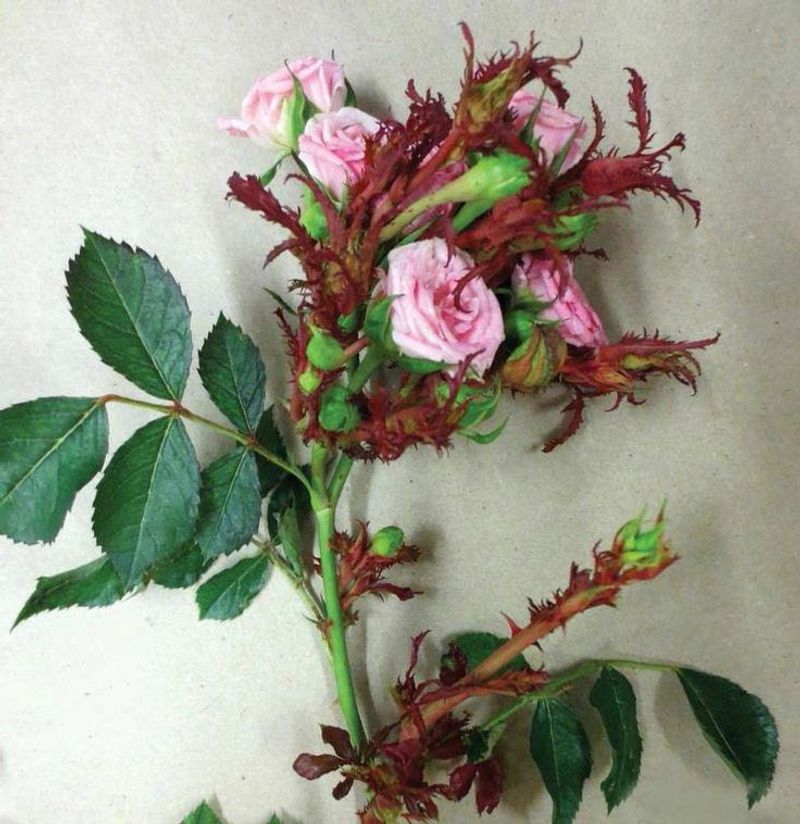
Before making a single cut, walk around the plant and look carefully at the foliage, stems, and new growth. Roses showing excessive thorniness on young stems, dense clusters of stunted shoots that resemble a witches’ broom, distorted reddish or mottled foliage, or malformed flowers may be showing symptoms associated with rose rosette disease.
Seeing any combination of those signs should stop the pruning session and shift the focus to assessment, not shaping.
Rose rosette disease is systemic, meaning the pathogen moves through the entire plant rather than staying confined to one cane or branch. University of Maryland Extension’s rose rosette resource explains clearly that cutting off a visibly symptomatic cane does not eliminate the infection.
The disease remains in the rest of the plant, and removing one affected stem while leaving the root system in place does not stop the progression.
Tool sanitation matters any time disease is a possibility, but it becomes critical when rose rosette is suspected. Clean pruning tools between every plant using a diluted bleach solution or a registered disinfectant, and do not move from a symptomatic plant to a healthy one without cleaning first.
Infected plant material should be bagged and disposed of rather than composted.
If rose rosette is confirmed or strongly suspected, contact your county’s Texas A&M AgriLife Extension office for current removal guidance. Pruning is not a treatment for this disease, and continuing to shape a symptomatic plant while skipping sanitation steps puts neighboring roses at risk.
Aim for a possible October flush, not a guaranteed November display

A properly timed, light September trim on an eligible rose in the right Texas region can set up a bloom cycle that peaks in mid- to late October. That is a realistic and worthwhile payoff for a relatively modest effort, and it reflects what Texas Master Gardener guidance describes as the likely result of a well-executed fall trim.
November flowers are possible in warmer parts of Texas, particularly along the Gulf Coast and in deep South Texas, but they are not guaranteed statewide. Cultivar, plant vigor, irrigation, sunlight, disease pressure, heat, and the timing of the first freeze all shape how long the fall flush lasts and how full it becomes.
Guadalupe County Master Gardener guidance describes a potential peak bloom by mid- to late October, not a bloom display that reliably extends through November.
Deadheading is worth separating from structural pruning in this context. Removing spent flowers by hand can encourage continued flowering and improve the look of many repeat-blooming roses after the fall flush begins.
Knock Out roses are self-cleaning and will drop old blooms and rebloom without deadheading, though removing spent flowers still helps with tidiness.
The decision to prune in early September should rest on a short checklist: the rose is an established, repeat-blooming shrub or bush type; the plant is healthy and well-watered; local freeze dates leave enough time for regrowth; and no disease symptoms are present. When those conditions line up, a light one-third reduction is a reasonable seasonal tool.
When they do not, skipping the September trim and waiting for the main late-winter pruning is the smarter call. A rose that misses one optional trim is still a rose worth keeping.