
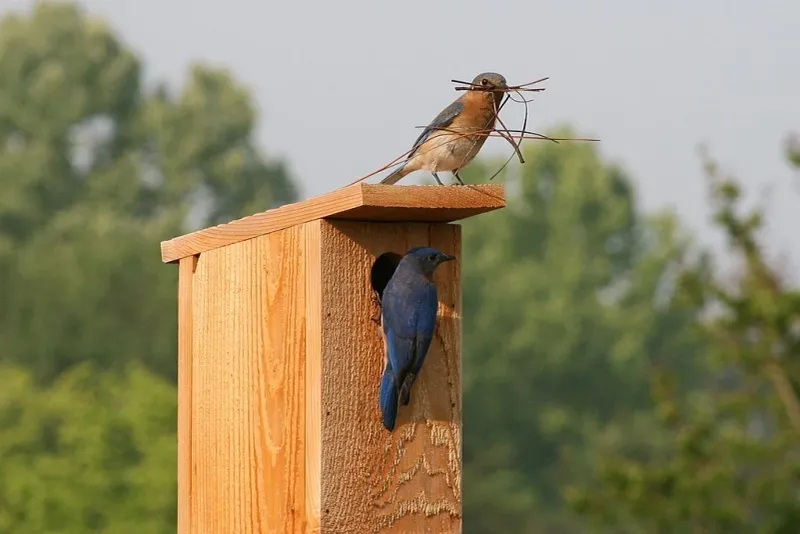
Eastern Bluebirds are more likely to return when a yard gives them the things they already look for in nature. In Florida, that means open space, safe nesting spots, insects, berries, and clean water.
You do not need a feeder to make your yard useful to them. A few smart yard features can turn a plain lawn into a place bluebirds check again and again.
1. Open Lawn Edges With Low, Scattered Perches
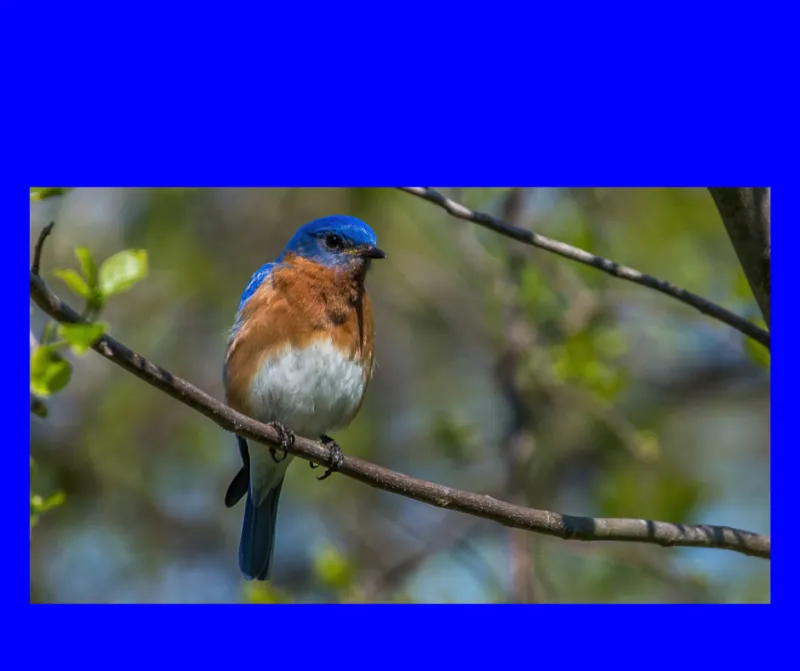
A bluebird hunting from a low perch is a tiny show worth stopping for. It drops to the grass, grabs a beetle or caterpillar, then pops back up like it owns the yard.
Eastern Bluebirds favor open areas where they can see the ground clearly. In Florida neighborhoods, the best setup is often not a thick, shrub-packed garden but a mix of mowed lawn, bed edges, open sandy patches, and a few perches placed 3 to 6 feet high.
Fence posts, shepherd hooks without feeders, low snag branches, bamboo stakes, and small native trees can all work. The key is spacing.
Bluebirds need room to scan and swoop, so avoid turning every sunny corner into dense plantings.
For a Florida yard, try keeping one sunny strip along a fence, driveway, or back lawn more open than the rest. Skip broad insecticide treatments there, because the birds are coming for live prey, not seed.
A yard that looks a little simpler in the right spots can actually become much more active.
2. Proper Bluebird Nest Box Facing Open Ground
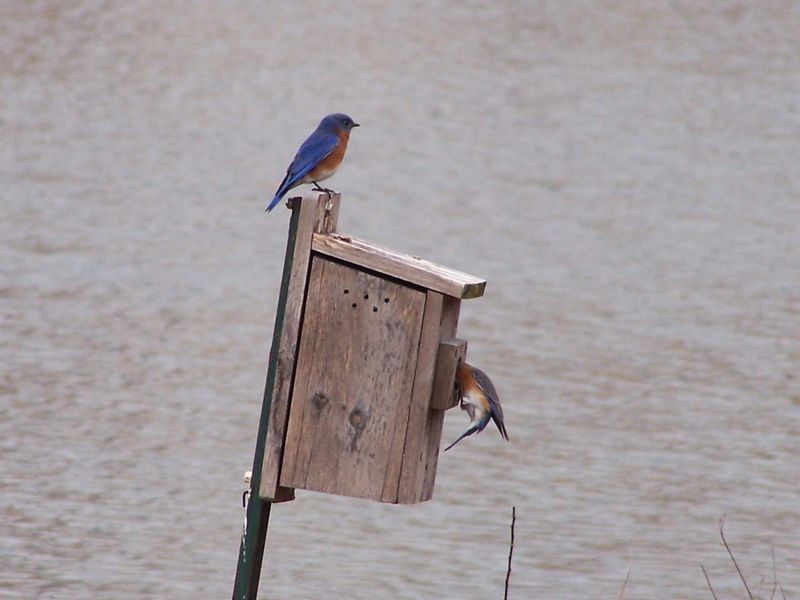
The right nest box can feel like an invitation written in bird language. Put it in the wrong spot, though, and bluebirds may ignore it while wrens, wasps, or predators move in instead.
Eastern Bluebirds are cavity nesters, but Florida yards rarely have enough safe natural holes. A well-built nest box gives them a better chance, especially near open lawns, pastures, golf-course edges, rural roads, or spacious suburban lots.
Mount the box on a smooth metal pole rather than a tree trunk or fence. A predator guard is a smart upgrade in Florida, where raccoons, snakes, and other nest raiders are part of the landscape.
Face the entrance toward open ground when possible, and keep it away from thick shrubs where predators can hide.
Good placement matters as much as the box itself. Aim for about 5 feet high, with clear flight space in front.
Clean it after nesting season and check for wasp buildup before birds claim it. In much of Florida, bluebirds may inspect boxes earlier than gardeners expect, so late winter is a good time to have everything ready.
3. Native Berry Shrubs for the Lean Months
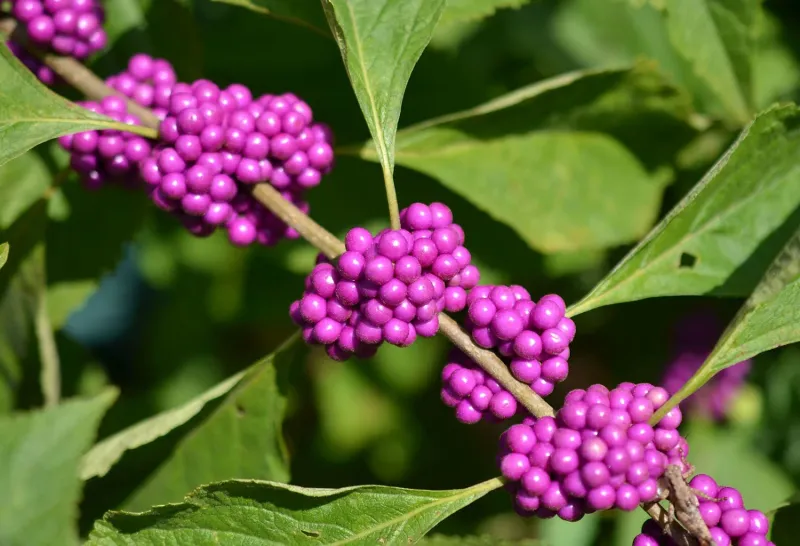
When insects slow down, berries help keep bluebirds interested in a yard that still has something to offer. Florida gardeners have an advantage here because many native shrubs fruit through seasons when northern gardens look bare.
American beautyberry is one of the easiest choices for many Florida yards. Its bright purple berry clusters look almost unreal, and birds use them when other foods are harder to find.
Yaupon holly, wax myrtle, Simpson stopper, and native hollies can also add food value while giving the yard structure.
Plant berry shrubs along the edges, not in the middle of the bluebirds hunting space. A loose border works well, especially if it leaves open lawn nearby.
Bluebirds still need clear ground for insect hunting, so the goal is a balanced yard, not a thicket.
Choose Florida-native or Florida-friendly plants suited to your part of the state and your soil. In sandy yards, water new shrubs until established, then reduce care as roots settle in.
Berries are not a feeder, but they can act like a seasonal backup pantry that helps bluebirds remember your yard.
4. Insect-Rich Native Wildflower Patches
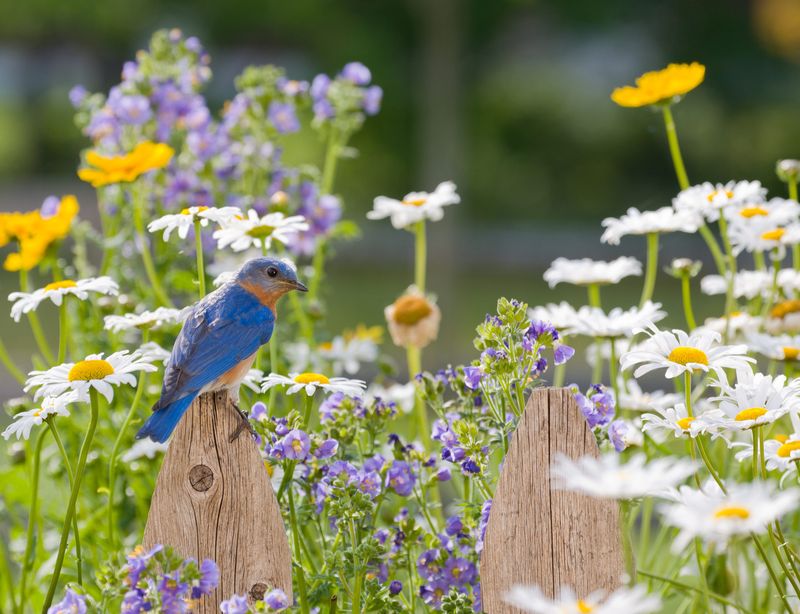
A neat little wildflower patch can be a bluebird buffet without looking messy. The trick is to plant for insects first, because adult Eastern Bluebirds feed heavily on beetles, caterpillars, grasshoppers, spiders, and other small prey.
Florida native flowers such as coreopsis, blanketflower, sunshine mimosa, dotted horsemint, tropical sage, and black-eyed Susan can support pollinators and other insects that move through the food web. Not every insect becomes bird food, of course, but a yard with more native plant life usually has more natural feeding chances than a sterile lawn.
Place wildflowers near, but not over, open hunting areas. A strip along a sunny bed, mailbox area, driveway edge, or back fence can work.
Keep the plants low to medium height where bluebirds are expected to hunt, so they can still spot movement on the ground.
Skip routine pesticide spraying in this zone. Even products meant for nuisance bugs can reduce the insect supply bluebirds depend on.
For sandy Florida soil, start with tough, heat-tolerant natives and mulch lightly around new plants until they establish. Once the patch matures, it can bring color to the yard while quietly feeding the birds that patrol it.
5. Clean Shallow Water With a Safe Landing Rim
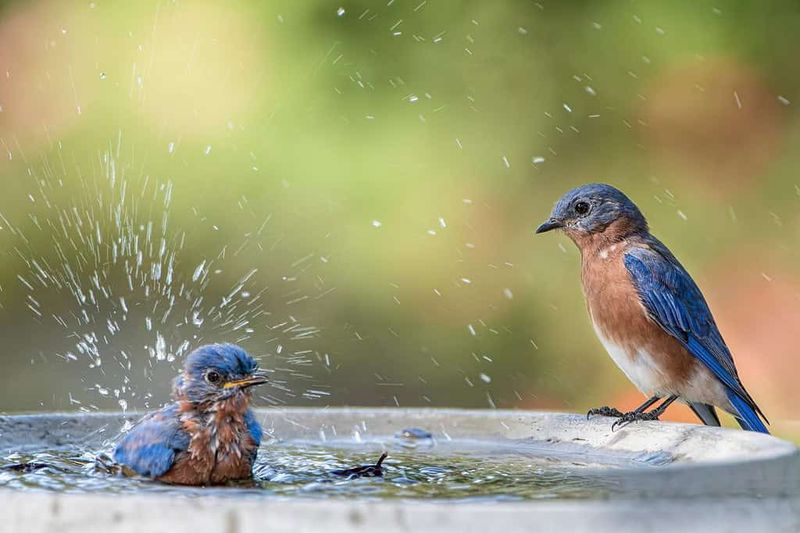
On a hot Florida afternoon, a shallow water dish can get more attention than any garden ornament. Bluebirds do not need fancy water, but they do need a safe place to drink and bathe.
A good bluebird water feature is shallow, clean, and easy to approach. A birdbath with a rough rim, a wide plant saucer on a stand, or a low basin with stones inside can all work.
Keep the water around 1 to 2 inches deep in the usable area, since small birds avoid deep, slippery bowls.
Location makes a big difference. Set water near open ground so bluebirds can spot trouble, but give them a nearby escape perch such as a small tree, fence rail, or shepherd hook.
Avoid hiding the basin inside dense shrubs, where cats or other predators may have cover.
Florida heat turns dirty water bad quickly, and mosquitoes are always part of the conversation. Empty, scrub, and refill birdbaths often, especially after storms or heavy leaf drop.
A simple solar bubbler can help keep water moving, but even a plain dish works if you keep it fresh. Clean water is one of the easiest feeder-free reasons for birds to return.
6. Snags and Natural Cavities Left in Safe Places
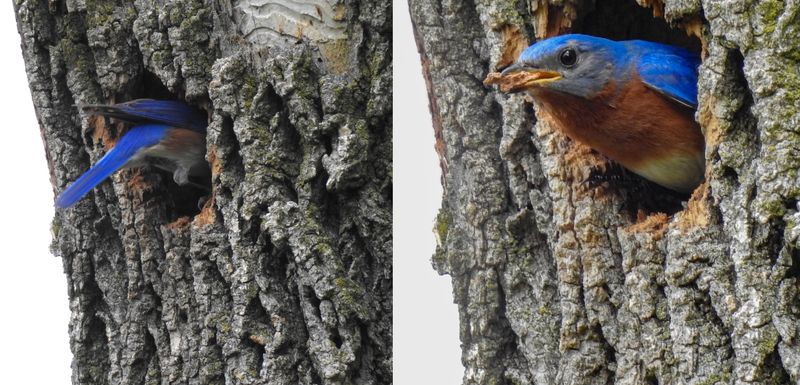
That old dead limb you planned to remove might be more useful than it looks. In bird habitat, a snag is not yard neglect when it is safe, stable, and placed where it cannot fall on people, pets, roofs, or fences.
Eastern Bluebirds naturally nest in cavities, often using old woodpecker holes or other small openings. While many Florida yards cannot safely keep full dead trees, some properties can keep a shortened snag at the edge of a larger yard.
Even if bluebirds do not nest in it, they may use branch stubs as hunting perches.
Safety comes first. Have risky trees checked by a certified arborist, especially after hurricanes, flooding, or lightning damage.
A snag near a driveway, house, play area, or power line is not worth the danger. In the right back-corner location, though, a trimmed wildlife snag can add habitat without much upkeep.
Natural cavities also help other useful wildlife, including woodpeckers and native bees. Bluebirds are part of a larger backyard system, so leaving some imperfect wood where it is safe can make the yard feel more like real Florida habitat.
Pair it with open ground nearby, and the feature becomes more than a perch. It becomes a reason to investigate.
7. Pesticide-Light Turf With Sandy Bare Spots
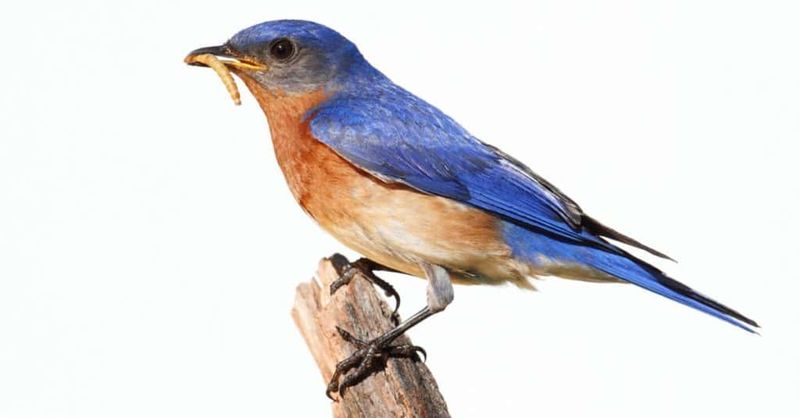
A perfect carpet of grass is not always perfect for bluebirds. They often do best where turf is short, insects are present, and a few sandy bare spots make ground movement easy to see.
Florida yards naturally lean sandy in many areas, which can be frustrating for gardeners but useful for certain birds. Instead of fighting every thin patch, consider allowing small, tidy open spots along low-traffic edges.
Bluebirds hunt by sight, and bare or sparse ground can help them spot beetles, larvae, and other prey.
The biggest change is often reducing broad chemical use. Spot-treat serious pest problems when needed, and follow UF-IFAS guidance for turf care in your region.
Blanket insecticide applications may leave a lawn looking clean while removing the food that brings bluebirds in the first place.
Keep grass reasonably short in bluebird zones, especially near perches and nest boxes. If your yard is mostly dense St. Augustinegrass, create a transition edge with mulch, shell, pine straw, or sandy openings near native plant beds.
The result does not have to look wild. A pesticide-light lawn with a few practical imperfections can be healthier, easier to maintain, and far more interesting to Eastern Bluebirds.