
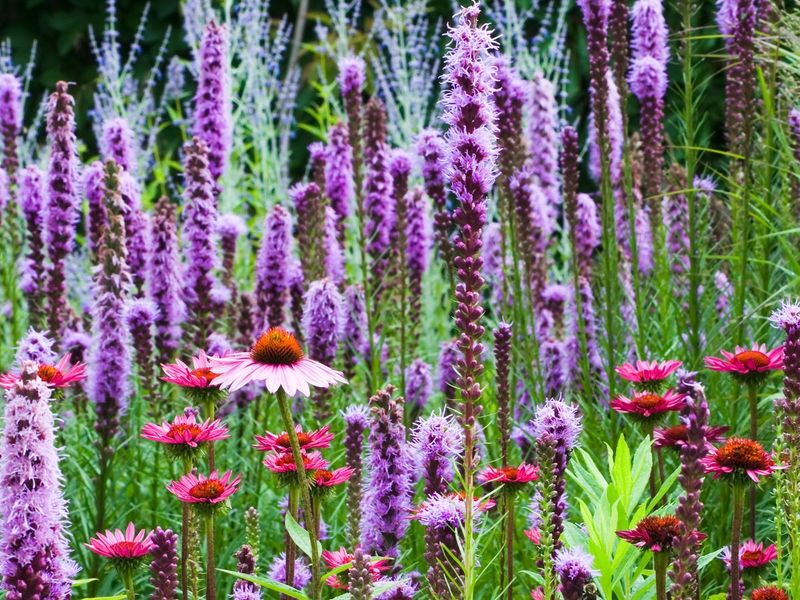
Late summer in California can feel like the wrong time to plant anything, but a handful of flowers actually love the heat and reward you with color in just weeks. If your beds look tired and you want quick, water-wise blooms that also feed bees and butterflies, you are in the right spot.
These picks handle dry soil, long sunny afternoons, and the tail end of fire season without a fuss. Here are ten that get to work fast and keep your yard alive when everything else is giving up.
1. California Poppy
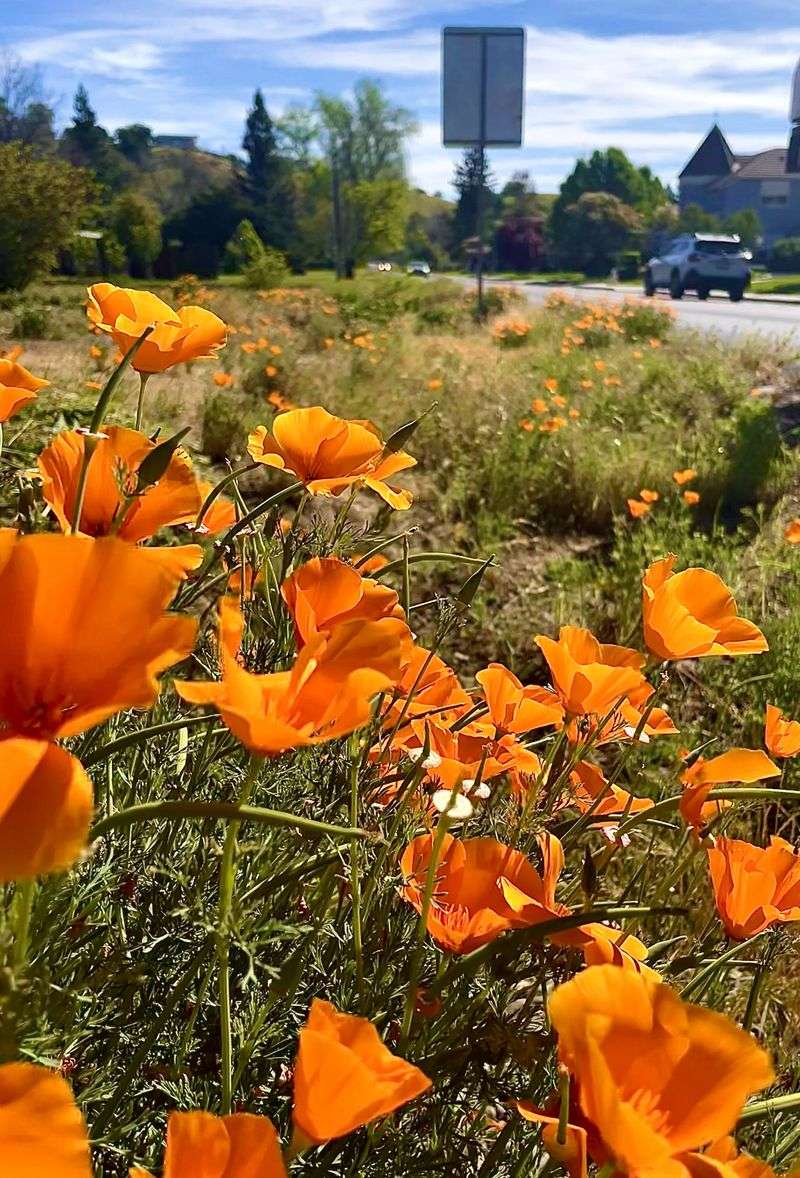
Nothing says California summer like the state flower waving its silky orange cups in the heat. Sow California poppy seeds in late summer and you can see the first blooms in as little as six to eight weeks once temperatures ease into fall.
Drought is basically its comfort zone. Poppies germinate in warm soil, sink a deep taproot, and shrug off the dry stretches that flatten thirstier plants.
Bees adore the open, pollen-rich flowers, so a small patch quickly becomes a buzzing corner of the yard. Scatter seed on bare, sunny ground, rake it in lightly, and let nature do the rest with almost no supplemental water.
2. Zinnia
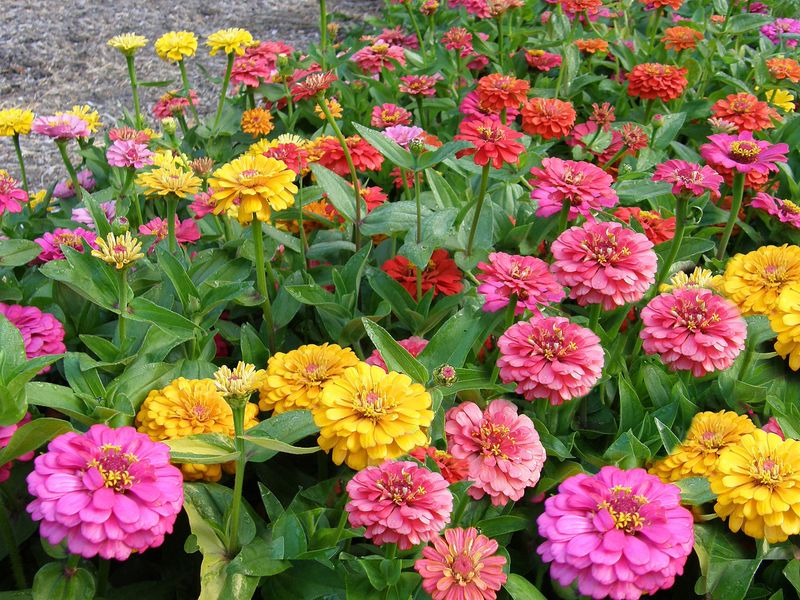
Few flowers race from seed to bloom like a zinnia planted into warm soil. Drop seeds in late summer and you can be cutting bouquets in about six weeks, right when other beds are fading.
Heat is the secret ingredient here. Zinnias germinate fast in warm ground and keep pumping out flowers through the hottest inland valley afternoons as long as they get sun.
They pull double duty for pollinators too, acting like a landing pad for swallowtails and painted lady butterflies. Deadhead spent blooms every few days and the plant answers back with even more color.
3. Cosmos
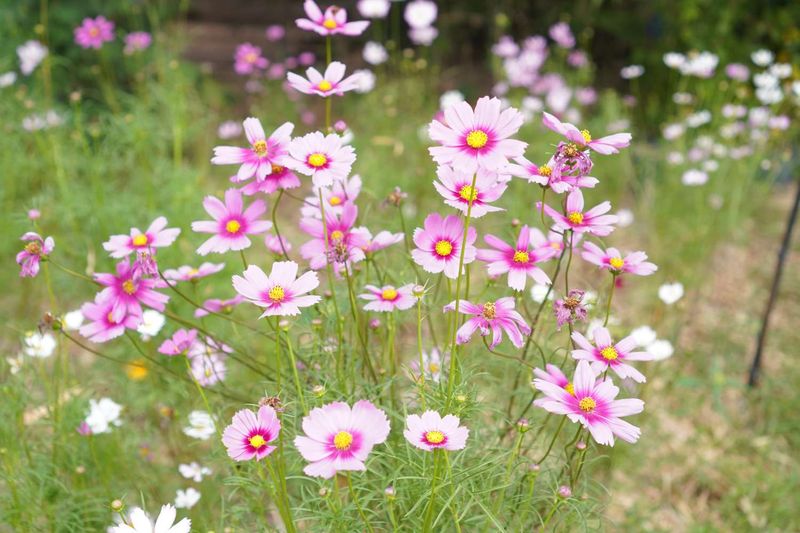
Cosmos have a reputation for thriving on neglect, and late-summer heat only proves the point. Poor soil and dry conditions actually push them to flower harder, sometimes within seven weeks of sowing.
The tall, feathery plants sway on the slightest breeze and fill gaps in a border almost overnight. Rich soil and too much water make them leggy, so this is one flower where doing less truly works better.
Native bees and hoverflies flock to the daisy-like faces. Toss seeds into a sunny spot, water them in, and step back while they fill your yard with movement and pollinators.
4. Sunflower
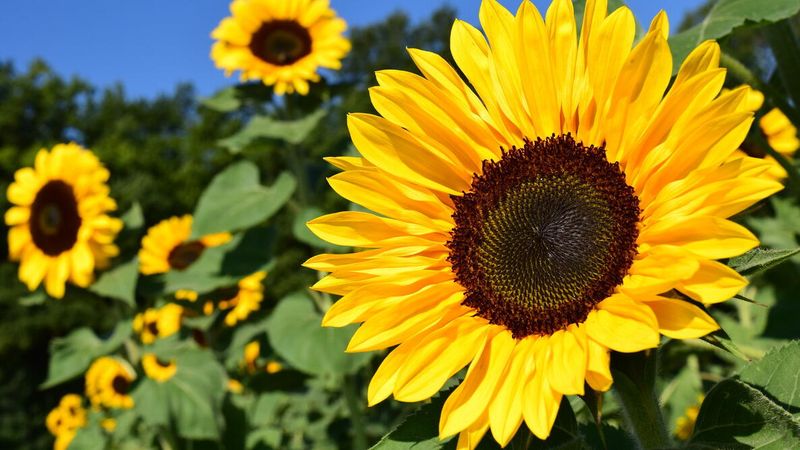
There is something cheerful about a sunflower that thinks August is prime planting season. Fast-growing varieties sprout in days and can flower in as little as eight weeks when the soil is toasty.
Deep roots let them chase moisture far below the surface, making them surprisingly tough during dry spells. Give them a sunny spot with a little wind protection and they shoot skyward.
Once the big golden heads open, they become a diner for bees and later a snack bar for finches feasting on the seeds. Plant a short row along a fence for instant height and wildlife traffic.
5. Tidy Tips
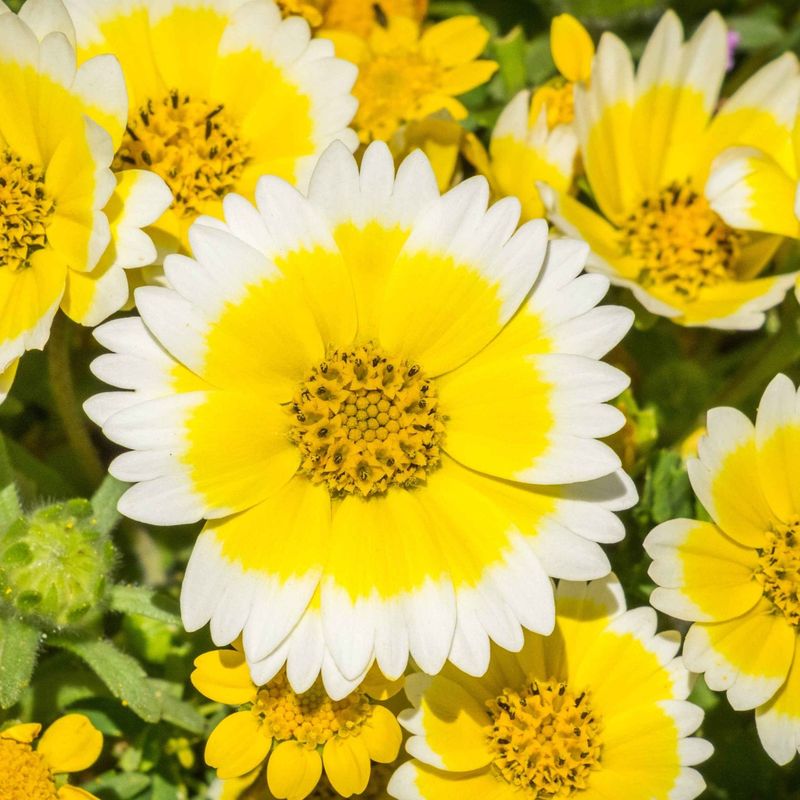
A California native that too many gardeners overlook, tidy tips brings crisp yellow blooms edged in white to hot, dry ground. It handles the tail of summer beautifully and pops into flower fast from a fall sowing after the first cooler days.
Because it evolved right here, it asks for almost no water once established. Lean, sandy soil suits it perfectly, so it fits neatly into water-wise and native plant beds.
Native bees rely on flowers like this, which makes tidy tips a small act of stewardship as well as a pretty one. Mix it with poppies for a classic golden-state meadow look.
6. Marigold
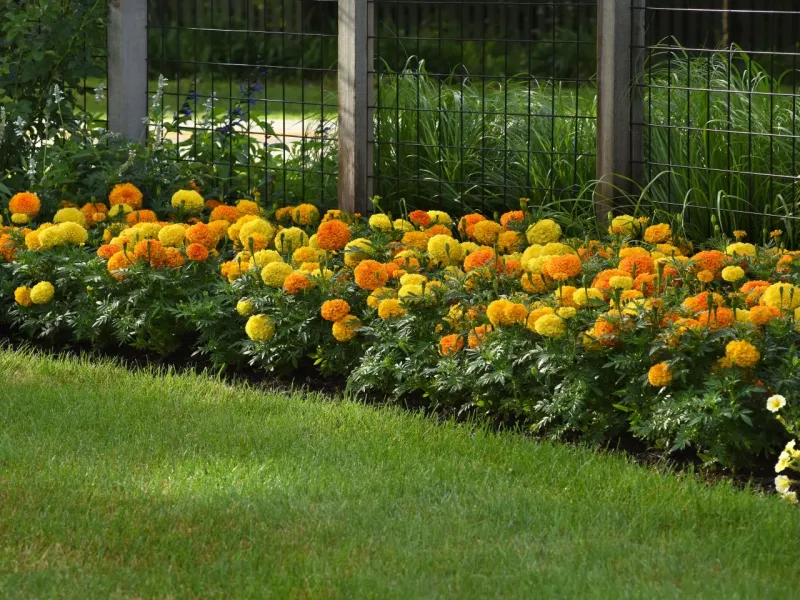
Marigolds are the workhorse of the hot-weather bed, blooming steadily while asking for very little. Plant them in late summer and the sturdy plants will color up within a few weeks and keep going until frost, which rarely arrives in much of California.
Their pungent leaves are famous for helping deter some garden pests, so many gardeners tuck them beside vegetables and roses. The dense flowers hold up under scorching afternoons and bounce back after dry stretches.
Snip off faded blooms and you will trigger wave after wave of new ones. For an easy, low-water border with instant impact, this classic earns its spot.
7. Blanket Flower
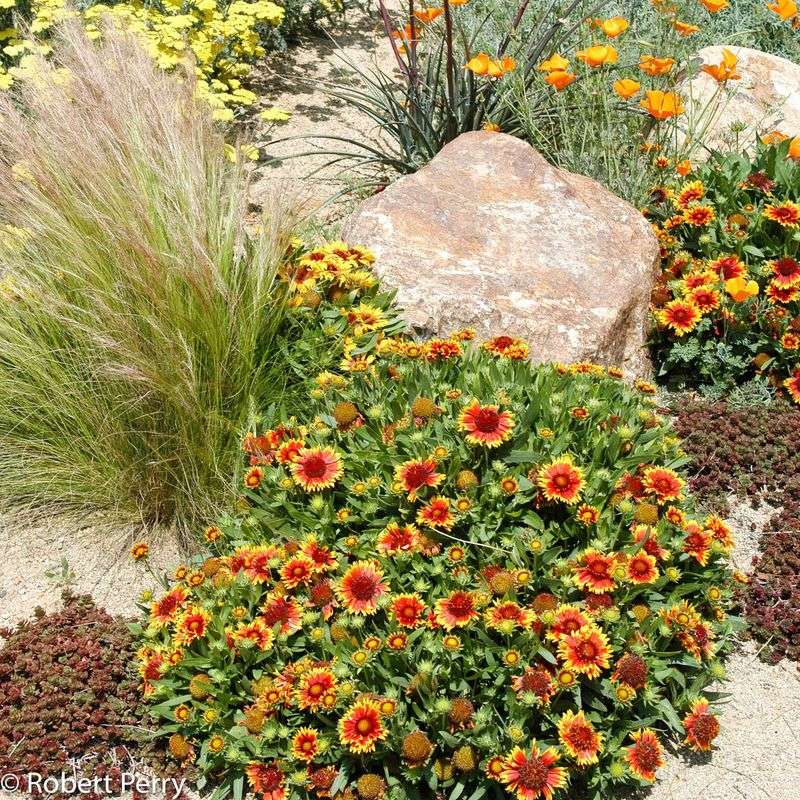
Fiery red and gold rays make blanket flower look like a small campfire in the bed, and it burns brightest in the heat. Set out plants in late summer and you will often get blooms within a few weeks that carry on for months.
Drought and rocky soil barely register with this tough perennial. Once its roots take hold, it survives on very little water, which makes it a smart pick for inland yards and dry slopes.
Butterflies and native bees can hardly resist the color, and songbirds pick at the seed heads later. Leave a few spent flowers standing and you may find volunteer seedlings next season.
8. Lantana
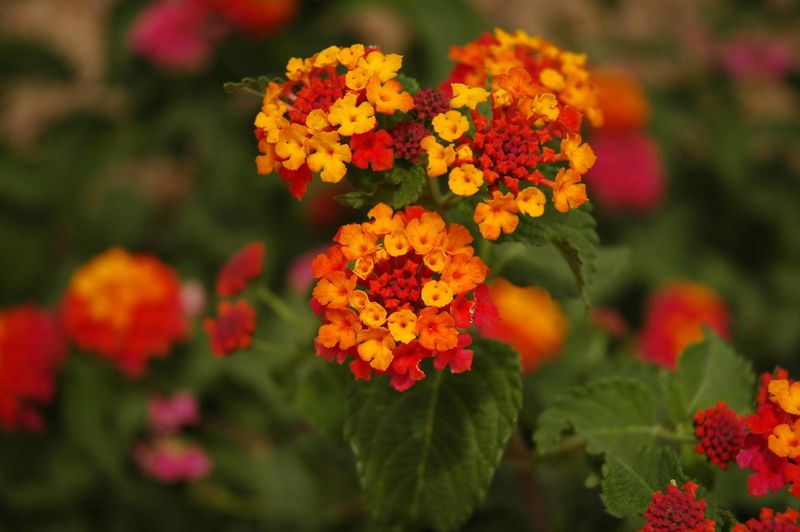
Ask any Southern California gardener for a plant that laughs at heat and lantana usually tops the list. Its clustered blooms in candy colors open fast and keep coming through the hottest, driest part of the year.
Water needs drop sharply once it settles in, making it a favorite for water-wise and fire-smart landscaping when kept trimmed and healthy. Full sun only makes it more generous with flowers.
Butterflies treat a lantana patch like a favorite restaurant, and hummingbirds swing by too. Choose a spot with room to spread, since a happy plant can fill out quickly.
9. Tickseed (Coreopsis)
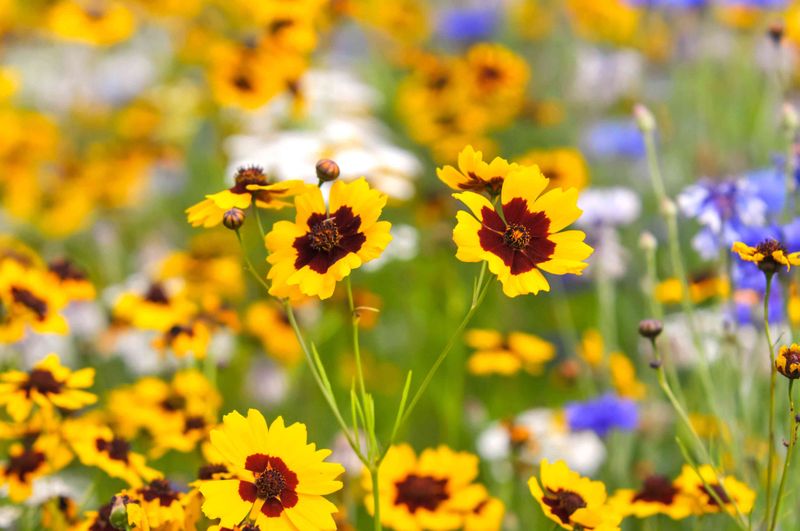
Coreopsis, known as tickseed, throws off so many golden daisies that it can hide its own foliage. Planted in late summer, it settles in fast and rewards you with cheerful blooms in short order.
Heat and lean soil suit it just fine, and once established it gets by on minimal watering. That toughness makes it a reliable pick for pollinator strips and drought-conscious front borders.
Bees and small butterflies work the flowers all day, and a quick shearing mid-season brings a fresh flush of color. For nonstop yellow with almost no fuss, it is hard to beat.
10. Salvia
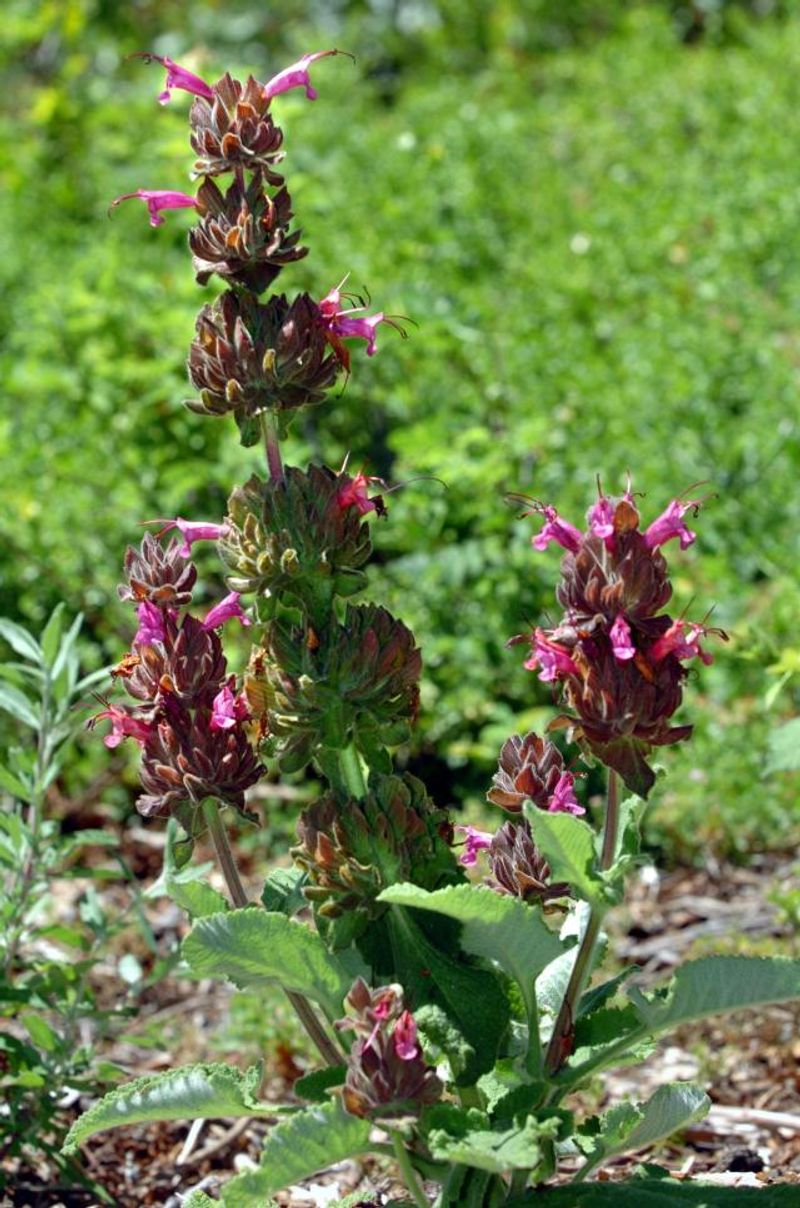
Spiky wands of purple, red, and blue give salvia a bold vertical look that pollinators can spot from across the yard. Many varieties, including California natives, establish quickly in warm soil and start flowering soon after planting.
Drought tolerance runs deep in this family, so salvias fit beautifully into water-wise designs and fire-conscious plantings when spaced and pruned well. They shrug off heat that wilts softer flowers.
Hummingbirds and native bees are the real fans, visiting the tubular blooms again and again. Plant a cluster near a window and you will have a front-row seat to the daily wildlife show.