
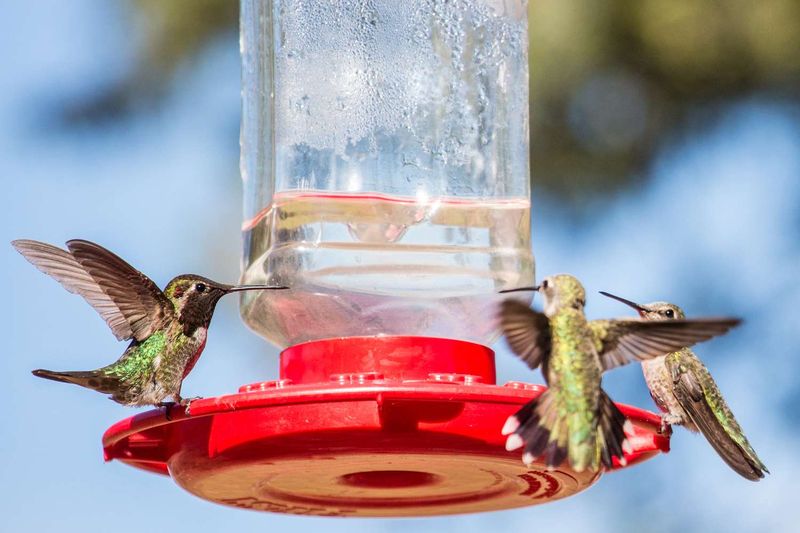
Hummingbirds zip through Southern yards from early spring right into fall, and what you put in your feeder decides whether they stay or skip your place. The good news is that the right nectar is cheap, simple, and easy to get right.
The bad news is that a few common mistakes can quietly send these tiny visitors packing without you ever knowing why. Here are twelve swaps that keep them coming back and six mixes worth avoiding.
1. Plain White Sugar and Water at a 4-to-1 Ratio
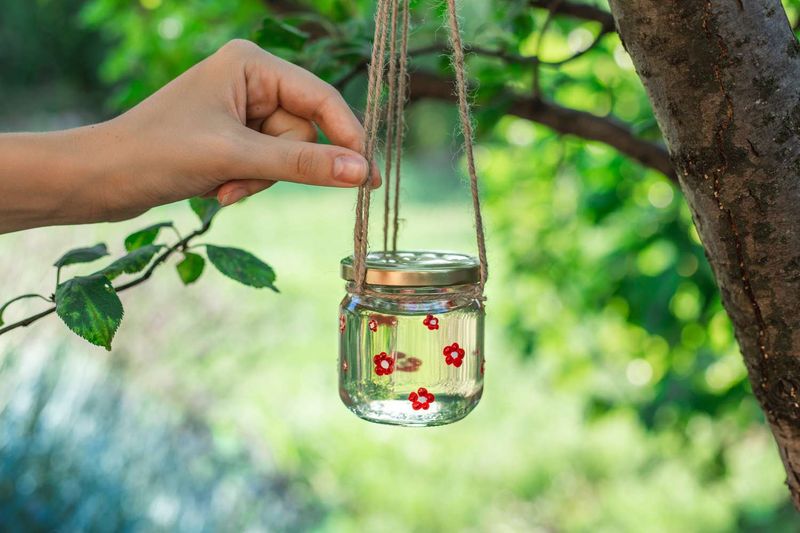
Nothing beats the classic for a reason. Four parts water to one part plain white table sugar closely mimics the sucrose found in the flowers hummingbirds naturally sip from across Florida, Texas, and the rest of the South.
The math is friendly too. One cup of sugar stirred into four cups of warm water gives you a batch that dissolves fast and pours clean.
No fancy ingredients, no guesswork, and no trip to a specialty store.
Warm water helps the crystals melt without cooking, and you can let it cool before filling your feeder. Many longtime backyard birders swear by this exact recipe because it consistently keeps ruby-throated and black-chinned hummingbirds circling back.
Fun bit of history: this ratio caught on because researchers found it roughly matches the sugar concentration in wild nectar. When the food tastes like home, the birds treat your yard like a reliable roadside diner.
Keep it clean, refresh it often in the heat, and you have a swap that works from the Gulf Coast to the Hill Country.
2. Extra-Warm Water for Faster Dissolving
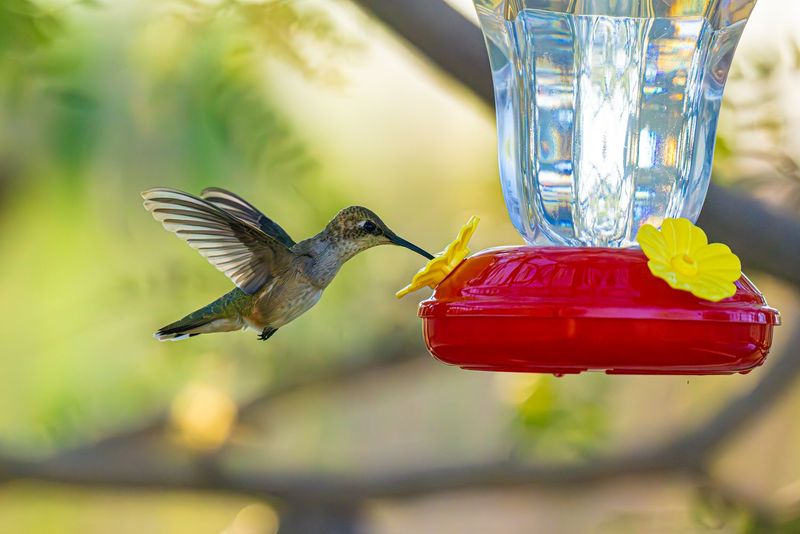
Ever stir sugar into cold water and watch half of it sink to the bottom? Warm water solves that in seconds and gives you a smoother, more even batch.
Heating the water just until it is warm to the touch, or bringing it to a gentle boil and letting it cool, helps every sugar crystal disappear completely. That matters because undissolved grit can clog feeder ports and leave the birds sipping weaker sugar water than you intended.
A quick note for Southern gardeners: you do not need boiling water for the sugar itself, only for dissolving speed and to knock out any waterborne nasties. Let it cool fully before filling, since hot nectar can warp plastic feeders and no bird wants a scalding sip.
Once cooled, the batch stays clear and consistent, which means the concentration stays true from the first port to the last. Warm-water mixing is less a recipe change and more a technique upgrade, but it can noticeably improve how eagerly hummingbirds settle in during those long, hot Texas and Florida afternoons.
3. A Slightly Richer 3-to-1 Mix for Cool Snaps
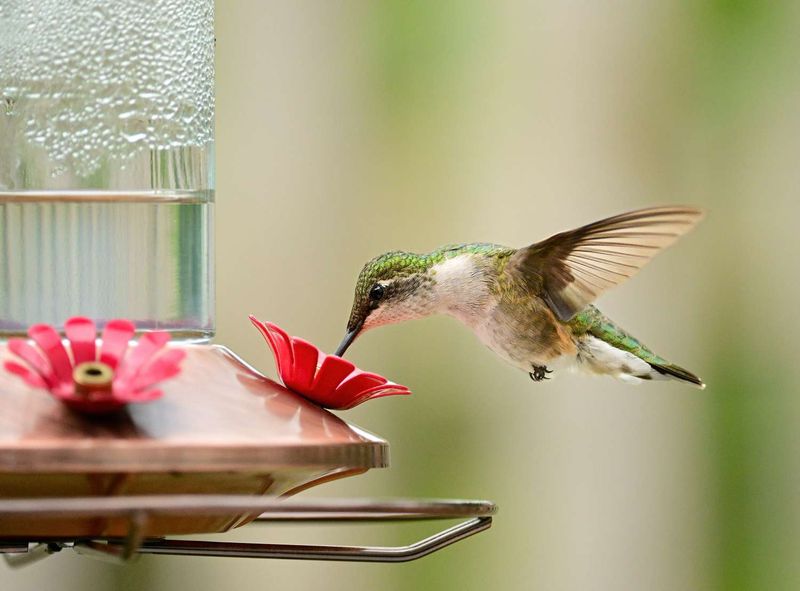
When a cold front rolls through Texas in early spring or a rare Florida chill settles in, hummingbirds burn energy fast just to stay warm. A slightly richer nectar can give them a welcome boost.
Bumping the recipe to three parts water and one part sugar delivers a little extra fuel without going overboard. Think of it as a warmer coat for a tiny bird that weighs less than a nickel.
Use this swap sparingly and only during genuine cool spells. Once temperatures climb back into their usual Southern range, drop back to the standard four-to-one so the nectar does not become too heavy or spoil faster in the heat.
Migrating hummingbirds passing through in fall may especially appreciate the denser energy as they fatten up for the long trip south. Just keep the feeder clean, because richer sugar water can ferment quicker on a warm afternoon.
Used thoughtfully, this seasonal adjustment can help hardworking birds through a chilly stretch without changing your everyday routine much at all.
4. Filtered Water to Skip Heavy Minerals
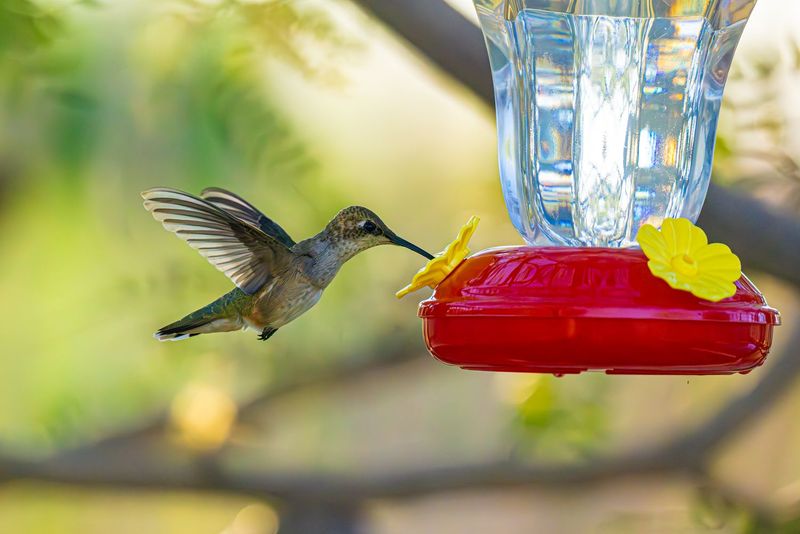
Tap water quality varies a lot across the South, and some of it carries a heavy mineral load or a strong chlorine smell. Swapping in filtered water can make your nectar cleaner and more appealing.
Hard water full of dissolved minerals will not necessarily harm the birds, but it can leave residue in feeder ports and may affect the taste. Filtered or spring water sidesteps those worries and keeps the mix closer to what a flower would offer.
If your kitchen has a simple pitcher filter, you already have everything you need. There is no reason to buy expensive bottled water when a basic filter does the job.
Areas with especially chlorinated municipal supplies, common in parts of Florida and Texas suburbs, tend to benefit most from this swap. Letting tap water sit out overnight also helps some chlorine dissipate if a filter is not handy.
Clean, neutral water lets the sugar do the talking. When the nectar tastes fresh and uncomplicated, hummingbirds are more likely to make your feeder a regular stop instead of a one-time taste test.
5. Organic Cane Sugar as a Clean Alternative
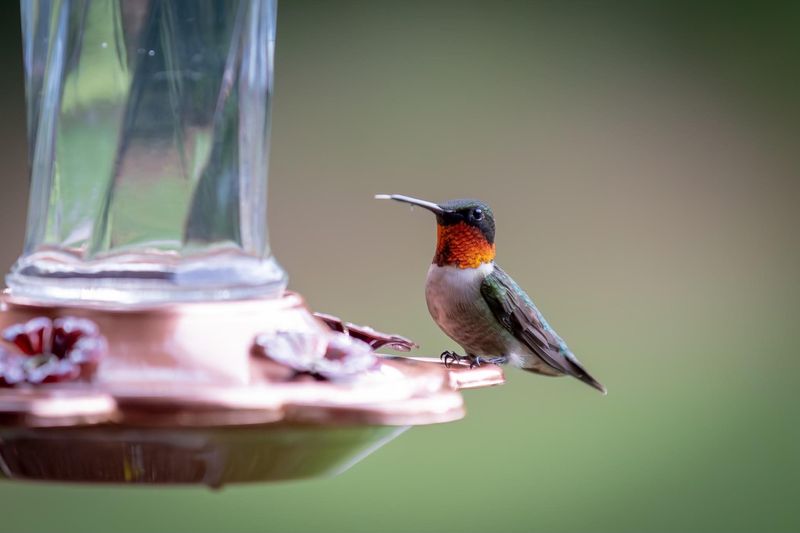
Some gardeners like knowing exactly what goes into their nectar, and organic cane sugar scratches that itch nicely. It is still plain sucrose, just processed with fewer additives.
Because it behaves just like regular white sugar in the feeder, you keep the same reliable four-to-one ratio. The birds get the sucrose they crave, and you get peace of mind about the source.
One thing to watch: pure organic cane sugar should be white or very pale, not the darker raw or turbinado styles. Those darker sugars carry more of the elements that can cause trouble, which we will cover later in the avoid list.
For folks who already keep an organic kitchen, this swap fits right in without any extra learning curve. It dissolves the same, cools the same, and pours the same.
Think of it as a values-friendly version of the classic recipe rather than a performance upgrade. The hummingbirds will not know the difference, but if using a cleaner sugar makes you more likely to keep the feeder stocked and fresh, that consistency alone can bring more birds to your Southern yard.
6. Freshly Mixed Batches Made Every Few Days
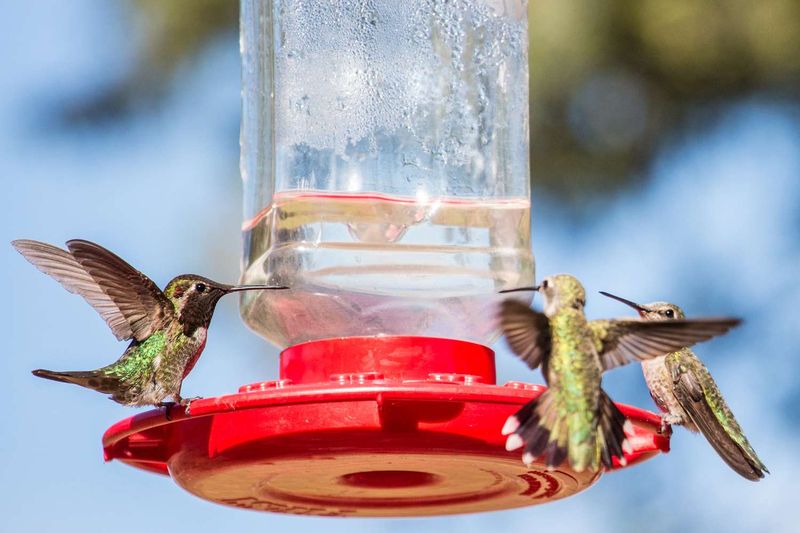
Freshness is a swap all its own. Trading out a tired, cloudy batch for a crisp new one can turn a neglected feeder back into a hummingbird hotspot overnight.
In the Southern heat, sugar water can start to ferment or grow film in just a day or two. Making smaller batches more often keeps every fill tasting like it should.
Rather than mixing a giant jar that sits forgotten, whip up only what your feeder holds for a few days. You waste less and serve better nectar every single time.
Extra mix stores fine in a covered container in the refrigerator for about a week, so you can prep ahead without brewing daily. Just give it a sniff and a look before pouring.
Hummingbirds have a keen sense for spoiled nectar and will quietly avoid a soured feeder. By committing to frequent refreshes, especially from spring through fall when activity peaks in Florida and Texas, you signal that your yard is a dependable dining spot.
That reliability is often what separates a busy feeder from a lonely one.
7. A Cooler, Shaded Feeder Spot to Preserve the Nectar
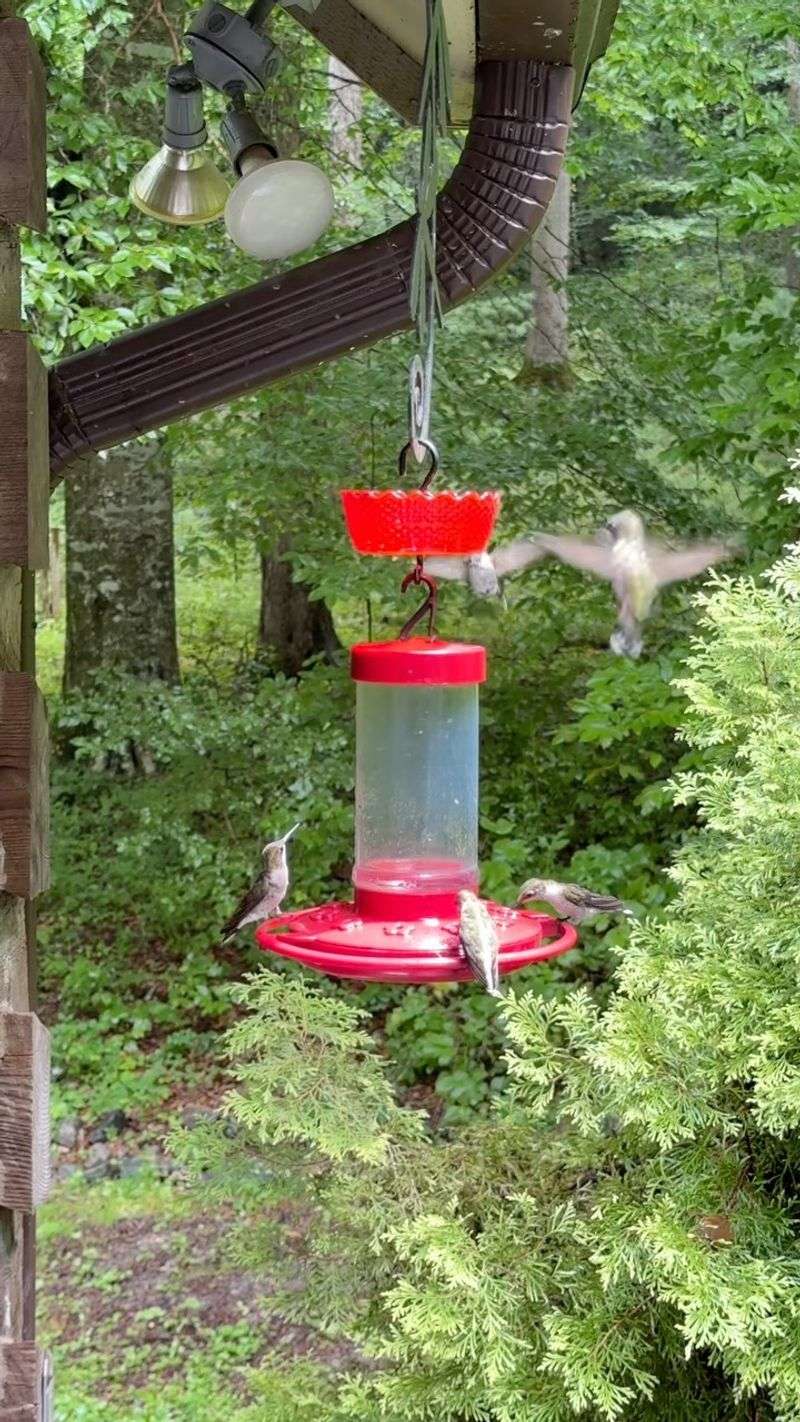
Where you hang the feeder changes how long the nectar inside stays good, which makes placement a sneaky-smart swap. Move it out of blistering sun and the sugar water lasts noticeably longer.
Direct afternoon sun in Texas or Florida can heat nectar until it ferments fast and turns cloudy. A spot with morning light and afternoon shade keeps things fresher between fills.
Dappled shade under a tree or an eave also gives hummingbirds a safe perch nearby, letting them rest between sips and keep watch for hawks or cats. Birds feel calmer when cover is close.
Try to keep the feeder away from busy doorways and reflective windows too, so visitors are not startled off. A quiet, shaded corner of the yard often draws steadier traffic than a hot, exposed rail.
Pairing shade with your regular cleaning routine stretches the time between spoiled batches and cuts down on wasted nectar. It is one of those adjustments that costs nothing yet quietly makes your whole setup more inviting to the little fliers passing through your garden.
8. A Nearby Cluster of Red and Tubular Flowers
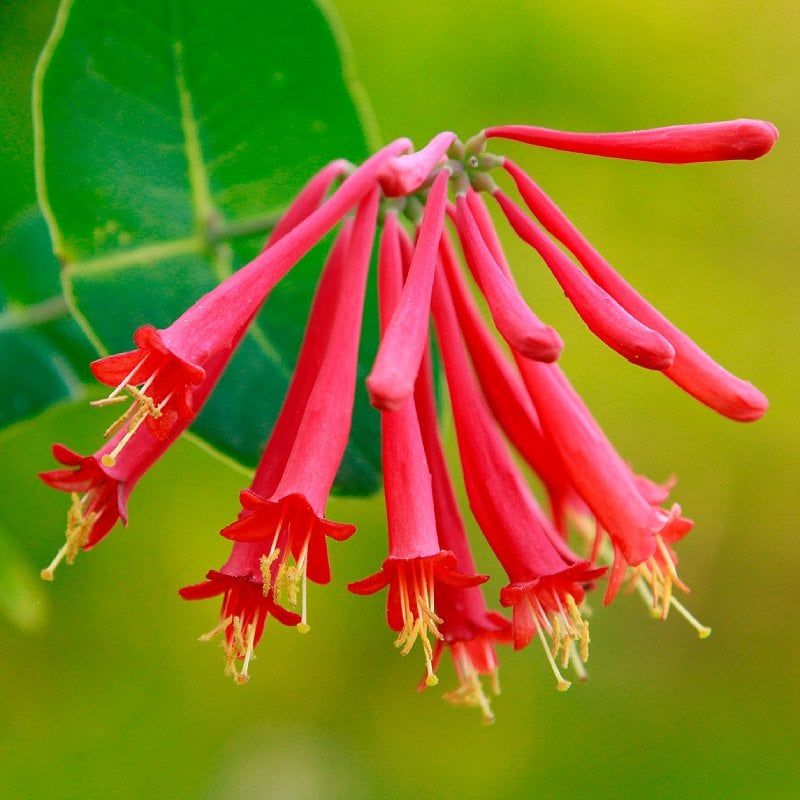
Feeders work best when they have living backup. Planting a patch of red, tubular blooms near your feeder gives hummingbirds a natural reason to explore your yard in the first place.
Southern favorites like firebush, coral honeysuckle, Turk’s cap, and red salvia thrive in Florida and Texas heat and bloom for months. Their shape and color practically shout invitation to a passing hummingbird.
The flowers act like a billboard. Birds spot the bright reds from a distance, drop in for real nectar, and then discover your feeder waiting as a bonus.
Because these plants handle long warm seasons well, they keep the buffet open from spring through fall with little fuss. Many are drought-tolerant once established, which suits busy homeowners just fine.
Adding flowers also spreads the food supply, so a crowded feeder is not the only option and squabbling eases up. Over time, a well-planted corner can become a full pollinator hangout that supports bees and butterflies too.
Pairing real blooms with a clean feeder is arguably the single strongest way to turn a quiet yard into a hummingbird magnet.
9. A Gentle Mister or Dripping Water Feature
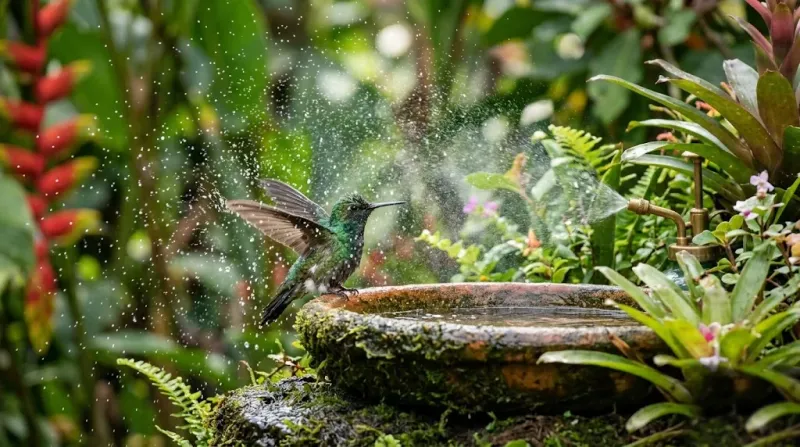
Hummingbirds love water, but not the deep birdbath kind. A fine mister or a slow drip gives them the shallow, moving water they actually use, and it pulls them right into your garden.
These tiny birds often bathe by flying through mist or brushing against wet leaves rather than wading. A simple mister attachment on a hose or a small solar fountain does the trick beautifully.
Movement and sound are the real draw. The sparkle of drifting spray catches their eye from across the yard, especially on a hot, dry Texas afternoon when water is scarce.
Position the mister near your feeder and flowers so the whole area becomes a one-stop destination for food, drink, and a quick bath. Leafy plants nearby let them flutter and preen afterward.
You do not need anything elaborate or pricey. Even a leaky spigot over a broad leaf can start attracting curious fliers.
Adding water rounds out the invitation in a way sugar alone cannot. When your yard offers a meal and a shower, hummingbirds have every reason to linger and return day after day.
10. Multiple Small Feeders Spread Apart
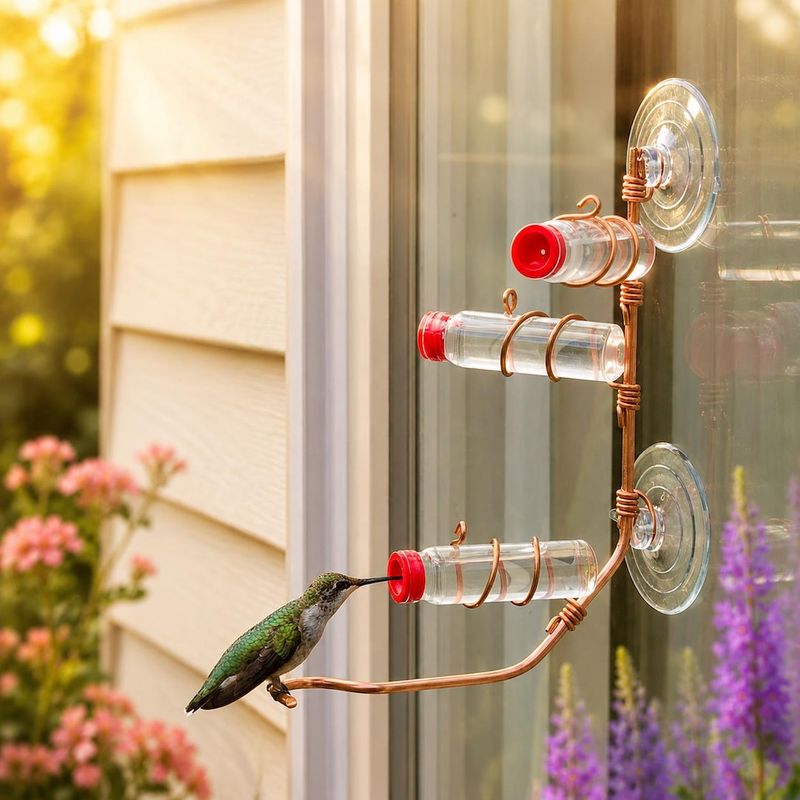
One big feeder can turn into a battleground because male hummingbirds fiercely guard their food. Splitting the supply across several small feeders quietly solves that drama.
Territorial birds cannot defend what they cannot see all at once. By placing feeders around corners, on opposite sides of the porch, or among shrubs, you break up the line of sight and let more birds eat in peace.
Spreading them out also means fresh nectar in smaller amounts, which fits the frequent-refresh habit that keeps the food from spoiling in Southern heat. Each little feeder empties and refills faster.
Homeowners in Florida and Texas often report seeing far more individual birds once they add a second or third feeder in different zones of the yard. The overall traffic climbs even if each feeder is modest.
You can mix styles too, hanging some and mounting others near flower beds. Variety keeps shy visitors comfortable.
The goal is to make your whole yard feel abundant rather than contested. When feeding stops being a fight, everybody eats, and your garden hums with far more activity throughout the long warm months.
11. A Thorough Cleaning Between Every Fill
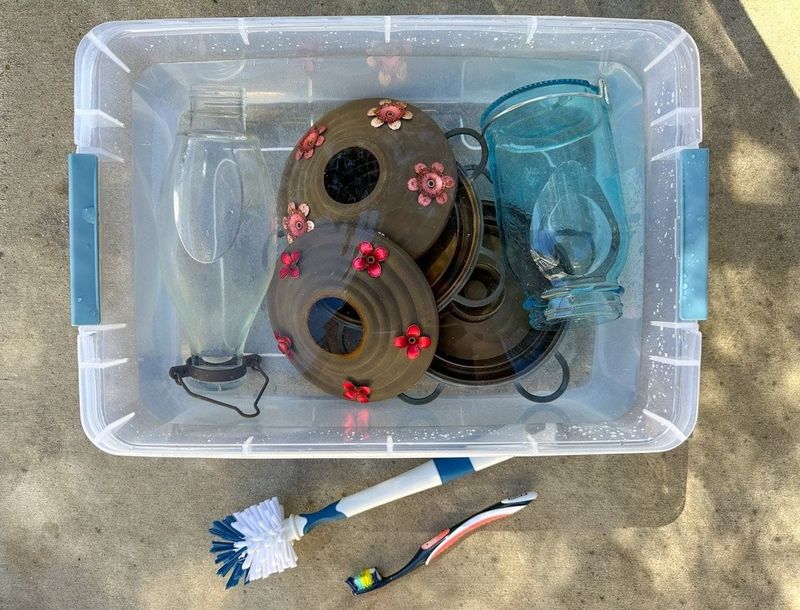
A sparkling clean feeder is one of the most underrated swaps you can make. Trading a grimy, film-coated feeder for a freshly scrubbed one can bring hesitant birds right back.
Warm Southern weather encourages mold and black gunk to build up inside ports and around the base. Rinsing with hot water and scrubbing with a small brush before each refill clears that away.
Skip the harsh soaps that can leave residue. A splash of white vinegar with hot water works well, followed by a good rinse so nothing lingers to bother the birds.
Pay special attention to those tiny feeding ports where sugar dries and clogs. A pipe cleaner or port brush reaches spots a sponge cannot.
During peak season in Florida and Texas, aim to clean at least every few days, more often in extreme heat. It sounds like extra work, but it pairs naturally with your regular nectar swaps.
Hummingbirds are surprisingly picky about hygiene and will abandon a feeder that looks or smells off. Keeping it spotless protects their health and quietly tells them your yard is a safe, dependable place to feed.
12. Skipping Any Coloring and Letting the Feeder Do the Work
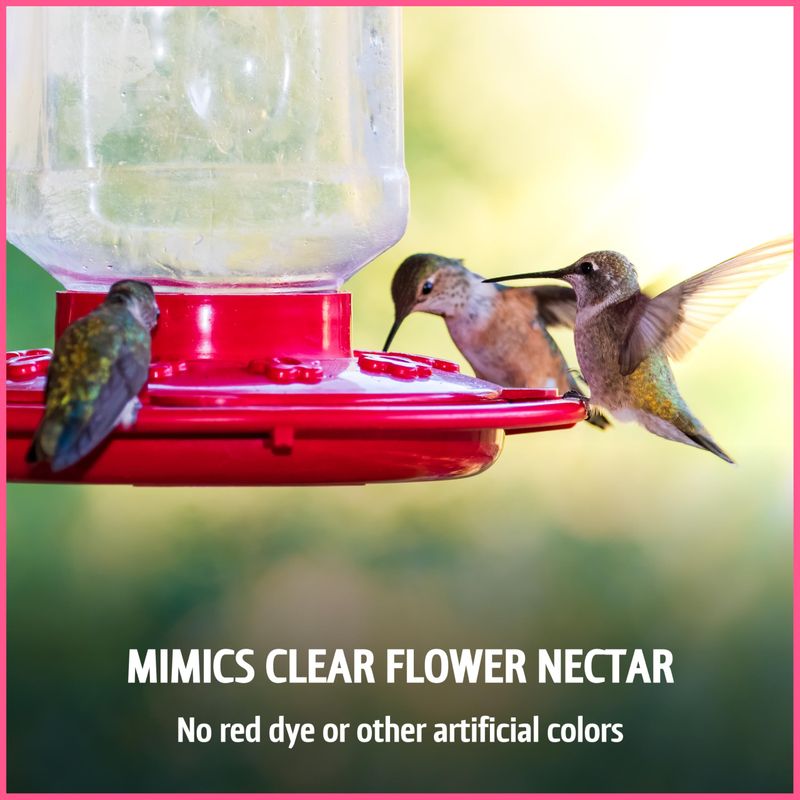
Here is a swap that is really a subtraction. Leaving your nectar completely clear, and letting the feeder’s own red parts attract birds, keeps things simple and safe.
Many people assume the sugar water itself needs to be red, but the feeder’s colored ports, base, or flowers already grab a hummingbird’s attention from afar. The liquid can stay crystal clear.
Choosing a feeder with plenty of red or orange accents does all the visual work dye ever pretended to do. You get the attraction without adding anything extra to the mix.
Clear nectar also makes it easy to spot cloudiness or mold early, so you know exactly when it is time to refresh. Colored liquid hides those warning signs.
For gardeners across the South who want a foolproof routine, this approach removes one more variable and one more expense. Plain sugar, clean water, a red feeder, and regular refills cover everything.
The birds respond to shape, movement, and reliable food far more than to a tinted drink. Keeping the nectar clear is the confident, low-effort choice that consistently keeps hummingbirds happy and coming back.
13. Red Food Coloring or Dyed Store Nectar
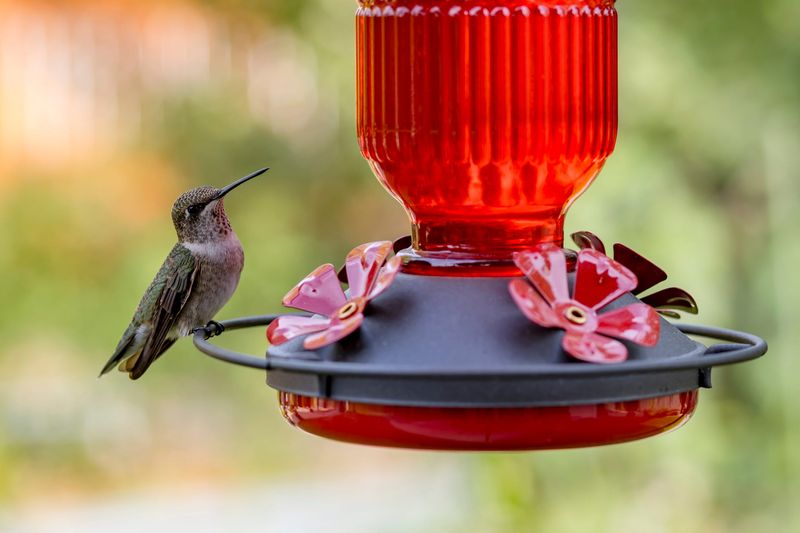
Bright red nectar looks festive on the shelf, but it may do more harm than good. Many backyard birders and wildlife groups steer clear of dyes for good reason.
The concern is that artificial coloring adds chemicals hummingbirds simply do not need, and some research raises questions about long-term effects on such tiny bodies. Since clear nectar works perfectly, there is little upside to the risk.
Those pre-made red bottles at the store often cost more than plain sugar and water while offering nothing the birds actually require. The red feeder itself already draws them in.
Skipping the dye also makes it easier to see when your nectar has spoiled, since cloudiness hides inside colored liquid. That alone can save you from unknowingly serving bad food.
If you have been using red mixes, switching to plain sugar water is an easy, money-saving fix. The hummingbirds will not miss the color one bit.
When it comes to these delicate visitors, less is more. Leaving the coloring out is a small change that removes a needless worry and keeps your Southern yard’s feeder as safe as it is simple.
14. Honey-Based Nectar
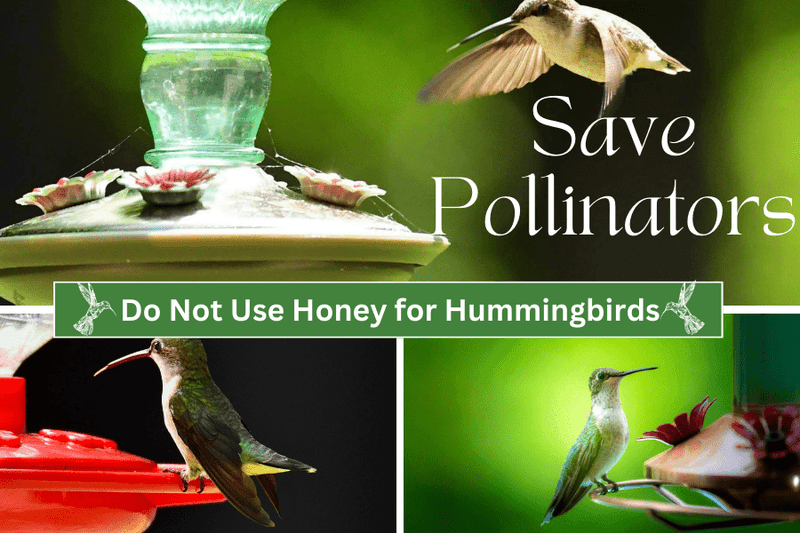
Honey seems like a wholesome, natural upgrade, yet it can quietly become dangerous in a feeder. It is one of the mixes to avoid entirely.
When honey is diluted in water and sits in the warm Southern air, it grows mold and harmful fungus far faster than plain sugar water. That growth can cause serious, sometimes fatal, infections in a hummingbird’s tongue and throat.
The stuff also ferments quickly, turning your feeder into a hazard within a day. What feels like a caring choice can end up hurting the very birds you want to help.
Even raw or local honey carries these risks, so there is no safe version for feeders. Reserve honey for your tea and keep it out of the nectar.
Plain white sugar mimics flower nectar much more closely anyway, so you lose nothing by leaving honey on the pantry shelf. The birds are better off with the simple stuff.
If someone once told you honey was a healthier option, it is worth setting that advice aside. Protecting these fragile fliers means sticking with the boring, reliable sugar-and-water recipe every single time.
15. Brown Sugar, Raw Sugar, or Molasses Mixes
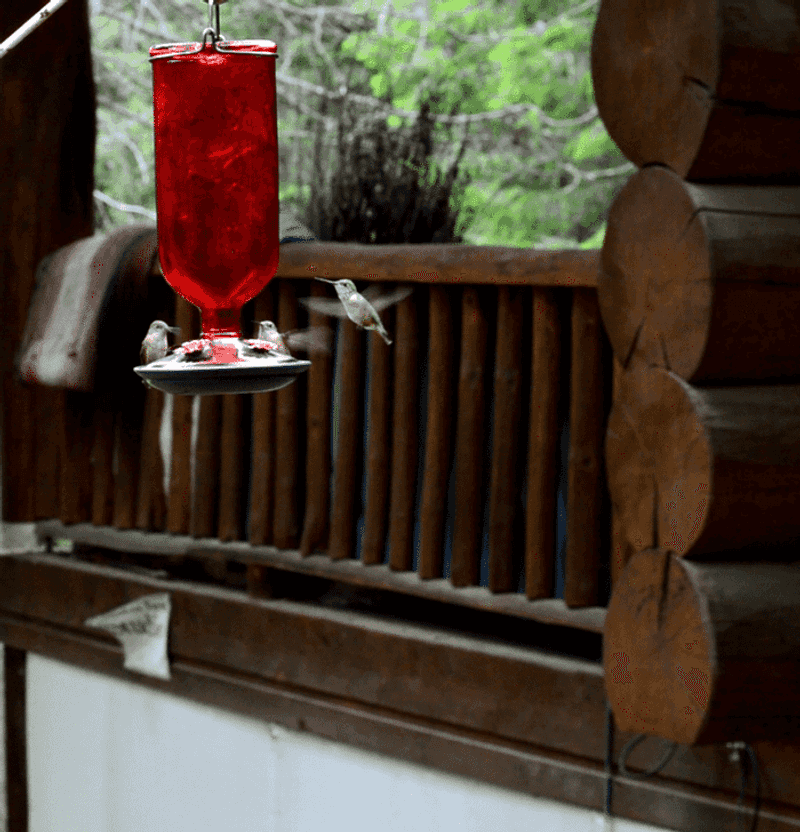
Darker sugars look richer and more natural, but they hide a problem for hummingbirds. Brown sugar, raw turbinado, and molasses all contain higher levels of iron, which can be tough on these tiny birds.
Their small systems are not built to process that extra iron, and over time it may contribute to health trouble. What looks like a hearty treat is really a poor fit for their needs.
The darker color also clouds the nectar, making it harder to tell when a batch has gone bad in the Florida or Texas heat. Plain white sugar stays clear and easy to read.
These sugars can ferment and mold differently too, adding another layer of risk you simply do not need. The classic recipe already gives the birds exactly the sucrose they want.
If you grabbed the wrong bag at the store, no harm done, just save it for baking. Swap in ordinary white cane sugar for the feeder.
Sticking with pure, undyed white sugar keeps the food safe, clear, and close to the wild nectar hummingbirds evolved to drink across the warm Southern landscape.
16. Artificial Sweeteners and Sugar Substitutes
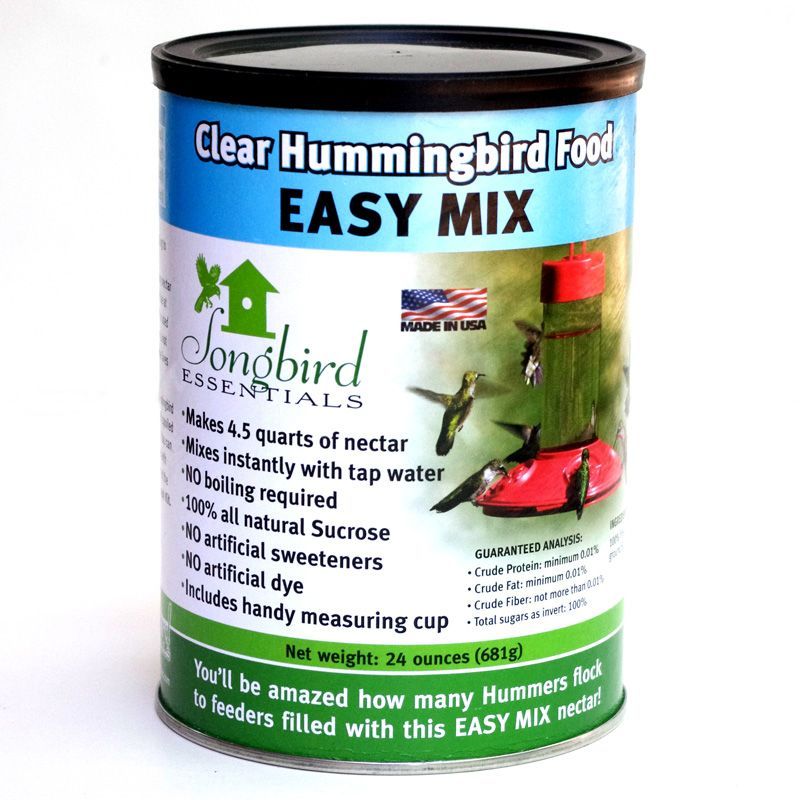
Reaching for a sugar substitute might feel like a modern, calorie-smart idea, but it starves hummingbirds in disguise. These are among the worst things you could ever put in a feeder.
Hummingbirds burn enormous energy just to hover, and they rely on real sugar for fuel. Artificial sweeteners provide sweetness with none of the calories, so the birds fill up while getting nothing they need to survive.
A hummingbird tricked into drinking zero-calorie liquid could weaken quickly, which is a heartbreaking outcome for such an active little creature. Their bodies demand genuine carbohydrates around the clock.
Products meant for human diets simply were not designed with wildlife in mind, and their chemistry can be unpredictable for animals this small. There is no safe substitute for plain sugar here.
The fix is refreshingly simple and cheap: ordinary white table sugar is exactly what these birds crave. It costs pennies and does the job perfectly.
When feeding hummingbirds, calories are the whole point. Leave the diet sweeteners for your coffee and give the birds the real, energy-packed nectar their fast little hearts absolutely depend on.
17. Overly Sweet 2-to-1 Concentrated Mixes
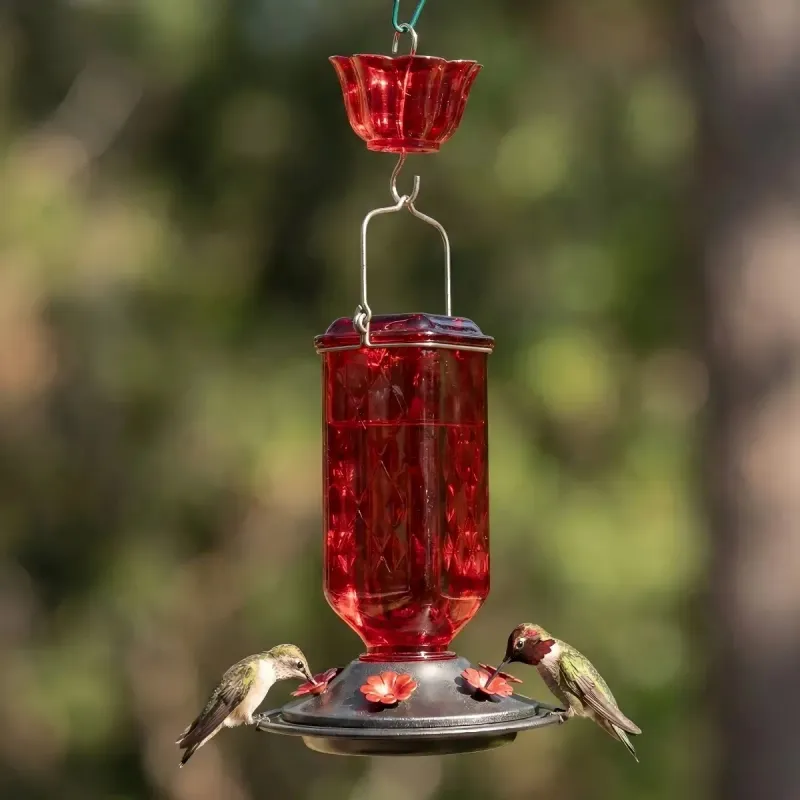
More sugar sounds like more energy, so some folks crank the mix way up. A two-to-one syrup is too much of a good thing and can quietly turn birds away.
Nectar that thick no longer matches the sugar level of real flowers, and it can be harder for hummingbirds to process. Their kidneys handle a natural, watery nectar far better than a dense syrup.
Concentrated mixes also crystallize and clog feeder ports, especially once the Southern sun bakes them. A gummed-up feeder frustrates birds and leaves them hunting elsewhere.
The heavy sugar load ferments faster too, spoiling before you might expect and forcing more frequent cleanups. You end up working harder for a worse result.
Stick close to the trusted four-to-one ratio, or ease to three-to-one only during genuine cold snaps as mentioned earlier. That range keeps the nectar safe and appealing.
Overdoing the sugar is a well-meaning mistake, but hummingbirds thrive on balance, not on syrup. Keeping the concentration reasonable protects their health and keeps your feeder flowing freely through the long, hot Florida and Texas seasons.
18. Leftover Nectar Left Out Too Long
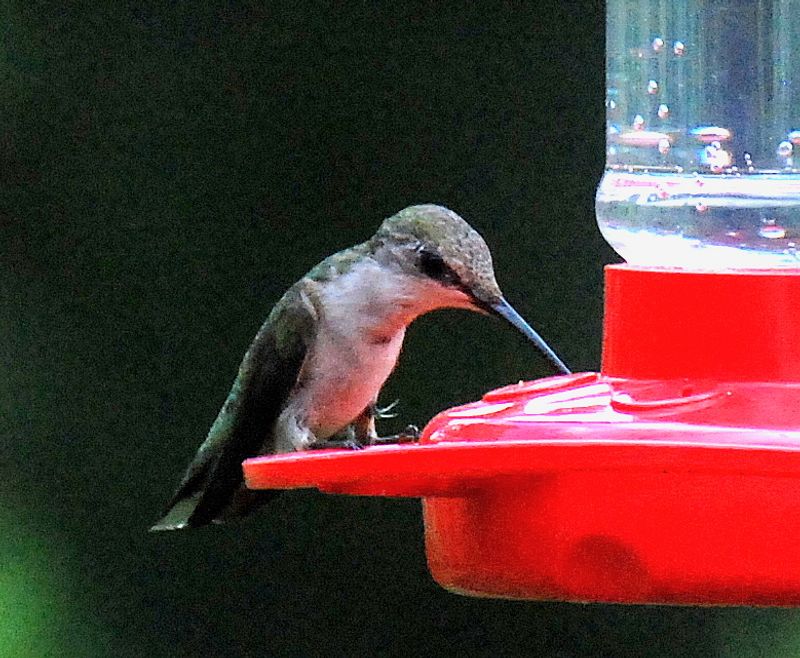
The last mistake is not really a recipe at all, it is neglect. Letting old nectar linger in the feeder can undo every good choice you have made.
In the heat of a Southern afternoon, sugar water can spoil, cloud, and grow black mold in just a day or two. A hummingbird will sense the sour, off nectar and quietly move on to a cleaner yard.
Fermented nectar can even harm the birds if they do sip it, so a forgotten feeder becomes a hidden hazard rather than a helping hand. What starts as generosity turns risky fast.
The signs are easy to spot once you know them: cloudiness, floating specks, a fizzy look, or dark spots around the ports. Any of those means dump it and start fresh.
Getting into a rhythm of tasting the schedule, not the nectar, keeps you ahead of spoilage. Change it every couple of days in peak heat, no matter how much is left.
Pair prompt refreshes with regular cleaning and shaded placement, and you close the loop. Fresh food is the promise that keeps hummingbirds treating your garden as a trusted stop all season long.