
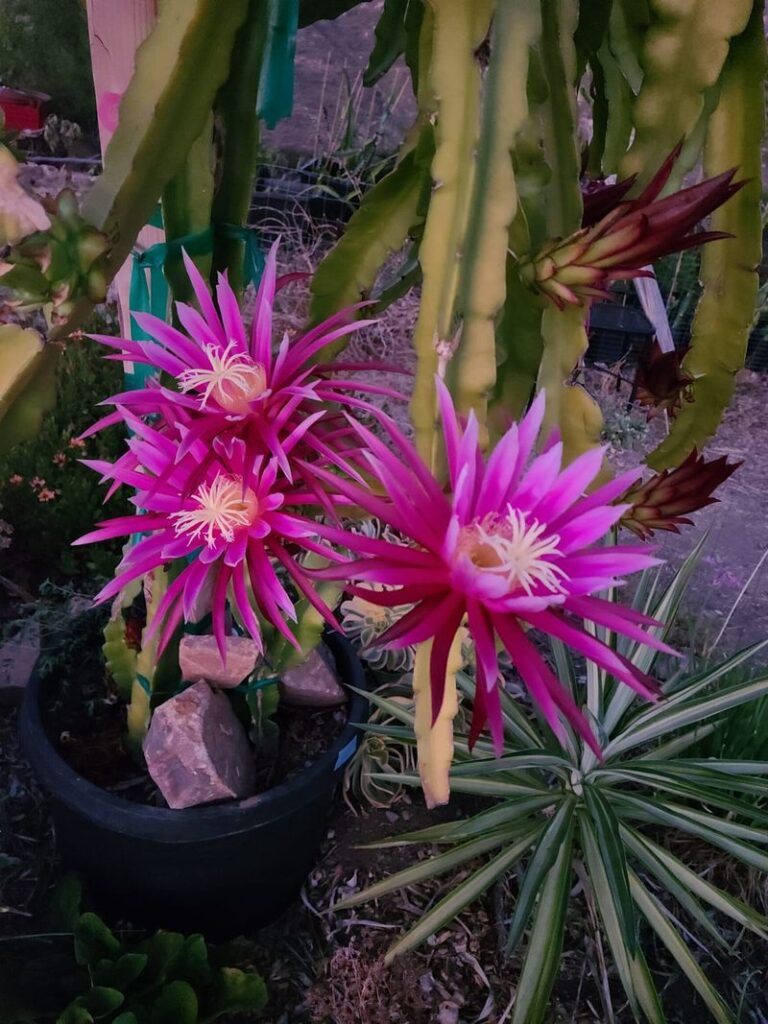
Dragon fruit looks like something out of a fantasy novel, but gardeners in mild Southern California have been growing it in real backyards for years. The challenge is that this climbing cactus can sprawl into a tangled, space-hogging mass if left to its own devices.
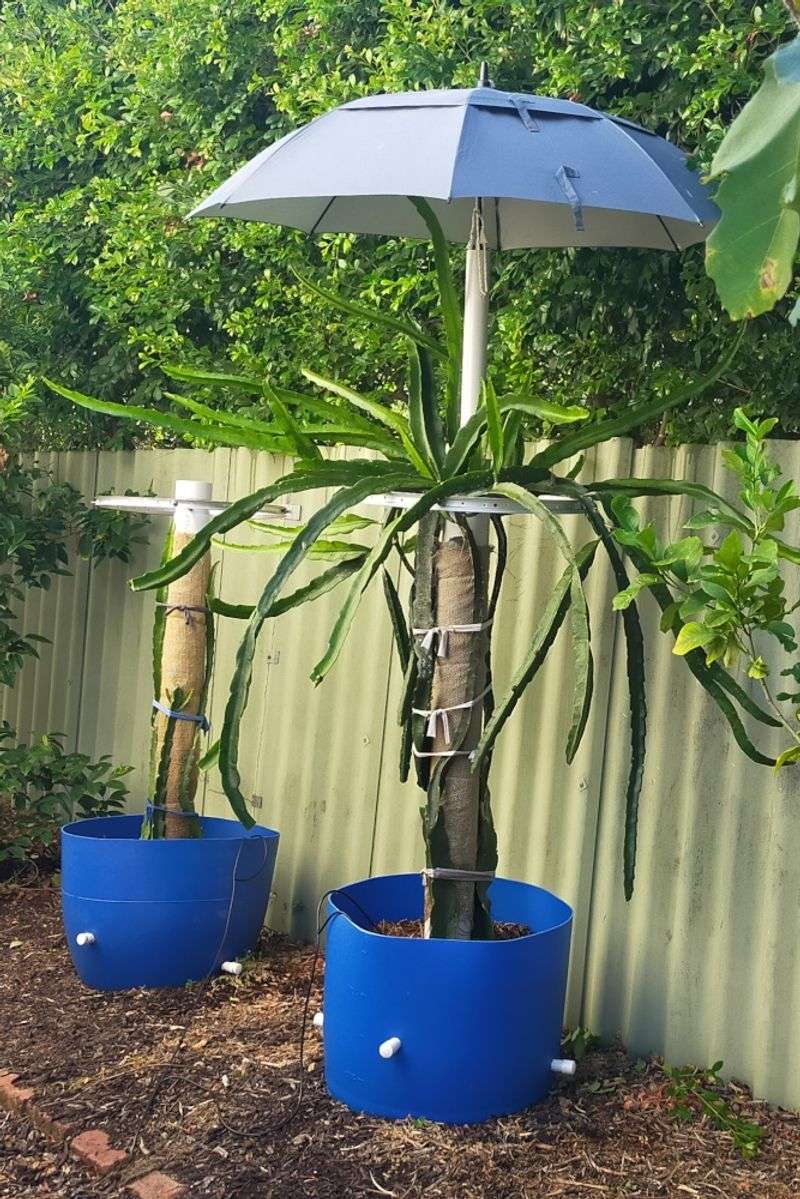
One training approach, a single-post umbrella trellis, concentrates the plant’s canopy near the top of a sturdy post and keeps the footprint narrow enough to work in some compact yards. It is not a magic fix for every California garden, but in the right spot and with the right setup, it can make dragon fruit genuinely manageable.
A Single Post Changes the Plant’s Shape, Not Its Size
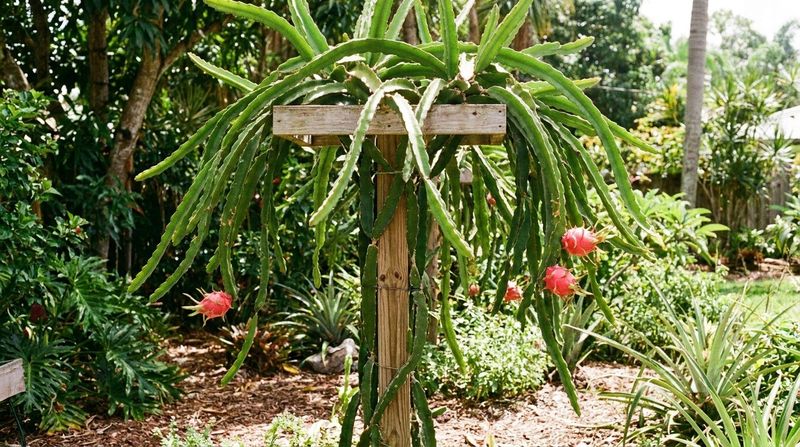
Left to grow without guidance, dragon fruit, or pitahaya, does not stay tidy. UF/IFAS pitahaya production guidance describes how unmanaged plants develop a dense tangle of stems that blocks light from reaching inner branches, restricts airflow, and makes fruit difficult to find and harvest.
In a cramped California yard, that kind of sprawl can take over a planting bed, crowd a walkway, or lean onto a fence before the first flower ever opens.
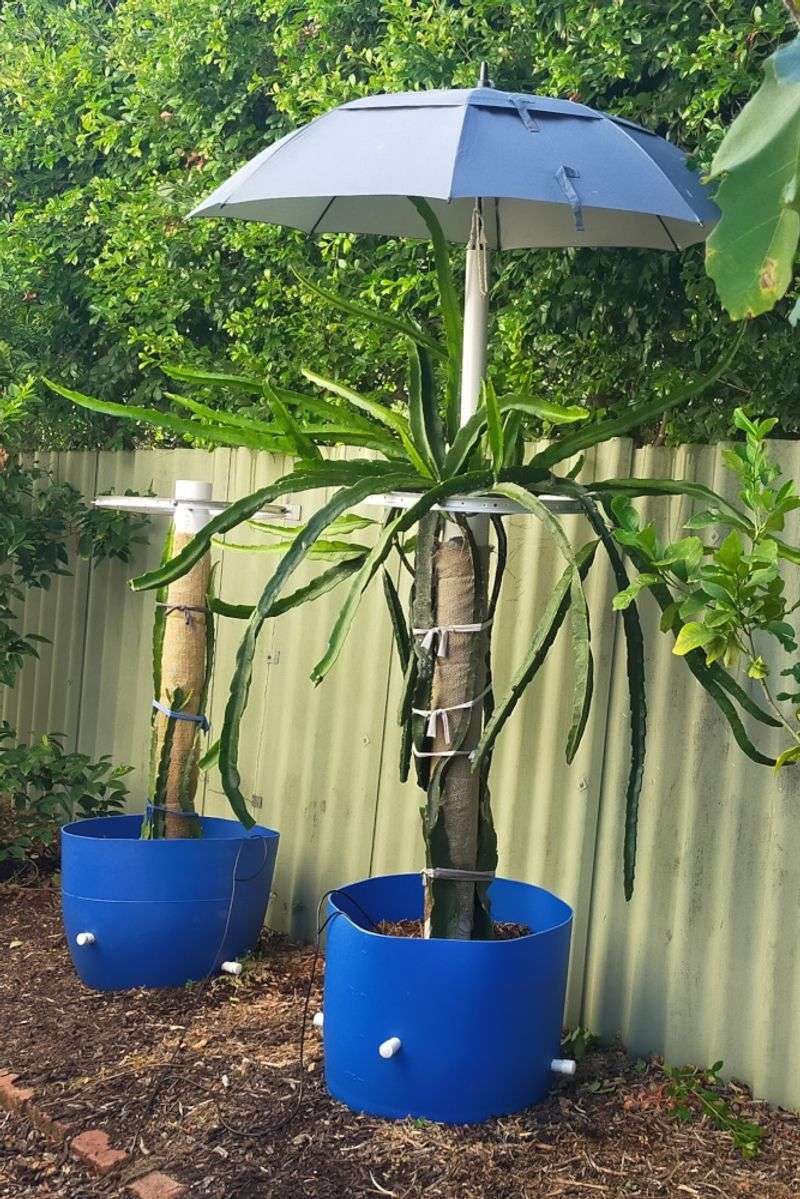
The single-post umbrella trellis, sometimes called a mop-top or pole-and-crown system, addresses that sprawl by concentrating the plant’s growth near the top of one central post. One or a few main stems climb the post vertically, all lateral shoots along the trunk are removed, and the leader is tip-pruned at the top to encourage selected branches to spread and hang from a ring or crown support.
The canopy sits up high rather than creeping outward at ground level, which leaves more usable space below and around the post.
A 2026 peer-reviewed comparison found that a single-pole system outperformed pyramid and T-trellis designs for the cultivars and conditions tested, and that published trellis comparison supports treating the method as a promising compact training option. The study was not conducted in California, so it does not prove the system is universally best for every residential yard in the state, but the structural logic holds: fewer stems competing for the same space, better light distribution, and a crown that a gardener can actually reach.
The key distinction to hold onto from the start is that the post changes the plant’s shape, not its ultimate size. Dragon fruit is a vigorous vining cactus that grows large and heavy at maturity.
The umbrella form narrows its horizontal footprint and organizes its growth, but it does not create a miniature plant. The crown still spreads and hangs outward, and the support structure must be built to carry that eventual weight.
Can Your California Yard Support the Setup?
Before buying a cutting or ordering a post, walk your yard and be honest about what you have. Dragon fruit performs best in warm, well-drained locations with full or nearly full sun.
Shaded corners, low spots where water collects after rain, or areas hemmed in by dense shrubs are poor candidates regardless of how much trellis engineering you apply.
California is not one growing climate, and that matters here. UC Cooperative Extension pitahaya production research shows that mild Southern Coastal California, particularly areas around San Diego, Riverside, and Ventura counties, offers some of the most suitable conditions in the state.
The combination of warm temperatures, low frost risk, and dry summers aligns well with what pitahaya actually needs.
Move inland or north and the picture changes quickly. Frost-prone valleys, mountain communities, and cooler Northern California locations may need a sheltered microclimate, frost cloth or protection during cold snaps, or container culture that allows the plant to be moved.
UF/IFAS cold-tolerance guidance identifies freeze damage risk for mature vines below roughly 26 to 29 degrees Fahrenheit, with potential harm possible at prolonged exposure below about 31 degrees. Treat those figures as broad risk thresholds rather than guarantees for any specific cultivar or duration of cold exposure.
Heat is an equally real constraint on the other end. Temperatures above roughly 93 to 104 degrees Fahrenheit can stress plants, and intense summer sun in California’s hot inland valleys can sunburn stems.
UC Extension pitahaya variety trial data reinforces that siting decisions in high-heat areas require more care than the simple “sunny backyard” framing might suggest. Temporary shade cloth during the hottest weeks is worth considering if your site regularly pushes past 100 degrees.
Drainage deserves as much attention as sun exposure. A spot that holds moisture after irrigation or rain will cause root problems faster than cold or heat will.
Raised beds, mounded planting areas, or in-ground locations with genuinely fast-draining soil give the plant the dry-between-waterings environment it needs. Identify your warmest, best-draining, most open location before committing to any support structure.
Build for the Mature Canopy Before You Plant
Most gardeners think about the trellis after they have a plant that needs support. With dragon fruit, that order should be reversed.
Build the structure before you plant, and build it for the plant the cutting will eventually become, not the lightweight stem it is on day one.
UF/IFAS pitahaya production guidance specifically warns that mature plants can become heavy enough to buckle weak trellises. A post that wobbles when you push it will not survive a full crown of thick, water-filled cactus stems.
The central post should be pressure-treated wood, galvanized steel pipe, or another durable material, set deep enough in concrete or compacted gravel to resist lateral force from wind and canopy weight. A common practical target is setting the post so that roughly one-third of its total length is underground, though the exact depth depends on your soil and post diameter.
At the top of the post, attach a sturdy horizontal support: a ring, wagon-wheel frame, or equivalent structure that can hold the hanging stems of a mature crown without bending. The connection between the post and the crown support must be solid because that junction carries the most stress.
Any wire used to guide or secure stems should be covered with rubber tubing, foam pipe insulation, or similar protective material to prevent the wire from cutting into the cactus tissue as the stems thicken.
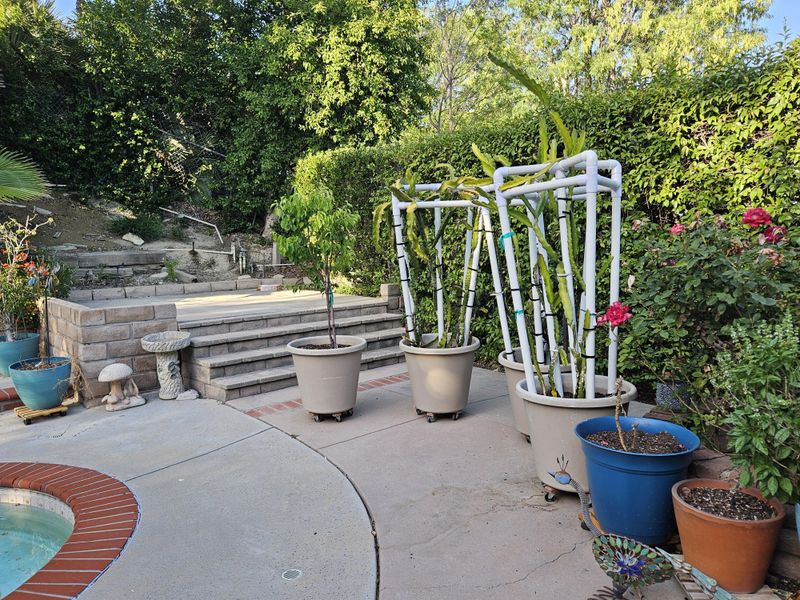
A large container is an optional addition to this setup, not a required component. A SARE educational project on containerized dragon fruit trellises described using a large container alongside a central post as a way to keep the root zone localized and the planting position defined.
Some growers use a container with its bottom removed, set around the base of the post, so roots can grow into native soil while the container still defines the planting area. That approach can help in yards where you want a clear boundary between the plant’s root zone and adjacent paving or lawn.
If you use a container, container sizing guidance from University of Illinois Extension reinforces that the vessel must be large enough to support a maturing plant without tipping. A lightweight pot that suited a small cutting will become unstable once the canopy fills out above it.
Size and ballast the container for the mature crown, not the planting-day stem.
Train One Leader Up the Post, Then Tip It
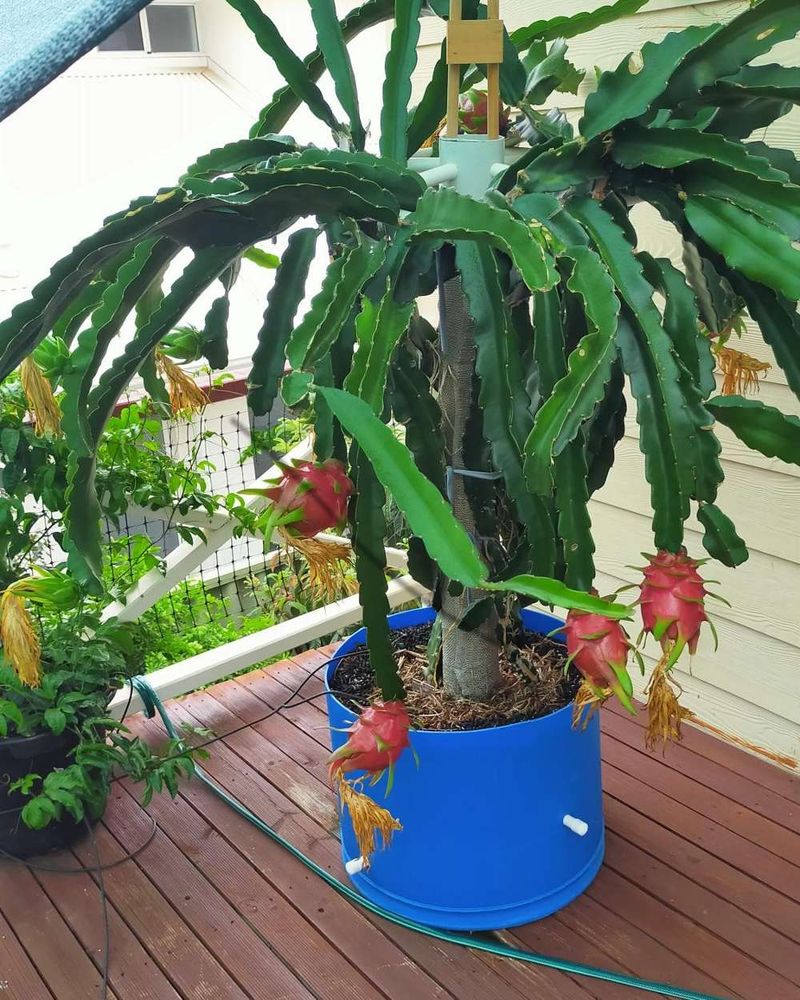
Start with a cutting rather than seed. Seed-grown dragon fruit plants vary considerably in their characteristics and can take up to seven years to produce fruit, while cuttings from known selections may fruit in roughly six to nine months under favorable conditions.
That timeline is not guaranteed and depends on cultivar, climate, pollination, and irrigation, but cuttings give you a meaningful head start and a predictable plant type.
Once the cutting is rooted and growing, the training goal is simple: one strong vertical stem reaching the top of the post, with no lateral competition along the way. Select the most vigorous shoot as your leader and tie it loosely to the post as it climbs.
Remove any lateral shoots that emerge along the trunk promptly, while they are still small and easy to snap off cleanly. Leaving laterals in place along the lower trunk divides the plant’s energy and slows upward progress.
UF/IFAS pitahaya production guidance outlines this sequence: train the main stem upward, suppress lateral growth along the trunk, and then tip-prune the leader once it reaches the top support. That tip cut is the trigger that shifts the plant’s energy from vertical climbing into lateral branching.
Several new shoots will emerge near the cut, and those are the ones you train across the top ring or crown support.
After tip-pruning, select a manageable number of those new laterals to keep, spacing them so they can spread without immediately crowding each other. Guide them outward across the top support structure, then allow the extending growth to hang naturally.
Agricultural guidance from Hong Kong’s AFCD describes this hanging-stem arrangement as characteristic of the mature umbrella form, with fruiting occurring along those pendant branches.
Throughout the training period, continue removing any new lateral shoots that emerge below the crown. The trunk should stay clean from the soil line to the top support.
That discipline is what keeps the plant’s footprint narrow and its energy focused on the productive crown rather than on a tangle of competing stems lower down. The compact shape comes from consistent training, not from the pot or the post alone.
Prune for an Open, Harvestable Crown
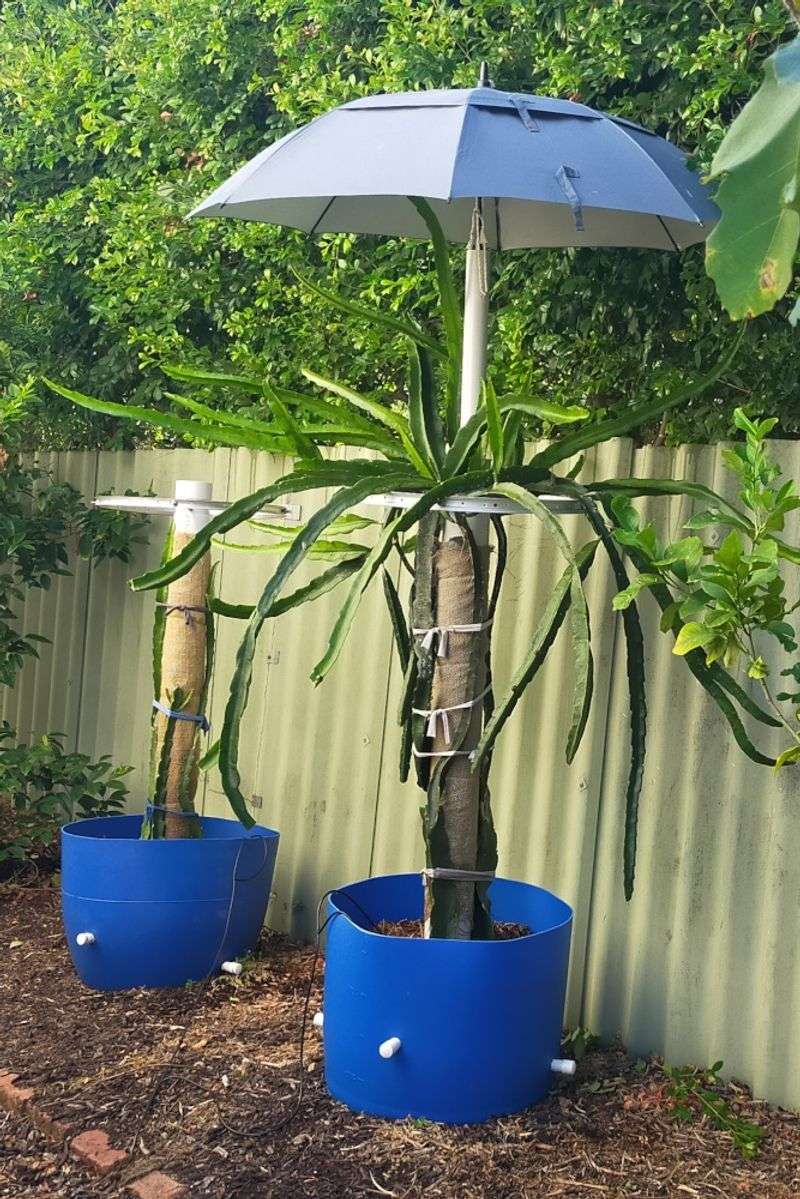
Training gets the plant into the right shape. Ongoing pruning keeps it there.
Once the umbrella crown fills in, the temptation is to let every stem stay because more stems can feel like more potential fruit. That logic breaks down when the canopy becomes so dense that light cannot reach inner branches, air stagnates among the stems, and you cannot see or reach the fruit without reaching into a prickly tangle.
UF/IFAS pitahaya production guidance notes that vigorous plants may need pruning one to three times per year. The timing that makes the most practical sense for most home growers is immediately after harvest, when you can see which stems produced fruit and which did not, and when removing material causes the least disruption to active flowering cycles.
Additional pruning passes during the growing season address new growth that would otherwise clutter the crown.
The categories of stems to remove are consistent regardless of cultivar: dead, damaged, diseased, weak, soil-touching, and overcrowded branches all come out. UC Cooperative Extension pitahaya guidance reinforces that removing these problem stems improves the growing conditions for the stems that remain.
Sanitize your cutting tools between plants and between cuts on diseased material, and remove any diseased stem sections from the growing area rather than leaving them on the soil surface.
Research from other production regions supports the connection between selective canopy thinning and better light distribution and air movement. One published pruning study and related canopy management research both show that managing stem density affects fruit quality and plant health outcomes, though the specific pruning intensity that works best varies by cultivar, trellis design, and climate.
Avoid applying a fixed stem count or a universal pruning percentage to your plant. Instead, use the practical standard of an open crown where you can see through the canopy, where air moves freely, and where you can reach any hanging stem without forcing your way in.
After every pruning session, step back and look at the crown from the outside. The goal is a shape that looks organized from a distance and accessible from every side, not a perfectly symmetrical sculpture.
A slightly irregular but open crown is more productive and easier to manage than a dense, tidy-looking mass of stems competing for the same light.
Water Deliberately and Plan for Night-Blooming Flowers
Getting the trellis right and training the crown correctly sets the stage, but what happens between pruning sessions determines whether the plant actually produces fruit. Two care factors matter most: water management and pollination timing.
Both are specific enough to trip up otherwise attentive gardeners.
Dragon fruit tolerates dry periods, but calling it drought-proof is misleading and can lead to real plant problems. UF/IFAS pitahaya production guidance specifically warns that overwatering and lawn sprinkler overspray can cause decline and root rot, while also stating that established plants need water during active growth, flowering, and prolonged dry weather.
The tension between those two facts is the point: the plant wants deliberate irrigation during the periods when it is actively working, and it wants dry-ish conditions in between. Well-drained soil is the foundation that makes both possible.
Additional UF/IFAS dragon fruit guidance echoes the drainage priority and notes that soggy roots are a faster path to plant death than a dry spell. In Southern California’s dry summers, plan to irrigate on a schedule that keeps the root zone from drying out completely during bud development and flowering, then back off between cycles.
Drip irrigation placed at the root zone rather than overhead spray reduces the moisture on stems and soil surface that can encourage fungal problems.
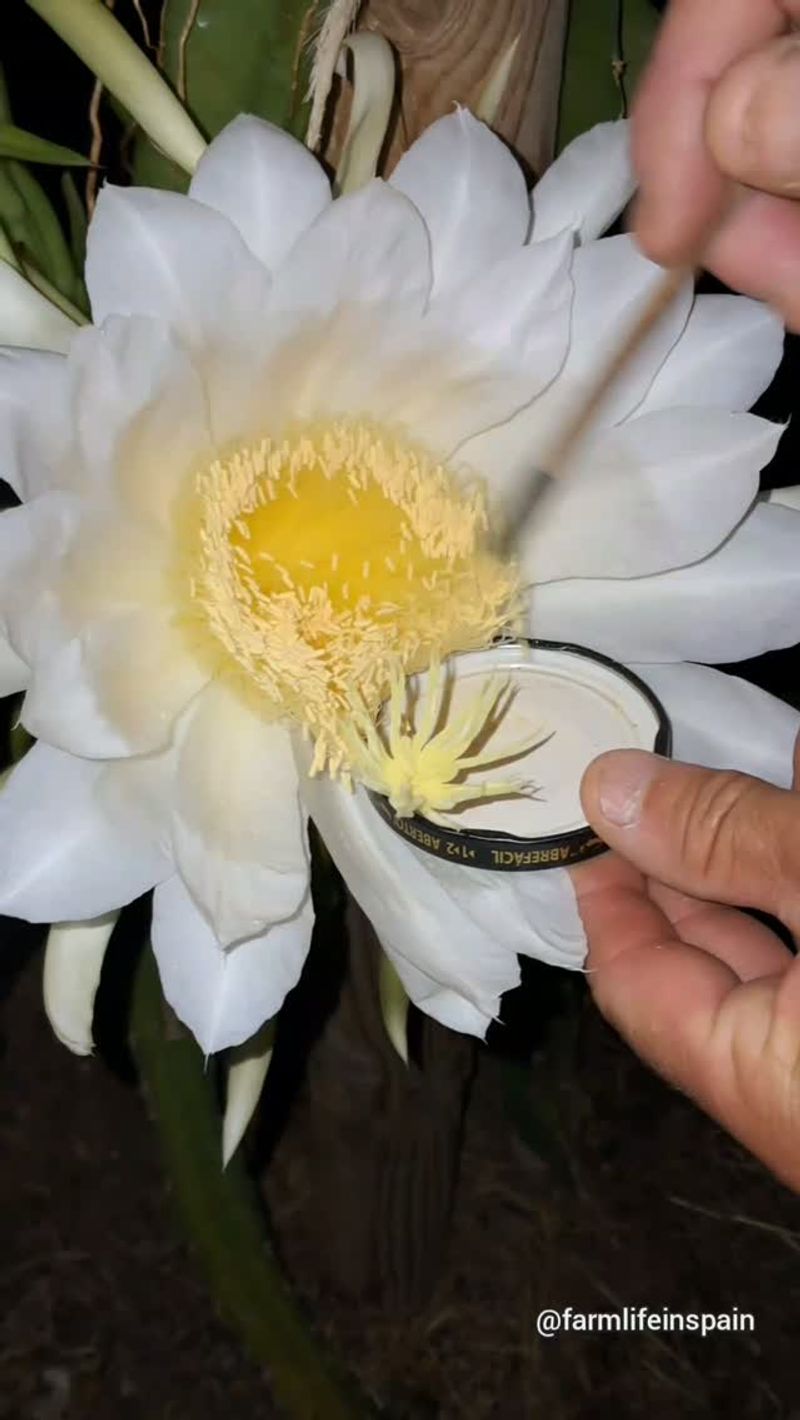
Pollination is where many home growers lose fruit they should have harvested. Dragon fruit flowers are large, white, and spectacular, and they open at night, usually for a single evening.
NC State Extension’s pitahaya profile confirms the single-night bloom window, which means natural pollinators may or may not visit during the narrow time the flower is receptive.
UC Cooperative Extension pitahaya coverage and UC San Diego small farms pollination guidance both recommend hand pollination for more reliable fruit set, larger fruit, and more consistent harvests in Southern California conditions. Self-compatibility varies by cultivar: some selections set fruit on their own pollen, while others need pollen from a different selection to produce reliably.
Know what you planted. If your cultivar benefits from cross-pollination, grow at least one other compatible selection nearby, or source fresh pollen from a neighbor’s plant.
Apply pollen to the stigma with a small brush or cotton swab during the night the flower opens or early the following morning before the flower closes.
Keep the Compact Trellis Safe for People, Plants, and Property
A well-trained dragon fruit on a single post can be genuinely attractive in a small yard. Keeping it safe for the people who use that yard, for the plant itself, and for the surrounding property takes a few specific placement decisions that are easy to overlook when you are focused on training and pruning.
Start with clearance. The umbrella crown spreads and hangs outward as it matures, and the hanging stems need room to extend without pressing against a wall, fence, or adjacent plant.
UF/IFAS pitahaya production guidance recommends keeping plants away from structures, trees, and utility lines because mature plants become large, heavy, and difficult to remove once established against something. Leave enough horizontal clearance around the crown for comfortable harvesting and for airflow to move through the hanging stems.
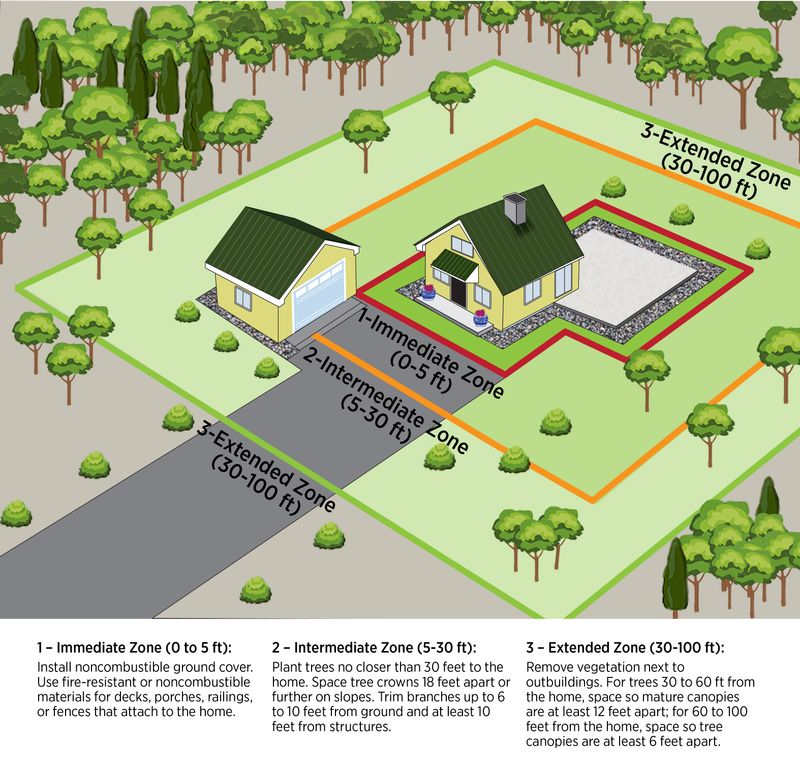
In wildfire-prone California, placement is not just a convenience question. UC ANR fire network guidance on defensible space requirements identifies the first five feet around a structure as an ember-resistant zone where combustible vegetation, trellises, and stored materials should be avoided.
Placing a large cactus trellis directly against a house wall, deck railing, or wood fence violates that principle regardless of how space-efficient the single-post design is. UC fire-safety and firescaping guidance for California gardeners reinforces that local fire authorities may impose stricter requirements than the general state guidance.
Check with your local fire department or fire safe council before finalizing placement, especially if your property is in a high or very high fire hazard severity zone.
Container stability deserves a separate check as the plant matures. Container sizing guidance from University of Illinois Extension reinforces that a vessel sized for a small cutting will become dangerously unstable once the canopy fills out above it.
If you are using a container as part of the setup, reassess its size and ballast every season. A tipping trellis in a wind event can damage nearby plants, crack paving, or injure a person reaching in to harvest.
Keep the area beneath the crown clear of stored materials, debris, and combustible mulch piled against the post. An open, maintained base makes the plant easier to inspect for pests and disease, simplifies irrigation management, and reduces fire risk around the structure.
The Umbrella Trellis Makes Room Without Making Guarantees
The actionable sequence is straightforward once you accept the honest version of it. Find the warmest, best-draining, most open spot in your yard, ideally in mild Southern Coastal California where the climate actually supports this plant outdoors year-round.
Install a freestanding post that is overbuilt for the mature canopy it will eventually carry, with a strong top ring and protected wire if wire is part of the design. Plant a cutting, train one leader upward, strip lateral shoots along the trunk, and tip-prune at the top to trigger the branching crown.
Then prune that crown regularly to keep it open, irrigate deliberately during establishment and flowering, and hand-pollinate during the single night each flower is receptive.
Done consistently in a suitable site, that sequence can make dragon fruit realistic in some small California yards where a conventional trellis row or unpruned sprawling plant would simply take over. UC Cooperative Extension pitahaya research in San Diego County and UC Extension pitahaya coverage both point toward mild Southern California as the region where this plant has the best realistic chance in a home setting, and UF/IFAS pitahaya production guidance underpins most of the structural and care principles in this article.
Climate, support strength, mature crown spread, consistent water, pollination attention, container stability, and fire-safe placement all determine whether the project works for your specific yard. The single-post umbrella trellis is a space-efficient option worth trying in the right conditions, and the conditions are the part that matters most.