
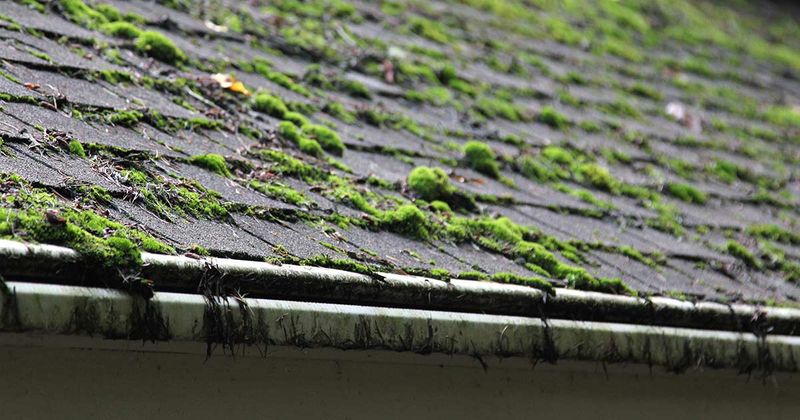
Every time you scrub that green film off your porch roof, it seems to come right back within a season or two. What looks like a simple cleaning job is often a sign that the conditions on and around your roof are actively encouraging that growth to return.
Understanding what you are actually dealing with, and what keeps feeding it, is the practical first step toward slowing it down for good.
The Green Film May Be More Than Algae
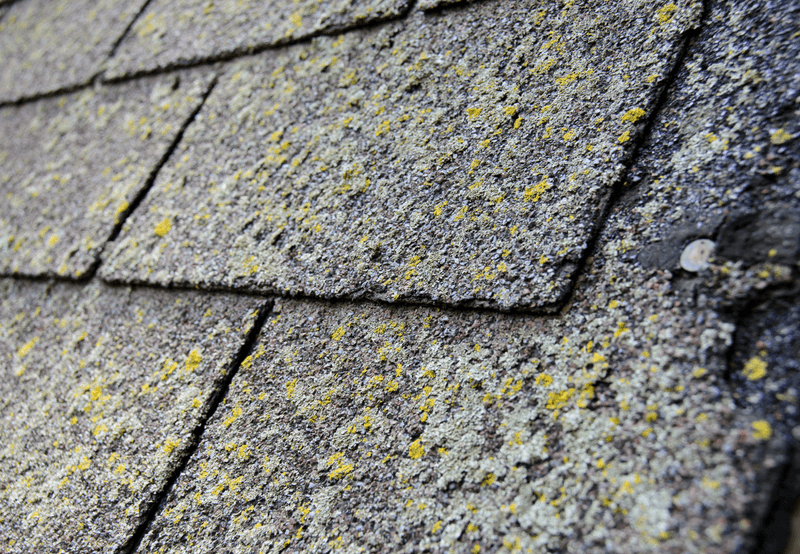
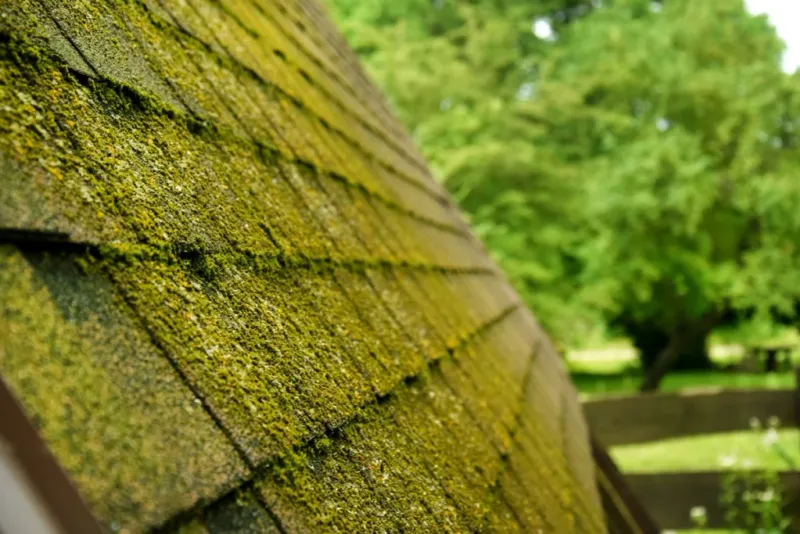
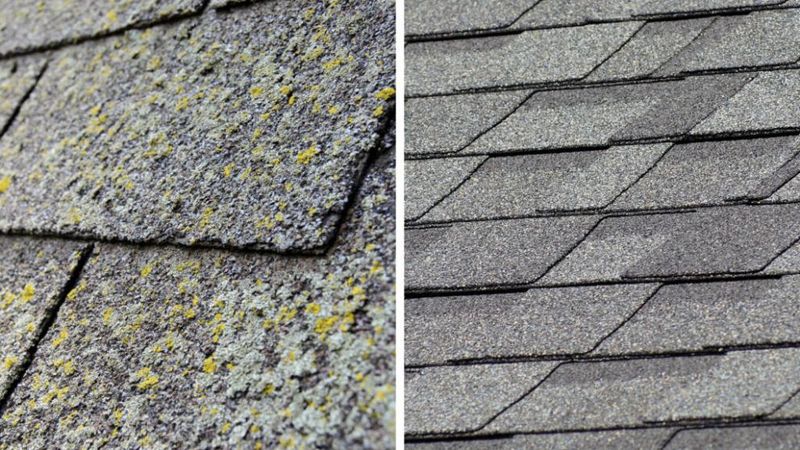
Not every green or dark patch on a porch roof is algae, and that distinction matters more than most homeowners realize. OSU Extension’s wood shingle and shake roof guide describes three common types of roof growth: dark streaks or stains that are often algae, thicker leafy green growth that is moss, and crusty or tufted patches that may be lichen.
Each one behaves differently and may call for a different approach, so a general description or a quick glance from below cannot reliably tell you which one you have.
The difference matters because the risks are not equal. Algae staining is frequently cosmetic, but ARMA notes that moss can lift shingles, hold moisture against the roof deck, obstruct drainage, and contribute to underlying damage over time.
Lichen, which can bond tightly to roofing surfaces, may be even harder to remove without causing harm. What looks like a surface stain from the ground could be something that is working its way under your shingles.
Before reaching for a brush or a ladder, do a careful ground-level inspection. Look for shingles that appear lifted, curled, missing, brittle, or visibly damaged.
GAF’s guidance on moss growth reinforces that a wet or algae-covered roof surface is slippery and dangerous to walk on. If anything looks structurally compromised, stop and call a roofing professional before proceeding.
This article will address both clearing existing growth and reducing the conditions that allow it to keep coming back.
What Helps Roof Growth Return
Roof growth is not random. Overhanging branches create persistent shade that slows drying after rain, and that lingering moisture is one of the primary conditions that allows algae, moss, and lichen to establish and return.
Oregon State University Extension specifically notes that cleaning alone will not keep roof growth away if shade and moisture remain. Removing visible growth without addressing those underlying conditions is why the film seems to return on its own schedule.
Leaves, pine needles, and other debris that collect in roof valleys and along gutters hold moisture against roofing surfaces long after the rain stops. Clogged gutters can back water up under shingles or keep the roof edge wet.
An upper-story downspout that discharges directly onto a lower porch roof section is a particularly common cause of recurring wet spots that support growth. ARMA identifies poor drainage and accumulated debris as key contributors to algae and moss conditions on asphalt roofing.
Warm, humid, and shaded conditions can favor roof growth wherever those factors combine, and CertainTeed’s roof maintenance guidance emphasizes that any roof exposed to persistent shade and moisture is at higher risk. Cleaning removes the visible result of those conditions, but it does not remove the conditions themselves.
That is why the same patch returns in the same spot, season after season.
Address Shade, Debris, and Drainage First
Before reaching for any cleaning product or roof hardware, work through a simple prevention sequence that targets the conditions most likely to bring growth back. Start with tree branches that extend over the porch roof.
Trimming them back lets more sunlight reach the surface and allows the roof to dry out faster after rain. You do not need to remove the trees entirely; even modest pruning to reduce direct overhang can reduce the shade and moisture that support regrowth.
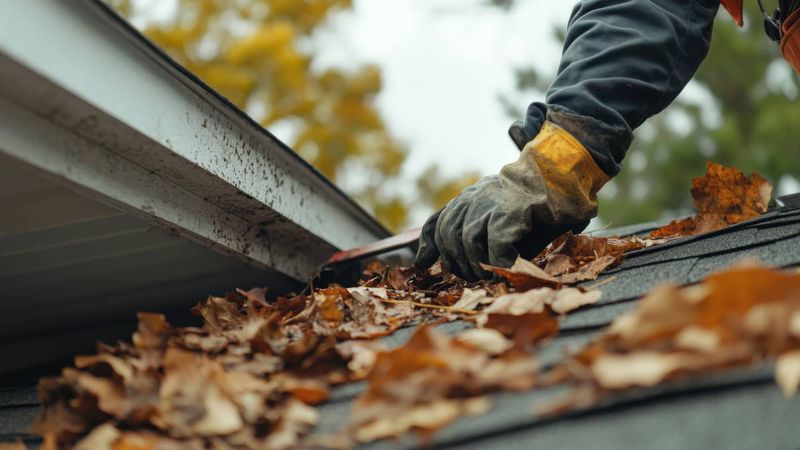
Next, clear accumulated leaves, pine needles, and other debris from the roof surface using a non-abrasive method. A soft roof rake with an extension handle lets you work from the ground on a low porch roof without setting foot on a slippery surface.
OSU Extension recommends removing debris and trimming branches as foundational steps before any chemical treatment, because organic material holds moisture and feeds growth. Where the roof is not safely reachable from the ground or a stable ladder position, leave that work to a professional.
Clean your gutters and confirm that downspouts carry water fully away from the house and away from lower roof sections. ARMA and CertainTeed both list proper drainage as part of routine roof maintenance that supports long-term performance.
If an upper downspout is discharging onto the porch roof below it, correcting that discharge path addresses one of the most direct sources of persistent moisture. These steps do not promise that cleaning will never be needed again, but they do target the conditions that allow growth to return.
Clean Existing Growth Without Damaging Shingles
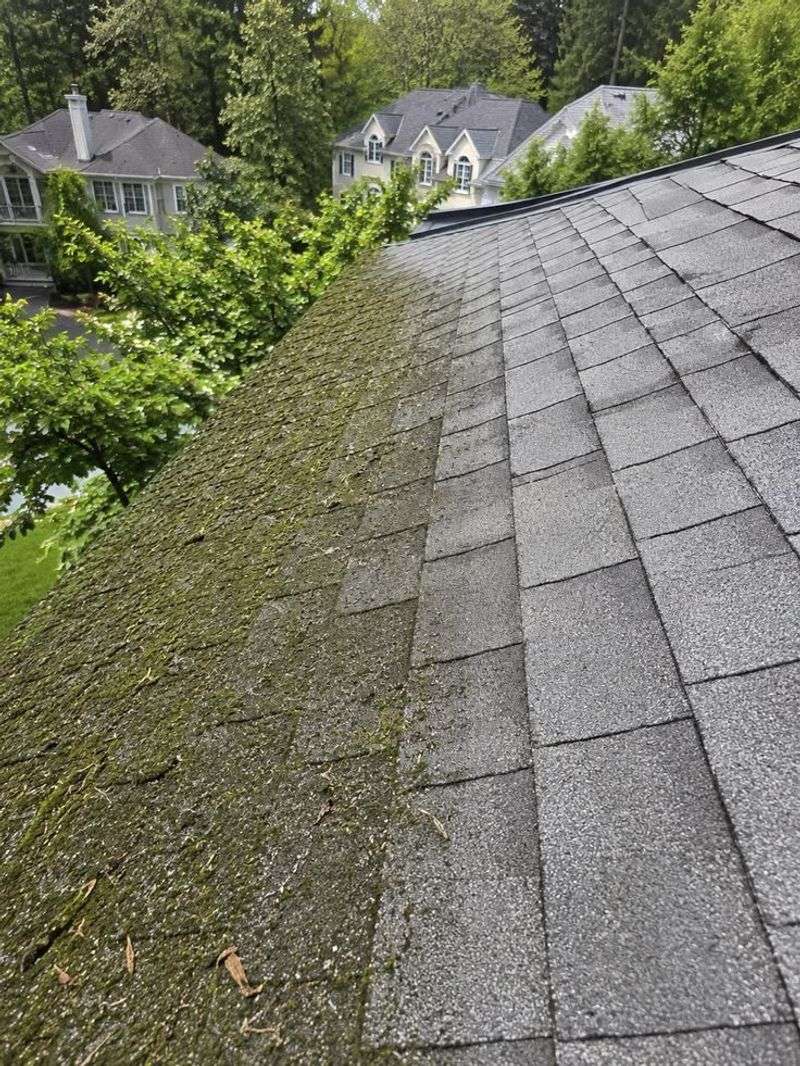
Cleaning existing growth off a roof is a separate task from preventing new growth, and the method matters as much as the product. The first rule for asphalt shingles is to avoid pressure washing entirely.
ARMA states clearly that high-pressure washing can strip the protective granules from asphalt shingles, shortening roof life and voiding some manufacturer warranties. A pressure washer may make the roof look cleaner temporarily while causing damage that shows up as accelerated wear over the next few years.
Aggressive scrubbing carries a similar risk. Friction from stiff brushes can dislodge granules on asphalt shingles, and the guidance on soft-bristle cleaning varies by material and manufacturer.
CertainTeed advises against power washing asphalt shingles and recommends following manufacturer-specific instructions for any cleaning approach. Check your shingle manufacturer’s guidelines before choosing a method, and match the cleaning product and technique to the specific roofing material you have.
For asphalt shingles, ARMA describes a diluted laundry-strength chlorine bleach and water solution as one option, but also notes that manufacturer instructions may vary and that runoff must be controlled to protect nearby plants and surfaces. OSU Extension’s moss removal guidance likewise emphasizes material-specific and product-label compliance rather than a universal recipe.
Avoid homemade mixtures that are not supported by your roofing manufacturer. When the roof is steep, fragile, heavily affected, or not safely reachable, a qualified roof cleaner is the safer and more reliable choice.
A Zinc Strip May Inhibit New Growth
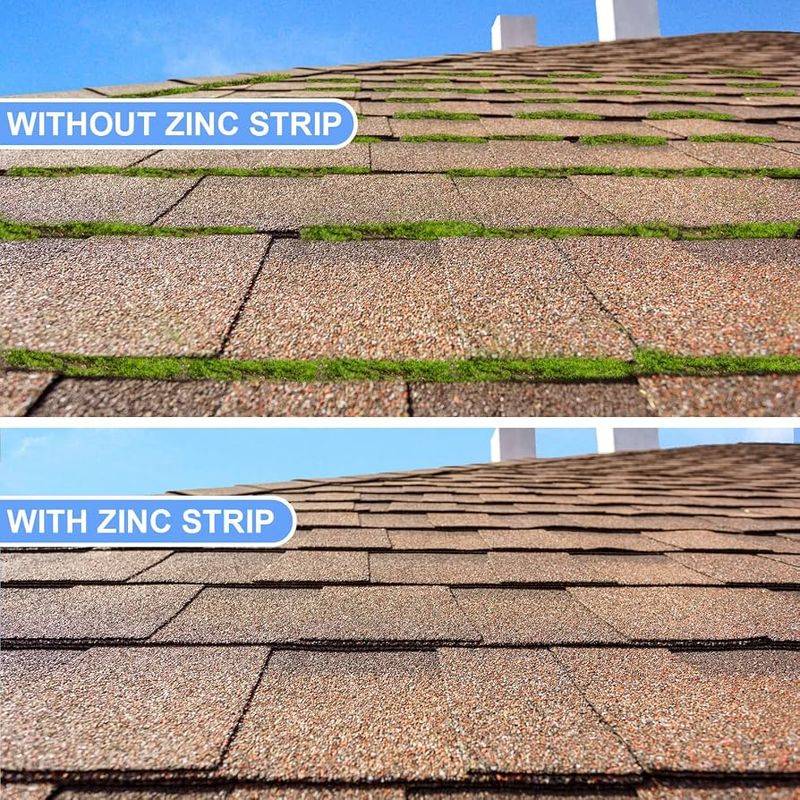
Zinc and galvanized-metal strips are sometimes recommended as a way to slow the return of moss, algae, and mildew on roof surfaces. The mechanism is straightforward: as rain falls on the metal strip near the ridge, it carries small amounts of zinc down the exposed roof area below, and that metal can inhibit new biological growth in the zone it reaches.
GAF describes its zinc strip product as a moss and mildew preventer, not a remover, which is an important distinction. A strip will not clear growth that is already established, and it does not protect the full roof surface equally.
OSU Extension’s wood shingle and shake care guide notes that metal strips protect only the exposed areas below them, leaving sections farther down the slope or in valleys with less coverage. Weather, roof pitch, debris accumulation, and the distance from the strip all affect how much inhibition actually occurs.
Results vary, and no zinc strip product guarantees that growth will not return.
The more important caution is about installation on an existing asphalt-shingle roof. ARMA warns that retrofitting a strip onto an existing asphalt roof can require exposed fasteners or may break the shingle seal, creating potential entry points for water and increasing wind-damage risk.
Nailing a strip to your porch roof yourself is not a straightforward weekend project on asphalt shingles. A roofing professional can evaluate whether a zinc or galvanized strip can be installed without compromising the water-shedding system or affecting your warranty, and that evaluation is worth getting before proceeding.
Check Treatment Runoff Before Protecting the Roof
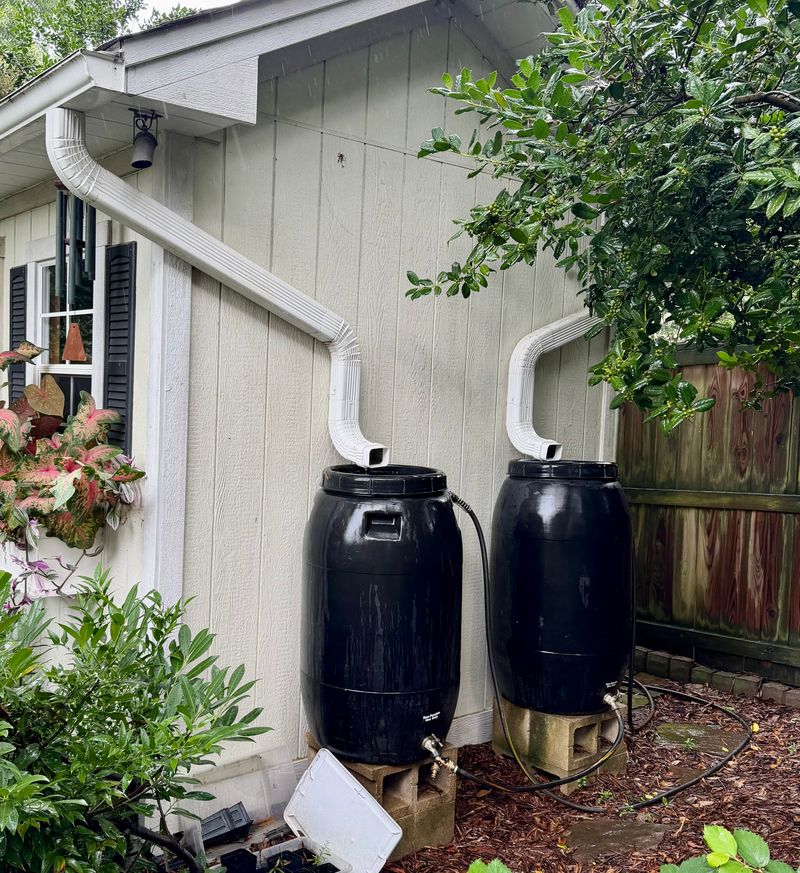
Any product you apply to a roof will eventually wash off, and where that water goes matters. Zinc sulfate, which is used in some moss and algae control products, can corrode copper gutters, downspouts, and flashing over time.
OSU Extension notes that zinc sulfate can also injure nearby plants if oversprayed or carried by runoff, and that soap-based roof treatments present similar risks to desirable vegetation. Both types of product can wash away with rainfall, which means they do not provide lasting protection and may require repeat applications that compound the runoff concern.
EPA-registered pesticide labels for moss and algae roof products include specific directions to avoid runoff onto desirable plants and to prevent discharge into bodies of water, storm drains, and drainage ditches. Follow the product label completely, including any precautions about pre-wetting plants before application and rinsing them afterward.
If your porch downspout discharges near a pond, stream, rain garden, or vegetable bed, those areas need to be protected or the product reconsidered.
Rain barrels present a specific concern worth flagging. Penn State Extension advises against using rain-barrel water on edible plants when a roof has a zinc anti-moss strip, because metal leaching from the strip can accumulate in collected water.
Washington State University Extension also reports measurable metal leaching from some roofing materials, including higher copper concentrations in runoff from algae-resistant shingles. If you collect roof runoff or garden near your porch downspouts, factor those drainage paths into any treatment decision.
Know When to Call a Roofing Professional
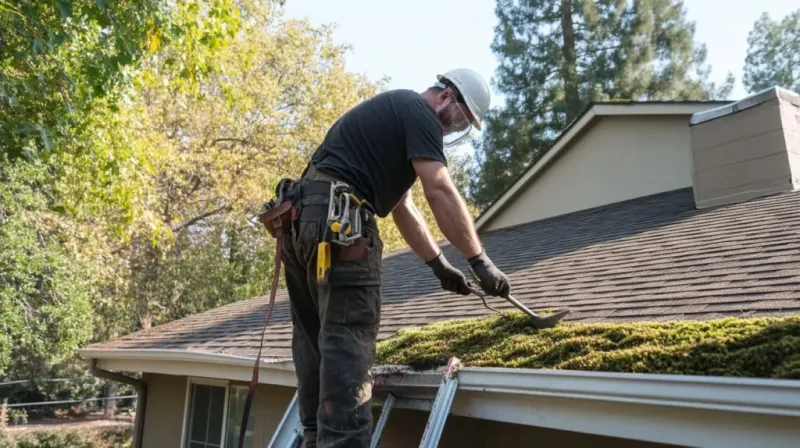
Some roof cleaning and maintenance tasks are within reach for a careful homeowner, but others are not, and knowing the difference protects both you and your roof. Growth that is extensive, shingles that appear lifted or damaged, a surface that is wet or slippery, an unfamiliar roofing material, or any situation where cleaning could affect a manufacturer warranty are all clear reasons to bring in a qualified roofing professional or certified roof cleaner instead of attempting the work yourself.
Ladder safety deserves direct attention. NIOSH identifies ladder use and roof maintenance as persistent fall hazards and recommends a stable setup on level ground, secure footing at the base, three-point contact at all times, and appropriate fall protection where applicable.
NIOSH guidance on preventing falls from ladders emphasizes that wet or algae-covered surfaces dramatically increase slip risk. A porch roof may look low and accessible, but a cleaning solution applied to moss or algae creates an extremely slippery surface that can cause a serious fall even at a modest height.
A roofing professional can assess the overall condition of the roof, choose a cleaning method that is compatible with the specific material and manufacturer requirements, and evaluate whether any inhibitor or preventive hardware can be installed without compromising the water-shedding system. ARMA recommends professional evaluation before retrofitting any hardware onto an existing asphalt-shingle roof.
When in doubt, the cost of a professional inspection is far less than the cost of a damaged roof or a preventable injury.
Consider Algae-Resistant Shingles at Replacement Time
Algae-resistant shingles are worth understanding, but they are not a retrofit solution for a roof that is still in serviceable condition. These products use copper-containing granules embedded in the shingle surface to inhibit blue-green algae, and they are designed to provide that inhibition over the life of the shingle.
CertainTeed’s algae-resistant shingle information explains how copper granules work to reduce algae staining, while GAF’s StainGuard technology page similarly describes the copper-based inhibition built into qualifying products.
The key word is inhibit, not eliminate. Algae-resistant shingles can reduce the likelihood of algae staining returning, but they do not guarantee permanent freedom from any roof growth, and they do not address moss or lichen the same way.
They also do not remove existing growth from a roof that already has it. ARMA notes that even algae-resistant products work within limits set by shade, debris, drainage, and local conditions.
If your porch roof is approaching the end of its service life and replacement is already on the table, choosing an algae-resistant product with copper-containing granules can provide built-in inhibition going forward. That decision makes most sense when paired with the same shade, moisture, and drainage corrections described earlier in this article.
Replacing shingles without addressing overhanging branches or drainage problems means the new roof faces the same conditions that affected the old one.
Aim to Reduce Regrowth, Not Promise Permanent Removal
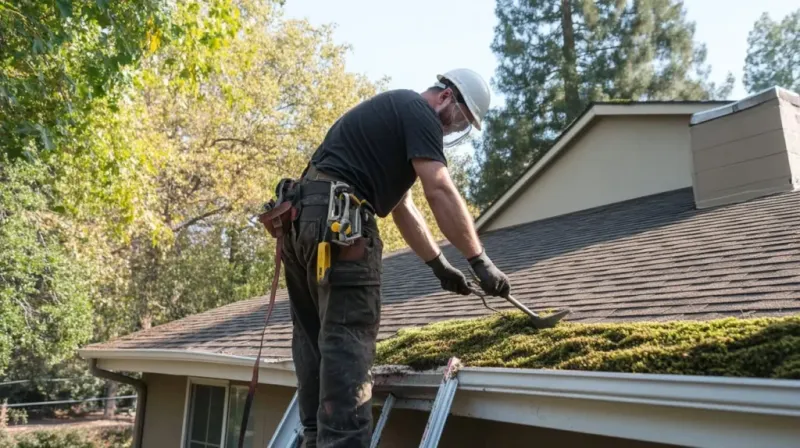
A practical action path is more useful here than a guarantee. Start with a ground-level inspection to identify what type of growth you are dealing with and whether shingles show any structural damage.
Reduce shade by trimming overhanging branches, clear debris using non-abrasive methods from safely accessible positions, and confirm that gutters and downspouts move water away from the roof rather than onto it. OSU Extension’s roof moss control guidance supports these steps as foundational to any lasting improvement.
When cleaning existing growth, use only methods and products approved for your specific roofing material and follow the product label for mixing, application, runoff control, and repeat-application requirements. Ask a roofing professional about any zinc-strip installation on an existing asphalt roof before attempting it yourself.
ARMA’s guidance on algae and moss prevention reinforces that the right approach depends on the material, the condition of the roof, and the surrounding environment.
No single fix keeps a porch roof permanently growth-free, and honest expectations are part of a sound maintenance plan. Addressing the conditions that favor return can reduce how often growth comes back and how much work it takes to manage.
That is a realistic and achievable goal, even if a perfectly clean roof forever is not.