
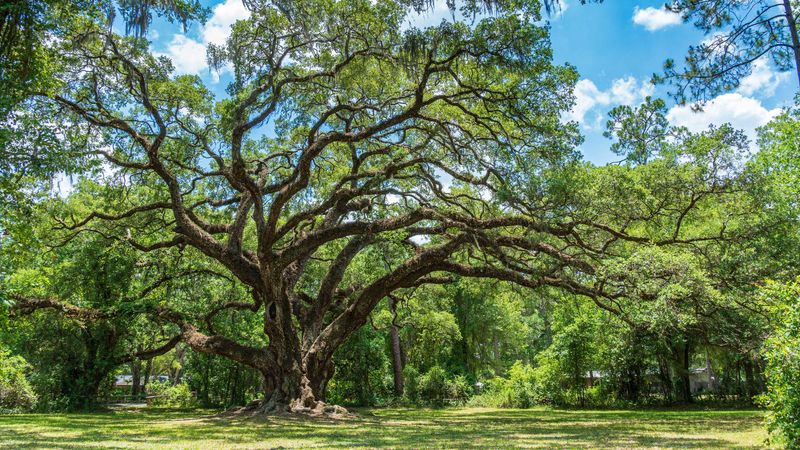
A big, spreading oak can cool a Texas yard for generations, but only if it gets the right start. Live oak is a native favorite that handles dry spells better than many trees once it is settled in.
It still needs water, room to grow, and a type that fits your part of the state. Here is how to choose one, plant it this fall, and set honest expectations for next summer.
Choose a live oak suited to your part of Texas
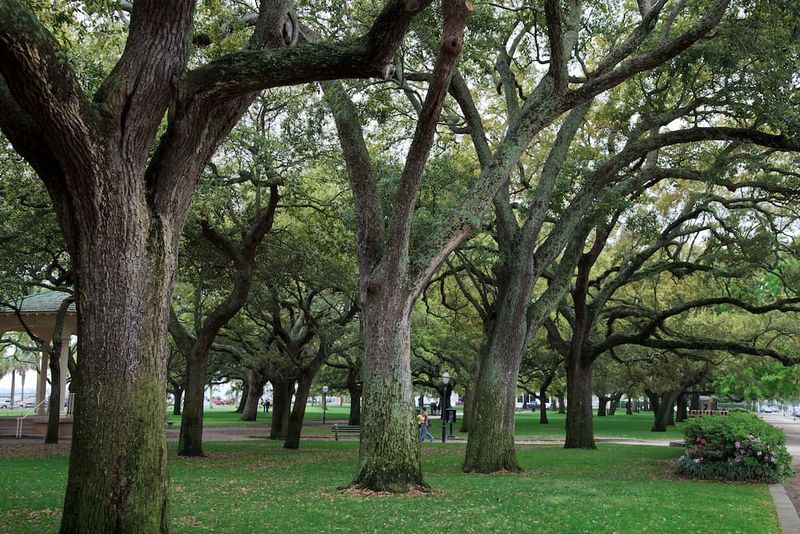
Live oak is a strong candidate when you want a native shade tree that tolerates dry weather. But “native Texas tree” does not mean one recommendation fits every yard in a state this big.
Soils, rainfall, and winter lows change a lot from the Gulf Coast to the Panhandle to the Trans-Pecos.
The live oak listed by the Texas A&M tree selector is Quercus virginiana, a large tree with a spreading crown. Texas A&M also points to a close relative, Escarpment Live Oak, as better suited to Central and West Texas.
If you live in that drier, rockier country, ask about that type before you buy the first oak you see at the nursery.
Tags at garden centers can be vague, so look for the botanical name and ask the staff which type they are selling. A tree grown in a nearby region, or one that has proven itself in your neighborhood, is often a safer bet than something shipped in from far away.
For a county-level check, use the Texas A&M tree planting guide or call your local AgriLife Extension office. Regional Master Gardener groups are useful too.
For example, a Rio Grande Valley water-wise plant list shows how local conditions shape plant advice.
Bring your site details along: soil type, how much space you have, and how much sun the spot gets. That small bit of homework keeps you from planting the right tree in the wrong region.
Drought tolerance does not mean zero water
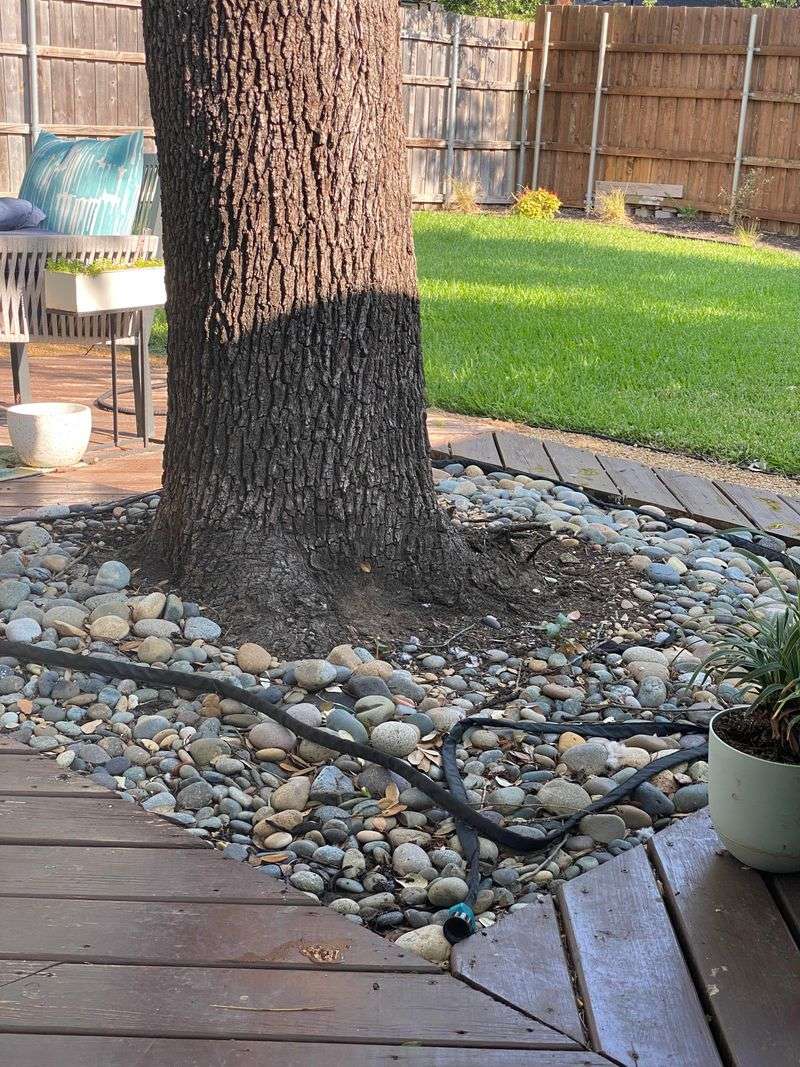
Plenty of trees can survive a dry stretch. Surviving is not the same as looking good with no help, and that gap matters if you expect summer watering limits.
Texas A&M lists live oak as a tree that tolerates drought, yet its tree selector also rates the water needs as moderate. The Texas A&M Forest Service gives the same pairing: drought-tolerant, with moderate water needs.
In plain terms, an established live oak may handle dry conditions better than some trees, but it is not drought-proof.
A newly planted tree has the most to lose. Its roots have not spread into the surrounding soil yet, so it cannot reach moisture the way a mature oak can.
Texas Parks and Wildlife notes that trees need more water while they establish.
Even a mature native tree can show stress in a long drought. Thinning leaves, scorched edges, or early leaf drop in a hot, dry summer are clues that the tree is struggling and may need attention.
So think of the first growing seasons as an investment. Water with care now, within your city’s rules, and you build a tree that is better prepared for the dry years ahead.
Fall planting begins establishment, not an instant shade payoff
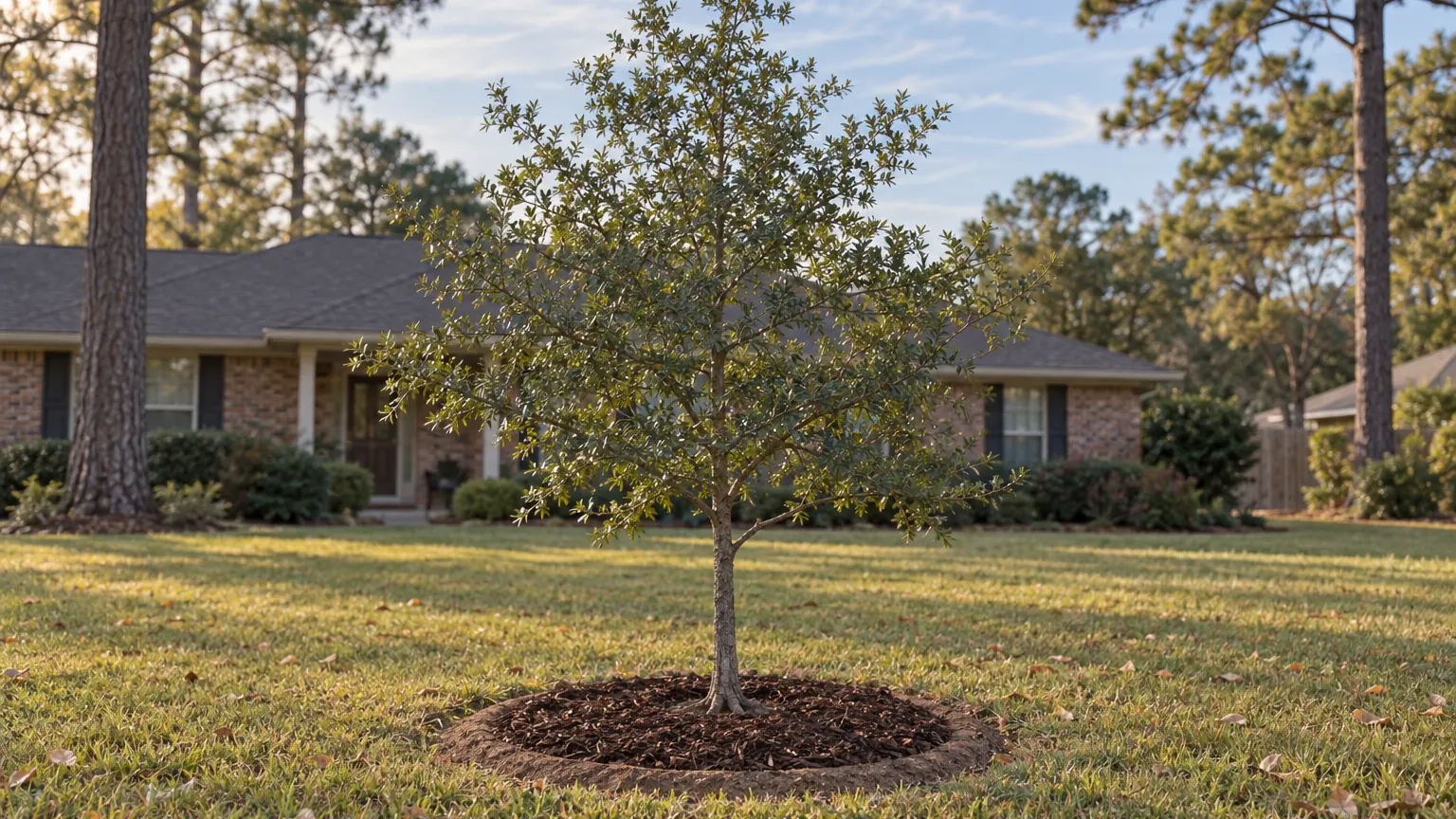
Fall is generally a good time to plant in Texas. Cooler air and warm soil let roots settle in without the stress of triple-digit afternoons.
Texas Parks and Wildlife says fall is usually the best time to plant, and a Texas Master Gardener planting guide also stresses watering as a new tree gets going.
That is a preference, not a guarantee. A fall planting can still struggle if the winter is dry, the hole is poorly prepared, or the tree is left thirsty.
Here is the part many buyers miss. A tree planted this fall will not shade your patio by next July.
Texas A&M Forest Service describes live oak as relatively slow-growing, so the canopy builds over years.
What your first summer will test is the root system. Fall planting gives the tree a head start on that work, and the months that follow decide how well it handles later heat.
If you need shade sooner, pair the young oak with a patio cover, shade sail, or a temporary spot of shade for seating areas. Then let the tree grow into its job.
Plan for a very large mature canopy
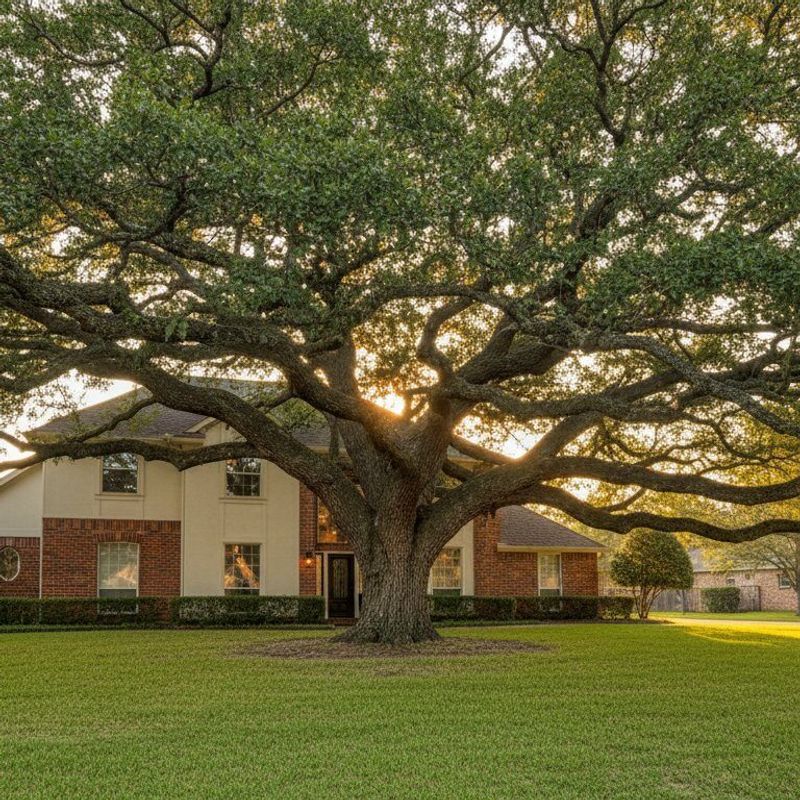
Before you dig, picture the tree decades from now. A live oak is not a small yard accent.
Texas A&M Forest Service lists the species at about 50 feet tall and up to 100 feet wide. The Texas A&M tree selector describes a large tree with a spreading crown, which means the branches reach out more than up.
Treat those numbers as planning guidance. Real trees vary with soil, water, region, and how the site shapes growth, so yours may land above or below them.
Walk your yard with the full spread in mind. Check these things first:
Buildings and roofs, since wide limbs can eventually overhang or rub. Driveways, sidewalks, and patios, because roots and shade will reach them.
Overhead utility lines, which are a common reason trees need heavy pruning later. Existing trees, which compete for light and root space.
If the spot feels tight, choose another location or another species. A small yard may simply not be right for this tree, and that is a useful answer.
In a big lawn, though, a live oak can anchor the whole landscape.
Water the root zone and mulch without touching the trunk
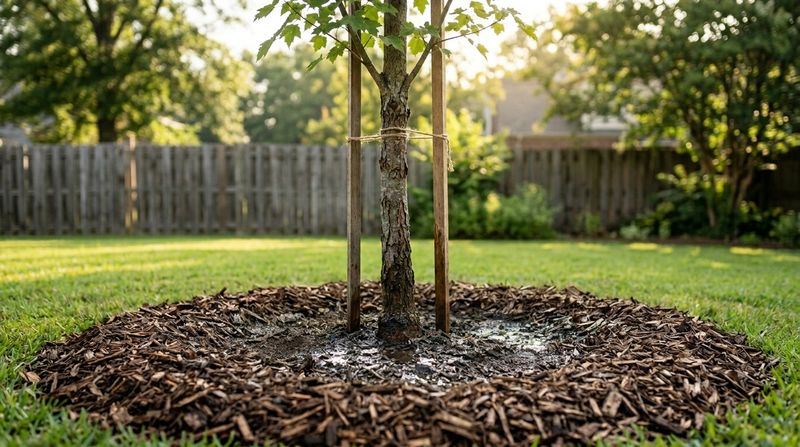
Good establishment care comes down to getting water where the roots are. For a new tree, that means the root ball and the soil around it, not just a splash at the trunk.
A Texas Master Gardener guide on watering trees advises soaking both, and its planting guide for the Rio Grande Valley echoes the point.
There is no single schedule that works across Texas. Rain, soil type, and weather change how fast the ground dries, so check the soil a few inches down before you water again.
Clay holds moisture longer, while sandy soil drains quickly.
Drip irrigation is an efficient way to water landscape trees, according to Texas A&M AgriLife. Whether you may use it, or a hose, or a sprinkler, depends on your city.
Restrictions are set locally, so look up your utility’s current rules. The Texas Water Development Board municipal guide shows how widely programs differ.
Mulch helps hold soil moisture. University of Minnesota Extension offers general tips on mulching and watering new trees, though its climate is far from ours, so lean on Texas sources for timing.
Spread a few inches of mulch in a wide ring, but keep it off the bark and clear of the root flare, where the trunk widens at the soil. A mulch volcano against the trunk traps moisture where it does harm.
Pull it back so you can see the flare.
A winter-green live oak still sheds leaves in spring
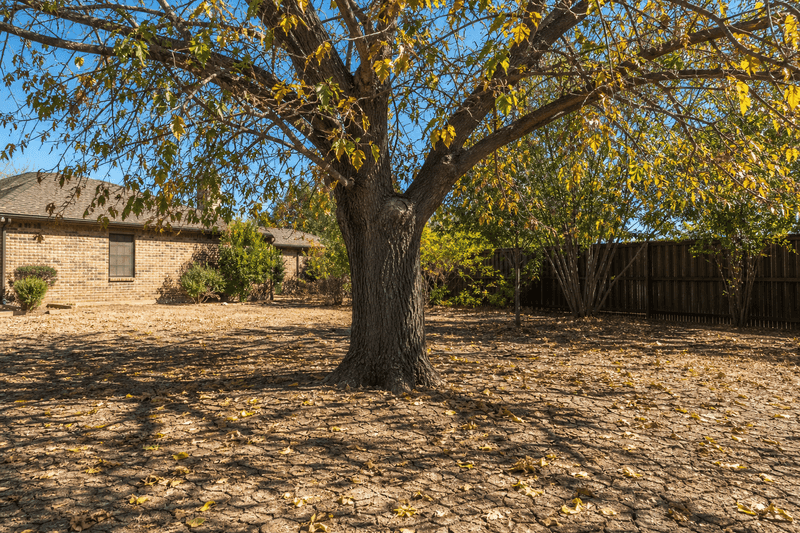
Raking in April surprises plenty of new live oak owners. The tree looks evergreen all winter, so the leaf fall feels like a mistake.
It is not. Texas A&M Forest Service notes that live oak provides dense shade when mature and generally holds its leaves through winter.
A Texas A&M AgriLife Extension fact sheet explains that old leaves drop as new growth emerges in spring.
For a few weeks, the canopy can look thinner or patchy, and leaves pile up on roofs, gutters, patios, and pool decks. Then the fresh foliage fills in and the tree looks full again.
Plan for that cleanup. Leaf litter makes good mulch if you rake it into beds, though keep it away from trunks of other plants.
A mower with a mulching blade can also chop it into the lawn.
Expect this seasonal swap every year. Winter-green is the right way to describe a live oak, and never leaf-free of cleanup.
Follow oak-wilt precautions when pruning
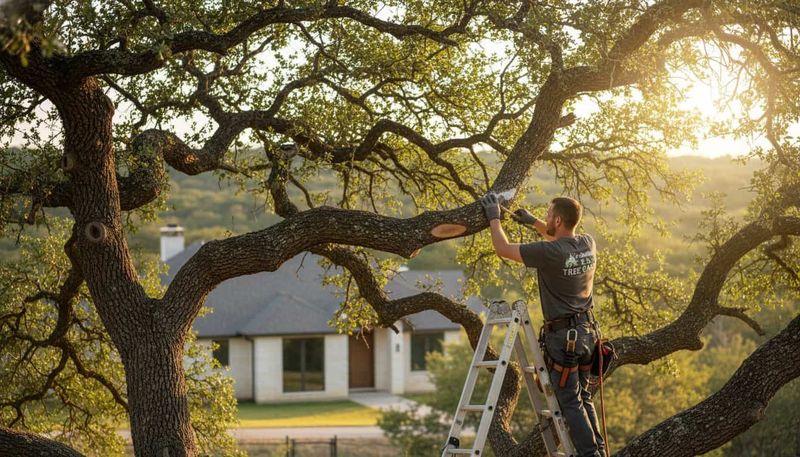
Oak wilt is a serious tree disease in Texas, especially in Central Texas. Because live oaks are susceptible, pruning timing matters more than many homeowners realize.
Guidance from Texas Oak Wilt pruning guidelines recommends avoiding pruning or wounding oaks from February 1 through June 30 when possible. If a wound does happen, whether from pruning, storm damage, or a mower strike, paint it promptly.
Young trees get nicked too, so keep string trimmers and mowers away from the trunk. Hire a certified arborist who knows about oak wilt rather than someone who prunes year-round without a plan.
One myth is worth clearing up. The Texas Oak Wilt FAQ says watering or fertilizing does not prevent infection.
A well-cared-for tree is not immune, so do not rely on extra water as protection.
If your tree shows sudden leaf loss or browning in spring or summer, call your local extension office or an arborist for help.
A live oak rewards the homeowner who picks the right type, waters it with care, and leaves room to grow. It will not shade you without effort, but it can give back for a lifetime.