
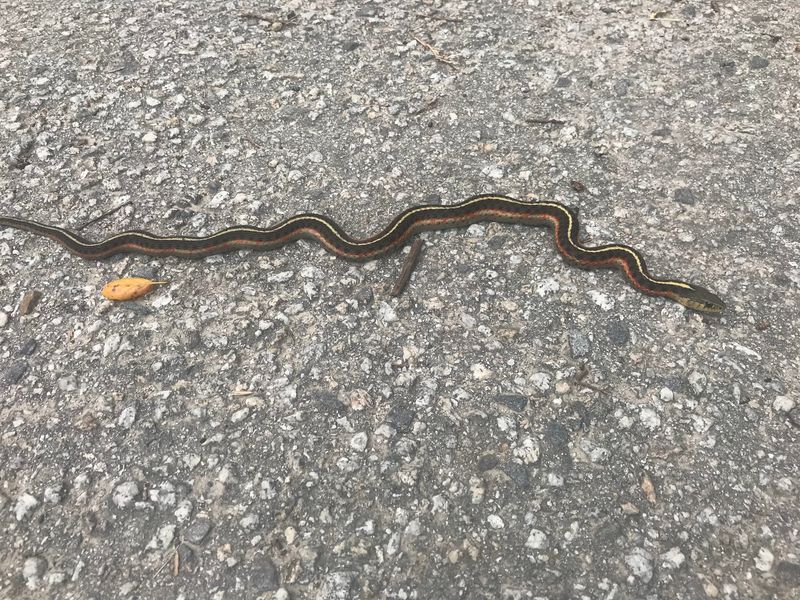
Spotting a striped snake gliding through your garden beds can stop you in your tracks. For many California homeowners, the first instinct is to wonder whether something is wrong, or whether the snake is there to fix it.
The truth is more interesting than either reaction, and understanding it can help you make smarter decisions about your yard, your safety, and the wildlife passing through.
A garden sighting does not diagnose a pest problem
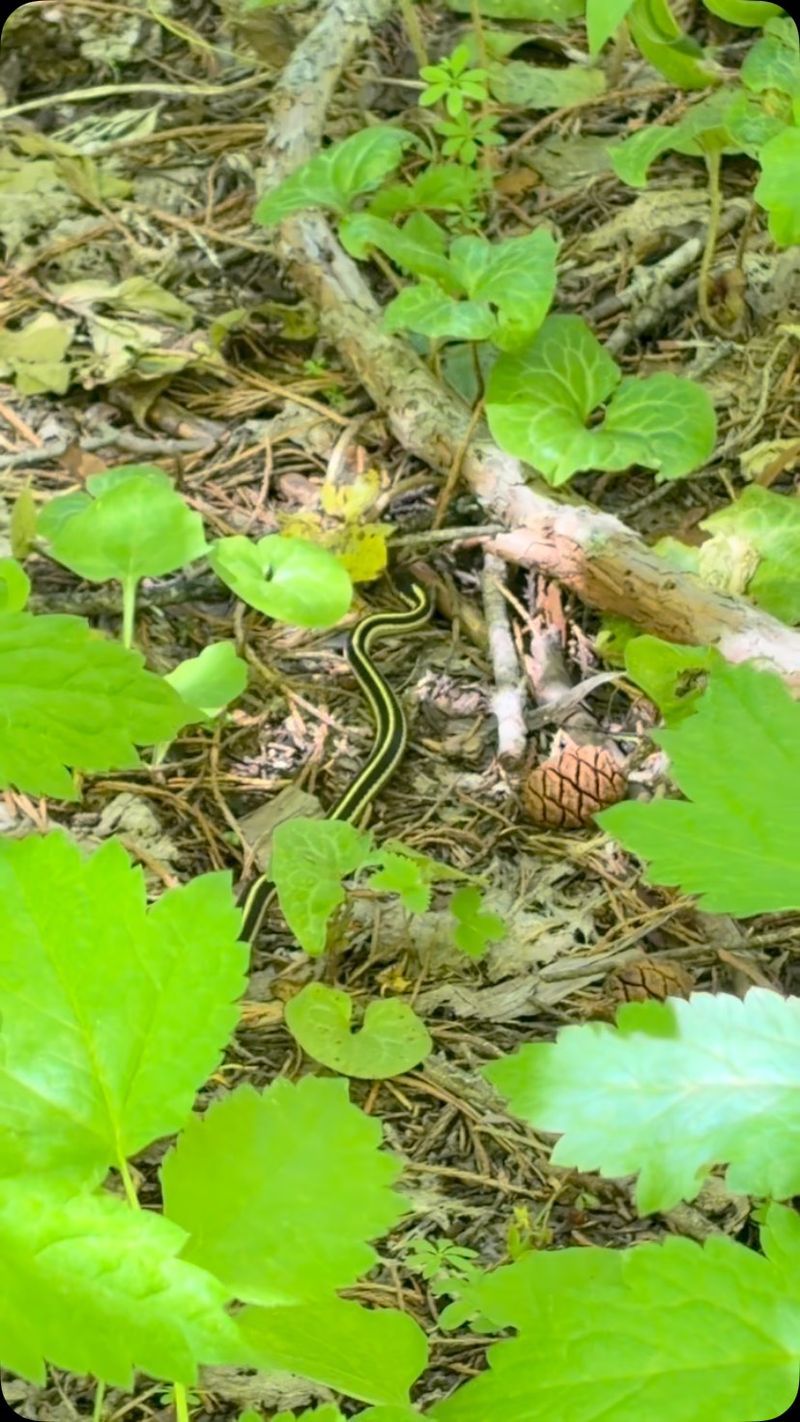
Finding a snake near your tomatoes or along a garden path does not mean your yard has a serious infestation waiting to be discovered. A garter snake can show up in a California garden for several unrelated reasons: the yard may offer moisture from irrigation or a pond, warm pavement or bare soil for basking, dense vegetation for cover, or a convenient travel corridor between nearby wild areas.
According to California Wildlife Habitat Relationships data on the common garter snake, this species is associated with permanent or semi-permanent water and forages in a variety of settings, which means an irrigated suburban yard can check several of its habitat boxes without hosting a single damaging pest.
A sighting can suggest the yard provides something the snake needs at that moment. That something might be prey, but it could just as easily be shade, warmth, a damp edge, or simply a path the animal crosses during seasonal movement.
The available evidence points to “suitable habitat or available prey,” not to “the garden has a pest problem.”
California is also home to multiple garter snake species with different diets and habitat requirements, so the prey a particular snake might be pursuing varies considerably by species, age, and location. One sighting cannot establish what the animal was hunting, how long it has been present, or whether it will return.
Rather than reading a snake visit as a diagnostic signal, treat it as a reminder that your yard sits inside a larger landscape where wildlife moves freely. The rest of this article examines what garter snakes may actually eat, what garden features can attract them, and how to respond safely, without overpromising what one snake can do for your beds.
California has more than one kind of garter snake
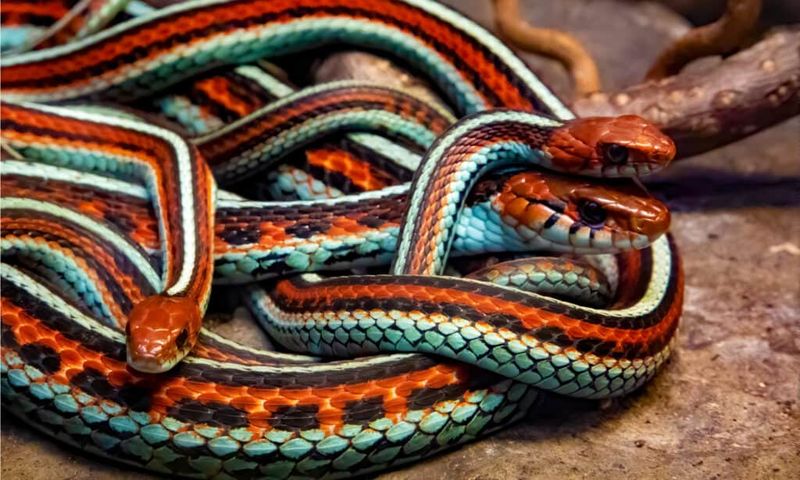
Most people picture a single “garden snake” when they hear the word garter snake, but California hosts a notable variety of species, each with its own range, preferred habitat, and diet. The California Department of Fish and Wildlife recognizes several distinct species, including the common garter snake, western terrestrial garter snake, northwestern garter snake, aquatic garter snake, two-striped garter snake, Sierra garter snake, giant garter snake, and the federally endangered San Francisco garter snake.
Treating all of them as interchangeable backyard slug-hunters misses some important ecological and legal distinctions.
The giant garter snake illustrates why context matters. It is a semi-aquatic species tied closely to the wetlands, irrigation canals, and rice fields of California’s Central Valley, and USGS research on giant garter snakes in rice landscapes reflects a species that is far more dependent on aquatic habitat than a typical suburban backyard can provide.
The San Francisco garter snake sits at the other extreme in terms of conservation concern: it is listed as federally endangered, feeds primarily on amphibians, and occupies a restricted range on the San Francisco Peninsula. A homeowner near San Mateo County who finds a brightly colored striped snake faces a very different situation than someone in the Central Valley or the Sierra foothills.
Stripe color, stripe position, and overall body pattern can vary within species and overlap between them, which means a photograph alone is not enough for reliable identification. Habitat studies of the San Francisco garter snake underscore how specialized some populations are, reinforcing why species-level questions should go to a qualified biologist rather than a quick visual comparison.
The practical takeaway for any homeowner is straightforward: do not approach a snake to get a better look at its markings, and do not assume that a striped pattern settles the identification.
Its diet includes garden prey—and much more
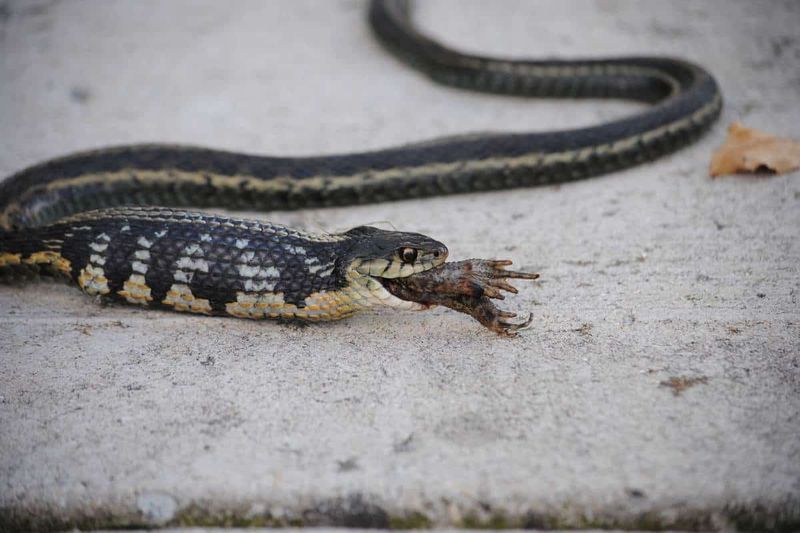
Garter snakes have a reputation as slug-and-insect hunters, and that reputation is not entirely wrong, but it covers only part of what these animals actually eat. Documented prey for California garter snakes includes earthworms, slugs, insects, frogs, toads, tadpoles, fish, leeches, salamanders, lizards, birds, and small mammals.
Which items appear most often in a given snake’s diet depends on the species, the snake’s age and size, the habitat it occupies, and what prey happens to be available locally.
The slug-control story deserves a closer look. A California and Oregon feeding-habits dataset for common garter snakes recorded earthworms, toads, frogs, and tree toads as the dominant food items; slugs accounted for only 1.4 percent of the recorded food items in that dataset.
That figure comes from one specific study population and should not be read as a universal rule, but it does caution against assuming that slugs are a primary target. A snake near your raised beds may be following earthworms pulled to the surface by irrigation, not the slugs leaving ragged holes in your lettuce.
Younger, smaller snakes tend to focus on softer, easier-to-swallow prey such as worms and small insects, while larger adults are more capable of taking frogs, fish, and occasionally small mammals. Garter snake natural history research confirms that diet shifts with body size and opportunity, which means two snakes of the same species seen in the same yard could be eating very different things.
The giant garter snake, for instance, shows clear prey preferences tied to its aquatic environment, as documented in USGS prey-preference data, with fish and frogs far outranking any terrestrial invertebrate.
None of this means a garter snake provides no incidental benefit to a garden. A snake that regularly forages in an area with high slug or rodent density may consume some of those animals.
What the diet data cannot show is whether a single snake is measurably reducing plant damage or rodent numbers in your specific yard. That kind of population-level effect requires more than occasional predation by one individual.
Water, shelter, and prey can bring snakes near beds
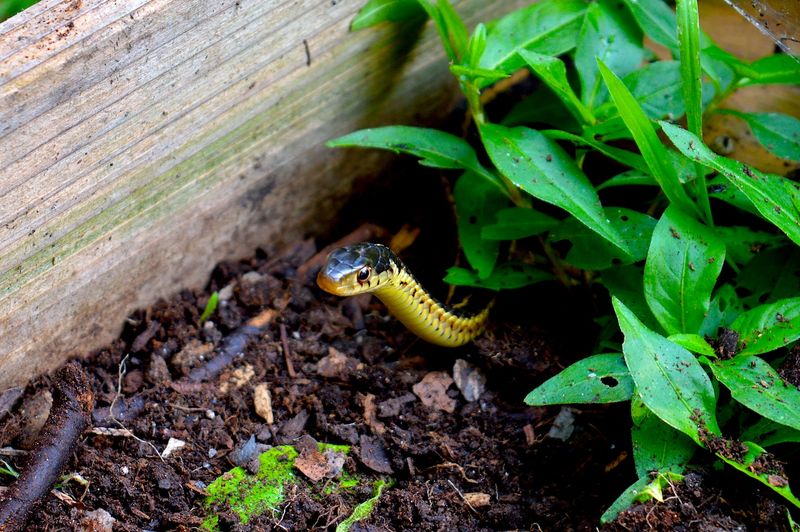
Several features that make a California garden productive also make it attractive to a passing garter snake. Permanent or semi-permanent water is among the strongest draws.
Garden ponds, drip-irrigation zones, rain catchment areas, and even damp soil along a vegetable bed edge can support the frogs, toads, earthworms, and aquatic invertebrates that garter snakes pursue. Common garter snake habitat data from CDFW consistently links this species to moist environments, which maps directly onto irrigated suburban gardens, especially those with ornamental ponds or heavy mulch that retains soil moisture.
Cover matters just as much as water. Dense groundcovers, stacked pots, lumber piles, rock borders, and low-growing shrubs all provide the kind of shelter a snake uses for thermoregulation, ambush, and safe passage.
A snake found under a pile of boards near the shed may simply be resting or warming up rather than actively hunting. One found at the edge of a pond is more likely tracking amphibian or aquatic prey, consistent with CDFW’s broader description of California garter snake habitat associations.
Basking sites also play a role. Flat rocks, concrete paths, and bare soil patches warm quickly in the California sun and serve as thermoregulation spots, particularly in the morning.
A snake stretched across a garden path at 9 a.m. may be absorbing heat rather than hunting anything at all. Interpreting the location cautiously is worthwhile: the feature that attracted the snake tells you something about your yard’s conditions, but it does not confirm a stable snake population, an ongoing infestation of any prey species, or superior habitat quality.
One sighting on one day is simply one data point.
Leave an unidentified snake alone
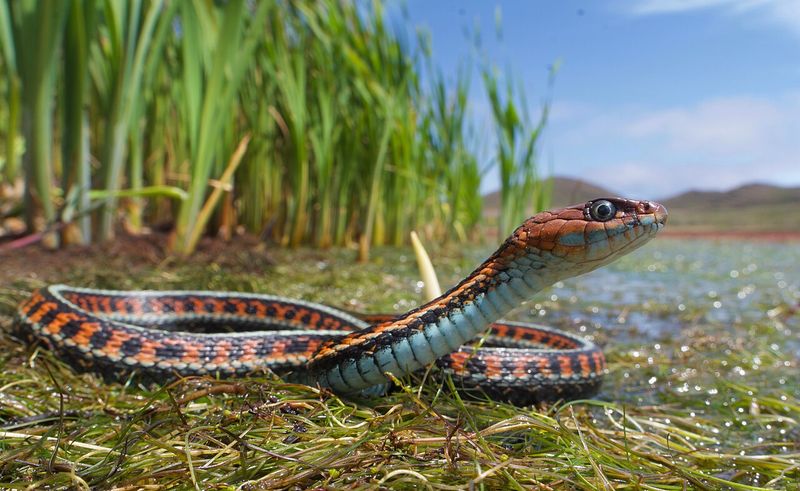
The moment you spot a snake in the garden, the most useful thing you can do is stop moving toward it. Back up to create a comfortable buffer, call children and pets away from the area, and watch from a distance.
Most garden snakes in California will move on within minutes if they are not cornered, startled, or blocked. California Department of Fish and Wildlife guidance on human-wildlife conflicts with snakes recommends avoiding contact and giving the animal space to leave on its own.
A common and dangerous assumption is that the absence of a rattle means the snake is safe to approach or pick up. California’s Vertebrate Pest Control Handbook notes that rattlesnake rattles can break off, leaving a venomous snake with no visible warning device.
Stripe color, head shape, and pupil shape are frequently cited as identification shortcuts, but none of these features are reliable enough to stake your safety on during a brief outdoor encounter. CDFW rattlesnake information points out that most bites involving rattlesnakes happen when people handle or accidentally touch the animal, which underscores why close inspection is the wrong response regardless of what the snake looks like.
Garter snakes are generally considered low-risk to people, but “low-risk” is not the same as harmless. A frightened or cornered garter snake may bite, release a strong musk, or strike defensively.
The bite is not typically medically significant, but it is unpleasant, and the instinct to grab a snake that appears calm can end badly.
Some situations call for professional help rather than patient waiting. If a snake has entered a living space, if it appears injured or trapped, or if you have any reason to suspect it may be a protected species, contact a licensed wildlife rehabilitator, your local animal-control agency, or CDFW rather than attempting to handle or move it yourself.
CDFW’s wildlife rehabilitation resources can connect you with qualified help. Capturing, transporting, or releasing a snake in a different location is not a safe DIY solution and can be harmful to the animal, particularly if it belongs to a species with special legal protections.
Reduce unwanted encounters by changing nearby conditions
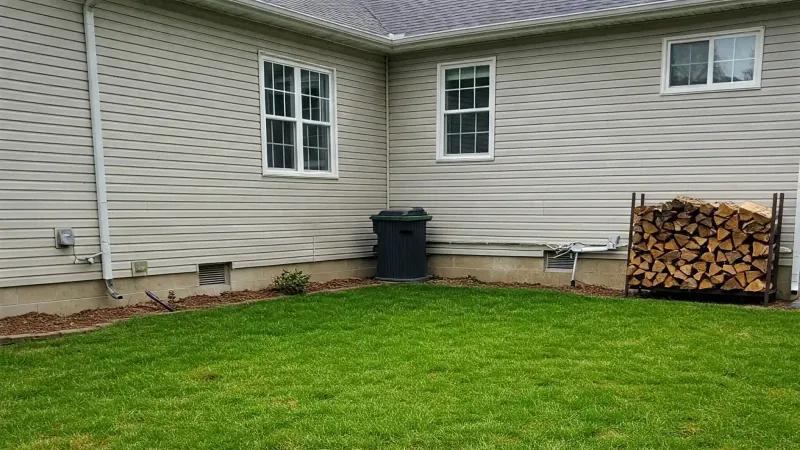
If repeated snake sightings near a doorway, play area, or heavily used path are creating a genuine concern, the most practical response is to make those spots less inviting rather than trying to remove the snakes directly. The core strategy is straightforward: reduce what attracts snakes in the first place.
Utah State University Extension’s guidance on reducing snake presence in yards recommends removing unnecessary debris piles, stacked lumber, and dense low vegetation near buildings, keeping grass and groundcovers trimmed back from foundations, and sealing gaps in siding, door sweeps, and foundation vents. These are general exclusion principles, not California-specific guarantees, but they address the shelter and travel-route conditions that make a yard convenient for any snake species.
Rodent management is another lever worth pulling carefully. Snakes follow prey, so a yard with easy rodent access, uncovered compost, spilled birdseed, or gaps under sheds may attract more snake activity over time.
UC Integrated Pest Management’s rat guidance emphasizes exclusion, sanitation, and targeted trapping as the most effective and wildlife-safe approaches. Rodenticides are a particular concern here: California’s Department of Pesticide Regulation has addressed second-generation anticoagulant rodenticides specifically because poisoned rodents can expose non-target wildlife, including snakes and raptors, to lethal secondary poisoning.
UC Agriculture and Natural Resources materials on rodenticide restrictions detail tightening California regulations that homeowners should review before reaching for any bait product.
Irrigation habits also matter. Overwatering draws earthworms, slugs, and frogs to the surface, which in turn can attract snakes.
Adjusting irrigation schedules, improving drainage near foundations, and removing standing water where possible can reduce the prey density that makes a yard worth visiting repeatedly.
Snake repellents, mothballs, sulfur, and improvised chemical deterrents lack reliable evidence of effectiveness and can harm soil, pets, and other wildlife. Penn State Extension’s snake management guidance notes that repellent effectiveness is inconclusive, and improvised applications can create new problems.
Stick to exclusion, sanitation, and integrated pest management, and consult product labels carefully for any registered products you do choose to use.
Read the sighting as information, not a pest-control guarantee
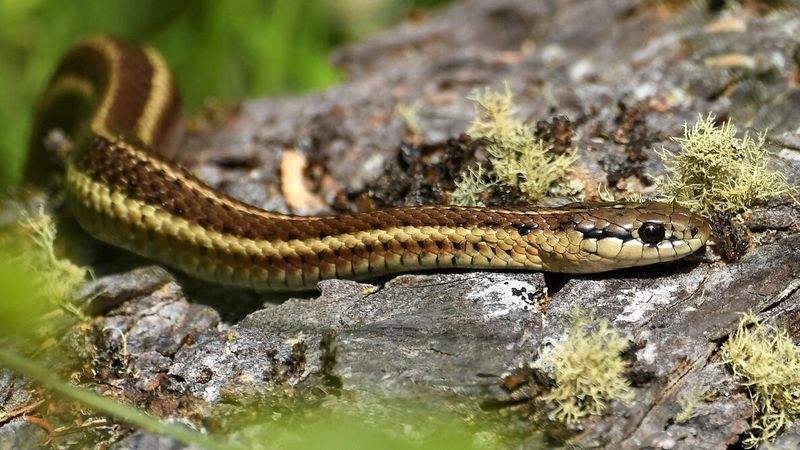
A garter snake in your California garden is worth paying attention to, but not for the reason most articles suggest. Its presence can tell you something about your yard’s conditions: available moisture, cover, basking spots, and prey that may include worms, frogs, or occasional slugs.
What it cannot tell you is that the animal is actively solving a pest problem, that your garden has a specific infestation, or that plant damage or rodent numbers will drop because of one snake’s visits.
California garter snake diet data shows a prey range that skews toward earthworms and amphibians more than most gardening articles acknowledge, and CDFW’s human-wildlife conflict guidance consistently points toward habitat management and non-interference rather than active control measures. The least disruptive response to a single sighting is usually the right one: observe from a distance, let the snake move on, and then consider whether any yard conditions, excess moisture, debris piles, rodent attractants, or dense low cover near doorways, are worth adjusting.
Leave handling, capture, and relocation to qualified professionals when a situation genuinely requires intervention. The snake moving through your garden is doing what snakes do, and the most useful thing your yard can do is give it a reason to pass through quietly without creating a conflict.
Managing your habitat thoughtfully is a more reliable strategy than counting on any single predator to fix a problem for you.