
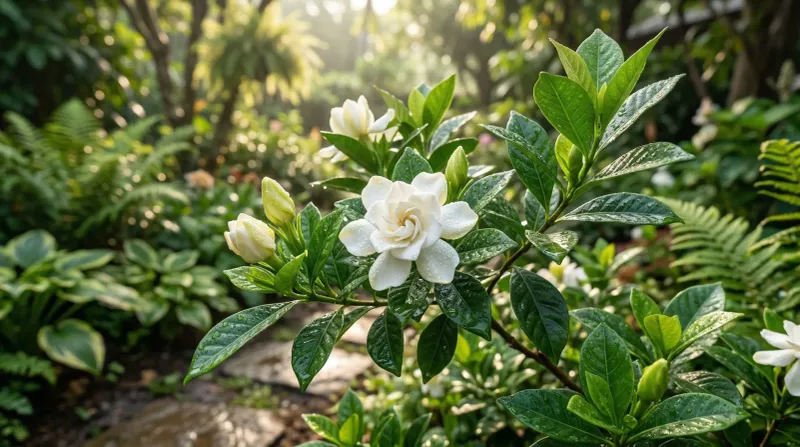
Gardenias are one of those plants that look perfectly healthy right up until the buds start dropping, and late summer in California is exactly when that happens most. The combination of scorching afternoons, warm nights, and uneven watering can push a gardenia past its comfort zone before you even notice a problem.
The good news is that a few targeted steps taken now can protect the buds already on the plant and give your gardenia a better shot at opening every one of them.
Heat can make a healthy-looking gardenia drop buds
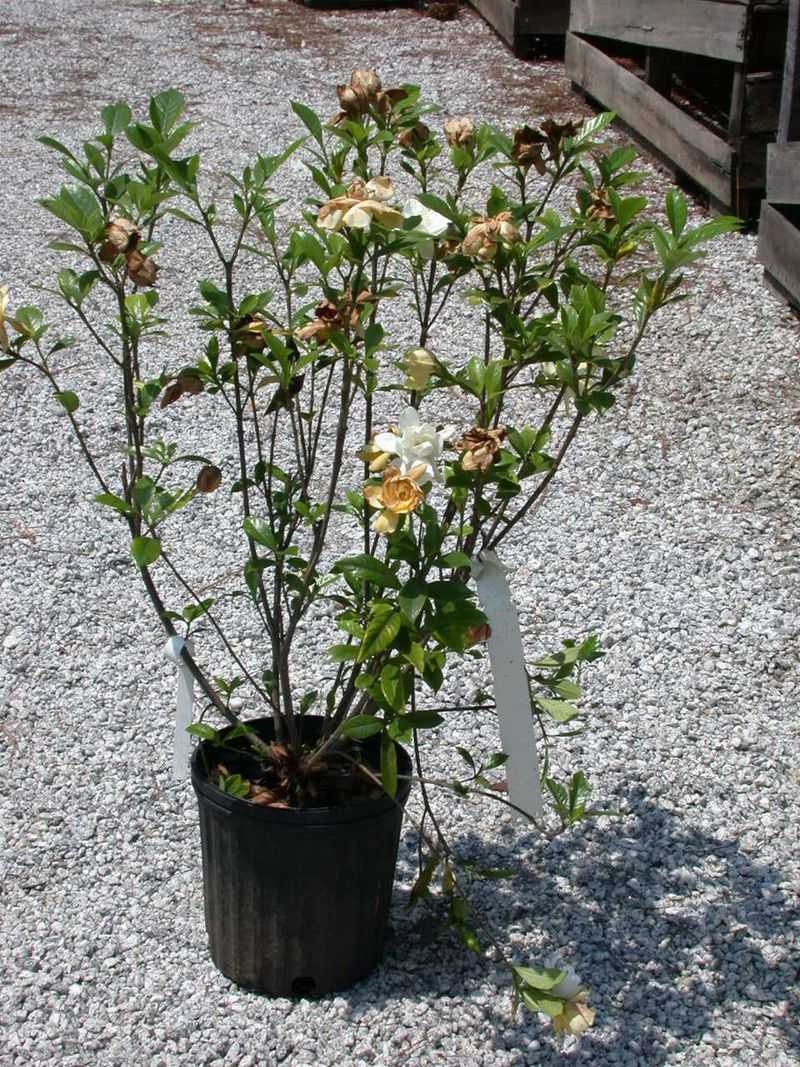
Gardenias are pickier about temperature than their lush foliage suggests. A plant can look perfectly green and full while quietly shedding every bud it has formed, and the cause is often the same thing California gardeners deal with from July through September: heat that pushes beyond the plant’s comfortable flowering range.
UC IPM’s guidance on leaf and bud drop specifically links gardenia bud loss to excessive heat, drought, and changing soil moisture, meaning the problem is rarely one single cause but a combination of stresses that build up over time.
The challenge is that “healthy-looking” and “ready to bloom” are two different conditions for gardenias. Foliage can stay green while buds abort because the plant is redirecting energy away from reproduction and toward basic survival.
Texas A&M AgriLife’s plant disease guidance confirms that gardenias need uniformly moist soil to flower well, and that soil moisture inconsistency during the flowering period is a reliable trigger for bud drop.
Beyond heat and moisture, other factors can contribute: poor drainage, nutrient imbalances, and pest pressure from thrips or scale can all show up as bud loss before any other visible symptom appears. UF/IFAS guidance on gardenias identifies nematodes, cultural stresses, and several pest species as possible contributors to bud problems.
Protecting existing buds is a realistic goal. Forcing a gardenia to produce an entirely new flush of buds during a heat wave is a different thing entirely, and the available evidence does not support it as a reliable outcome.
Stress management can improve the odds that buds already on the plant develop and open, but when nighttime temperatures stay high for extended periods, even a well-cared-for gardenia may stop blooming regardless of what you do at ground level.
Start with a steady root zone before the next heat spell
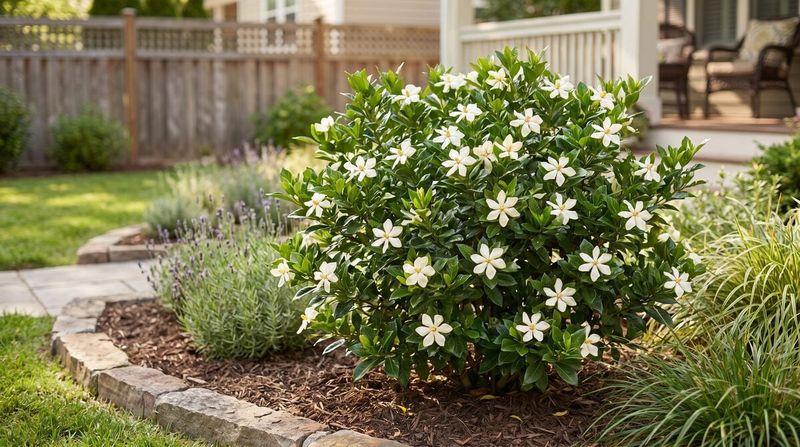
Before the next round of triple-digit afternoons arrives, the most practical thing you can do for a budded gardenia is stabilize what is happening underground. Roots under stress from swinging between dry and saturated soil are far less capable of supporting developing buds than roots sitting in evenly moist, well-aerated ground.
UC IPM’s bud drop resource points directly to drought, temperature stress, and changing soil moisture as primary triggers, which means the goal is steadiness rather than any single dramatic intervention.
Refreshing the mulch layer across the root zone is the most efficient way to hold that steadiness between waterings. Organic mulch slows evaporation, buffers soil temperature against afternoon spikes, and breaks down over time to improve soil structure.
UC IPM’s mulch guidance supports applying approximately 2 to 4 inches of organic material over the root area. Keep that mulch pulled back a few inches from the main stems so moisture does not accumulate against the bark, which can invite rot and disease.
Apply the mulch after a thorough watering so you are locking in moisture rather than insulating dry soil. Shredded wood, bark chips, or similar organic materials all work well.
The point is to reduce the dramatic temperature and moisture swings that occur when bare soil bakes in the afternoon sun and then cools rapidly overnight.
This step can meaningfully reduce root-zone stress and improve the chances that buds already on the plant develop fully. UC ANR’s drought-plant guidance recommends mulch as a core strategy for protecting landscape plants during heat and drought conditions.
What mulch cannot do is correct poor drainage, fix unsuitable soil pH, eliminate pest pressure, or override a cultivar that has a short bloom window, so treat it as one important piece rather than a complete solution.
Water and mulch without trading drought stress for soggy roots
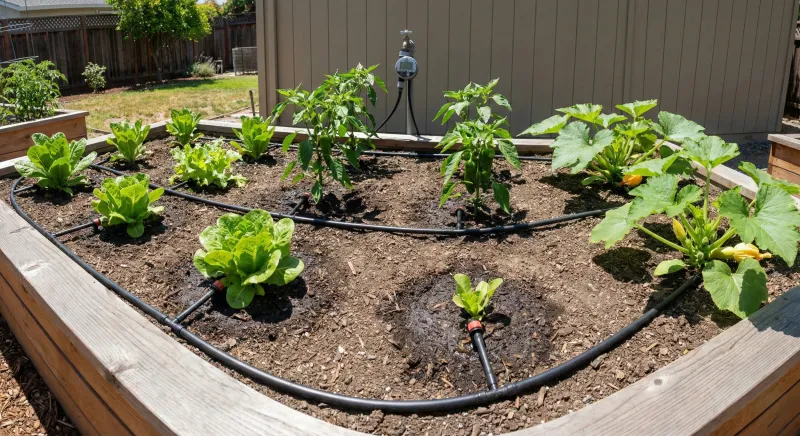
Checking the actual root zone before you water is more reliable than any fixed schedule. Push a finger or a soil probe three to four inches into the ground near the drip line of the plant.
If the soil feels dry at that depth, water thoroughly. If it still feels moist and cool, hold off.
Gardenias can suffer from both underwatering and overwatering, and soggy roots are just as damaging to developing buds as drought stress.
When you do water, water deeply enough to moisten the entire root zone rather than just the top inch or two. Shallow watering encourages roots to stay near the surface, where they are most exposed to heat and rapid drying.
Clemson Cooperative Extension’s gardenia factsheet recommends keeping the soil uniformly moist but not wet during the flowering period, which means slow, deep watering that allows the soil to absorb moisture without puddling.
Timing matters too. California Department of Water Resources conservation guidance recommends watering landscapes early in the day, when evaporation rates are lowest and foliage has time to dry before evening.
Wet foliage sitting overnight can encourage fungal problems, so directing water at the root zone rather than overhead is a practical habit. Drip irrigation or soaker hoses are good options when practical because they deliver water directly to the soil without wetting leaves or flowers.
After watering, apply or top off that 2 to 4 inch organic mulch layer. UC IPM’s mulch resource confirms that mulch conserves soil moisture and moderates temperature, which means less evaporation between waterings and a more stable environment for roots.
California water-wise care does not mean allowing gardenias to become severely drought-stressed. California’s Model Water Efficient Landscape Ordinance frames efficiency as smart irrigation and hydrozoning, not plant neglect.
The goal is to use water purposefully and avoid waste, while still giving your gardenia the consistent moisture it needs to hold its buds.
Match shade to the California heat your gardenia actually receives
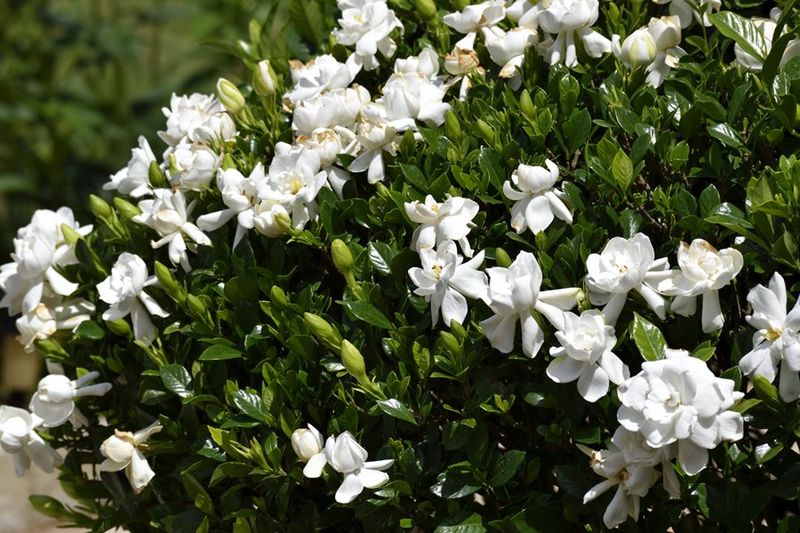
Where your gardenia sits in the yard matters as much as how you water it. California is not one climate, and the light and heat exposure that works for a gardenia on the Sonoma coast is very different from what a plant endures in Fresno, Riverside, or the Sacramento Valley on an August afternoon.
UC IPM’s gardenia care page recommends partial shade for gardenias in hot inland valleys, while noting that cooler coastal sites can tolerate more direct sun when soil moisture and drainage remain adequate. The practical translation: if your gardenia is baking in full afternoon sun in a hot inland location, that exposure is likely contributing to bud drop regardless of how well you water.
Morning sun with afternoon shade, or consistent filtered light throughout the day, creates a much more manageable environment for a plant trying to hold and develop buds.
Sacramento-area and desert-edge gardeners face additional complications. Reflected heat from walls, fences, and hardscape can push temperatures several degrees beyond what a standard thermometer reads in the open air.
Nighttime temperatures in these regions often stay warm enough to interfere with bud set even when daytime care is otherwise good, and irrigation demand rises sharply with reflected and radiated heat. If you are in one of these hotter zones, a shade cloth, a strategically placed patio umbrella, or the eastern side of a building can provide meaningful afternoon relief during the worst heat stretches.
More sun does not mean more flowers on a California gardenia, especially in a hot inland or desert-edge setting. Harsh afternoon exposure increases water and heat stress without improving bloom production, so protecting the plant from the most intense part of the day is a practical step rather than a compromise.
Adjust based on what your specific site actually delivers, not on a one-size rule.
Do not use late pruning or extra fertilizer as a bloom rescue
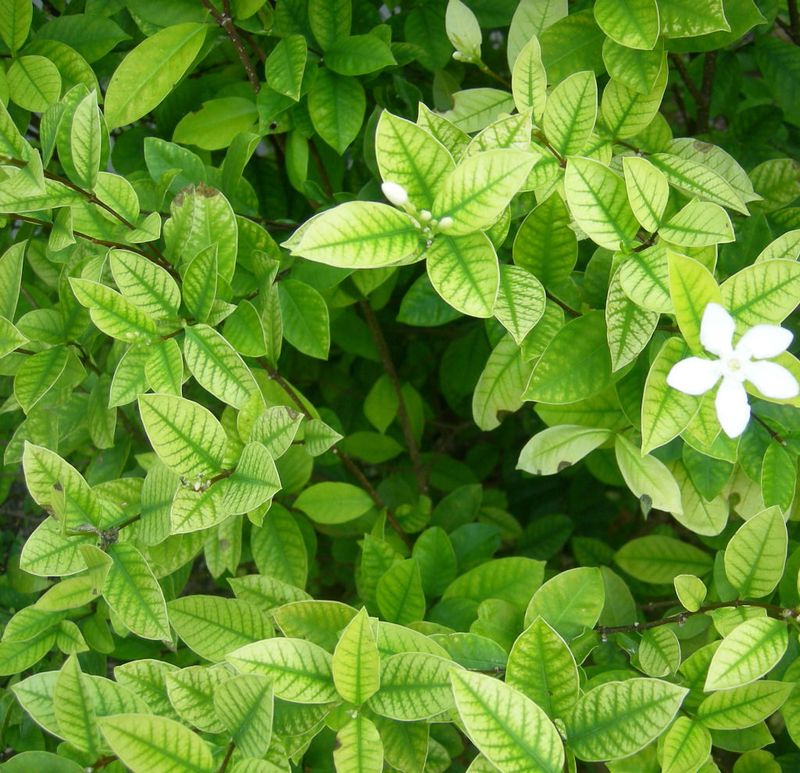
Two of the most tempting late-season responses to a struggling gardenia are also two of the most likely to make things worse. Reaching for the pruning shears or the fertilizer bag feels productive, but neither one addresses the root causes of heat-related bud drop, and both carry real risks at this time of year.
Pruning deserves a careful distinction. Removing a spent, browned flower for tidiness is not the same as cutting back stems to try to force new growth and another round of buds.
UF/IFAS’s gardenia guidance warns that hard pruning after October 1 can reduce the following year’s flowers, because gardenias begin forming buds for the next bloom cycle well before winter. UF/IFAS Gardening Solutions reinforces that pruning is best done right after the main flowering period, not in late summer or fall when buds for the next cycle may already be developing.
Extension guidance from Arkansas Cooperative Extension and North Carolina Cooperative Extension both note that gardenias can set flower buds before winter and should generally be pruned after flowering rather than in late summer or fall. Deadheading a spent bloom for appearance is fine, but cutting back healthy stems in August or September looking for a second flush is likely to cost you next spring’s flowers instead.
Extra fertilizer carries its own risk. Clemson Cooperative Extension advises against fall fertilization, and excess fertilizer is itself listed as a potential contributor to bud drop.
Fertilizer cannot correct heat stress, poor drainage, unsuitable soil pH, or inconsistent watering. If a soil test suggests a specific deficiency, address it according to the test results and product label directions.
Otherwise, set the bag aside until the appropriate season and focus on moisture and mulch instead.
Troubleshoot soil, pests, and cultivar limits if buds keep falling
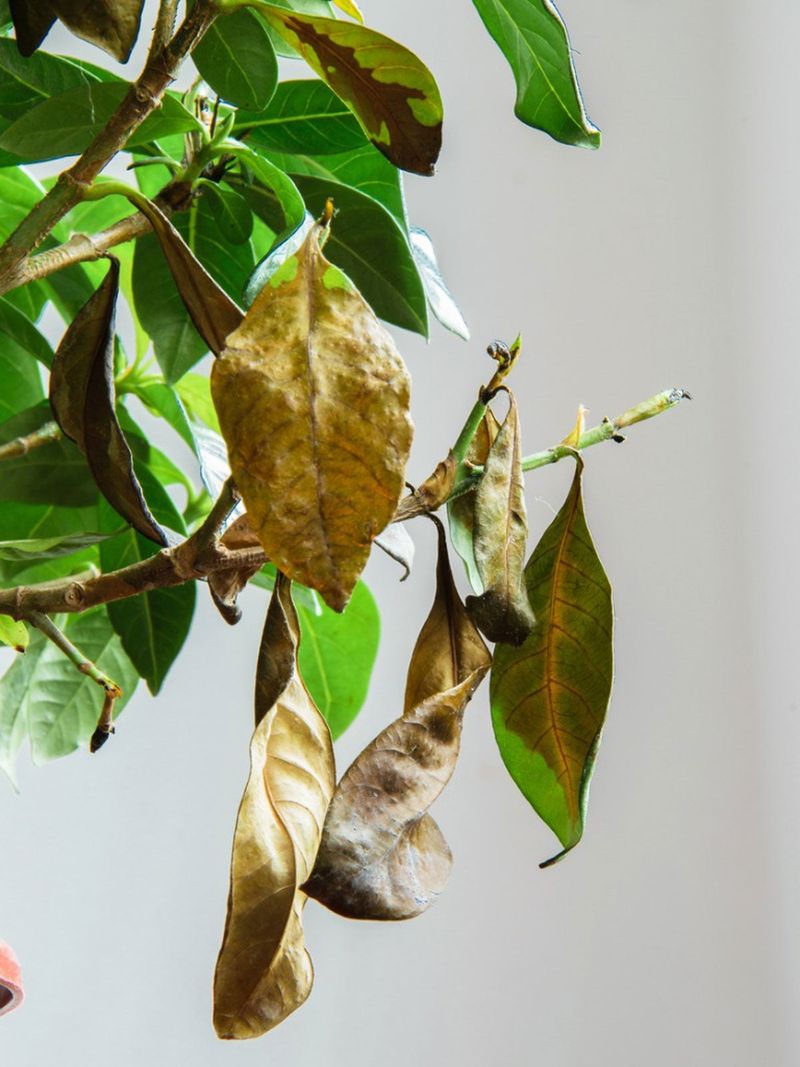
Once you have stabilized moisture and refreshed the mulch, and buds are still dropping, the next step is a methodical look at the other factors that watering and mulch cannot fix on their own. Start with drainage.
Gardenias need well-drained soil, and a root zone that stays saturated after watering or rain is a setup for root stress and bud loss even when the surface looks fine. Check whether water drains away within a few hours of a thorough irrigation.
If it pools or stays wet well into the next day, drainage improvement is a higher priority than anything else.
Soil chemistry is the next checkpoint. UF/IFAS gives gardenias a preferred soil pH range of approximately 5.0 to 6.5.
High-pH or salty soils interfere with nutrient uptake and can cause yellowing, poor performance, and bud problems even when everything else looks adequate. A basic soil test from a local cooperative extension office or garden center can confirm whether pH is part of the problem.
Pest pressure is worth checking before you assume the cause is purely environmental. Look closely at buds, new growth, and the undersides of leaves for thrips, aphids, scale, or whiteflies.
Clemson’s gardenia diseases and problems factsheet is clear that no chemical treatment is specifically recommended for unexplained bud drop, and that automatic spraying without identifying a pest first is not a sound practice. If you do find a pest, identify it precisely, follow the product label, and observe pollinator precautions before applying any treatment.
UC IPM’s bud drop guidance reinforces that bud drop is a symptom with multiple possible causes, not a single condition with a single fix. Beyond drainage, pH, and pests, cultivar behavior plays a real role.
Clemson’s gardenia factsheet lists cultivars with summer and fall reblooming potential, but that does not mean every variety will produce a second flush. If your plant is a single-flush cultivar, or if nighttime temperatures in your area are staying persistently warm, rebloom may simply not happen this season regardless of how attentive your care has been.
Protect the buds you have without promising a second flush
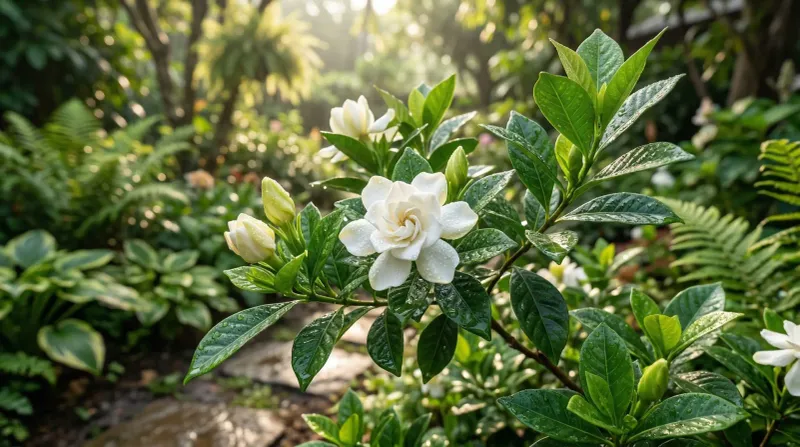
The clearest action sequence for late summer comes down to four checks. Confirm that the root zone is draining properly and that the soil is evenly moist before you water again.
When you do water, go deep enough to reach the full root zone, and time it for early in the day to reduce evaporation and keep foliage dry. Spread 2 to 4 inches of organic mulch across the root area, keeping it away from the main stems.
Where afternoon heat is intense, especially in inland valleys or desert-edge locations, provide some shade during the hottest hours.
UC IPM and UC IPM’s mulch guidance both support these steps as practical ways to reduce the environmental stresses most directly linked to bud drop. What they cannot do is override a cultivar with a short bloom window, correct poor drainage or unsuitable soil, eliminate pest pressure, or keep a gardenia blooming when nighttime temperatures stay outside its preferred range.
UC IPM’s gardenia page is a useful reference for confirming whether your site conditions are within range for your plant.
The honest goal right now is to give the buds already on your plant the best possible conditions to open. A gardenia that gets through the last of the summer heat with its buds intact is a success, and that is a realistic outcome when moisture, mulch, and shade are working together.