
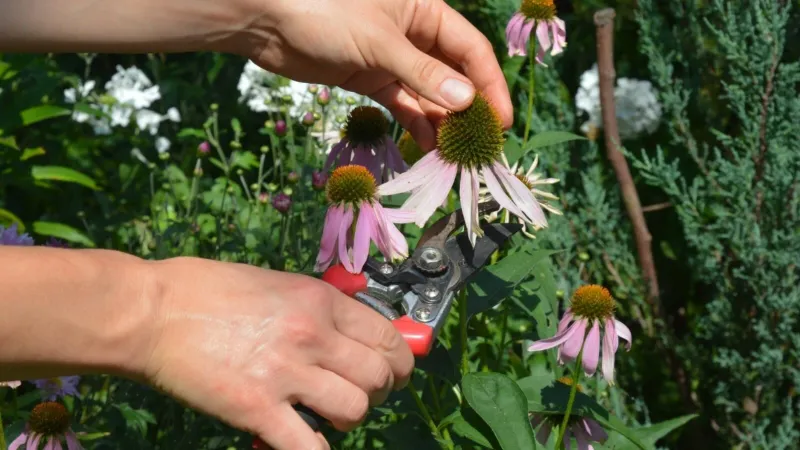
Coneflowers are one of the most cheerful plants in a Southern summer garden, but by August many of them start looking more brown than bright. If yours are fading fast, you are not alone, and the plant is probably not dying.
There is one simple grooming habit worth trying right now, and understanding what it can and cannot do will help you get the most out of your garden through the rest of the season.
Late-summer fading does not mean the plant has failed
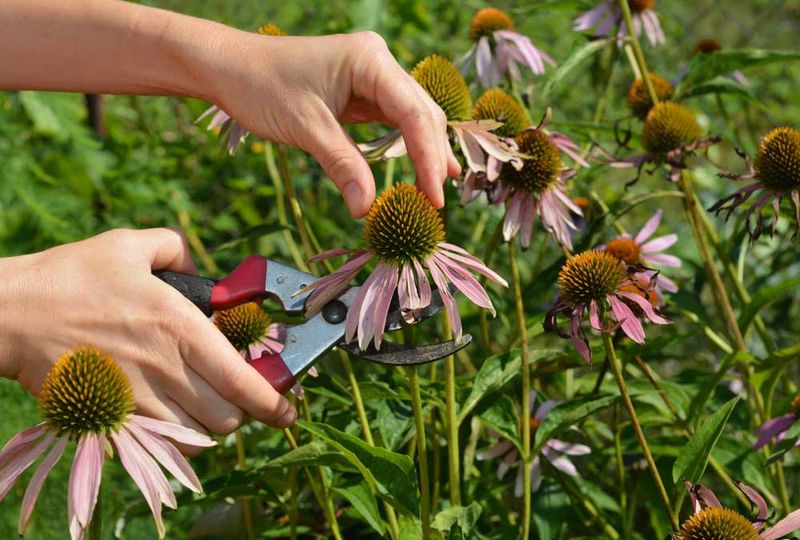
Coneflowers put on their strongest show in early to midsummer, and a slowdown after that peak is completely normal. Iowa State Extension’s guidance on growing coneflowers notes that purple coneflower commonly has a major early- or midsummer bloom period followed by fewer flowers later in the season, with some plants and cultivars continuing intermittently into fall.
Seeing a handful of brown, drooping flower heads in August does not automatically mean something went wrong.
How much flowering remains after midsummer depends on a combination of factors: the species you are growing, the cultivar’s genetics, the plant’s age, how many buds are still developing, available light, soil moisture, and the specific heat patterns of your location. A three-year evaluation at Ohio State found that individual coneflower selections flowered for roughly seven to ten weeks, with meaningful differences in flower number and plant habit across cultivars.
That range tells you the plant’s breeding matters as much as anything you do in the garden.
Selective deadheading is worth trying when blooms are fading, but it is best understood as a grooming option rather than a guaranteed switch that forces every coneflower back into full bloom. Some plants will respond with additional visible flowers; others will simply look tidier.
Adjusting your expectations based on your specific cultivar and local conditions will save a lot of frustration.
Deadheading may improve the display, but it cannot promise fall flowers
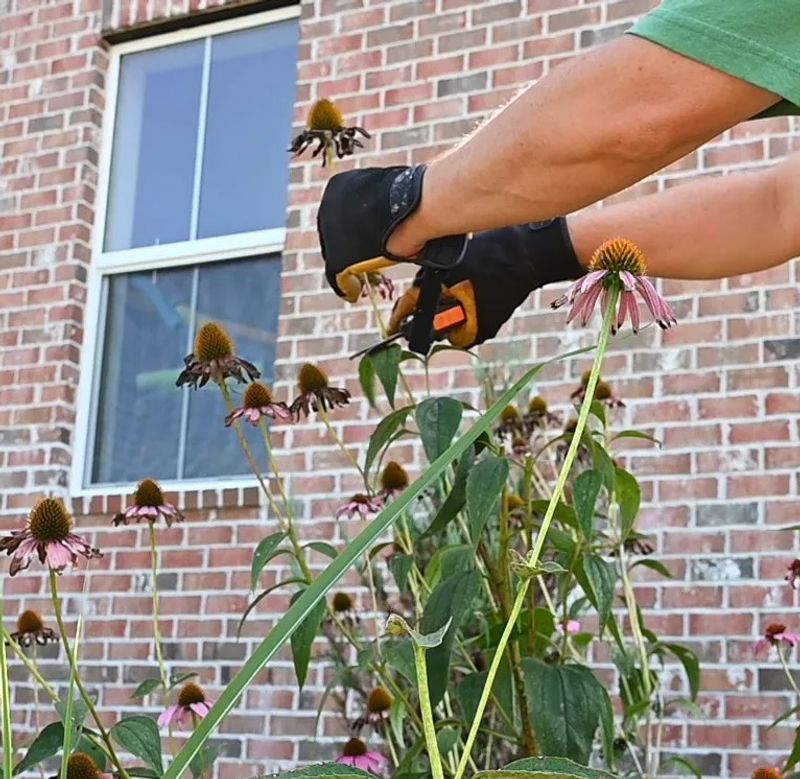
Deadheading is the practice of removing individual spent flower heads while the plant is still actively growing. Extension sources commonly recommend it for coneflowers as a way to improve appearance, reduce seed production, and potentially encourage additional flowers.
Iowa State Extension specifically says that deadheading purple coneflower can promote repeat blooms, making it a reasonable late-summer action for gardeners who want to keep the bed looking its best.
The qualification matters, though. Ohio State’s three-year Echinacea trial found that deadheading made “no noticeable difference” in extending the bloom period, because lower flower buds matured whether or not spent heads were removed.
That finding does not mean deadheading is pointless, but it does mean readers should treat it as a useful grooming habit with variable results rather than a dependable trigger for a fall bloom flush.
Illinois Extension recommends cutting spent flower stems to the next lateral flower, bud, or leaf as a way to maintain a tidier display and may encourage more visible flowers on some plants. The safest framing is this: deadheading can improve appearance and may support additional flowers on certain cultivars, but cultivar genetics and site conditions ultimately determine how much flowering continues into fall.
Make each cut above healthy new growth
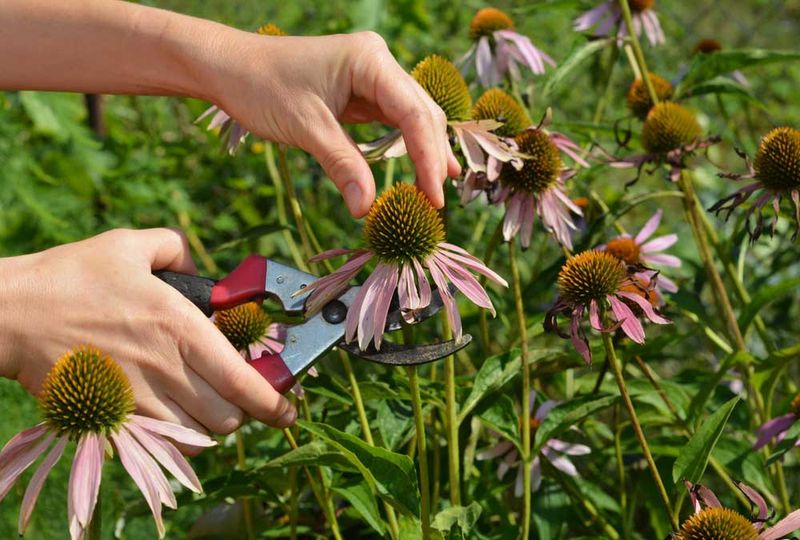
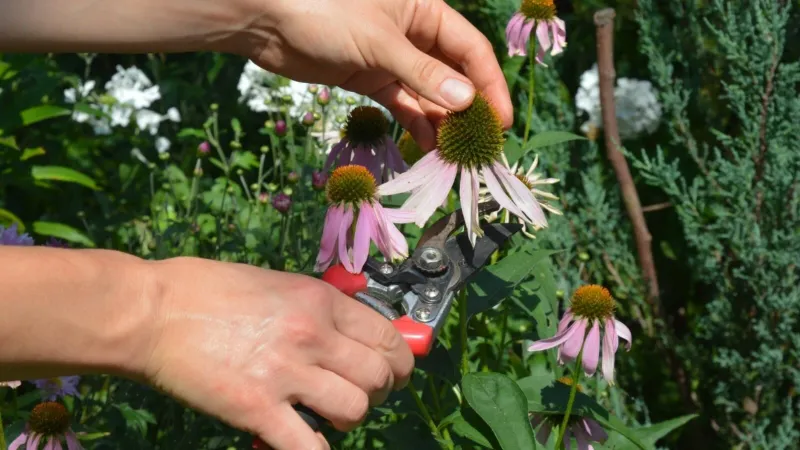
Getting the cut right is what separates useful deadheading from accidental damage. Start by locating a flower head that is genuinely spent: the petals have dropped or gone limp, the central cone is dry and brown, and no pollinators are visiting.
Avoid removing flowers that are still open or that have visible bees working them.
Once you have identified a faded bloom, trace its stem downward toward the base of the plant. You are looking for the first healthy leaf, lateral bud, side shoot, or developing flower bud below the spent head.
Illinois Extension advises cutting just above that next healthy growth point, which removes the tired stem while preserving any nearby buds that still have a chance to develop. Cutting too low strips away growth that the plant was already preparing to open.
Use clean, sharp bypass pruners rather than dull or dirty tools, which can crush stems and introduce disease. Work across the plant selectively, removing one spent stem at a time rather than grabbing a handful and shearing through them together.
Iowa State Extension emphasizes a selective approach that keeps developing buds intact. A plant that still has several side shoots with emerging buds can look noticeably better within a week or two of careful deadheading, even if a full second flush is not guaranteed.
Leave some seed heads when wildlife matters
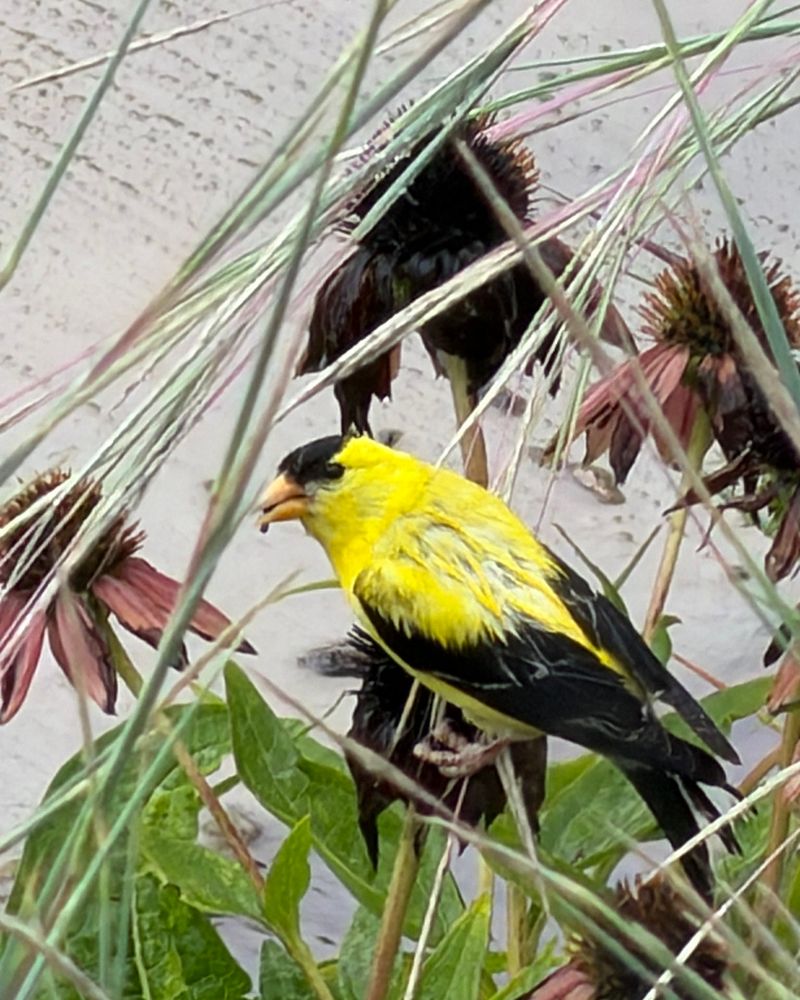
Removing every faded flower the moment it drops its petals is not the only option, and for many Southern gardeners it is not even the best one. Dried coneflower seed heads are a reliable food source for goldfinches and other seed-eating birds through late fall and into winter.
Iowa State Extension notes that goldfinches and other birds use dried coneflower seed heads, and that coneflowers can reseed readily when mature heads are left in place.
A selective approach works better than an all-or-nothing rule. Remove the most visibly ragged or unwanted heads to tidy the bed and potentially encourage additional visible flowers, but leave a portion of the healthier-looking seed heads standing for birds and for winter structure.
That middle path gives you some of the grooming benefit without eliminating the garden’s wildlife value entirely.
When preserving a named cultivar matters to you, the calculus shifts. Ohio State’s Echinacea trial observed vigorous seedlings around parent plants and recommended removing mature seed heads or hanging them away from the parent plant so goldfinches can still feed.
Seedlings that sprout near the original plant are often open-pollinated and may not match the parent cultivar’s flower color, form, or habit. If crowding or cultivar drift is a concern, deadhead more thoroughly and collect seed heads to hang separately for the birds rather than leaving them to drop in place.
Do not shear or heavily feed the whole plant
Two common overcorrections can undo the benefit of careful deadheading. The first is cutting the entire coneflower plant back in late summer, either by half or all the way to the ground, in hopes of forcing a second flush.
An Extension expert responding to a Mississippi gardener specifically cautioned that cutting coneflowers back would probably not produce a significant repeat bloom, and whole-plant shearing can remove developing buds that were already on their way to opening. Removing individual spent stems is a light, targeted practice; cutting the whole plant down is a different action with a much weaker track record.
The second overcorrection is reaching for a fertilizer bag after noticing fading flowers. Illinois Extension notes that heavy fertilization can produce tall, leggy plants that fall over, and no reviewed source supports aggressive late-summer feeding as a reliable way to extend coneflower bloom.
Coneflowers generally need good light, well-drained soil, and consistent establishment care far more than they need extra nutrients.
Illinois Extension’s guidance on pruning perennials for longer-lasting blooms focuses on targeted stem removal rather than wholesale cutbacks. When flowers are fading, the most productive response is selective deadheading, not a dramatic intervention that strips the plant of whatever buds remain.
Site conditions determine how much flowering remains
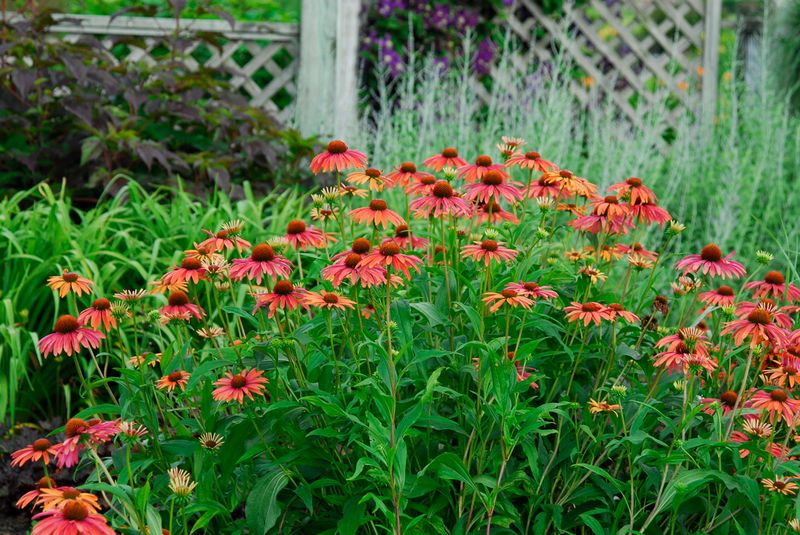
Deadheading a stressed plant is unlikely to produce noticeably better flowers. Iowa State Extension reports that purple coneflower grows best in full sun and well-drained soil, and that while established plants tolerate heat and dry conditions reasonably well, newly planted or drought-stressed coneflowers may need supplemental watering to maintain healthy growth.
A plant that is already struggling with moisture stress, poor drainage, or too much shade will not respond to deadheading the same way a healthy, well-sited plant might.
Clemson Cooperative Extension advises avoiding overhead irrigation where possible and maintaining good airflow around plants, because wet foliage creates conditions that favor foliar disease and pest movement. Drip irrigation or soaker hoses are better choices for coneflowers in humid Southern summers.
Regional timing also varies more than many gardeners expect. Texas SmartScape lists coneflower as a native or adapted perennial with low-to-medium water demand and seasonal interest through spring, summer, and fall across much of North Central Texas.
Florida tells a different story depending on where you are: UF/IFAS identifies purple coneflower as a spring-and-summer bloomer in central Florida, while a UF/IFAS Panhandle source describes flowering extending into late fall in that region. Judging your plant’s performance against your local conditions and your specific cultivar’s documented habit will always be more reliable than any single rule applied across the entire South.
Distorted flowers call for diagnosis, not routine deadheading
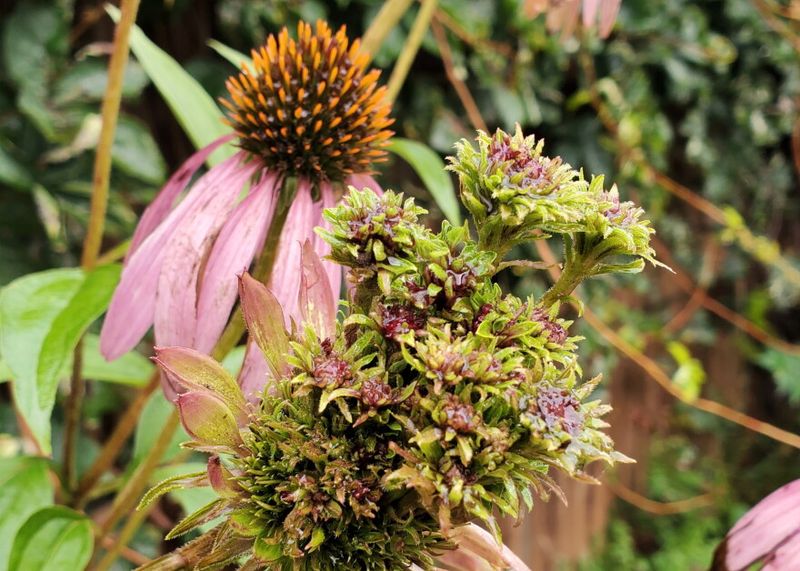
Not every abnormal-looking coneflower flower is just a tired bloom waiting to be clipped. Some symptoms point to problems that deadheading will not solve and may even obscure if the spent material is removed before anyone gets a good look at it.
Knowing what to watch for can save a lot of wasted effort.
Ohio State’s Echinacea trial documented coneflower rosette mites as causing a rosette-like tuft at the base of a developing flower, which is a distinctly different appearance from an ordinary faded bloom. That specific symptom does not establish a definitive diagnosis on its own, but it is a reason to look more carefully before reaching for the pruners.
Ohio State recommends early sanitation when those symptoms appear, not routine deadheading.
Other warning signs that deserve a closer look include unusual green or leafy growth where petals should be, severe distortion of the flower head or stem, widespread decline across multiple plants, or significant browning or spotting on the foliage. Ohio State’s trial also documented foliar nematodes, aster yellows, fungal diseases, crown problems, and abiotic stress as issues affecting coneflowers in their evaluation.
Clemson Extension likewise identifies several foliar and root diseases that can affect coneflower health. Heat, poor drainage, overhead irrigation, and competition can all reduce flowering in ways that deadheading simply cannot address.
If something looks genuinely wrong rather than just spent, consider contacting your local Extension office for a proper diagnosis before pruning.
Use selective deadheading as a realistic late-season reset
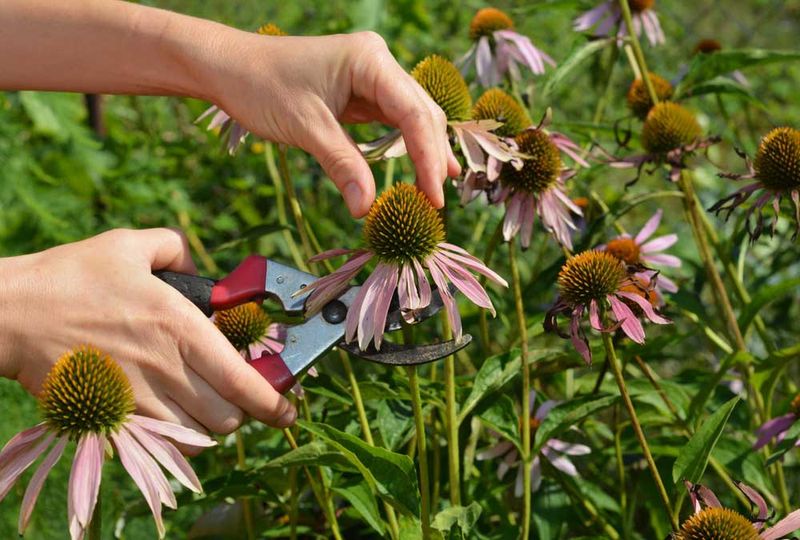
A practical late-summer routine for fading coneflowers comes down to a short sequence: inspect the plant carefully, remove only the genuinely spent flower heads, cut each stem just above a healthy leaf, side shoot, lateral bud, or developing flower bud, and leave selected seed heads standing for birds or natural reseeding. After deadheading, step back and check the basics: adequate direct sun, reasonable soil drainage, and enough moisture for the current heat.
Those site conditions will shape how much flowering follows far more than the deadheading alone.
Iowa State Extension notes that deadheading can promote repeat blooms, and Illinois Extension’s guidance on perennial pruning supports the same selective stem-removal approach. The honest payoff is that the plant will look tidier and may produce additional visible flowers, but whether blooms continue into fall depends on your cultivar and your site.
A well-chosen cultivar in a good location is your best long-term investment; deadheading is a reasonable habit that keeps the season going as well as conditions allow.