
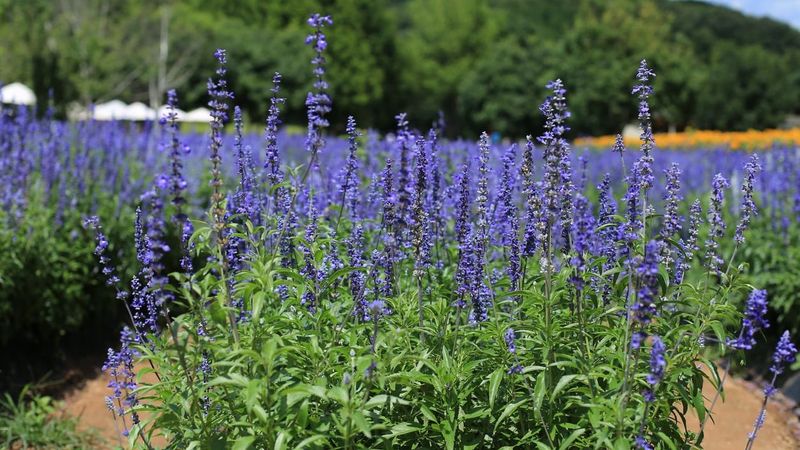
Most Texas beds start looking tired by late summer, but mealy blue sage has a trick left if you know what to do before September slips away. A targeted trim on Salvia farinacea right now can wake up a stretched, faded plant and set it up for another round of color when most everything else has quit.
This is not a complicated fix, and you do not need a truckload of fertilizer to pull it off. Get the steps right and your sage may still be pushing blue-violet spikes well into fall.
Identify Salvia farinacea before you prune
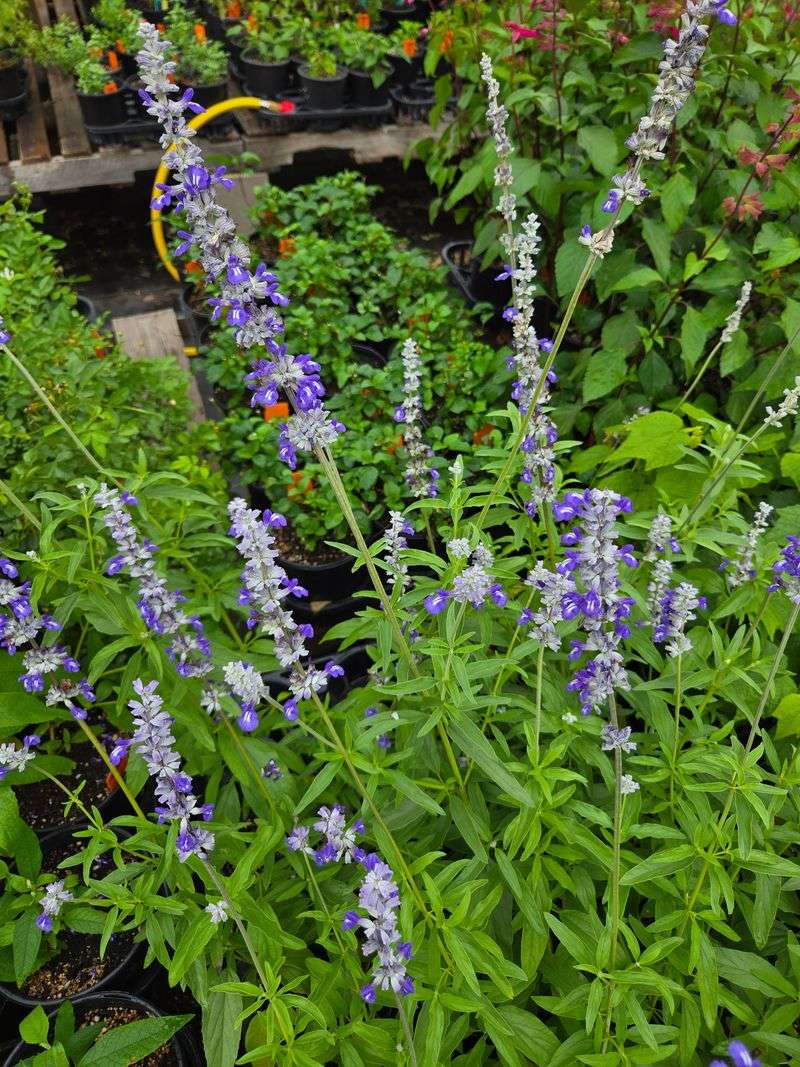
Before picking up your pruners, make sure you are standing in front of the right plant. Mealy blue sage goes by several common names: mealycup sage, blue salvia, and mealy blue sage are all used for the same species, Salvia farinacea.
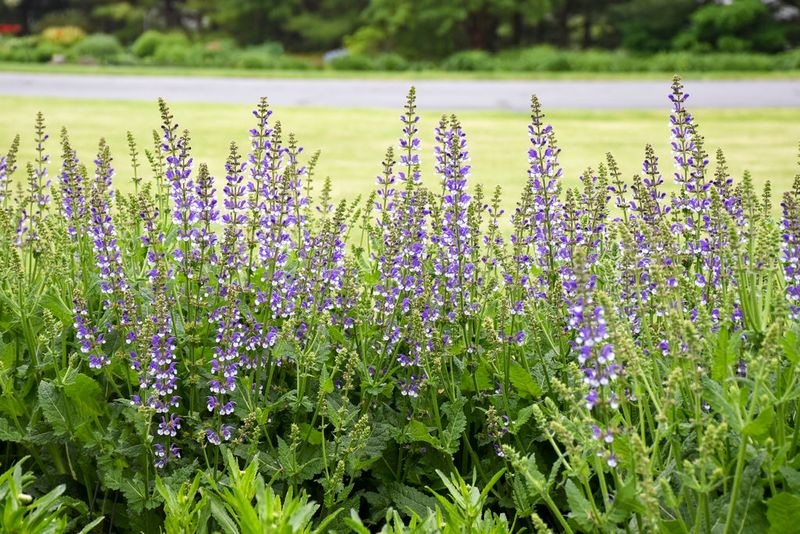
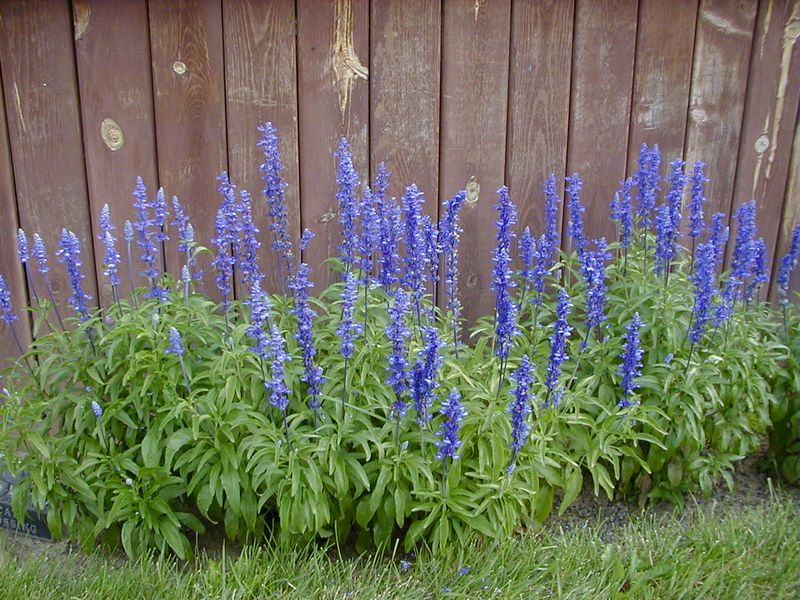
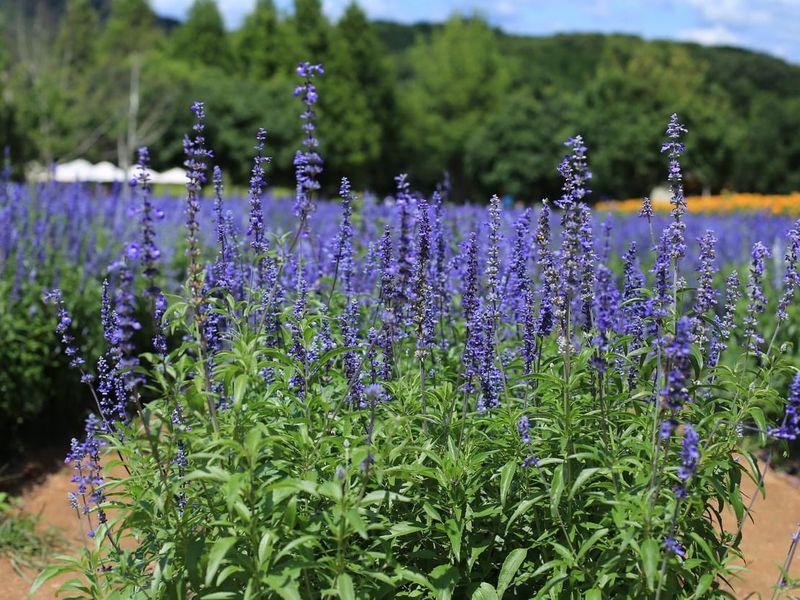
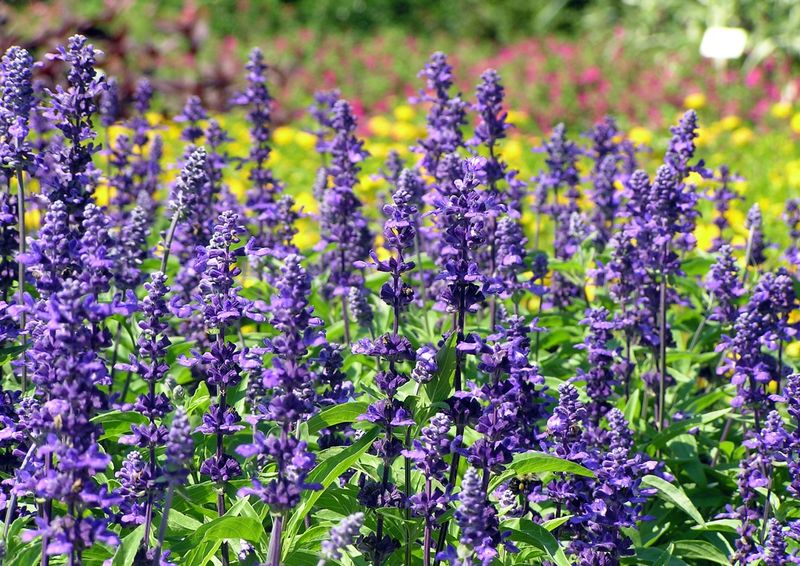
According to the Texas Tech University Plant Resources database, this herbaceous perennial typically reaches about 2 to 3 feet tall and produces slender, upright flower spikes above lance-shaped, gray-green leaves with a slightly wrinkled surface.
Flower color is a useful clue, but it should not be your only check. Blue-to-violet spikes are the most common form, but purple and white cultivars also exist, so a plant with pale lavender or white flowers might still be Salvia farinacea.
Use the combination of growth habit, leaf texture, spike shape, and the scientific name to confirm identity rather than relying on color alone.
The species is native to Texas and parts of the southern Great Plains, and it behaves as a heat-tolerant, relatively drought-tolerant perennial in most Texas landscapes once established. That said, it is an herbaceous plant, not a woody shrub, and that distinction matters for pruning.
The Texas A&M AgriLife Earth-Kind plant selection guide lists Salvia farinacea as a spring, summer, and fall bloomer suited to Texas landscapes.
Do not apply this guidance to Texas sage (Leucophyllum frutescens), autumn sage (Salvia greggii), Mexican bush sage (Salvia leucantha), or culinary sage (Salvia officinalis). Each of those is a different species with different pruning needs and hardiness.
Culinary sage, for example, is a woody-stemmed Mediterranean herb that can be killed by severe pruning into old wood, and that warning absolutely does not transfer to herbaceous Salvia farinacea. Confirm the scientific name first, and then proceed with confidence.
Start with deadheading, not a drastic chop
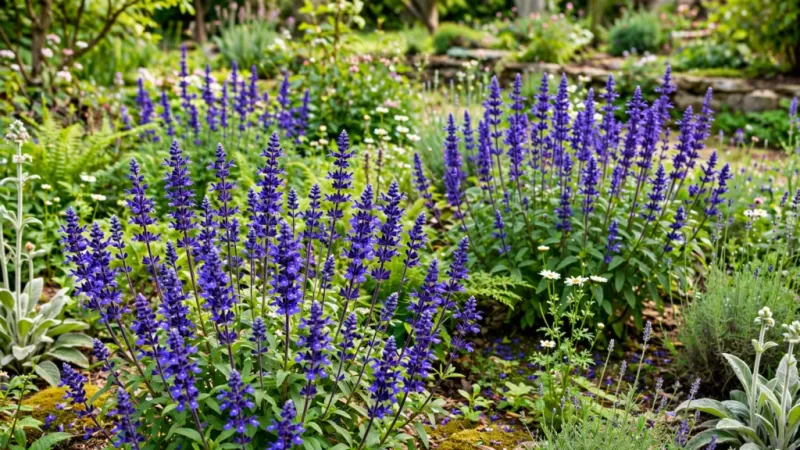
The gentlest and most immediately rewarding step is deadheading: removing flower spikes that have already finished blooming. Grab a pair of sharp bypass pruners and trace each faded spike down to the nearest healthy leaf node or back into the leafy portion of the stem.
A clean cut just above that node keeps the plant tidy and removes the signal that tells the plant its reproductive job is done for that stem.
According to Missouri Botanical Garden deadheading guidance, salvias commonly respond to the removal of spent flowers with continued or repeated flowering, and the practice also prevents plants from becoming untidy as the season stretches on. That is a reasonable expectation, not a promise that every stem will rebloom on schedule, because plant response depends on vigor, cultivar, and the remaining warm weather in your part of Texas.
Work through the entire plant and remove every brown or drying spike you find. If some spikes are still showing a few open flowers at the top while the lower portion has browned, you can cut below the finished section and leave the active tip.
The goal is to clear spent material without removing growth that is still doing something useful.
Tool hygiene matters more than most gardeners realize. Wipe visible debris off your blades before you start, and if you move between plants that are showing spotty or discolored foliage that might indicate a fungal problem, disinfect the blades before cutting a healthy specimen.
University of Minnesota Extension guidance on cleaning garden tools recommends 70% isopropyl alcohol or an appropriately labeled disinfectant for this purpose. A few seconds of blade care can prevent a season’s worth of disease spread.
Give a lanky plant a measured one-third cutback
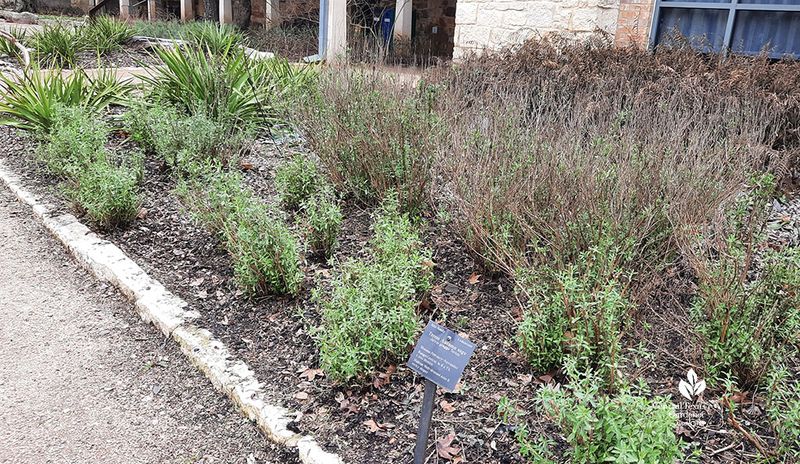
Deadheading handles individual spent spikes, but sometimes the whole plant needs a reset. If your mealy blue sage has grown tall and open, with long stems that flop or lean and sparse foliage near the base, a light overall cutback can help it rebuild a more compact, productive shape before fall sets in.
The key word is light: the target is roughly one-third of the current stem length, not a dramatic reduction to the ground.
Texas-specific guidance from PlantAnswers supports this moderate cutback for fall-blooming salvias, describing it as a way to encourage a fall flowering flush on plants that have stretched and thinned through the summer. The approach works best when the plant is still actively growing and carrying healthy green leaves.
If you strip stems down to bare wood or remove every leaf, you eliminate the plant’s ability to recover quickly, and recovery is exactly what you need before the season shortens.
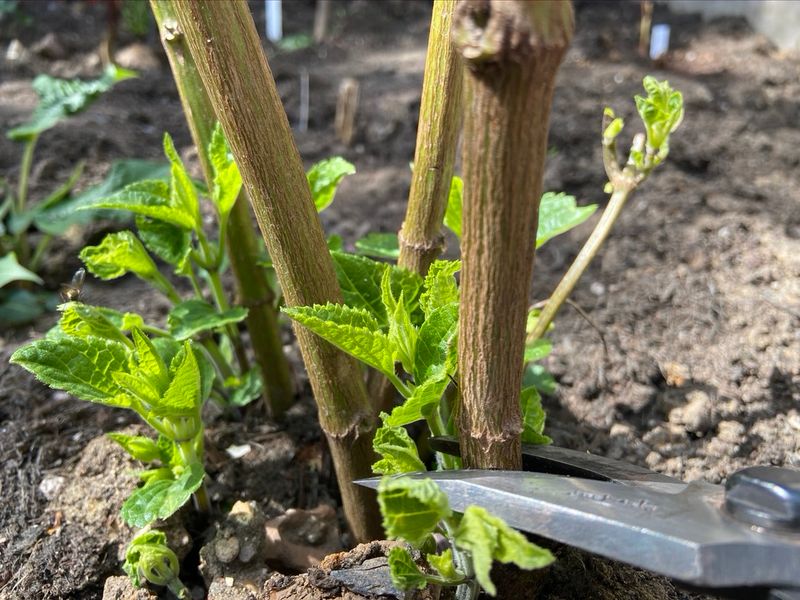
Work stem by stem rather than shearing the whole plant at once like a hedge. Cut each stem to a point where you can see healthy side buds or leaf nodes, which is usually where new growth will emerge.
Leaving those nodes intact gives the plant clear re-sprouting points and produces a bushier, more natural shape than a flat-topped shear cut. North Carolina State Extension’s blue sage profile notes that removing spent flowers and trimming back helps maintain plant vigor through the season.
One firm boundary: do not apply this one-third cutback to a plant that is already severely stressed from drought, disease, or root damage. A weakened plant needs water and time to stabilize before it can handle the additional demand of regrowing trimmed stems.
Texas A&M AgriLife Earth-Kind pruning guidance emphasizes retaining healthy green growth and avoiding cuts that leave a stressed plant without sufficient leaf area to sustain itself.
Restore moisture without keeping the soil wet
Right after trimming, press two fingers into the soil near the plant’s root zone. If the top two inches feel dry or barely damp, water deeply before you walk away.
A thorough soak allows moisture to reach the roots where it is actually needed, and that moisture supports the plant’s ability to push out new growth from the cut stems. Shallow surface watering after pruning does not accomplish the same thing.
What you want to avoid is the opposite extreme. Texas Tech’s mealy blue sage profile notes that the plant tolerates dry conditions once established but performs best in well-drained soil, and that standing water and excessive irrigation create unfavorable growing conditions.
Salvia farinacea is not a bog plant. Wet roots sitting in poorly draining soil invite root rot and stress the plant in ways that no amount of pruning or fertilizer can fix.
Sun, drainage, and spacing each play their own role, and they should not be lumped into a single formula. Full sun generally supports stronger flowering.
Well-drained soil limits wet-root stress. Adequate spacing and airflow around the plant reduce the humid conditions that favor powdery mildew and other fungal diseases.
These are separate site factors, each worth getting right on its own terms.
One situation calls for extra caution: a plant that is already visibly wilted from drought stress should not receive a hard cutback until it has been watered and had time to recover. Texas A&M’s soils and fertilizers guidance points out that applying fertilizer salts to dry soil can draw water away from roots and cause burn, and the same logic applies to heavy pruning on a dehydrated plant.
Restore moisture first, let the plant show signs of recovery, and then make your cuts.
Do not make fertilizer an automatic follow-up
A common piece of gardening advice says to feed plants after you prune them, and for some situations that makes sense. For an established mealy blue sage in a typical Texas landscape, though, automatic fertilizing after a late-summer trim is not the right default.
The plant may simply not need it, and applying fertilizer when it is not warranted can cause more problems than it solves.
Texas A&M AgriLife’s Earth-Kind fertilizing guidance recommends soil-test-based fertilization and specifically cautions against overapplying nitrogen, particularly during hot weather. Excess nitrogen pushes a plant toward leafy vegetative growth at the expense of flowers, which is exactly the opposite of what you want heading into fall.
If your sage already has rich, dark green foliage and has been blooming well, there is no strong reason to add more nitrogen to the equation.
A soil test is the preferred starting point. Texas A&M AgriLife Extension and many county extension offices offer soil testing services that tell you what is actually in your soil rather than asking you to guess.
If a test reveals a nutrient deficiency, or if the plant is showing clear signs of one, that is the appropriate trigger for feeding, not the act of pruning itself. Suspected deficiencies warrant a conversation with your local extension office or a certified nursery professional who can help interpret the symptoms.
When feeding is genuinely warranted, the approach matters as much as the decision to feed. Use a modest, slow-release landscape fertilizer, follow the product label for application rate, and apply it to moist soil.
Keep granules away from the crown and foliage, and water the product in after application. Clemson Cooperative Extension’s salvia factsheet notes that excessive water and fertilizer can produce lush leafy growth at the expense of flowers, and that observation holds for Salvia farinacea as well.
Skip the fixed-dose approach: there is no single fertilizer quantity that fits every plant, every soil, and every Texas yard.
Prune early enough for new growth to harden
Timing is what separates a useful late-summer refresh from a risky late-season cut. The September window works because the plant is still actively growing and there is typically enough warm weather ahead in most Texas regions for new stems to develop and begin setting flower buds before conditions shift.
Push that cut later into October or toward the first frost forecast, and the calculus changes quickly.
Tender new growth that emerges after a pruning cut needs time to firm up before cold air arrives. Stems that are still soft and actively elongating when a freeze hits are more vulnerable than mature, hardened growth.
Texas A&M AgriLife’s Earth-Kind pruning guidance advises limiting late-season pruning that could stimulate tender growth unable to harden before cold weather. If your local forecast is already showing nighttime temperatures dropping into the low 40s regularly, keep any trim minimal and focused on deadheading rather than a full one-third cutback.
The documented flowering window for Salvia farinacea in Texas is broad. Texas A&M’s Earth-Kind plant selection guide lists spring, summer, and fall as the bloom periods for this species.
A Texas Department of Transportation and Texas Transportation Institute roadside plant reference documents a March through November flowering period for Salvia farinacea in several Texas regions. Those are performance windows observed under favorable conditions, not a calendar promise that applies equally to every yard in every part of the state.
North Texas gardens typically see their first freeze earlier than Central Texas, which finishes earlier than the Gulf Coast, which finishes earlier than the Rio Grande Valley. South Texas gardeners may realistically see flowers well into November or beyond, while a gardener in the Panhandle might lose tender regrowth to a hard freeze in October.
Know your average first frost date and work backward from it when deciding how aggressively to prune in September.
Avoid the shortcuts that weaken the fall display
Several well-intentioned moves can actually undermine the fall display you are working toward. The most common one is stripping a plant too hard.
If you cut every stem back to bare wood and remove all the leafy growth, the plant has nothing left to fuel recovery. That is a different situation from a measured one-third cutback on a vigorous plant, and the two should not be confused.
Applying a fixed fertilizer dose without checking soil moisture or plant condition is another shortcut that tends to backfire. Texas A&M’s soils and fertilizers guidance warns that fertilizer salts in dry soil can draw moisture away from roots and cause injury.
Pushing a recovering plant with a heavy nitrogen application can also redirect its energy toward producing leaves rather than flower spikes, which defeats the purpose of the whole exercise.
Compensating for poor drainage by watering more frequently is a third mistake that shows up regularly in Texas beds. If the soil stays wet for days after rain, the fix is drainage correction, not adjusting your hose schedule.
Crowded, poorly ventilated plants sitting in persistently moist conditions are prime candidates for powdery mildew, and no fertilizer program will solve a disease problem rooted in site conditions. Texas Tech’s mealy blue sage resource flags poor ventilation and excessive irrigation as conditions that increase disease pressure on this plant.
Finally, do not assume that all Salvia farinacea selections behave identically. PlantAnswers’ coverage of Salvia farinacea cultivars including ‘Henry Duelberg’ makes clear that named selections differ in height, flower intensity, and overall performance. ‘Victoria Blue,’ ‘Rhea,’ and hybrid forms may vary in disease resistance, hardiness, and how long they continue blooming into fall.
Treat cultivar differences as real variables rather than assuming one plant’s performance predicts another’s.
Aim for a better fall display, not a calendar promise
Here is the full sequence pulled together: confirm you have Salvia farinacea by checking growth habit, leaf texture, and scientific name. Remove every spent flower spike with clean bypass pruners, cutting back to a healthy leaf node.
If the plant is lanky and vigorous, take about one-third off the stems while keeping plenty of healthy green growth in place. Check the root zone, and if the soil is dry, water deeply before you walk away.
Skip the automatic fertilizer unless a soil test or clear deficiency symptom says otherwise.
What comes next depends on factors outside your control. North Carolina State Extension’s blue sage profile describes Salvia farinacea as a reliable repeat bloomer when spent flowers are removed, and Texas A&M’s Earth-Kind plant selection guide confirms spring, summer, and fall bloom periods for this species in Texas landscapes.
In favorable parts of the state, flowers may be blue, violet, purple, or white depending on the cultivar, and they may continue well into fall and sometimes into November. But the cultivar you are growing, the health of the plant going into the trim, your region’s heat and moisture through September and October, and the date of your first freeze all shape the actual result.
The TxDOT and Texas Transportation Institute roadside plant reference documents a March through November flowering window for Salvia farinacea in multiple Texas regions, which is an encouraging baseline. Treat that as a realistic performance ceiling under good conditions in the right regions, not a guarantee that applies to every yard from Amarillo to Brownsville.
The honest goal of this late-summer routine is a plant that enters fall in better shape than it would have otherwise, giving it a real opportunity to extend its color season. A well-timed trim on a healthy sage is one of the more reliable small investments in a Texas fall garden.