
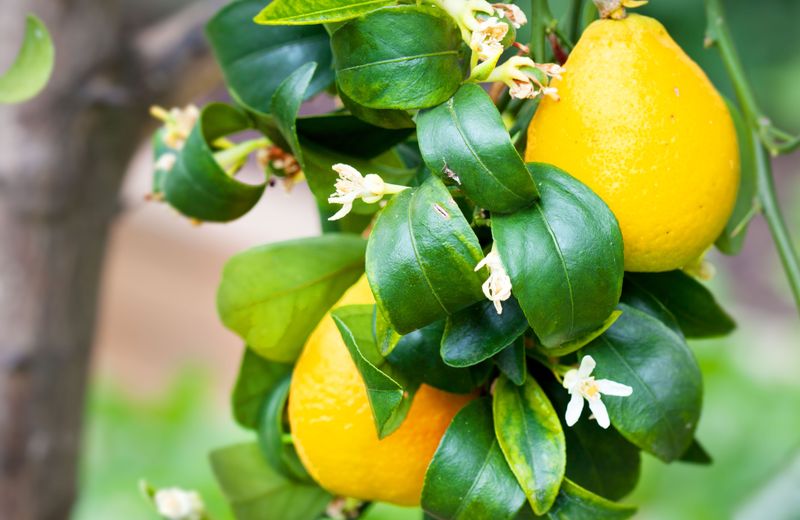
Curling leaves on a backyard citrus tree can send a California homeowner into a panic, especially when early-fall temperatures are still climbing. Before you grab the pruning shears or reach for a spray bottle, take a closer look at the leaves themselves, because the weather outside is rarely the whole story.
Visible patterns on new versus old growth tell you far more than the thermometer does, and knowing the difference can save your tree from a fix that makes things worse.
Start with the leaf pattern, not the season
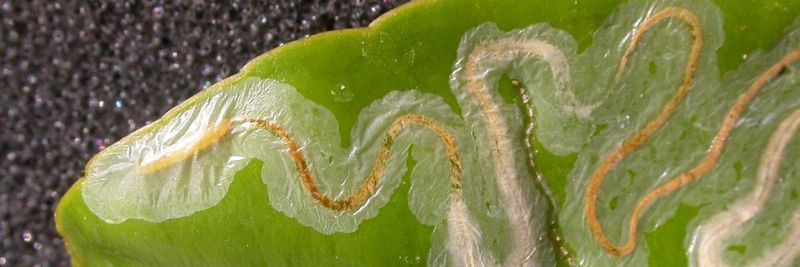
Blaming the calendar is an easy habit when citrus leaves start curling in September, but the date alone tells you almost nothing about what is actually wrong. Before assuming heat is the culprit, walk out to the tree and look at which leaves are affected and how they look up close.
That distinction between new growth and old growth is where the real diagnostic information lives.
Tender new flush leaves are shiny, soft, and noticeably lighter green than the rest of the canopy. When you find curling concentrated there, look at the leaf surface carefully.
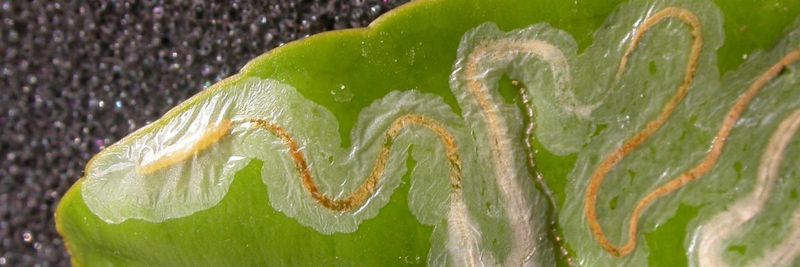
Thin, winding, pale tunnels running beneath the surface in a serpentine pattern are a strong signal of insect damage rather than weather stress. Older, hardened leaves that have been on the tree for months look dull, feel leathery, and are generally much more resistant to certain pests, so curling on those leaves points you toward a different set of causes.
Other patterns worth noting at this stage include leaves that curl inward from the edges and feel dry or crisp at the tips, which suggests water stress rather than insect activity. Sticky residue on leaves or nearby stems, white waxy deposits, or ants moving in organized lines up the trunk are clues that sap-feeding insects may be involved.
Blotchy, uneven yellowing that looks different from ordinary pale new growth raises a separate set of concerns entirely. UC IPM’s citrus leaf invertebrate damage guide illustrates how differently insect injuries appear from one another, which is why a quick visual inspection beats any assumption based on the time of year.
Site conditions matter too. A tree growing in full reflected heat against a south-facing wall behaves differently from one shaded by a fence in coastal San Diego.
Wind exposure, soil type, and how recently the tree was watered all shape what you see on the leaves. The pattern you observe, combined with where and how the tree is growing, gives you a starting point that the season alone never can.
Serpentine mines make leafminer a leading suspect
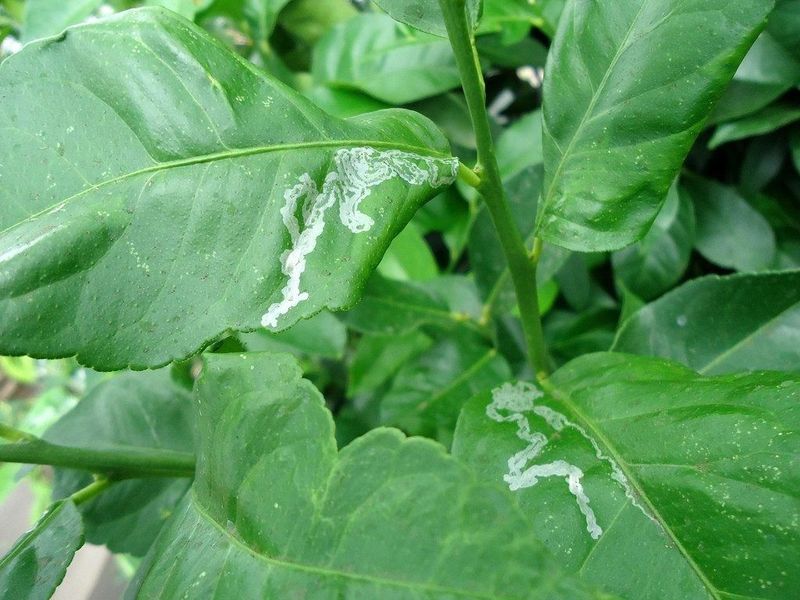
Citrus leafminer is a small moth whose larvae do their damage entirely out of reach, tunneling just beneath the surface of young leaves before you ever notice a problem. The female lays eggs on tender new flush, the larvae hatch and begin mining through the leaf tissue, and the result is a thin, winding, silvery trail that traces the larva’s path like a penciled line on the leaf.
As the damage progresses, the leaf curls or rolls around the mine, sometimes tightly enough to look like a little tube.
The key diagnostic detail is the leaf’s age and texture. UC IPM’s home and landscape citrus leafminer page makes clear that only tender, shiny new growth is vulnerable.
Once a leaf hardens, the tissue becomes too tough for the larvae to mine effectively. So if you are finding serpentine tunnels and curling concentrated on the most recent flush while older leaves look undisturbed, citrus leafminer is a strong explanation, regardless of what the temperature is doing.
Timing matters differently depending on where in California you garden. In cooler coastal areas, leafminer populations can remain active and high through summer and into fall, so a September flush is genuinely at risk.
In hotter inland valleys, summer heat tends to suppress the pest’s activity, and populations may rebound when temperatures moderate in early fall. A coastal homeowner in Santa Barbara and an inland homeowner in Riverside may be looking at the same curled fall flush for different reasons, even if the leaf symptoms appear similar.
UC IPM’s agricultural citrus leafminer guidance also notes that serpentine mines are a strong visual clue, but seasonal timing alone is not a reliable way to confirm the pest. A tree pushing new growth in October is producing vulnerable tissue, but that does not automatically mean every curled leaf carries a mine.
Always look for the actual trails before drawing a conclusion, because other causes can curl new leaves too.
Heat increases demand and can expose water stress
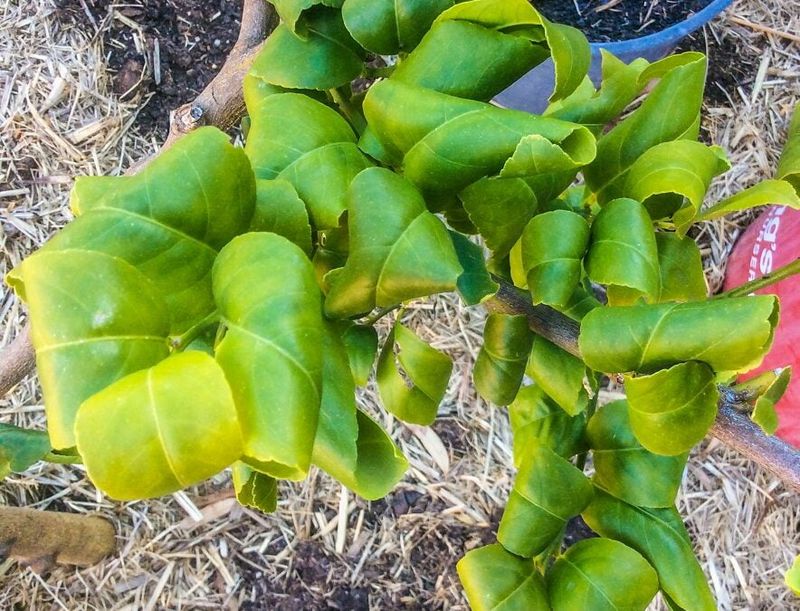
Hot weather does not damage citrus leaves directly in most situations, but it raises the tree’s water demand sharply, and that is where problems begin. When the root zone cannot keep up with what the canopy needs, the tree responds by curling leaves inward from the edges to reduce the surface area losing moisture to the air.
Those leaves tend to look dull green rather than bright, feel dry or leathery to the touch, and may develop crisp, brown tips. If the stress continues without correction, leaves drop and fruit can shrink or split.
The pattern here is different from leafminer damage. Water-stressed leaves curl from the outer edges inward across both new and older growth, not just on tender new flush, and there are no winding mines visible on the surface.
University of Arizona Cooperative Extension guidance on irrigating citrus trees describes this distinction and explains that heat itself is not proof of the cause; what matters is whether the root zone has adequate moisture to meet the tree’s increased demand during hot weather.
Before adjusting your watering schedule, check what is actually happening in the soil. Push a screwdriver or a probe six to eight inches into the ground near the drip line.
Dry, compacted soil that resists the probe tells you the root zone needs water. Soggy, saturated soil that smells sour tells you drainage is the problem, and adding more water will make things worse by cutting off oxygen to the roots.
Shallow roots from years of light, frequent watering, wind exposure, and salt accumulation from irrigation water or fertilizer can all contribute to the same wilted, curled appearance even when the tree is technically receiving water.
UC IPM’s cultural tips for growing citrus recommend watering deeply enough to wet the root zone from the trunk area out beyond the drip line, then allowing the soil to dry somewhat before watering again. No single schedule fits every California yard.
Sandy soil drains faster than clay, a young tree has a smaller root system than a mature one, and a tree in a coastal microclimate loses far less water to evaporation than the same tree in a hot inland valley. Adjusting for your specific site and conditions is more reliable than following any fixed interval.
Sticky, waxy, or mottled leaves suggest other problems
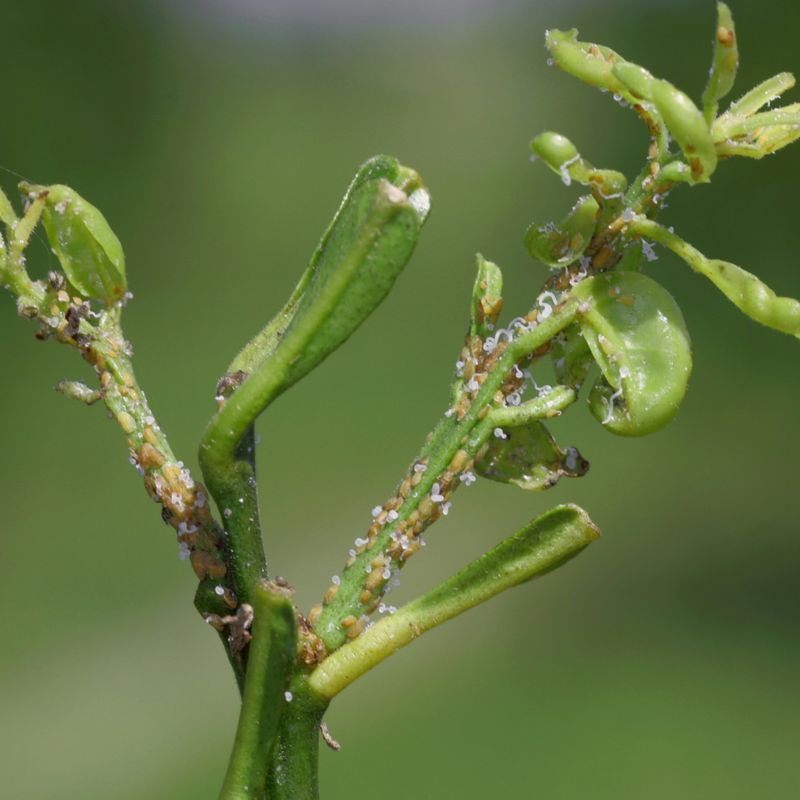
Not every curled citrus leaf traces back to water or leafminer. A few other causes produce distinct enough clues that a careful look at the leaf surface and surrounding growth can help you tell them apart, even if it cannot give you a guaranteed diagnosis on its own.
Aphids tend to cluster on buds and the undersides of tender new leaves, feeding in visible colonies that range from pale yellow to dark green or black depending on the species. Their feeding causes leaves to curl toward the stem rather than rolling from the edges inward.
The honeydew they excrete leaves a sticky film on leaves and stems, and ants moving steadily up and down the trunk are often a tip-off that a honeydew-producing insect is active somewhere above. Sooty mold, a black powdery fungus that grows on honeydew deposits, can coat leaves and make the tree look sicker than it actually is.
UC IPM’s citrus aphid guidance notes that natural enemies often bring aphid populations under control once foliage hardens, so patience and a closer look at predator activity matter before taking action.
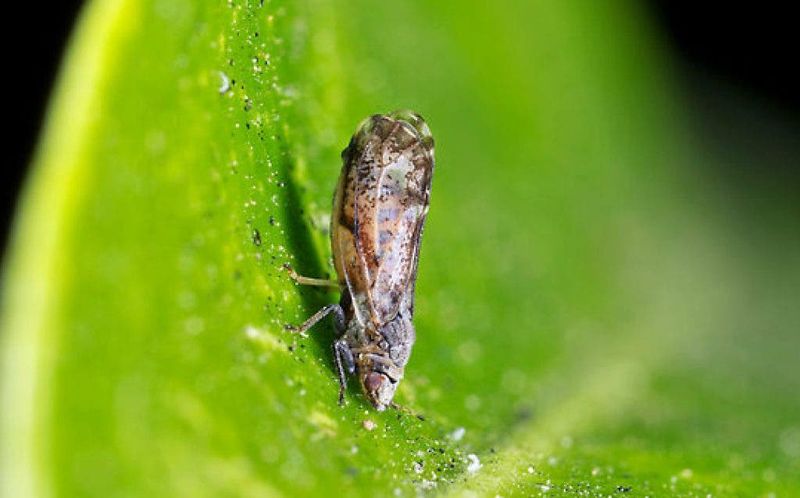
Asian citrus psyllid produces a different set of visual clues. New growth may appear twisted or notched rather than smoothly curled, and you may find tiny yellow-orange eggs along the edges of young leaves, yellowish nymphs with distinctive white waxy tubules trailing behind them, honeydew, or sooty mold.
UC IPM’s ACP and HLB resource describes these signs in detail and explains why the pest matters beyond ordinary leaf distortion.
Salt injury and chemical phytotoxicity can look similar to drought stress, with marginal leaf burn and chronic decline that does not respond to watering adjustments. White crust on the soil surface or around emitters, combined with leaf-tip or leaf-margin browning, warrants considering water quality and drainage rather than pest activity.
Mites, wind damage, nutrient deficiencies, and other invertebrate injuries documented by UC IPM can each produce symptoms that overlap with heat or drought. Visual clues narrow your possibilities; they do not close the case.
Tolerate cosmetic leafminer damage on established trees
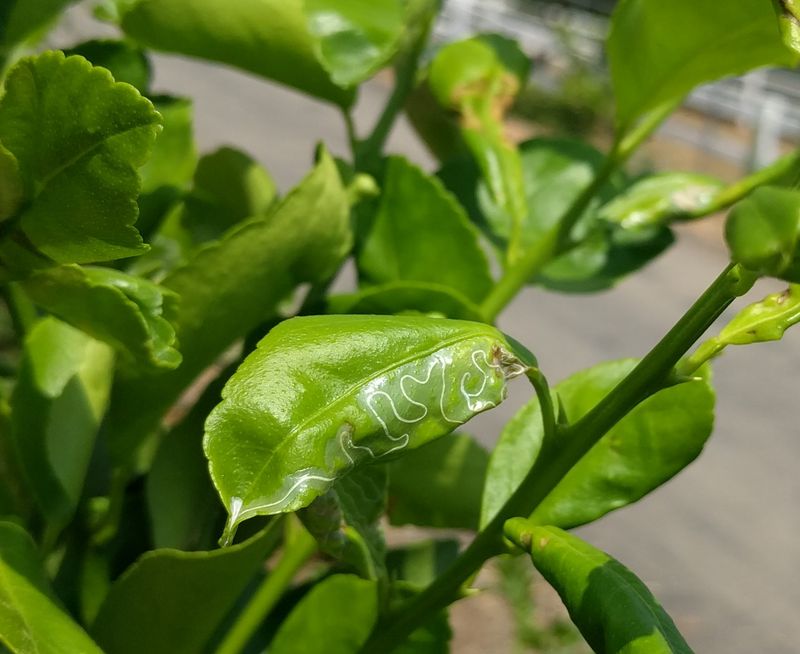
Finding serpentine mines on your citrus tree’s new flush can look alarming, especially when several leaves are curled so tightly they resemble little scrolls. The practical reality for most California homeowners with established trees is that this damage, while highly visible, is largely cosmetic and does not require an aggressive response.
UC IPM’s home citrus leafminer guidance explains that mined leaves continue producing food for the tree even after the larvae have completed their work. The leaf surface is distorted, but the underlying tissue is still functioning.
Mature trees carry enough established foliage that a flush of leafminer-damaged new growth does not meaningfully reduce their ability to grow or produce fruit. The damage looks worse than it is.
Pruning off every curled leaf is counterproductive for a specific reason: removing foliage stimulates the tree to push more new tender growth, and that new flush is exactly what leafminer moths are looking for when they lay eggs. You can end up cycling through wave after wave of damage by trying to clean up what was already a manageable problem.
Leave the mined leaves in place. They are still working for the tree, and the pest will move on as the flush hardens.
Young trees deserve a different level of attention. UC IPM’s agricultural leafminer resource notes that young trees produce more flush and have less established foliage to fall back on, so repeated heavy leafminer damage can slow their development.
Even so, heavily infested young trees are unlikely to die from leafminer alone. Monitor them more closely, support healthy root-zone conditions so they can push through flush periods more vigorously, and hold off on treatments unless damage is genuinely affecting the tree’s ability to establish itself.
Fix the root zone before reaching for a spray
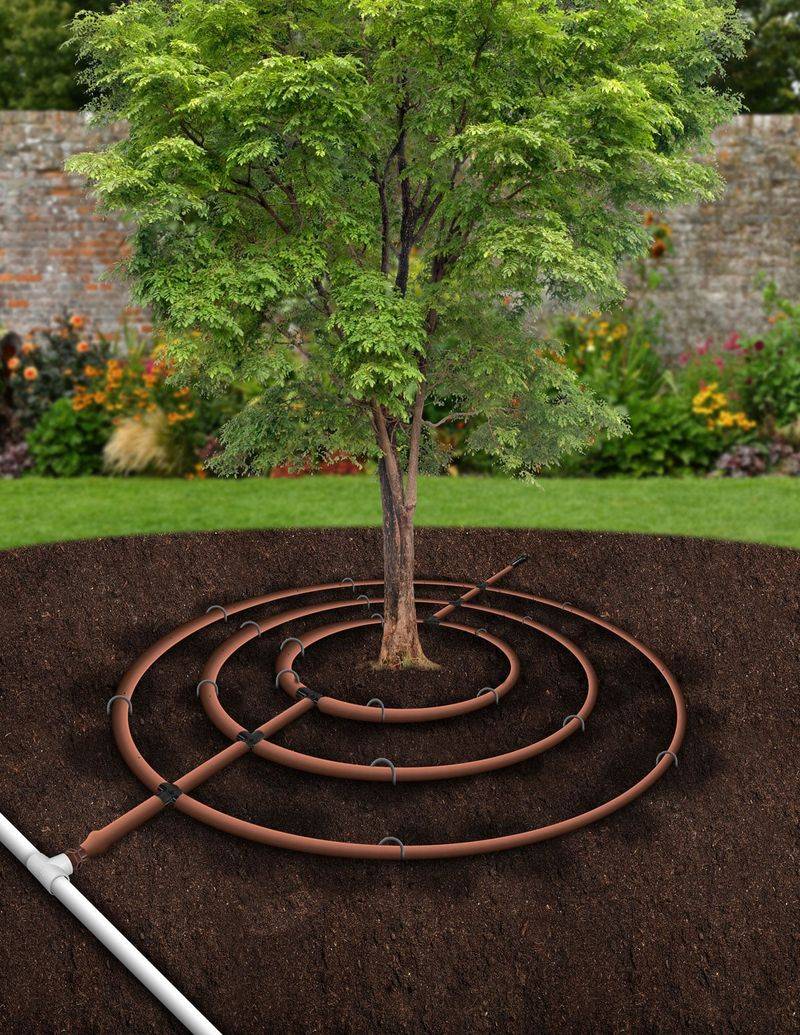
Once you have a working diagnosis, the most useful next step is almost always the least dramatic one. If soil and symptom patterns point toward water stress, adjust irrigation before considering anything else.
Water deeply enough to wet the root zone from the trunk area out through and beyond the drip line, then let the soil dry somewhat before watering again. Avoid watering on the same frequent, shallow schedule used for a lawn; citrus roots need oxygen between waterings, and constantly saturated soil contributes to root disease rather than preventing drought stress.
UC IPM’s cultural tips for citrus suggest roughly 7- to 10-day irrigation intervals as a general starting point during hot California weather, with the clear caveat that sandy soil, young trees, and hot inland conditions all require shorter intervals while clay soil and coastal yards may need longer ones. There is no schedule that fits every yard, which is why checking the soil directly is more reliable than setting a timer and walking away.
For aphids on sturdy foliage, a strong stream of water from a garden hose can knock colonies off without introducing any chemical into the yard. Conserving natural enemies, including parasitic wasps, lacewings, and lady beetles, by avoiding broad-spectrum pesticide applications gives those predators a chance to reduce aphid numbers on their own.
Avoid heavy nitrogen fertilizer applications that push soft new growth during periods when leafminer or aphid pressure is high; that tender flush is the primary target for both pests.
Reaching for an oil spray during a heat wave or when the tree is already drought-stressed is genuinely risky. UC IPM’s guidance on petroleum oil sprays for citrus specifies that oils should not be applied when temperatures exceed 95 degrees Fahrenheit or when relative humidity drops to 20 percent or lower, with coastal California guidance tightening those limits to approximately 85-90 degrees and humidity below 30 percent.
Applying oil to a tree with low soil moisture or under those temperature and humidity conditions can cause phytotoxicity and make the situation worse. Always read and follow the product label, including crop, pest, temperature, moisture, and reentry requirements, before applying anything.
Know when psyllid or HLB concerns need official attention
Ordinary leaf curl does not mean your tree has citrus greening. That distinction matters because huanglongbing is a genuinely serious disease, and misidentifying it from a curled leaf can cause unnecessary panic while missing the actual problem the tree has.
HLB’s more recognizable early pattern is blotchy, asymmetrical yellow mottling that looks different from the uniform yellowing of a nitrogen-deficient tree or the pale new growth that appears on a healthy flush. The mottling often starts in one section of the canopy rather than spreading evenly, and it is followed over time by small, lopsided, poorly colored fruit and a general decline in the tree’s vigor.
CDFA’s HLB pest profile is clear that visual symptoms alone cannot confirm the disease; laboratory testing by agricultural authorities is required.
The pest that transmits HLB, Asian citrus psyllid, is the reason visual inspection of new flush matters even before disease symptoms appear. Look for twisted or notched young leaves, tiny yellow-orange eggs along leaf margins, yellowish nymphs with white waxy tubules, and honeydew or sooty mold on surrounding growth.
UC IPM’s ACP and HLB home and landscape page explains what to look for and why reporting suspected psyllid in a new or previously unaffected area is important.
California’s HLB situation is active and geographically specific. On August 18, 2026, CDFA confirmed a detection of HLB in a residential tree in Calexico, Imperial County, triggering a new quarantine area.
Quarantine boundaries and detection status vary by location and change over time. If you see credible signs of Asian citrus psyllid or symptoms consistent with HLB, do not move plant material off your property, and report your concern to the California Department of Food and Agriculture at 1-800-491-1899.
Acting early on a credible sighting protects your tree, your neighbors’ trees, and California’s broader citrus supply.
Use a conditional checklist before you act
A simple conditional approach works better than a single fix for every curled leaf. Match what you see to the most likely cause, then respond to that cause specifically rather than treating the tree for everything at once.
Winding serpentine mines on tender new flush point toward citrus leafminer. Leave the damaged leaves in place, avoid stimulating more flush with heavy pruning or excess nitrogen, and let established trees tolerate the cosmetic damage.
Dry, edge-curled foliage on both new and older growth that feels leathery or crisp points toward water stress; check the root zone with a soil probe and adjust irrigation for your soil type, tree age, and local conditions before doing anything else. University of Arizona Cooperative Extension’s citrus irrigation guide is a practical starting point for getting that adjustment right.
Sticky or waxy deposits, visible insect colonies, or ants moving up the trunk point toward sap-feeding pests. White crust on the soil surface or marginal leaf burn that does not improve with watering raises questions about salt accumulation or chemical injury.
Blotchy, asymmetrical yellow mottling with canopy decline warrants a closer look and, if credible ACP signs are present, a report to CDFA rather than a home treatment. UC IPM’s leaf invertebrate damage guide and the citrus leafminer home and landscape page both support a look-before-you-act approach that most established California citrus trees will reward with years of continued fruit production.
The tree that gets inspected carefully almost always does better than the one that gets sprayed first.