
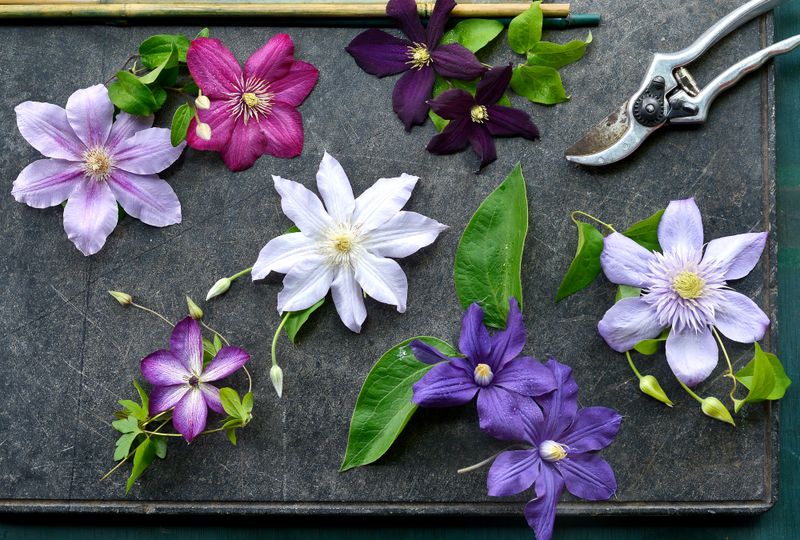
A clematis covered in thick green leaves but not a single flower is one of the more frustrating sights in a Southern garden. The vine looks perfectly fine, which makes the problem harder to spot and easier to blame on the wrong thing.
What’s often happening is quieter than a pest or a disease – the plant may have lost its flower-bearing stems to a pruning cut made at the wrong point in its bloom cycle. Working through a short checklist of timing and growing conditions can usually point you toward the real reason and a practical fix.
A Green Vine Can Still Be Missing Its Flowering Wood
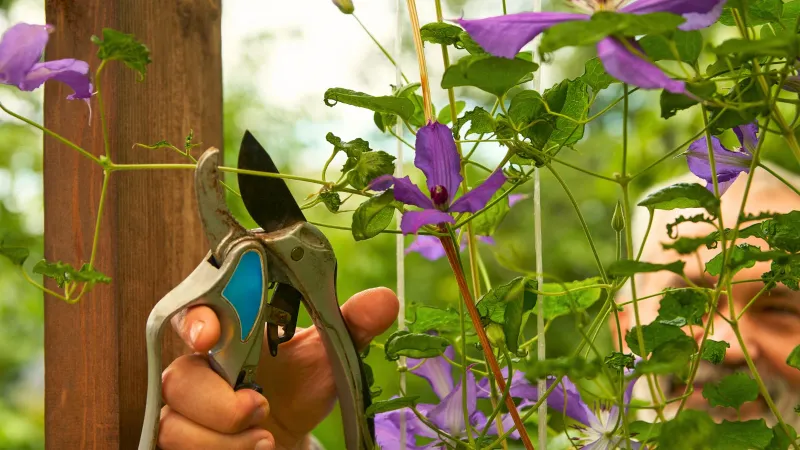
Abundant foliage tells you the vine is alive and actively growing, but it does not tell you whether the stems that carry this season’s flower buds are still attached. Clematis species and cultivars are divided into groups based on whether they bloom on old wood from last year, new wood produced in the current season, or a combination of both.
A single pruning cut made at the wrong time can remove every bud that was already forming, leaving the plant with nothing to open even though it pushes out leaves without any trouble.
Pruning timing is a strong candidate when a healthy-looking clematis refuses to flower, but Iowa State Extension’s clematis growing guide lists several other credible causes: insufficient light, excess nitrogen in the soil, drought or poor root conditions, an immature plant that has not yet established, winter damage, and disease. Any one of these can prevent flowering even when the vine looks perfectly vigorous from a few feet away.
Lush green growth is not proof that the plant has adequate light for blooming, proper nutrition, mature roots, or disease-free buds. Clemson Extension’s clematis factsheet reinforces that foliage health and flowering readiness are separate conditions.
Treat this article as a diagnostic process rather than a guaranteed prescription – the goal is to find out which explanation fits your specific vine before you reach for the pruners.
First, Find Out When This Clematis Blooms
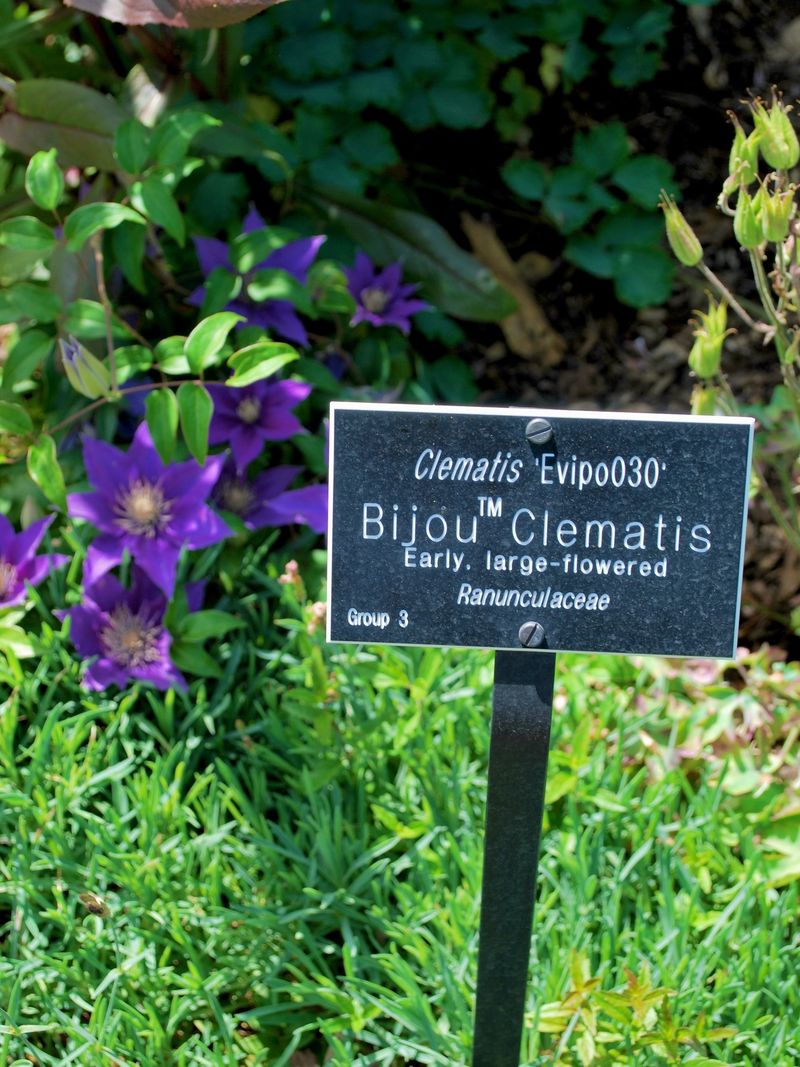
Before picking up the pruners, the single most useful thing you can do is identify exactly what you are growing. Check the cultivar name on the original plant tag, a receipt, or a nursery record.
Many garden centers label clematis with a pruning group, and knowing whether yours is a Group 1, 2, or 3 plant tells you almost everything you need about when and how hard to cut.
When the tag is long gone, bloom timing becomes your best clue. University of Illinois Extension’s clematis guide explains that early spring flowering points strongly toward Group 1, a spring flush of blooms followed by another round later in the season suggests Group 2, and flowers that appear in summer or fall indicate Group 3.
Watching the vine through one full season without cutting it is a safe and reliable way to gather that information if the group is genuinely unknown.
Winter damage can complicate the picture by killing stems that would otherwise have shown you when they bloom, so factor in any unusual cold snaps from the previous season. Iowa State Extension cautions against making a blind hard cut when the pruning group is uncertain.
Removing all the old wood on a spring bloomer in late winter can cost you an entire season of flowers with no benefit to the plant.
Spring Bloomers Need Their Old Stems
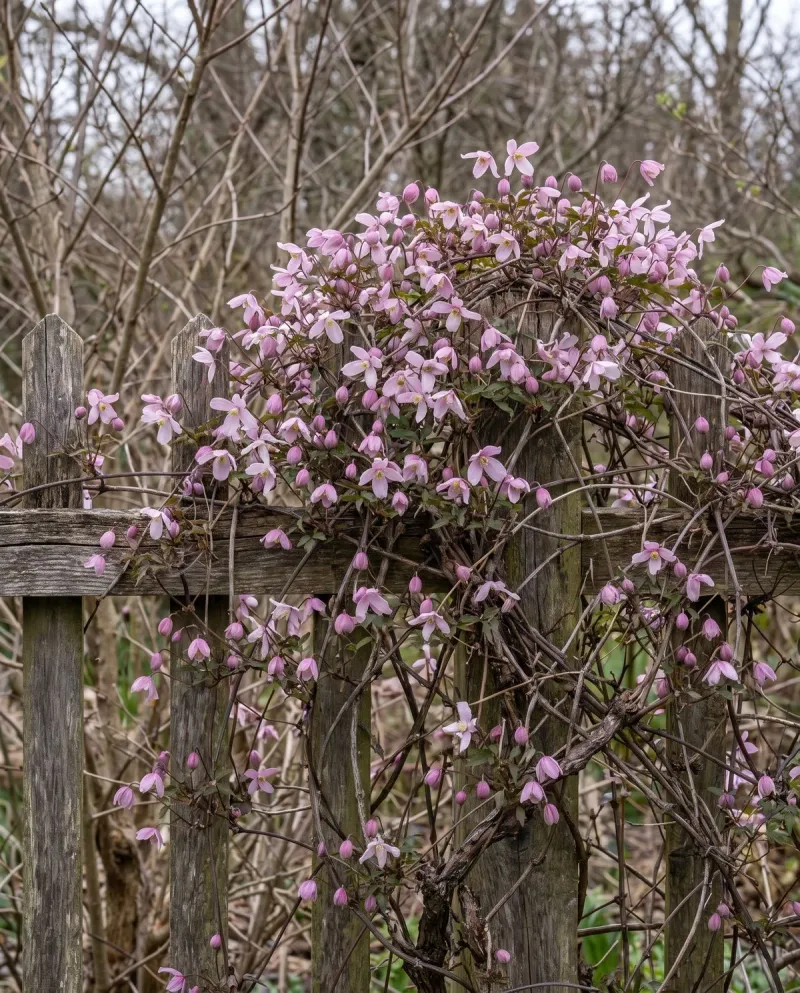
Group 1 clematis, sometimes labeled Group A, are the earliest bloomers in the garden and the most vulnerable to a mistimed cut. These varieties flower primarily on stems that grew during the previous season, meaning the buds you are waiting to see in spring were already forming on last year’s wood before winter arrived.
A heavy pruning pass made in late winter or early fall – before those buds have had a chance to open – removes exactly the growth the plant needed to put on a show.
Clemson Extension recommends pruning Group 1 types mainly after flowering rather than before, using that window to remove dead, damaged, or overly tangled stems without sacrificing the next season’s buds. Light cleanup is fine at other times of year, but the heavy shaping should wait until the flowers have finished.
This approach lets the plant spend the rest of the growing season building the new stems that will carry next spring’s blooms.
University of Maryland Extension’s vine guide confirms that heavy pre-bloom pruning is the most common reason a Group 1 plant produces lush foliage and no flowers. If your clematis blooms – or used to bloom – in early spring, set the pruners aside until the last petal drops, then do your shaping work right away so the plant has the maximum amount of time to grow replacement stems before next winter.
Group 2 Needs a Lighter Touch
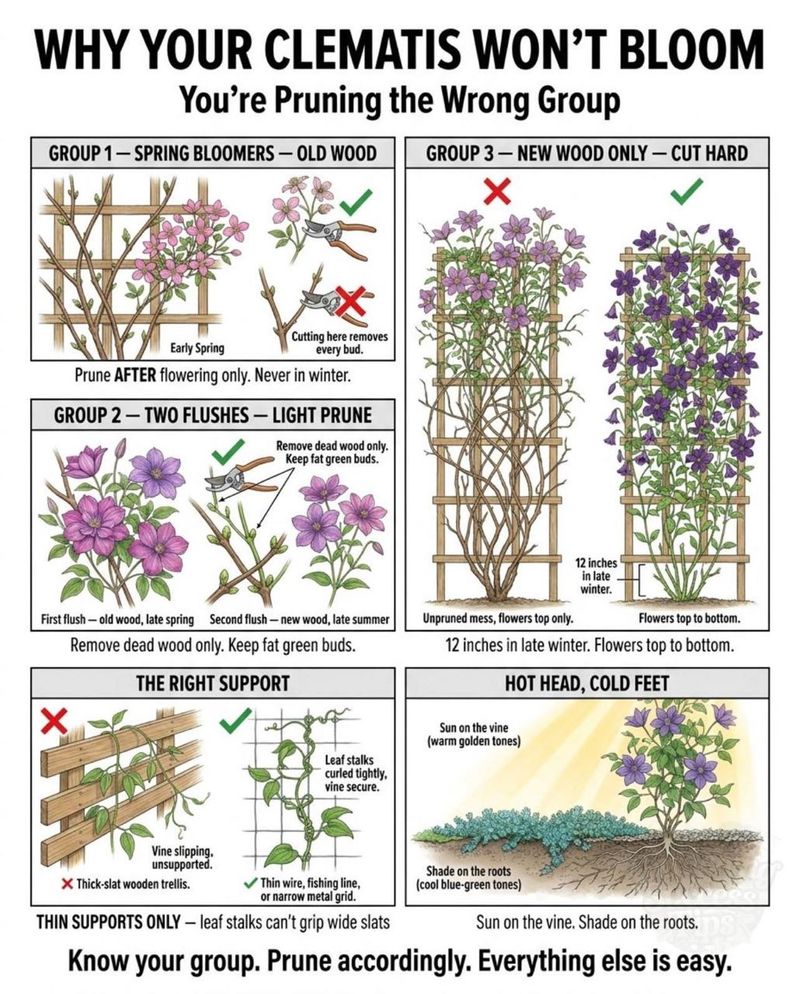
Group 2, or Group B, clematis occupy a middle ground that catches many gardeners off guard. These varieties bloom on both old wood from the previous season and new growth produced in the current year, which means they can deliver an impressive spring display followed by a second flush later in summer.
That two-season reward depends heavily on how carefully you handle the late-winter pruning session.
University of Illinois Extension advises keeping late-winter pruning light and selective for Group 2 plants when you want that first spring flush. Remove obviously dead or damaged stems, thin out any sections that are badly tangled, and leave the healthy old wood in place.
After the first round of flowers finishes, selective pruning at that point can tidy the vine and encourage the plant to redirect energy toward a second bloom cycle.
University of Maryland Extension notes that a heavy cut in late winter can sacrifice the early display entirely, leaving only the later, new-growth bloom cycle. For a gardener who cut hard and saw nothing until midsummer, that pattern is a useful diagnostic clue that the plant is likely a Group 2.
One hard-pruning rule simply cannot serve every clematis, and the Group 2 examples make that point more clearly than almost any other scenario.
Late-Summer Bloomers Can Take the Cut
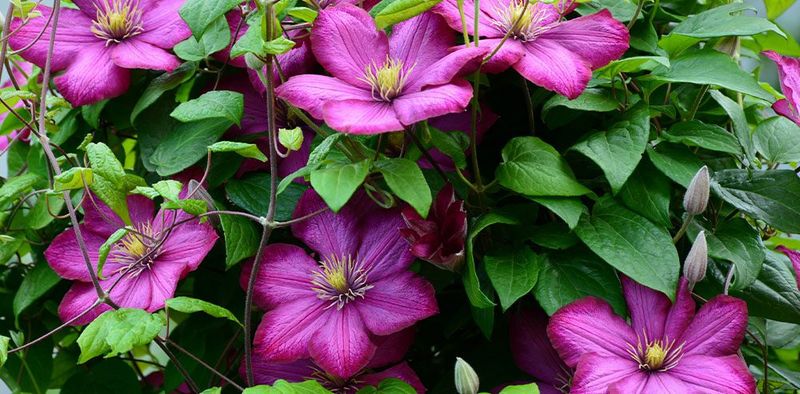
Group 3, also called Group C, is where a hard late-winter cut actually belongs. These clematis produce all of their flowers on stems grown in the current season, so any wood left over from last year contributes nothing to the bloom.
Cutting the vine back to roughly 6 to 12 inches from the ground, or to the lowest pair of strong, healthy buds, in late winter or early spring before active growth begins clears away the old tangle and directs the plant’s energy entirely into fresh flowering stems.
Iowa State Extension’s clematis pruning FAQ explains that Group 3 varieties generally tolerate or benefit from this approach, producing a cleaner, more manageable vine that blooms reliably in summer or fall. The instruction is conditional: it works because these plants flower on new growth, not because hard pruning is universally helpful.
Apply it to a Group 1 plant and you will lose the season’s flowers just as surely as if you had pruned at midsummer.
University of Illinois Extension confirms that timing matters more than the severity of the cut for this group. Many sweet autumn types, late-blooming viticellas, and Jackmanii-type cultivars fall into Group 3 and respond well to a consistent annual cutback.
If your vine blooms in late summer or fall and has been left unpruned for several seasons, a hard cut in late winter can refresh the plant and restore a flowering display that may have been climbing higher and higher with fewer blooms each year.
Check the Growing Conditions Before Blaming the Pruners
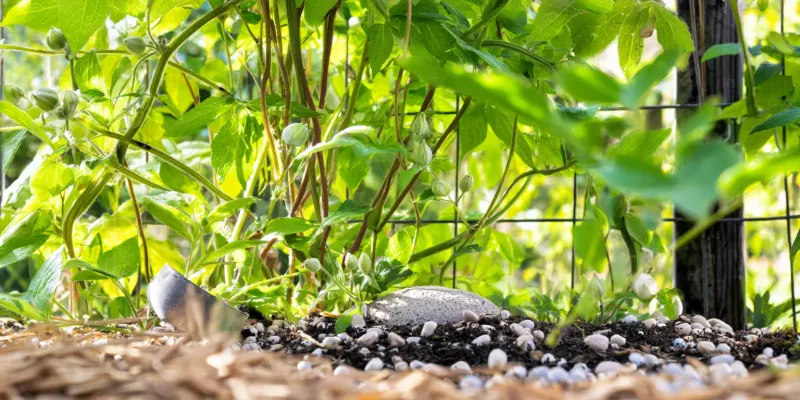
Pruning group is often the first place to look, but the growing environment deserves an equally honest review. Most clematis need roughly six hours of direct sun each day for dependable flowering, and a vine positioned in deep or partial shade may push out plenty of leaves without ever accumulating the light energy needed to set buds.
Clemson Extension recommends assessing light exposure honestly rather than assuming that green foliage signals adequate sun.
Root conditions are just as important as what happens above ground. Oregon State Extension’s clematis guidance recommends keeping the root zone evenly moist but not waterlogged, applying a mulch layer around the base to moderate soil temperature and retain moisture, and keeping that mulch several inches away from the main stem to reduce rot risk.
Deep watering during dry stretches matters more than frequent light watering, which rarely reaches the deeper roots where clematis anchor themselves.
Nutrition is another variable worth checking before purchasing a bloom-booster fertilizer. Iowa State Extension notes that excess nitrogen can push lush leafy growth at the direct expense of flowers, which is the opposite of what most gardeners expect from a feeding program.
NC State Extension recommends a low-nitrogen, slow-release fertilizer during the growing season; the safest starting point is a soil test so you know what you are actually correcting.
Plant age matters too. Iowa State Extension notes that newly planted clematis can take up to three years to establish well enough to bloom reliably.
Finally, watch for symptoms that suggest something beyond a pruning or nutrition problem: UMass Extension’s documentation of clematis wilt shows that sudden wilting of individual stems or buds that form but fail to open can point toward disease or stem injury rather than a care-timing issue, and those situations call for a different response.
Southern Heat Can Change the Care Decision
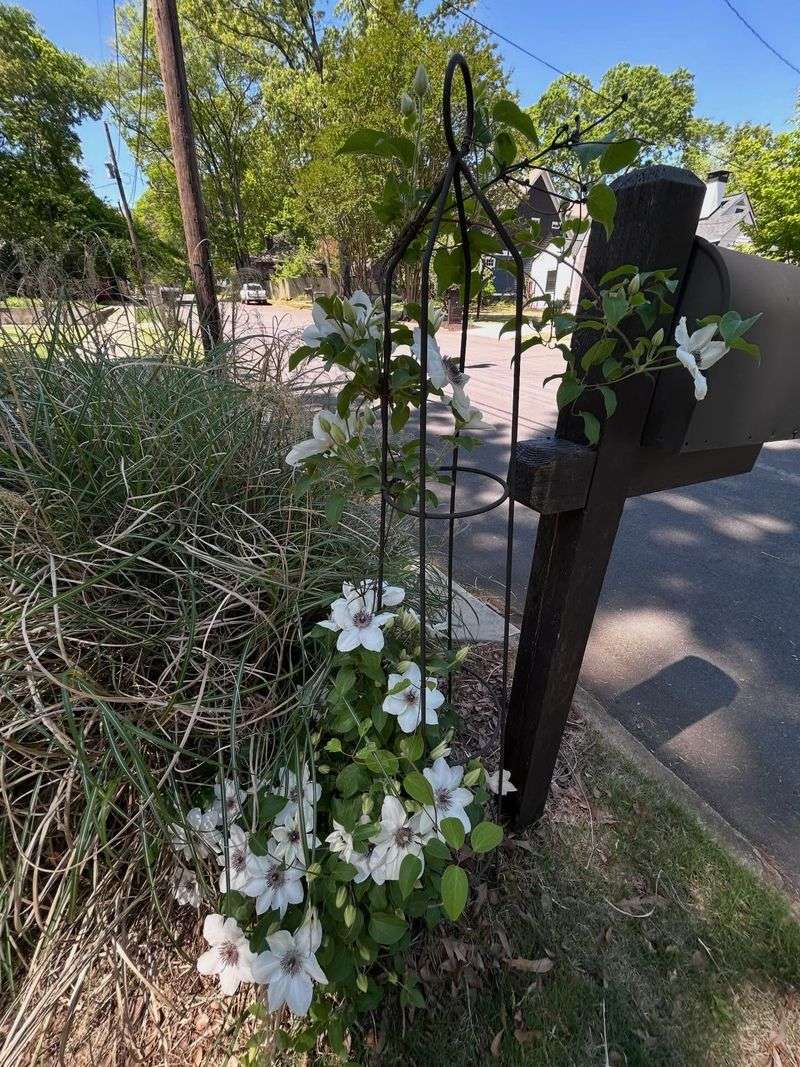
General clematis guidance often assumes a cooler climate, so Southern gardeners should apply national recommendations with some regional adjustment. Most clematis perform best with substantial direct sun, but Clemson Extension recommends protecting roots from hot afternoon conditions in South Carolina and similar climates.
Afternoon shade on the lower portion of the plant, combined with morning sun reaching the upper flowering stems, can reduce root-zone heat stress without cutting into the light the plant needs to bloom.
UMass Extension’s clematis fact sheet notes that consistent soil moisture and cool roots are especially important in hot weather, reinforcing the value of deep mulching and regular watering during summer dry spells common across the South. Texas gardeners should also consider whether the vine in question might be Texas clematis, Clematis texensis.
NC State Extension’s Texas clematis profile describes it as a distinct species that flowers on new growth and tolerates drier conditions than many cultivated clematis – making it a Group 3-style bloomer that responds well to late-winter pruning rather than the post-bloom approach needed for spring varieties.
Florida gardeners face a specific identification concern. UF/IFAS lists sweet autumn clematis, Clematis terniflora, as a high-invasion-risk plant in Florida and does not recommend it in that state.
Before encouraging a fast-growing late-summer bloomer, check the leaf edges: UF/IFAS gardening solutions notes that the native Clematis virginiana has serrated leaf edges, while the invasive Clematis terniflora has smooth leaf edges – a straightforward field check that can prevent an inadvertent planting mistake.
Make the Next Cut According to the Blooming Group
The path forward starts with identification. Find the cultivar name, keep the plant tag, or observe the vine through one full season to determine whether it blooms in early spring, in two flushes, or in summer and fall.
Match that timing to the correct pruning group before making any cut. University of Illinois Extension’s clematis publication and RHS clematis pruning guidance both emphasize group identification as the essential first step before any pruning decision.
If light, moisture, root conditions, nutrition, plant age, or disease better explains the missing flowers, correct those factors first. A vine in deep shade or one receiving heavy nitrogen feeding may not respond to pruning changes at all.
Iowa State Extension’s pruning FAQ reinforces that the right cut depends entirely on which wood carries the blooms for that particular plant.
The safest fix is never a universal hard prune applied to every vine in the yard. A cut timed to the wood that carries your clematis’s flowers is the one that gives you the best chance of seeing blooms next season.