

Those little gaps between your patio pavers are like open doors for weeds. Instead of pulling them out every weekend, you can fill those cracks with low-growing plants that spread on their own and crowd weeds out.
Even better, many of these groundcovers are drought-tolerant, which fits California’s dry summers and water rules perfectly. Here are ten tough creepers that turn bare seams into living, weed-proof carpets.
1. Elfin Thyme
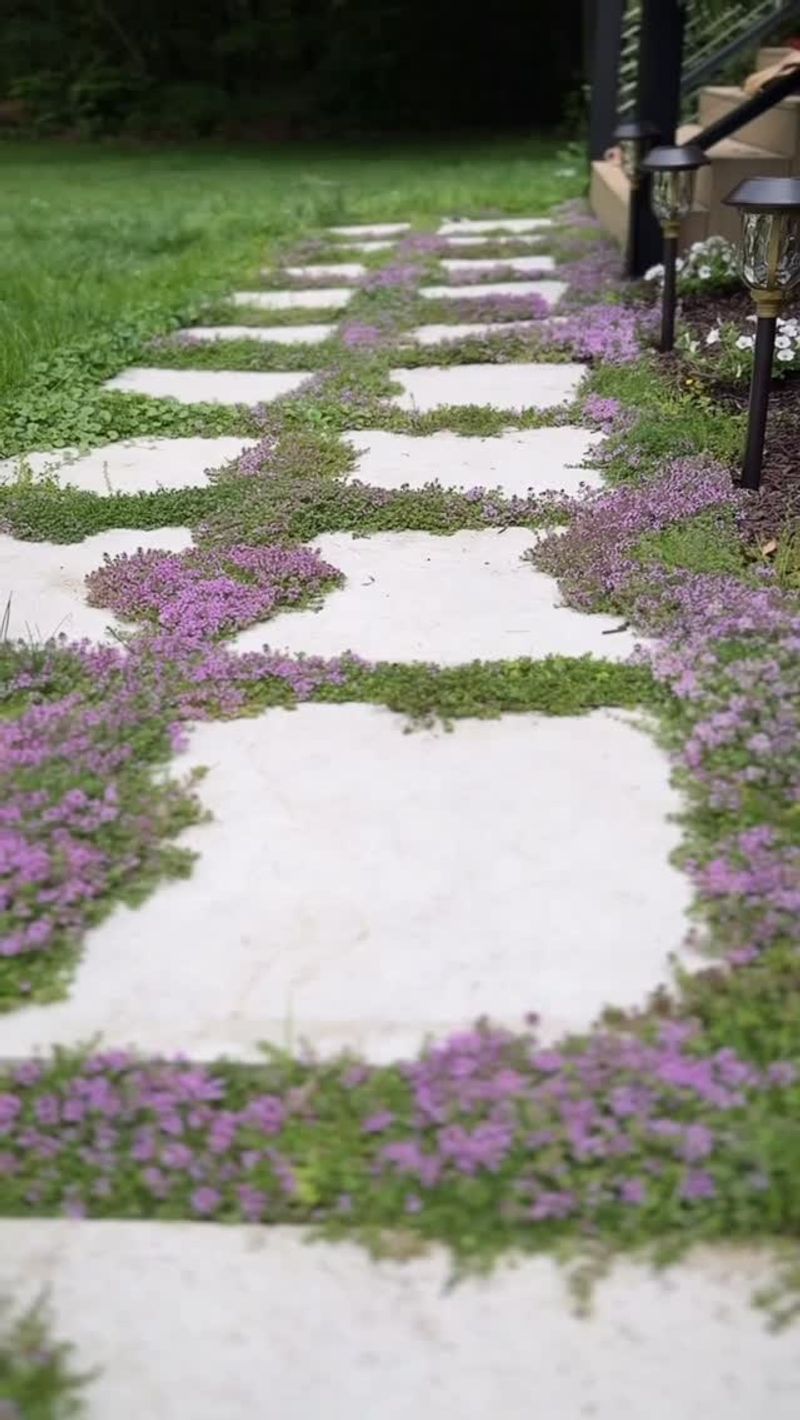
Step barefoot across a patch of elfin thyme and you get a soft cushion plus a wave of herbal scent. It grows only about an inch tall, which means it slides right into narrow paver seams without looking messy.
Once it knits together, the dense mat leaves almost no room for weed seeds to sprout. It handles foot traffic, loves full sun, and asks for very little water once its roots settle in.
For California gardeners fighting the heat, this is a workhorse that stays green through long dry stretches. Tiny purple blooms show up in late spring and draw in bees, so you get pollinator help along with weed control.
Plant small plugs six to nine inches apart and let them race toward each other. Within a season or two, the gaps disappear under a fragrant green blanket.
2. Dymondia (Silver Carpet)
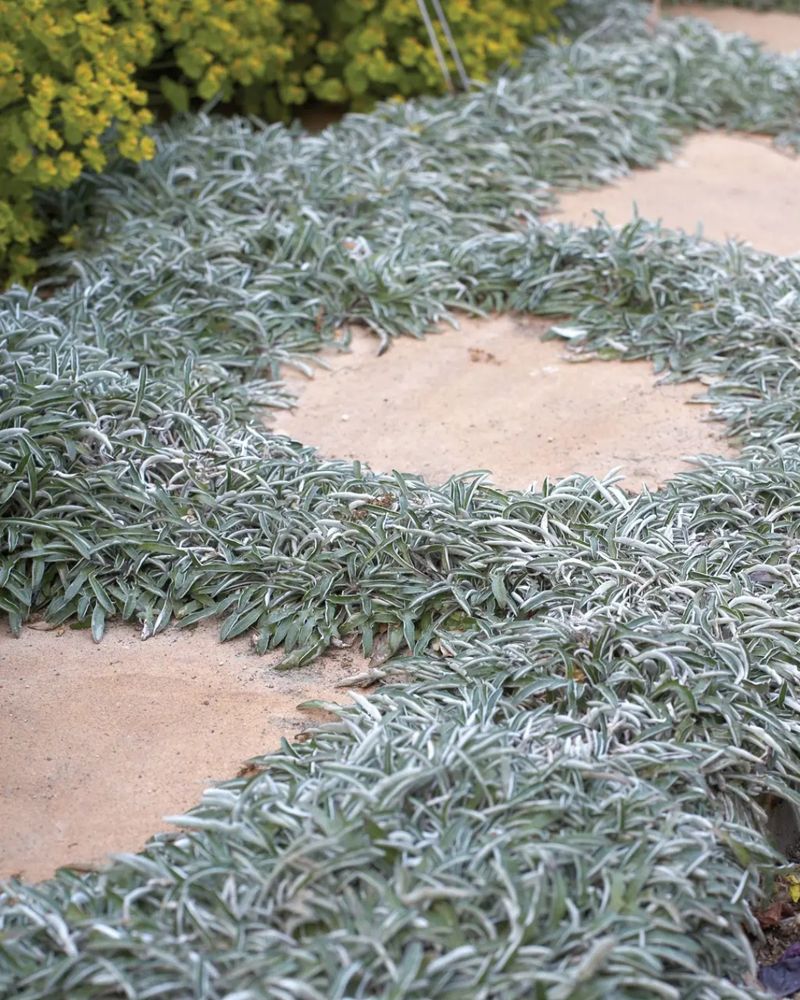
Dymondia looks like it was designed for California patios. Its silver-green leaves curl to show a fuzzy white underside, giving paths a cool, shimmery look even in blazing summer sun.
Growing flat against the ground, it forms a tight mat that shrugs off foot traffic and blocks weeds from moving in. The deep taproot lets it survive on very little water, which is exactly what you want under drought restrictions.
It thrives in the warm inland valleys and coastal zones alike, handling heat without complaint. Small yellow daisy-like flowers appear in warm months as a bonus.
Because it stays so low, you can mow it never and edge it rarely. Tuck plugs into your paver joints and let the silver carpet roll out over time.
3. Creeping Thyme
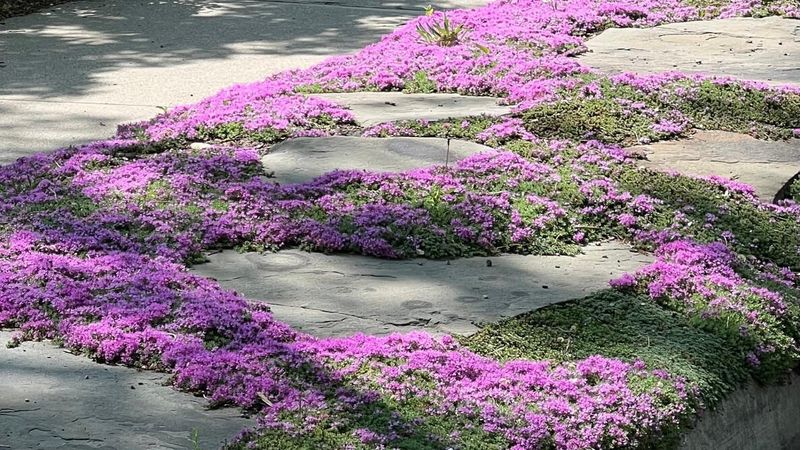
When creeping thyme bursts into bloom, whole stretches of patio turn purple and hum with bees. It is a slightly taller cousin of elfin thyme, spreading fast to cover more ground in less time.
The stems root as they travel, so a few plants can eventually fill a surprising number of cracks. That spreading habit is exactly what smothers weeds before they get going.
It thrives in California’s dry, sunny spots and needs almost no summer water once established. The flowers support native and honey bees, which fits the wildlife-friendly yard many homeowners are aiming for.
Give it well-draining soil and a sunny seam, then step back. It rewards that little bit of patience with a fragrant, weed-choking carpet.
4. Blue Star Creeper
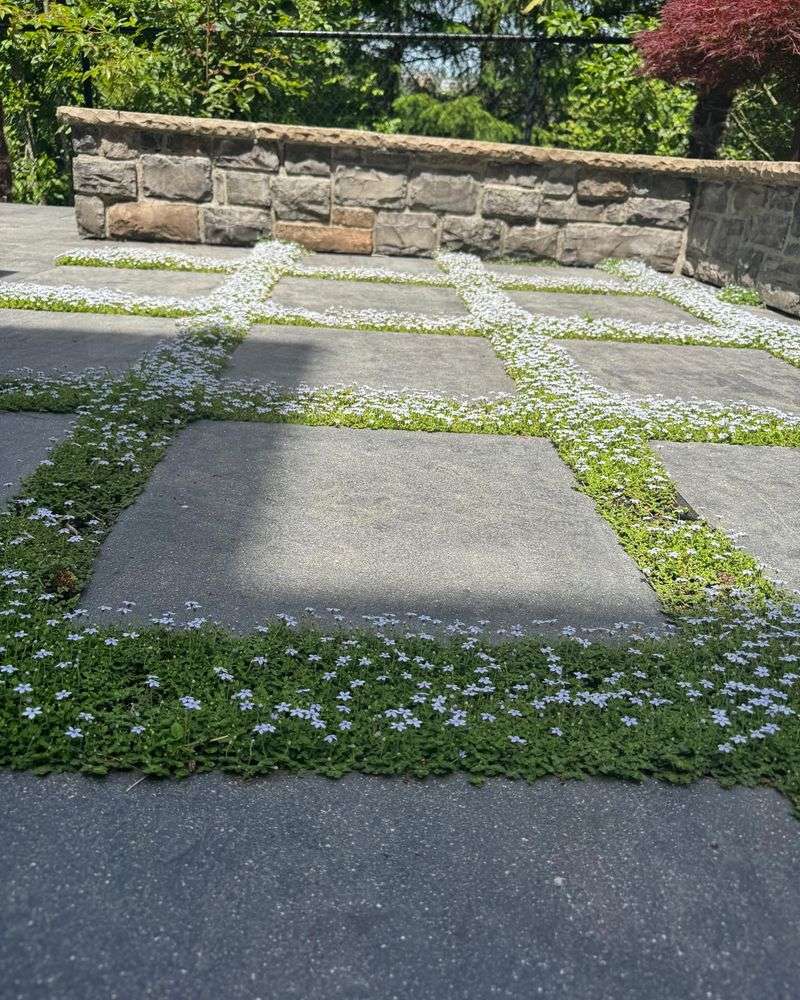
Dotted with pale blue stars, this creeper looks delicate but works hard. It hugs the ground and spreads into a fine-textured green mat that fills seams neatly.
Unlike many sun-lovers on this list, blue star creeper tolerates part shade, making it handy for patios tucked beside the house or under a tree. It does appreciate a bit more moisture than the thymes, so it suits gardens where you can spare occasional water.
The tight growth leaves weeds no open soil to claim. It also stands up to light foot traffic, so a garden path stays soft and green.
Set plugs about a foot apart and keep them damp while they establish. Once linked up, they form a living grout line that stays tidy season after season.
5. Woolly Yarrow
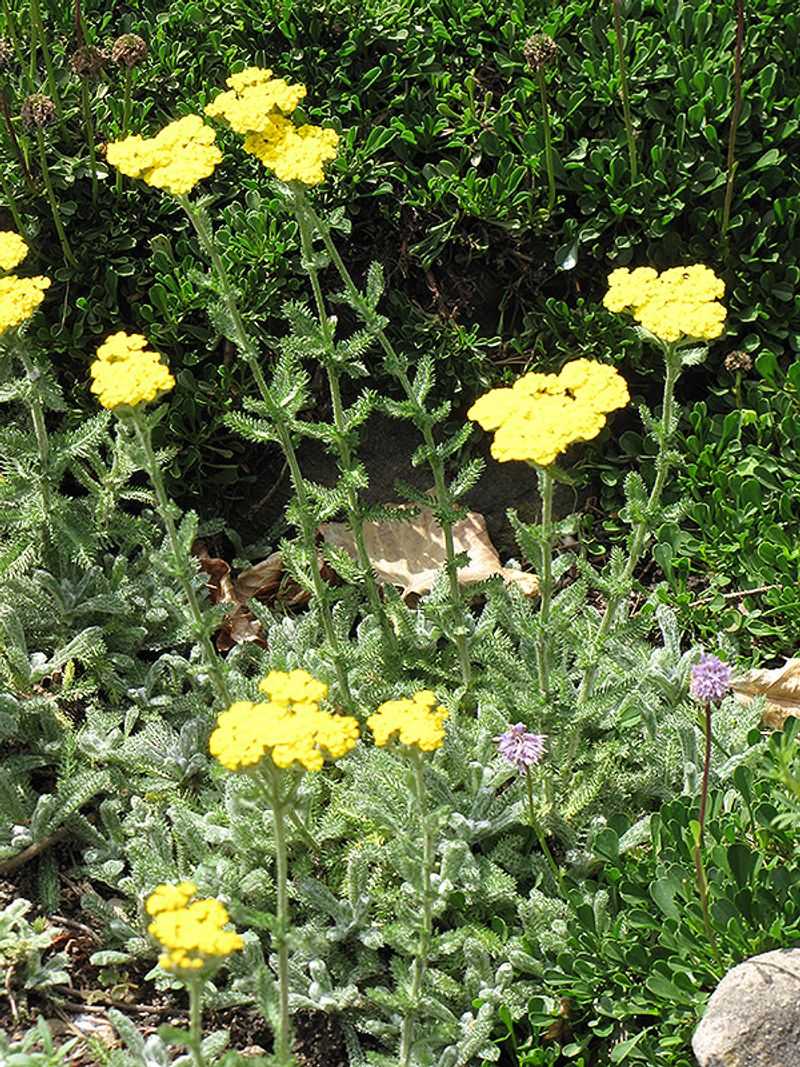
Soft, ferny, and gray-green, woolly yarrow feels almost like a cushion underfoot. It spreads by creeping stems into a dense low mat that keeps weeds shut out.
Heat and drought barely faze it, which is why it earns a spot in tough inland California yards. Once established, it survives on rainfall alone through most of the dry season.
Little clusters of yellow flowers rise above the foliage in warm months, adding cheer and drawing pollinators. Trim it back after bloom to keep the mat tight and neat.
Because it fills in quickly, a few plants can cover a lot of paver joints in one growing season. That fast coverage is the whole point when you are trying to beat weeds to the punch.
6. Corsican Mint
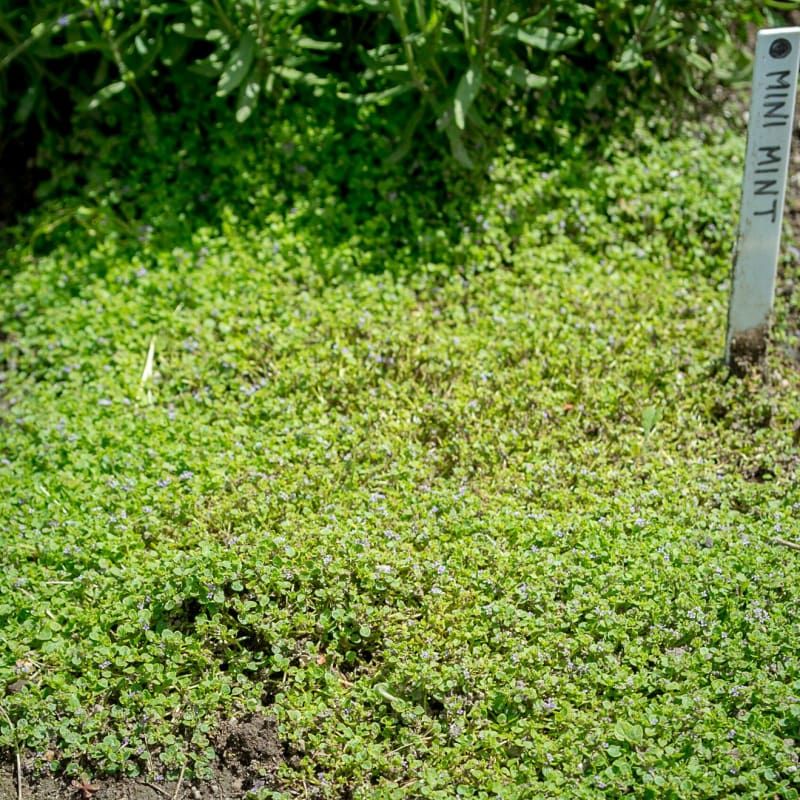
Brush against Corsican mint and you unleash a burst of true mint scent, strong enough to perfume a whole patio. Its leaves are almost impossibly small, letting it slip into the tightest cracks between stones.
The plant stays flat and creates a mossy-looking green film that leaves weeds no space at all. It prefers a little shade and steady moisture, so it shines in cooler coastal gardens rather than baking inland spots.
Light foot traffic actually helps release its fragrance without harming it. Pair it with shaded stepping stones for a path that smells amazing every time you walk it.
Keep the soil from drying out completely and this tiny creeper rewards you with a fragrant, tidy carpet.
7. Green Carpet Rupturewort
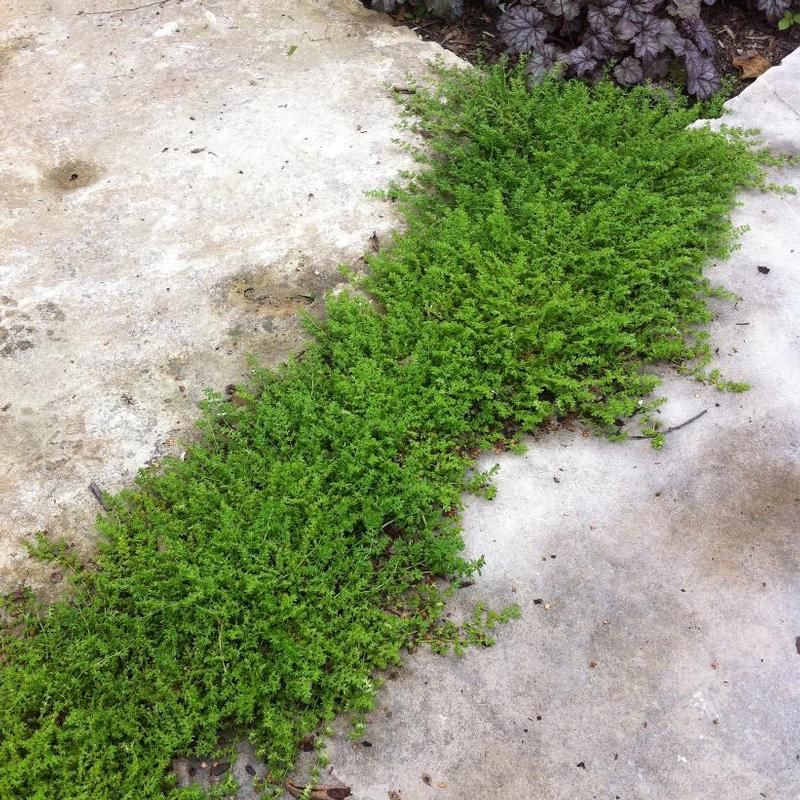
Herniaria, better known as green carpet, is the plant you want when you need something truly tough. It forms an incredibly dense, flat mat that turns a bronzy red in cold snaps and greens right back up.
Weeds simply cannot break through that thick coverage, which makes it a reliable crack-filler. It shrugs off foot traffic, heat, and drought, all things a California patio dishes out.
Full sun is its happy place, and it needs little water once its roots dig in. The tight texture gives paved areas a smooth, finished look.
Spacing plugs closely speeds up that solid carpet effect. Once it fills in, your weekend weeding chore basically disappears.
8. Yerba Buena
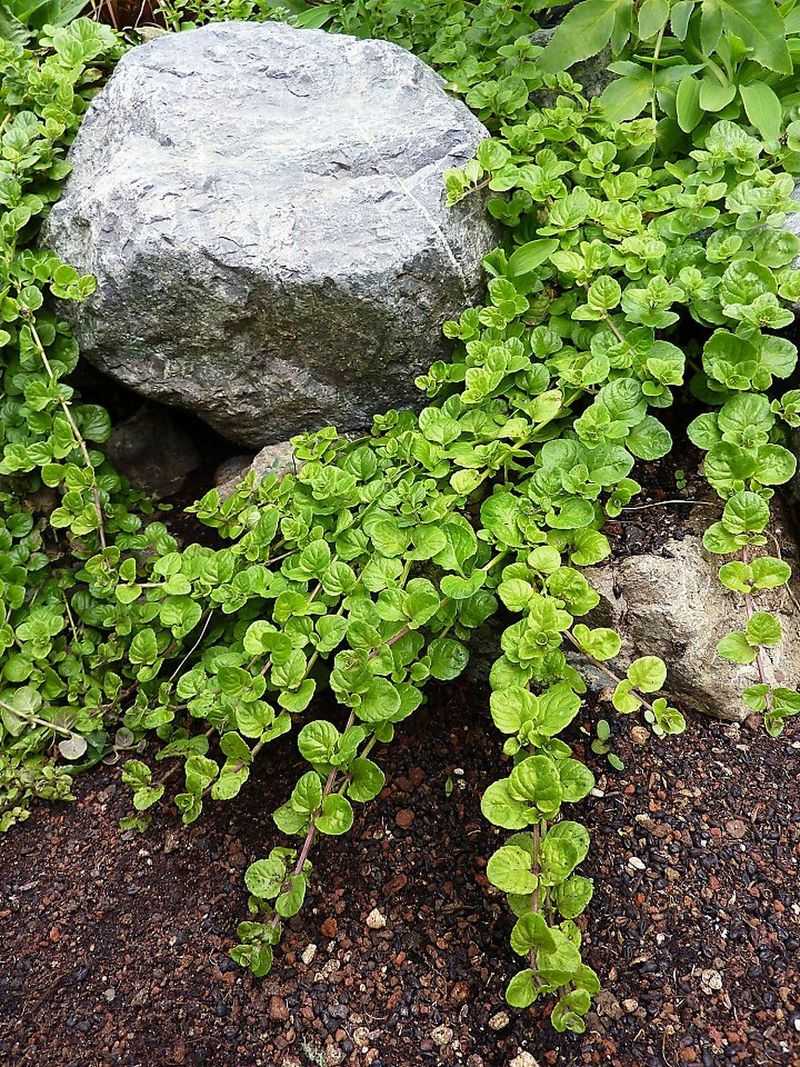
A true California native, yerba buena carries local history in its name, once brewed into a soothing tea by early residents. Its trailing stems root as they wander, weaving a fragrant green net over the ground.
The rounded leaves give off a minty, herbal scent when crushed, so a shaded path becomes a sensory treat. It favors part shade and moderate moisture, making it a good pick for the cooler side of the yard.
Choosing a native means you are supporting local pollinators and building a yard that belongs to its region. That fits the water-wise, wildlife-friendly goals so many California homeowners share.
Let it creep between shaded stones and it will fill gaps while keeping weeds locked out. It is proof that a weed-blocking groundcover can also be a small piece of California heritage.
9. Miniature Brass Buttons
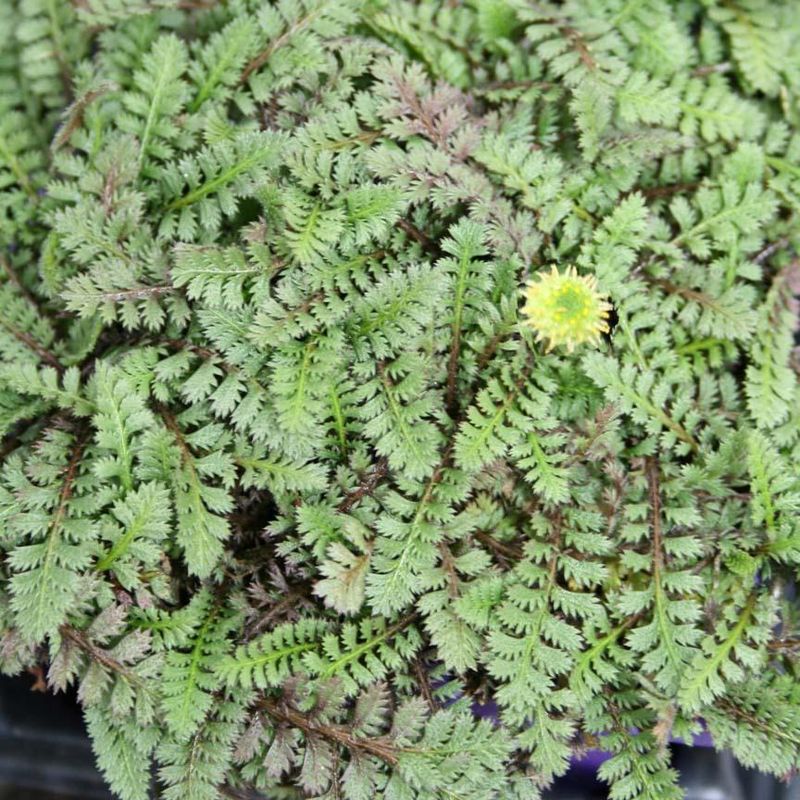
Miniature brass buttons look like a tiny fern spread flat across the ground, with feathery bronze-green foliage that adds real texture to paving. The plant hugs stones tightly and spreads to fill every little seam.
Its dense growth crowds out weed seedlings before they can gain a foothold. Small button-shaped flowers give the plant its name and a touch of charm.
It handles light foot traffic and prefers a bit of shade with regular water, so it suits coastal and shaded gardens best. The ferny look pairs beautifully with natural flagstone and rustic patios.
Plant it where you want a soft, detailed carpet rather than a plain green fill. It brings personality to the cracks while doing the quiet work of shutting weeds out.
10. Creeping Mazus
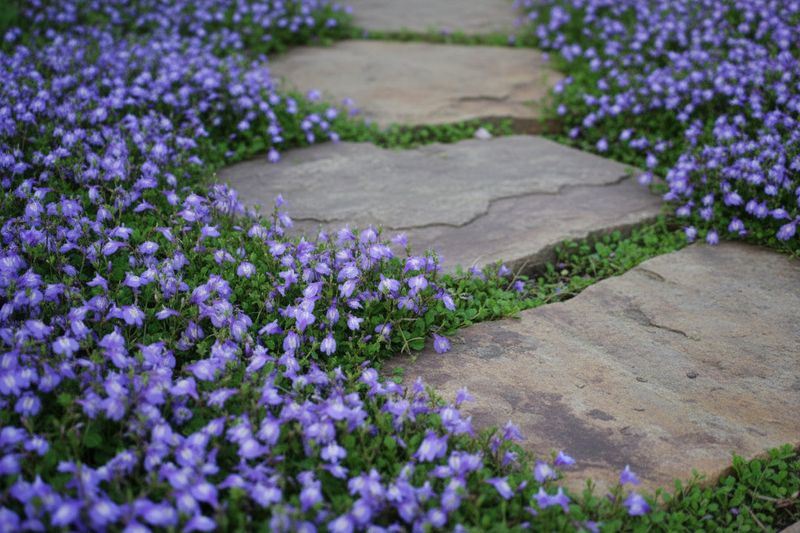
Come spring, creeping mazus lights up with little purple-blue flowers that look almost like tiny orchids scattered across the ground. It stays low and spreads eagerly, filling paver joints with fresh green foliage.
The vigorous growth quickly blankets bare soil, giving weeds nowhere to settle. It stands up well to foot traffic, so garden paths stay lush and inviting.
Mazus likes a bit more moisture than the drought-tough choices, so it works best in spots you can water occasionally or in cooler coastal zones. The reward is a cheerful bloom show plus steady weed suppression.
Tuck plugs into stepping-stone gaps and let them race across the seams. In a single warm season you can go from weedy cracks to a flowering green carpet.