
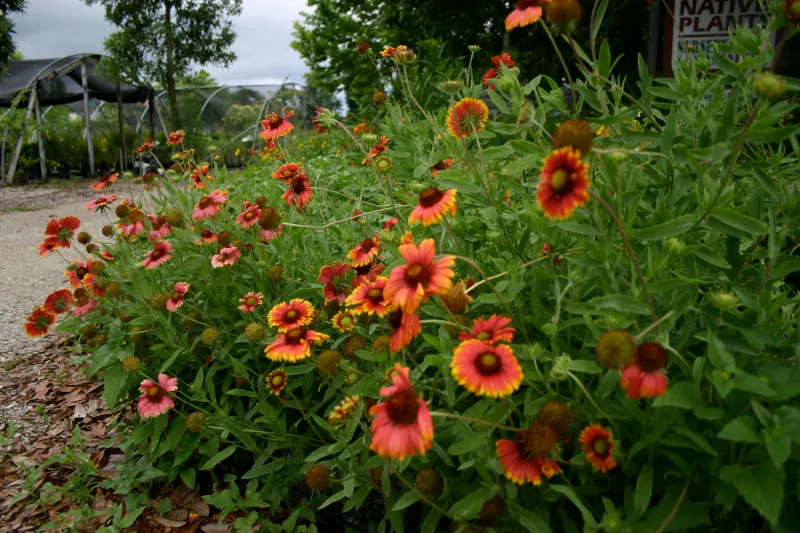
Few wildflowers can match the bold, wheel-shaped blooms of Indian blanket, a heat-tough native that paints roadsides and open fields across Texas and Florida every warm season. Known scientifically as Gaillardia pulchella and also called firewheel or blanket flower, this plant can fill a sunny patch with red, orange, and yellow color while renewing itself through seed year after year.
For home gardeners who want a naturalized look without constant replanting, that combination is genuinely useful. The honest story is that Indian blanket is not known to be invasive, but it can spread beyond its intended spot, so knowing how to work with its habits makes all the difference.
Indian blanket offers vivid color with a qualified promise
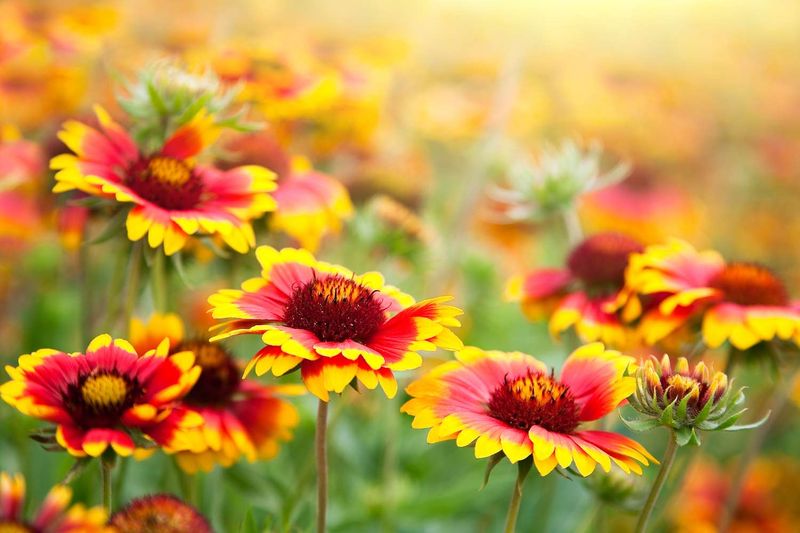
Gaillardia pulchella earns its common names honestly. The red, orange, yellow, and bicolored flowers do look like the bright woven patterns of a traditional blanket, and a healthy planting can cover open ground with that saturated color across a long warm-season window.
UF/IFAS extension guidance on Gaillardia pulchella describes a plant that reaches approximately one to two feet tall with a spreading habit of two to three feet, making it wide enough to create a genuine drift even from a modest starting patch.
The flowering window is broad in the right conditions. The USDA plant guide reports blooming from roughly February through December across the species’ full adaptation range, while UF/IFAS characterizes it as a summer and fall bloomer.
Local temperatures, rainfall, soil drainage, and regional climate all shape what actually happens in a specific yard, so treat those ranges as possibilities rather than guarantees.
Here is where the qualified promise matters. The USDA plant guide for Indian blanket states clearly that the species is not known to be invasive, which is genuinely reassuring.
At the same time, UF/IFAS documents that it often reproduces into nearby landscapes. Those two facts sit comfortably together: a plant can be native, ecologically appropriate, and not invasive while still wandering a few feet past the spot where you first put it.
The realistic expectation is a plant that is generally manageable and rewarding, provided you choose the right location and stay modestly attentive to where seedlings appear.
Self-seeding can renew the display, but growth habits vary
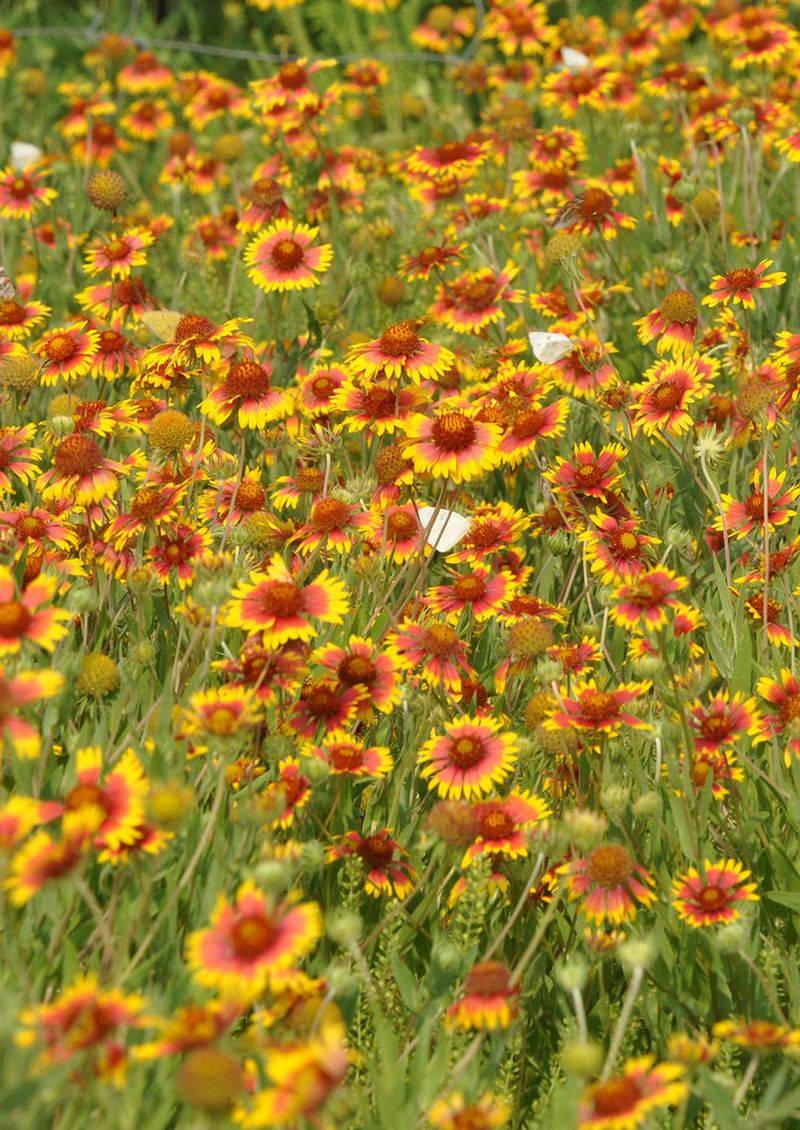
One of the most appealing things about Indian blanket is that a planting can carry itself forward from one season to the next without you doing much of the work. When mature plants drop seed onto open, sunny soil, new seedlings fill gaps and the drift gradually widens.
The Native Plant Society of Texas notes that abundant displays the following year depend on allowing this annual to reseed, which means the maintenance choices you make at the end of the season directly shape what you see the next summer.
Calling the species reliably perennial, though, would be an overstatement. UF/IFAS lists Gaillardia pulchella as annual, perennial, and herbaceous because behavior genuinely varies with climate and plant form.
In practical terms, the safest expectation is a self-renewing population from seed rather than a permanent individual plant that returns from the same root year after year. Some plants may persist in mild winters or favorable microclimates, but planning around seed renewal is more dependable than banking on root survival.
That seed-based renewal is also what connects the plant’s appeal to its one real management requirement. Because new plants sprout readily wherever open ground and sun are available, the drift can extend beyond its original footprint over several seasons.
UF/IFAS specifically documents that Indian blanket often reproduces into nearby landscapes. That is not aggressive invasion; it is a moderately spreading native doing what natives do.
Recognizing that distinction early helps you plan a spot where the spread is an asset rather than a problem, and it sets up the boundary-management habits covered later in this article.
Choose a sunny, well-drained place for the drift
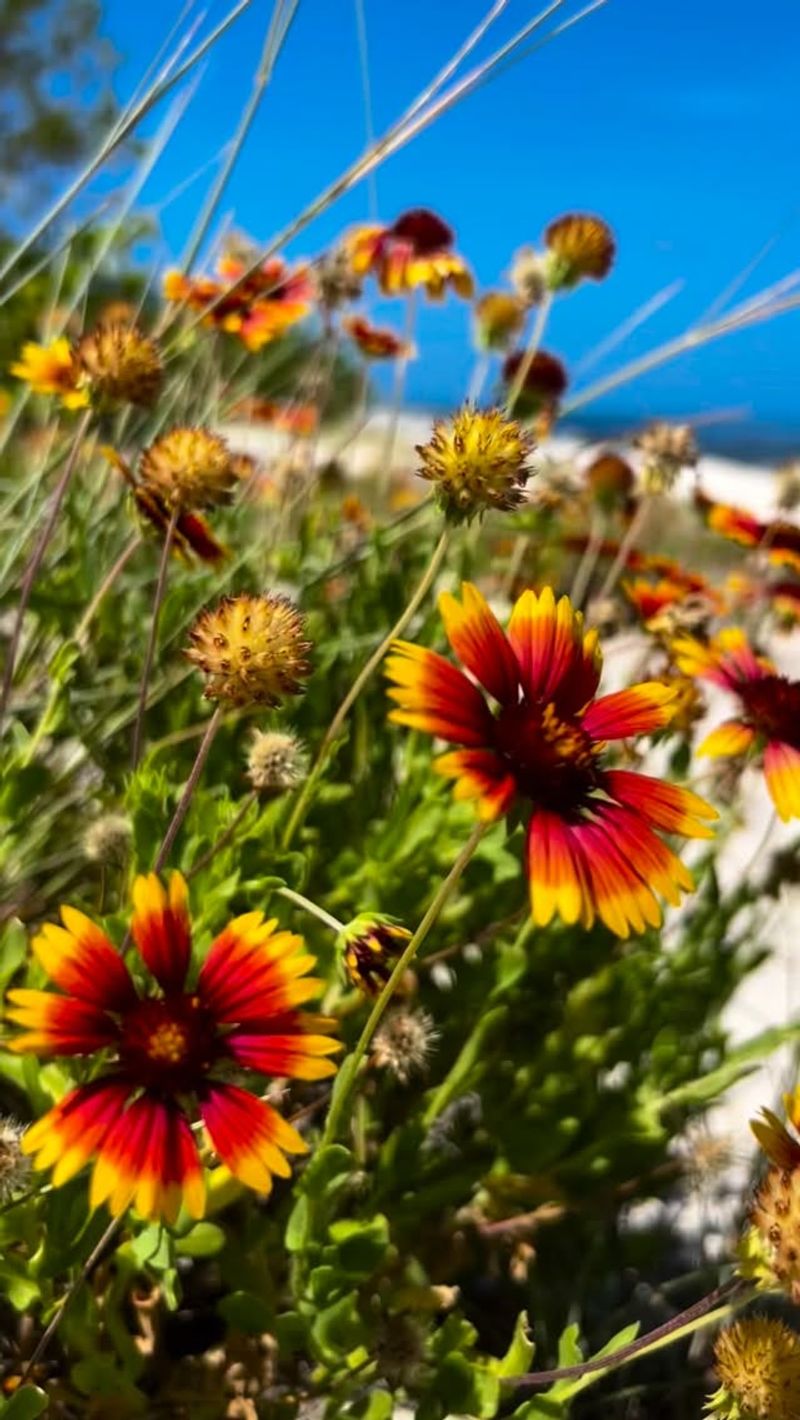
Matching Indian blanket to the right spot is the single most important decision you make before the first seed goes in the ground. According to the USDA plant guide, this is an upland, drought-tolerant species that naturally colonizes sandy soils, roadsides, and field borders.
Translating that into a home garden means full sun is non-negotiable, and standing water or heavy clay that stays wet after rain will work against the plant from the start.
Good candidate locations include a pocket prairie in the backyard, a meadow strip along a fence or driveway edge, a sunny border in front of a low wall, or an informal edge where the lawn meets a natural area. Each of those settings gives Indian blanket room to spread two to three feet without crowding valued plants, and each offers the open ground that seedlings need to establish.
Avoid tucking it into a shaded corner or a bed that drains slowly; the plant will struggle, and a weak stand is less likely to reseed reliably anyway.
Texas and Florida gardeners should also resist the temptation to treat this as one-size-fits-all advice. UF/IFAS guidance covers Indian blanket across Florida hardiness zones, and USDA notes it across multiple Texas ecoregions, but local soil texture, rainfall patterns, drainage quality, and the seed source you use all affect how the plant establishes and how far it spreads.
A gardener in coastal South Texas dealing with caliche and salt-laden winds is working with different conditions than one in North Florida planting in loamy upland soil. Scout your specific site honestly before committing to a planting scheme.
Sow the seed shallowly in a clean, lightly prepared bed
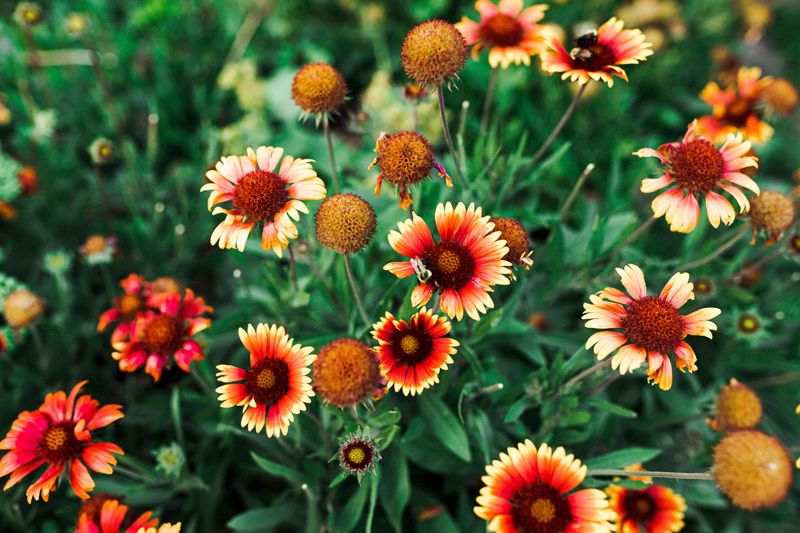
Getting Indian blanket established from seed is straightforward, but a few steps make a real difference between a patchy result and a full, colorful drift. Start by clearing the planting area of existing weeds and grass.
Competing vegetation is the most common reason wildflower seedings fail, and even a light weed presence during germination can crowd out young seedlings before they have a chance to root properly.
Once the area is clean, prepare the soil surface lightly. Texas A&M Forest Service guidance on wildflower establishment recommends light surface preparation rather than deep tilling, because turning the soil deeply brings dormant weed seeds up to the surface where they can germinate alongside your wildflowers.
A light raking or scuffing is enough to create the loose, open surface that seeds need for good contact with the soil.
Sowing depth matters more than many gardeners expect. The USDA plant guide recommends planting Indian blanket seed approximately one-eighth to one-quarter inch deep and notes that shallower is preferable to deeper.
Pressing or lightly rolling the seed after broadcasting it improves soil contact without burying it too far. After sowing, the seedbed needs consistent moisture during germination; a light daily watering during dry spells in the first few weeks keeps the surface from drying out and crusting over.
Early weed control is the follow-through step most gardeners skip. Hand-pulling or carefully hoeing around young seedlings during the first several weeks removes competition before it becomes entrenched.
Indian blanket is low-input once established, but the establishment phase rewards a little focused attention. Think of the first season as building the seed bank that will carry the planting forward on its own terms in subsequent years.
Adjust planting time for Texas and Florida conditions
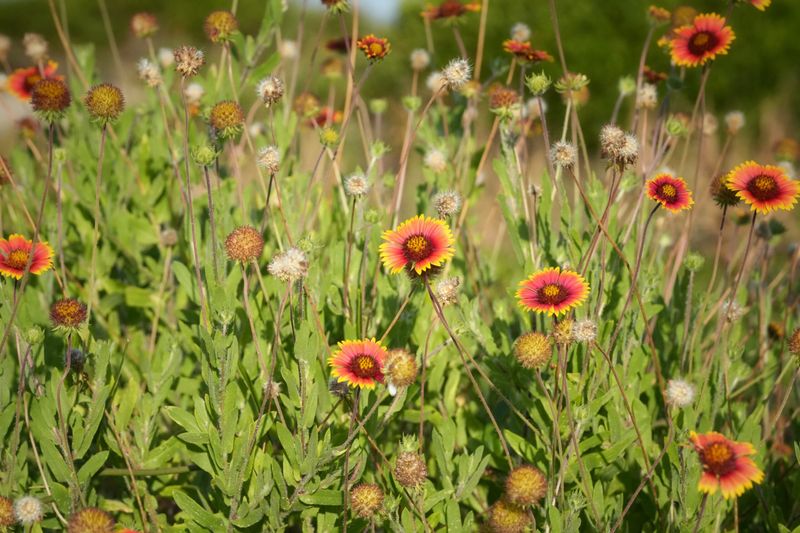
Timing a wildflower seeding correctly is as important as site selection, and Texas and Florida gardeners are working with different windows. For Texas, fall is the recommended general planting season for many native wildflowers.
Texas Parks and Wildlife Department advises planting native wildflower seeds in fall so that seeds can go through natural winter conditioning and germinate when conditions improve in spring. Indian blanket is flexible enough that late-fall or spring planting can also work, which gives Texas gardeners a wider window than species with stricter requirements.
That flexibility is worth comparing briefly to cool-season Texas natives. Bluebonnet, for example, depends much more clearly on cool-season fall establishment and germinates best after its seed coat is softened by cool, moist conditions over winter.
Indian blanket does not carry that same narrow requirement, so a gardener who missed the October window is not necessarily out of options. That said, bluebonnet is a Texas-specific contrast and not a comparable choice for Florida gardeners; the USDA plant guide documents Indian blanket as native to both states, making it the more broadly applicable recommendation here.
Florida gardeners should follow zone-specific guidance. UF/IFAS lists March as the planting month for zones 9 through 11 and April through May for zone 8.
Those dates align with warming soil temperatures and the onset of Florida’s rainy season, which supports germination and early establishment. Local rainfall timing, heat intensity, and drainage on a specific site should still govern the final call.
Gardeners in other Southern states outside Texas and Florida should verify Indian blanket’s native status, climate fit, and local planting calendar before applying any of these regional recommendations.
Let seed heads mature before you clean up the patch
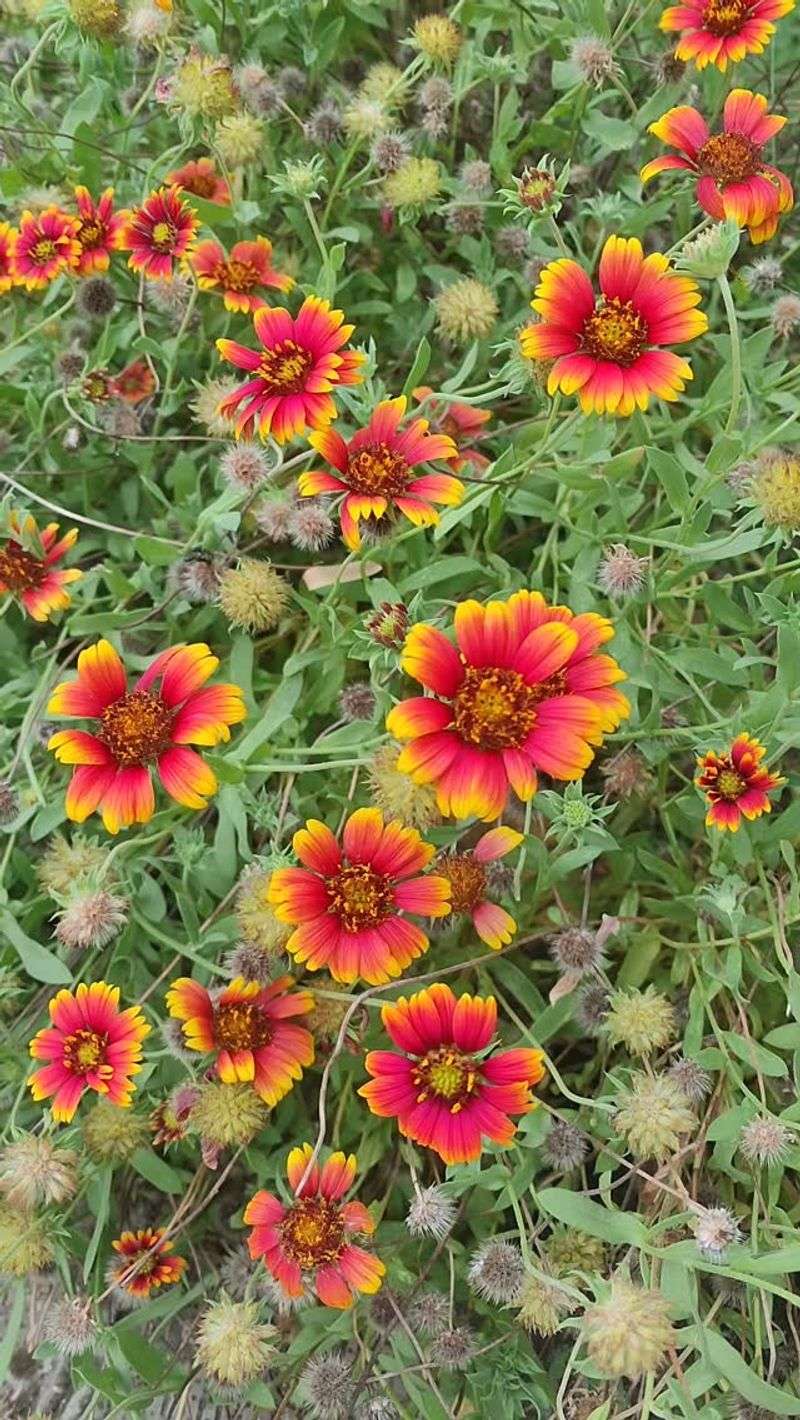
End-of-season cleanup is where many wildflower plantings quietly fail to renew themselves. Cutting everything back as soon as the flowers fade feels tidy, but it removes the seed heads before they have a chance to dry, open, and drop seed onto the soil.
For a plant like Indian blanket, which depends on seed for renewal in most plantings, that timing mistake can break the cycle entirely.
The Native Plant Society of Texas emphasizes that allowing this plant to reseed is what produces the abundant displays gardeners hope to see the following year. Practically, that means leaving the seed heads in place until they have visibly dried and the fluffy, tufted seeds are ready to disperse.
Once that cycle finishes, you can mow or trim the spent plants back without interrupting the renewal process.
Delaying cleanup carries an additional benefit beyond reseeding. Texas Parks and Wildlife Department notes that dried stems and seed heads can provide nesting material and shelter for solitary bees and other beneficial insects through the off-season.
A patch left standing a bit longer than conventional tidiness allows is doing quiet habitat work even after the flowers are gone.
Weed control does not stop just because the flowers have finished. Texas A&M Forest Service recommends active weed management during the first two years of a wildflower planting, and that applies through the dormant period as well.
Removing opportunistic weeds while Indian blanket seed heads are still maturing keeps the soil surface open and receptive for the seeds that drop. A wildflower patch that looks after itself still needs a gardener paying selective attention to what is growing in it.
Keep unwanted volunteers inside the intended boundary
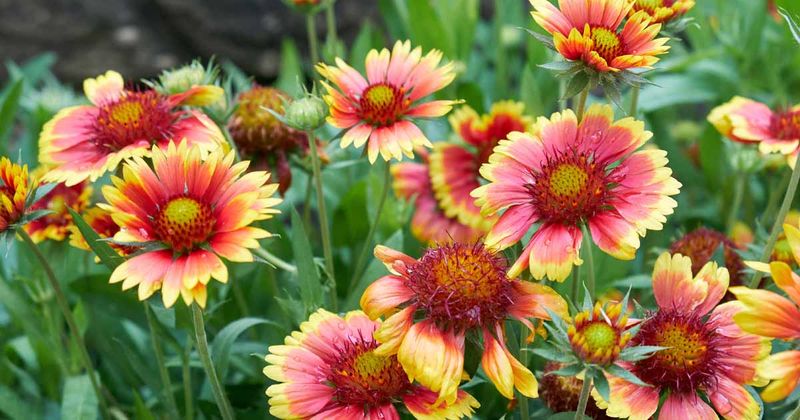
Managing spread is a normal part of growing Indian blanket, not a sign that something has gone wrong. UF/IFAS documents a spreading habit of two to three feet and notes that the plant often reproduces into nearby landscapes.
That is not an invasive characteristic; it is the documented behavior of an adaptable native, and handling it is genuinely simple when you start early.
The first step is choosing the right location from the beginning. A pocket prairie, a meadow strip, or an informal sunny edge where a loose, widening drift fits the design gives Indian blanket room to do what it does without encroaching on beds where you want defined planting.
When the intended area has clear boundaries, like a gravel path, a mowing strip, or a paved edge, containing the drift becomes much easier because volunteers that cross those lines are easy to spot.
Check adjacent beds and lawn edges for young seedlings a few times during the growing season, particularly in spring when germination is active. Young seedlings pull out cleanly and quickly; waiting until they are several inches tall and rooted more deeply makes removal harder and less complete.
A few minutes of early intervention prevents the need for a larger correction later in the season.
The USDA plant guide supports using Indian blanket in pollinator and naturalized plantings, which fits well with a management approach that keeps some plants seeding freely while trimming others before seed matures. Deadheading selected plants at the patch edge controls outward spread without eliminating the seed production that sustains the drift itself.
The goal is a defined area of rewarding, self-renewing color, not an expanding colony that gradually takes over beds you value for other plants.
Choose Indian blanket when you welcome a controlled naturalized look
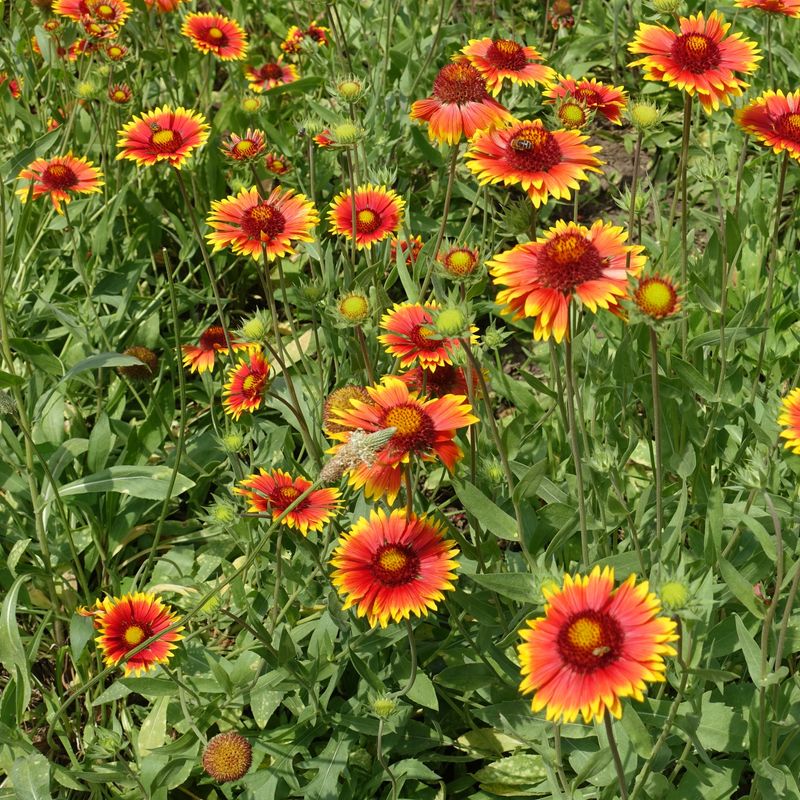
Indian blanket is a strong choice for any sunny, well-drained Texas or Florida site where recurring warm-season color, general nectar value, and a naturalized aesthetic fit the plan. The USDA plant guide identifies Gaillardia pulchella as a generalist nectar source suitable for pollinator plantings, and UF/IFAS specifically notes its appeal to butterflies.
Visits from particular species are never guaranteed, but a patch of Indian blanket in the right setting can attract a range of beneficial insects through the warm months.
The decision rule is straightforward: if your site is sunny and well-drained, if you have room for a drift that may widen a foot or two beyond its starting point, and if occasional volunteer seedlings in nearby areas are something you can manage with a quick seasonal check, Indian blanket rewards you with color and low-input renewal that few annuals can match.
Pair the benefit with the responsibility. Allow seed heads to mature and drop where you want the drift to continue, and remove or trim plants at the boundary where you want the patch to stop.
That simple trade is what makes Indian blanket genuinely useful rather than merely promising. A well-placed drift of firewheel is less a garden project to complete and more a relationship to maintain, one that pays in color every season you tend it.