
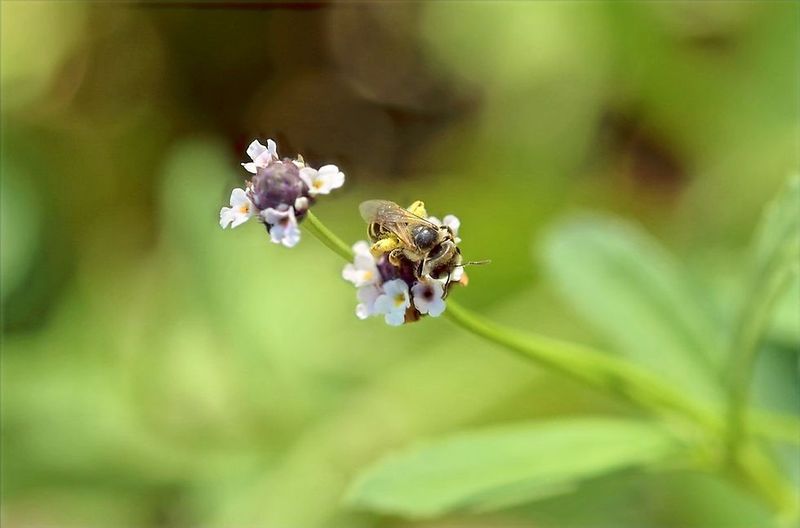
A low-growing plant called frogfruit has been quietly spreading through Florida yards, and some homeowners in deed-restricted communities are choosing to keep it rather than pull it out. Frogfruit is a Florida native that can fill bare spots, attract butterflies, and grow alongside regular grass without requiring a full lawn makeover.
Before you defend a patch or plant one, though, it helps to know exactly what the plant is, where it works best, and what Florida law actually says about it. The legal picture is more nuanced than most online discussions suggest, and the practical case for frogfruit is strong enough to stand on its own merits.
Frogfruit is a Florida-native groundcover, not a legally protected plant
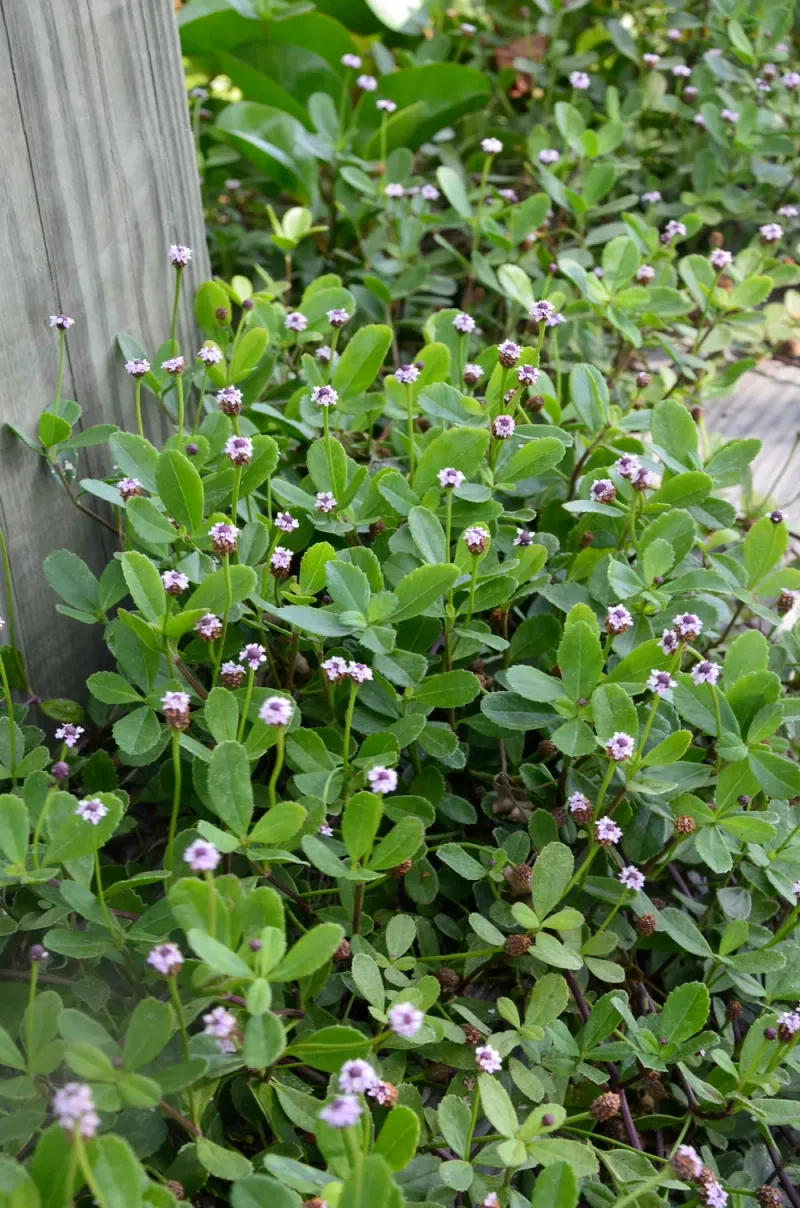
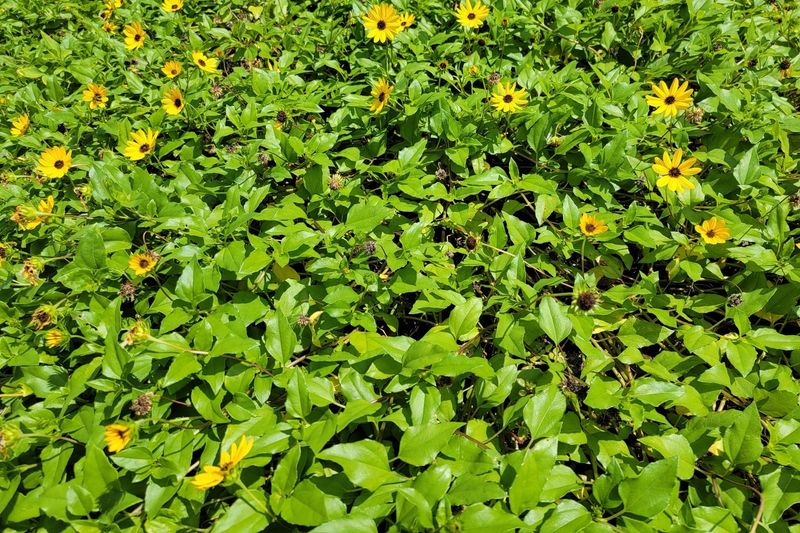
Scattered across sunny Florida lawns, frogfruit (Phyla nodiflora) is easy to overlook. Its common names include turkey tangle fogfruit, matchweed, and capeweed, and it grows so flat and close to the soil that many homeowners assume it is a weed before they ever learn what it is.
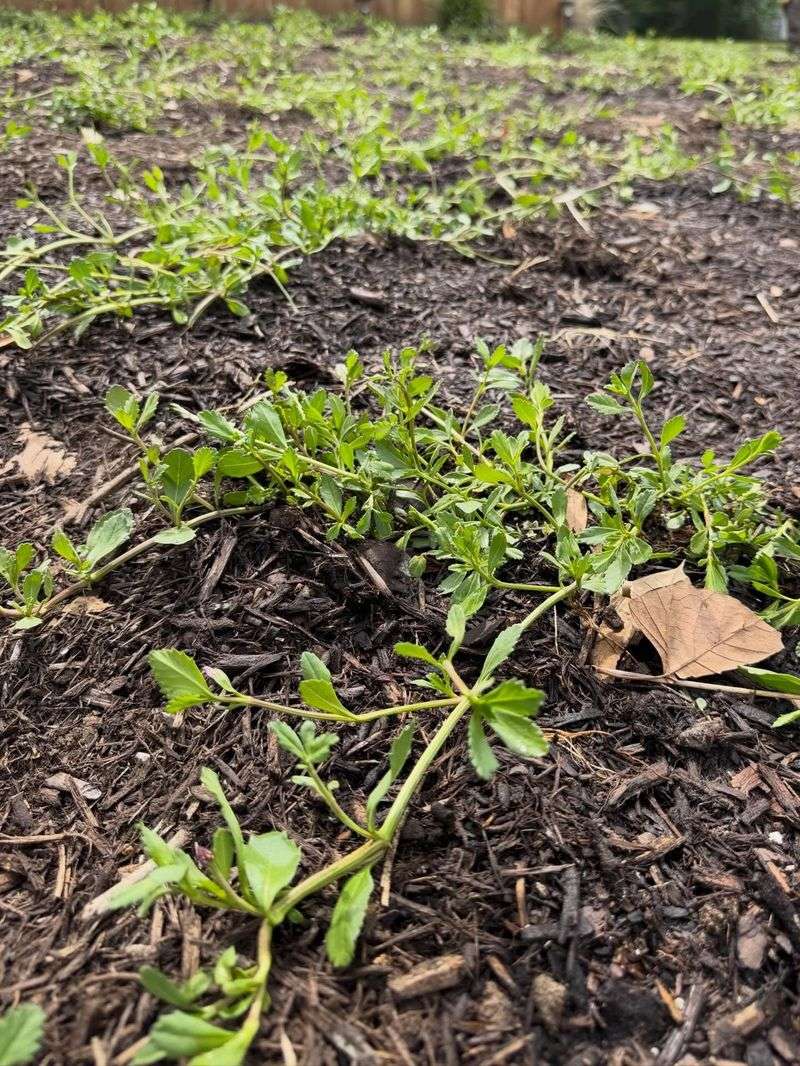
UF/IFAS Gardening Solutions identifies it as a Florida-native, low-growing groundcover that spreads through long stems called stolons, rooting at the nodes as it goes. Individual plants can extend 8 to 10 feet while staying roughly 6 to 12 inches tall.
That mat-forming habit is exactly what makes frogfruit look weedy to some eyes and useful to others. Because it spreads laterally and fills gaps without growing tall, it blends into an existing lawn rather than standing out from it.
Before defending or removing any plant you think might be frogfruit, verify the identification first. The UF/IFAS Florida Weed ID resource and your county Extension office are both reliable starting points when you are not certain.
One correction deserves to be stated plainly: frogfruit is not a legally protected plant. No Florida statute names frogfruit specifically or shields it from HOA enforcement.
A Florida Bar Journal analysis notes expressly that the Florida-friendly landscaping statute does not identify specific plants as protected and that presently no plants are protected by that statute. The Florida Native Plant Society confirms its native status, which matters for a Florida-Friendly Landscaping argument, but native status alone is not a legal exemption.
The published horticultural and legal sources also do not document widespread frogfruit-specific HOA disputes across the state, so the conversation here is about how to make a sound case, not how to win a fight that may not be happening at your neighbor’s scale.
Why gardeners use frogfruit in a mixed lawn
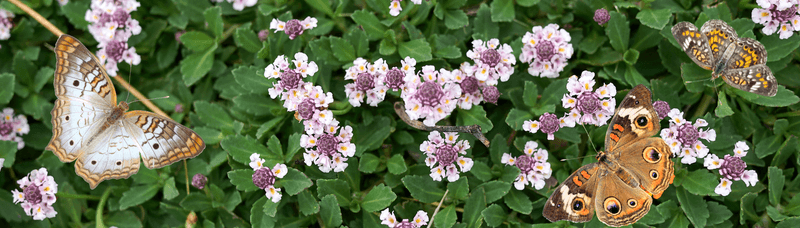
Walk through a yard where frogfruit has established itself and you will likely see something moving among the tiny blooms. The plant produces small purple-and-white flowers throughout much of the warm season, and those flowers draw in local bees, native butterflies, and other pollinators looking for a nectar source.
UF/IFAS Gardening Solutions identifies frogfruit as a nectar source for bees and butterflies and as a larval host plant for three butterfly species: the phaon crescent, the buckeye, and the white peacock.
That host-plant role matters to gardeners who want their yards to support more than just turf. A lawn that includes frogfruit can function as part of a pollinator corridor without any dramatic redesign.
The Florida Native Plant Society highlights this ecological value as a core reason to consider the plant for home landscapes, particularly where conventional turfgrass struggles.
The practical appeal goes beyond wildlife. Frogfruit can grow among bahiagrass or St. Augustinegrass rather than replacing either one entirely, which means a homeowner can allow it to fill thin or bare patches without committing to a full lawn conversion.
UF/IFAS Extension Hillsborough County lists it among groundcovers suited to alternative lawn areas, noting its value as a companion plant in mixed settings.
None of that means frogfruit eliminates maintenance or solves every lawn problem. Pesticide use on flowering groundcovers can harm the very pollinators the plant attracts, so UF/IFAS advises avoiding pesticide applications on blooming frogfruit patches.
Its spread, seasonal flowering, and informal texture are characteristics to manage deliberately, not side effects that disappear on their own. The wildlife payoff is real, but it comes alongside some routine upkeep, not instead of it.
Match frogfruit to the site and the way people use it
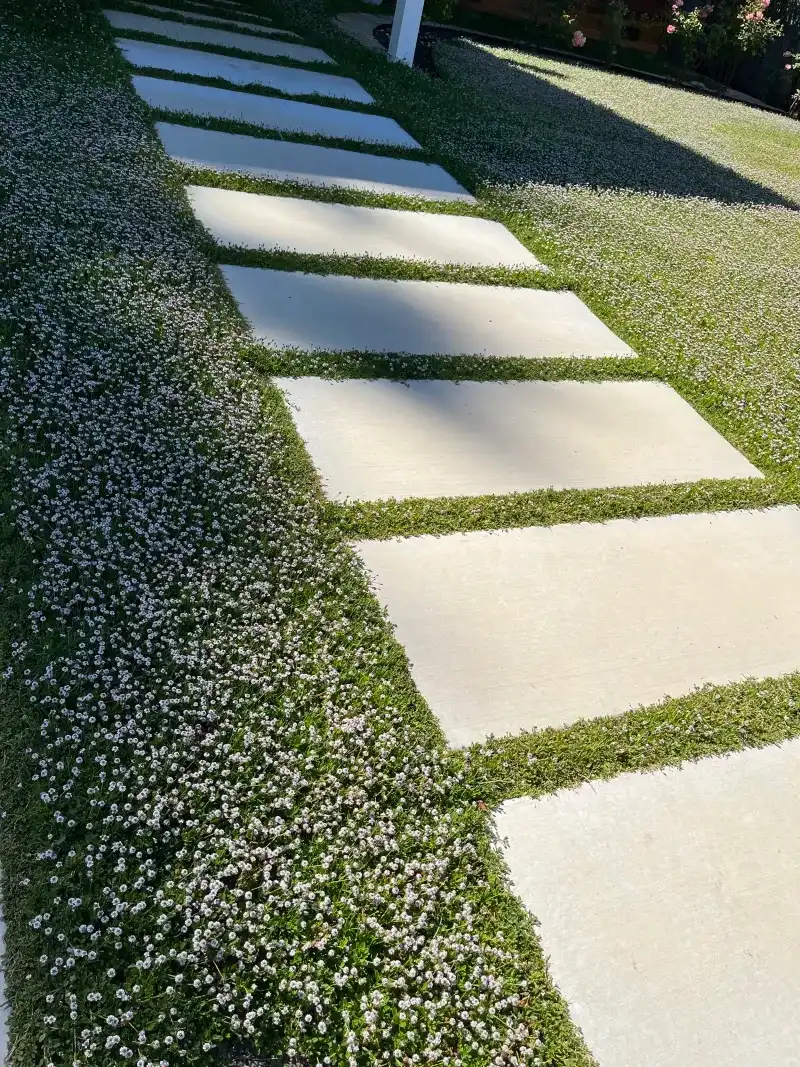
Frogfruit earns good marks for adaptability, but adaptable does not mean suitable everywhere. UF/IFAS reports that it tolerates full sun to partial shade, handles varied soil textures, and can get through both dry and moist conditions once it is established.
Those qualities make it a reasonable candidate across a wide range of Florida yards, though local soil, drainage, shade patterns, and how the space gets used still determine whether it will thrive or struggle in a specific spot.
Getting it started is straightforward. UF/IFAS Gardening Solutions notes that frogfruit can be established from plugs and spreads relatively quickly into bare areas, making it a practical option for filling gaps in an existing lawn.
That spread is a feature in the right setting and a management consideration in others, since the plant does not stop at a boundary on its own. Seasonal dormancy is also part of the picture: frogfruit may go dormant during winter or drought, and freeze temperatures can cause dieback before it returns with warmer weather.
Traffic tolerance is where site-matching really matters. UF/IFAS Extension Hillsborough County recommends frogfruit for alternative lawn areas, and the Florida Native Plant Society specifically describes it as best suited to low-traffic locations.
A side yard, a strip along a fence line, or a lightly used decorative area fits the plant’s capabilities much better than a backyard where kids play daily or a path people cross regularly. Using frogfruit as a heavy-traffic lawn substitute is likely to disappoint.
Two site conditions deserve special attention. Salt exposure is a meaningful limit: the Florida Native Plant Society notes that frogfruit does not tolerate saltwater inundation or direct salt spray, so coastal locations with those conditions are not good candidates.
Drainage matters too. Areas near swales, stormwater facilities, or water bodies carry additional restrictions that go beyond plant selection, and any planting in those zones needs to account for local regulations before the first plug goes in the ground.
Florida-Friendly law supports an argument, not an automatic exemption
Florida law does give homeowners a meaningful tool when it comes to landscaping disputes with an HOA, but the tool works differently than many people assume. Florida Statute 720.3075(4)(b) states that HOA documents may not prohibit, or be enforced to prohibit, a property owner from implementing Florida-Friendly Landscaping on their land.
That is a real limitation on what an HOA can put in its governing documents.
The definition of Florida-Friendly Landscaping comes from Florida Statute 373.185, which describes it broadly as a landscape that conserves water, protects the environment, adapts to local conditions, and is drought tolerant. The principles include right plant/right place, efficient watering, appropriate fertilization, wildlife attraction, responsible pest management, stormwater reduction, and proper maintenance.
A frogfruit planting that meets those criteria in a suitable location can reasonably be framed as Florida-Friendly Landscaping.
Neither statute names frogfruit, and neither one protects every native plant in every arrangement. UF/IFAS guidance on the 2009 Florida-Friendly Landscaping legislation is direct on this point: HOA approval procedures remain in effect, and an HOA may establish reasonable guidelines about plant choices, placement, appearance, and site suitability.
Florida-Friendly Landscaping can include native plants, non-native plants, and turfgrass when they match site conditions and are properly maintained. Native status alone does not make a planting automatically qualify.
The Florida Bar Journal analysis reinforces that distinction. The statute targets landscaping practices, not individual species, and presently no plants are protected by name under it.
What a homeowner can legitimately argue is that a well-maintained, site-appropriate frogfruit planting implements a Florida-Friendly approach. What a homeowner cannot do is claim that native status or the statute overrides every community standard, skips the approval process, or guarantees a specific outcome.
The legal footing is real but conditional, and it works best when the landscape itself is doing its part.
Follow the HOA process before planting or defending a patch

Reading the governing documents before touching the yard is the step most homeowners skip, and it is the one that creates the most avoidable problems. Every HOA community has a declaration of covenants, rules, and often a separate landscape-approval procedure.
Knowing exactly which documents apply, what they require, and what timeline they set for approval gives a homeowner a much clearer picture of what process to follow before planting frogfruit or before contesting a notice to remove it.
UF/IFAS is explicit that the Florida-Friendly Landscaping legislation did not eliminate HOA review requirements. An HOA may still regulate aesthetics, bed-to-turf proportions, placement, plant choices, and site conditions as long as those rules reflect reasonable community standards.
Showing up with a Florida-Friendly argument without first completing the required approval steps is unlikely to end well, regardless of how well the plant fits the site.
A written landscape plan is the most effective tool for starting that process on solid footing. UF/IFAS guidance on working with an HOA to convert to a Florida-Friendly yard recommends identifying the plants by name, describing their placement and site suitability, explaining the maintenance approach, and citing documented Florida-Friendly guidance from a recognized source.
Including a UF/IFAS Gardening Solutions profile for frogfruit alongside a site sketch and a maintenance schedule gives the HOA something concrete to review rather than a general appeal to native-plant principles.
Framing the proposal around the right-plant/right-place principle, demonstrated site suitability, and a clear maintenance commitment addresses the criteria an HOA is most likely to raise. Presenting it in writing, through the required channel, and before an enforcement notice arrives puts the homeowner in a much stronger position than responding after the fact.
Make the landscape look intentional and keep it within site limits
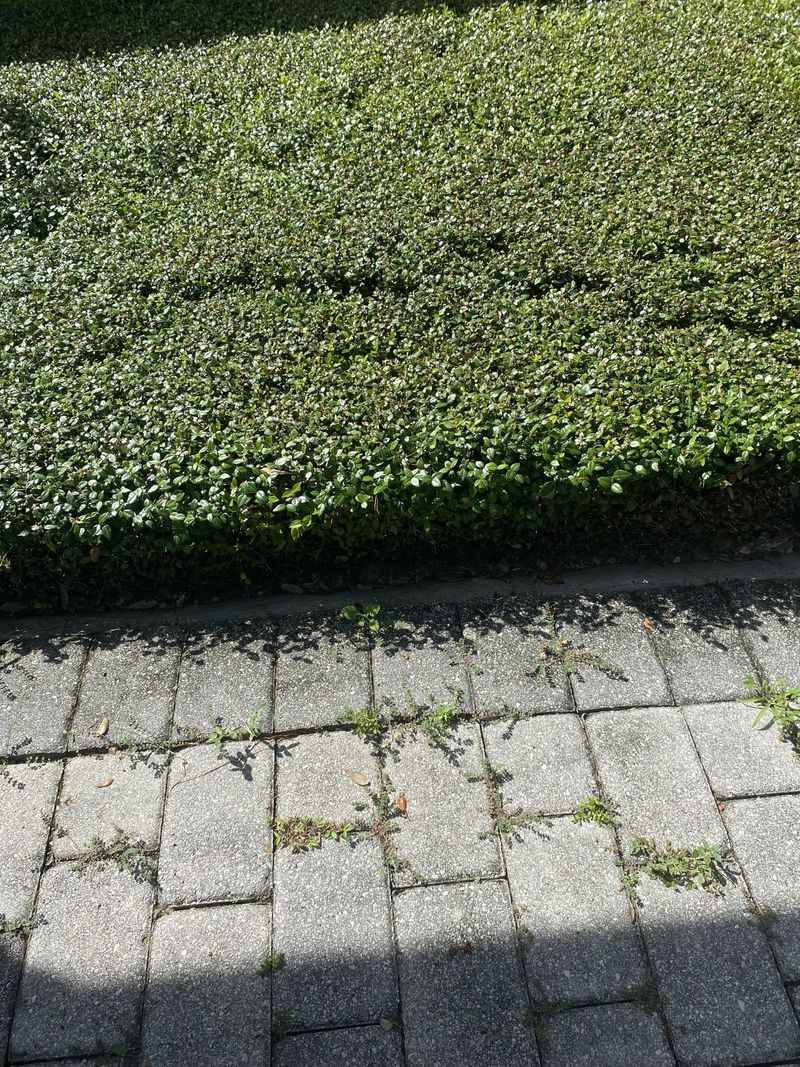
Appearance is often the core of an HOA objection, not the plant’s identity. A frogfruit patch that looks unmanaged, spreads past its intended area, or goes brown during winter dormancy gives an HOA a reasonable basis for concern even if the plant itself qualifies as Florida-Friendly.
Maintenance is not just a horticultural recommendation here; it directly affects the strength of a homeowner’s legal argument.
UF/IFAS recommends occasional mowing at 4 inches or higher to improve frogfruit’s appearance and keep it looking deliberate. UF/IFAS Gardening Solutions notes that the plant can be mowed and is appropriate for alternative lawn settings when managed this way.
Defined edges along beds, walkways, or turf transitions help signal that the planting was planned rather than neglected. Selective trimming where the plant spreads toward unintended areas is part of that same effort.
Seasonal dormancy and freeze-back are honest realities to plan around. Frogfruit may look thin, pale, or patchy during cold snaps or drought periods, which can be the moment an HOA files a complaint even when the plant is horticulturally healthy.
Documenting what the planting looks like across seasons, not just at its best, helps a homeowner respond to appearance-based objections with factual context rather than surprise.
Site boundaries matter beyond aesthetics. UF/IFAS guidance on Florida-Friendly Landscaping law cautions homeowners not to alter drainage swales or stormwater facilities without permission and recommends a maintenance-free buffer next to water bodies.
Utility easements and setbacks can restrict what is planted in specific zones regardless of plant species. Checking those boundaries before establishing frogfruit in a border area avoids a separate category of enforcement problem entirely.
UF/IFAS also notes that its program can provide technical assistance but does not determine legal rights or resolve HOA disputes; when a disagreement escalates, a qualified attorney familiar with HOA law is the appropriate resource.
Build the case around suitability, maintenance, and procedure
Frogfruit gives Florida homeowners a credible, evidence-backed option for low-traffic lawn areas, mixed plantings, and pollinator-friendly borders. Its case rests on three things working together: the plant is correctly identified, the site genuinely suits it, and the landscape is kept in deliberate, presentable condition through the HOA’s required approval process.
UF/IFAS Gardening Solutions and UF/IFAS guidance on Florida-Friendly Landscaping law together support the argument that a well-maintained frogfruit planting in the right location can qualify as Florida-Friendly Landscaping under Florida Statute 720.3075. That argument has real weight.
What it does not do is eliminate HOA review, override reasonable community standards, or guarantee a specific outcome for any individual homeowner.
Before escalating any disagreement, check your covenants, assess your site honestly, and submit a written plan that addresses plant identity, placement, maintenance, and site suitability. A yard that looks cared-for and a proposal that follows the rules make the strongest possible case.
The plant’s ecological value is a bonus worth mentioning; the foundation of a successful argument is a landscape that clearly belongs where it is.