
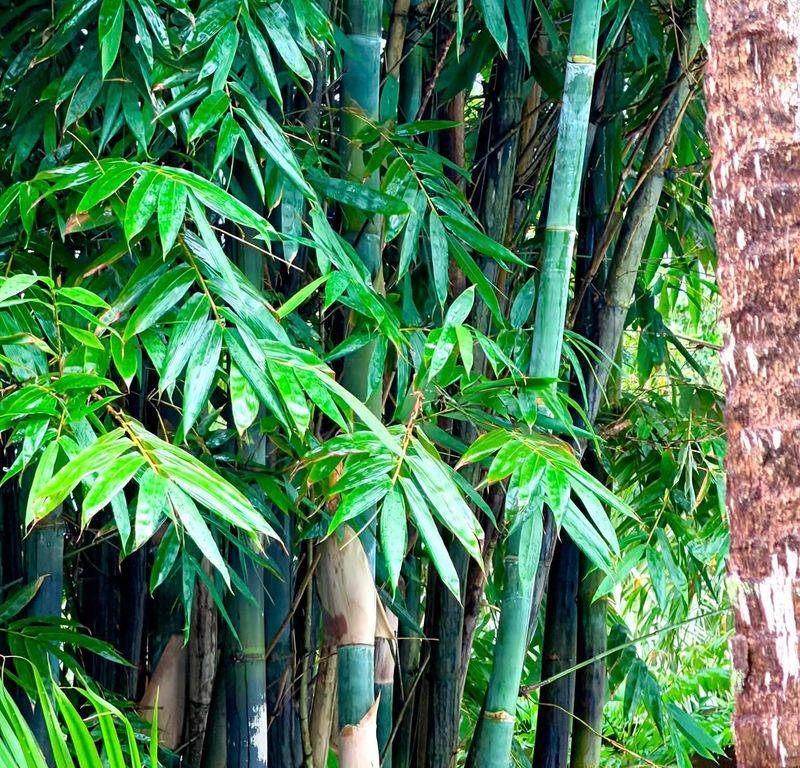
Bamboo can make a bare Florida fence line look private in a hurry. That fast growth is the same reason many homeowners regret planting it a few seasons later.
In sandy soil, warm rain, and long growing seasons, some bamboo spreads farther than expected and becomes hard to remove. Before you plant a screen that looks easy today, it helps to know where the trouble starts.
1. Fast privacy comes with fast underground spread
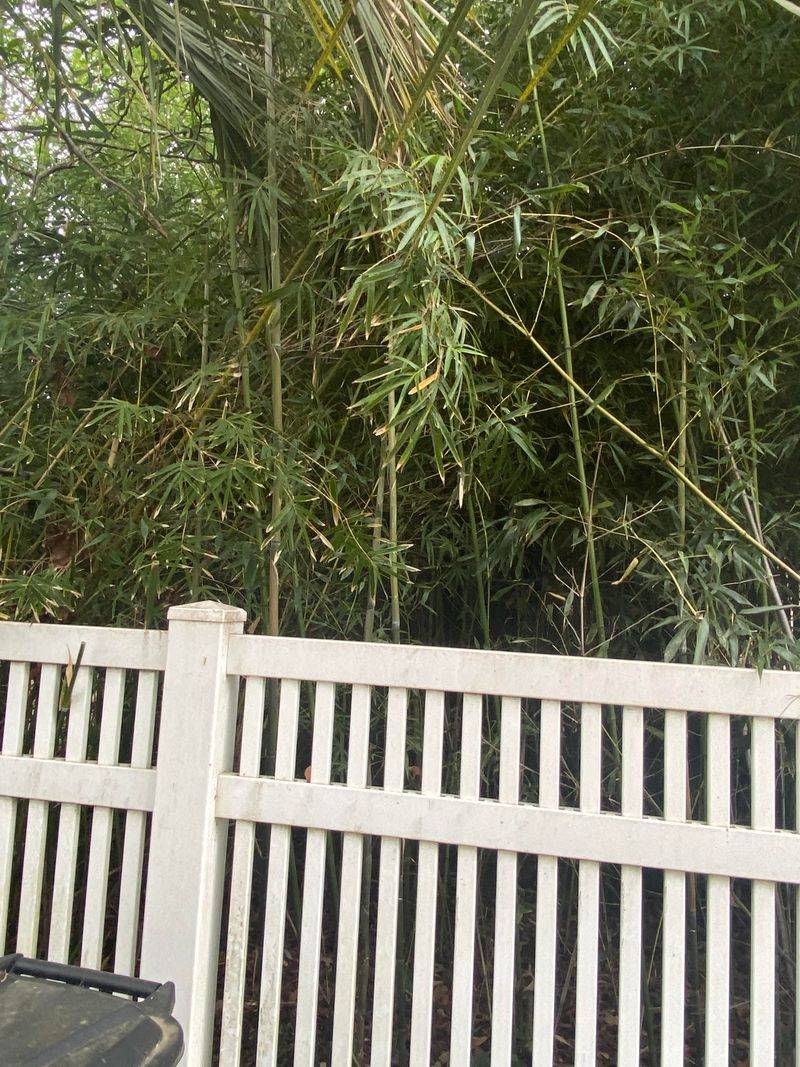
A bare fence can feel like a stage curtain that never closes, especially in Florida neighborhoods where patios, pools, and side yards sit close together. Bamboo seems to solve that problem almost overnight because many types grow tall, leafy, and thick during the long warm season.
The catch is hidden below the soil. Running bamboo spreads by rhizomes, which are underground stems that push outward and send up new canes.
In Florida’s sandy, fast-draining ground, those rhizomes can travel with less resistance than they would in heavy clay.
That means privacy may arrive quickly, but so can shoots in the lawn, flower beds, drainage areas, or near a neighbor’s fence. Some homeowners do not notice the spread until mowing becomes annoying or new canes pop up in places they never watered or fertilized.
Clumping bamboo is usually better behaved than running bamboo, but even clumpers need room. Before planting, know the type, its mature width, and how you will maintain it.
A privacy screen should stay where you put it, not become a yard-wide project.
2. Florida weather gives bamboo a long growth season
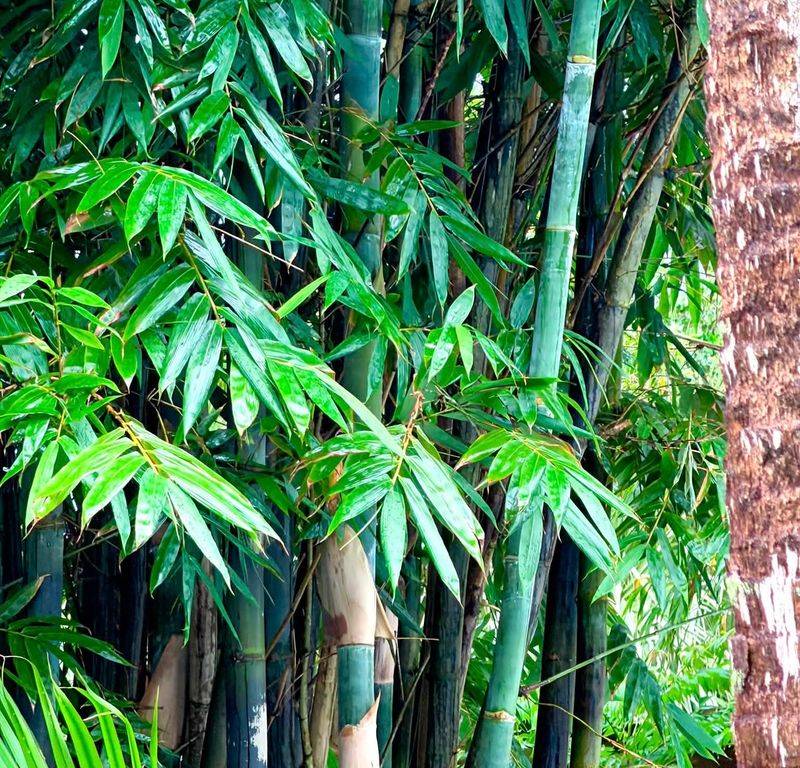
Florida does not give bamboo much of a winter pause. In much of the state, warm temperatures, heavy rain, and high humidity stretch the growing season far beyond what many gardeners expect.
That is great if you want a quick green wall. It is less charming when the plant keeps pushing new canes through spring, summer, and fall.
In South Florida, some bamboo may stay active nearly year-round, while North Florida cold snaps may slow it but rarely make the problem disappear once it is established.
Storm season adds another layer. Bamboo can sway well in wind, but dense stands may trap debris, lean into fences, or become difficult to clean up after heavy rain.
If canes are planted too close to property lines, sheds, pool cages, or AC units, normal maintenance can turn into tight, scratchy work.
A Florida bamboo plan should include spacing, thinning, and access paths from the start. Planting a screen right against a fence may look tidy at first, but mature canes need elbow room.
Leave space to walk behind or beside the planting, or you may be fighting it from the wrong side later.
3. Running bamboo can cross property lines before anyone notices
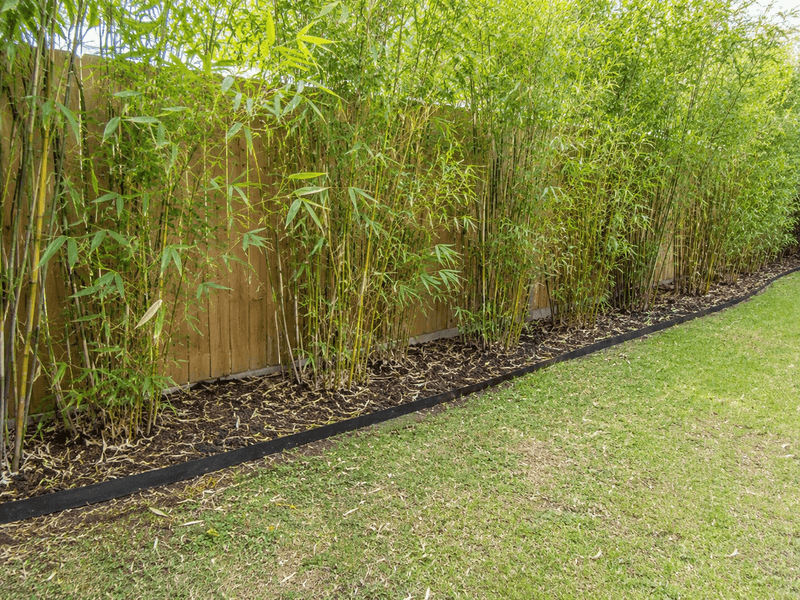
One surprise shoot on the wrong side of the fence can turn a pretty planting into an awkward neighbor conversation. Running bamboo does not care where a survey line sits, and rhizomes may slip under fences, edging, and shallow borders.
Many homeowners first spot the issue when new shoots appear in a neighbor’s lawn or landscape bed. By then, the underground system may already be wider than the visible canes suggest.
Cutting the shoots at ground level can slow the look of the problem, but it does not remove the rhizomes feeding them.
Florida’s small side yards make this especially risky. A plant that seems safely tucked along one fence can reach irrigation lines, turf, or a shared drainage swale.
In some neighborhoods, homeowners associations may also have rules about invasive or spreading plants, even when the plant was added for privacy.
Anyone set on bamboo should avoid running types unless a serious containment plan is in place. That usually means a properly installed rhizome barrier, regular inspections, and a willingness to prune roots before they escape.
If that sounds like more work than you want, choose a different screen from the beginning.
4. Removal is hard because the real plant is underground
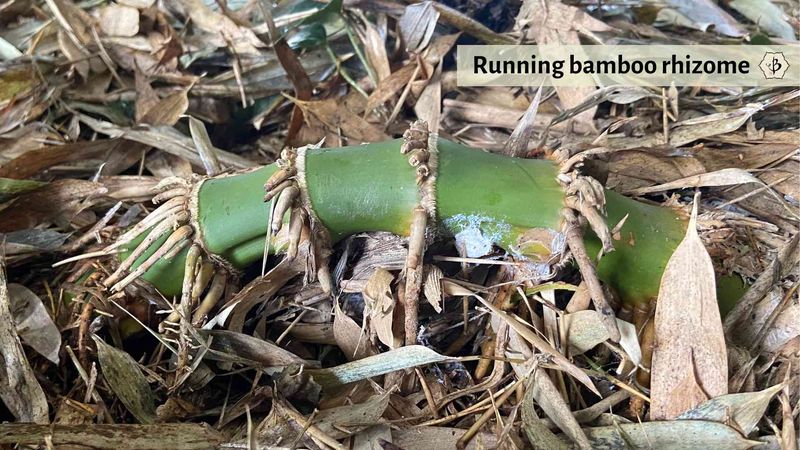
Cutting bamboo can feel satisfying for about a week. Then fresh green shoots appear, and it becomes clear the canes were only the visible part of a much larger system.
The real battle is the rhizome network underground. These thick, jointed stems store energy and can resprout after the top growth is cut.
In sandy Florida soil, pieces may break apart during digging, and each missed section can keep the patch alive.
Removal often takes repeated cutting, digging, and monitoring. For a small patch, homeowners may be able to remove the rhizomes by hand with a sharp spade, mattock, and patience.
Larger stands may require professional equipment, especially if the bamboo is near pavers, pool decks, septic areas, or irrigation pipes.
Herbicide use can be tricky and should follow the label exactly, especially near water, edible gardens, pets, and desirable plants. UF-IFAS extension resources are a smart place to check before choosing a control method.
The main lesson is simple: bamboo is much easier to avoid than to remove after it settles in.
5. Barriers help only when installed and checked correctly
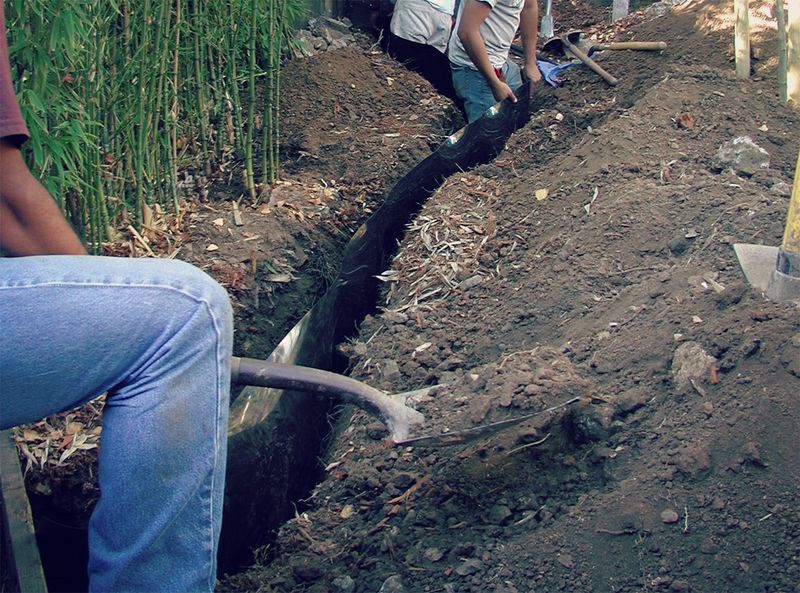
A bamboo barrier sounds like a magic fence for roots, but it works only when treated like a maintenance system. A thin strip of edging from the garden center is not enough for running bamboo.
Proper rhizome barriers are usually made from thick, high-density plastic and installed deep enough to block spreading rhizomes. The top edge should remain slightly above the soil so roots cannot hop over unseen.
If the seam is weak or the barrier is too shallow, bamboo may find the gap.
Florida conditions make inspections important. Heavy rain can wash soil around edges, mowers can damage exposed rims, and nearby digging can create openings.
A barrier that worked for the first few years may fail if no one checks it.
Even with a good barrier, homeowners should walk the planting line several times a year and cut any exploring rhizomes. Think of it like maintaining a pool screen or irrigation system.
It can work well for careful gardeners, but it is not a plant-and-forget solution. If you want low-maintenance privacy, barrier-dependent bamboo may not match your yard style.
6. Better Florida privacy plants can give screening without the chase
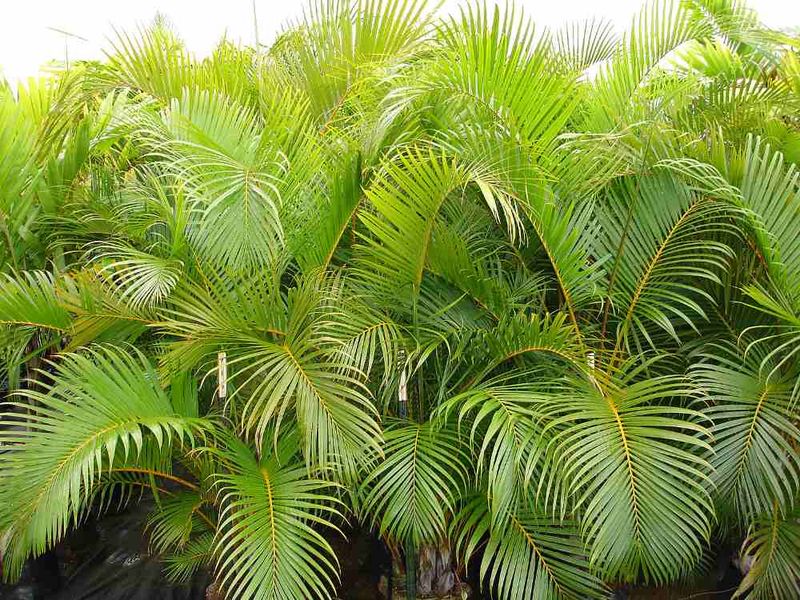
Good news for privacy seekers: bamboo is not the only way to block a view. Florida-friendly shrubs and small trees can create a softer, more manageable screen while also supporting birds, pollinators, and a healthier yard.
Wax myrtle is a useful native for many Florida landscapes because it grows quickly, handles sandy soil, and offers cover for wildlife. Simpson’s stopper brings glossy leaves, flowers, and berries in a tidy form that fits many residential spaces.
Yaupon holly, Walter’s viburnum, cocoplum in warmer areas, and other region-appropriate choices can also build a layered screen.
The best option depends on your part of Florida, sun exposure, salt wind, drainage, and mature size. UF-IFAS plant guidance is helpful because Florida yards vary so much from the Panhandle to South Florida.
A plant that behaves beautifully inland may struggle on a windy coastal lot.
For a screen that looks full faster, use staggered rows instead of one tight line. Mix heights and textures so the planting still looks good if one shrub needs pruning or replacement.
The result feels more like a garden and less like a green wall waiting to escape.
7. Planting decisions now can prevent years of cleanup
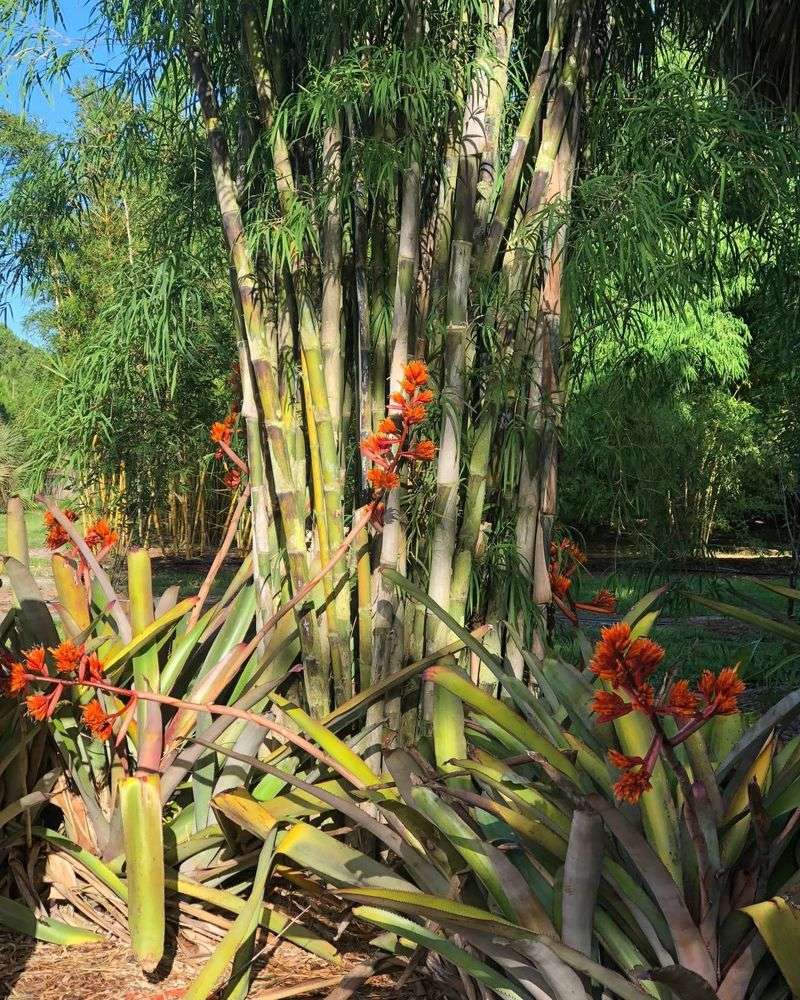
Standing at the nursery, a tall bamboo pot can look like the fastest answer to a nosy view. The smarter move is to picture that same plant five years from now, wider, taller, and pushing growth where you may not want it.
Before buying, ask whether the bamboo is running or clumping, how wide it gets, and whether it is recommended for your area. Get the botanical name, not just a catchy nursery label.
Common names can be confusing, and two plants sold as privacy bamboo may behave very differently.
Measure the space honestly. Include room for mature spread, pruning access, fence repair, storm cleanup, and neighbor boundaries.
If you cannot comfortably maintain all sides of the planting, it may become a problem even if the plant itself is not officially invasive.
Privacy should make a yard feel calmer, not add another chore to every weekend. For many Florida homeowners, a mixed hedge of well-chosen shrubs is the safer long-term win.
Bamboo can be beautiful in the right place with the right containment, but it deserves more caution than most quick-screen plants.