
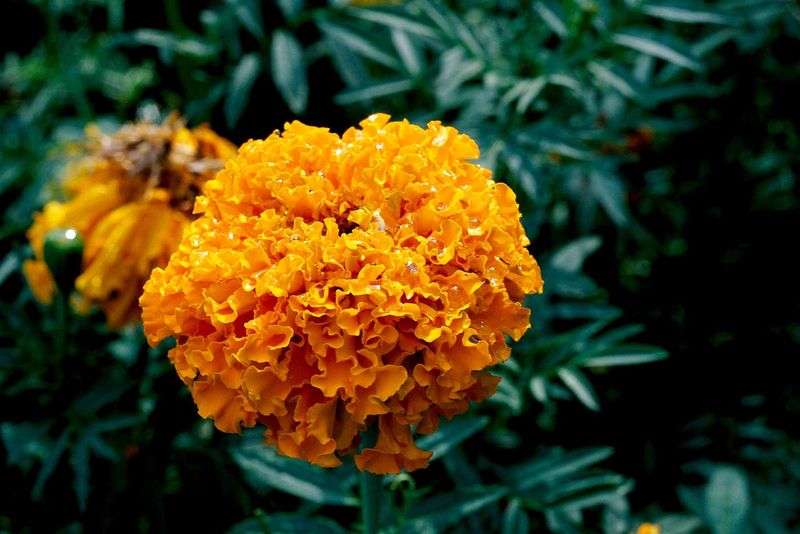
Mosquitoes can turn a nice Florida porch into a place you avoid after sunset. Plants will not replace screens, fans, or emptying standing water, but the right porch plantings can make the space less inviting to pests while adding shade, scent, and color.
The best choices for Florida handle heat, sandy soil, and long warm seasons without needing constant fuss. Use them as a living border, and your porch starts to feel calmer, prettier, and easier to enjoy.
1. Lemongrass
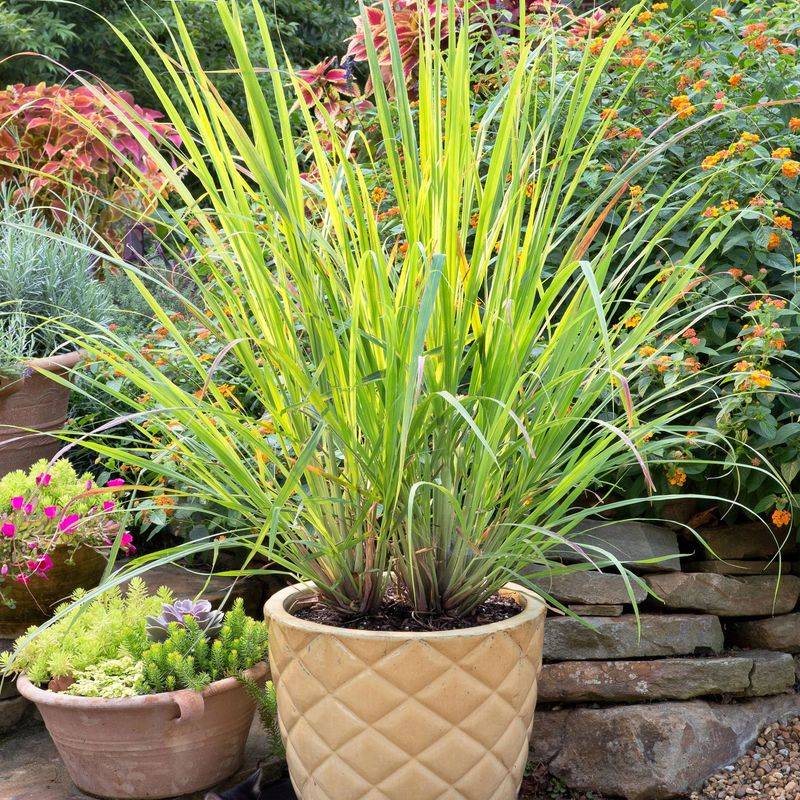
One whiff of crushed lemongrass leaves feels like Florida porch weather in plant form: bright, clean, and a little citrusy. That lemon scent comes from oils related to citronella, which is why gardeners often place lemongrass near patios, walkways, and outdoor sitting areas.
Lemongrass earns its place because it brings height fast. In warm parts of Florida, it can grow into a fountain of narrow leaves that helps block low views and softens the edge of a porch.
Plant it in a big pot if you want control, because a happy clump can get large.
Give lemongrass full sun, regular water while it settles in, and soil that drains well. Florida sandy soil is fine if you add compost and mulch, but containers should have excellent drainage after heavy rain.
Trim old leaves with gloves, since the edges can be sharp.
For the best porch effect, place pots just outside the screen line or near steps where you brush past them. Movement releases more scent, and the upright growth makes it useful where you want a low-maintenance green wall without heavy pruning.
2. Rosemary
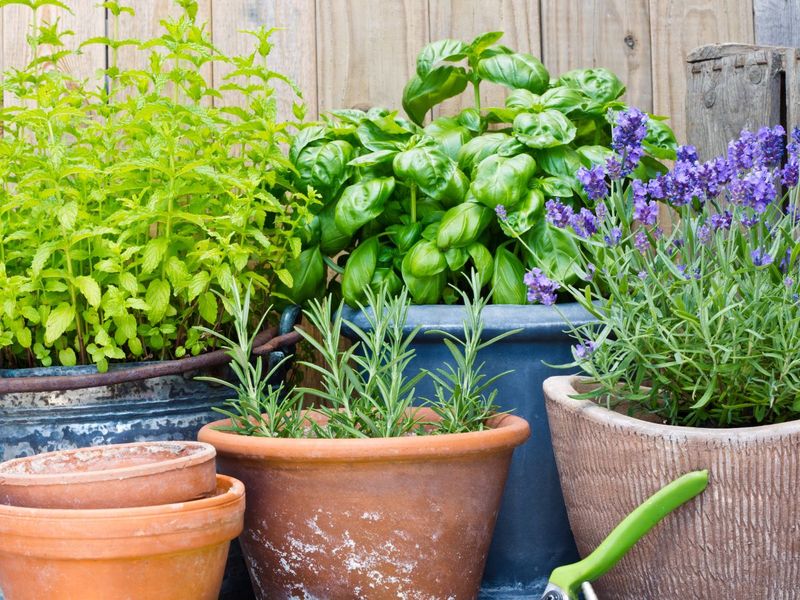
A porch that smells faintly like a kitchen herb garden already feels more welcoming than one ruled by bugs. Rosemary brings that savory pine scent, plus tough evergreen structure that looks tidy near doors, steps, and railings.
Rosemary stands out from softer herbs because it likes life on the dry side once established. That matters in Florida landscapes where sandy soil drains fast, and it also helps after summer storms when gardeners need plants that recover without drama.
Good airflow is key, especially in humid areas.
Choose an upright variety if you want a small hedge-like screen, or a trailing type if your porch has raised planters or wall pots. Full sun is best, and overwatering is the quickest way to make rosemary struggle.
A gritty potting mix in a container often works better than a soggy bed.
The aromatic oils in rosemary may help make nearby seating areas less attractive to mosquitoes, especially when leaves are brushed or clipped. It will not clear a whole yard, but around a porch table it adds a useful layer: scent, texture, edible sprigs, and year-round good looks in one plant.
3. Catnip
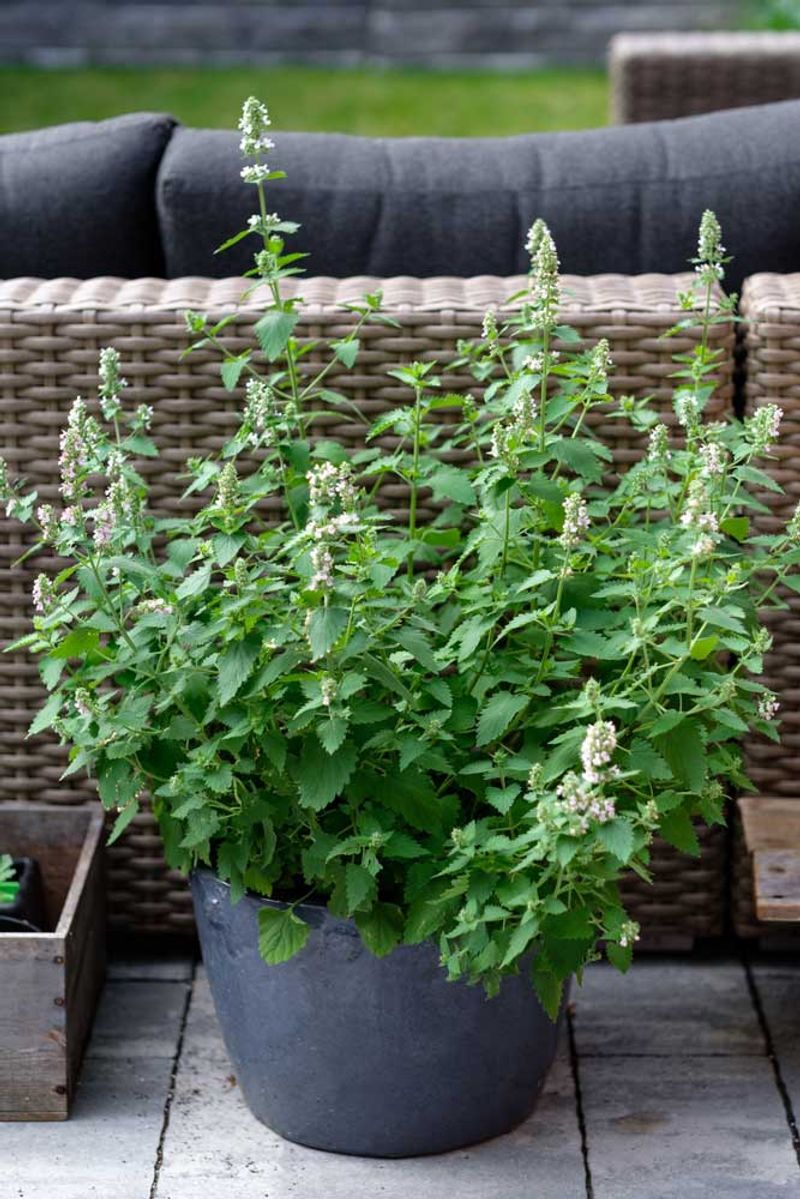
Gardeners who have a cat already know catnip has a funny side. What is less familiar is that the plant contains nepetalactone, a compound studied for insect-repelling properties, which makes it more than just a pet toy in a porch planting plan.
Catnip is different from the taller screen plants on this list because it works best as a soft, leafy filler at the front of containers. Tuck it around larger porch plants, or grow it in its own pot where you can move it if your cat gets too interested.
In Florida heat, a spot with morning sun and light afternoon shade can keep it looking fresher.
Drainage matters. Catnip dislikes sitting wet, so use a container with holes and avoid saucers that hold rainwater.
That small step also fits one of the most important mosquito-control habits in Florida: do not let water collect around the porch.
Cutting catnip back encourages new growth and releases its sharp herbal scent. If it flowers, bees may visit, so place it a little away from the chair you use most.
As part of a mixed border, it adds a playful, useful layer without needing a big footprint.
4. Citronella Geranium
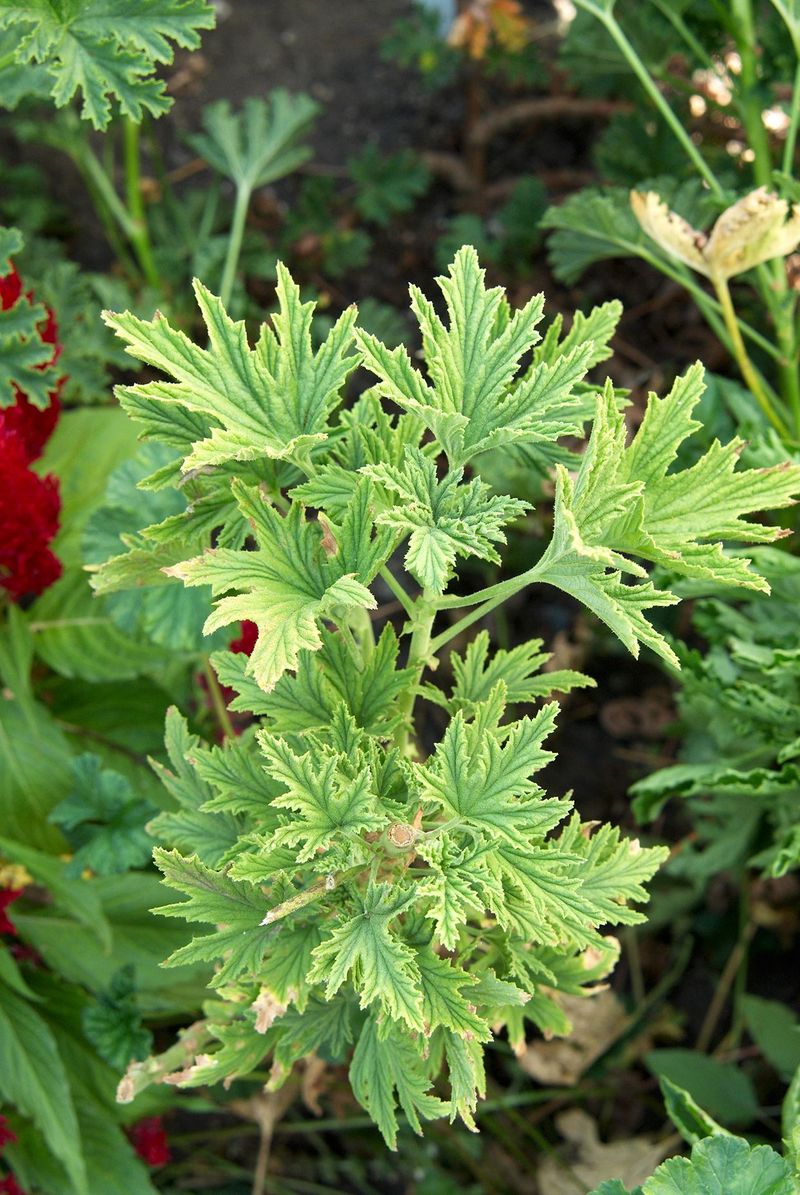
The plant often sold as a mosquito plant is usually a scented geranium, not the true source of commercial citronella oil. Still, its ruffled leaves release a lemony fragrance when touched, and that makes it a popular porch companion in Florida container gardens.
Citronella geranium belongs on this list because it is compact, pretty, and easy to place right where people gather. While lemongrass gives height, this plant gives scent at arm level.
Set it on porch steps, side tables, or railing planters where leaves can be brushed lightly as people pass.
Florida gardeners should treat it like a container star rather than a miracle shield. Give it bright light, good drainage, and a little afternoon protection in the hottest inland spots.
Too much wet soil can lead to root problems, especially during rainy stretches.
Pinch the stems to keep the plant bushy, and remove tired blooms so it stays neat. The scent may help discourage mosquitoes close by, but the bigger win is how well it fits porch life: fragrant leaves, cheerful flowers, and a tidy shape that slips easily into small spaces.
5. African Marigold
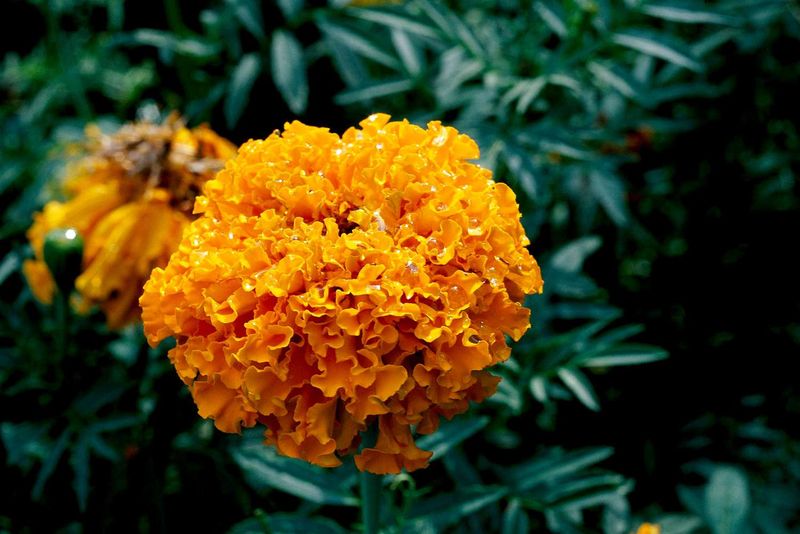
Bright marigolds have the cheerful look of a porch that is ready for company. African marigolds, the taller types with big round blooms, add more screening power than the small bedding kinds and bring bold color where a plain porch edge feels bare.
Their musky foliage is part of the reason gardeners use marigolds around outdoor living spaces. Mosquito results can vary, but the strong scent, dense leaves, and flower power make them a practical seasonal addition.
They are especially useful when you want a fast, affordable border for warm months.
In Florida, marigolds appreciate sun and well-drained soil, but they may slow down during the harshest summer heat and heavy rain. For many homeowners, they shine in spring and again as conditions ease toward fall.
Use fresh potting mix in containers, water at the base, and deadhead old blooms to keep flowers coming.
African marigolds also help visually mark the porch zone. Plant a row in matching pots, and you get a low screen that looks intentional instead of random.
Pair them with taller lemongrass or rosemary behind them for a layered barrier with color in front and structure in back.
6. Holy Basil
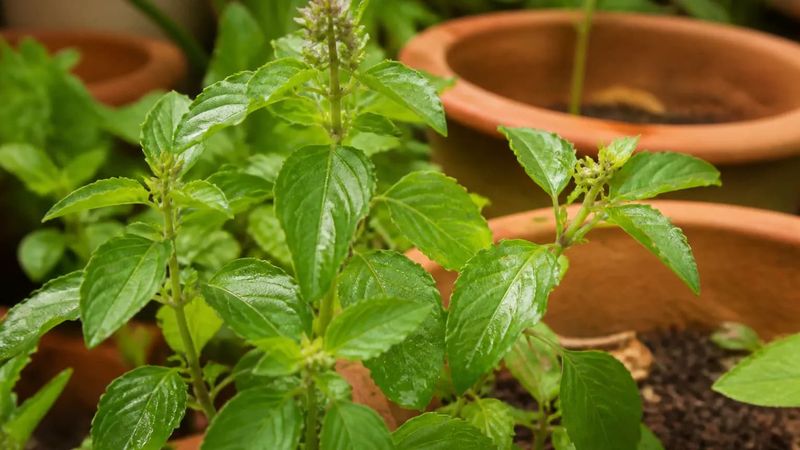
Some porch plants feel like they are working even when they are just sitting there, and holy basil is one of them. Also called tulsi, it has a spicy clove-like scent that is stronger and more distinctive than sweet basil.
Holy basil is worth choosing when you want a plant that feels at home in heat. It grows quickly in warm weather, handles frequent trimming, and can fill a medium container with fragrant leaves.
In Florida, it often performs well through long stretches of porch season as long as it gets sun and steady moisture.
The aroma may help make the immediate area less appealing to mosquitoes, especially when you pinch leaves or cut stems. Flower spikes also draw pollinators, so place holy basil along the porch edge rather than right next to your dinner plate if bees make you nervous.
Regular harvesting keeps it bushier and delays legginess.
Use holy basil in a mixed herb screen with rosemary and citronella geranium for different scents at different heights. It is not a substitute for dumping plant saucers and cleaning gutters, but it gives you a useful bonus: a lively, aromatic plant that can look good, smell good, and support backyard wildlife.
7. American Beautyberry
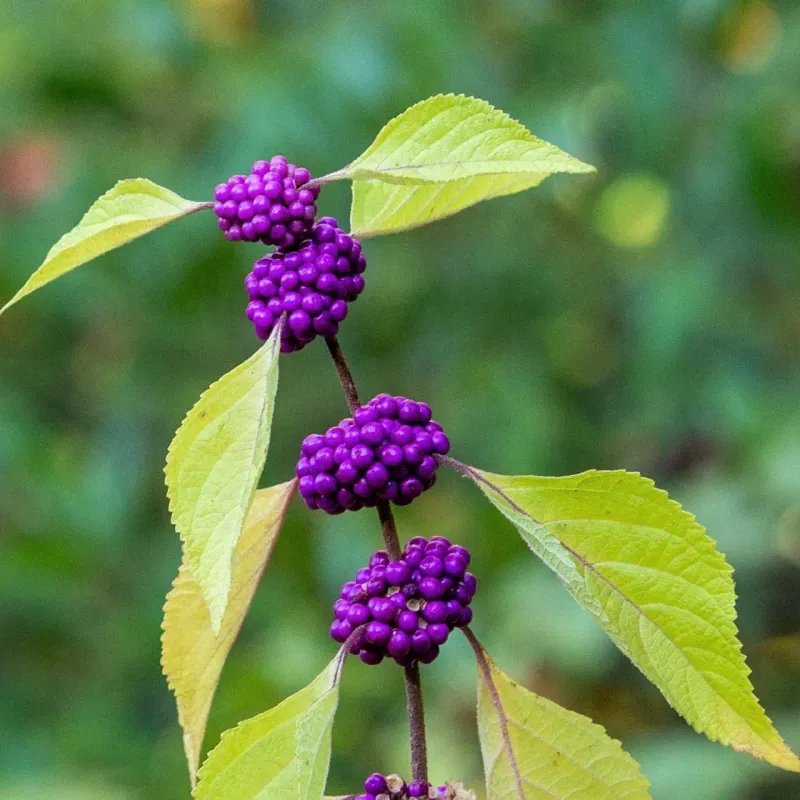
When American beautyberry fruits, people notice. The bright purple berry clusters look almost unreal, and the shrub brings a native-plant advantage that many Florida gardeners appreciate.
Beautyberry is the most landscape-like choice in this porch screen. Instead of acting like a small herb in a pot, it can form a loose shrub layer near the porch, especially along the outer edge of a patio or beside steps.
UF-IFAS and Florida native plant resources often highlight it as a wildlife-friendly shrub, and birds feed on the berries.
Leaves of American beautyberry contain compounds that have been studied for mosquito-repelling potential. In a home garden, think of it as one helpful piece of a larger plan rather than a guaranteed bug wall.
Its real strength is combining native habitat value, seasonal color, and leafy screening in one low-fuss plant.
Plant it in sun to part shade with room to arch naturally. It tolerates many Florida soils once established, though compost and mulch help in dry sandy spots.
Prune in late winter if you need to manage size, since berries form on new growth.
For porches that face a bare yard, beautyberry changes the whole view. You get privacy, bird activity, purple fall interest, and a plant with a real Florida sense of place.