
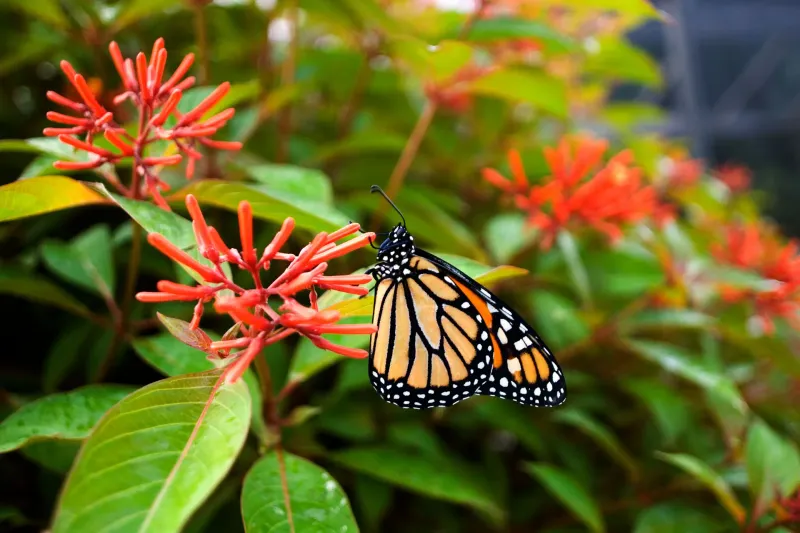
Areca palms look soft and tropical when they are happy, but in many Florida yards their fronds turn brown, crispy, or patchy. Sun, salt breeze, dry sand, wind, pests, and poor placement can all make them look tired fast.
The good news is that you have better choices for privacy, curb appeal, and low-maintenance greenery. Here are eight strong replacements that fit real Florida conditions and solve different yard problems.
1. Clusia
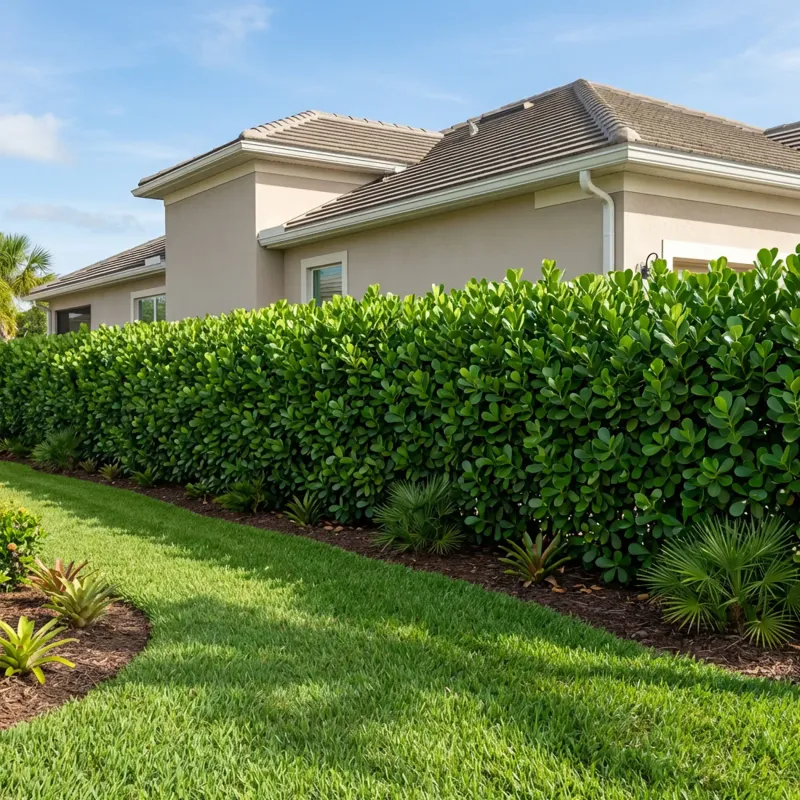
Glossy leaves can make a tired side yard look freshly landscaped almost overnight. Clusia, often called autograph tree, is a strong areca palm replacement when you want a dense privacy wall without the constant brown frond cleanup.
Unlike areca palms, clusia does not depend on feathery foliage to look good. Its thick, leathery leaves handle Florida sun, wind, and short dry spells better once established, especially in South and Central Florida landscapes where sandy soil drains fast.
Use clusia where you need a screen along a fence, pool cage, driveway, or neighbor-facing property line. It can be kept as a formal hedge with pruning, or allowed to grow looser for a more tropical look.
Give it room, because clusia can become wide and bulky if planted too close to walkways. In colder parts of North Florida, check local hardiness and pick protected sites, since freezes can damage tender growth.
For best results, water regularly during establishment, mulch the root zone, and avoid shearing it into a thin, stressed wall. A thicker hedge usually looks greener, blocks more views, and bounces back better after wind.
2. Podocarpus
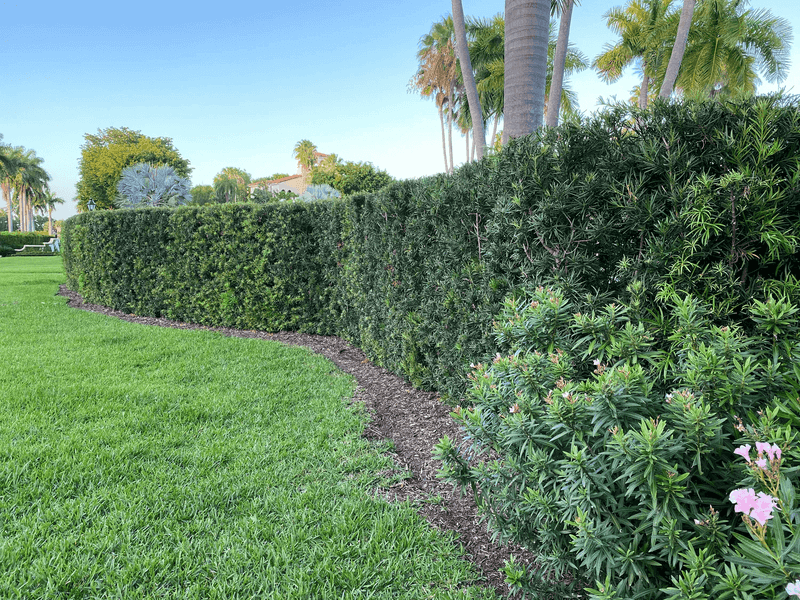
A narrow bed beside a house can be a tough place for areca palms. Podocarpus earns its spot because it gives a clean, upright screen without the fountain-shaped spread that makes arecas crowd paths and windows.
The foliage is fine-textured and evergreen, so it still feels polished and tropical enough for Florida curb appeal. At the same time, it has a more structured look, which suits entry beds, side yards, pool areas, and formal front landscapes.
Podocarpus handles pruning well, which is helpful if your old arecas were planted too close to a wall. You can clip it into a hedge, train it taller for privacy, or keep it as individual columns for a modern look.
Florida gardeners should improve the planting area with compost and mulch, especially in dry, sandy soil. While established plants are fairly durable, young podocarpus needs steady watering until roots spread beyond the original planting hole.
One practical bonus is leaf litter. You will not be dragging out long palm fronds after every windy afternoon, and the smaller dropped leaves are easier to hide under mulch.
3. Simpson’s Stopper
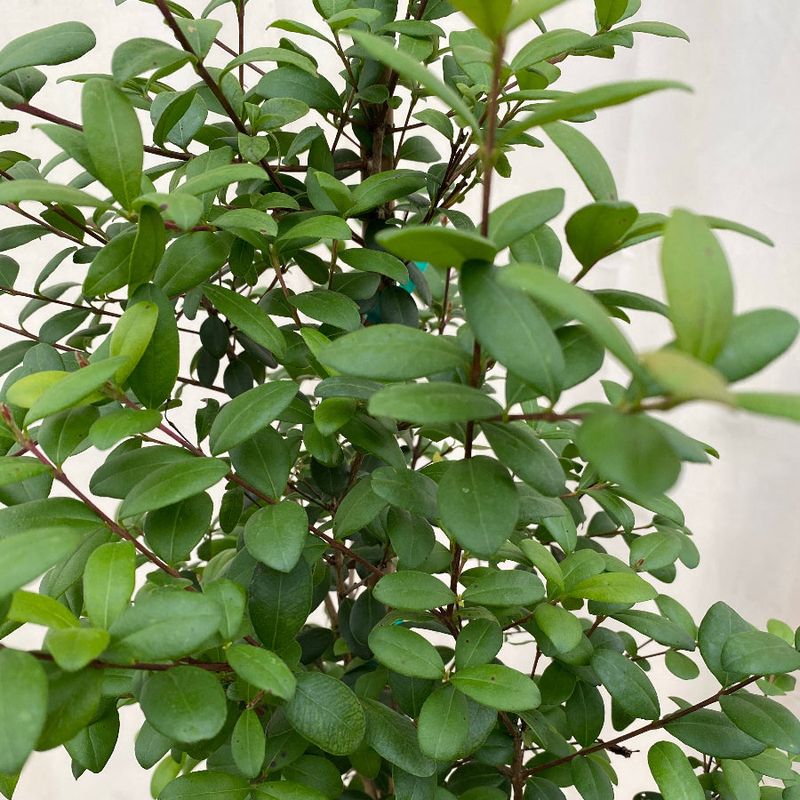
Birds know a good yard upgrade when they see one. Simpson’s stopper is a Florida native that replaces burned-out areca palms with glossy foliage, small fragrant flowers, and red-orange berries that can support backyard wildlife.
Its biggest difference is the habitat value. Areca palms may provide screening, but Simpson’s stopper adds food and shelter for birds while still working as a hedge, accent shrub, or loose privacy planting.
This plant fits Florida gardeners who want something attractive without creating a high-maintenance tropical thicket. It tolerates sun to part shade, accepts pruning, and generally works well in sandy soil once established with sensible watering.
Place it along property edges, around patios, or near windows where you can enjoy visiting birds. A mixed hedge of Simpson’s stopper with other natives can look more natural than a single-species wall and may recover more gracefully after storms.
Keep the first year simple: water deeply during dry spells, mulch well, and prune lightly instead of chopping it hard. Over time, it can become one of those quiet, dependable shrubs that makes a Florida yard feel alive.
4. Walter’s Viburnum
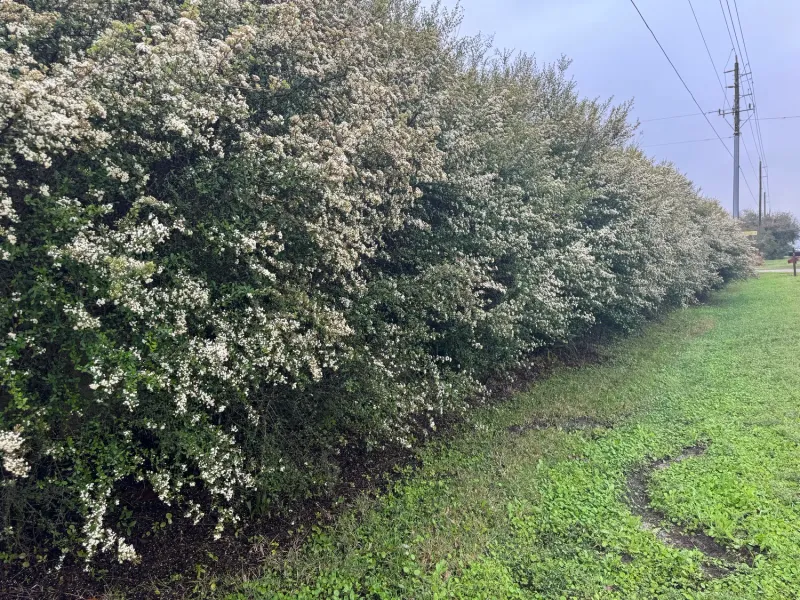
Spring flowers are a nice surprise when you thought you were only planting a screen. Walter’s viburnum is a Florida native choice that brings seasonal bloom, wildlife value, and a more refined hedge shape than many palm clumps.
For homeowners tired of scorched areca tips, the appeal is simple: smaller leaves do not show wind burn the same dramatic way palm fronds do. The plant can be maintained as a clipped hedge or left softer for a cottage-style native border.
Walter’s viburnum is especially useful for gardeners who want a privacy plant that does not scream tropical resort. It blends into Florida neighborhoods well, works near foundations when properly spaced, and pairs nicely with muhly grass, coontie, firebush, and other native plantings.
Different forms vary in size, so read the plant tag carefully. Some selections stay compact, while others can become much larger and better suited to property lines or broad beds.
Give it sun to part shade and avoid planting in a spot that stays soggy for long periods unless you know the selection and site can handle it. Once settled in, Walter’s viburnum can be a practical, pollinator-friendly answer to the areca burnout problem.
5. Coontie
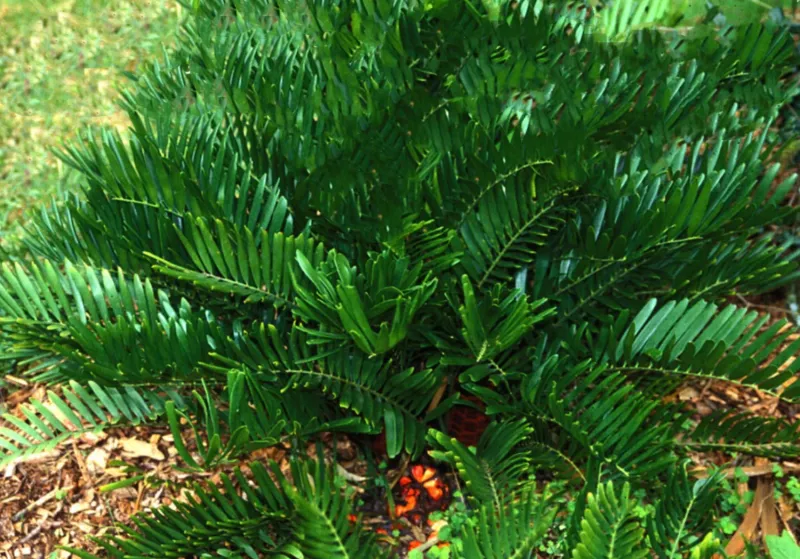
Not every areca replacement needs to become a tall screen. Coontie is the choice for gardeners who removed ragged palms from an entry bed and now want something lower, neater, and deeply Florida.
This native cycad has stiff, dark green foliage that gives a tropical look without the tall, arching fronds that often burn on exposed arecas. It stays compact compared with palms, making it useful near walkways, mailbox beds, porch steps, and under windows.
Coontie also brings a wildlife bonus because it is a larval host plant for the atala butterfly, where that butterfly occurs. That gives a small planting bed more purpose than plain foundation greenery.
Use coontie in clusters for the best visual effect. A single plant can look lonely, but three, five, or more create a tidy, sculptural mass that handles Florida heat and sandy soil once established.
Good drainage matters, so do not bury the crown or plant it in a constantly wet dip. If your old arecas failed because the site was too sunny, too dry, or too tight, coontie may be the calmer, longer-lasting fix.
6. Silver Saw Palmetto
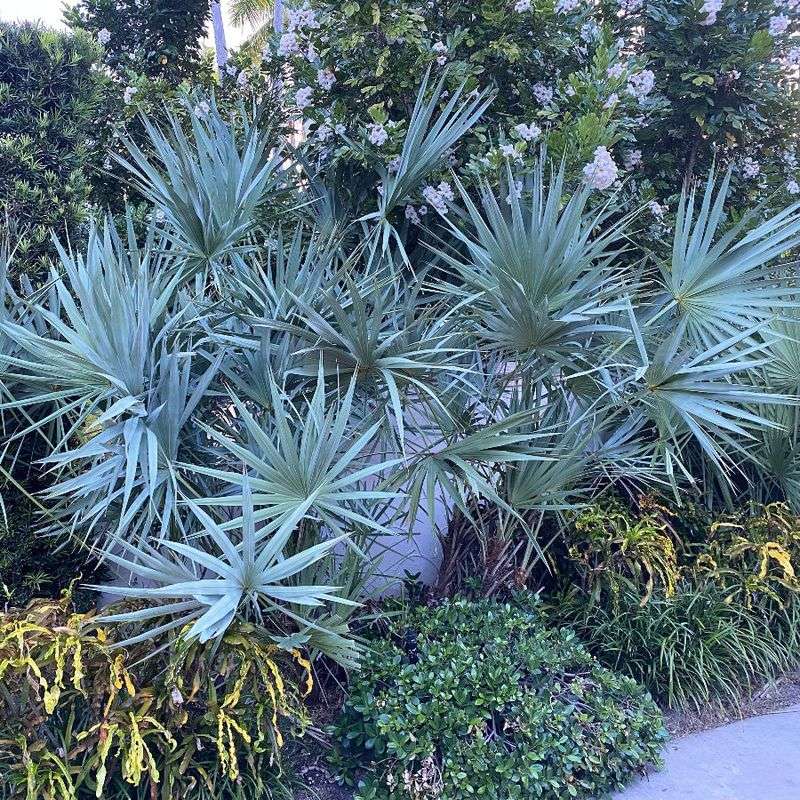
Blue-silver foliage can change the whole mood of a hot Florida bed. Silver saw palmetto gives you a palm-like look, but with tougher native character and a low, rugged shape that suits sunny, sandy sites.
Compared with areca palms, saw palmetto feels less fussy and more rooted in the Florida landscape. It naturally handles heat, sandy soil, and exposed conditions better than many lush tropical screening plants once it is established.
This is not the right pick if you need a narrow hedge by tomorrow. It grows slowly and has a spreading habit, so it works best as a long-term feature in broad beds, coastal-style landscapes, road-facing areas, and wildlife-aware yards.
The silver form looks especially striking beside dark mulch, coontie, muhly grass, sunshine mimosa, or native wildflowers. Its fan leaves add shape and texture without the constant crispy feather-frond look that frustrates areca owners.
Give it space and avoid placing it where people will brush against the leaf stems. The edges can be sharp, but in the right place, silver saw palmetto is one of the most Florida-smart swaps you can make.
7. Firebush
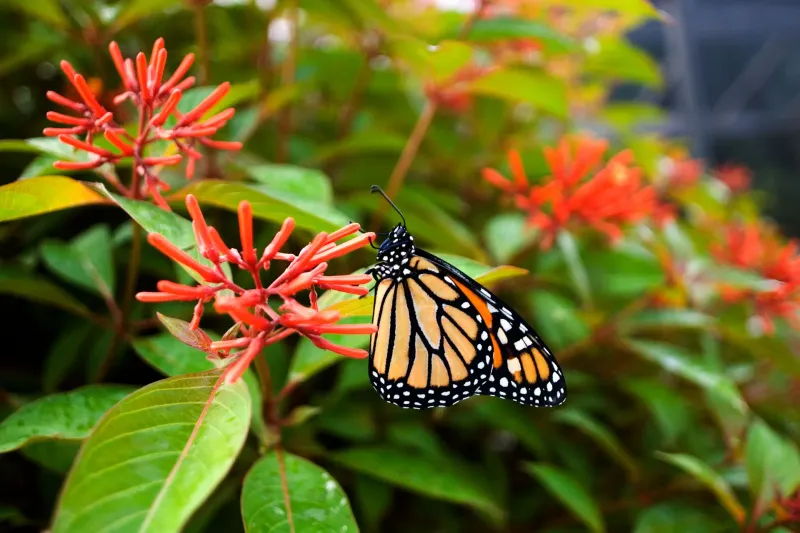
When the old areca hedge comes out, the yard can suddenly feel bare and dull. Firebush answers with color, movement, and nectar-rich flowers that can draw butterflies and hummingbirds through much of Florida’s warm season.
Its reason for being on this list is not formal privacy. Firebush is best when you want a lively shrub that softens a corner, fills a sunny bed, or creates a loose screen with blooms instead of plain green leaves.
In much of Florida, native firebush can grow fast in warm weather and take heat well after establishment. It may thin or die back after cold snaps in colder areas, but it often returns from the roots where conditions are suitable.
Plant it where you can enjoy the wildlife traffic, such as near a patio, kitchen window, or back fence. Pair it with sturdy evergreens if you need year-round privacy, because firebush is more seasonal and informal than clusia or podocarpus.
A light pruning can keep it fuller, while too much trimming may reduce flowers. If your main goal is turning a brown-frond problem into a pollinator-friendly feature, firebush is a cheerful Florida fix.
8. Dwarf Yaupon Holly
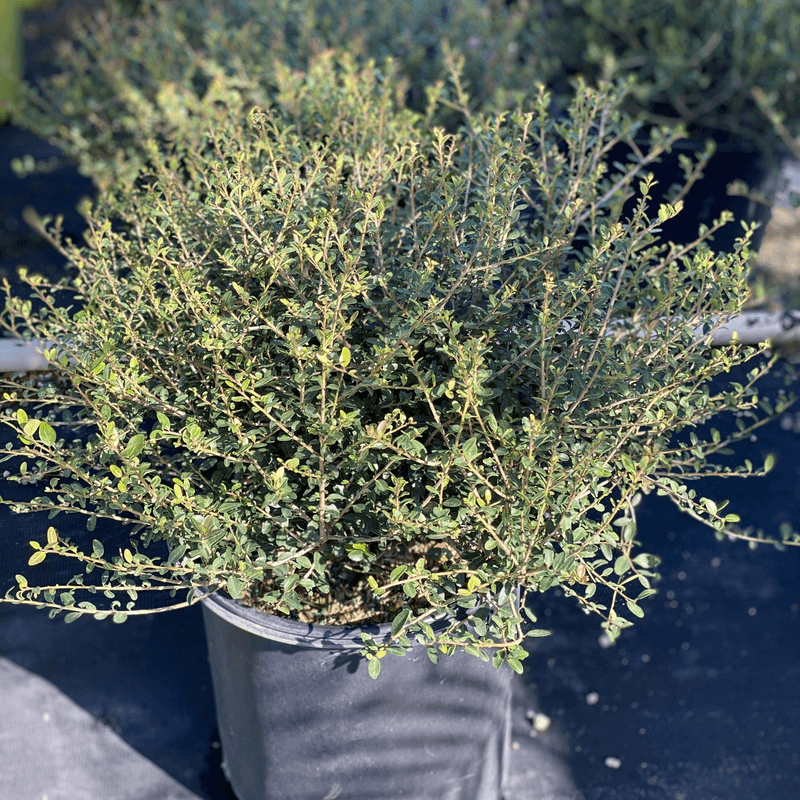
Some yards do not need another tall plant at all. Dwarf yaupon holly is a smart replacement when areca palms were hiding windows, crowding the porch, or making the front of the house look messy.
This native evergreen has small leaves and a naturally tidy habit, so it reads as clean and intentional from the street. It can handle pruning, but it does not need to be shaved every few weeks to look acceptable.
Use dwarf yaupon holly in foundation beds, along walkways, around patios, or in front of taller shrubs. It creates structure at knee-to-waist height, which is often exactly what a bed needs after oversized palms are removed.
Florida’s sandy soil can dry quickly, so water new plants well until established and mulch to protect shallow roots. Once settled, yaupon is generally known for being adaptable, which is why it shows up in many Southern landscapes.
For a stronger design, repeat it in groups instead of scattering one here and one there. Add seasonal flowers, native grasses, or coontie nearby, and the old burned areca bed can become lower-maintenance and more polished.