
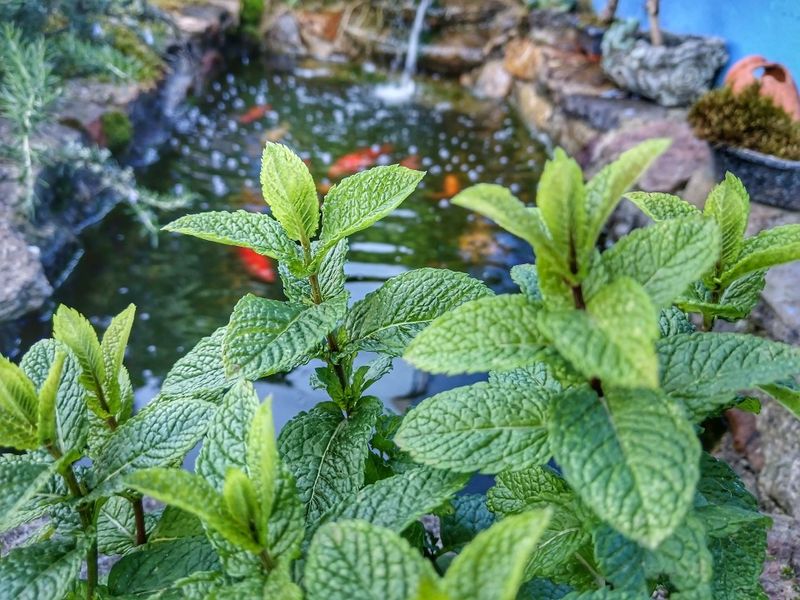
A viral claim has been circulating among Texas homeowners: plant one specific herb in your yard and rats will stop showing up every night. The plant most often linked to this promise is mint, usually peppermint, and the idea sounds appealing because it is natural, inexpensive, and easy to grow.
But before you fill your garden beds with it, the real picture is more complicated and more useful than the headline suggests.
Mint may help with scent, but it is not a proven rat solution
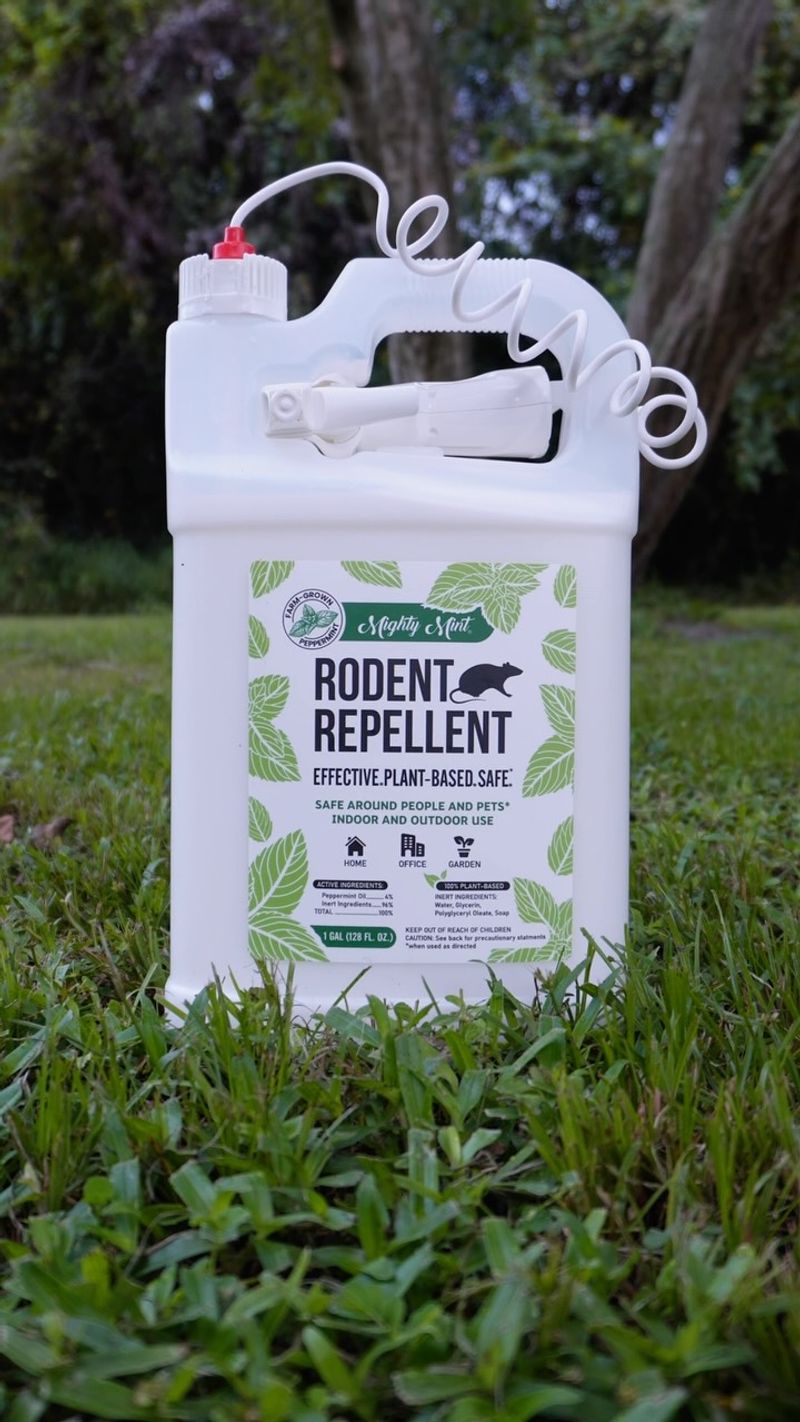
Peppermint is almost certainly the plant behind the claim circulating in Texas neighborhoods and on social media. Its strong menthol scent is genuinely unpleasant to many animals, and that biological reality gives the idea a surface plausibility that keeps it spreading.
Mint, often peppermint in versions of this claim, appears to be the plant being discussed whenever a single yard herb is promised as a nightly rat deterrent.
Some laboratory and enclosure research does suggest that mint-related odors can reduce rat feeding or visits under controlled conditions. A 2014 study on plant-based rodent repellents found that certain botanical odors affected rat behavior in enclosed test settings, and a Thai Journal of Veterinary Medicine study on essential oils observed reduced activity near treated areas.
Those findings are real, but they come with a critical limitation: the tests were conducted in controlled spaces where the scent was concentrated and the rats had few alternatives.
A residential Texas yard is nothing like a laboratory enclosure. Food, water, shelter, and familiar travel routes are all competing with whatever odor a mint plant produces outdoors.
University of Florida IFAS guidance on repellent effectiveness notes that results depend heavily on food availability, rat population size, habituation, and how often a repellent is reapplied. No authoritative source has established that a living mint plant established in a yard will clear a recurring rat problem.
Treating this article’s original promise as an investigation of a limited supplemental tactic, rather than a guaranteed cure, is the honest and practical approach.
Oil studies do not prove that planted mint works
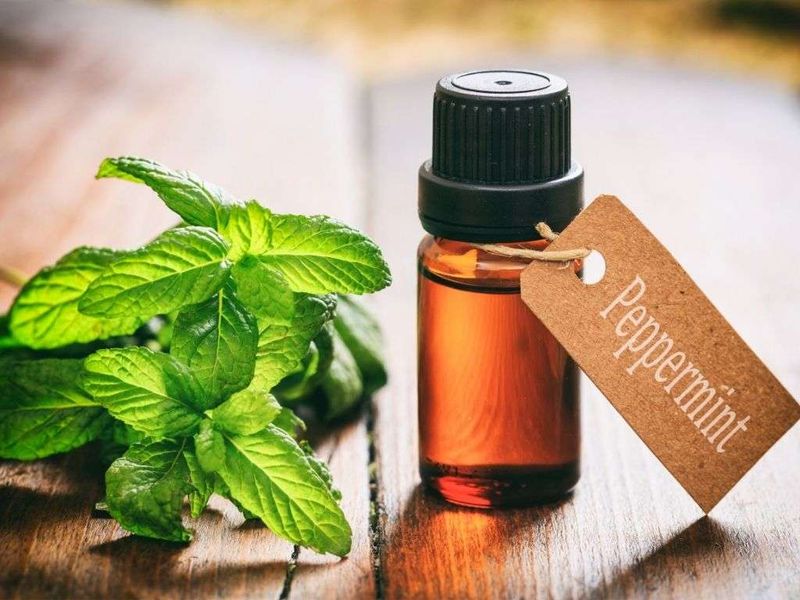
One of the most common errors in coverage of this topic is treating a study about peppermint oil as proof that a potted mint plant will do the same job. Those are meaningfully different things.
A concentrated essential oil delivers a far stronger, more controlled dose of odor than the leaves of a live plant releasing scent passively into open Texas air. Rain, wind, heat, and the sheer size of a typical yard dilute that scent further still.
A 2016 rodent repellent review published on PubMed specifically concluded that additional work was needed to determine how long plant-based repellent effects last and whether results hold when animals have access to alternative food sources. That honest caveat rarely makes it into the social media version of the claim.
The researchers were working with oils and extracts, not garden plants, and still found the evidence incomplete for real-world conditions.
Another point worth making plainly: concentrated essential oils are not automatically safe because they come from plants. Penn State Extension cautions that natural repellent products still require careful handling around children and pets, and the EPA notes that minimum-risk botanical products have not necessarily been evaluated for effectiveness.
University of Minnesota Extension guidance on keeping animals out of gardens mentions mint-based repellent products as a possible supplemental step, but pairs that advice with barriers and reapplication after rain, and refers specifically to commercial repellent products rather than a plant growing in the ground. The gap between a concentrated, repeatedly applied commercial product and a single mint plant in a Texas flower bed is wide enough to matter.
Food, shelter, and access keep rats using a yard
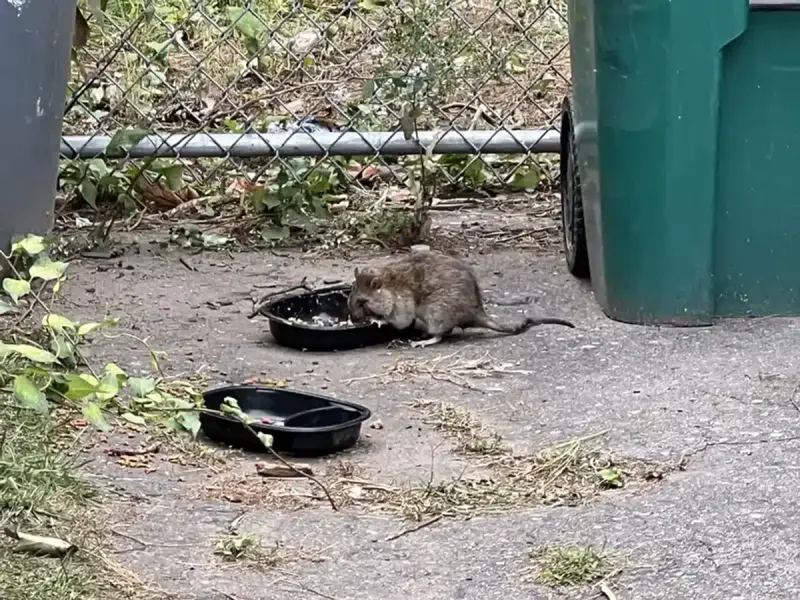
Rats do not return to a yard every night because they enjoy the location. They return because the yard reliably supplies what they need: food, water, shelter, and a safe path to more of the same.
Until those resources are reduced or removed, any scent-based deterrent operates at a severe disadvantage. UF/IFAS guidance on rodent repellents states directly that food availability and habituation are among the most significant factors determining whether a repellent produces lasting results.
Common attractants in Texas yards include unsecured garbage, pet food or livestock feed left out overnight, birdseed that spills beneath feeders, compost bins without tight lids, fallen fruit from trees, and standing water in low spots or containers. Dense vegetation, brush piles, stacked lumber, and cluttered storage areas near structures give rats the covered travel routes and nesting sites they prefer.
Reducing these resources is a more reliable strategy than adding a plant, regardless of what that plant smells like.
Species identification also matters before choosing a yard response. Texas A&M AgriLife Extension guidance on rats and mice and UF/IFAS identification resources distinguish roof rats, which are agile climbers and commonly use trees, palms, fences, utility lines, roofs, and attics, from Norway rats, which more often use ground-level burrows and sheltered areas near foundations.
Arizona Cooperative Extension’s roof rat guidance notes that removing trees or specific plants alone will not prevent new rats from arriving if the underlying attractants and access points remain. Not every Texas yard has the same species or the same risk profile, and the right response starts with knowing which rat you are dealing with.
Grow mint in a container if you want it in the yard
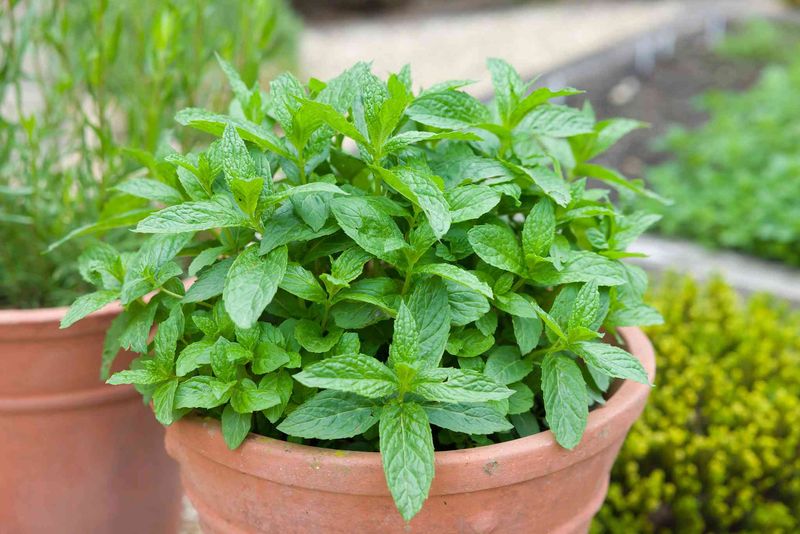
Mint is a genuinely useful herb, and there is no reason to avoid it in a Texas yard as long as it is managed well. The practical problem is not the scent but the growth habit.
Utah State University Extension’s guide to mint in the garden explains that mint spreads through underground runners and can overtake nearby planting areas quickly. Mint can spread readily in suitable growing conditions, so a container or confined bed is prudent for any Texas gardener who wants to keep it manageable.
A container near a patio, back door, or kitchen window makes good sense as an ornamental or culinary choice. The leaves are useful in cooking and drinks, the plant is low maintenance, and the scent is pleasant for people even if its deterrent value for rats is uncertain.
Placing it near a frequently used outdoor area means you will actually harvest and enjoy it, which also keeps the plant trimmed and productive.
What a container of mint cannot do is replace the control measures that address established rat activity. University of Minnesota Extension guidance treats mint-based repellents as a supplemental step to be combined with physical barriers, not as a standalone solution.
If rats are already active in your yard, planting mint, even a healthy container of it, will not interrupt their nightly routines. Think of it as an enjoyable garden addition that might contribute a mild, unpleasant scent near one spot, not as a perimeter defense or a substitute for sanitation and exclusion.
Remove the food and cover that support repeat activity
Sanitation is the highest-value action available to any Texas homeowner dealing with recurring rats. Garbage cans should have tight-fitting lids and be stored in a garage or shed when possible.
Pet food and livestock feed left outside overnight are among the most reliable rat attractants, and both should be moved indoors or into sealed containers each evening. CDC rodent control guidance specifically identifies these food sources as key drivers of persistent rat activity around homes.
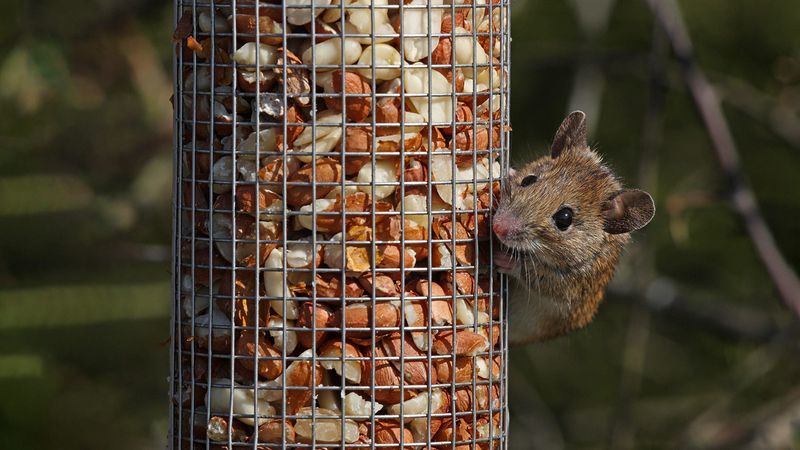
Bird feeders deserve particular attention. UF/IFAS guidance on birds and rodent activity notes that spilled seed beneath feeders can sustain rat populations even when other food sources are managed.
Using a rodent-resistant feeder design, cleaning spilled seed regularly, and positioning feeders away from structures rather than directly against fences or walls all reduce this risk without requiring you to give up bird watching entirely. Compost bins should have secure lids and should not receive meat scraps or cooked food.
Cover reduction is equally important. CDC recommendations for rodent prevention and Texas Parks and Wildlife guidance on urban wildlife both emphasize removing brush piles, stacked wood, debris, and dense vegetation within a few feet of buildings.
Rats use that cover for nesting and as protected travel corridors. Clearing it does not guarantee removal, but it makes your yard less hospitable regardless of what you plant.
These steps reduce the resources that sustain rat activity, and they work whether or not you ever add a single mint plant to the yard.
Seal buildings and disrupt climbing routes
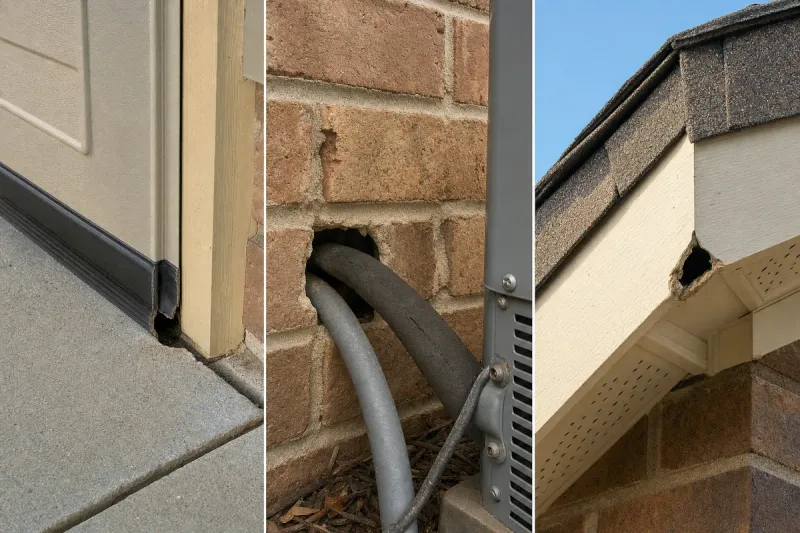
Removing food and cover reduces why rats visit a yard. Sealing buildings and blocking climbing routes addresses how they get from the yard into the structure.
Both are necessary, and neither works as well without the other. CDC exclusion guidance directs homeowners to inspect and seal openings around foundations, doors, windows, utility penetrations, attics, garages, sheds, and crawl spaces.
Rats are capable of compressing their bodies through surprisingly small gaps, so a careful inspection covering all accessible entry points is more reliable than targeting only large or obvious openings.
Materials that hold up against gnawing include steel wool packed into gaps before caulking, hardware cloth, sheet metal flashing, and concrete or mortar for larger voids. Wood, rubber, and plastic alone are not dependable barriers against determined rats.
CDC prevention recommendations also cover doors and windows, which should close tightly with no visible light gaps at the edges.
For yards where roof rat activity is likely, climbing routes require separate attention. UF/IFAS roof rat management guidance and Arizona Cooperative Extension’s roof rat resource both recommend pruning tree branches so they do not hang over or touch the roofline, fences, or utility lines.
UF/IFAS identification and habitat guidance notes that roof rats move easily between trees, palms, overhead wires, and attic vents, making those transition points the most critical spots to address. Promptly picking up fallen fruit and removing dense ornamental vegetation that leans against walls further reduces the elevated pathways these climbers depend on.
These are structural and landscape adjustments that target access and movement directly, which is a more dependable approach than relying on any scent to turn rats away.
Escalate safely when signs continue
If rats are still active after food sources have been secured and entry points addressed, trapping or professional control becomes the practical next step. Snap traps remain one of the most straightforward options for homeowners: they are inexpensive, widely available, and do not introduce toxicants into the yard environment.
Place them along walls and travel routes where droppings, gnaw marks, or grease marks indicate regular rat movement, and check them daily. EPA guidance on rodent infestation options puts prevention and exclusion first, then lethal traps, and then properly labeled bait products when trapping alone is insufficient.
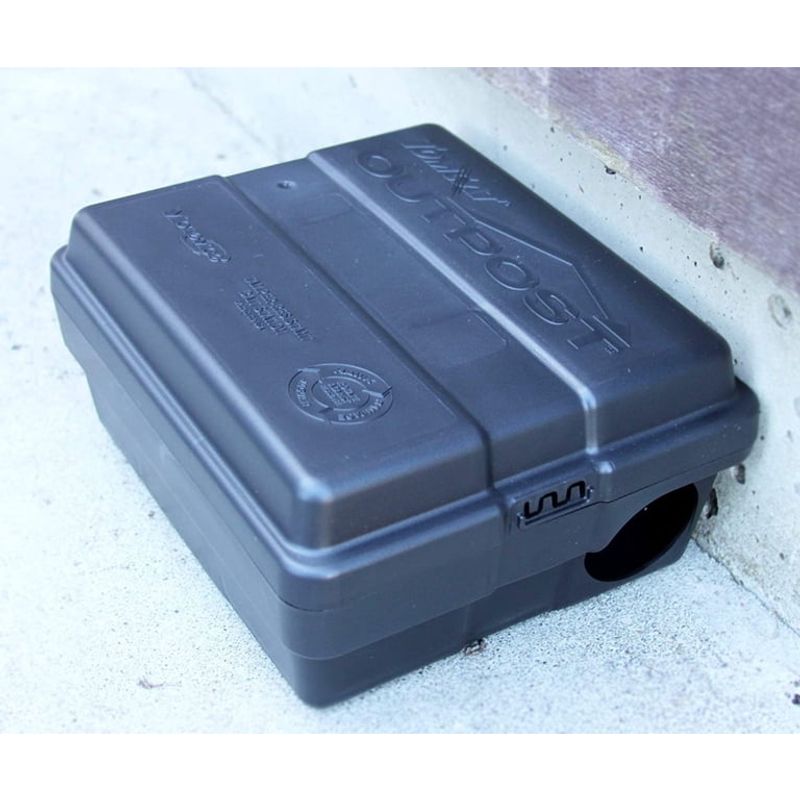
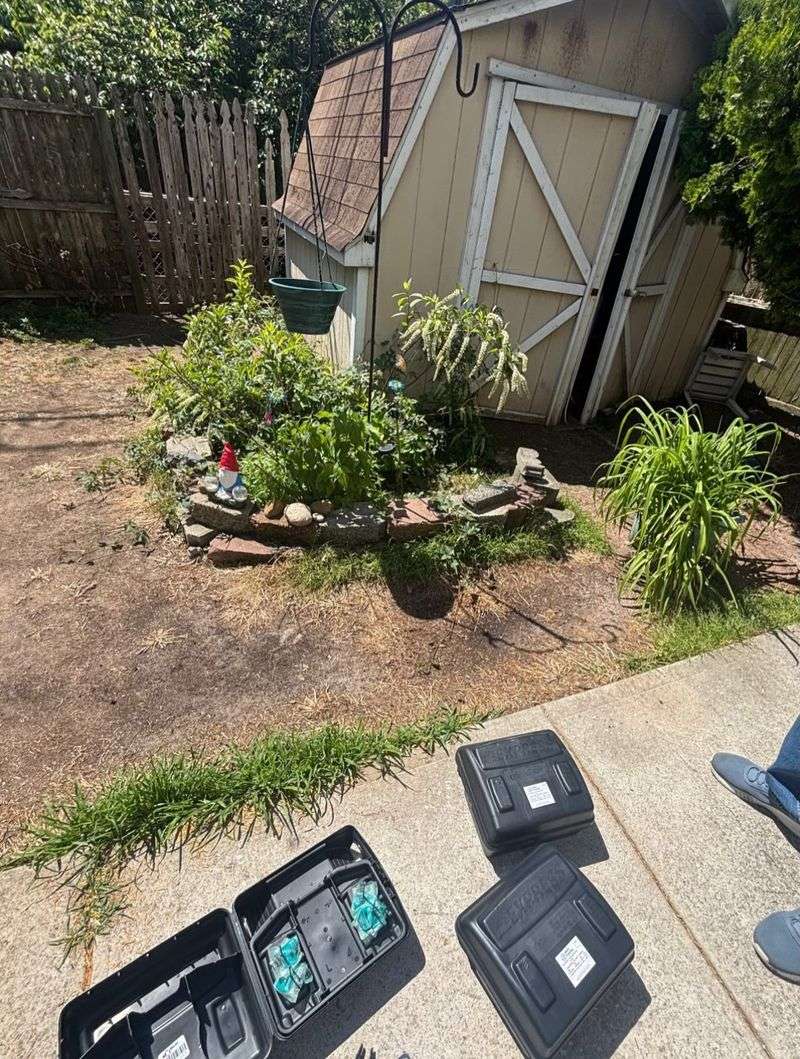
When considering outdoor rodenticides, read the product label carefully before purchasing. EPA rodenticide safety requirements mandate that consumer bait products be used only in the tamper-resistant stations in which they are sold, and that those stations be placed where children, pets, and non-target wildlife cannot reach them.
EPA’s rodenticide pesticide safety review details why loose bait, pellets scattered in open areas, and homemade toxic mixtures are prohibited: the risk to pets, raptors, and other wildlife is serious. Texas A&M AgriLife Extension recommends calling a licensed pest management professional when an infestation is well established or when DIY efforts have not reduced activity.
Cleanup after confirmed rat activity also requires care. CDC hantavirus prevention guidance is clear: do not sweep or vacuum dry droppings or nesting material, because disturbing them can aerosolize particles that carry disease.
Instead, wet the contaminated area with a disinfectant solution, allow it to soak, then wipe it up with gloves and disposable materials, following the full CDC wet-cleanup procedures. Wear gloves and, in enclosed spaces, appropriate respiratory protection.
Rat activity around a home is a health and sanitation concern, not just a nuisance, and cleanup deserves the same seriousness as control.
Use mint as an optional extra, not the solution
Mint, grown in a container near a patio or kitchen door, is a reasonable addition to a Texas yard for anyone who values the scent or the culinary use. Place it where you will actually tend it, harvest it regularly, and enjoy it.
That is a realistic and honest role for the plant.
Expecting it to stop rats from returning every night is a different matter entirely. Texas A&M AgriLife Extension’s integrated rat management guidance does not list planting mint as a primary or reliable control measure, and CDC exclusion guidance keeps the emphasis on sealing entry points and removing attractants.
EPA options for dealing with rodent infestations follow the same hierarchy: prevention first, then trapping, then properly labeled control products when needed.
Recurring rat activity in a Texas yard calls for removing food and cover, sealing the building, disrupting climbing routes, and using appropriate trapping or professional help when signs persist. A container of mint can sit pleasantly on the patio while all of that work happens.
What it cannot do is replace any part of that work. Integrated management, not faith in a single plant, is the approach that holds up over time.