
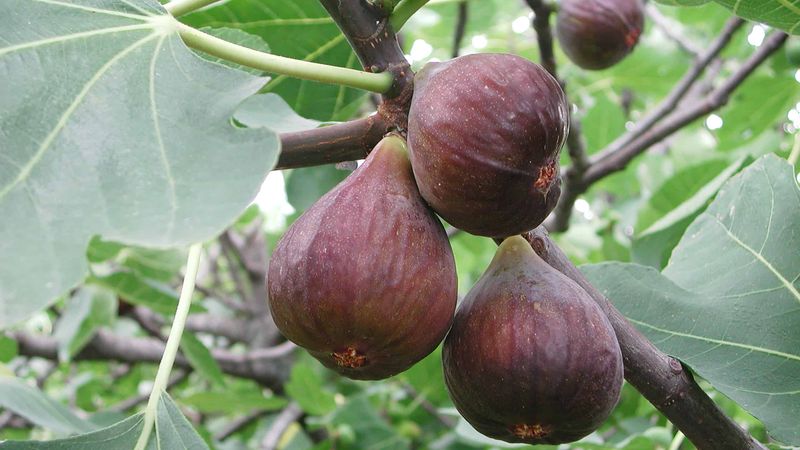
Many Texas backyard fig growers walk outside after a rough winter and wonder why their tree barely produced anything by summer. The answer usually traces back to what happened, or did not happen, in the weeks before the cold arrived.
Protecting a fig tree through a Texas winter is not one single chore but a short list of practical steps that can make a real difference in how much fruiting wood survives to carry next season’s crop.
Winter preparation protects the next crop without guaranteeing it
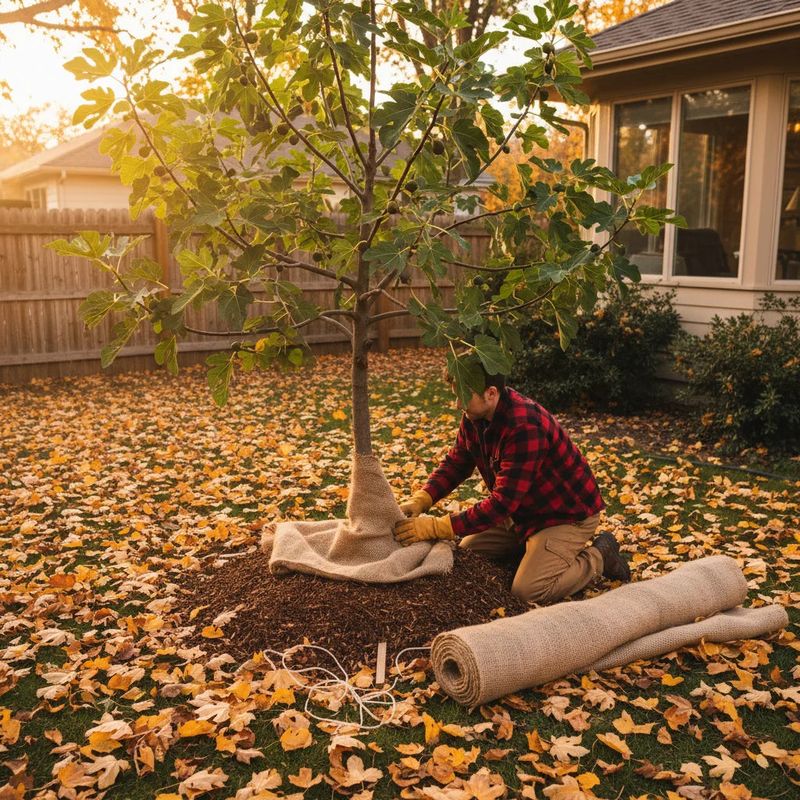
Fall and early winter are not the time to step back from your fig tree, but they are also not the time to attack it with pruning shears. Texas A&M AgriLife Extension guidance on growing figs in Texas points to protecting the root crown and lower stems as the central task before freezing weather arrives, because that is where freeze damage does the most lasting harm.
Getting that protection in place, along with a few supporting steps, can reduce the chance of losing productive wood and push the tree toward a stronger recovery in spring.
The preparation package includes mounding insulating material around the base, watering before a hard freeze when the soil is dry, and holding back anything that would push tender new growth late in the season. Each of those steps addresses a different risk, and skipping any one of them can leave the tree more vulnerable than it needs to be.
Even so, no combination of fall steps guarantees a large summer harvest. University of Florida IFAS research on fig production confirms that crop size also depends on cultivar, the severity of winter temperatures, soil drainage, drought stress, how much fruiting wood survived, and whether the tree produces an early breba crop on older wood or a main crop on new growth.
Winter preparation is one important factor in a longer list, not a single switch that controls the whole outcome.
Freeze injury can reduce fruiting months before harvest
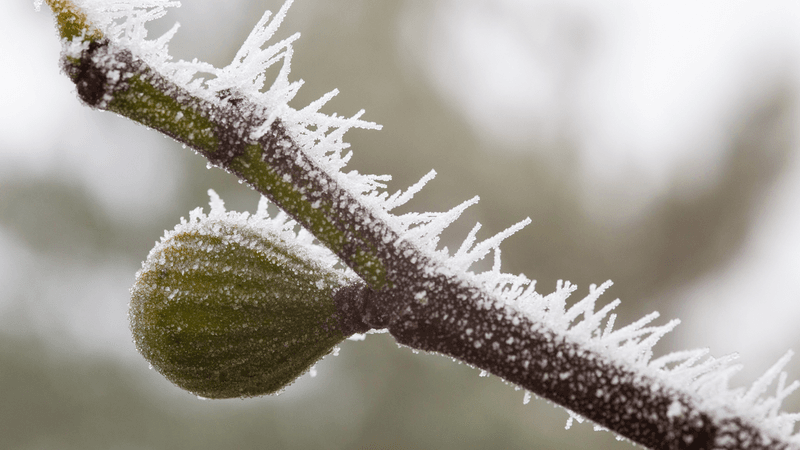
A hard freeze does not just slow a fig tree down for a few days. When temperatures drop low enough, the stems can die back entirely, the lower trunk can suffer damage at the cambium layer, and in severe cases the root crown itself can be injured.
Texas A&M’s fig-growing guide notes that freeze injury can force the tree to regrow from the base, which means the plant spends energy rebuilding its structure rather than producing fruit.
That regrowth takes time. A tree that loses most of its above-ground wood in January or February may push out healthy new shoots by April or May, but those shoots are starting from scratch.
They have not had the season of growth needed to carry a mature fruit load, so the summer harvest can be thin or nonexistent, not because the tree is dying but because it is rebuilding.
The connection between a winter freeze and a weak summer crop is real, but it is not always obvious in the moment. Texas A&M AgriLife Extension’s fruit and nut production publication describes figs as deciduous, meaning a bare, leafless tree in winter is behaving normally.
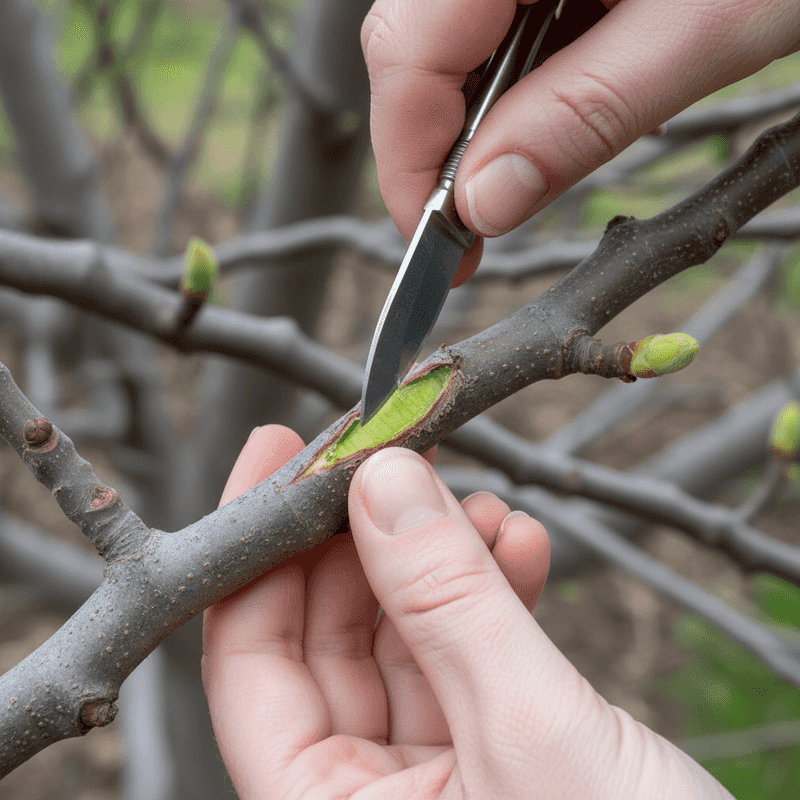
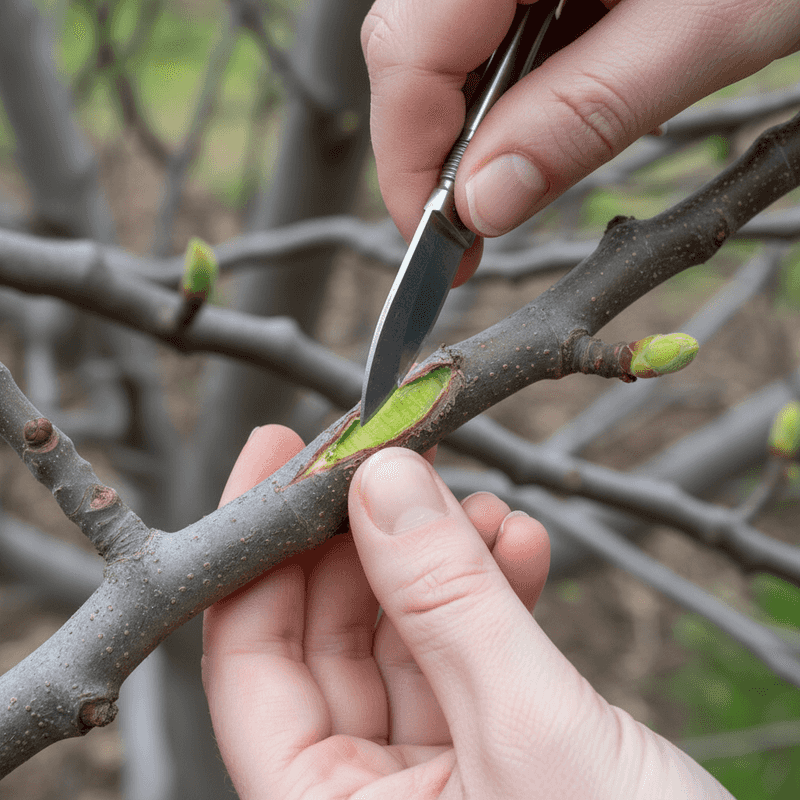
The meaningful question is not whether the tree has dropped its leaves but whether the stems are still alive inside the bark. Scratch a stem lightly with a fingernail or knife tip; green tissue underneath means the wood survived, while brown or dry tissue signals dieback.
Readers who judge their tree dead in January and cut it to the ground may be removing wood that would have leafed out fine by March. Waiting for spring growth to appear, then assessing what actually survived, gives a much clearer picture of how much fruiting wood remains and what kind of harvest is realistic.
Protect the root crown and lower stems before serious freezes
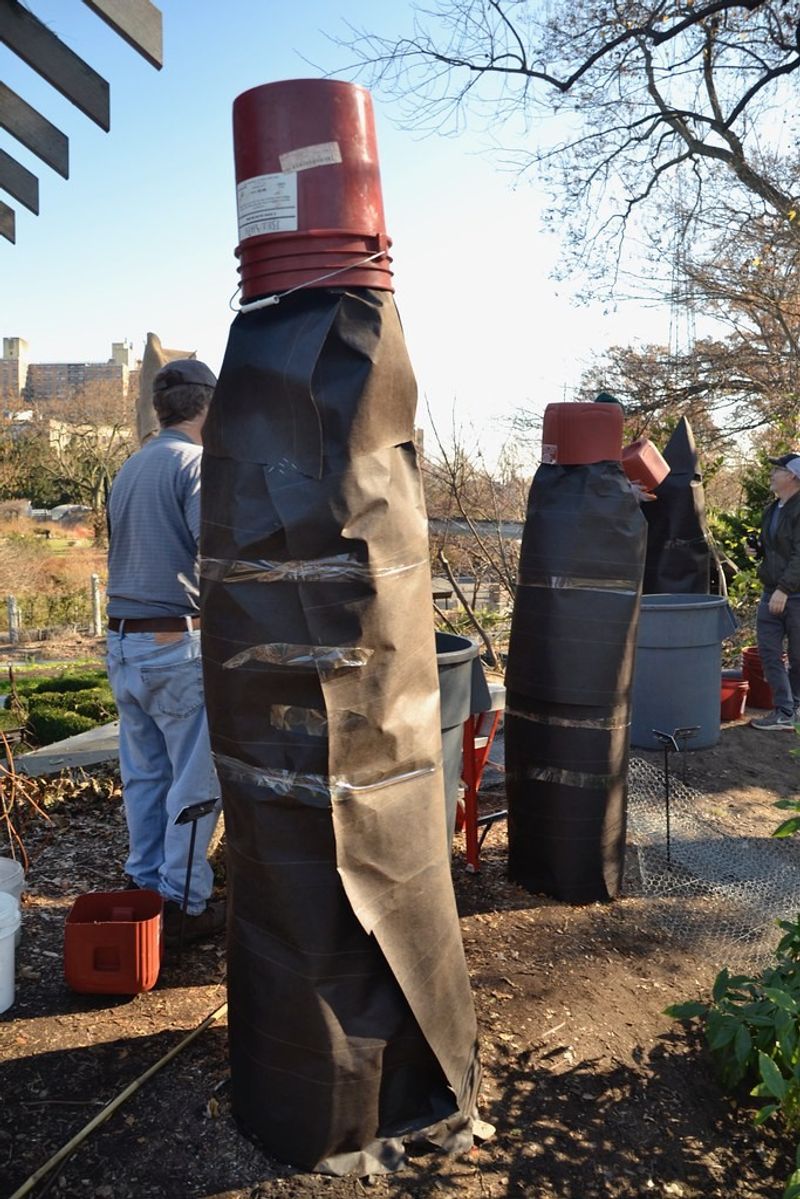
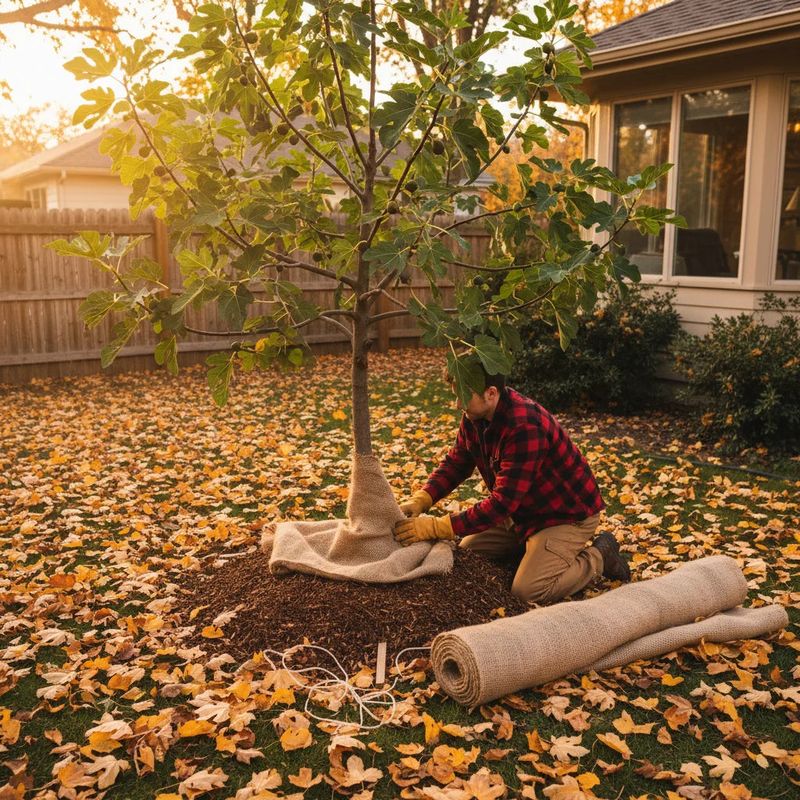
The most reliable thing a Texas fig grower can do before a hard freeze is get insulating material around the base of the tree. Texas A&M recommends mounding hay roughly 2 to 3 feet above the ground line around mature figs as winter sets in.
For young trees, a wire cage filled with hay provides similar protection and keeps the material from blowing away. Once frost danger has passed in late winter or early spring, the hay should be pulled back so moisture does not build up against the bark and invite disease.
This approach works best at the base because that is exactly where the root crown and lowest stem tissue sit. The exposed upper branches of a fig tree are harder to protect reliably, and a severe freeze will often kill them regardless of what you pile around the trunk.
The goal is to keep the roots alive and preserve as much of the lower stem as possible, because that surviving tissue is what the tree regrows from when the tops die back.
Texas fig growers have long favored training their trees as multi-trunked bushes rather than single-trunk standards, and freeze protection is a big reason why. A low, spreading form keeps more of the productive wood close to the ground where hay or other insulating material can actually reach it.
A tall, single-trunk tree has most of its branches out in the open, making them far more exposed to cold air and wind.
Organic mulch applied over the root zone, kept a few inches back from the trunk itself, adds another layer of insulation for the shallow roots. Figs root close to the surface, so even a few inches of mulch can buffer temperature swings at the soil line.
The combination of mounded hay at the base and mulch over the root zone addresses the two most vulnerable areas without requiring anything elaborate or expensive.
Water dry trees before a freeze, not throughout a wet winter
Watering a fig tree before a hard freeze is useful, but the timing and the reason matter. Moist soil holds heat better than dry soil, and shallow-rooted fig trees need reasonable soil moisture to handle cold stress without additional strain.
Texas A&M’s fig guide recommends thorough watering several days ahead of a forecast hard freeze when the fall or winter soil is dry, giving the water time to penetrate and the soil time to settle before temperatures drop.
That recommendation is conditional, not a standing winter irrigation schedule. Texas A&M AgriLife resource guidance on agricultural plants cautions that figs are sensitive to poor drainage, and saturated soil around the roots can cause as much harm as drought.
If your planting site drains slowly or holds water after rain, adding more before a freeze may do more damage than good.
During active growth in spring and summer, consistent moisture matters because figs root shallow and drought stress can cause leaves and developing fruit to drop. Winter is different.
The tree is dormant, its water demands are low, and the primary concern is making sure the soil is not bone dry when a hard freeze arrives, not keeping it continuously wet for months.
A straightforward check before any serious cold front is whether the soil feels dry several inches down. If it does and no rain is expected before the freeze, water thoroughly and give it a few days to absorb.
If the soil already has adequate moisture or if rain fell recently, skip the extra watering. Pre-freeze watering supports the tree’s moisture status and may ease cold stress, but it does not replace physical protection around the base and does not prevent all freeze injury on its own.
Stop late growth, and prune only what the tree needs
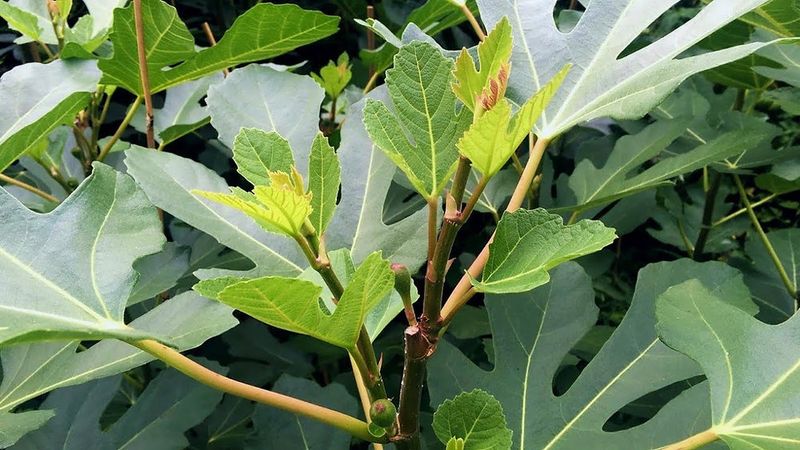
Two common fall mistakes can hurt a Texas fig tree in completely different ways, and they are worth keeping separate rather than lumping together as one general problem. The first is pushing late-season growth with fertilizer or heavy irrigation.
When a fig tree puts out a flush of soft new tissue in October or November, that growth has not had time to harden before freezing weather arrives, making it far more vulnerable to cold damage than wood that matured earlier in the season. UF/IFAS guidance on fig production specifically advises against late-summer fertilizer and irrigation practices that stimulate tender growth ahead of cold weather.
The second mistake is heavier pruning than the tree actually needs. Cutting away older wood in fall or early winter can remove the branches that carry the breba crop, which is the early flush of figs that develops on mature wood in spring.
That loss shows up as a missing early harvest, even if the tree goes on to produce a main crop on new growth later in the season. Texas A&M’s fig-growing guidance describes dormant-season pruning as a maintenance task focused on dead, diseased, and poorly placed limbs, not an annual haircut intended to stimulate production.
Conservative cleanup is the right frame for most Texas fig growers. Remove limbs that are clearly dead, show signs of disease, cross and rub against other branches, or are too weak to support fruit.
Texas Plant Disease Handbook guidance on winter injury also supports withholding fertilizer and reducing irrigation in late summer and fall to help woody plants harden before cold weather arrives. Pruning timing can shift based on cultivar and region, but the general principle holds: take what the tree genuinely does not need, and leave the rest.
Preserve the wood for the fig crop you want
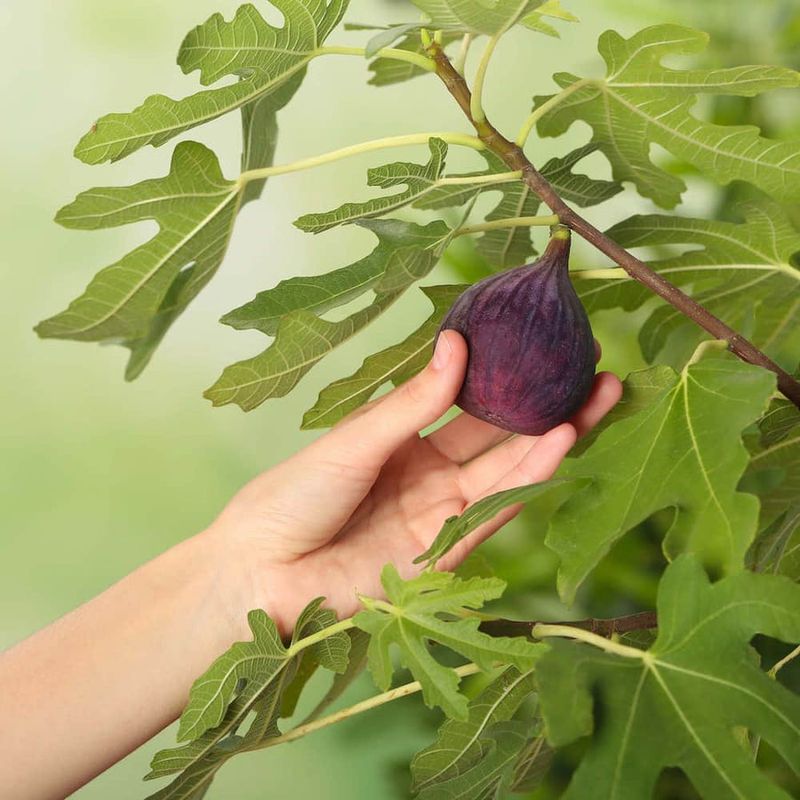
Not all fig crops come from the same wood, and that distinction changes how you should think about both pruning and freeze damage. Breba figs are the early fruits that develop on wood from the previous season.
They appear in spring or early summer, well before the main crop, and their presence depends entirely on whether that older wood survived the winter intact. UF/IFAS documentation on fig crops explains that the main crop on many common fig varieties forms on current-season growth and ripens later in summer or into fall, which means it can still develop even after significant winter dieback, as long as the roots and crown survive to push new shoots.
Removing older branches in fall, whether through deliberate pruning or as a result of freeze damage, affects these two crops differently. The breba crop disappears along with the wood it was going to grow on.
The main crop may still appear on whatever new growth the tree pushes in spring. A grower who cuts aggressively in winter and then wonders why there were no early figs has likely removed the very wood that would have carried them.
Cultivar plays a real role here. Texas A&M AgriLife’s fruit and nut production publication notes that Texas Everbearing and Brown Turkey types can produce an early crop followed by a longer main-crop period, while other varieties produce little or no breba fruit regardless of how much older wood they carry.
Knowing your variety helps you decide which harvest you are actually working to protect and how aggressively you can afford to prune or how much freeze damage changes your expectations for the season.
Before cutting back winter-damaged wood or planning any pruning, identify what your tree is and what type of crop it typically produces. That information shapes every other decision about how much older wood to preserve and what a realistic harvest looks like after a cold winter.
Adjust protection to Texas weather and judge damage in spring
Texas is a large state with genuinely different climates, and freeze protection advice that fits a young tree in Amarillo does not translate directly to an established fig on the Gulf Coast. Growers in North Texas, the Panhandle, and higher-elevation parts of West Texas face harder and more frequent freezes, longer cold spells, and more wind, all of which increase the risk of serious stem and root damage.
For those locations, and especially for trees planted within the last two or three years, thorough base protection before winter is not optional. Texas A&M’s guidance on growing figs emphasizes that young trees are more vulnerable than established ones, regardless of location.
Gulf Coast growers generally deal with milder winters, and mature established figs there often come through cold spells with minimal intervention. That does not mean freeze protection is irrelevant on the coast, only that a mild January frost is a different threat than a multi-day hard freeze with wind.
Texas A&M AgriLife guidance on protecting landscape plants from frosts and freezes notes that lightweight coverings offer limited help during prolonged advective freezes, when cold air moves in and stays for days rather than hours. A frost cloth that handles a single overnight dip to 28 degrees may not protect stems during a sustained multi-day freeze below 20 degrees.
When spring arrives, resist the urge to cut the tree back immediately based on how it looks in February. Texas A&M’s fruit and nut production guide confirms that figs are deciduous and that bare winter stems are normal.
Check for living tissue by scratching the bark, then wait for new growth to emerge before deciding how much was actually lost. Drought, drainage problems, surviving wood, cultivar, and the specific temperatures your tree experienced all shape what that spring regrowth looks like and what harvest is possible from there.
Prepare the base, preserve useful wood, and wait for spring evidence
Putting these steps together before freezing weather arrives gives a Texas fig tree its best realistic chance of carrying productive wood into the next growing season. Protect the root crown and lower stems with mounded hay or an insulating barrier, apply organic mulch over the root zone without packing it against the bark, and water thoroughly several days before a hard freeze if the soil is dry.
Hold back any fertilizer or heavy irrigation that would push soft new growth in fall, and limit pruning to limbs that are dead, diseased, damaged, or structurally problematic. Texas A&M’s fig-growing guidance supports each of those steps as part of a preparation package rather than a single decisive action.
None of this guarantees a large harvest. UF/IFAS fig research is clear that cultivar, winter temperatures, surviving fruiting wood, soil drainage, drought stress, and crop type all shape what a tree actually produces.
These steps reduce preventable freeze-related losses; they do not override every other variable.
Come spring, use what you actually see, green tissue under the bark, emerging new growth, and the condition of the older wood, to set honest expectations for the season ahead. A tree that lost most of its top growth but kept its root crown alive is rebuilding, not failing.