
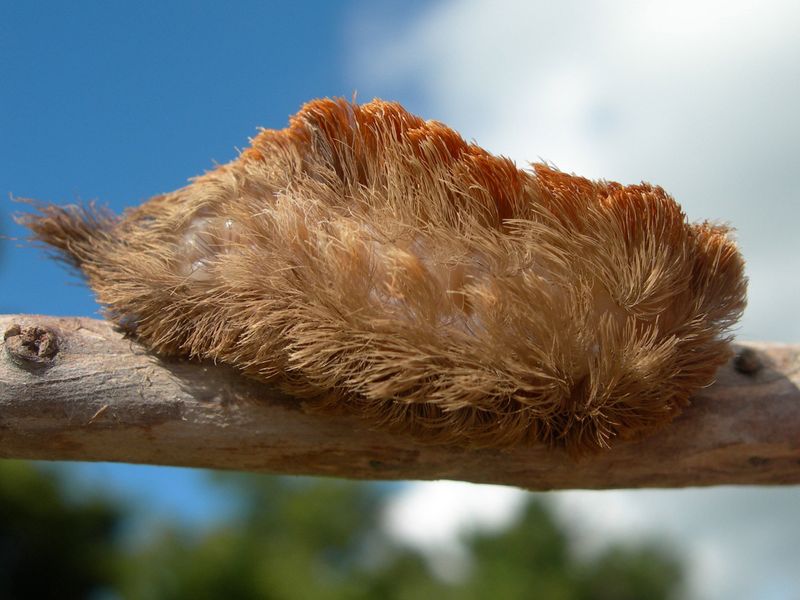
A soft, fuzzy caterpillar looks like something a kid would love to pet. In Texas, though, some fuzzy caterpillars carry hidden spines that can cause a painful skin reaction.
One of them is the puss caterpillar, also called an asp. Knowing what it might look like, and what to do if someone touches it, takes the worry out of fall yard work.
Why fall puts Texas yards on alert
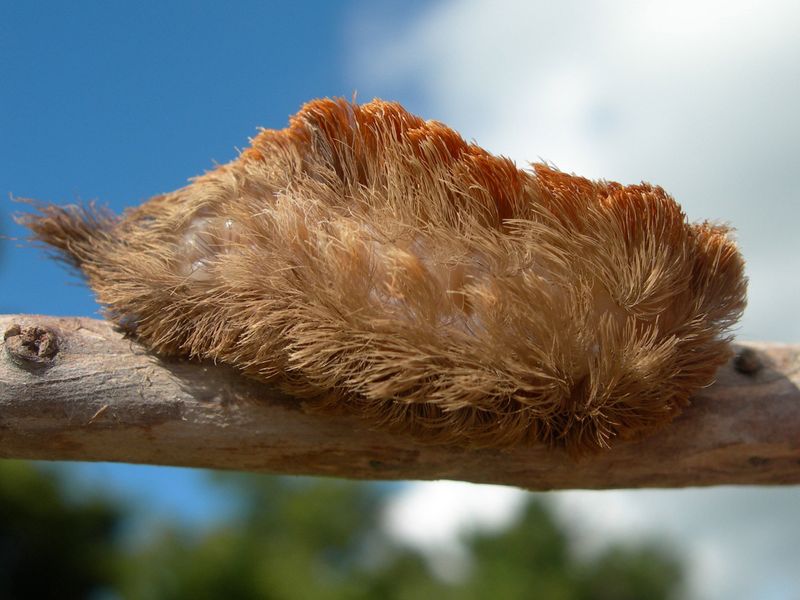
Fall is a good time for Texans to keep an eye out for the puss caterpillar, Megalopyge opercularis, known locally as the asp. It is one possibility among several fuzzy caterpillars, and it is not a guaranteed visitor to any yard.
Think of it as something worth recognizing, not something to expect behind every shrub.
The timing comes from poison-center records. A study of Texas poison-center reports from 2000 to 2016 found that 59% of reported stings happened in October and November.
That is a large share, and it explains why fall gets so much attention from extension offices and news stories.
Here is what that number does not tell you. The study counted reported stings, not caterpillars.
It cannot say how many asps will be around in a given year, and it cannot predict what will turn up in your yard or your neighbor’s.
Reports also came in all year long, with a second peak in July. So a caterpillar in spring or summer still deserves the same careful handling as one in October.
The practical takeaway is simple. Autumn chores like raking, trimming, and moving firewood put hands close to leaves and bark, so it helps to know the risk and slow down a little.
A bit of awareness now can prevent a painful surprise later.
A soft coat can hide venomous spines
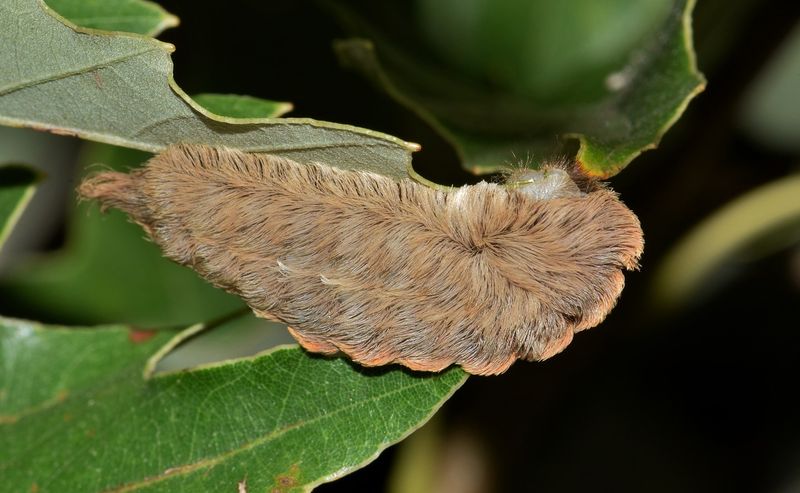
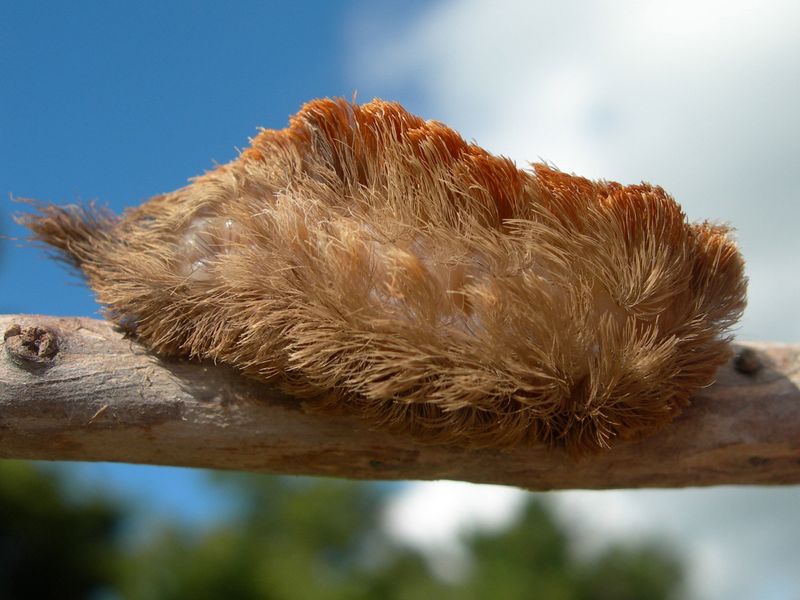
A possible asp is compact and shaped a bit like a teardrop, with a thick coat that looks like fur. Texas A&M AgriLife Extension notes that the coat can be nearly white, tan, gray, or almost black.
The soft look is the trap, because venomous spines sit hidden beneath the hairs.
The injury happens when those spines touch skin and break off. The caterpillar is not aiming at anyone or launching anything.
People usually get hurt by brushing against one, picking it up, or pressing a hand onto a surface where one is resting.
People call the result a sting, but it works differently from a wasp attack. University of Florida Extension describes the same spine-and-skin contact for this species.
Reactions can include pain, rash, and swelling, and they vary from person to person.
Color and fuzz are poor identification tools. A white, fuzzy caterpillar could be an asp, but it could also be something else, and a dark one could be an asp as well.
Other caterpillars can cause painful skin reactions too.
A smart habit is to treat any furry caterpillar you cannot name as off limits. If you want a positive ID, take a photo from a safe distance and send it to your county extension office.
Where an asp might turn up
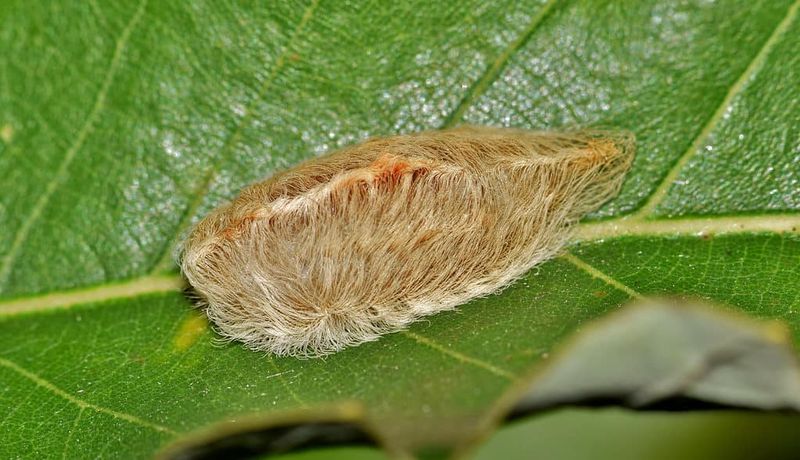
Plants are a good starting clue. Texas A&M lists oaks and holly among the food plants for these caterpillars, along with elms, palms, and other woody plants.
If you have any of these in your yard, they are the places to look more carefully during fall cleanup.
Mature caterpillars may wander away from their host plant before they make a cocoon. That means one could show up on a nearby shrub, a trunk, or another surface.
A few steps of wandering can put a caterpillar right along a path you walk every day.
A University of Florida Extension guide notes that cocoons may occur on buildings. So it makes sense to glance at walls, eaves, and other structures near host trees.
The sources do not say fences are a common or especially likely spot, so there is no need to single them out.
A practical routine is to look before you touch. Scan branches, railings, and the bark of nearby trees before reaching into foliage or resting a hand on a surface.
Wearing gloves for pruning and using a stick or tool to move debris keeps bare skin out of the picture.
Finding one does not mean your yard is overrun. It just means that spot calls for a little extra care.
Make fuzzy caterpillars a no-touch find
The easiest protection is a household rule: look, but do not touch. Kids are drawn to soft, furry things, so say it out loud before they find one.
A simple line like “If it’s fuzzy, call a grown-up” gives them something easy to remember.
Adults need the rule too. Never pick up a fuzzy caterpillar bare-handed, even to move it out of the way.
Texas A&M also warns that dead larvae or pupae may still cause a reaction, so a caterpillar that looks lifeless is not a safe one to handle.
Pets need a plan as well. Curious dogs sniff, paw, and sometimes mouth things they find outdoors, and ASPCApro notes that caterpillar hairs can cause problems if touched or swallowed.
A leash near oaks and shrubs in fall, or a quick check of the yard before letting pets out, cuts down on those chances.
These steps are about preventing contact. Simply being near a caterpillar is not what causes trouble, so there is no reason to keep everyone indoors.
Stay curious, keep hands and paws off, and let the caterpillar go about its business.
What to do after skin contact
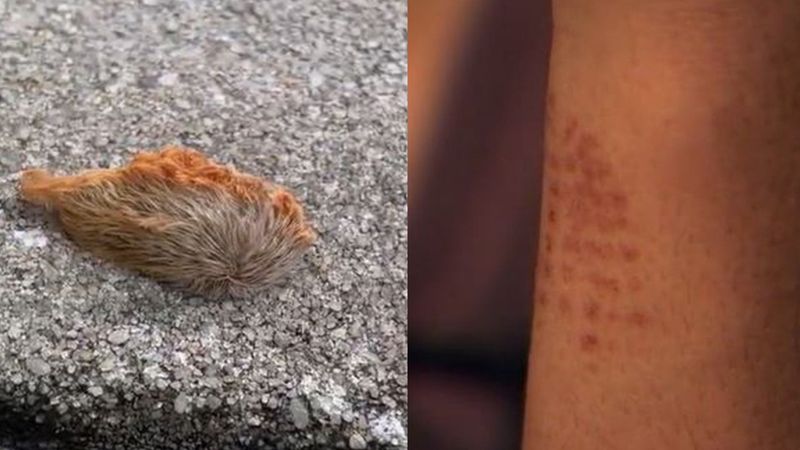
If someone touches a fuzzy caterpillar and feels a sting, act quickly and stay calm. Poison Control’s guidance lays out the steps in a clear order.
First, remove the caterpillar without using bare hands. A stick, tweezers, or a gloved hand works.
Second, press tape onto the exposed skin and lift it away to pull off hairs or spines. Third, gently wash the area with soap and water.
Go easy with the washing. Scrubbing hard is not the goal, and the tape step does the work of lifting spines out of the skin.
For symptoms or advice that fits your situation, call Poison Control at 1-800-222-1222. The staff can help you decide what to do next, including whether the person needs to be seen.
Some signs call for more than home care. Substantial blistering merits medical advice.
Trouble breathing or swallowing calls for urgent medical attention right away. Keep the caterpillar’s photo or a description handy if you can, since it may help when you talk with a professional.
If a pet mouths one
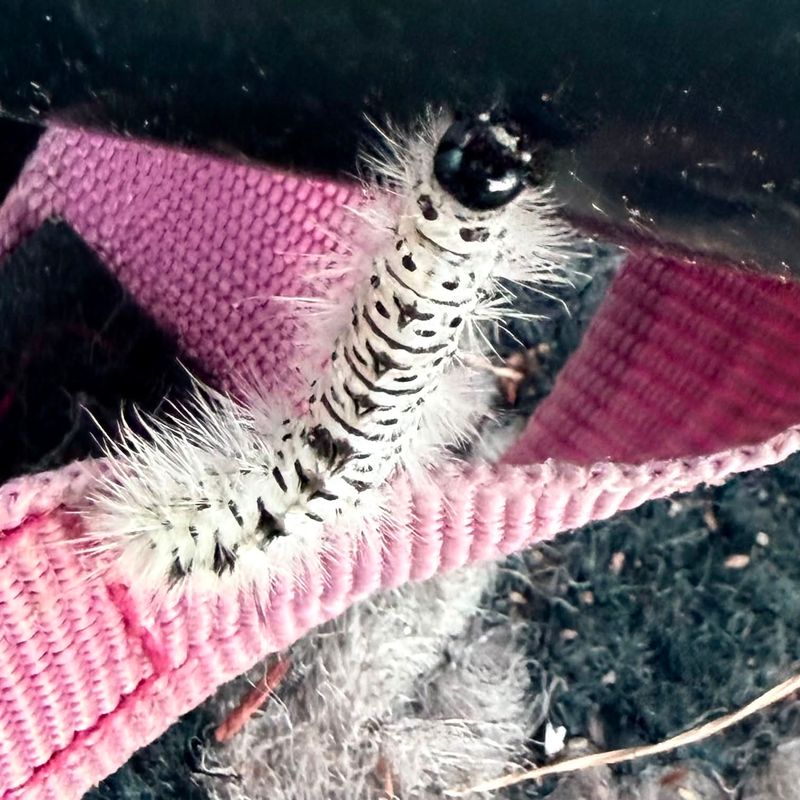
Dogs and cats explore with their noses and mouths, which is how a caterpillar can become a problem. ASPCApro explains that caterpillar hairs can cause trouble if a pet touches or swallows them.
The face, lips, tongue, and paws are the spots most likely to meet one.
Watch for signs like mouth irritation, drooling, pawing at the face, or anything else that seems off. If your pet mouths a caterpillar, call your veterinarian, even if the pet seems fine at first.
Describe what happened and, if you can do it safely, share a photo of the caterpillar.
Resist the urge to treat your pet with home remedies. Do not use human treatments without veterinary advice, because what helps a person may not suit a dog or cat.
Your vet can tell you what to do at home and whether your pet needs to come in.
Keep the risk in proportion. A pet that simply walked past a caterpillar has not been poisoned by being nearby.
The concern is contact or swallowing, so the best plan is to steer pets away from fuzzy caterpillars and check the yard before letting them out.
Use caution, not panic
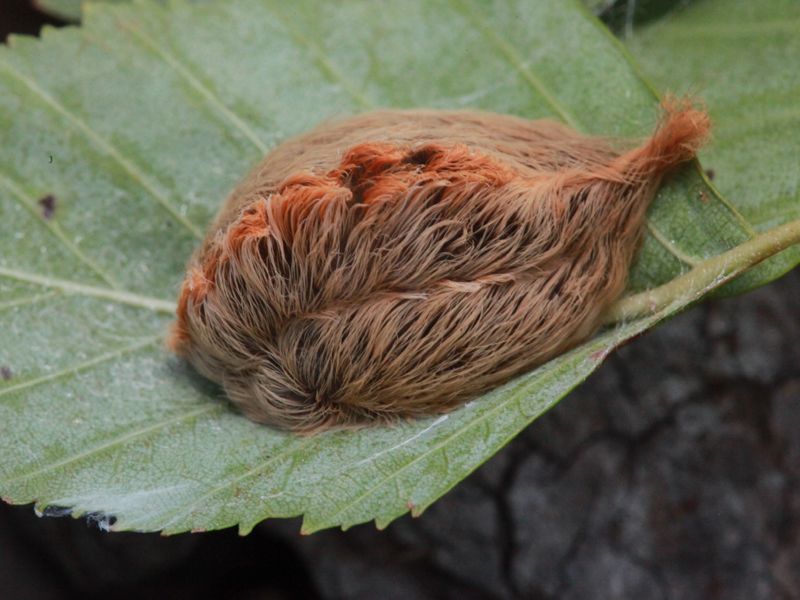
Most yard visits from fuzzy caterpillars end without any trouble at all. In the Texas poison-center reports, most cases had no or minor clinical effects, though more serious reactions can happen and each person responds differently.
That is a good reason for steady habits over worry. Treat an unknown fuzzy caterpillar as a no-touch find, and keep an eye on host plants and nearby surfaces without assuming one will be in a certain spot.
If contact does happen, reach out to Poison Control for people or a veterinarian for pets.
A fall yard can still be a pleasure to work in. A careful glance before a reach is a small price for a safer season.