
A single dragonfly can snap up dozens of mosquitoes in a day, and its underwater young eat mosquito larvae too. The trick to getting these hunters to stay is giving them the right plants around your water, whether that is a small pond or a simple birdbath.
California native plants give dragonflies places to perch, rest, lay eggs, and warm up in the sun, while using far less water than thirsty ornamentals. Here are nine natives that can turn your water feature into a dragonfly hangout and help keep summer evenings a little less itchy.
1. California Gray Rush (Juncus patens)
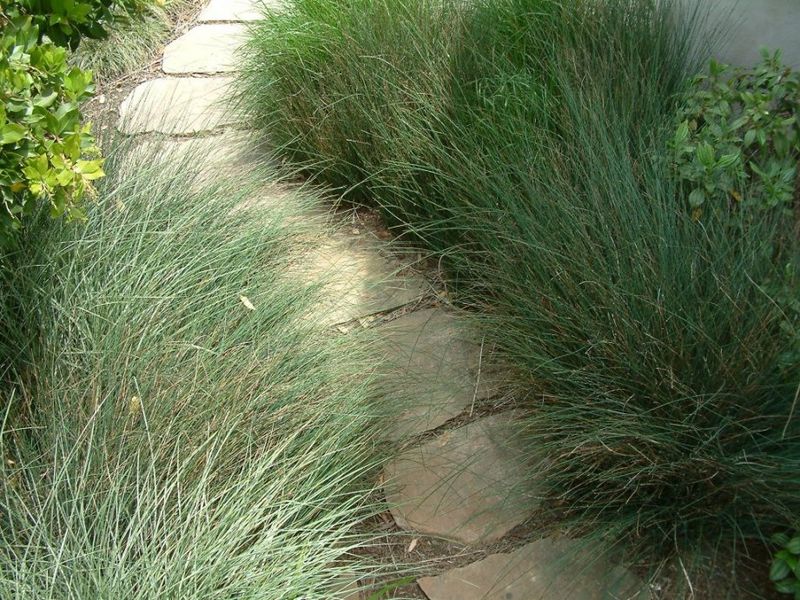
Picture a dragonfly landing on a stiff, pencil-thin stem, swiveling its head, then launching after a mosquito. California gray rush gives it that exact kind of lookout post.
The upright blue-gray stems make ideal perches right at the waterline.
Rushes also matter below the surface. Many dragonflies climb out of the water on vertical stems when they finish their nymph stage, and gray rush offers sturdy ladders for that final molt.
You may even spot the empty shells, called exuviae, clinging to the stems in late spring.
Gray rush handles wet soil at a pond edge but can also tolerate drier spots once established, which suits California’s long dry summers. It stays evergreen in most coastal and inland valley gardens.
Tuck a few clumps near a birdbath and give them occasional deep water in summer.
2. Yerba Mansa (Anemopsis californica)
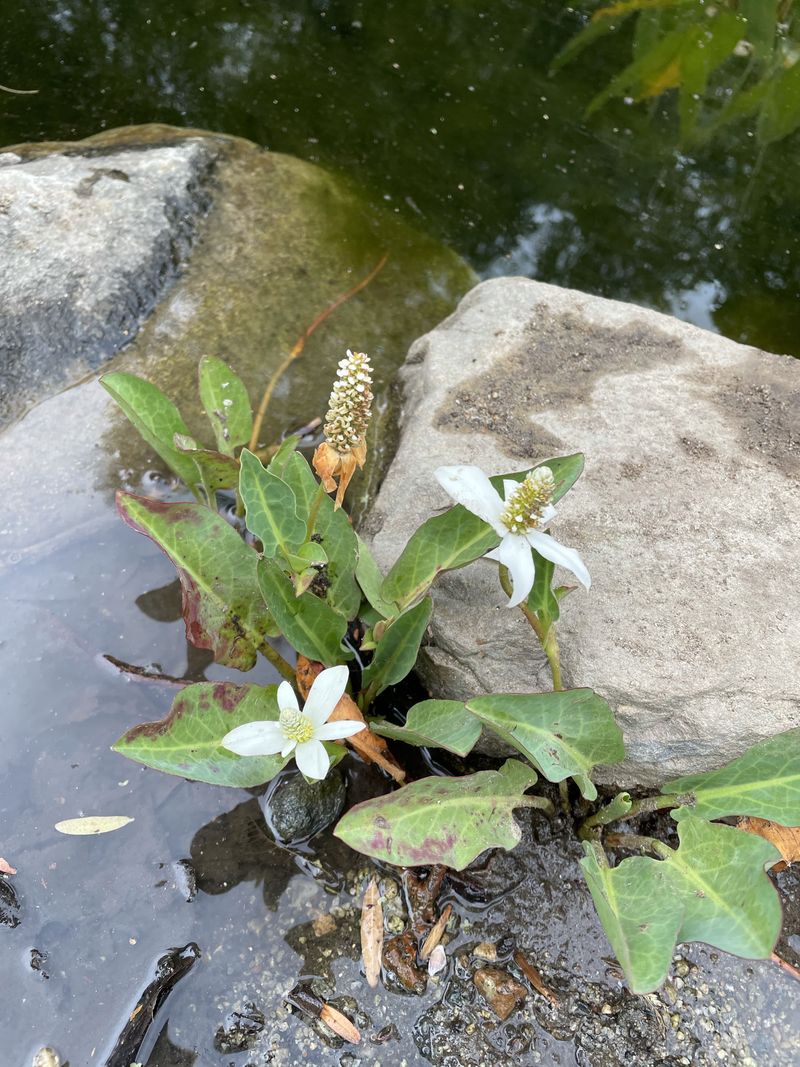
Few plants look as cheerful in soggy ground as yerba mansa. Its white, cone-centered blooms appear from spring into summer, and it spreads by runners into a low mat along muddy edges.
For dragonflies, that mat means insect-rich cover near open water. Small flies and gnats gather in the leafy layer, giving hungry adults extra snacks between mosquito hunts.
The plant also shades the shallow edge, which can help keep water cooler for nymphs.
Yerba mansa has a long history in California and the Southwest as a traditional medicinal plant. In fall, the leaves blush red before going dormant.
It spreads readily, so plant it where you want a living groundcover rather than in a tight border.
3. Deergrass (Muhlenbergia rigens)
Ask California native plant fans for a dependable bunchgrass and deergrass usually tops the list. It forms a big fountain of foliage with slender flower spikes that rise several feet high.
Those spikes are dragonfly magnets. Adults love tall, exposed tips where they can bask and scan for prey, and deergrass supplies dozens per clump.
It works well for birdbath gardens, where you need perches but do not have wet soil.
Once established, deergrass can get by on little summer water in many regions, and it tolerates heat in inland valleys. Cut it back every few years in late winter to refresh it.
In fire-prone areas, keep dry grass trimmed and away from structures.
4. Seep Monkeyflower (Erythranthe guttata)
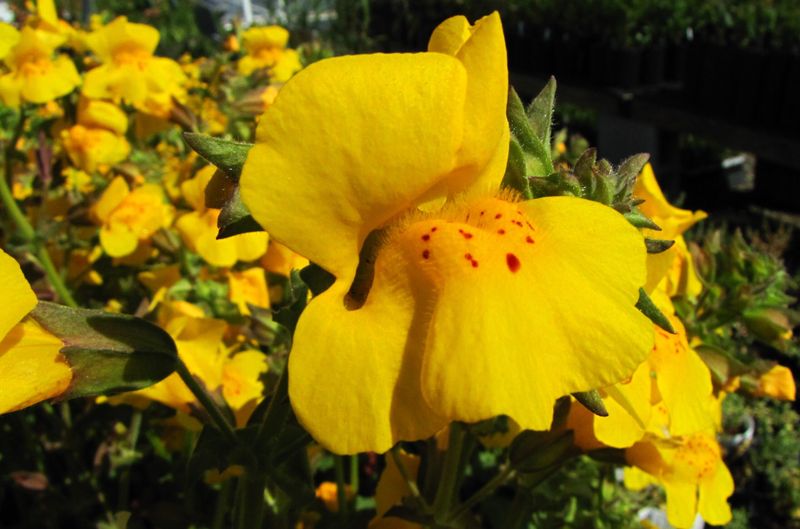
Sunny yellow blooms spotted with red make seep monkeyflower one of the happiest faces at any pond. In the wild, it grows along seeps and streams, so it feels right at home beside moving or still water.
Its flowers bring in bees and other small pollinators, and that busy insect traffic helps turn your water edge into a real food web. Dragonflies tend to patrol spots where prey is plentiful.
More life around the pond can mean more reasons for them to linger.
Seep monkeyflower likes consistently moist soil and may reseed on its own. It is a good pick for recirculating pond edges or a spot where a birdbath overflows.
Expect it to fade in hot, dry spells unless kept damp.
5. California Bulrush (Schoenoplectus californicus)
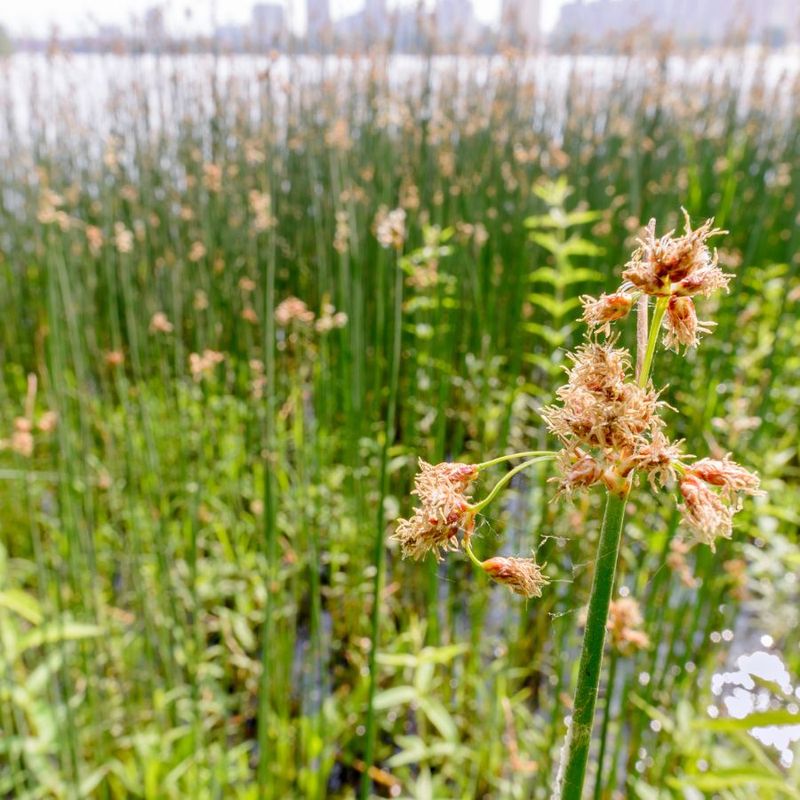
Got a larger pond with shallow water? California bulrush is the heavy-duty option.
Its tall, round stems can reach six feet or more.
Female dragonflies of some species lay eggs into plant stems or on submerged vegetation, and nymphs hide among the underwater stalks while they hunt mosquito larvae. Above water, the stems give emerging adults a tall, safe place to dry their wings.
Bulrush spreads aggressively, so grow it in a submerged pot in smaller ponds. It is not a good match for birdbaths.
For wildlife ponds, though, it can create the kind of habitat dragonflies may return to year after year.
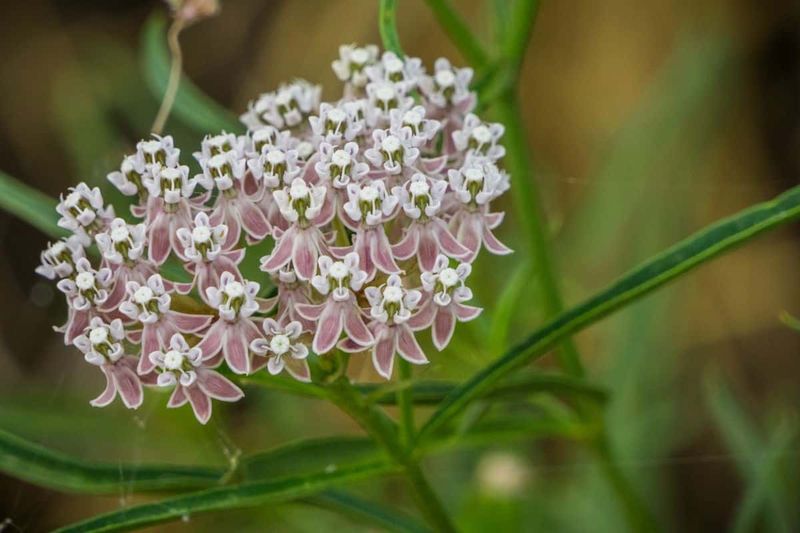
6. Narrowleaf Milkweed (Asclepias fascicularis)
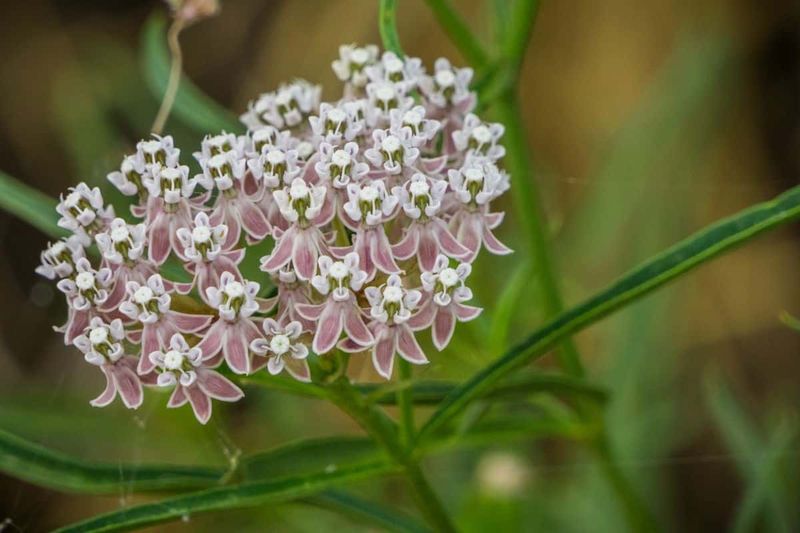
Here is a two-for-one pick. Narrowleaf milkweed is famous as a monarch butterfly host plant, but its upright stems and seed pods also make handy dragonfly perches near a birdbath.
Its pale pink flower clusters draw a crowd of pollinators all summer. That buzz of activity can attract hunting dragonflies looking for small flying insects.
Choose this native over tropical milkweed, which stays green year-round in mild California areas and may disrupt monarch migration patterns. Narrowleaf milkweed goes dormant in winter, which is normal.
It thrives with little water in full sun.
7. Western Blue-Eyed Grass (Sisyrinchium bellum)
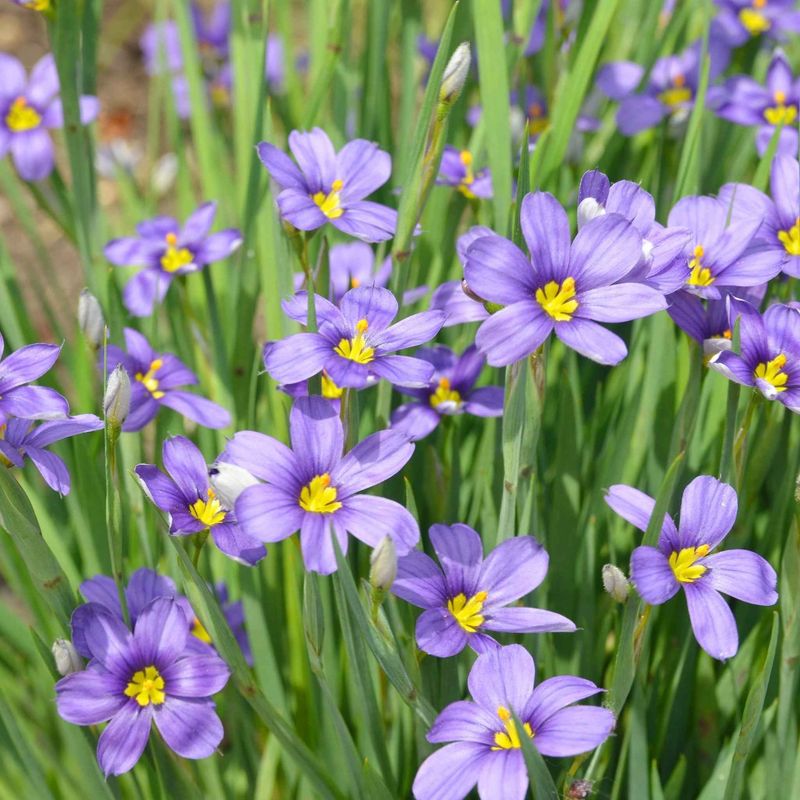
Small but mighty, blue-eyed grass is really a tiny iris, not a grass at all. Its violet-blue spring flowers make a sweet edging for a birdbath or small container pond.
Why include something so short? Lower plants create layers, and layered edges give insects more hiding spots.
Damselflies, the slimmer cousins of dragonflies, often rest on low foliage near water.
Blue-eyed grass grows naturally in California grasslands and handles winter rain and summer dryness. It may go dormant in summer if not watered, then return with the rains.
Let it self-sow for a natural look.
8. Douglas Iris (Iris douglasiana)
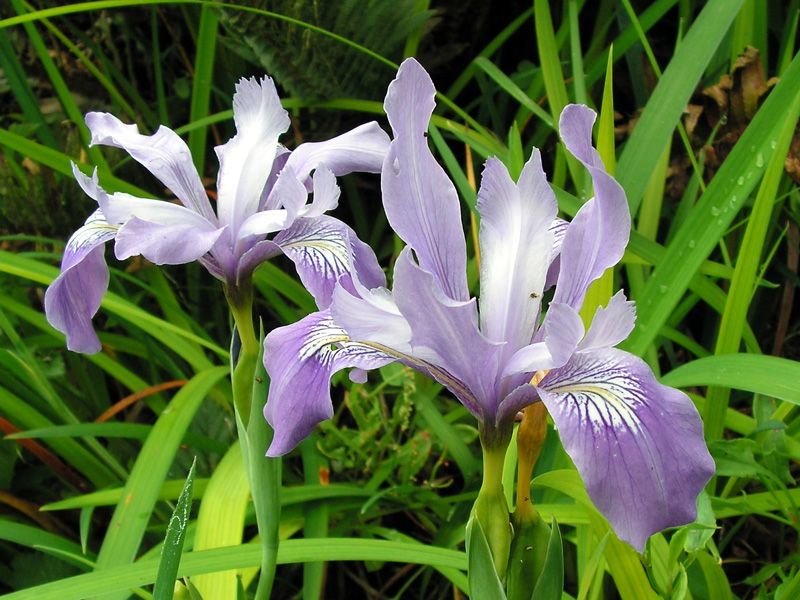
Coastal gardeners, this one is for you. Douglas iris forms evergreen clumps of strappy leaves topped with purple, lavender, or cream blooms in spring.
Those upright leaf tips work as low perches around a pond, and the dense clumps offer cool, shaded cover along the edge. It fills a gap for partly shady water features where sun-loving grasses struggle.
Douglas iris performs best in coastal and mild areas and appreciates some afternoon shade inland. It tolerates dry summers once settled.
Divide older clumps in fall when rains return.
9. California Buttonwillow (Cephalanthus occidentalis)
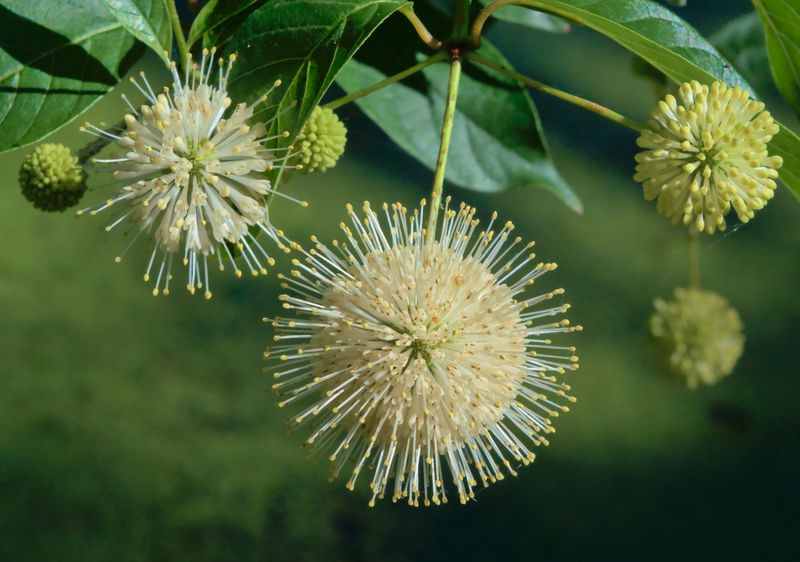
Round white flower balls that look like little pincushions make buttonwillow a real conversation plant. This native shrub grows along streams and ponds in California and reaches roughly six to ten feet.
A shrub adds something the other picks cannot: height and wind shelter. Dragonflies often roost in shrubs overnight and on breezy days.
Its summer flowers also pull in butterflies and bees, feeding that busy insect buffet.
Buttonwillow needs regular moisture, so place it where pond overflow or wet soil keeps roots happy. It drops leaves in winter.
Put it on the side of the pond that leaves the water surface open, since dragonflies like sunny water to patrol.