
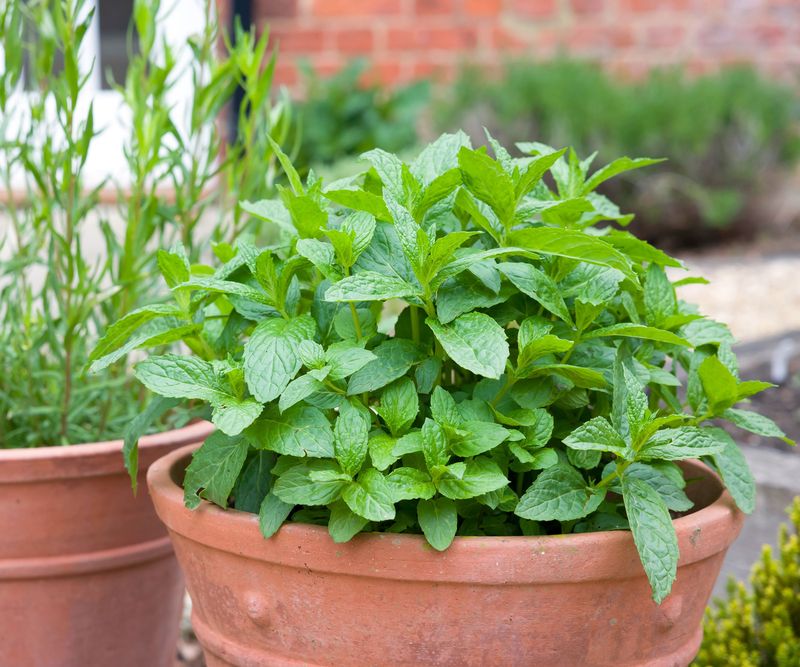
Fall in California is prime patio season, with warm evenings that stretch well into October and beyond. The trouble is that flies and gnats love those evenings just as much as you do, especially around food.
A few well-placed, water-wise plants may help make your table a less inviting place for them, without sprays that can harm bees and other helpful insects. Here are eight smart picks that look good, smell great, and fit right into a dry-summer California yard.
1. Rosemary
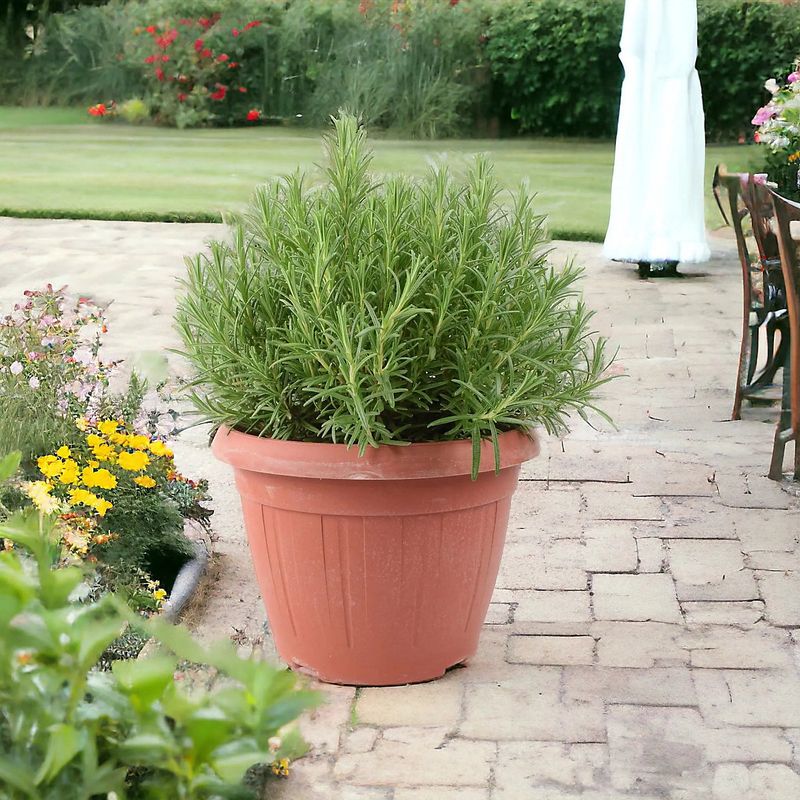
Brush your hand across a rosemary branch and you get a burst of piney scent that people love and many flies seem to dislike. That strong aroma comes from oils like camphor and cineole, which may help discourage small flying pests from lingering nearby.
Rosemary is practically built for California. It handles long dry summers, poor soil, and coastal wind, and once it is established it needs little extra water.
Set a big pot of upright rosemary right at the edge of your dining area so guests brush it as they pass. Bonus: you can snip sprigs for grilled chicken or toss a few on the coals to release even more fragrance during dinner.
2. Lavender
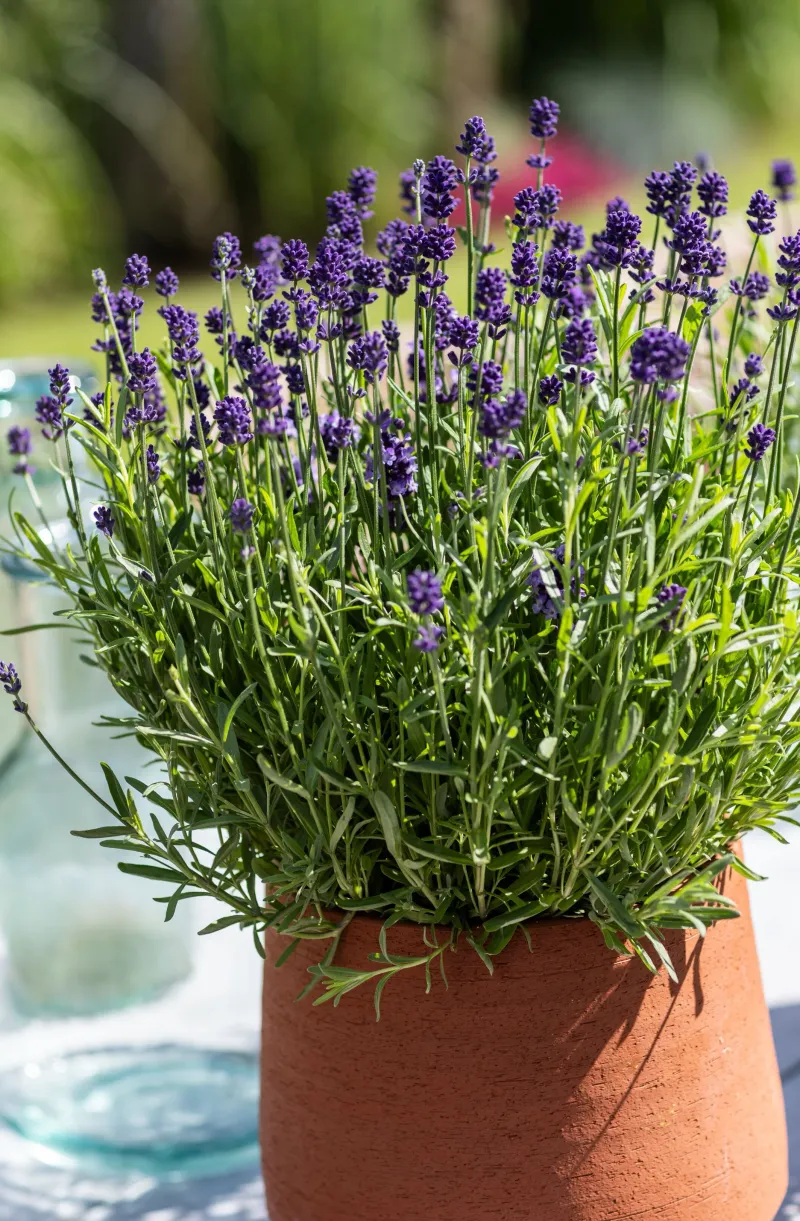
Few plants pull double duty quite like lavender. Bees adore it, while flies, gnats, and mosquitoes often keep their distance from its sweet, sharp oils.
For fall dining, choose long-blooming types such as Spanish lavender or Goodwin Creek Grey, which can keep flowering well past summer in mild California zones. Plant them in full sun with fast-draining soil, and resist the urge to overwater.
Soggy roots are the number one way lavender fails here.
Here is a small trick: cut a few stems and lay them on the table as a runner. Crushing a sprig now and then refreshes the scent while you eat.
3. Basil
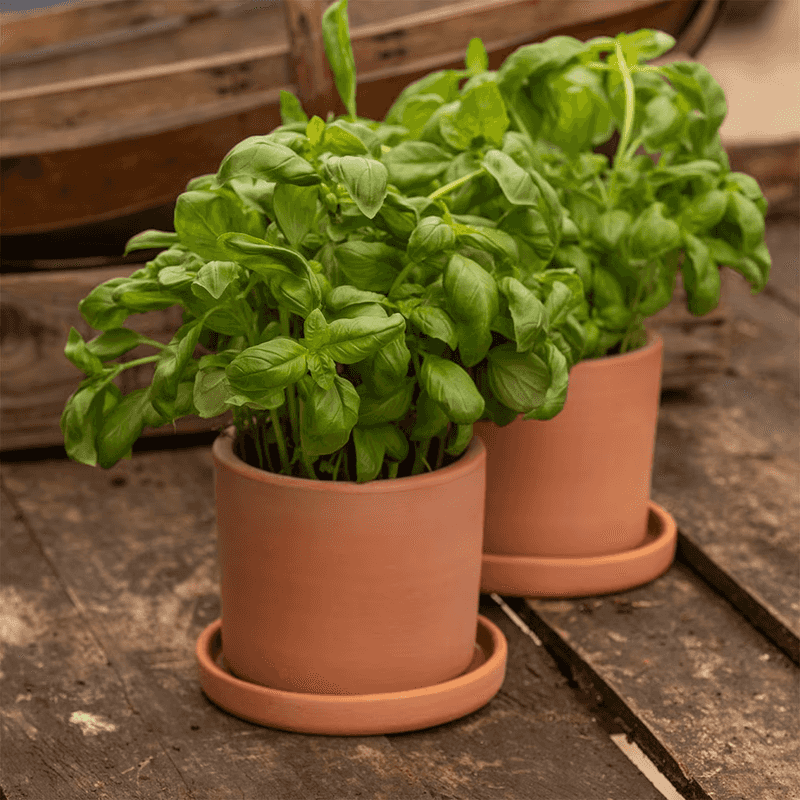
Grandmothers in Mediterranean kitchens used to keep basil on windowsills to shoo away flies, and the habit has real logic behind it. Basil contains compounds like linalool and estragole that may help repel houseflies.
Since basil loves heat, California falls are a sweet spot for it, especially in inland areas where warm weather hangs on into October. Keep it in a pot so you can move it right onto the table as a living centerpiece.
Pinch off flower spikes to keep the leaves coming. Water deeply but not daily, and pair it with drip irrigation if your city has watering limits.
4. Cleveland Sage
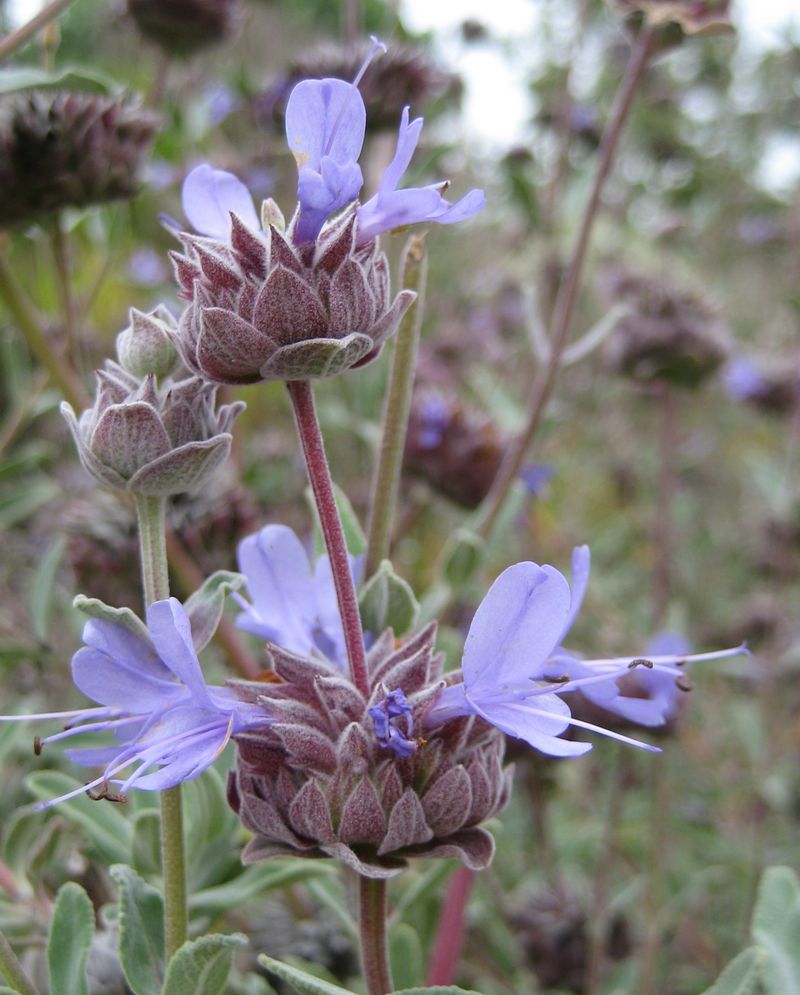
Want a true California native on the list? Cleveland sage, Salvia clevelandii, is one of the most fragrant shrubs in the state, and its resinous leaves scent the air on warm afternoons.
Many gardeners notice fewer gnats around strongly aromatic sages, though results can vary from yard to yard. What is certain is that this plant feeds native bees and hummingbirds and needs almost no summer water once established.
Plant it in full sun a few feet from your seating area. It also fits well in fire-wise designs when kept pruned and free of dead wood, which makes it a smart choice for hillside homes.
5. Lemon Grass
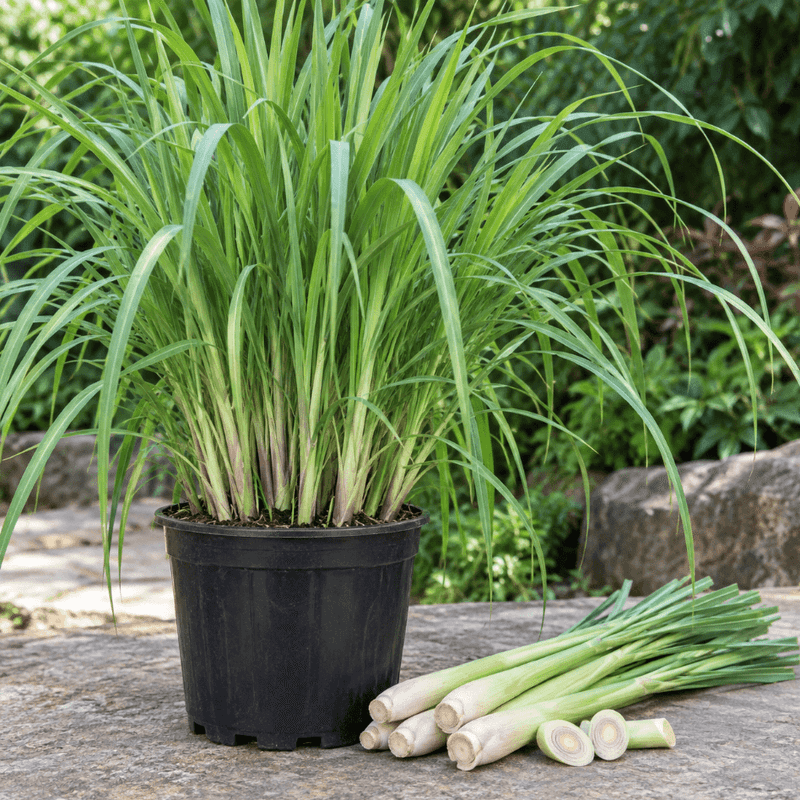
Lemongrass is the plant that gives citronella its famous cousin vibe. It shares citrusy compounds that can help mask the food smells flies follow to your plate.
Grassy and tall, it adds a tropical look that suits coastal and Southern California patios beautifully. It thrives in heat and grows fast in a big container.
- Use a pot at least 16 inches wide.
- Give it full sun.
- Trim leaves to release scent before guests arrive.
In colder inland spots, move the pot to shelter when winter frost shows up.
6. Mint
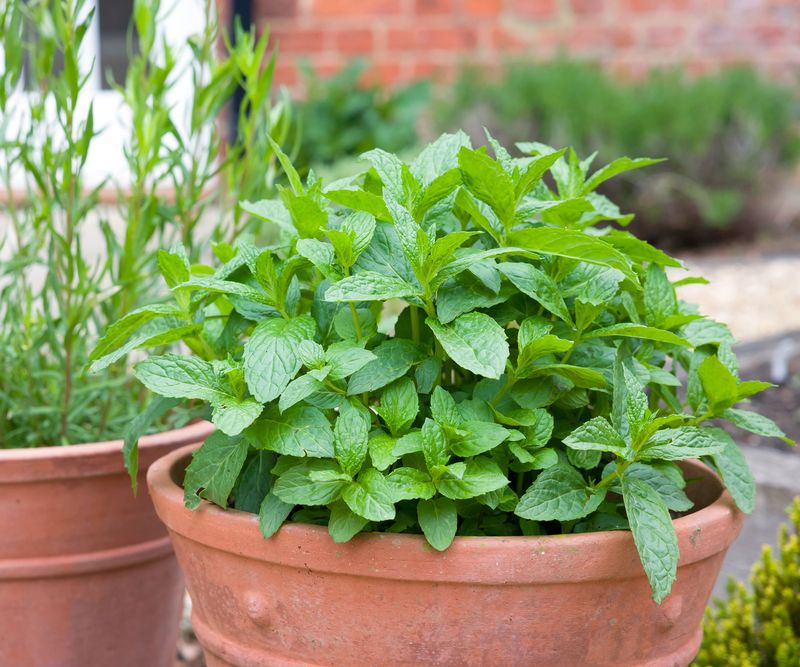
Mint is the friendly rebel of the herb world. It smells wonderful, grows like crazy, and its menthol punch may help keep gnats and flies from settling near your food.
Always grow it in pots. Planted in the ground, mint spreads aggressively and can crowd out the rest of your bed in a single season.
Mint does like more water than most plants here, so tuck it in partial shade near the table where it stays cooler. Fresh leaves in iced tea are a nice reward for keeping it alive through fall heat waves.
7. Marigolds
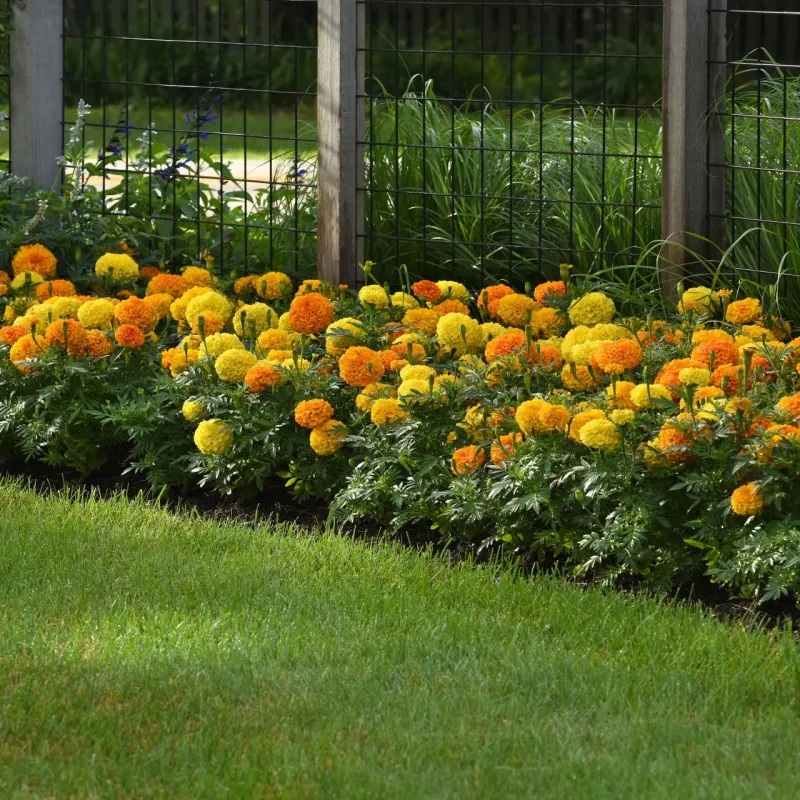
Bright orange blooms and a funky smell make marigolds a classic pest-fighting flower. Their scent comes from compounds that some flying insects find off-putting.
Planted in late summer, marigolds can keep blooming through fall in most of California. They are cheap, easy, and add a cheerful harvest color that matches autumn table settings.
Line them in boxes along the patio edge for the best effect. Deadhead spent flowers every week, and water at the base to avoid mildew.
8. Lemon Thyme
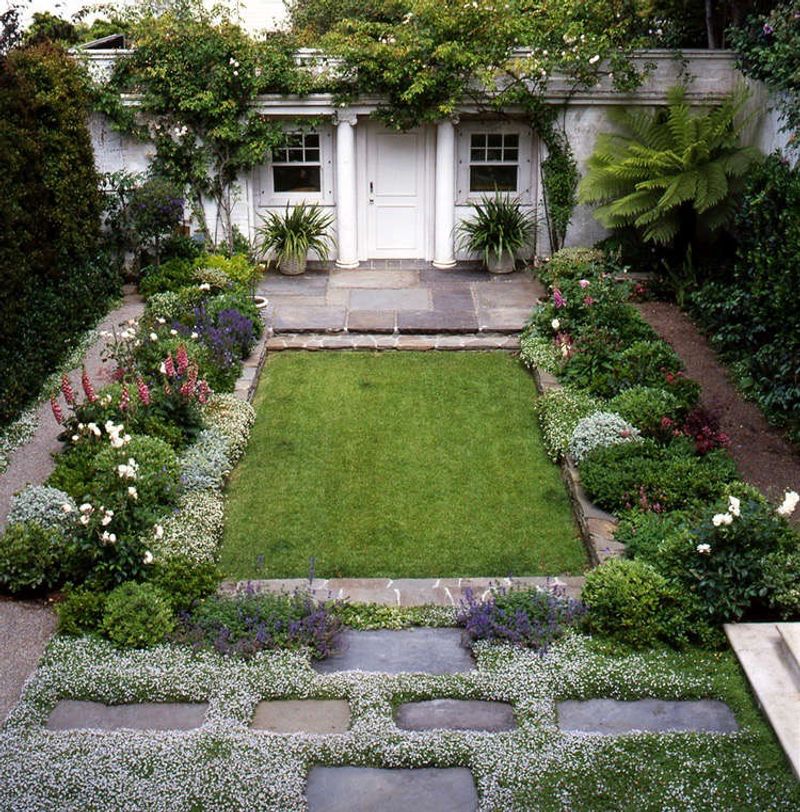
Picture stepping onto your patio and smelling lemon with every footstep. That is what lemon thyme does when you plant it between pavers under your table.
Its citrusy oils may help discourage gnats that hover low near the ground. It is tough, drought-tolerant, and handles light foot traffic without complaint.
Thyme is also a great lawn alternative for small spaces, saving water while feeding tiny native bees when it flowers. Give it sun and sharp drainage, and it will reward you for years.