
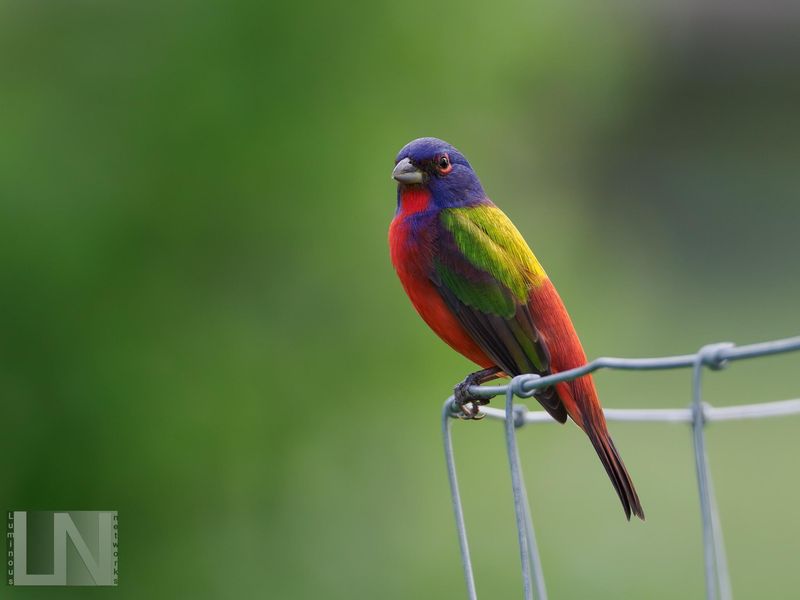
A flash of blue, green, and red at the edge of your shrubs can stop you mid-step. The painted bunting is one of the most colorful birds in Texas, and many gardeners wait years for a good look.
That visit tells you something real, but not everything. Here is what it likely means, what it does not, and how to keep your yard useful for birds.
A visit means the bird found something useful
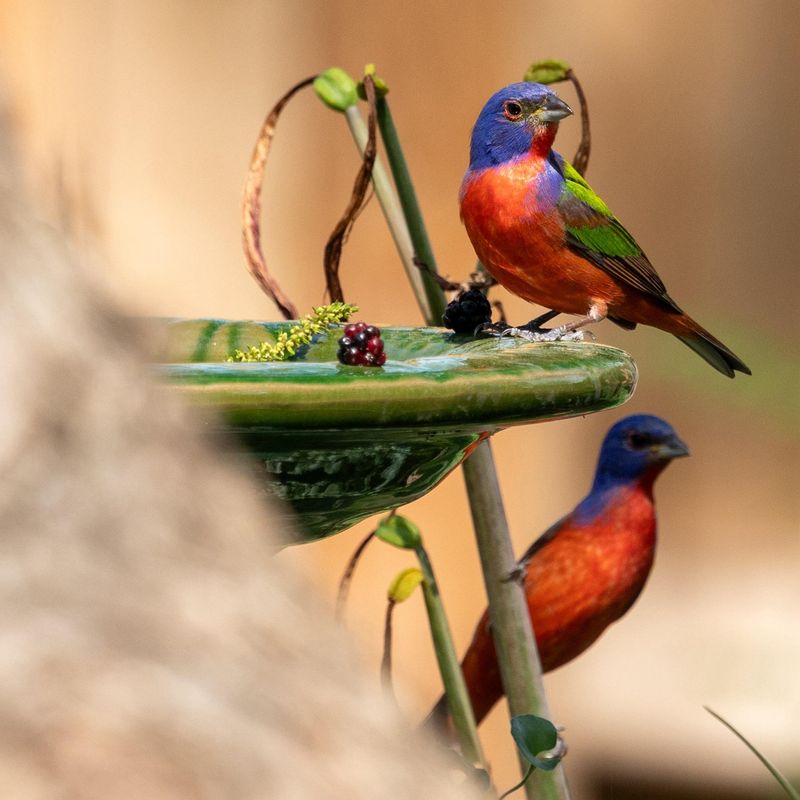
Picture it: you glance out the kitchen window and there it is, a bird that looks like someone colored it with a whole box of crayons. That moment is worth savoring.
It is also worth asking what the bird was doing there.
The most sensible answer is simple. The bunting found something potentially useful, such as cover, food, or a place to pause.
Texas Parks and Wildlife describes the species as one that favors covered habitat, and Cornell’s life history notes point to brush, thick grass, and woodland edges. A yard with a tangle of shrubs, a grassy corner, or a nearby creek line may offer some of that.
What the visit does not do is grade your yard. One bird on one morning cannot prove your landscape is exceptionally healthy, packed with wildlife, or perfect for buntings.
It may have been passing through, resting between stretches of better habitat, or checking out a snack.
Think of the sighting as a friendly clue rather than a verdict. It tells you that something about your space worked for that bird at that moment.
It does not promise a repeat performance, and that is part of what makes a sighting so special.
Central Texas is part of the painted bunting’s summer home
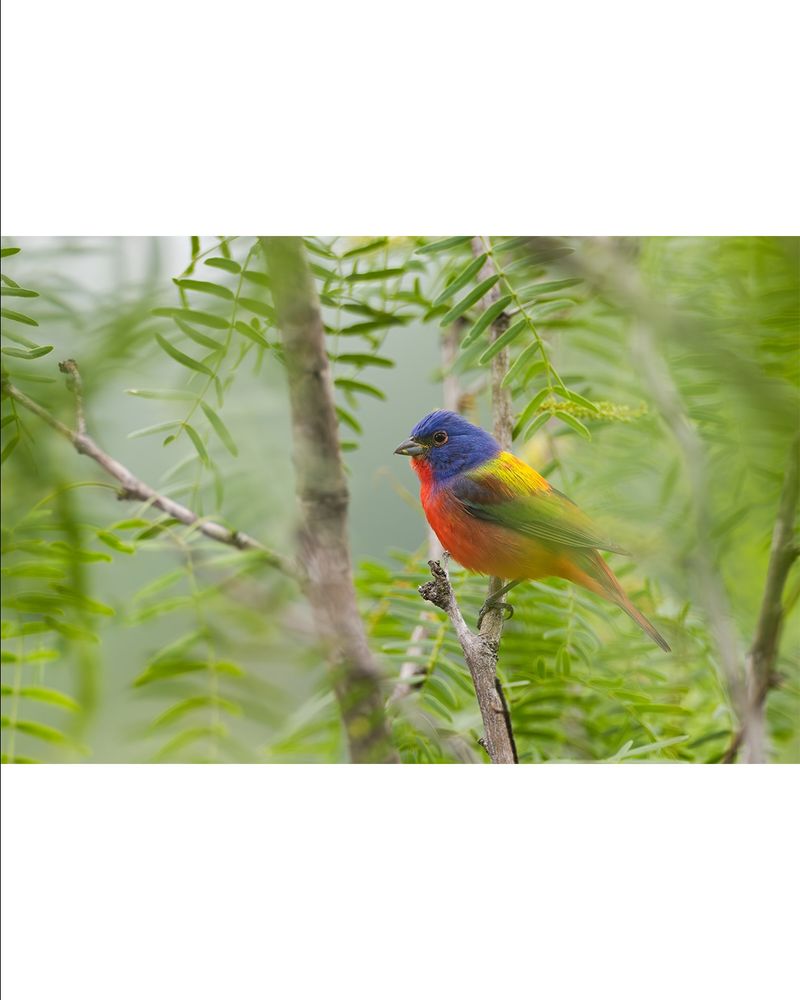
Timing matters here. TPWD describes painted buntings as common summer residents in much of Texas, and says they migrate south in fall.
So a spring or summer sighting in Central Texas fits right into the bird’s normal yearly pattern.
Where they spend that time is just as telling. TPWD highlights streamside and forest-edge cover, while Cornell describes brush, thick grass, and woodland edges.
These are places with plenty of places to duck out of sight.
Now think about your own lot. A yard that backs up to a creek, a greenbelt, a fence line with thick growth, or a patch of unmowed grass has pieces of that picture.
A yard near suitable cover may simply sit along a bird’s daily route.
That is a reasonable link, not a guarantee. Plenty of Central Texas yards have cover nearby and never see a bunting, and some with little cover get a brief visitor.
Seasonal timing and surrounding habitat help explain a visit, but they cannot predict one.
If the sighting came in late summer, keep in mind that the birds head south as fall approaches. A bunting gone from the yard in autumn is following its calendar, not reacting to anything you did.
Why can a common bird feel like a rare visitor?
If you seldom see one, it is easy to assume painted buntings are scarce. They are not described that way.
TPWD calls them common summer residents in much of the state.
The catch is that they often stay deep in brush. A bird can live in the next lot over all summer and still go unnoticed because it spends its time tucked into leaves and tall grass.
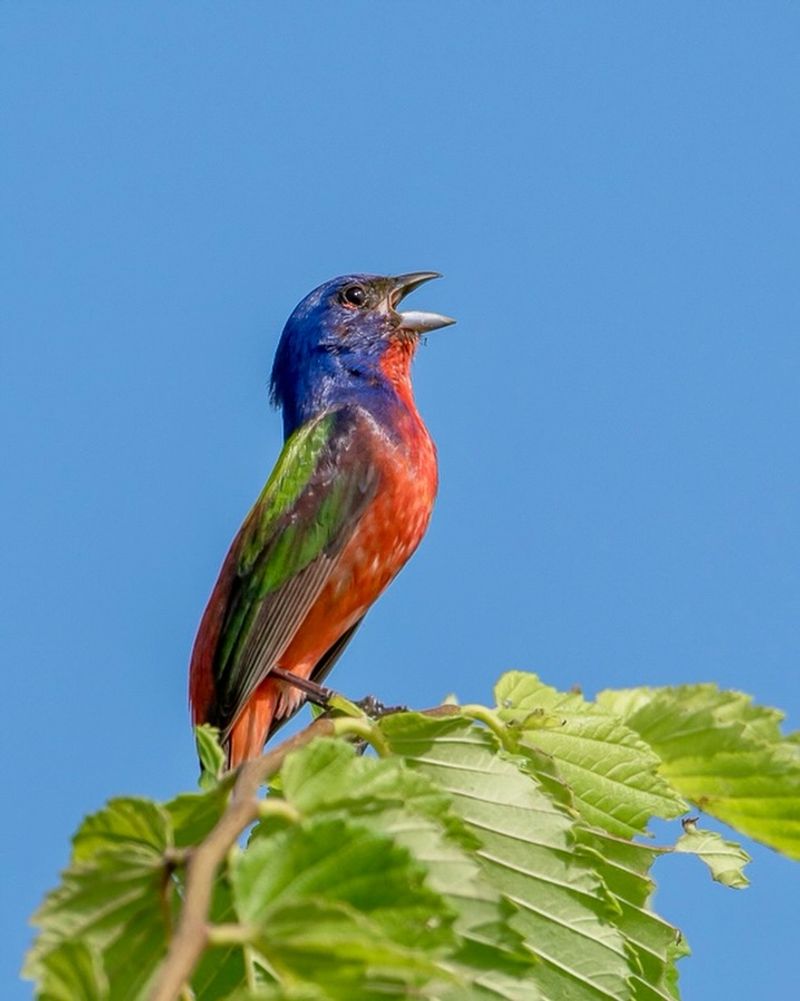
Male buntings may be easier to spot when they sing around sunrise. A quiet cup of coffee outside early, listening for a bright, jumbled song coming from thick cover, can sometimes turn up a bird you would otherwise miss.
So a first sighting may say more about visibility than about rarity. Maybe the bird stepped out to an open perch, or you happened to be looking at the right moment.
It does not tell you how often buntings visit your particular yard. You may have had visitors before and never noticed, or this may be a one-time stop.
Either way, the delight is real, and it is fine to leave the larger question open.
One sighting does not establish nesting
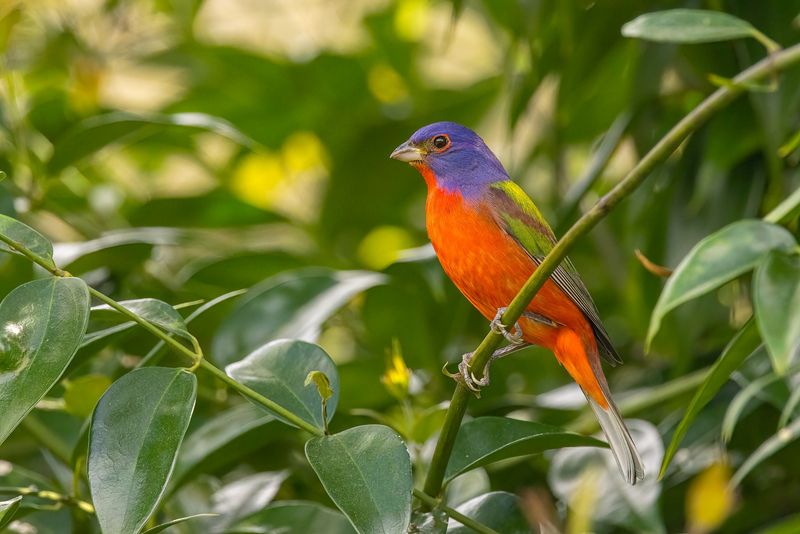
It is tempting to hear a story in a sighting: a pair is setting up house, and your yard is their territory. A single appearance cannot back that up.
A visit is a moment, while nesting is a whole season of activity.
Showing that a pair nested would take more than one glimpse, and a single sighting cannot establish a nesting pair or successful reproduction. The same goes for guessing that a bird chose a mate or claimed your yard.
For context only, Cornell describes nests in dense foliage, usually a few feet above the ground. That is one reason well-layered shrubs matter to the species in general.
That detail is not an invitation to go looking. Searching through shrubs for a nest can stress adults and expose eggs or young.
If you are curious, enjoy the birds from a window or a comfortable distance and let the thickets do their quiet work.
You can hold two thoughts at once. The bird was lovely, and you do not know what it was doing beyond passing through.
That honest gap keeps the wonder intact.
Native cover gives a yard more to offer
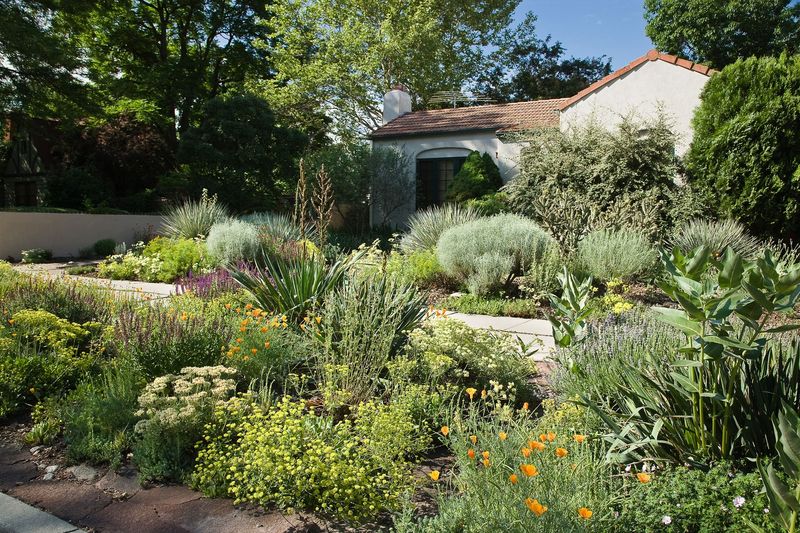
Here is where a sighting turns into a project. If the bird liked a corner of your yard, that corner is a good place to start thinking about cover.
TPWD’s habitat resources recommend native plants and layered shelter for birds in general. In Central Texas, that can mean keeping existing shrubs, adding locally appropriate native bushes, leaving some native grasses to grow and go to seed, and tucking small trees behind lower plantings.
A mix of heights gives birds places to hide, perch, and forage.
Food matters too. In breeding season, painted buntings eat insects as well as seeds, and TPWD and Cornell both note the importance of seeds through much of the rest of the year.
Native grasses and flowering plants can support both, since they host insects and produce seed without extra effort.
Some practical habits help. Skip the tidy-everything approach by leaving a leafy back corner.
Choose plants suited to your soil and to Texas heat so they survive triple-digit summers and water limits. Ask a local native plant nursery which species do well near you.
Treat all of this as support, not a lure. Better cover can make a yard more useful to many birds, but no plant list guarantees a bunting.
The payoff is a yard with more life in it either way.
Feeders are optional, and cover comes first
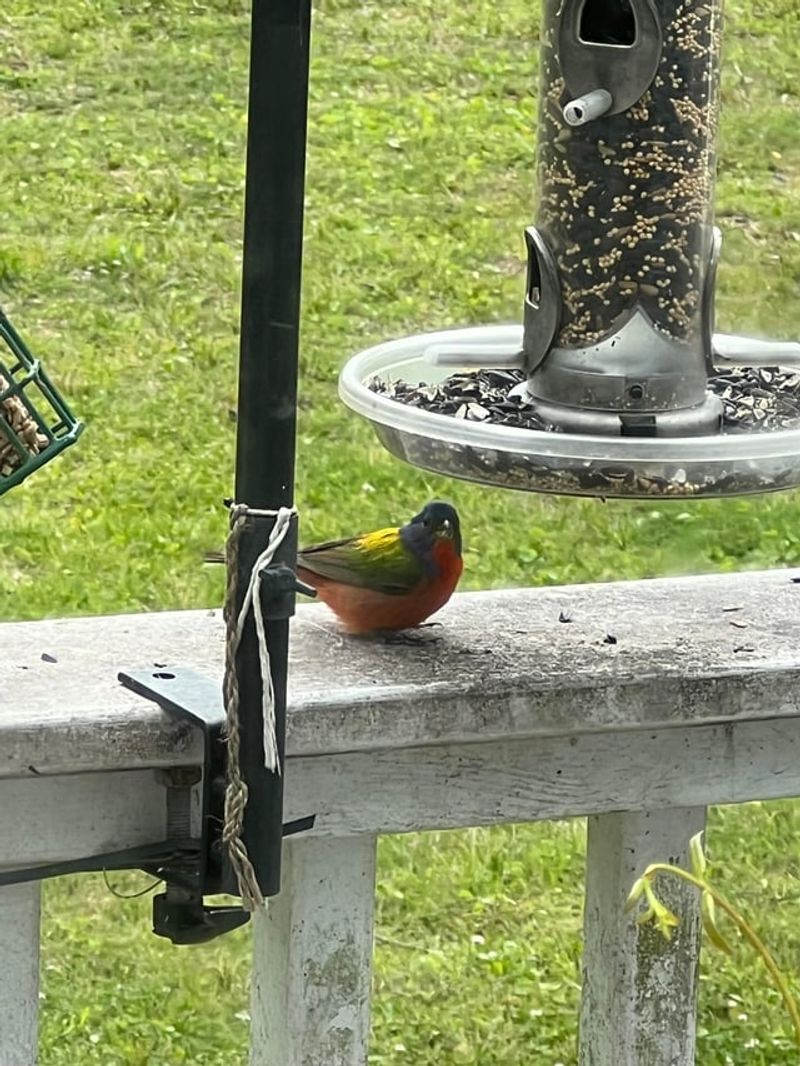
Sources do not fully agree on feeders, and that is useful to know. Cornell notes that painted buntings may visit feeders.
TPWD says they rarely do and are reluctant to move far from cover.
Put those together and the lesson is practical. Some buntings may stop at a feeder, but many will not, especially if it sits out in the open.
If you want to try one, place it close to dense shrubs so a nervous bird has a short hop to safety. Small seeds like white proso millet are a common choice.
Keep your expectations modest and watch what actually shows up.
Do not count on a feeder as a reliable lure. A feeder that never sees a bunting is not a failure, since it may still feed other birds, and your plantings may be doing the real work.
If you have limited time or budget, put it into cover first. A feeder is a bonus, and the shelter around it is the part buntings seem to care about most.
A welcoming yard also reduces hazards
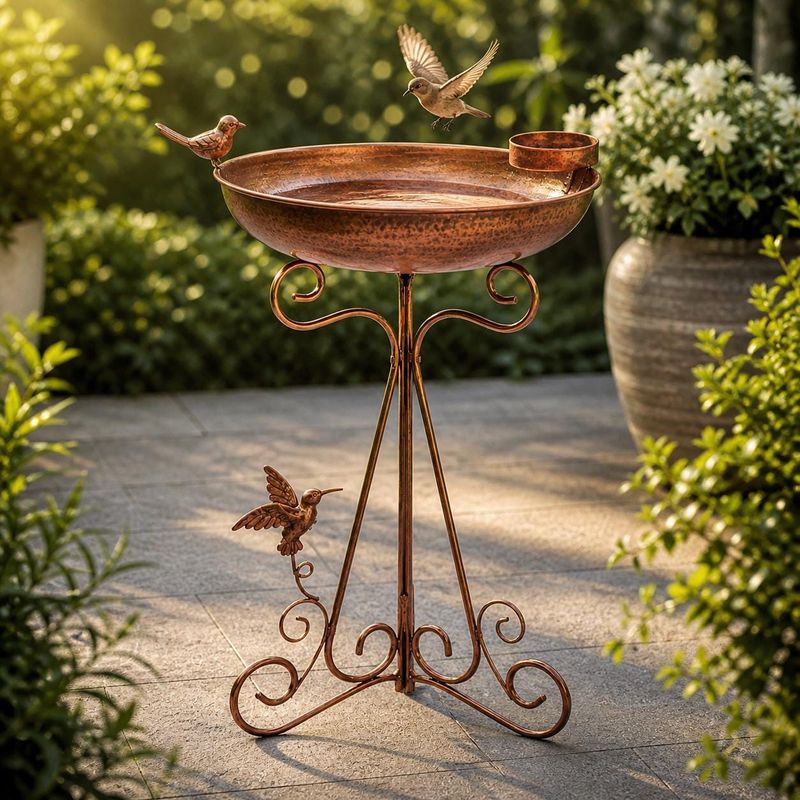
Good habitat only helps if birds can use it safely. TPWD’s threat reduction guidance identifies window collisions and outdoor or feral cats as threats to birds.
For windows, try decals, screens, or external film on large panes, especially ones that reflect shrubs. For cats, keeping pets indoors, or in an enclosed patio, removes a major risk near the cover you are building.
If you put out feeders or water, keep them clean. CDC advises cleaning feeders and birdbaths at least monthly, and more often if they are dirty.
Wash your hands after handling them.
If you find a sick or dead bird, do not touch it. Keep pets away, and remove feeders and baths for two weeks.
Then contact the state wildlife agency or a wildlife rehabilitator for guidance.
None of this guarantees a particular outcome for buntings. It simply makes your yard a safer stop for whatever birds pass through.
Keep the wonder, and read the visit modestly
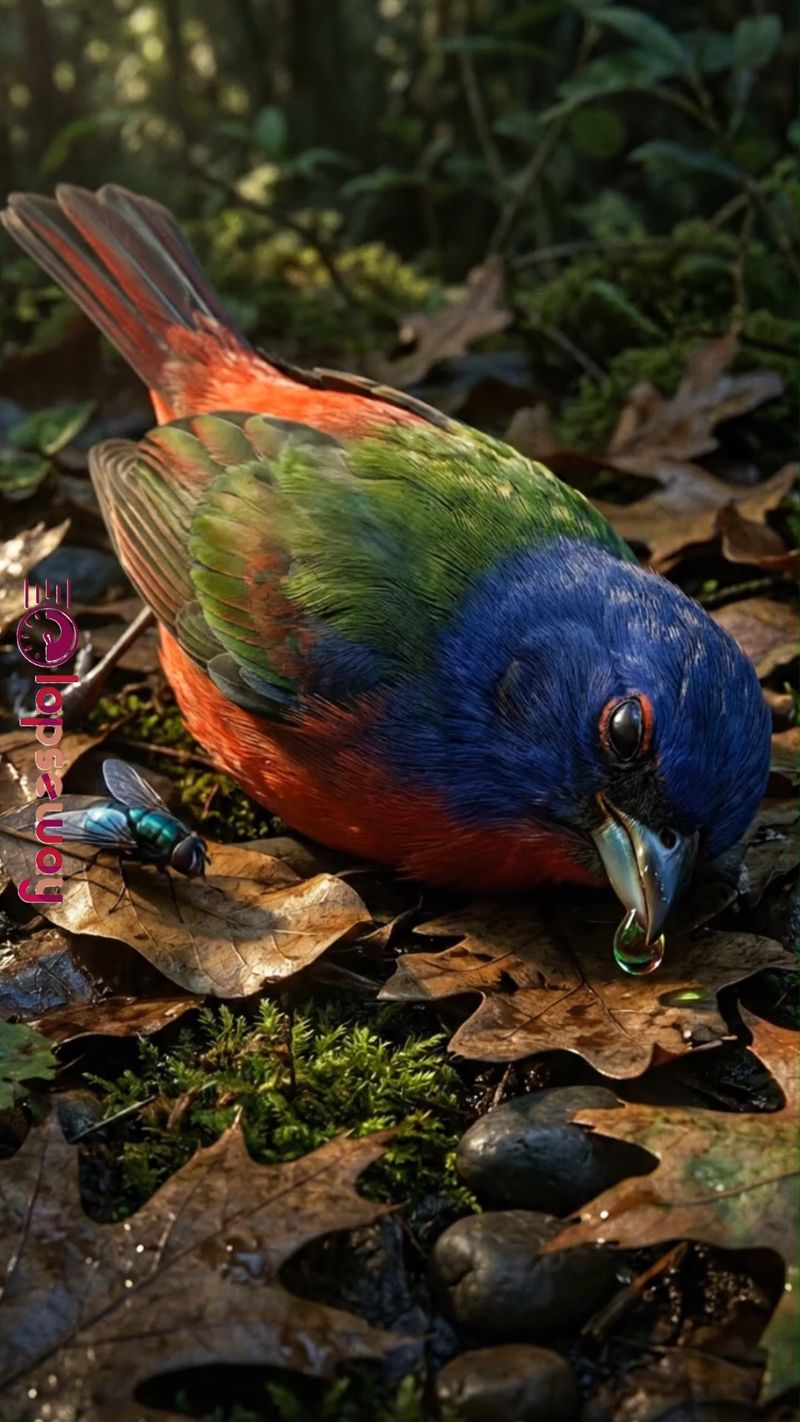
The bunting found something useful, and that is a lovely, honest reading. It is a clue about cover or food, not a ruling on your whole yard.
A good next step is to protect what shelter you have or add native plantings, as TPWD’s habitat resources suggest.
Another visit is never promised. A bird like that rewards patience, and the first look is still a gift.