
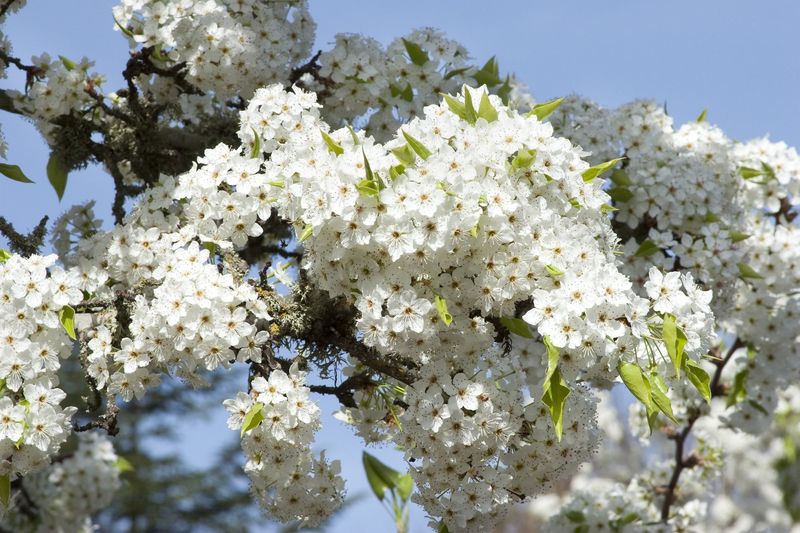
Picture a small Texas native tree that blooms white in early spring and throws a little shade over your patio chairs. Mexican plum is a real candidate for that job in Central Texas.
But a patio full of pavers raises a fair worry about what the roots will do. Here is what the sources say about the fit, the tradeoffs, and ways to lower the risk.
Mexican plum may suit a patio, but it is not root-proof
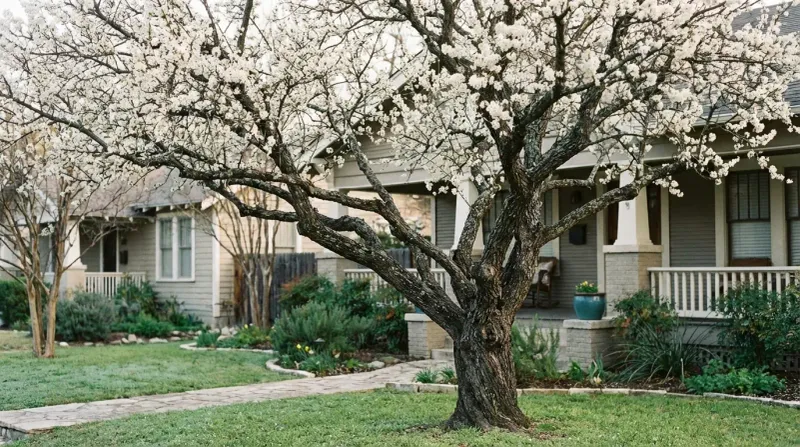
Short answer: Mexican plum is a credible small native tree for a Central Texas patio, but nobody can promise its roots will leave your pavers alone. Texas A&M’s tree selector lists it as a small Texas native, and Central Texas Gardener puts it at roughly 20 to 25 feet tall with spreading branches.
That size is the main argument in its favor. Small-maturing trees generally pose less pavement risk than big shade trees, which is why picking one is a sensible first step.
Still, a smaller tree lowers the odds of trouble. It does not erase them.
Roots behave differently from site to site. Soil, available rooting space, and how the paving was built all matter, and being native does not predict what roots will do under your patio.
Iowa State Extension notes that roots can grow beneath paving and push upward, and that is true of any tree.
Expect modest shade, too. Mexican plum loses its leaves in winter, and its size will not give you the broad, dense cover of a live oak.
Think dappled, seasonal relief on a hot afternoon, not a full roof of leaves. If that sounds like what your patio needs, keep reading to weigh the details.
Flowers, fruit, and site conditions shape the tradeoff
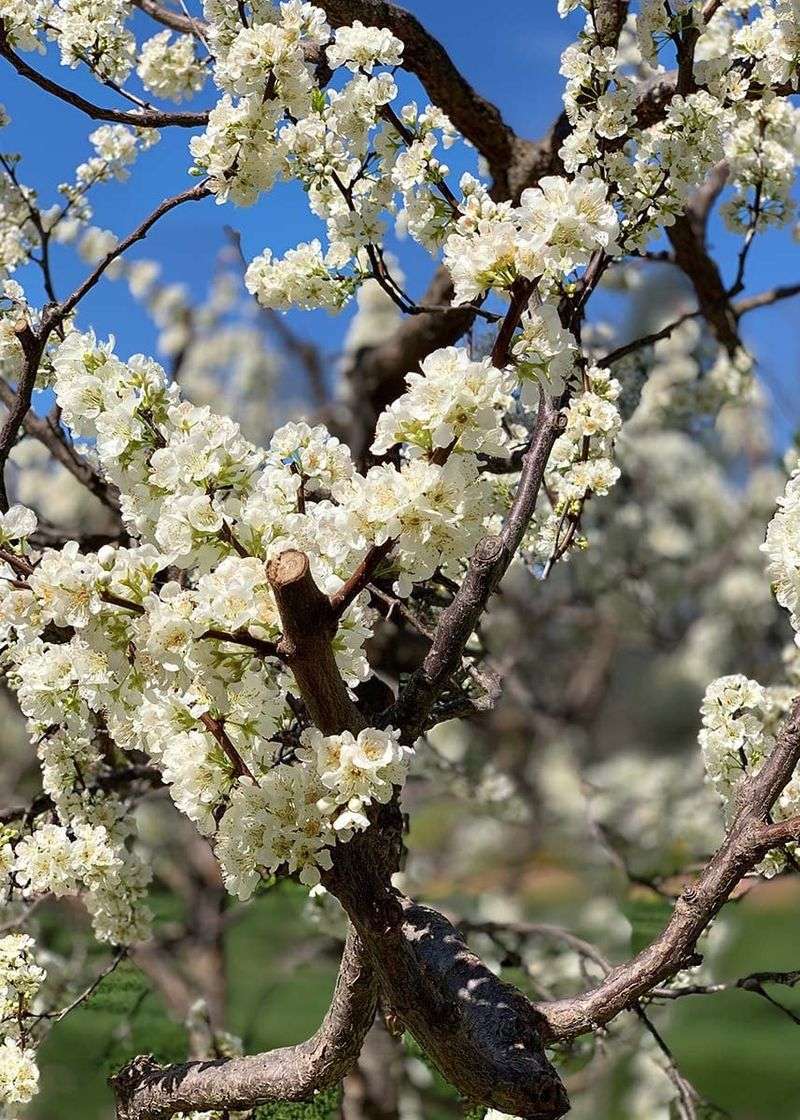
Spring is when Mexican plum earns its spot. Texas A&M’s listing describes showy flowers, followed by fruit that wildlife eat.
Birds and other critters will likely visit, which is a nice payoff if you like watching your yard come alive.
It is deciduous, so the leaves drop for winter. That means sun reaches the patio in the cooler months and shade arrives when the leaves return.
Many Texans will see that as a fair trade.
Site matters. The tree prefers well-drained soil, and Central Texas Gardener says it likes sun but tolerates some shade.
The same source suggests supplemental irrigation may help it hold fruit, which is worth remembering through dry summers.
Now the practical downsides. The fruit can be messy, so think twice before planting right over seating, a grill area, or light-colored pavers that might stain.
Some branches also have thorns, which is a reason to keep it a bit back from walkways and spots where kids play barefoot or you brush past with a hose.
Weigh these like any yard trade. Flowers and wildlife on one side, cleanup and thorns on the other.
Plan for rooting room, not just canopy size
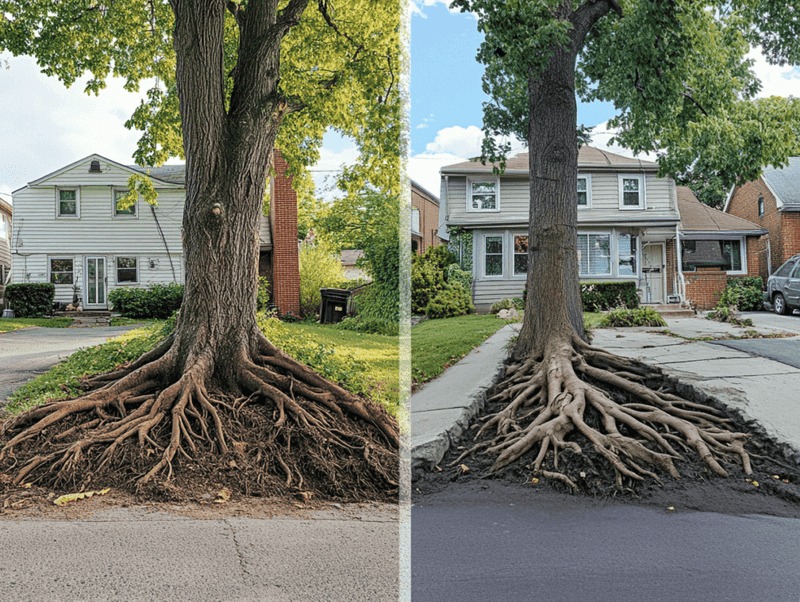
A small canopy does not mean small roots. Roots go where soil, air, and moisture are, so the better question is how much good soil your tree will actually get.
Texas A&M Forest Service urges planning for both mature canopy and root space. It estimates that small trees need about 400 cubic feet of soil at maturity.
Treat that as planning guidance, not a promise your pavers will stay put.
Here is a quick way to picture it. A planting bed about 10 feet by 10 feet and 4 feet deep holds roughly 400 cubic feet.
Few patio-edge strips come close, and compacted base rock under pavers does not count as friendly rooting soil.
If your space is tight, roots may search for easier ground, and the loose base under pavers can look inviting. Consider a wider planting bed, pulling the tree farther from the paving, or choosing a spot where the roots can spread into open lawn or garden beds instead.
Walk the site with a tape measure before you buy. Mark where the trunk would go, then measure out to the nearest paver edge and to any other hardscape, such as a driveway or foundation.
Pavers can shift even when roots do not break through
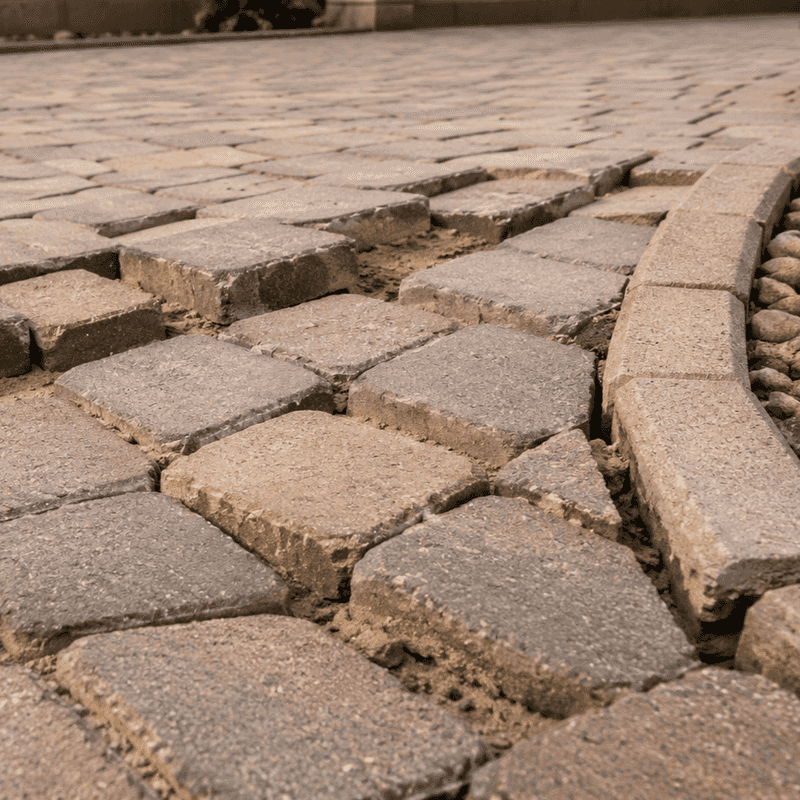
Roots do not have to crack concrete to cause trouble. UF/IFAS explains that roots can grow below paving and push upward as they gain diameter, and they can also exploit cracks that already exist.
The same source cautions that cracked sidewalks are not always caused by roots in the first place.
Pavers give you one advantage. They can be lifted and reset if roots nudge them, which is far easier than repairing rigid concrete.
They do not stop roots from growing underneath, though, so expect to touch up a low spot now and then.
Distance helps. Iowa State Extension suggests 4 to 6 feet between pavement and small trees, and says rooting areas under 4 feet wide should not be considered for any tree.
That is a general benchmark from Iowa, not a Texas rule, so go farther when you can.
Root barriers are another option. UF/IFAS research on deflecting roots looks at barriers as a way to redirect roots.
Roots can still grow beneath them, and results depend on the site, so treat a barrier as one tool and not a guarantee.
Plant in the Texas window and establish the tree carefully
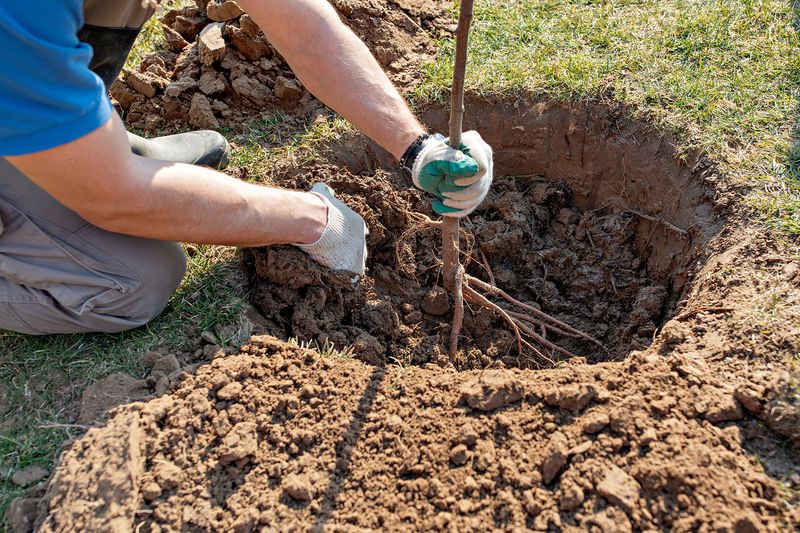
Timing first. Texas A&M Forest Service recommends planting from November through early spring.
Cool weather lets roots settle in before triple-digit summers arrive.
Next, the hole. Dig it at least twice as wide as the root ball, but no deeper.
Set the root collar, where the trunk flares out, at or slightly above ground level.
Then mulch, keeping it from touching the trunk. A ring of mulch holds moisture and cuts down on weeds.
Water regularly through at least the first two years while the root system gets established, and keep in mind that the same agency’s guidance ties long-term success to picking the right tree for the right place.
One caution. Good planting helps your tree get established, but it does not remove future root or paving risks.
Think of it as stacking the odds, then keeping an eye on the edges of your patio each season so small shifts get fixed early.
Protect established trees when changing the hardscape
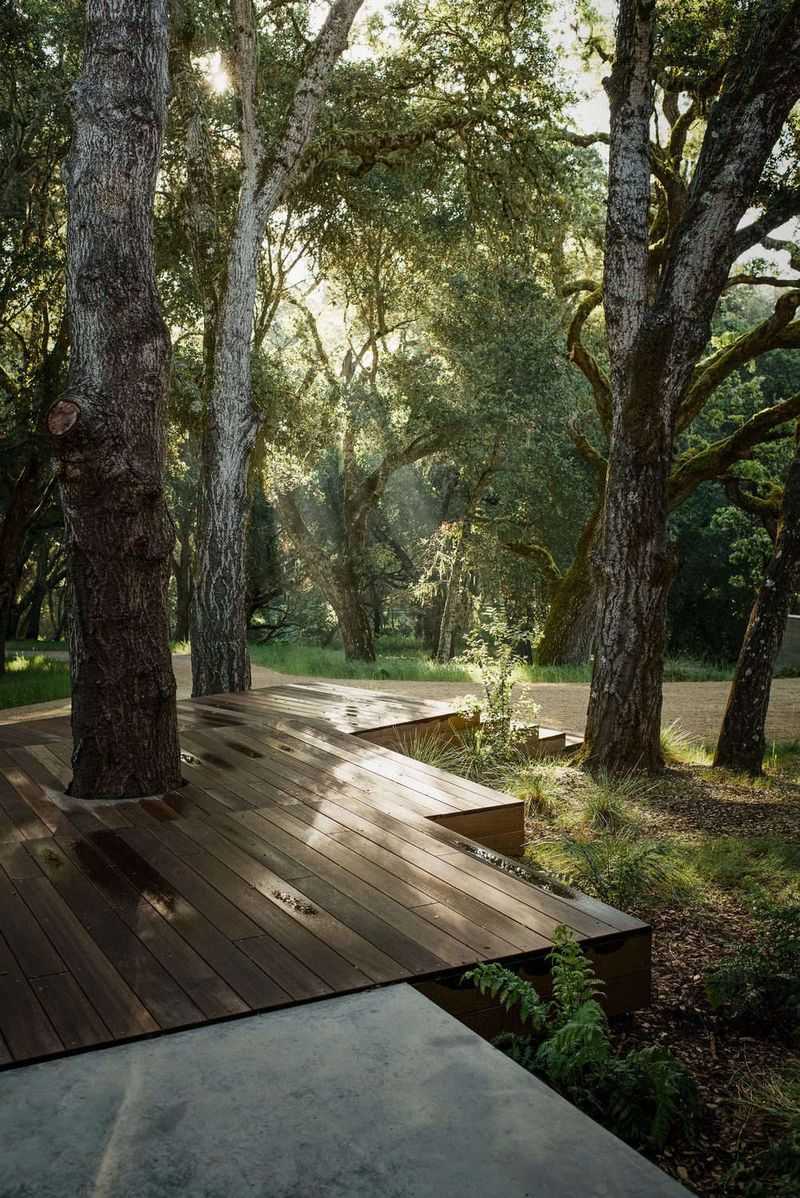
Maybe the tree is already there and the patio is the new part. In that case, the digging is the risky step.
UF/IFAS Gardening Solutions notes that installing a patio can damage a tree’s roots, and that pavement can restrict the conditions roots need to grow.
So the ground under an existing canopy is not consequence-free. Excavating, compacting, and covering soil can all stress the tree.
Talk with your installer before work starts about how close they plan to dig and where equipment will park.
If pavers shift later, resist the urge to grab a saw. Cutting large roots can harm a tree’s health and stability, and Iowa State Extension advises avoiding major root cuts.
For an established tree or any significant roots, call a qualified arborist for an assessment. They can tell you whether adjusting the paving, changing the base, or leaving things alone makes the most sense.
A short visit before a big project is often cheaper than losing a tree.
Choose a site that can accommodate the tree
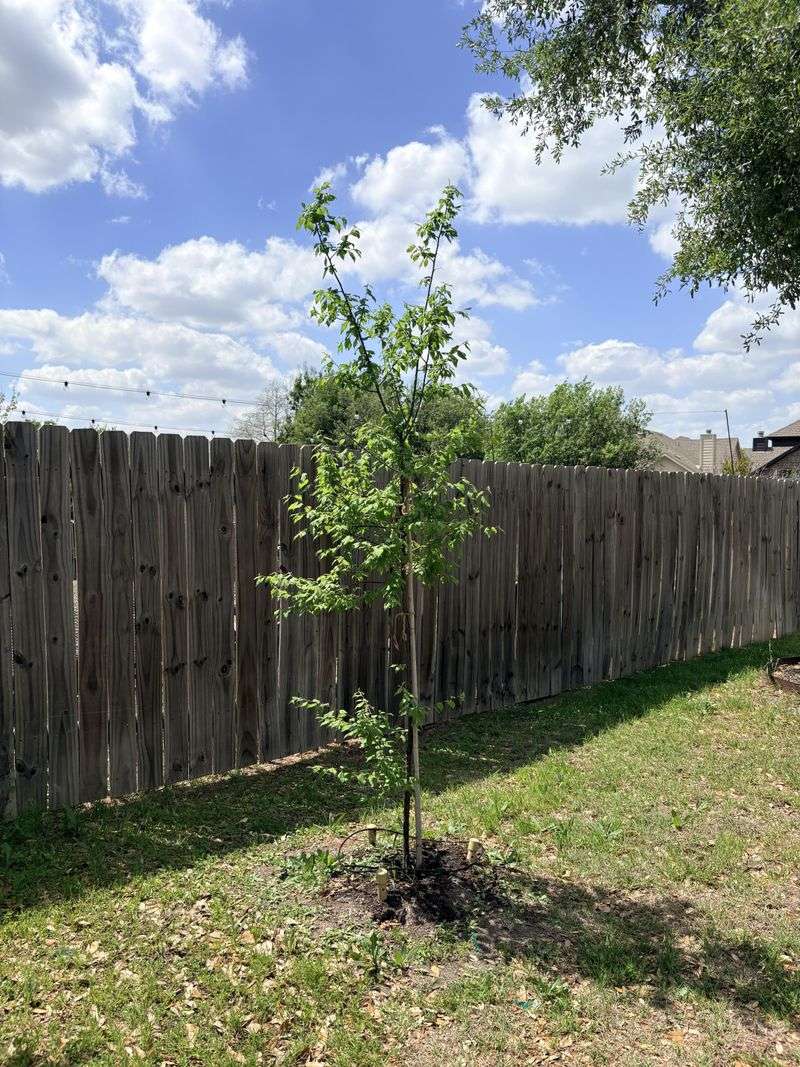
Mexican plum can be a reasonable Central Texas patio candidate when its seasonal shade, messy fruit, spreading branches, and site needs fit your plans. Check the mature size, give it real rooting room, and keep it well back from paving, ideally past the 4 to 6 foot benchmark.
Those steps may lower your risk, but no step guarantees pavers will never shift. A tree that blooms for you in March is worth planning for.
A few inches of extra distance is cheap insurance.