

Every fall, stink bugs across North Carolina start hunting for a cozy place to wait out the cold. If your garden gives them plenty of shelter, many of them may survive the winter and come back hungry for your tomatoes and peppers in spring.
The good news is that a few weekend cleanup jobs can take away their favorite hiding places. Here are eight spots worth checking before the first hard frost settles in.
1. Piles of Dead Leaves Against the House
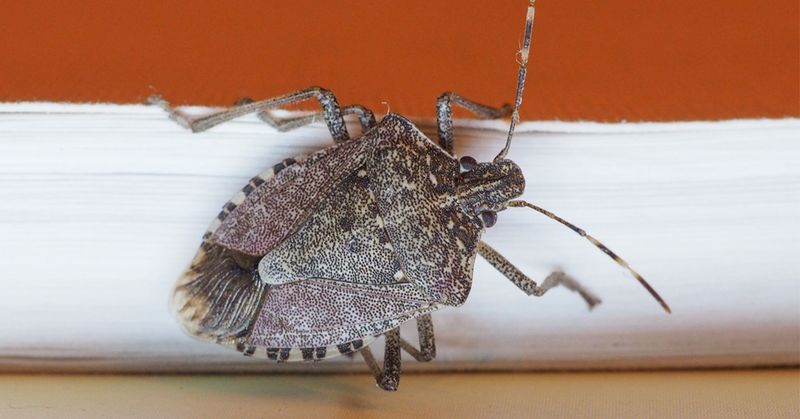
Picture a stink bug in October looking for a winter blanket. A drift of oak and maple leaves banked against your foundation is about as good as it gets.
It stays damp, sheltered, and just a few inches from the warm walls of your house.
Brown marmorated stink bugs, the invasive species now common across the Piedmont and mountains, often gather near buildings before trying to squeeze inside. Leaf piles touching the siding can give them a staging area.
Rake a clear strip about two feet wide around your foundation so there is no easy cover.
You do not have to bag every leaf in the yard. Shredded leaves spread thinly over beds or added to a compost pile away from the house still feed the soil and support overwintering fireflies and native bees.
The goal is simply to move the cover, not erase it.
2. Stacked Firewood Near Doors

Nothing says cozy like a stack of split oak by the back door. Unfortunately, stink bugs agree.
The cracks between logs and the loose bark make tight, dry pockets that suit them perfectly.
Wood stored right next to entry points can carry hitchhikers straight into the living room when you bring an armload in. Move your woodpile at least 20 feet from the house and raise it off the ground on a rack.
A simple cover on top keeps it dry while leaving the sides open to airflow.
Before carrying logs inside, give each one a quick knock. You may be surprised at what drops out.
As a bonus, moving wood away from the house can also reduce hiding spots for ticks and the rodents that carry them.
3. Spent Vegetable Plants and Garden Debris
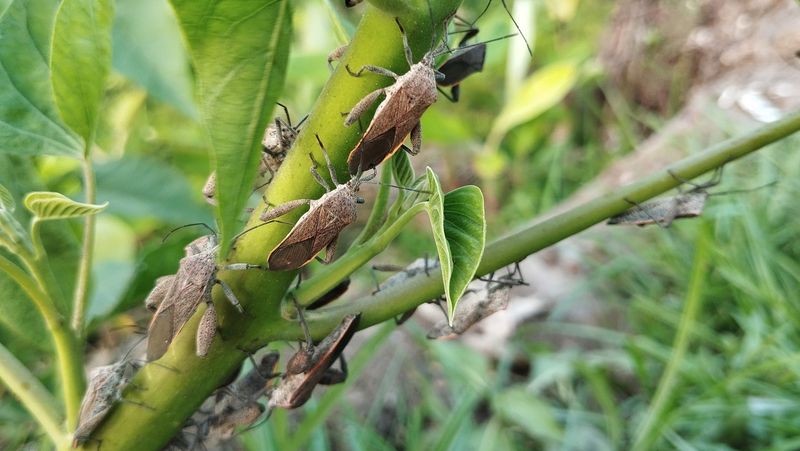
Ask any Carolina tomato grower about stink bugs and you will likely hear a groan. Those leathery, scarred fruits with cloudy spots inside are classic feeding damage.
Leaving old tomato, pepper, okra, and bean plants standing all winter can give the same pests a familiar place to linger.
Once your harvest is done, pull spent vegetable stalks and toss any rotting fruit. Native brown stink bugs and green stink bugs, both common in eastern NC fields, can overwinter in crop residue near where they fed.
Clean beds mean fewer adults waiting for your spring transplants.
Consider sowing a cover crop like crimson clover or winter rye afterward. It protects the soil and gives you something green to look at until March.
4. Gaps Around Windows and Siding

Here is a fun one. A stink bug can wriggle through a crack about the thickness of a credit card.
That means a slightly loose window trim or a gap where siding meets the chimney is an open invitation.
Walk around your house on a sunny October afternoon and look at the south and west walls. Those warm sides tend to attract clusters of bugs sunning themselves before they search for a way in.
Wherever you see them gathering, check for cracks nearby.
A tube of exterior caulk and some weatherstripping can close most of these gaps in an hour or two. Repair torn window screens too.
Sealing up may also help keep out wasps and other uninvited winter guests.
5. Overgrown Weedy Borders

That shaggy strip along the back fence might seem harmless. Yet thick weeds like pigweed, ragweed, and tall unmanaged grass can host stink bugs right up until frost.
When the weather turns, adults may simply settle into the tangle at the base.
Mow or trim weedy edges near your vegetable garden in fall. You are not aiming for a sterile lawn.
Just knock back the rough patches that sit closest to the crops you care about most.
Want to keep habitat for wildlife? Swap a weedy corner for a planting of native asters, goldenrod, and little bluestem.
These natives can support pollinators and predatory insects that may help keep pest numbers in check, while giving you a tidier look.
6. Cluttered Sheds and Garages

Ever opened a storage box in April and had a stink bug crawl out? Many of us have.
Sheds and garages stay a little warmer than the outdoors and offer hundreds of shadowy corners.
Cardboard boxes, stacked flowerpots, folded tarps, and piles of old burlap are favorite spots. Give your shed a fall sort-out and store supplies in sealed plastic bins instead of open cardboard.
Hang tools on walls so less sits on the floor.
Check that the doors close snugly too. A rubber door sweep is cheap and can make a real difference.
Tidying the shed also makes it less attractive to mice and snakes, which is a win for anyone who has jumped at a surprise visitor.
7. Loose Bark and Dead Tree Limbs

Out in the forests of the Blue Ridge, stink bugs naturally overwinter under loose bark on dead trees. Your backyard version of that is a dying limb, an old stump, or a pile of brush near the garden.
Not every dead tree needs to go, though. Standing snags far from the house can be valuable homes for woodpeckers, bluebirds, and bats.
The bats in particular may help cut down on mosquitoes come summer.
Focus on brush piles and peeling stumps that sit close to your house or vegetable beds. Trim dead limbs hanging over the roof as well, since they give bugs a bridge to your attic.
Keep wild habitat out at the property edge where it does the most good.
8. Old Plant Containers and Decorations

Fall porches look lovely with cornstalks, hay bales, and pumpkins. After Thanksgiving, though, those decorations start breaking down and turning into bug hotels.
Dried cornstalks especially can shelter stink bugs in their folded leaves.
Compost pumpkins and gourds once they soften, and remove cornstalks and straw bales before winter. Empty pots stacked upside down on the patio are another sneaky spot.
Rinse them out and store them inside a closed bin or turn them right side up somewhere away from the house.
Fun fact: stink bugs got their name from a defense smell some people compare to cilantro. Gentle handling helps, but cleaning up their hiding spots beats sniffing them out any day.