
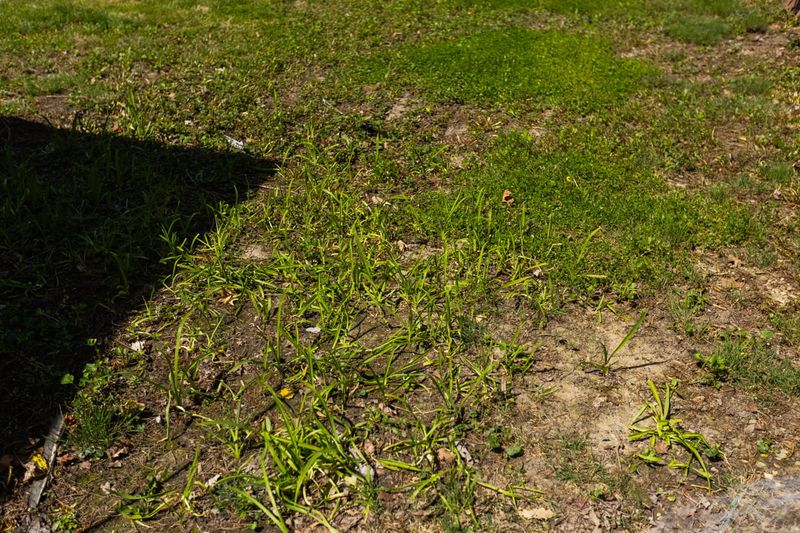
Spring comes, and the grass in some spots is thin, bare, or slow to wake up. Compacted soil under the turf can play a part, but it is only one of several things that can cause the problem.
Knowing what is going on below the surface helps you decide whether core aeration is worth your time. Timing matters too, and it is not the same for every Southern lawn.
A patchy spring lawn does not diagnose compaction
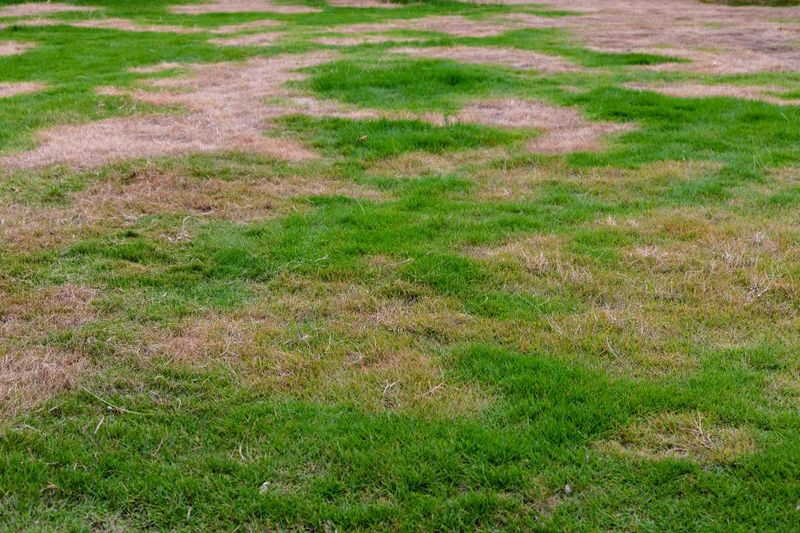
Bare spots in spring are frustrating, and it is natural to want one quick answer. Compaction is a real possibility, but it is only one.
A patch tells you that something is wrong, not what.
Other causes are common. UGA Extension describes winter injury to warm-season turf and root damage from saturated soil as reasons for bare areas, along with compaction.
Pests and diseases can also thin turf, and UF/IFAS cautions that diagnosing turf disease by appearance alone can be difficult, and that treatment depends on the specific disease.
Looks alone cannot reliably sort these causes apart. So aeration should not be an automatic first step.
Compaction may contribute to a thin lawn, but that does not mean it explains every lawn that comes back patchy each year.
How compaction can weaken turf
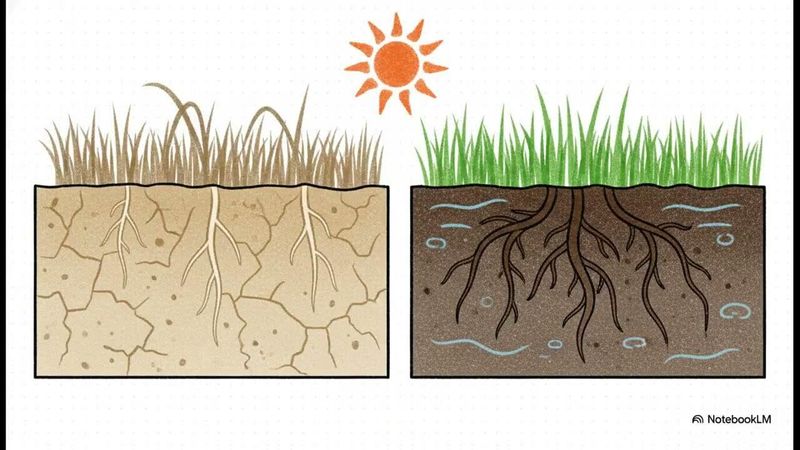
Healthy soil is full of tiny gaps that hold air and water. When soil gets packed down, those gaps shrink.
Air and water move through it more slowly, and roots have a harder time pushing deeper.
Turf with limited roots can struggle in heat, dry spells, and heavy rain. That is the way compaction can contribute to thin grass.
It does not prove compaction caused the bare spots in your yard, since other problems can leave the same marks.
Use makes compaction more plausible. A lawn that sees lots of foot traffic, play, or parked vehicles is a better candidate than a quiet, rarely walked yard.
Texas A&M’s St. Augustine calendar points to those heavy-use situations when it discusses aeration.
Even then, frequency should follow need. UGA notes a lawn may be aerified anywhere from yearly to every three or four years.
What core aeration does—and what it needs
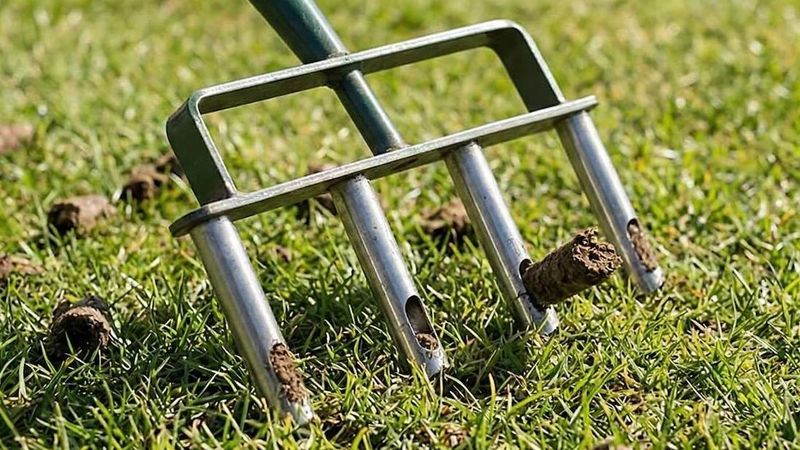
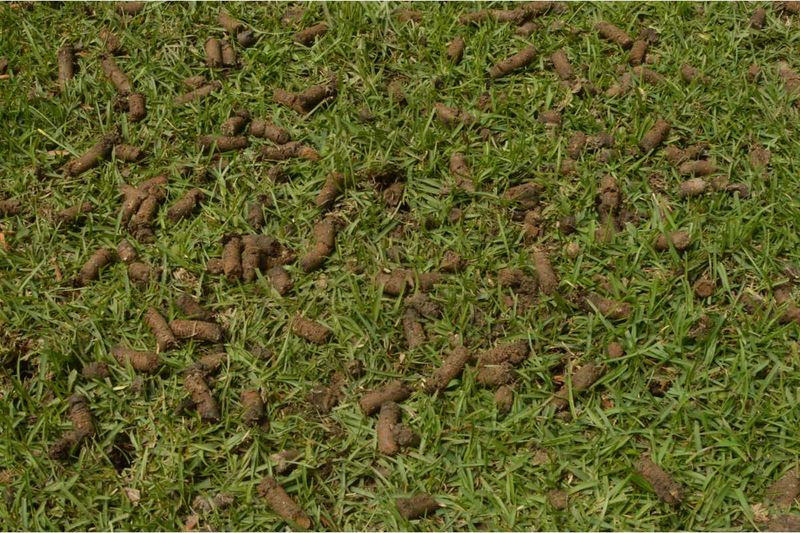
A core aerator pulls small plugs of soil out of the ground and leaves holes behind. Those openings can let air, water, and nutrients move more freely into the root zone, which is the idea behind using it where compaction is present, as UGA describes.
Equipment matters. Oklahoma State recommends hollow tines that remove cores at least 2 inches long.
Solid spikes that just poke holes are not the same thing.
Soil moisture counts as well. The ground needs to be moist enough for the machine to actually pull plugs, a point that Texas A&M also notes.
Rock-hard dry soil can defeat the machine.
The benefit is limited to compaction. Coring will not fix a pest outbreak, a disease, or damage from cold or flooding.
For Southern lawns, let grass type set the timing
Fall sounds like the natural time to aerate, but that is advice built for cooler regions. Most Florida and Texas lawns are warm-season grasses, and those follow their own calendar.
Fall is not a universal window for them.
UGA advises aerating when roots are actively growing. For warm-season grass, that means when soil at 4 inches deep is at least 65°F and rising.
The calendar backs this up. Texas A&M’s St. Augustine schedule places aeration from April through August.
UF/IFAS identifies summer as the period of most active growth for Florida warm-season grasses, and it notes that growing seasons vary by location.
Cool-season lawns are different. Oklahoma State guidance covers lawns where fall can suit grasses such as tall fescue, though local conditions still matter.
Rather than picking one date for the whole South, check your county Extension office for your grass and area.
Thatch and other problems need different responses
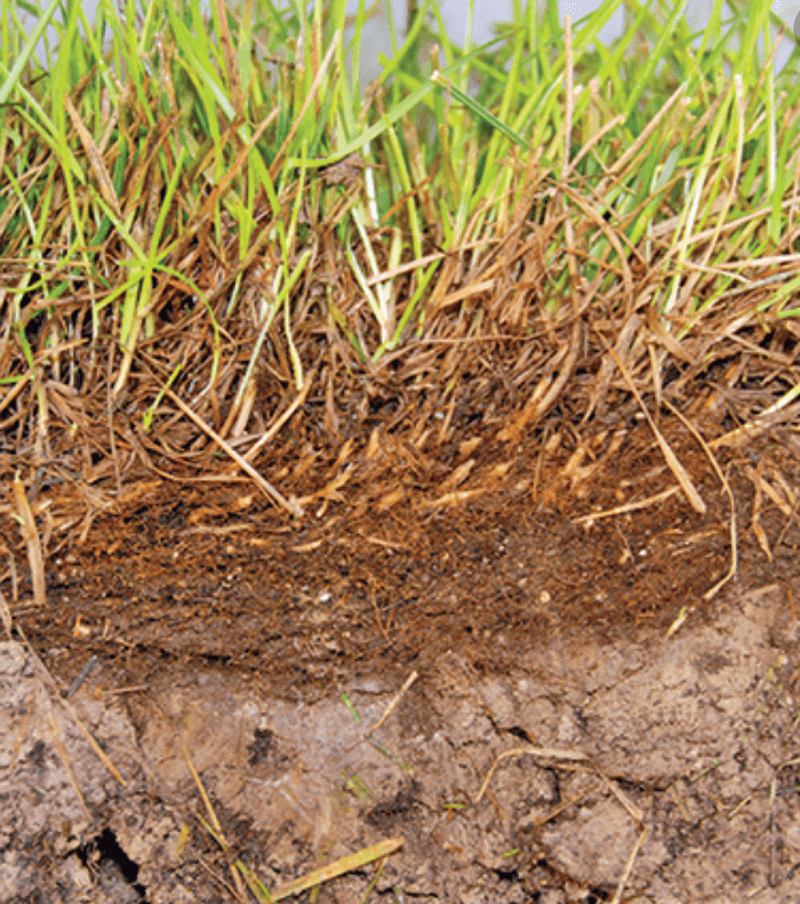
Compaction and thatch get mixed up, but they are separate problems. Compaction is packed soil.
Thatch is a buildup of dead and living stems and roots that piles up above the soil.
Texas A&M’s calendar says problematic thatch may call for hollow-tine aerification or other removal methods. That does not mean every patchy lawn has too much thatch.
Coring also will not cure pests, disease, winter injury, or soggy soil. UGA lists winter injury and saturated soil among the other causes of bare areas.
Find the likely cause before choosing a fix. Check for chewed or loose turf, look at drainage after rain, and think about last winter.
For suspected disease, UF/IFAS warns that appearance alone can mislead, so a local Extension office can help confirm it.
Choose a response, not a guaranteed spring fix
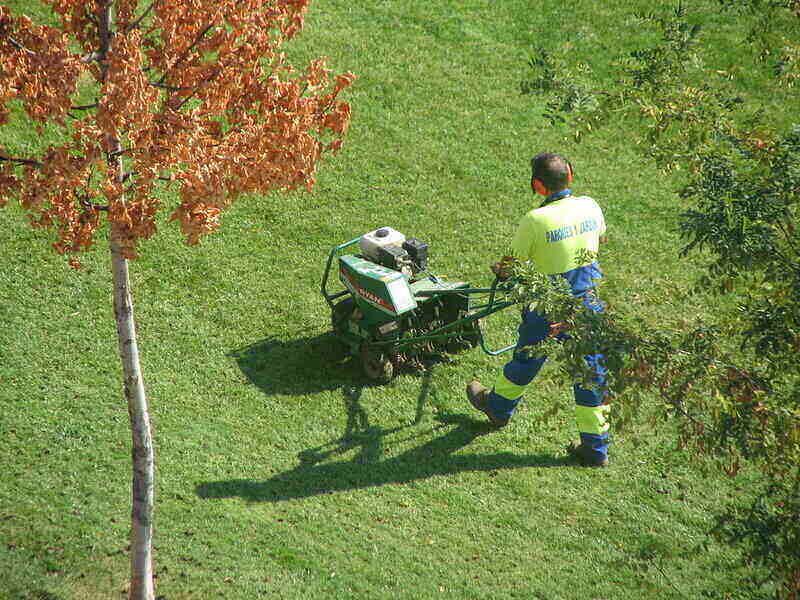
Think of aeration as a tool for one job. If your lawn takes heavy traffic and the soil feels packed, coring may help.
If the real trouble is pests, disease, or winter damage, it will not.
Timing should fit your grass and local growing season, as UF/IFAS notes for Florida lawns. Aeration at the wrong time can stress turf that is not growing.
No amount of fall work can promise a recovered lawn next spring.
Your next step is simple. Contact your county Extension office or read its guidance for your grass type, and compare it with the UGA soil-temperature guidance before booking a rental machine.
A thin lawn is a clue, and the cause is what you fix.