
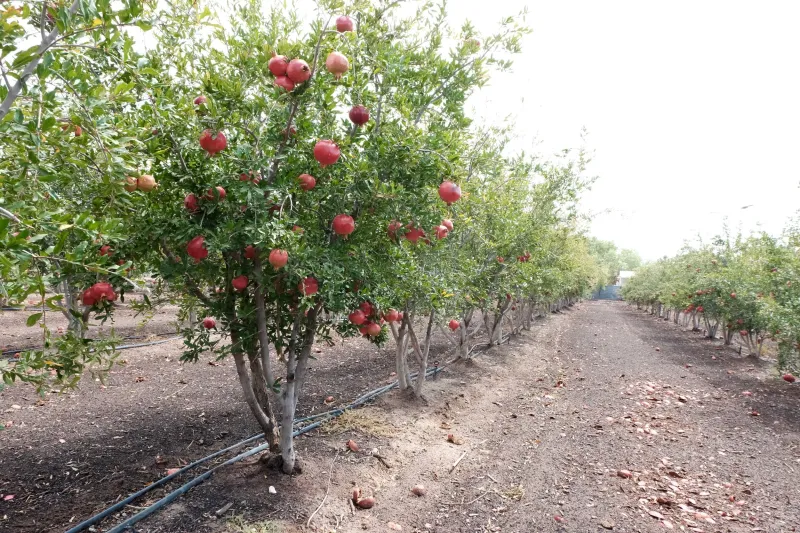
Pomegranate has a reputation as a tough plant for hot Texas yards, and that reputation is partly earned. It handles heat well, but it is not a tree you plant in October and harvest from next July.
Knowing what it can and cannot do helps you pick the right spot, water it wisely, and plan for fruit in the years ahead. Here is how to decide if a pomegranate belongs in your sunny yard.
Pomegranate tolerates heat, but it is not stress-proof
Pomegranate earns a spot on Texas shortlists because it likes weather that wilts other plants. University of Georgia Extension says it performs well where there are at least 120 days above 85°F, and much of Texas clears that bar easily.
That is heat tolerance, though, and it is not the same as being immune to triple-digit stretches. A young plant that dries out in August can be injured, and a shrub under water stress may drop its fruit or set none.
The fruit itself can also be damaged by harsh sun, which we will get to later.
It also helps to picture the plant correctly. Pomegranate is usually a bushy, multi-stemmed fruiting shrub, and it can be trained into a small tree if you prefer that look.
Calling it a tree sets the wrong expectations about its shape, its spacing, and how it behaves.
The Texas A&M AgriLife guide recommends full sun, regular irrigation, and attention to variety. Those three things separate a handsome shrub that fruits from one that merely survives.
So the honest pitch is this: pomegranate is a strong choice for some Texas yards, especially sunny, well-drained ones. It rewards good planning and a bit of patience, and the sections below cover each step.
Fall may fit Texas planting plans, but it is not a universal rule
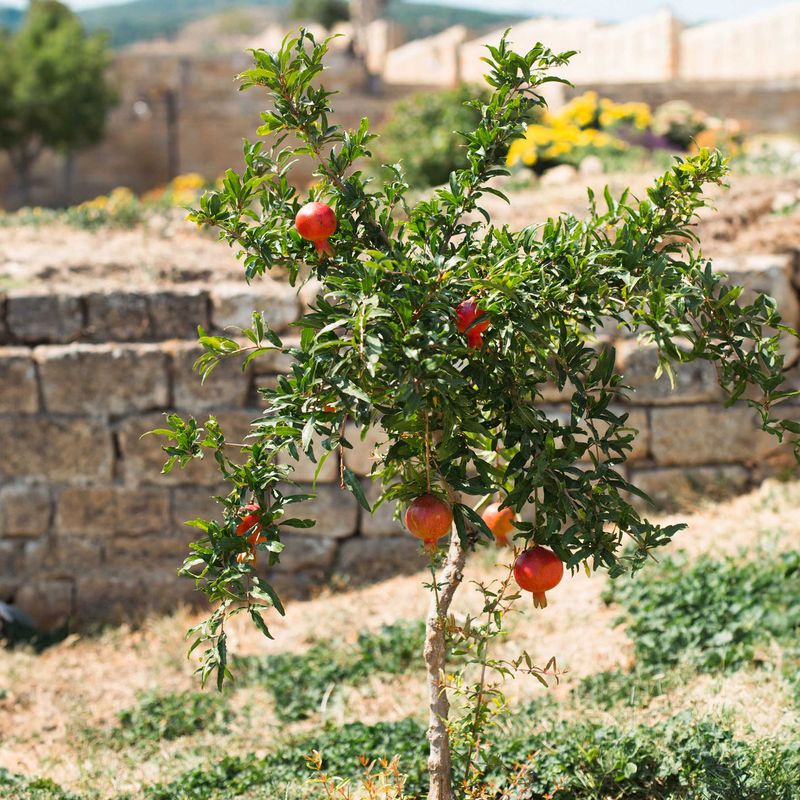
Cool-season planting is a common Texas habit for woody plants. The Texas Parks and Wildlife design tips support planting in the cooler months so roots can settle before summer.
That logic applies to many shrubs and trees in Texas yards.
Pomegranate-specific guidance is thinner. The Texas A&M pomegranate guide does not name fall as the best season for this particular plant.
So treat autumn as a reasonable opportunity, not a rule.
Where you live matters too. A mild fall in South or Central Texas gives roots time to grow, while a plant set out ahead of a hard winter freeze in colder parts of the state may need protection or a spring start instead.
Florida is a different story. UF/IFAS recommends early spring planting there, so advice from one state should not be copied to the other.
A fall planting will not guarantee faster establishment or fruit next summer. Its real benefit is giving you a head start on watering routines and site checks before the heat returns.
Choose a sunny site and a plant suited to Texas
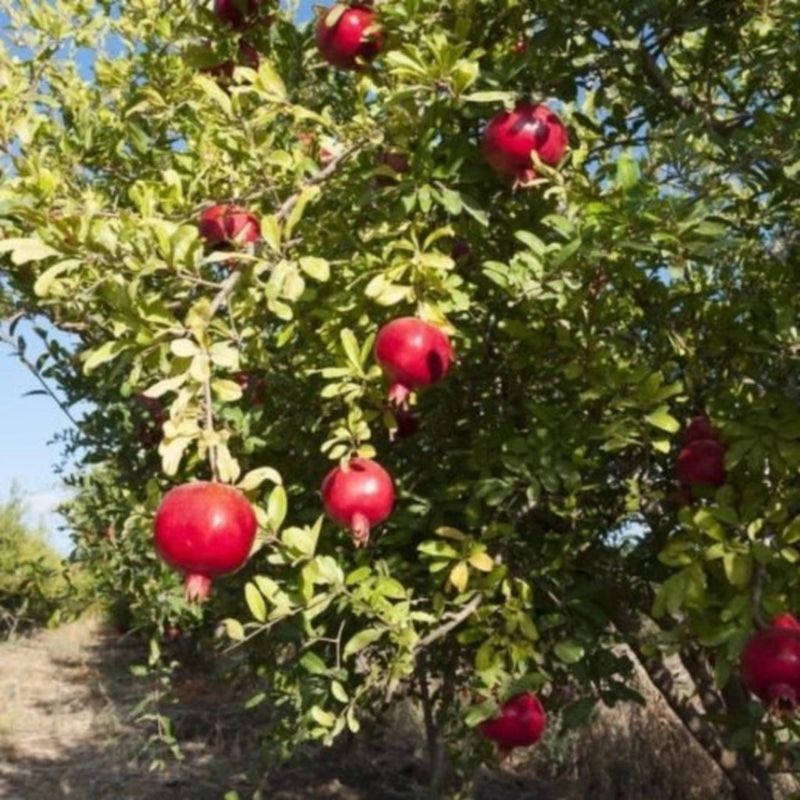
Start with the sun. Pomegranate needs full sun for good flowering and fruiting, so pick a spot that gets strong light most of the day.
A shaded corner will give you leaves and little else.
Next, think about size. Pomegranate grows as a bushy, multi-stemmed shrub, and you can prune it to a few trunks if you want a small tree.
Texas A&M recommends 12 to 15 feet between plants in orchard-style plantings. In a home yard, allow for the mature width and follow your local extension advice.
Cultivar choice matters a great deal in Texas. Texas A&M lists Salavatski as cold-hardy.
It also warns that Wonderful, the best-known supermarket variety, has had ongoing trouble with fruit splitting near maturity and with insufficient cold hardiness in Texas.
That does not mean any one variety is right for every yard. A Panhandle freeze and a Gulf Coast humid spell are very different tests, so ask a local nursery or your county extension office which varieties have done well nearby.
Also check the tag. Some ornamental pomegranates are sold for their flowers and may not give worthwhile fruit, so look for a variety described as a fruiting type.
Water for establishment and production, not just survival
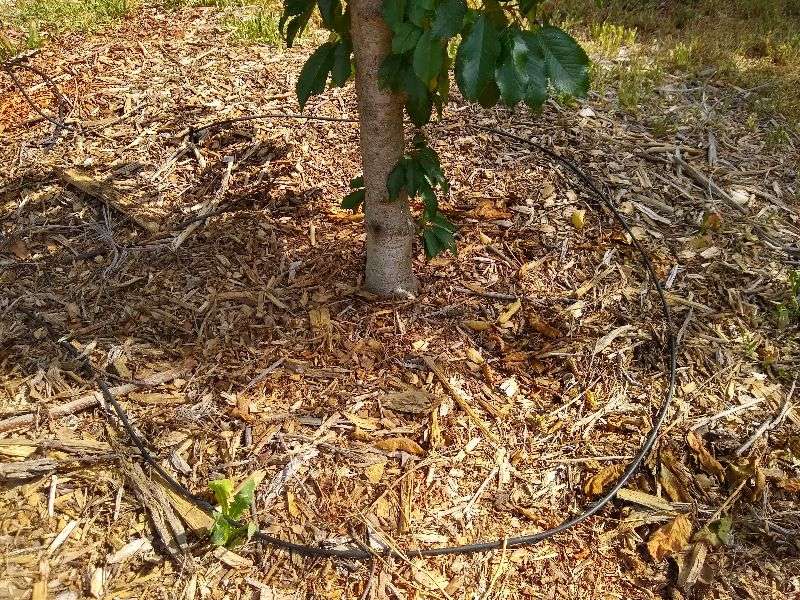
Drought tolerance is the part of the pomegranate story that gets stretched too far. A tough plant still needs water to build roots, and it needs more to make fruit.
Texas A&M advises a thorough watering at planting, another in two to four weeks, and then weekly as the plant leafs out. Established plants generally need water about every 7 to 10 days.
Treat those numbers as a starting point. Sandy soil drains fast and may need more frequent watering, while clay holds moisture longer.
Rain counts, and so do local watering restrictions, which many Texas cities enforce in summer.
A simple check works well: push a finger a few inches into the soil near the root zone. If it is dry, water slowly and deeply instead of sprinkling the surface.
UGA Extension says supplemental irrigation matters during establishment and for production. It adds that long droughts without irrigation can injure young trees and put fruit at risk.
Even so, no schedule or sprinkler guarantees a crop. Water supports the plant, but the variety, the age of the shrub, the weather, and the flowers it sets all play a part.
Heat-tolerant plants can still produce damaged fruit
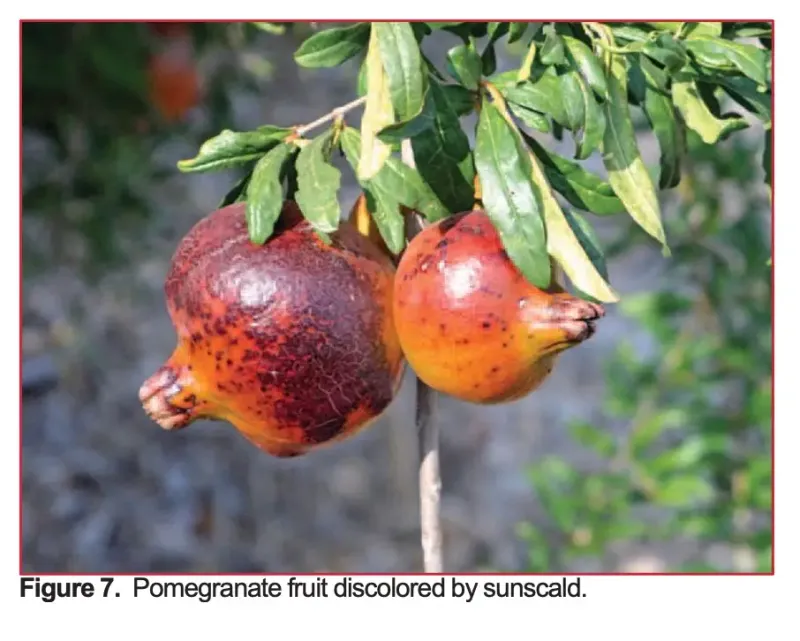
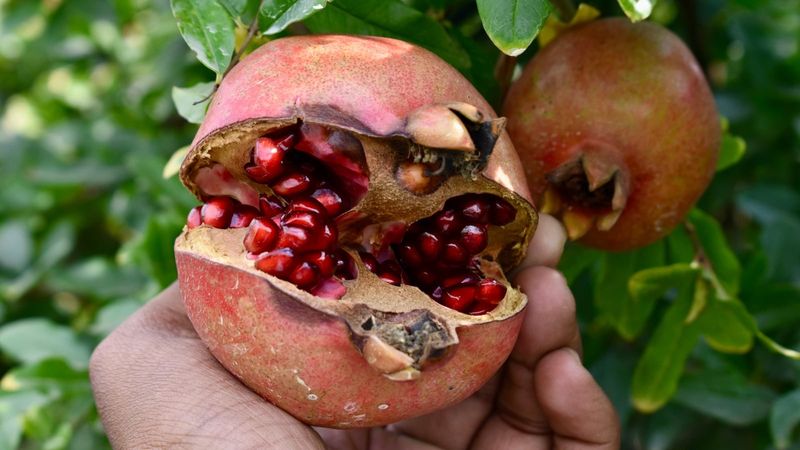
A split fruit in September can be a letdown after months of care. Heat tolerance protects the shrub, but it does not shield every fruit from every problem.
Texas A&M warns that excessive sun can cause sunscald and blemishes on the fruit. If you see pale, tan, or leathery patches on the side facing the afternoon sun, that is a likely clue.
Healthy leaf cover can help shade developing fruit.
Splitting is another common issue. UGA Extension notes that sudden changes in water availability, such as heavy rain after a dry spell, can contribute to it.
UGA also cautions against heavy irrigation late in the season.
UF/IFAS advises keeping soil moisture adequate. In practice, that means aiming for steady moisture, not feast and famine.
Mulch can help even out soil moisture, but it will not prevent every split or blemish. Harvest fruit promptly when ripe, because ripe fruit is the most likely to crack.
A new planting will not reliably fruit next summer
Here is the plain answer: do not count on fruit from a pomegranate planted this fall. Texas A&M says plants typically begin producing fruit three to four years after planting.
Some reports are more optimistic. UGA Extension notes earlier bearing in some cases from rooted hardwood cuttings.
Even then, the first crop may be small and unreliable, so it does not support a harvest promise for the summer after planting.
Flowers can mislead you, too. Pomegranates are self-fruitful, so one plant can set fruit alone.
But not every flower becomes a fruit, because some blooms are functionally male and never develop one.
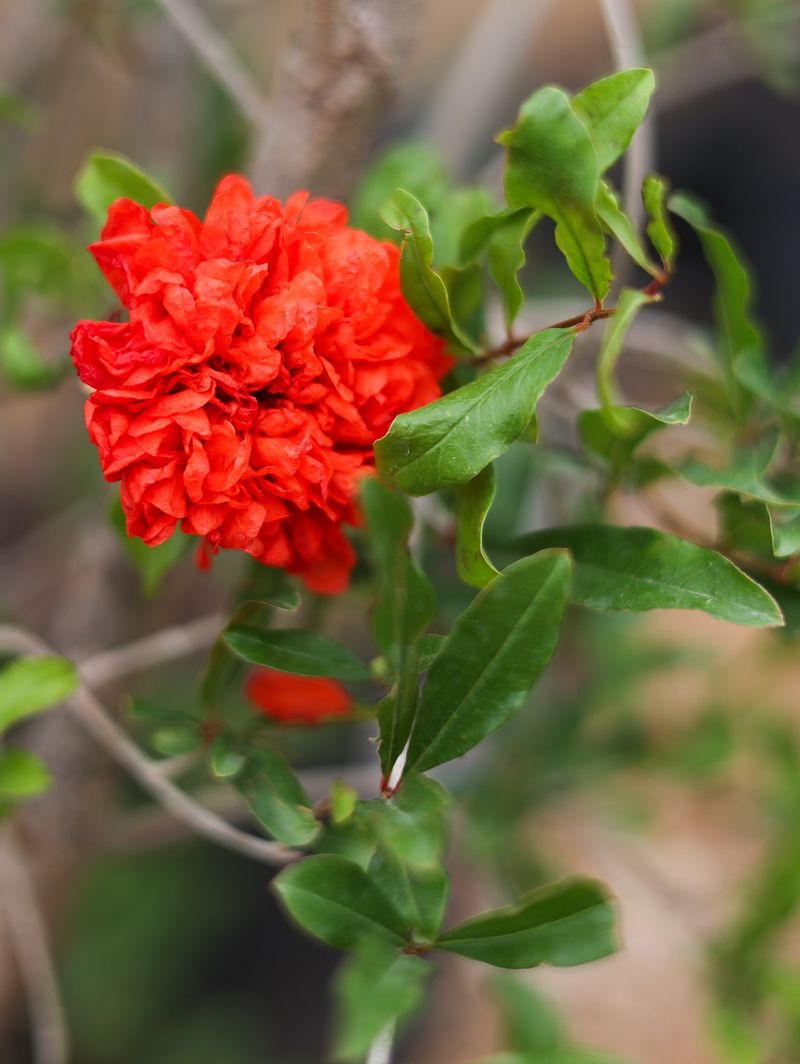
A flush of orange-red blossoms is a good sign of a healthy plant. It is not a guarantee of pomegranates a few months later.
The realistic goal for the first year or two is establishment: strong roots, steady growth, and a well-shaped framework of stems. Plan your harvest around year three or four, and treat any earlier fruit as a bonus.
Florida gardeners face a different calendar and growing challenge
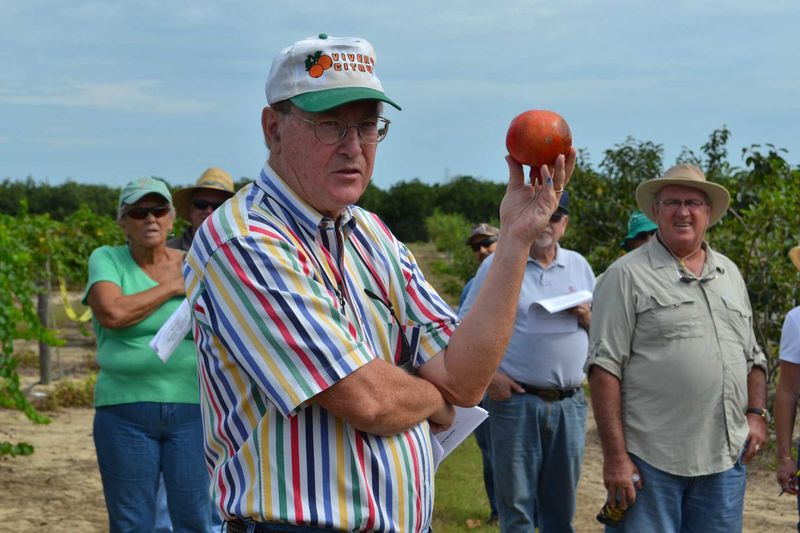
Florida readers should set the Texas advice aside when it comes to timing. UF/IFAS recommends planting pomegranates in early spring, specifically February to March, while avoiding late frost.
The growing conditions are different as well. Florida’s hot, wet growing season can reduce fruit quality, and fruit that ripens through humid, rainy weeks often struggles in ways a dry Texas summer does not.
Disease is the bigger concern. UF/IFAS documents fungal diseases of pomegranate in Florida, and they are a significant limit on production.
Good air flow, a sunny open site, and clean-up of fallen fruit and leaves are sensible habits.
Site and variety matter here, too. Not every pomegranate sold in Florida is meant to give edible fruit, since some ornamental varieties are grown for flowers and do not produce a usable crop.
If you want fruit, buy a named fruiting variety and expect some trial and error. A Florida pomegranate can be a handsome, interesting plant, but it is a gamble more than a sure thing.