
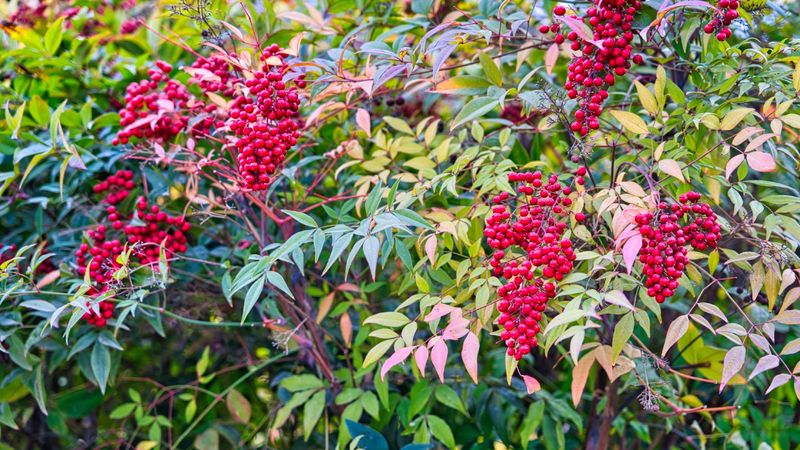
Nandina is everywhere in Texas yards, with its red berries and neat evergreen look. But it has a few downsides, and some gardeners are wondering what else could fill that spot.
A Texas-native shrub called possumhaw holly offers bright winter fruit that birds and other wildlife eat. Here is how to tell whether it fits your yard.
Why Consider Replacing Nandina?
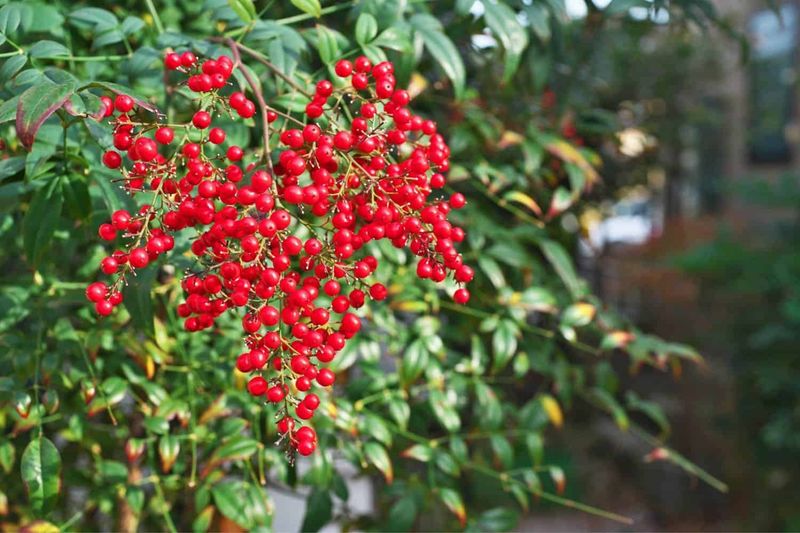
Nandina earned its place in Texas landscapes by being tidy and tough. Still, a gardener may have reasons to rethink it.
UF/IFAS guidance describes nandina as invasive in parts of the Southeast, spreading by bird-carried seed and by underground stems.
Birds do eat nandina fruit, and that is part of how seedlings turn up far from the parent plant. Seedlings popping up in nearby beds, fence lines, or wooded edges are a practical sign of that spread.
There is also a wildlife concern, though it needs careful wording. After dozens of cedar waxwings were found dead in Georgia, investigators linked the deaths to nandina berries, as described in a veterinary case report.
They did not measure cyanide in the birds’ tissues, so it is a documented risk rather than proof of routine losses.
Other work adds nuance. A study of nandina fruit found cyanogenic potential varies with ripeness and plant clone.
Most ripe fruit tested weakly and slowly cyanogenic, and some tested negative. Cedar waxwings may be more vulnerable because they can eat many fruits in one sitting.
Texas resources treat nandina as a concern, including the City of Austin invasive plants guide. But the Texas Invasives entry shows it is not a Texas Department of Agriculture noxious weed or a TPWD prohibited exotic.
Whether to replace it is your call, based on what you see in your own yard.
Possumhaw’s Fruit Stands Out After the Leaves Fall
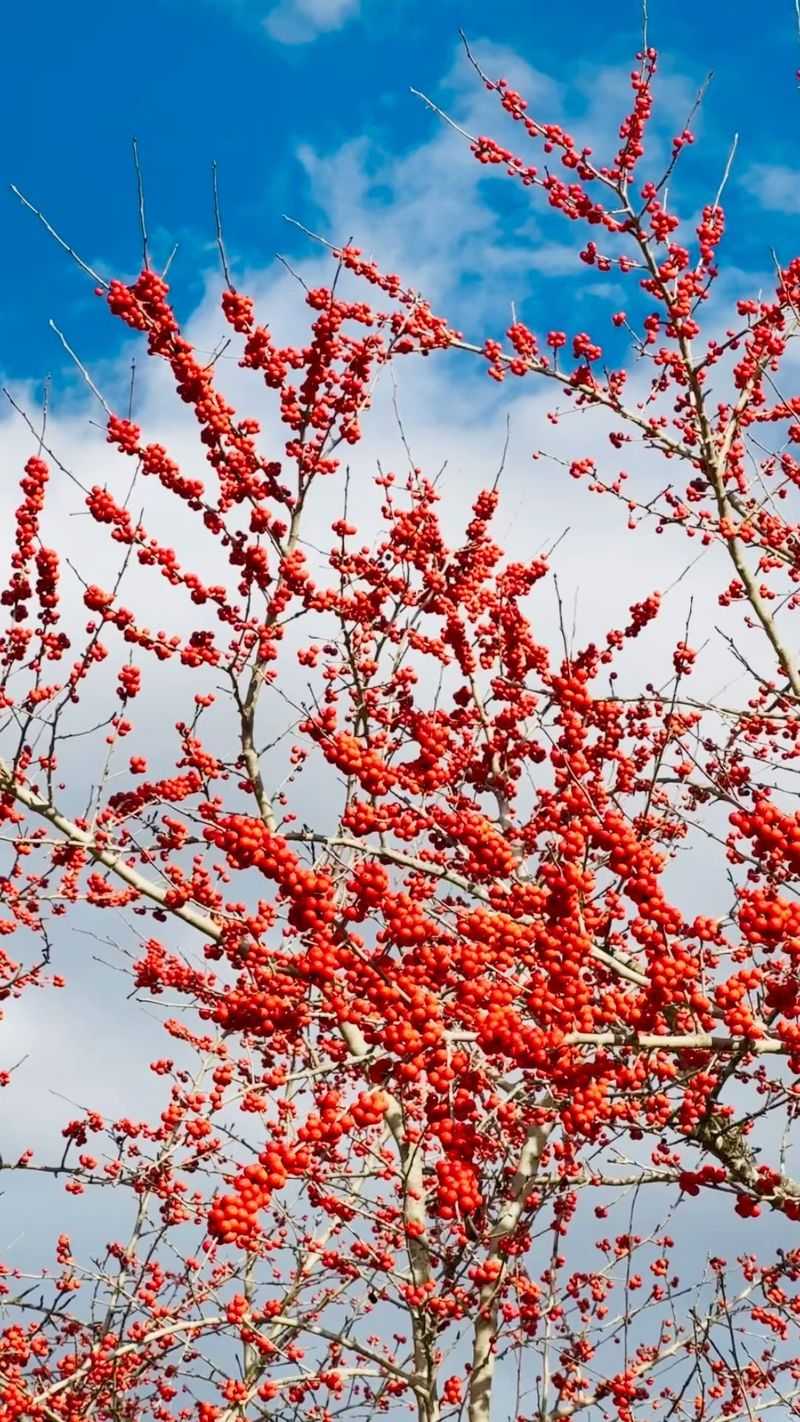
Picture a gray winter hedgerow with a branch strung with glowing red berries and no leaves at all. That is possumhaw holly, Ilex decidua, a Texas-native shrub or small tree.
Texas A&M’s Texas Tree Selector lists it as native and notes that wildlife eat its fruit.
Unlike many hollies, possumhaw drops its leaves in fall. That leaves the fruit exposed along bare stems, which is the whole show.
Texas Tech Plant Resources describes the fruit as conspicuous in winter, and the color can vary from red to orange to yellow depending on the plant.
That bare-branch look is the trade-off. Nandina keeps its evergreen foliage through winter, while possumhaw gives you structure and berries instead of leaves.
Some gardeners love the sculptural look against a fence or a dark backdrop, and others miss the green.
Set your expectations accordingly. Possumhaw is not a leafy, evergreen stand-in.
It is a seasonal plant that earns its spot in the colder months, with wildlife food as a bonus.
Check the Mature Size Before You Choose
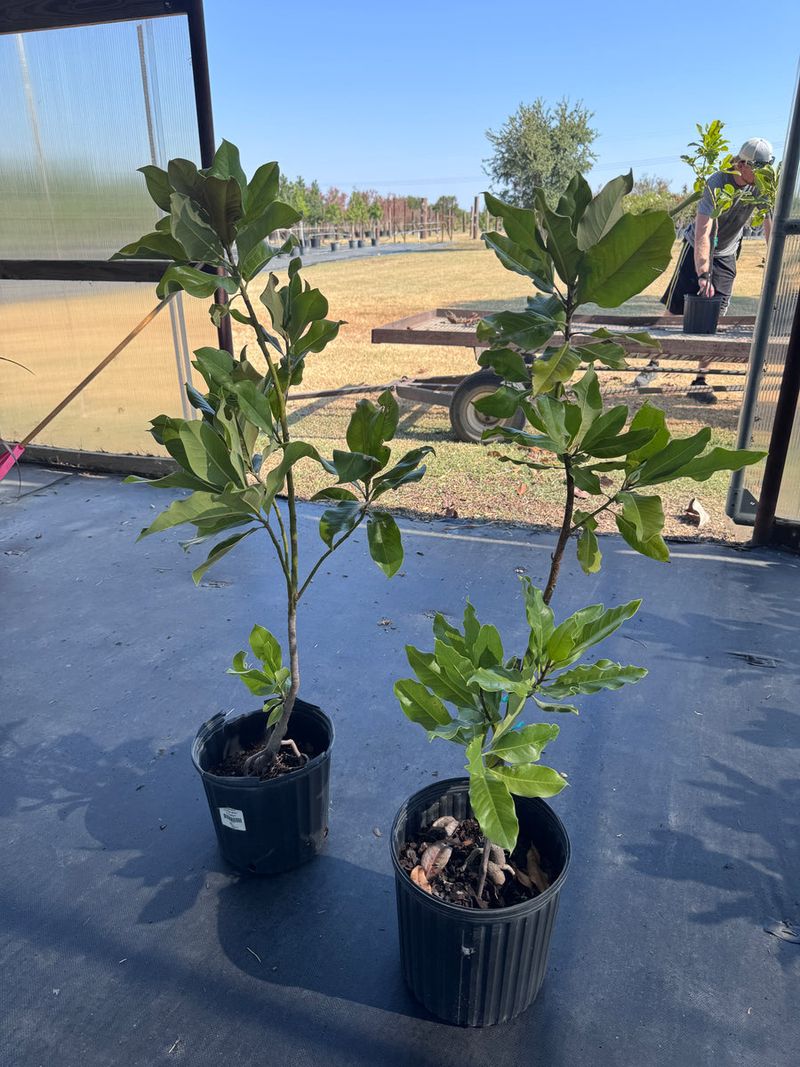
Size is where many swaps go wrong. Texas Tech lists possumhaw at about 7 to 15 feet tall and 5 to 12 feet wide.
It grows in full sun or part shade.
That is a large shrub or small tree, so a tight bed beside the front door is likely too small. A corner of the yard, a fence line, or a spot where you want a loose, informal hedge makes more sense.
Texas conditions matter too. Texas A&M’s selector lists drought, alkaline soil, and poorly drained sites among its tolerances.
It also rates water needs as moderate, so a new plant still needs regular care while it settles in, and it should not be treated as a zero-water choice.
Then think about leaf drop. UF/IFAS describes nandina as an evergreen shrub, which is why it works for year-round screening.
Possumhaw will not block a view in January.
If you have the room and want seasonal fruit more than constant green cover, possumhaw is worth considering. If you need a narrow, evergreen plant under a window, look elsewhere.
Plan for a Female Plant and a Pollinator
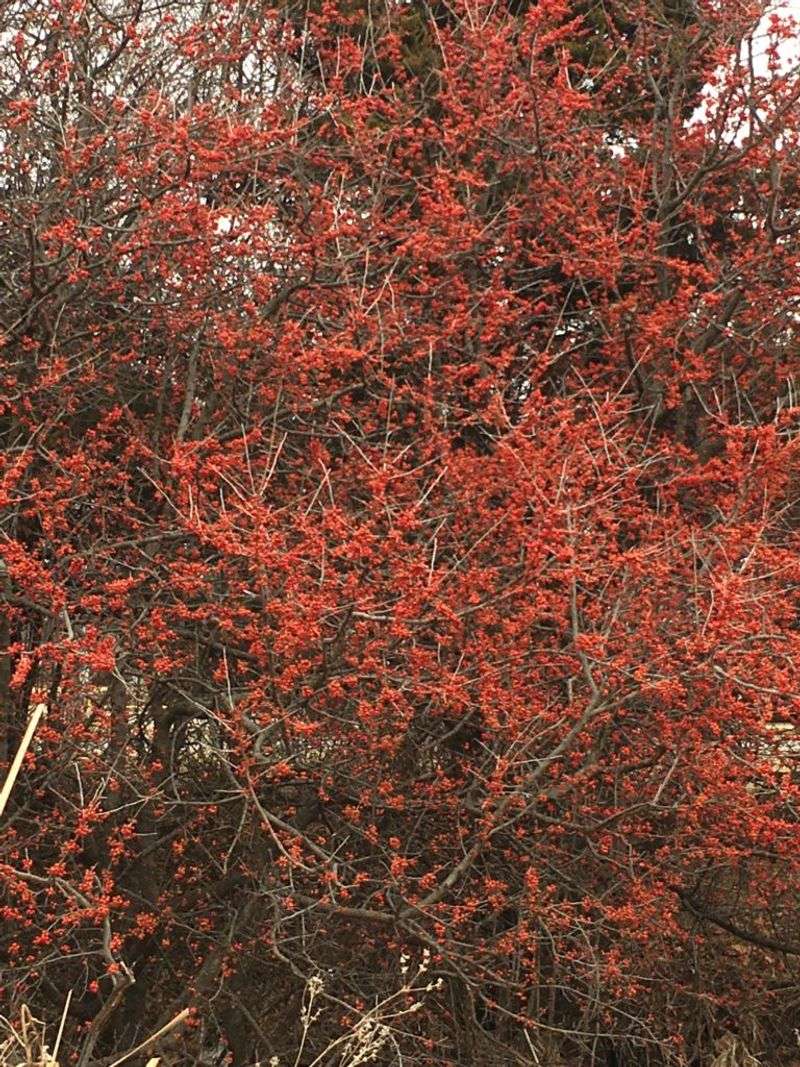
Berries do not come automatically with every possumhaw. North Carolina State Extension explains that plants are mostly male or female, and only the females make fruit.
So the nursery tag matters. Texas A&M recommends choosing female plants if you want berries.
A female also needs pollen. The safer plan is a compatible male pollinator nearby, which could be one you plant or one growing in a neighboring yard or green space.
Ask the nursery which male variety pairs with the female you choose.
Some plants have perfect flowers, meaning both male and female parts. That is an exception, not a promise of heavy fruit, so do not count on it.
Also skip the idea that one unspecified plant will deliver berries. A young plant may not fruit in its first fall either, so give it time to establish.
Expect Wildlife to Feed on Its Own Schedule
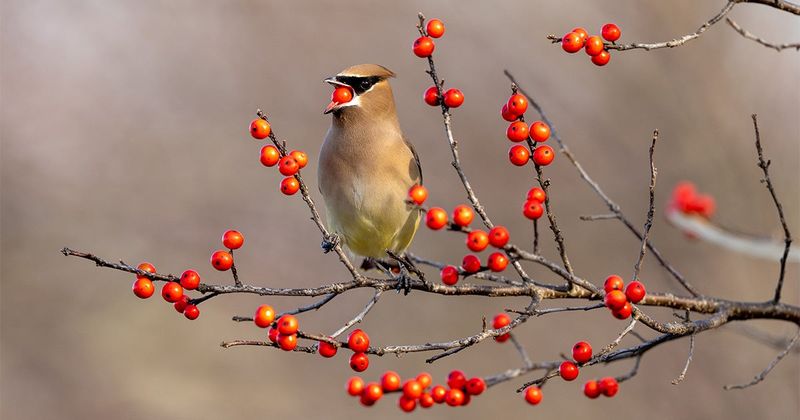
Fruit on a branch is not the same as birds at the feeder. Possumhaw fruit ripens in fall and, according to North Carolina State Extension, can persist through winter.
Timing varies. UF/IFAS notes that birds and mammals favor the fruit after freeze-thaw exposure.
In practice, you may see berries hang for weeks before wildlife seem to notice them.
Texas A&M confirms that wildlife eat the fruit. That does not mean a particular bird species will show up, or that every yard will see a busy feeding display.
Birds also have other options nearby, from other native shrubs to feeders and neighbors’ plantings. A good habit is to check the shrub after a cold snap and see what has changed.
A mild, patient approach fits this plant better than expecting an instant crowd.
Remove Nandina Roots and Dispose of Berries Carefully
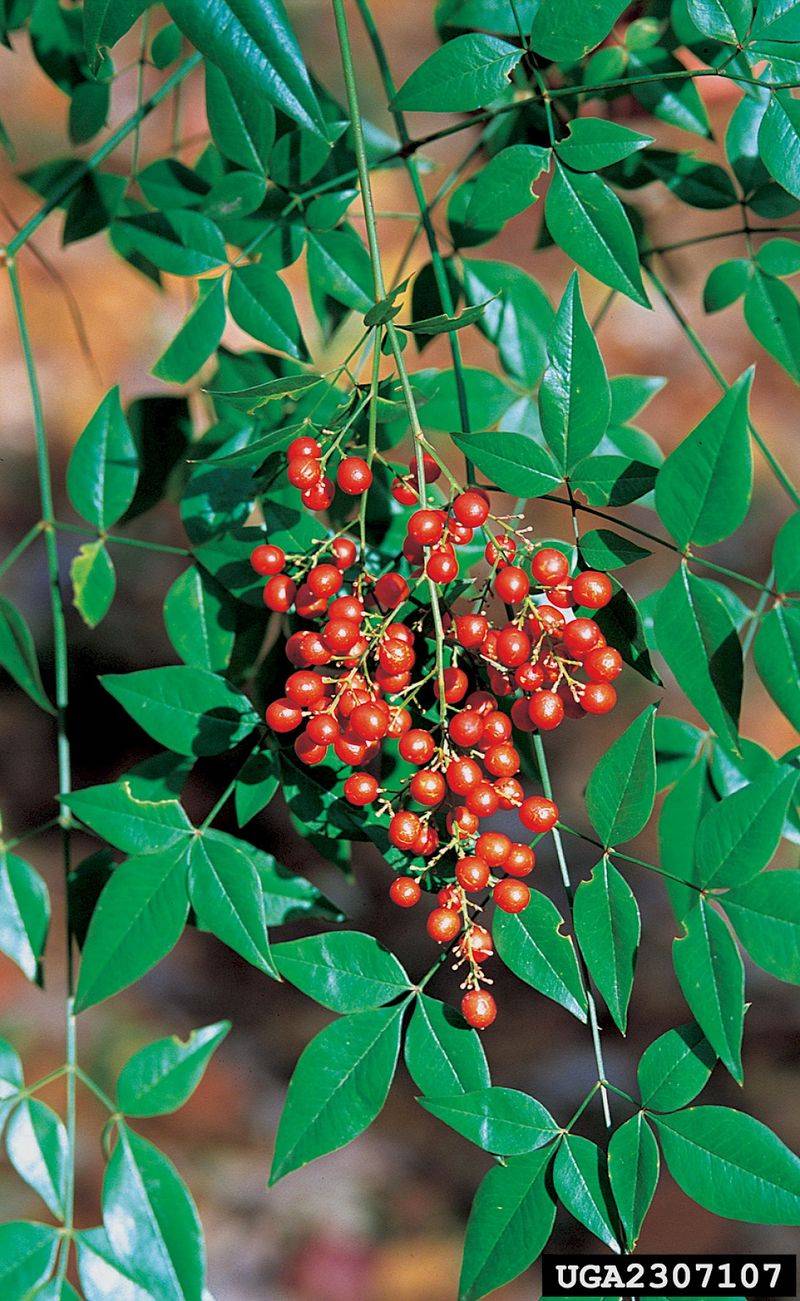
Pulling out the top growth is only part of the job. UF/IFAS says nandina can resprout from root pieces and spread by underground stems, so leftover roots may send up new shoots.
Watch the spot over the following months. If sprouts return, you will know some underground growth was left behind.
Berries deserve attention too, because birds spread the seed. Remove the berries before or during removal so they are not left on the ground or in the open.
The City of Austin invasive plants guide includes nandina among plants of concern.
Put plant material in the trash rather than the compost pile, where it could take root or spread. Rules for yard waste differ by city, so check with your local disposal service before you haul anything out.
There is no need for any special trick beyond these basics. Careful removal and tidy disposal are the main steps.
Choose the Replacement That Fits Your Yard
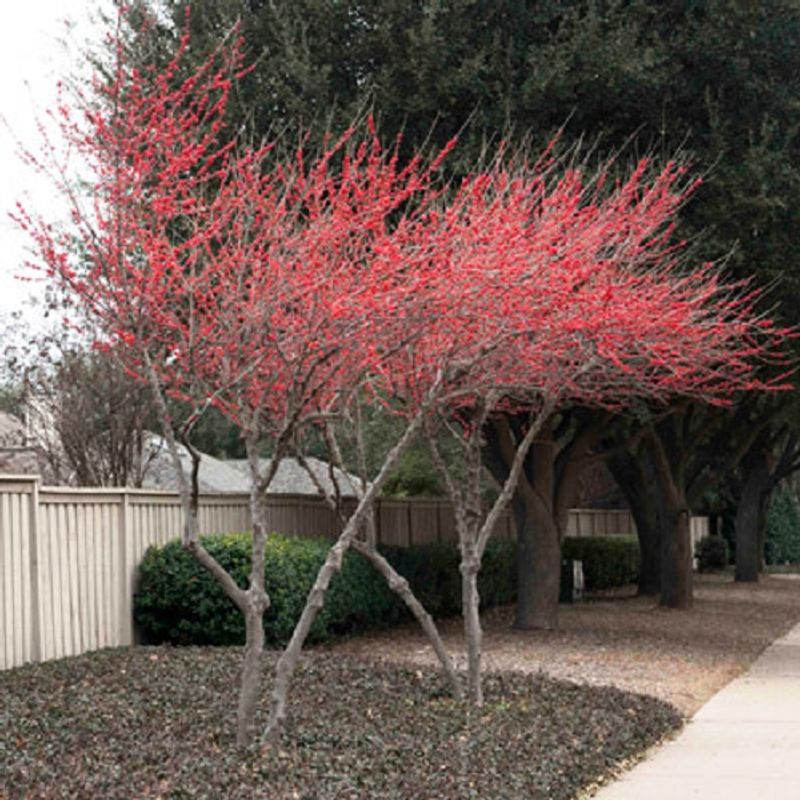
Possumhaw suits a yard with space. It works for gardeners who can give a larger deciduous shrub room, up to 15 feet tall, and who value winter fruit.
Plan on a female plant with a compatible male nearby, as NC State Extension suggests. Check your space and your need for year-round screening before you buy, since Texas A&M also notes moderate water needs.
If your bed is narrow or you need green cover in January, keep looking. A bare branch with berries beats a crowded bed every time.