
Some of the most common plants in North Carolina yards are now on official watch lists, and a few are being pulled from nursery shelves. The state’s Plant Industry Division has added several landscape favorites to its noxious weed list, and local governments are dropping them from approved planting lists.
These plants escape into woods and streams, crowd out native food for birds and pollinators, and can even make tick problems worse. Here are eight to check for this weekend, plus native swaps that look great and do right by the land.
1. Callery Pear (Bradford Pear)
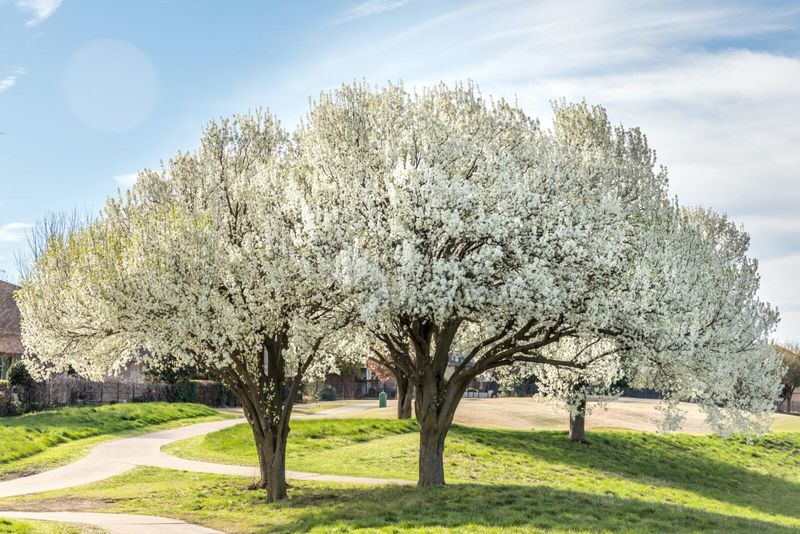
Every March, roadsides from Raleigh to Hickory turn white with blossoms that smell a little like old fish. Those are Callery pears, and most started as tidy Bradford pears planted in front yards decades ago.
North Carolina added Callery pear to its noxious weed list, and sales are being phased out. The trees cross-pollinate and spread thorny thickets into pastures and forest edges, where they push out native shrubs that feed birds.
Bradfords also split apart in storms, often around year 15 to 20. A better pick is serviceberry, redbud, or fringetree, which flower in spring and may support far more native insects and the songbirds that eat them.
2. Japanese Barberry
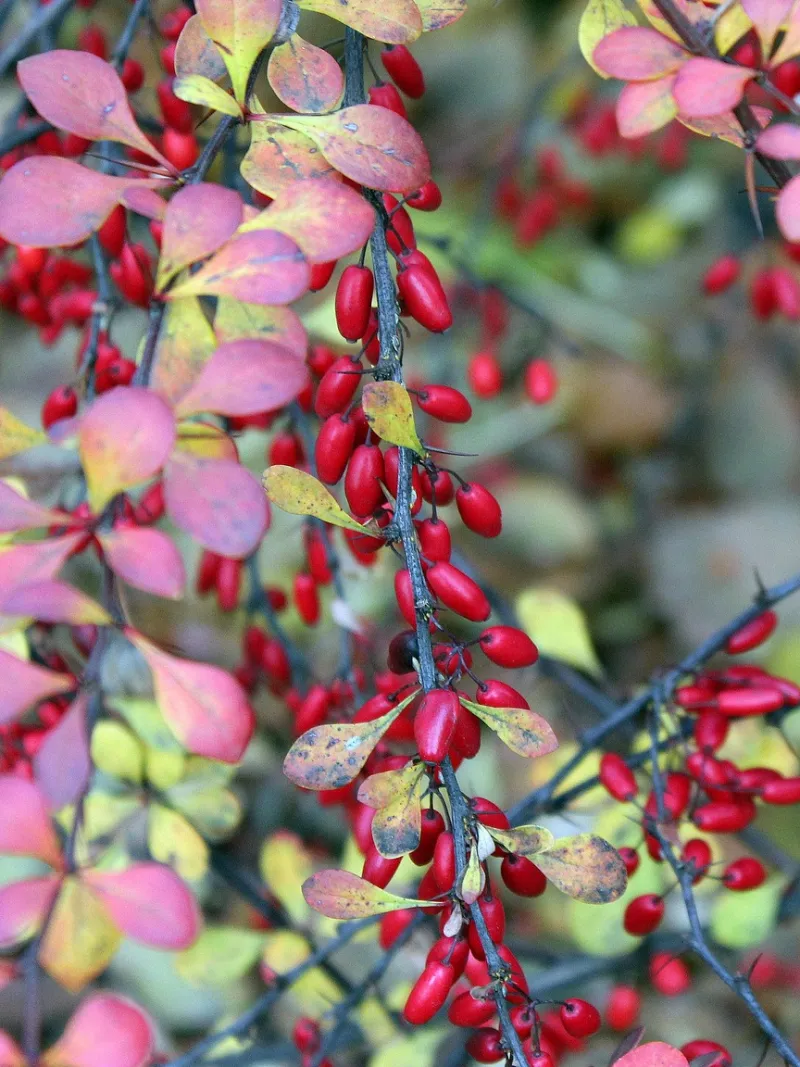
Here is the one that surprises families most. Studies in the Northeast found that dense Japanese barberry thickets can hold far more black-legged ticks than open native woods, because the shrub creates a humid hideout for ticks and the mice that carry them.
Barberry is a fixture in foundation beds thanks to its burgundy leaves, but birds spread its berries into North Carolina forests. Several states have restricted it, and NC lists it as an invasive threat.
Swap it for Virginia sweetspire or dwarf fothergilla. Both give you fall color without thorns, and you lose a potential tick shelter by the front door.
3. Burning Bush
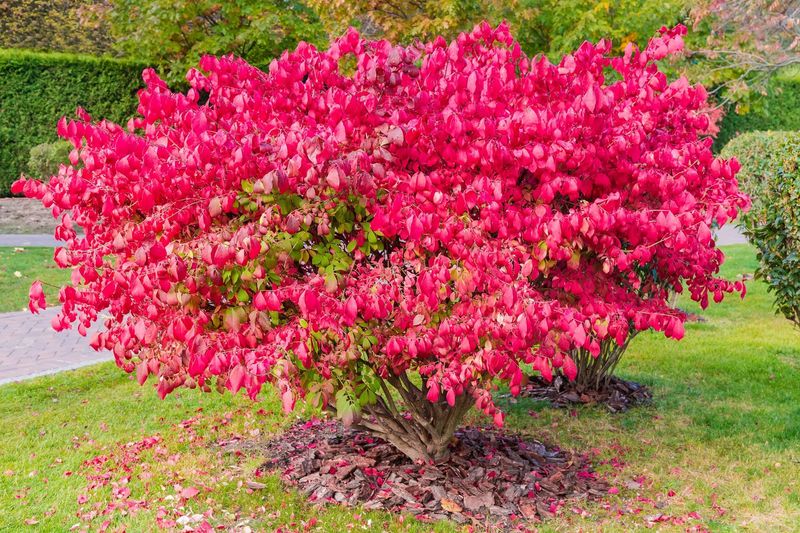
Few shrubs put on a fall show like burning bush. For about three weeks, it glows scarlet, and that is exactly why it ended up in so many subdivisions.
The catch is what happens out of sight. Birds eat the seeds and drop them in shady woodlands, where seedlings carpet the ground and block native wildflowers.
It has been banned from sale in several states and appears on invasive lists across the Southeast.
For the same red flare, try native blueberries, which bonus you a summer snack, or oakleaf hydrangea with its burgundy autumn leaves. Both handle Piedmont clay with little fuss.
4. Chinese and Japanese Privet
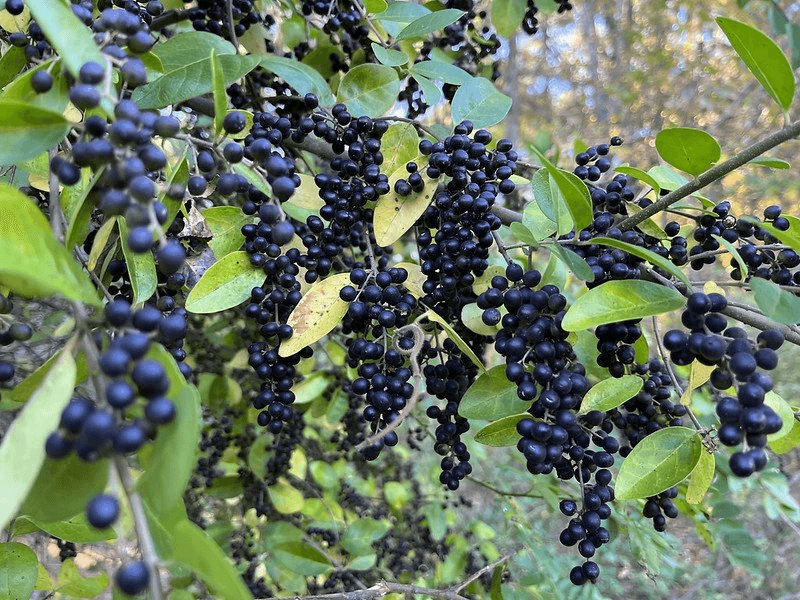
Walk almost any creek in the Piedmont and you will spot it: a solid green wall of privet choking the banks. Most of it escaped from old hedges.
Privet ranks among the worst invasive plants in the Southeast. It shades out native plants along streams, and its heavy spring pollen bothers allergy sufferers.
Some counties and towns no longer allow it in new landscape plans.
If you have a privet hedge, cut it before it berries in fall. Replace it with yaupon holly, wax myrtle, or inkberry, which make tidy screens and feed birds in winter.
5. English Ivy
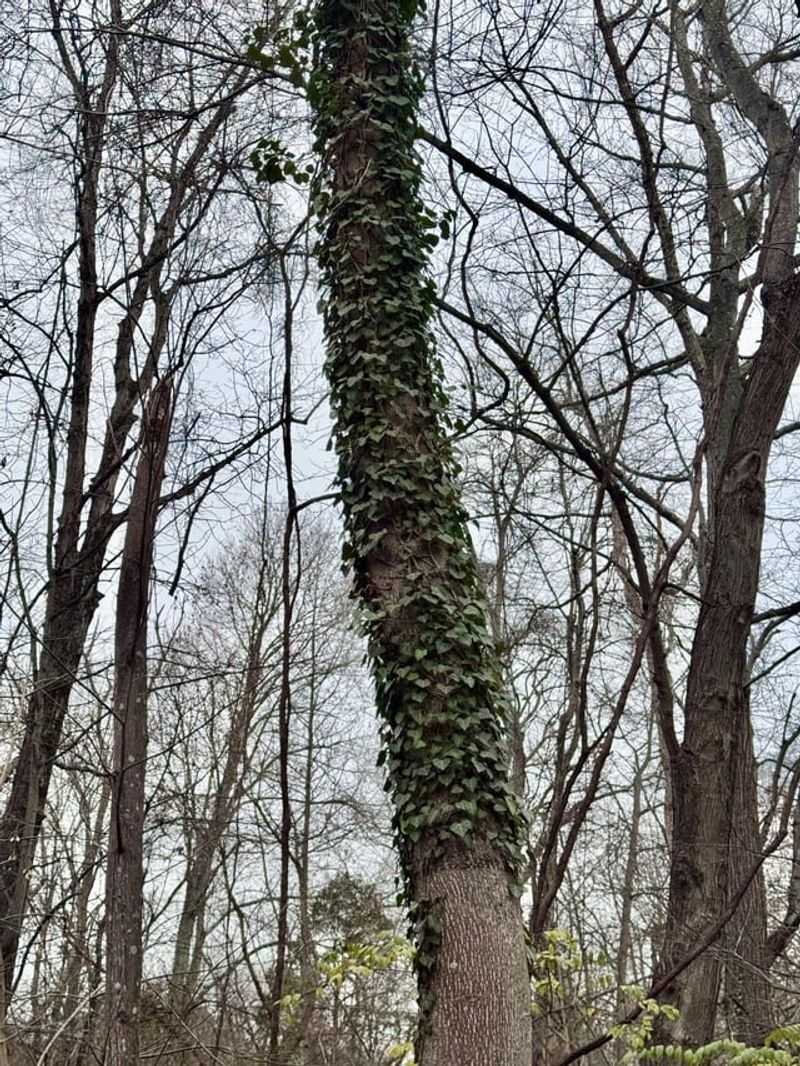
Ivy-covered walls look charming in old photos. In a North Carolina yard, though, English ivy acts more like a slow-moving takeover.
It climbs trees, adds weight that can topple them in storms, and forms thick ground mats. Those mats stay cool and damp, which can offer shelter for ticks, mosquitoes, and rats.
Once ivy reaches the canopy, it flowers and birds spread the berries.
A quick fix: cut the vines at waist height around tree trunks so the top dies back. Then plant native groundcovers like green-and-gold, wild ginger, or Christmas fern in the shade.
6. Creeping Liriope
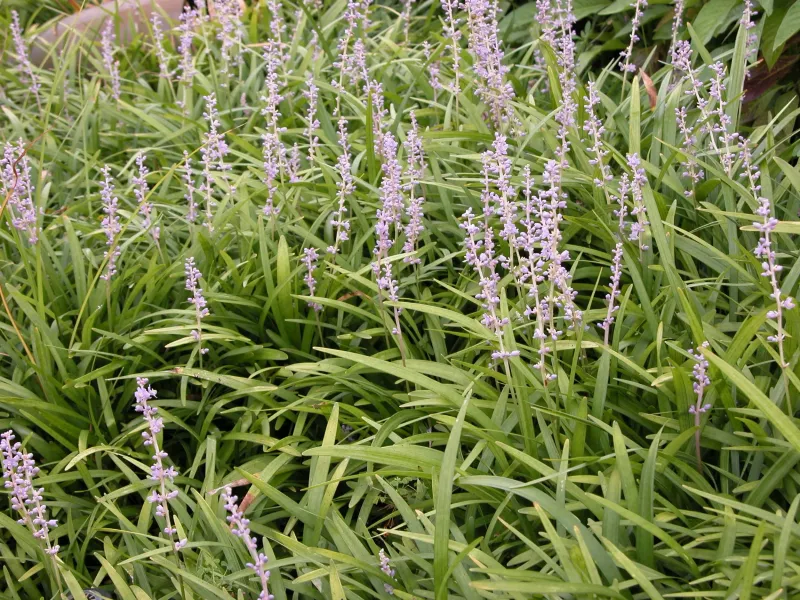
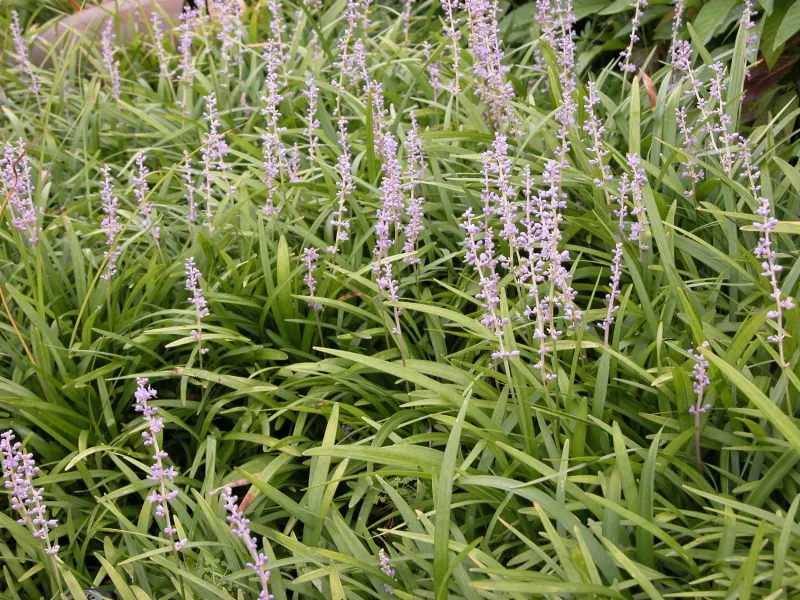
Liriope edges thousands of NC flower beds, and the clumping kind mostly behaves. Its cousin, creeping liriope (Liriope spicata), does not.
Spicata sends runners underground and spreads into lawns and woods, where it can be very hard to dig out. It is listed as invasive by NC conservation groups, and many native plant programs urge homeowners to drop it.
Not sure which you have? If it spreads in a solid mat instead of neat clumps, it is likely spicata.
Swap it for Pennsylvania sedge, golden ragwort, or Allegheny pachysandra, which may support native bees and moths that liriope does not.
7. Nandina (Heavenly Bamboo)
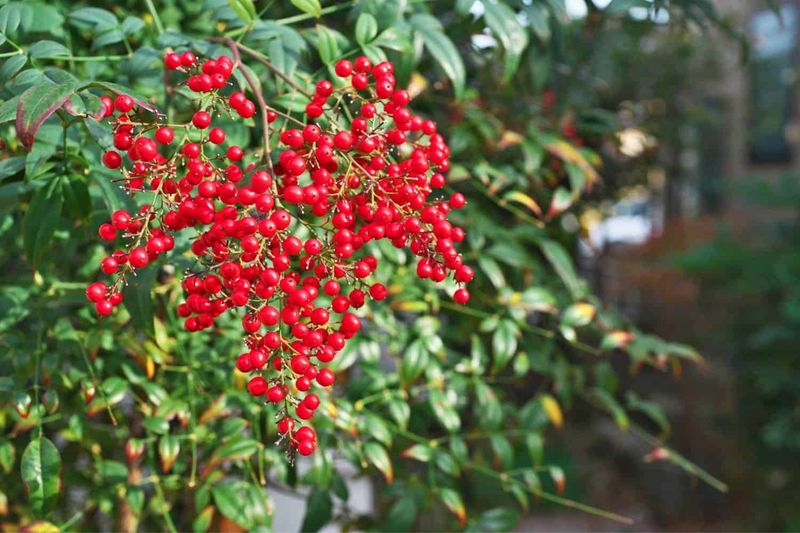
Grandma probably had nandina by the porch. Its red winter berries are pretty, but they carry a hidden risk.
The berries contain compounds that can produce cyanide, and cedar waxwings that gorge on them have died in documented cases, including in the Southeast. Birds that survive spread seeds into the woods, and nandina is listed as invasive in North Carolina.
At minimum, clip off berry clusters before winter. Better yet, swap in winterberry holly or American beautyberry, which offer showy fruit that birds can safely eat.
8. Japanese Honeysuckle
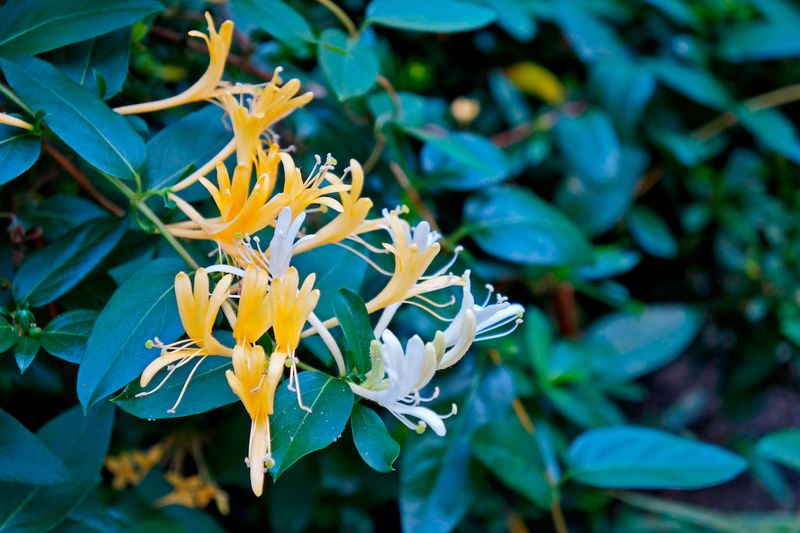
Lots of North Carolinians grew up sipping the nectar from honeysuckle flowers. That sweet memory comes with a vine that smothers fences, shrubs, and young trees.
Japanese honeysuckle is on NC invasive lists and is discouraged on county planting lists. It stays green much of the year, giving it a head start over native plants.
Want the same summer flowers? Plant coral honeysuckle, a native that hummingbirds love and that stays polite on a trellis.
Pull the invasive vines after rain, when roots slide out easily.
Bottom line: check your beds this weekend, remove one problem plant, and replace it with a native. Your yard may host more birds and fewer pests for it.