
A Florida yard can look tidy in daylight and still offer rats a late-night meal. As nights cool down, food, water, and hiding places near the house can make your yard an easy stop.
The good news is that a few small changes can make it much less inviting. Here are seven habits worth checking before you head inside tonight.
1. Leaving Pet Food Outside Overnight
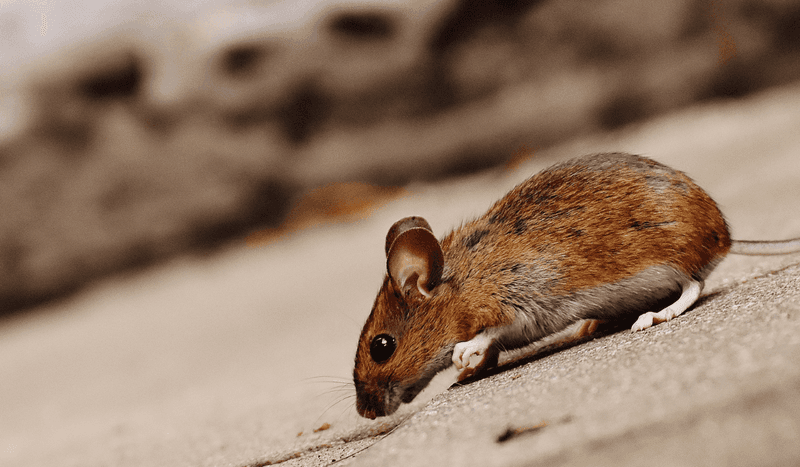
That bowl meant for the outdoor cat or the dog after playtime can become an overnight buffet. Rats eat pet food, and a bowl close to the wall gives them a reason to explore the edge of your house.
Even a small amount left behind is worth cleaning up.
Feed pets on a schedule, then bring bowls inside when they finish. Sweep up spilled kibble from pavers and porch corners, where pieces can blend in with leaves.
If you care for outdoor cats, offer food only while someone can watch and remove the dish afterward.
Store the main bag of food in a sturdy container with a tight-fitting lid, rather than leaving it in a shed or on a covered patio. Florida humidity can spoil open food, too, so better storage helps on more than one front.
The goal is simple: let your pet eat dinner without leaving a second serving for nighttime visitors.
2. Letting Fallen Fruit Pile Up
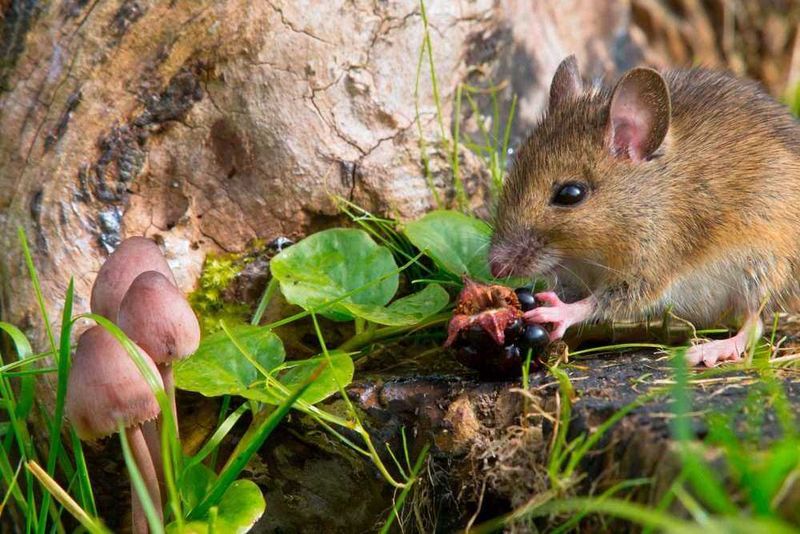
One dropped orange is easy to miss. After a windy afternoon, though, fruit can collect under a citrus, mango, or avocado tree faster than you expect.
Overripe fruit gives rats an easy meal, especially when it sits near fences or planting beds that provide cover.
Walk beneath fruit trees every day or two while they are dropping heavily. Pick up fruit that has fallen, including pieces hidden in mulch or groundcover, and harvest ripe fruit you can reach safely.
Check again after a storm, when branches may have shaken loose a fresh batch.
Put damaged fruit in a secure yard-waste container or compost it in a system rats cannot enter. Do not leave a bucket of collected fruit beside the house to deal with later.
You do not need to give up a productive tree. Keeping its harvest off the ground lets you enjoy the fruit while removing one of the yard’s most appealing food sources.
3. Keeping Bird Feeders Too Close to the House
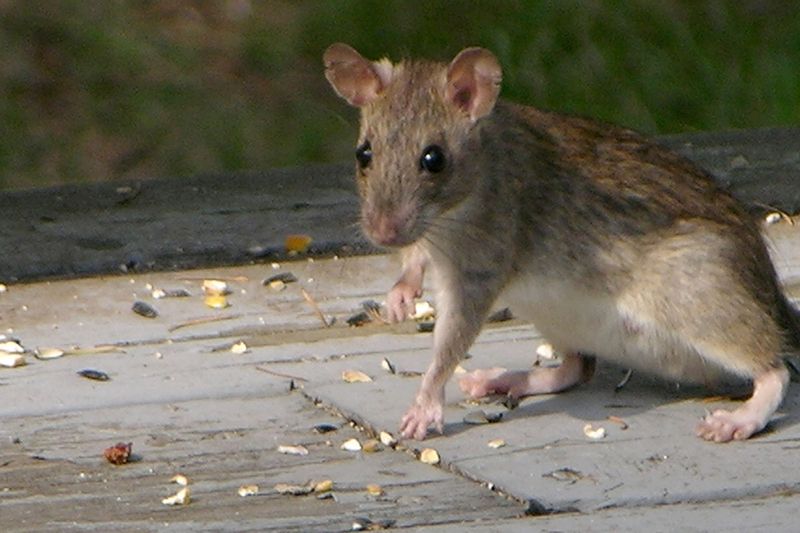
Bird feeders bring welcome visitors, but the real trouble often lands below the feeder. Birds toss seed as they eat, and that spill can build up beneath shrubs or beside a foundation.
A rat does not need to reach the feeder if dinner is already on the ground.
Move feeders away from the house where possible, and choose a spot with open ground beneath it so spills are easy to see. Use a tray that catches dropped seed, fill the feeder with only what birds will eat soon, and clean up leftovers regularly.
Bring feeders in at night if you have noticed rodent activity.
Want a lower-maintenance way to support birds? Florida-friendly native plants can offer seeds, berries, and insects without creating a daily pile of loose feed.
Plant choices depend on your site, but the habit to break is letting store-bought seed collect unnoticed. You can keep the birdwatching and cut back on the free food waiting after dark.
4. Tossing Kitchen Scraps on an Open Compost Pile
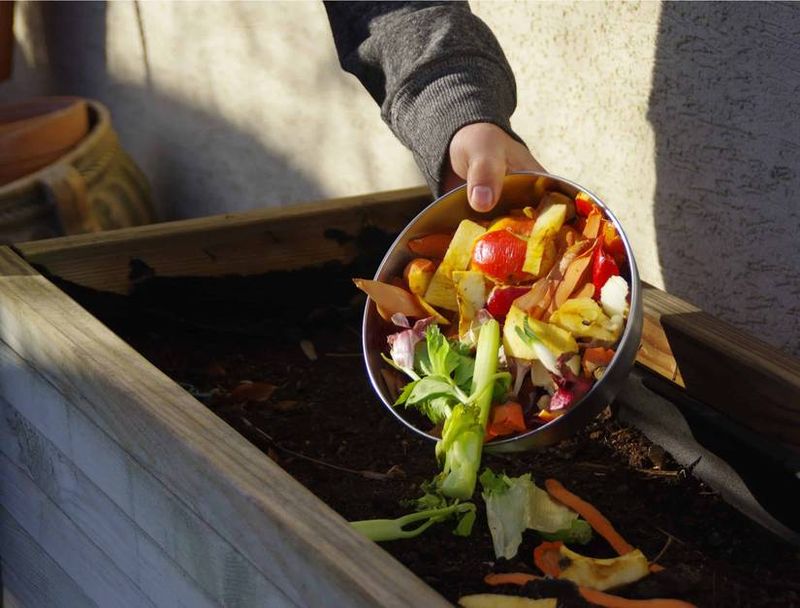
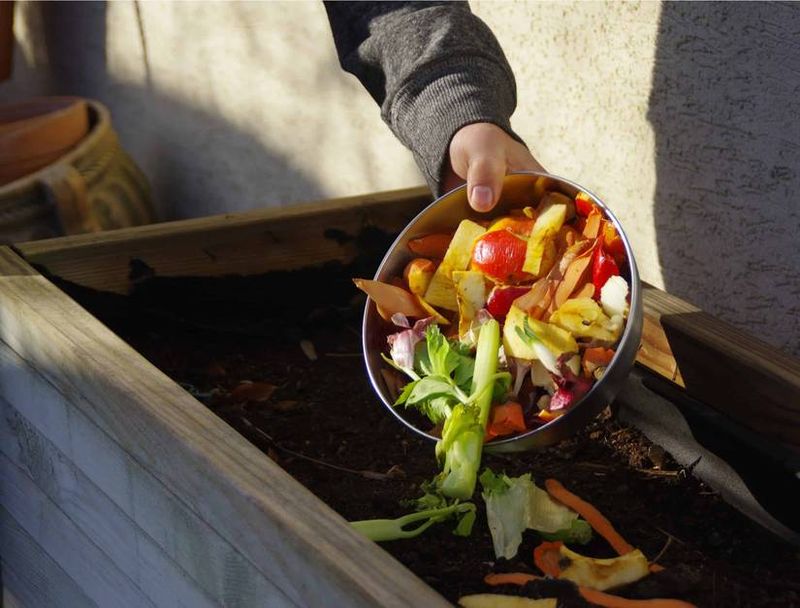
A compost pile should help the garden, not serve as a snack station. When fresh scraps sit on top of an open heap, their smell and easy access can draw rats.
A pile tucked behind a shed may be especially easy to forget until you turn it and find evidence of visitors.
Skip meat, fish, dairy, oils, and cooked leftovers in a backyard pile. Bury suitable fruit and vegetable scraps well inside the compost and cover them with dry leaves or other brown material.
If rats are a concern, use a sturdy, rodent-resistant bin with a secure lid and openings protected by suitable metal mesh.
Give the area around the bin a quick check, too. Spilled scraps and thick weeds at its base can undo the work of a good lid.
Composting is still useful in Florida’s often sandy soil, where finished compost can improve garden beds. The difference is keeping ingredients contained while they break down, rather than leaving fresh food exposed all night.
5. Parking Loose Trash Beside the House

Trash night can start a day early when a full bag gets set beside the garage. Thin plastic is little protection from a hungry rat, and even a lidded can becomes an invitation if the lid will not close over the top.
Food-smeared packaging adds another reason to investigate.
Keep household trash in a sound container with a lid that shuts firmly. Bag food waste, clean up spills around the bin, and wait until collection time to move extra bags outdoors when you can.
After a windy day or storm, look for wrappers blown behind the can or into nearby planting beds.
Place bins where you can easily inspect and clean around them, rather than wedging them into an overgrown corner. If a container is cracked or its lid is warped, replacing it may be easier than fighting the same mess each week.
A clean trash area improves the look of the side yard while removing a reliable food stop just steps from the house.
6. Letting Dense Cover Touch the Walls
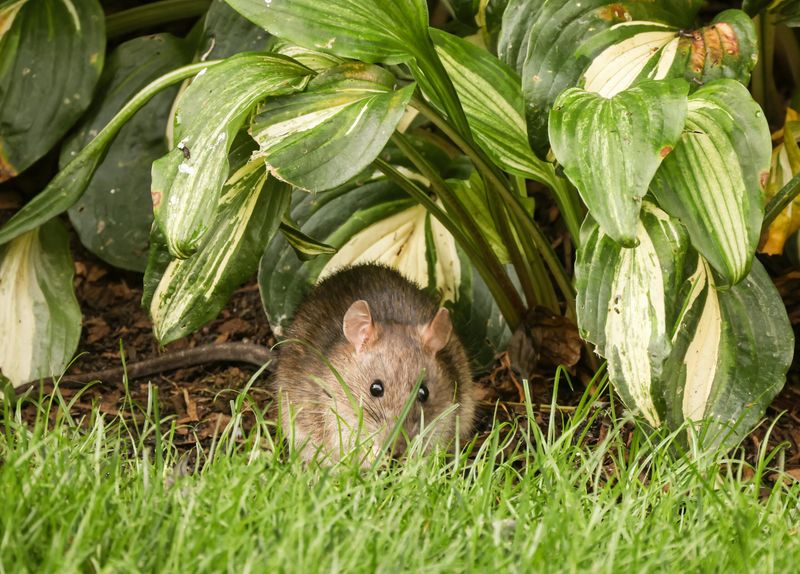
Behind a wall of leaves, a rat can travel without spending much time in the open. Overgrown shrubs, vines, stacked pots, and unused lumber create sheltered routes along a house.
Branches that touch the roof can also give climbing rats another way to reach the building.
Trim plants so you can see and inspect the ground next to the foundation. Keep branches back from the roof, and move stored materials onto a rack away from exterior walls.
You do not have to strip the yard bare. A modest gap between thick plant growth and the house makes signs of digging, droppings, or damage easier to spot.
Take a slow walk around the home after pruning. Check vents, pipe openings, door sweeps, and gaps in the building itself, since cutting back cover does not seal an entry point.
Have openings properly repaired; avoid blocking an active opening until you know animals are not trapped inside. The payoff is a neater planting edge and fewer hidden approaches to your walls.
7. Ignoring Standing Water Around the Yard
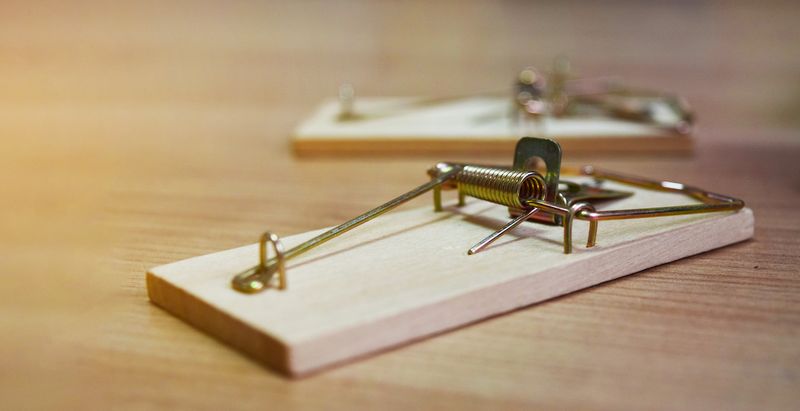
After a Florida rain, water can linger in places you rarely notice. A tipped pot, a clogged gutter outlet, or an irrigation leak may provide rats with a drink.
Standing water can also support mosquito breeding, so this cleanup helps with another familiar yard problem.
Empty buckets, plant saucers, and other containers that hold rainwater. Fix dripping outdoor faucets and check irrigation zones for puddles that remain long after watering ends.
If water repeatedly collects near the house, trace where it comes from before adding more soil or mulch to cover the spot.
Do not confuse this with removing every useful water source for wildlife. A birdbath, for example, can be maintained if you change its water and clean it regularly; place it where you can monitor it and away from dense cover.
What matters is eliminating forgotten, easy-to-access water near the house. Pair that step with food cleanup and pruning, since no single yard fix will do all the work by itself.