
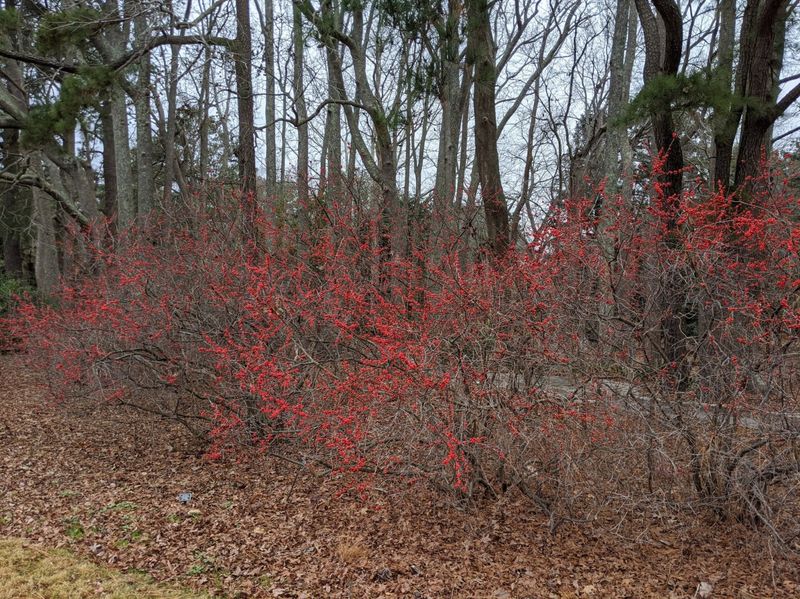
Bright red berries on bare branches can make a gray winter yard look alive. Winterberry holly is a North Carolina native shrub that does exactly that, and birds, including robins, eat its fruit.
A popular landscape shrub called Nandina looks similar from a distance, but it is a nonnative plant that has escaped into North Carolina woods. Here is how to use winterberry well, and what it can and cannot do for the birds in your yard.
Winterberry brings native winter interest to North Carolina yards
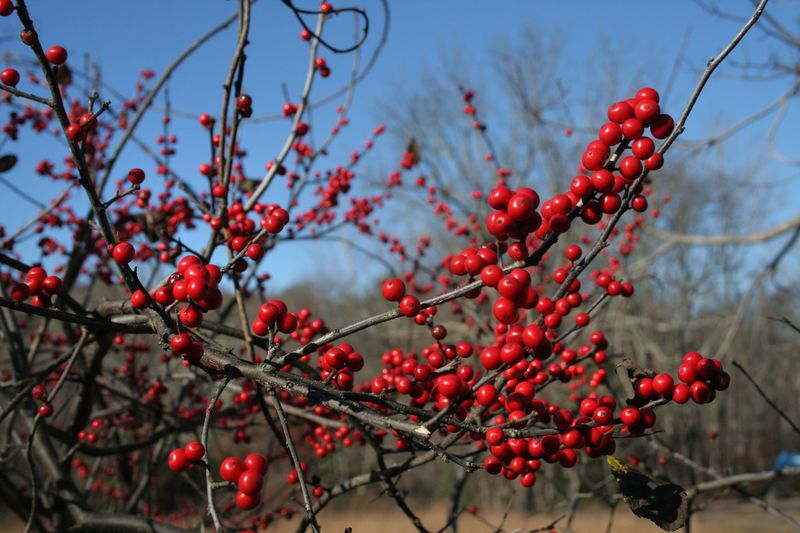
Picture a shrub that drops every leaf in fall and then lights up the garden anyway. That is winterberry holly, known to botanists as Ilex verticillata.
It is a deciduous shrub, so the leaves fall away and the colorful fruit is left on bare branches where you can see it from the kitchen window.
According to the NC State Plant Toolbox, winterberry is native across North Carolina’s Coastal Plain, Piedmont, and Mountains. That means it evolved alongside our local wildlife, soils, and seasons.
Choosing a native plant is one of the simplest ways to practice good stewardship in a home landscape.
Winterberry is also part of a larger group of deciduous hollies. NC State’s Extension Gardener feature on deciduous hollies highlights them as plants that provide winter interest.
Seeing red fruit against a bare, frosty backdrop is the reason many gardeners fall for them.
That said, winterberry is a good option, not a perfect fit for every spot. It has particular needs for pollination and soil moisture, which the next sections cover.
Think of it as a strong candidate for your yard, then check your site before you shop.
One more point is worth keeping in mind. Nothing here shows that winterberry is already common in local yards.
It is simply an overlooked native that deserves a closer look from anyone who wants color and wildlife value in the colder months.
Winterberry feeds birds, but its fruit has a limited season
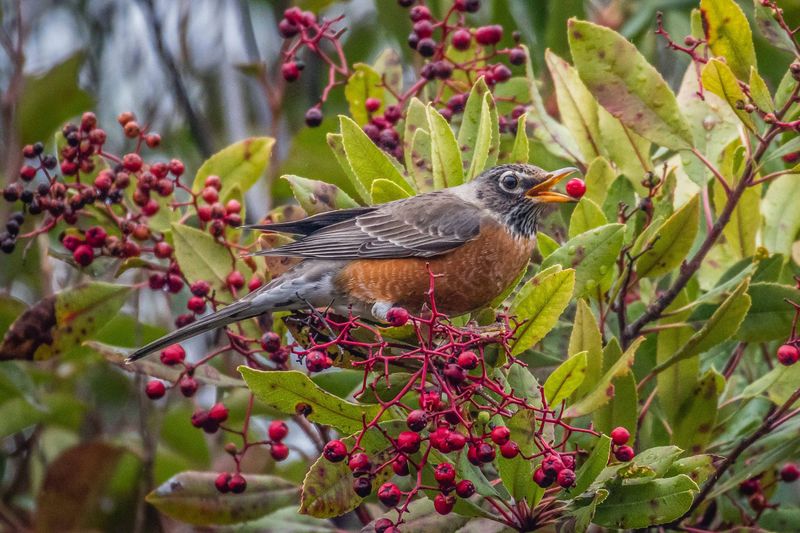
Birds do eat winterberry fruit, and robins are on the list. NC State’s guide to managing backyards and urban habitats for birds names winterberry as a plant birds use, and it gives the fruit availability as August through December.
The winterberry plant profile adds that the fruit may persist into winter. The word may matters here.
How long berries hang on in your yard depends partly on when hungry wildlife finds them, and a busy flock can strip a shrub early.
Robins make a good example of why this is not a simple story. According to Cornell Lab life history notes, robins eat a wide variety of fruit, and North Carolina does host robins through winter.
Those facts are solid.
What the sources do not show is that one winterberry shrub, or even several, will feed local robins steadily through the coldest weeks. Berries can be gone by then.
If you plant winterberry, treat it as a reliable early and mid-season food source with a chance of lingering fruit, not as a pantry that never empties.
A practical check is to watch your own shrubs. Note the date the berries start disappearing, then use that information to decide what else your yard needs for late winter.
Nandina is an invasive alternative with a documented bird hazard
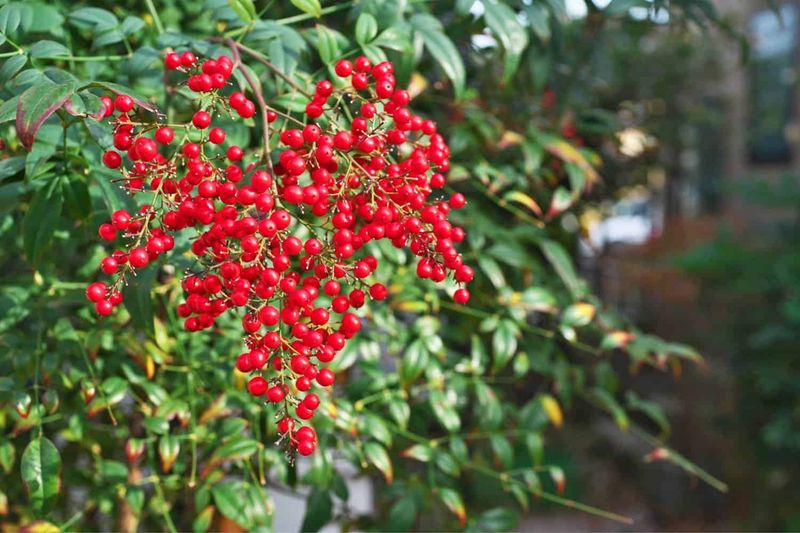
Nandina, sometimes called heavenly bamboo, is a common sight in landscaping catalogs, and it has red berries too. The difference is where it comes from.
The NC State Nandina profile identifies Nandina domestica as a nonnative invasive plant in North Carolina, and it notes that wildlife-dispersed berries can help it escape into wooded areas.
Winterberry is one of the native alternatives NC State lists, along with buttonbush, American beautyberry, and native viburnums. A NC Sea Grant poster on not planting pests makes the same case for swapping out problem plants.
Fruit lasting into winter does not separate the two shrubs. NC State says Nandina fruit can persist through winter as well, so the real contrast is native versus nonnative and invasive.
There is also a documented bird hazard, though it should be kept in proportion. A case report from a 2009 Georgia incident described dozens of dead cedar waxwings.
Examined birds had Nandina berries in their digestive tracts, and the authors tied the deaths to toxic doses linked to voracious feeding. It is a real warning, not proof that every bird eating Nandina berries will die.
Cultivars also differ. Some compact types are nearly fruitless, so not every Nandina carries the same risk.
If you already have one, you might consider replacing it with a native shrub over time.
Pair female plants with a compatible male pollinizer
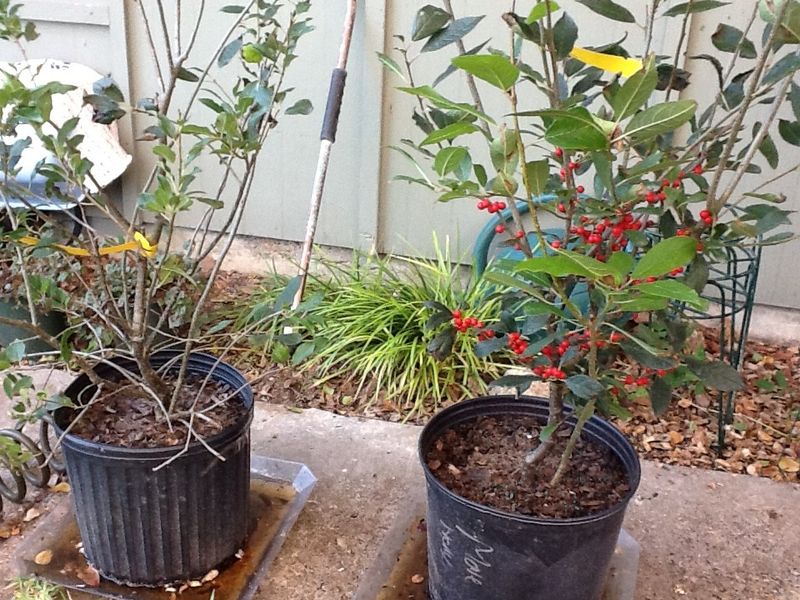
Here is the catch that surprises many new growers: a lone winterberry will not give you berries. Winterberry plants are either male or female, and only the females produce fruit.
To get it, you need a female and a compatible male pollinizer that blooms at the same time.
The NC State Plant Toolbox suggests one male for every 10 to 20 females, planted within 50 feet. So a small yard with three or four females needs only a single male nearby.
A neighbor’s male within range might help, but you cannot count on it.
Bloom timing is the part that trips people up. The same source lists ‘Jim Dandy’ as an early-blooming male and ‘Southern Gentleman’ as a late-blooming male.
Those are examples of timing differences, not a matched set for every female you might buy.
Before you purchase, look up the female cultivar you like and confirm which male is recommended to go with it. Do not assume any male will work.
If the bloom periods do not overlap, the flowers go unpollinated and the shrub stays bare.
A simple habit helps: ask the nursery to tag the pairing on your receipt, or snap a photo of the plant labels. That way you can still check the match years later if fruit looks sparse.
Choose moist, acidic soil and allow room for the shrub
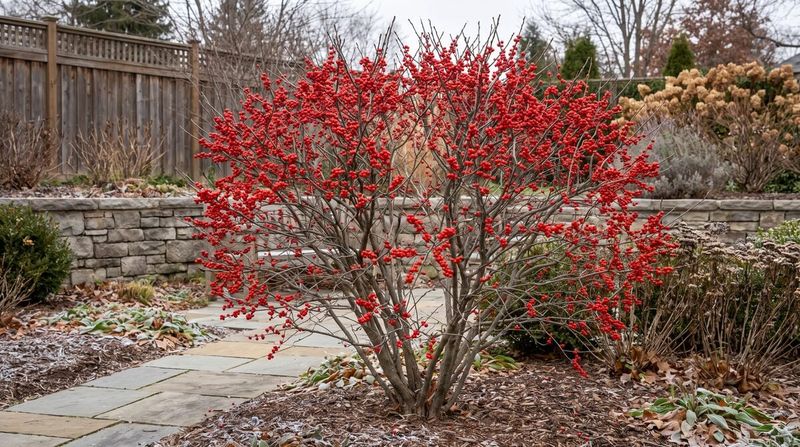
Site choice can make or break your berry display. Winterberry likes soil that stays moist, leans acidic, and drains well.
Dry ground is a real problem, because the NC State Plant Toolbox notes that dry soil may cause fruit to abort.
Light matters too. The shrub can grow in sun or shade, but NC State’s deciduous holly feature says full sun favors fruit set, though some fruit can form in shade.
A low, damp spot with morning-to-midday sun is a good target. A downspout edge or the margin of a rain garden can work well.
Plan for size before you dig. Winterberry can reach 3 to 15 feet tall depending on the cultivar, which is a huge range.
Read the plant tag for the mature height and spread, then leave space so the shrub does not crowd walkways or windows.
During dry spells, especially in a hot Piedmont summer, check the soil and water deeply if it feels dry a few inches down. A layer of mulch helps hold moisture.
One safety note: berries that are good for birds are not snacks for people. NC State rates the plant’s human toxicity as low, but eating the fruit may cause vomiting, diarrhea, or other illness.
Teach children to look and not taste.
Mix fruiting plants to extend food availability
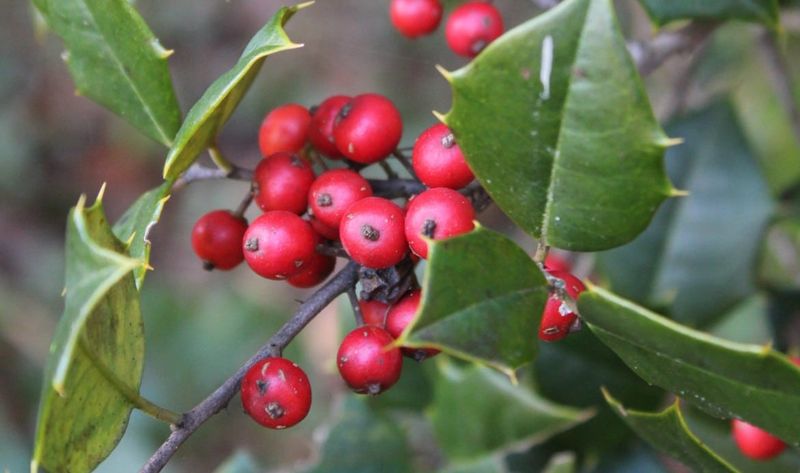
If you want food in the yard later in winter, the answer is variety. NC State’s backyard bird habitat guide recommends planting several fruiting species with different availability periods, rather than leaning on one plant.
The same guide’s North Carolina table shows how this works. Winterberry is listed from August through December, while American holly and eastern redcedar are listed through February.
Put them together and your yard has fruit coming on at different times.
A simple plan could look like this. Plant a pair of winterberries near a wet corner for early color.
Add an American holly or eastern redcedar along a property edge for later fruit. Fill in with other natives from NC State’s list, such as American beautyberry or a native viburnum.
Winterberry earns its spot as a native shrub with bird-used fruit and strong winter looks. It just is not a promise of food for the whole season.
Pairing it with later-fruiting neighbors covers that gap far better than any single shrub could.
Plant once, watch what the birds choose, and adjust. The best bird garden is the one that keeps changing the menu.