
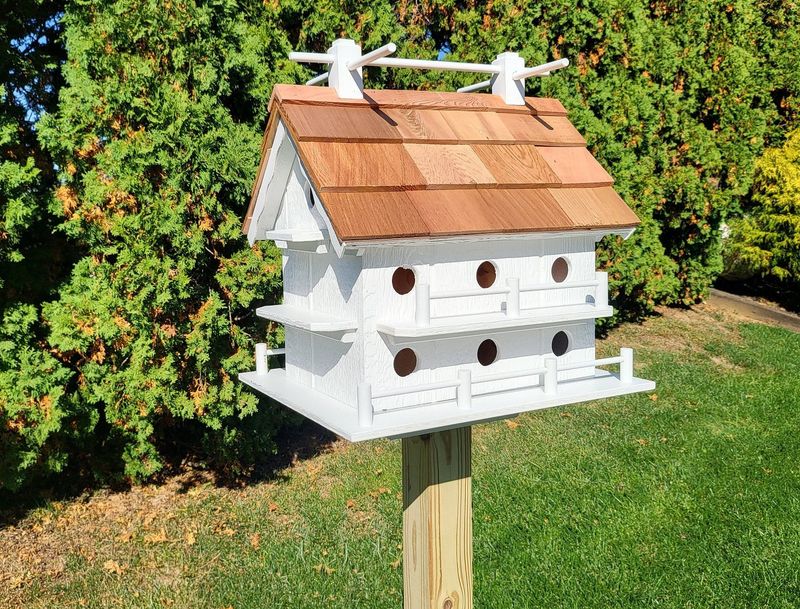
Purple martins are glossy, chatty swallows that Texans have welcomed to backyard housing for generations. Fall is the quiet window when you can get a house ready before the birds come back in spring.
A little work now can give martins a safe place to nest. Here is how to set one up, and what to expect once it is up.
A martin house offers habitat, not dependable pest control
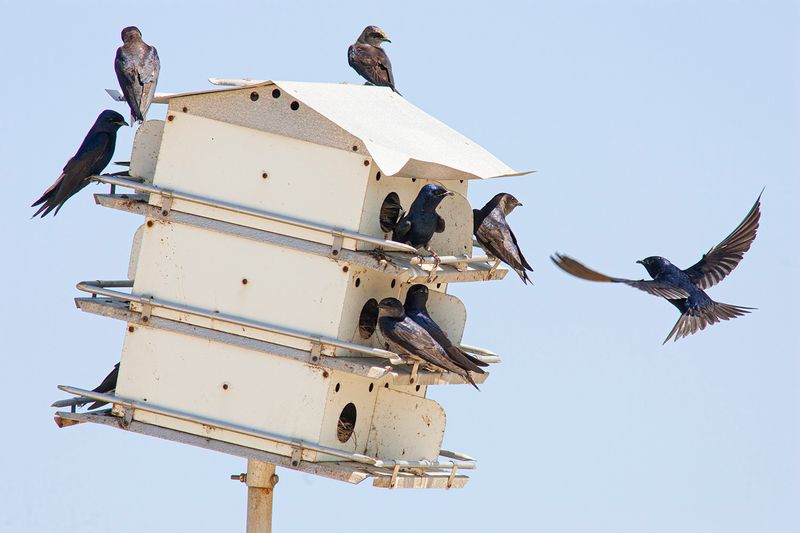
Here is the honest payoff of a martin house: it gives a bird a place to nest, and that bird catches insects on the wing. That is a real benefit for anyone who enjoys wildlife.
It is not a promise that your yard will have fewer bugs.
Martins eat a mix of flying insects, including dragonflies, beetles, moths, and wasps. University of Georgia Extension also notes that they eat honeybees.
So they are not picky pest controllers, and nothing shows that a house thins out insects across a whole yard.
Mosquitoes are where the biggest myths live. You may have heard that one martin eats thousands of mosquitoes a day.
University of Wisconsin-Madison mosquito experts explain that those daily totals were estimates, not measurements of what wild birds actually eat. A 1968 review in The Auk concluded the evidence did not support martins as mosquito control.
So think of the house as a wildlife project. If you like watching swooping flights and feeding nestlings, and you are willing to keep up the housing, it is worth doing.
If you want a bug fix, plan on other tools too.
Use fall to prepare the house
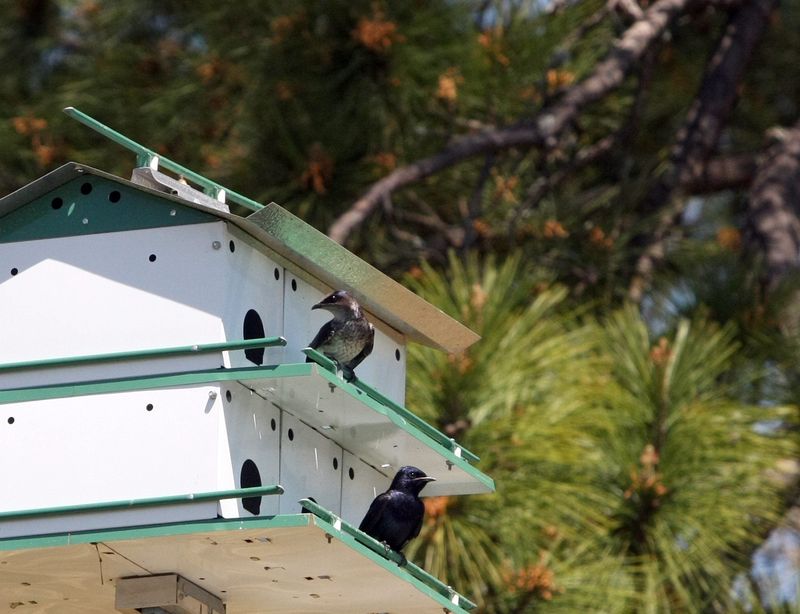
Once the martins have headed south for the season, your house is free to work on. Make sure no birds are still using it before you touch anything.
After that, fall is an easy time to get ahead of spring.
Start by removing old nesting material from every compartment. Check for cracks, loose panels, rusty hardware, and entrance holes that have warped.
Repair what you can, and give the pole and any mounting parts a good look. University of Missouri Extension covers these basic prep steps for homeowners.
While the house sits unused, keep the entrances closed. That keeps out sparrows, starlings, and other cavity users that would happily move in over winter.
A plug or cover over each entrance does the job.
Timing in spring is approximate. Texas Parks and Wildlife migration timing shows martins generally appearing in Texas in the first half of February, though it varies by location and year.
The Purple Martin Conservation Association tracks arrivals too. Watch local reports, then open the entrances near the time birds show up in your area instead of picking a calendar date.
Choose a site with open flight paths
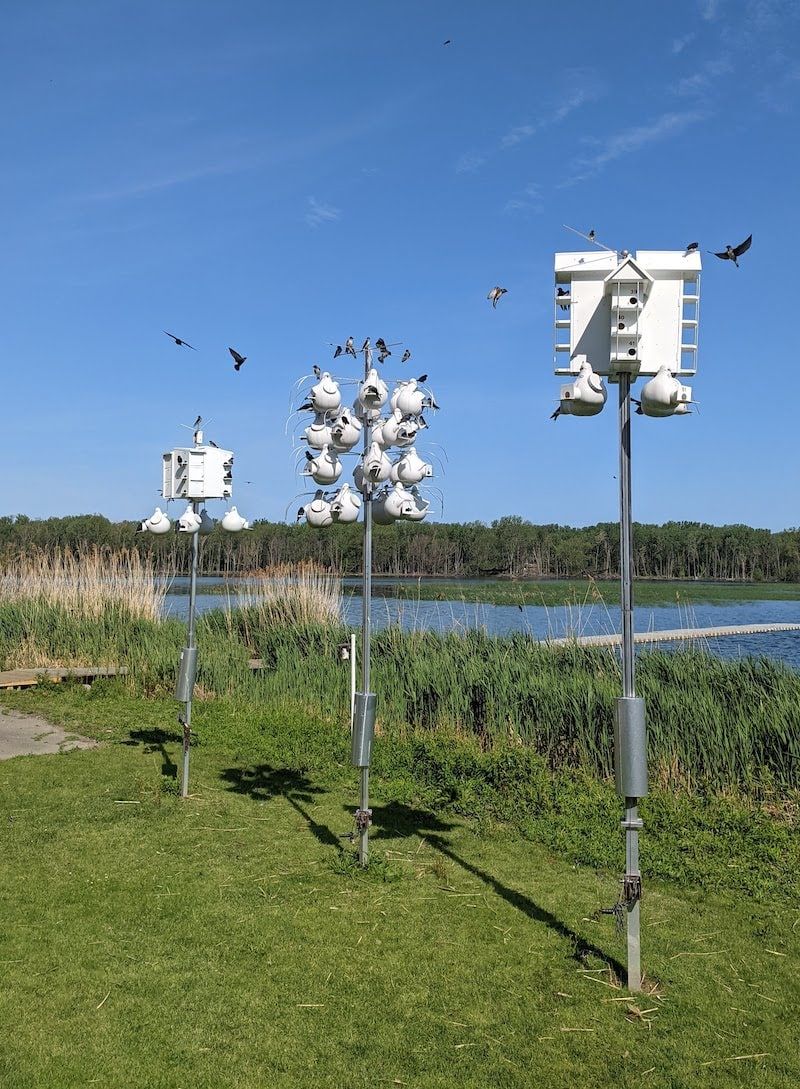
Martins swoop in fast and low, so they need room to approach. Walk your yard and look for a spot with clear sky and few obstacles.
A corner choked by branches or crowded by a roofline is a poor choice.
The Purple Martin Conservation Association advises keeping housing about 30 to 40 feet from tall trees. UGA Extension suggests 40 feet from trees and, if possible, 30 feet from buildings.
Treat those numbers as siting guidance. They improve your odds, but they do not guarantee that martins will move in.
Plenty of yards in Central Texas have live oaks and pecans close to the open spaces, so measure before you dig.
Pick the spot first, then buy or mount the housing. A wide-open lawn, a pasture edge, or a larger lot often works better than a cramped patio.
Also think about where you can stand to watch, and whether you can reach the house easily for upkeep.
Choose colony housing you can manage
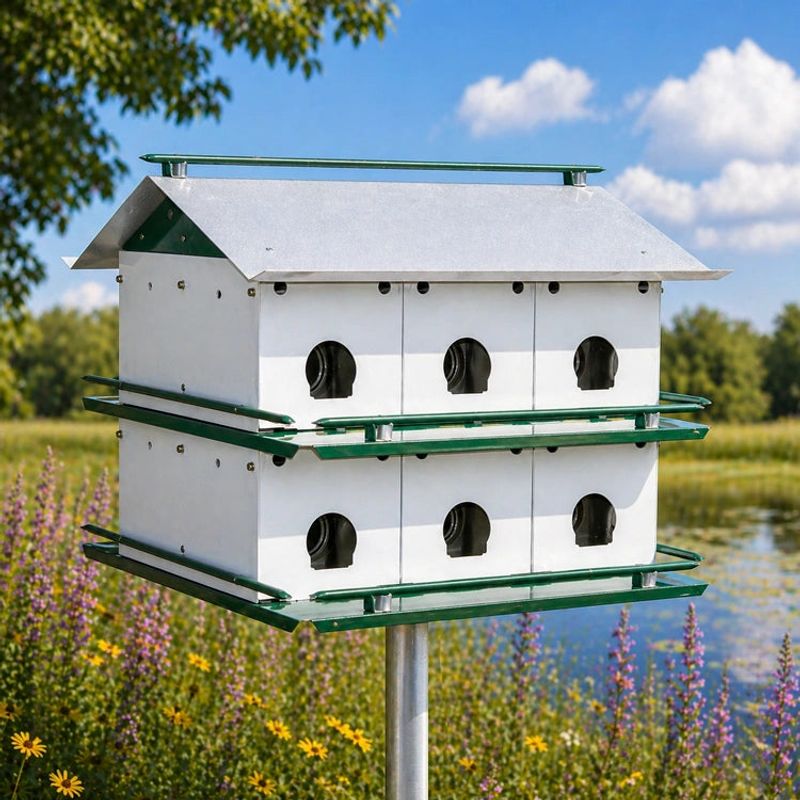
Martins are colony nesters, so a single decorative birdhouse is not the right tool. They do best with housing that has several cavities in one structure.
The Purple Martin Conservation Association recommends at least four cavities, with six to twelve a good starting range.
The pole matters as much as the house. PMCA housing guidance points to a pole-mounted system around 12 to 18 feet high that you can reach easily.
Telescoping or winch-style poles let you lower the house instead of climbing a ladder.
Access is the real selling point. You need to open compartments, clear out old nests, and look inside during the season.
A house you cannot lower or open is hard to keep in good shape.
None of these specs ensure birds will arrive. They simply give martins a layout they recognize and give you the ability to care for it.
Pick something you can afford to maintain for years, not just the biggest model on the shelf.
Plan for predator protection and nest checks
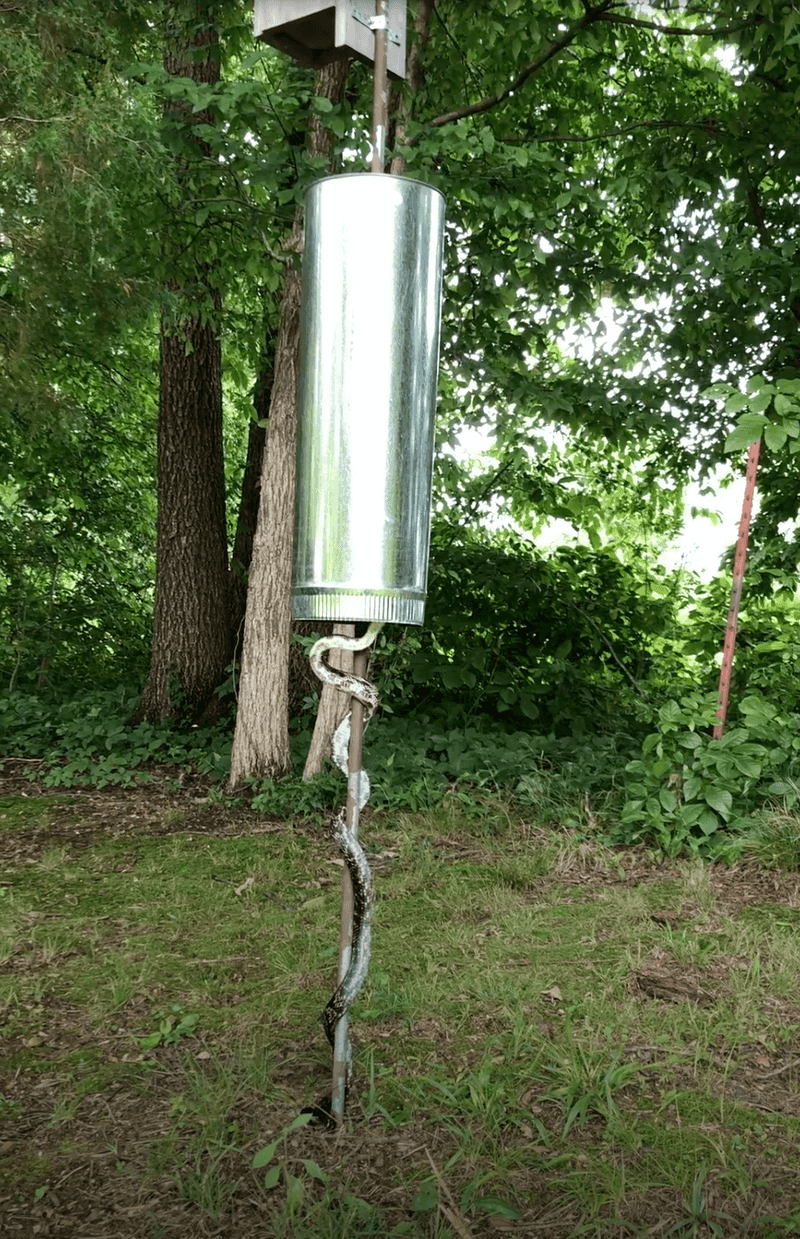
Putting up the house is only the start of the job. Raccoons, snakes, and cats climb, and owls and hawks hunt nearby.
The Purple Martin Conservation Association recommends guards against climbing predators. A baffle on the pole is a common choice.
Competitors can be a problem too. House sparrows and starlings try to take cavities, which is another reason to keep entrances closed until martins arrive and to stay ready to manage the house.
Once nesting begins, plan on regular peeks inside. The PMCA nest check guidance recommends checking every 5 to 7 days after egg laying begins.
Keep each check brief, especially when nestlings are older, so you do not cause them to leave the nest too early.
Checks help you spot trouble such as intruders, soaked nests, or dead birds. Choose a calm part of the day and work quickly.
Skip pesticides in or around martin nests. Sprays and dusts can harm eggs and young birds, and the PMCA advises against them.
A new house may wait for younger birds
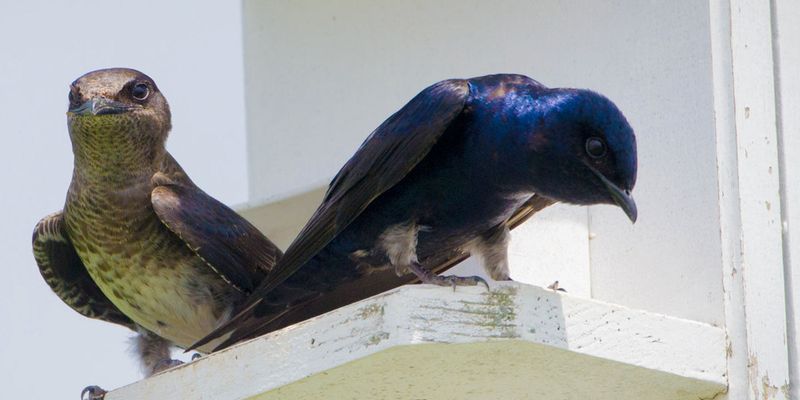
Do not be discouraged if February comes and goes with no tenants. Martins are not guaranteed to move into a new house in its first spring.
Location matters, and a new site has no track record yet.
According to Texas Parks and Wildlife, older adults tend to return to sites where they nested successfully. Second-year birds generally establish new sites and begin arriving about five weeks after the earliest adults.
An empty house early in the season does not mean your setup failed.
You may hear the story that scouts fly back from South America and guide a colony north. That is not how it works.
The early birds are usually adults heading back to places they already know, and younger birds follow later.
Arrival times shift from year to year. Check local sightings through Texas migration timing and the PMCA timing page, and keep the house ready into spring.
Patience, plus a clean and protected house, gives a new site its best shot.
Prepare an invitation, not a guarantee
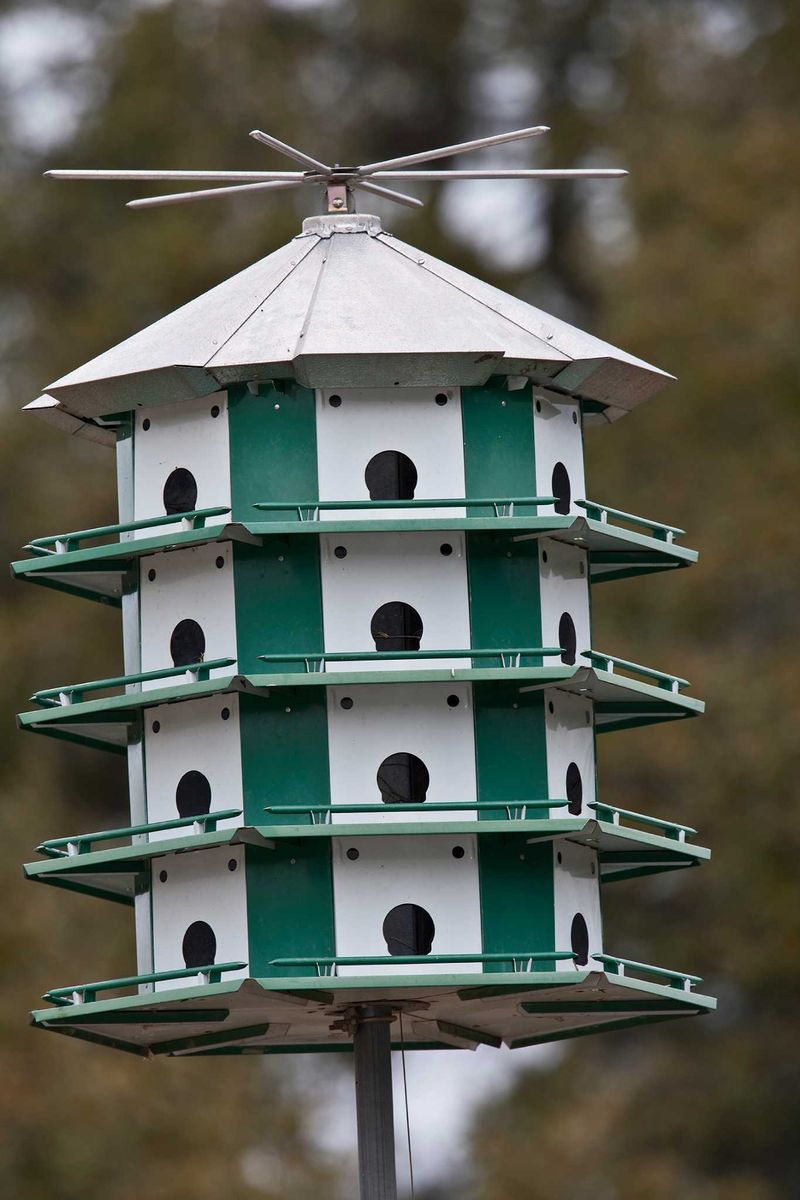
The plan is simple: clean and repair the house after martins leave, mount accessible colony housing in an open spot, add predator guards, and be ready to check nests. University of Missouri Extension and the Purple Martin Conservation Association both back that approach.
The reward is a well-managed invitation to nesting birds, not promised occupancy or fewer bugs. If martins do come, you get a lively colony to watch all summer.