
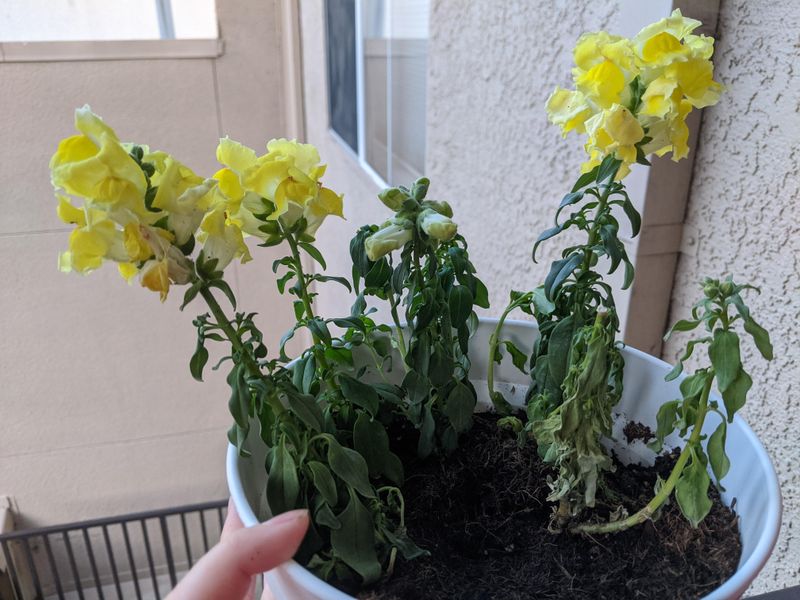
A droopy snapdragon in a pot makes most of us grab the watering can right away. But a wilted plant is a clue, not an answer, and the cause may be dry mix or roots that are struggling in soggy mix.
Fall is when many Southern gardeners fill containers with snapdragons, so it pays to know the difference. A few quick checks can keep you from guessing.
A wilted snapdragon can be thirsty—or unable to take up water
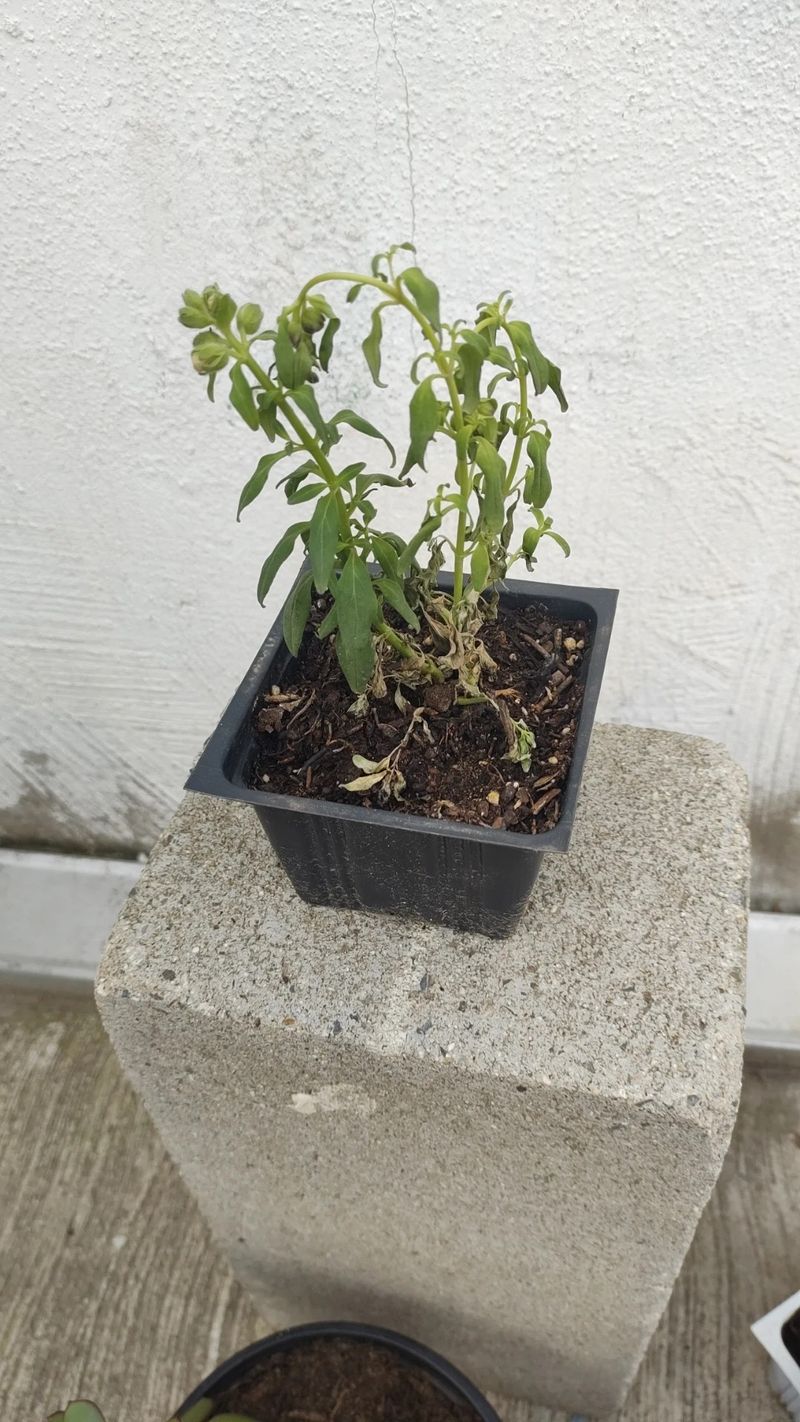
Droopy stems and limp leaves look the same whether a plant is dry or in trouble below the surface. Virginia Cooperative Extension guidance notes that wilting can come from drought or from overwatering, so the flowers alone cannot tell you which one you are facing.
That is why the mix matters more than the mood of the plant. Dry mix points toward a thirsty snapdragon.
Mix that is still wet points toward a different set of questions, including whether roots have been sitting in water without enough air.
Root rot is one possibility, not a certainty. UF/IFAS lists several diseases that can affect snapdragons, and symptoms can overlap.
Treat the wilt as a reason to investigate before you pour on more water.
Persistently wet roots can leave a plant looking thirsty
Roots need oxygen as well as water. When mix stays saturated for long stretches, the air pockets fill up and roots can be damaged, which makes it harder for them to move water up to the leaves.
The result can be a plant that wilts even though the pot feels wet.
UC Statewide IPM guidelines for snapdragon say water mold root rots can cause stunting, wilting, or collapse, and that they are favored by waterlogged soil.
Notice the key word: waterlogged. Watering a plant is not the problem, and one extra drink will not rot anything.
The risk grows when a pot drains poorly and stays soggy. Illinois Extension explains that good drainage brings air to roots, while wet soil favors root rot.
Check below the surface before adding more water
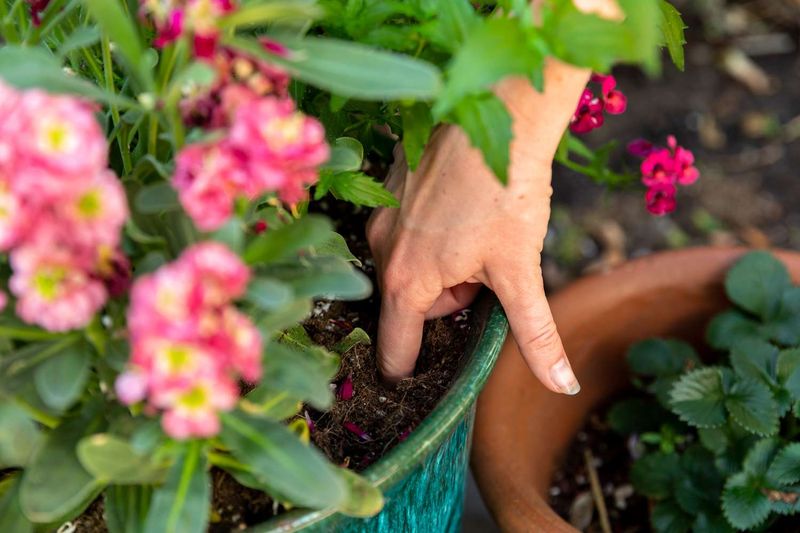
The top of the mix can fool you. Push a finger into the pot about 1 to 2 inches deep.
Iowa State Extension advises watering when the mix is dry at that depth.
If it is dry, a good soaking is a fair next step. If it feels wet or muddy, hold off and look at the pot.
Are the drainage holes open? Is the saucer holding water?
Does the pot feel heavy?
Where practical, slide the plant out and look at the roots. Mushy brown or black roots can be a sign of overwatering or root dieback, as Virginia Cooperative Extension notes.
Still, root color varies by plant, so treat it as a warning and not a final verdict.
Roots that are mostly firm and light may point you back toward other causes. Damaged roots may not recover even after the mix dries.
Good drainage starts with an open hole, not a gravel layer
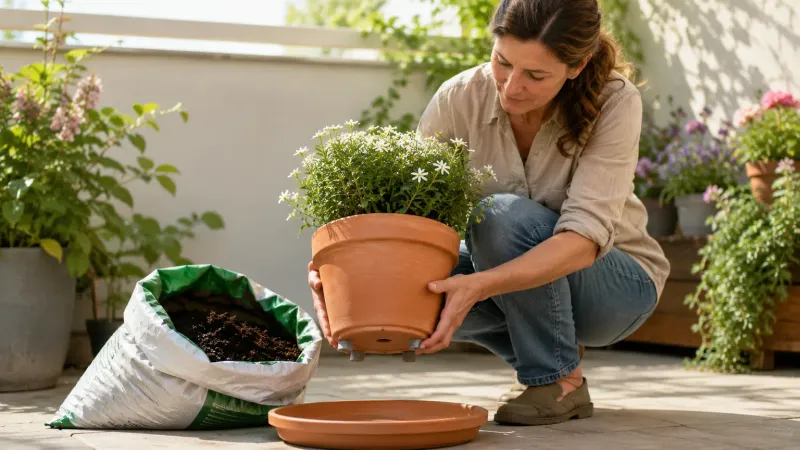
Start with a pot that has open drainage holes, and make sure they are not blocked by a saucer full of water. Empty saucers after a rain or a soak.
Pot feet or small risers let water escape and air move beneath the pot. Illinois Extension points out that drainage supplies air to roots.
Many people add gravel to the bottom hoping it helps water escape. It does the opposite.
NC State Extension says gravel or rocks under the mix can make water collect in the mix above them. Skip it and fill the pot with a well-drained container mix instead.
Good setup lowers the odds of waterlogging for future waterings. It will not reverse damage that has already happened to roots.
Let the mix—not the calendar—guide watering
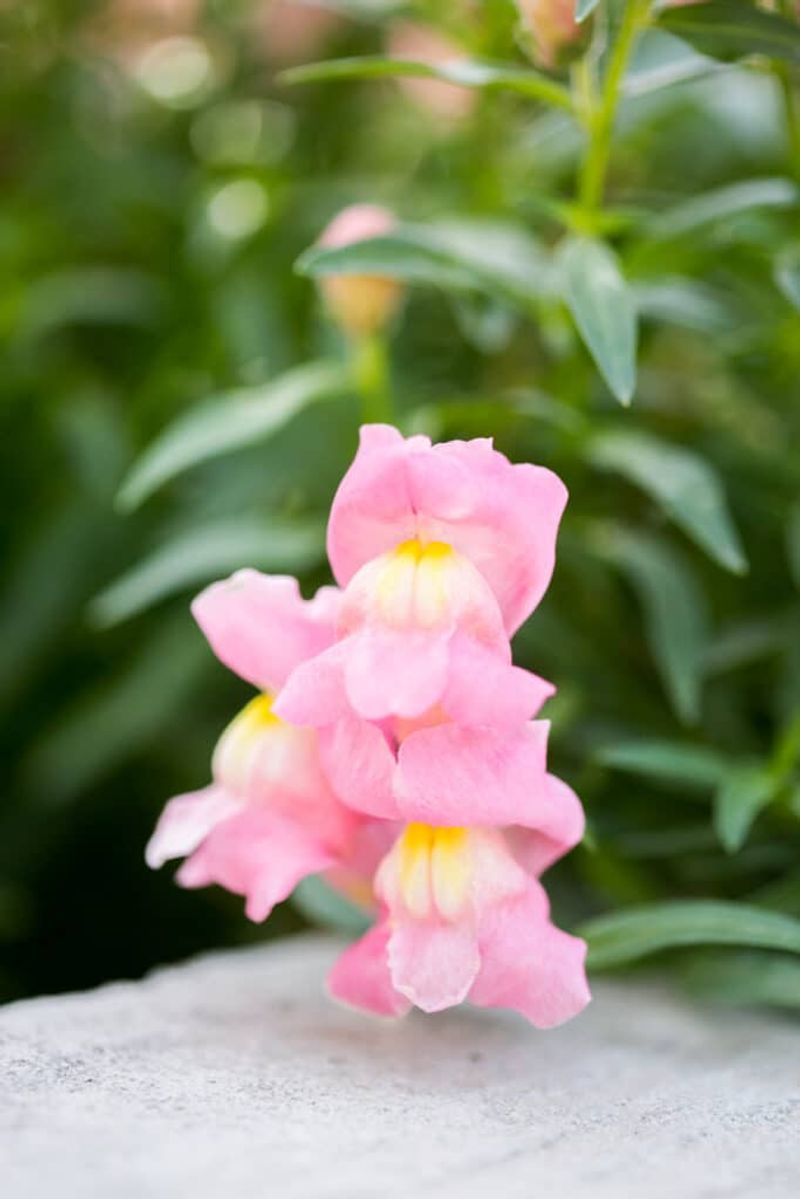
A weekly schedule sounds tidy, but pots do not follow calendars. A small clay pot in a windy Texas afternoon dries far faster than a big glazed pot on a cloudy Florida day.
Frequency shifts with the pot, the mix, the plant, and the weather.
Let the finger test lead. When the mix is dry 1 to 2 inches down, water until it flows out of the drainage holes, as Iowa State Extension recommends.
That wets the whole root ball instead of just the surface.
When a plant wilts, recheck the mix before you water again. A warm spell might mean you are watering more often this week, and a rainy stretch might mean skipping days.
Conditions set the routine.
Fall suits snapdragons, but timing depends on where you garden
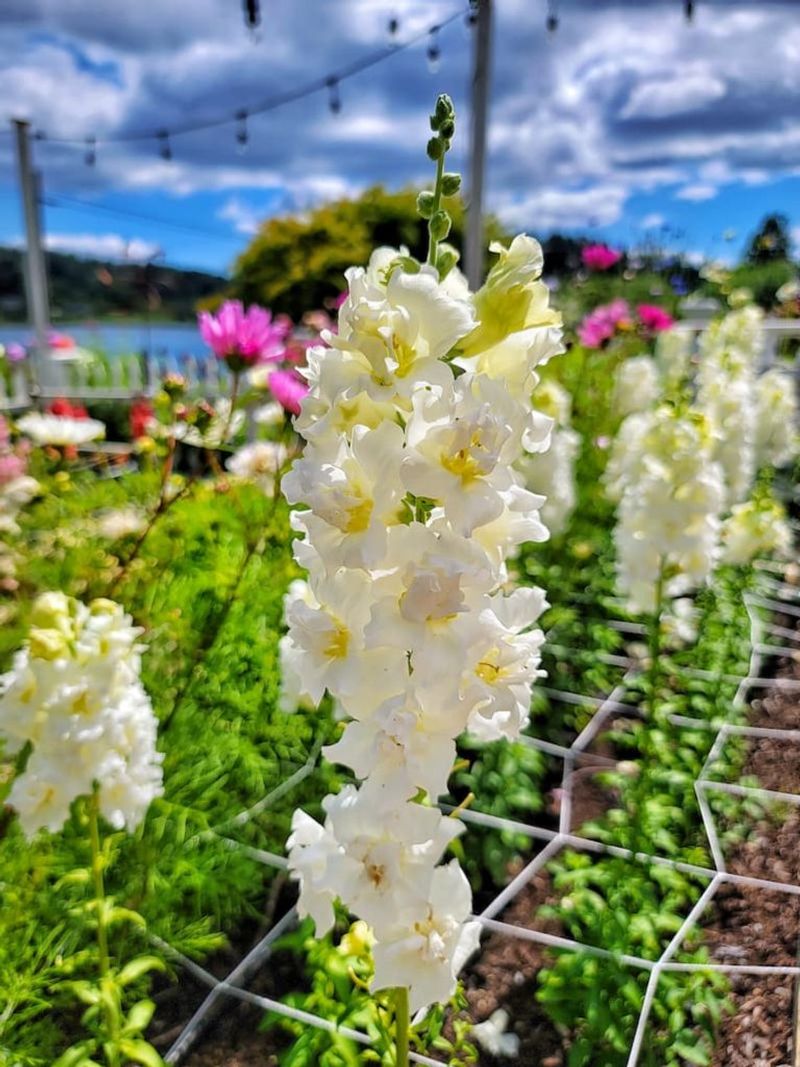
Snapdragons like cool weather, which makes fall a good time for containers in parts of the South. UF/IFAS Gardening Solutions names October and November as the Florida planting window as weather cools, and says they can thrive in containers.
Texas is a different story. Texas A&M AgriLife calls snapdragons a cool-season annual and supports fall planting for winter color, but it does not set one statewide October date.
North, Central, and South Texas warm and cool on different timelines, so watch your own local weather.
Heat matters too. UF/IFAS Extension gives an optimum growing temperature of 65 to 75°F and says high temperatures can stunt growth and limit or prevent bloom.
Plant when your weather cools, then let the mix, not a rule, tell you when to water. A wilted snapdragon is asking a question, and a quick poke of the finger is how you hear it.