
A wasp circling your porch can make it hard to relax outside. Fragrant plants offer a way to try making the area less inviting without spraying chemicals where you sit.
No plant can promise a wasp-free porch, but these seven choices give Florida gardeners useful options for pots and nearby beds. The best results come from pairing plants with a clean porch and quick attention to new nests.
1. Rosemary
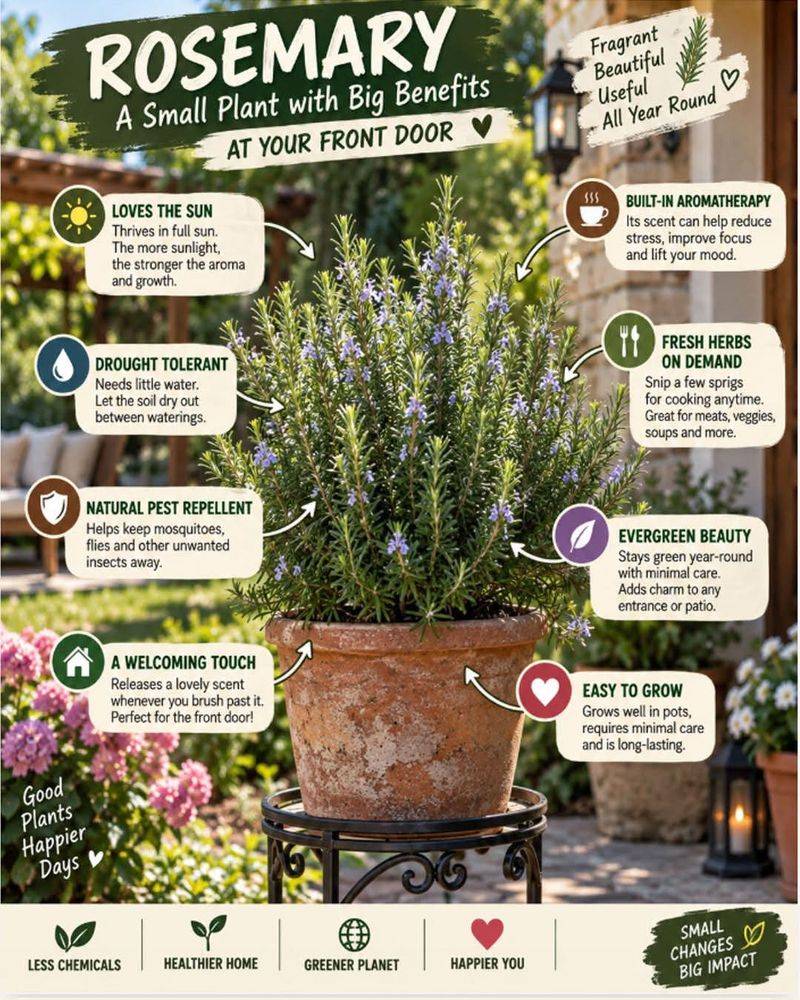
Rosemary earns its porch spot by doing two jobs at once. Its needlelike leaves bring a strong herbal scent to the seating area, and a quick snip gives you fresh seasoning for dinner.
That scent is often suggested as a way to discourage wasps, although a living rosemary plant has not been proven to keep them away on its own.
Give rosemary the sunniest, driest edge of the porch rather than a shaded corner by the door. In Florida, a container with drainage holes and a fast-draining potting mix is often easier to manage than a bed that stays wet after heavy rain.
Water when the upper portion of the mix feels dry, and avoid leaving the pot in a saucer of water.
A light trim keeps the plant bushy and releases more fragrance when you brush past it. Set the pot near a walkway or chair, but leave enough room for people to pass without knocking it over.
Rosemary suits gardeners who want a tidy, useful plant with little fuss once its watering needs are understood. If wasps repeatedly visit, check for fallen fruit, sticky drink spills, or a nest nearby rather than expecting the herb to solve the problem.
2. Lemongrass
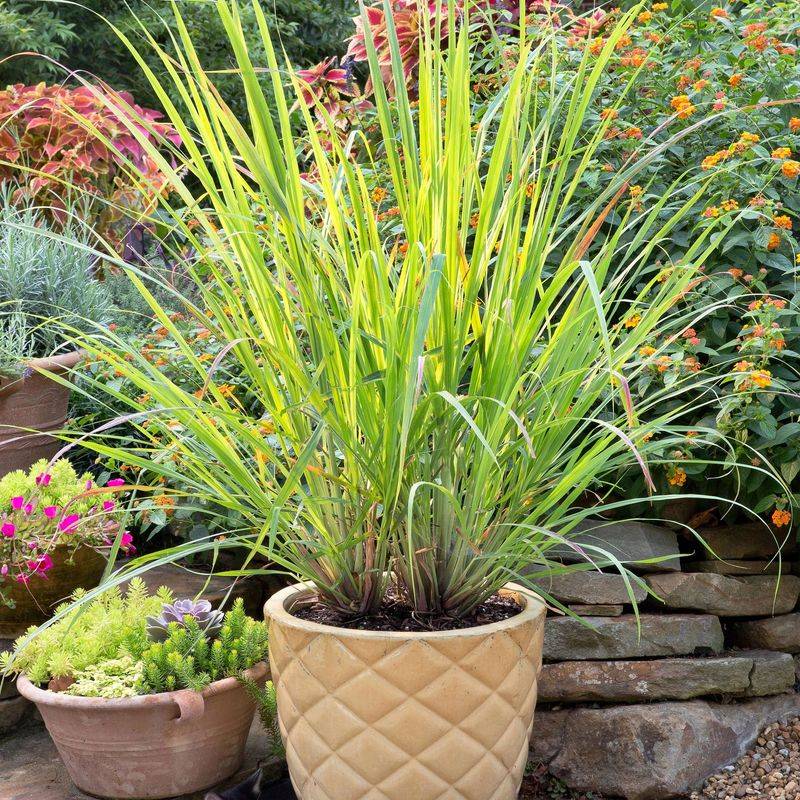
Need a plant that can fill an empty porch corner? Lemongrass makes a bold, fountain-shaped clump instead of another small pot on the steps.
Its leaves smell citrusy when cut or crushed, which is why some homeowners try it near outdoor sitting areas. The fragrance may make a small difference, but research does not show that planting lemongrass creates a reliable barrier against wasps.
Place a large, sturdy container in full sun at the outer edge of the porch. Florida warmth helps lemongrass grow quickly, so give its long leaves room to arch without blocking the doorway.
Use a pot with drainage holes, water regularly while it establishes, and keep it from sitting in floodwater after a storm. The leaves can have sharp edges, so wear gloves when trimming.
Harvest a few stalks for cooking and remove old leaves to keep the clump neat. A heavy planter is a sensible choice in a yard where summer storms can tip lightweight pots.
Lemongrass is the pick for gardeners who want height and a tropical look, not just a scent. Keep food covered during porch meals, since a fragrant plant cannot compete with an open soda or a plate of sweets.
3. Basil
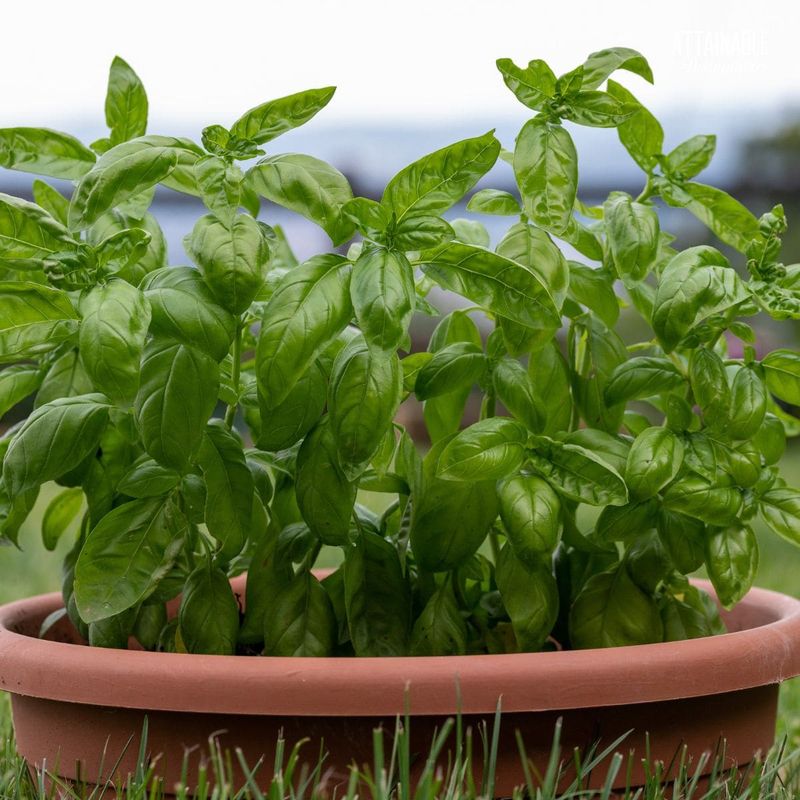
A basil pot by the porch table practically asks to be used. Brush a leaf while setting out lunch, and its familiar scent is easy to notice.
That makes basil a pleasant choice for a space where you eat, even though there is no good reason to count on the plant alone to drive wasps away.
In much of Florida, basil grows through a long warm season. Give it sun, but consider a spot with some afternoon shade if a small pot dries out too fast in summer.
Check the soil often and water when it begins to dry near the surface. Basil wilts quickly when thirsty, especially in a container beside hot paving.
Regularly pinch the stem tips above a pair of leaves to encourage a fuller plant and provide something for the kitchen.
Harvesting also helps keep flower spikes in check. Basil flowers can draw bees and other visitors, so removing them makes sense if your main goal is a calmer spot close to the door.
Replace tired plants when they become woody or struggle with disease in humid weather. For a porch used for meals, basil offers the most practical bargain on this list: fresh leaves within reach and a fragrant pot that looks right at home beside the table.
4. Mint
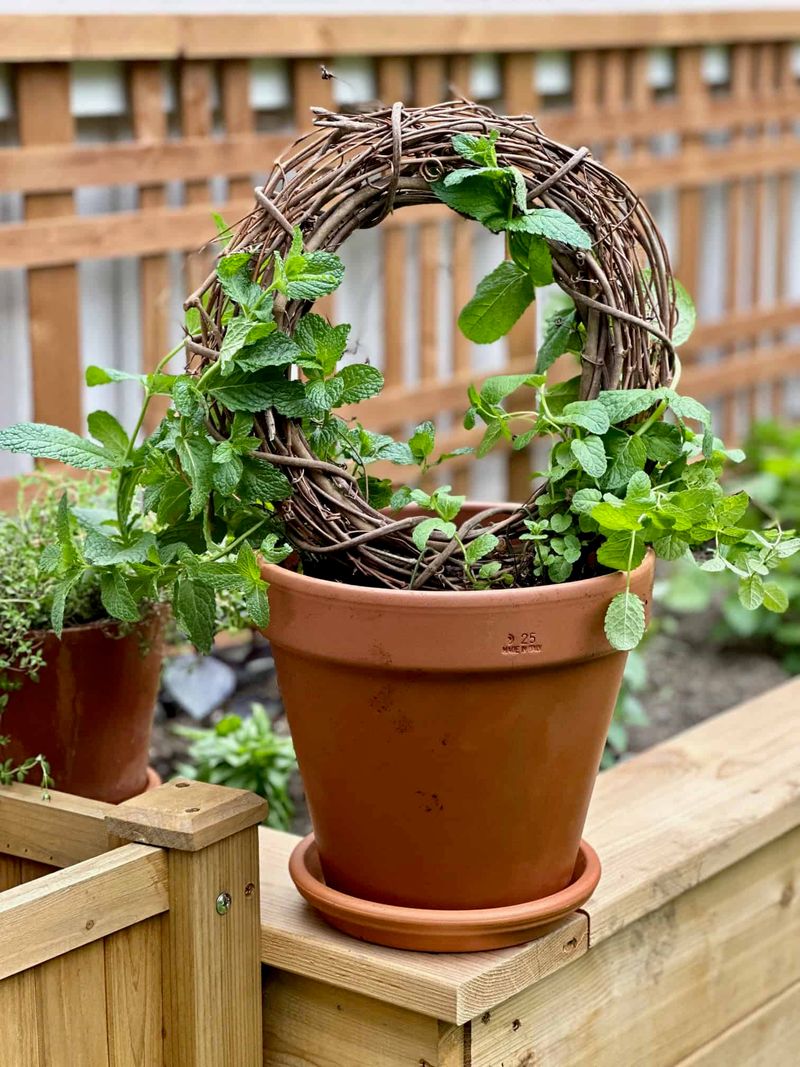
Mint has a habit of taking over, which makes a pot the smartest place for it. Keep one beside a porch step and you can rub a leaf between your fingers for a burst of scent.
Mint is frequently named in natural wasp-deterrent lists, but its presence is not a dependable way to stop a wasp from searching for food or nesting space.
Start with spearmint if you want a familiar scent and leaves for iced tea. Give the pot morning sun or bright partial shade, a useful arrangement on many Florida porches where intense afternoon sun can stress container plants.
Mint likes more consistent moisture than rosemary or thyme, but the container still needs drainage. Check it often during dry spells, and cut stems back when they start sprawling across the walkway.
Do not tuck mint into a garden bed beside the foundation unless you are prepared for it to spread. A separate pot makes it easier to move the plant before a storm and easier to keep its roots out of nearby beds.
Mint suits a porch that gets some shade and a gardener who enjoys frequent harvests. For fewer wasp visits, put a lid on sweet drinks and rinse recycling containers as carefully as you tend the plant.
5. Thyme
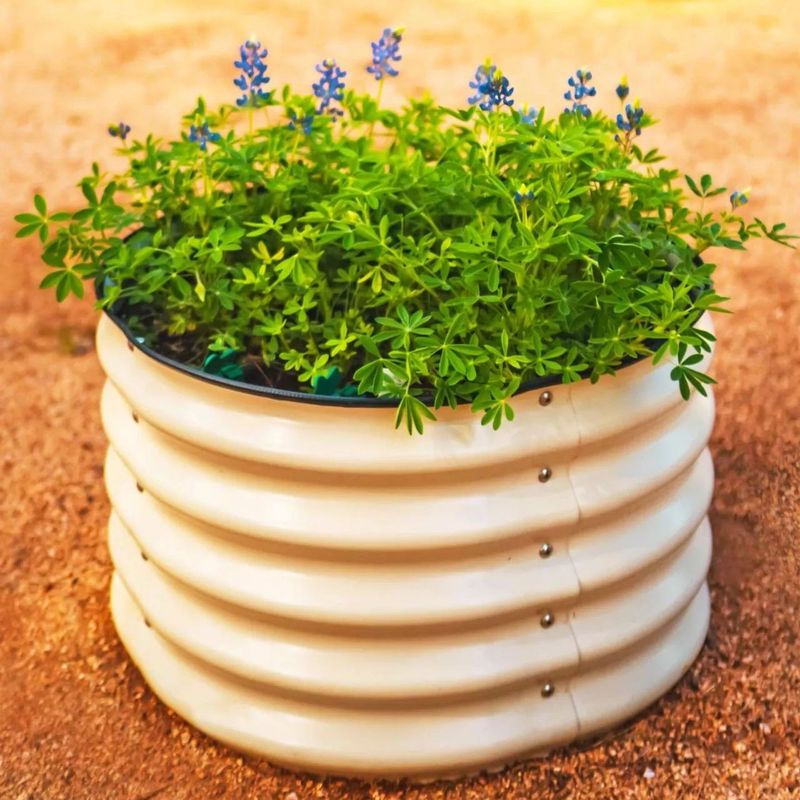
Small spaces deserve a plant that stays small. Thyme forms a low mound that fits on a wide porch ledge or in a shallow planter without hiding the view.
Its leaves are aromatic, particularly when you trim them, but the scent should be treated as a possible nudge to visiting wasps, not a shield around the house.
Choose a sunny position with good airflow and use a container that drains freely. Thyme dislikes soggy roots, a real concern during Florida’s rainy stretches.
Rather than watering on a fixed schedule, feel the potting mix first and water when it has begun to dry. In a humid spot, an open porch edge is a better bet than a damp, sheltered corner.
Clip sprigs for cooking to maintain a compact shape, and remove spent flowers if you do not want to draw extra insect traffic right beside the door. Thyme may need replacing when heat, heavy rain, and humidity take their toll; a pot makes that easy.
Use it where a bulky grass or shrub would crowd a narrow entry. Its main strengths are its modest size, useful leaves, and ability to turn an otherwise bare sunny ledge into a planted space.
6. Oregano
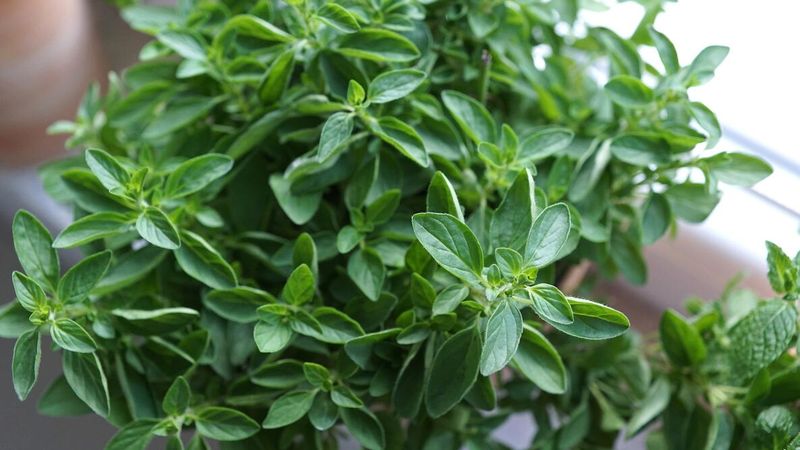
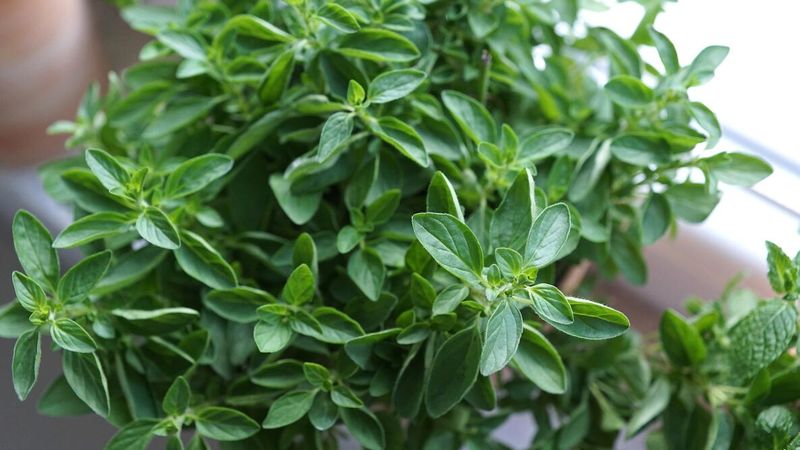
Oregano can soften the edge of a porch without claiming precious floor space. Try it in a hanging basket or a pot on a sturdy rail, with its leafy stems allowed to spill over the side.
Like other strong-smelling herbs, oregano is sometimes used in hopes of discouraging wasps. Evidence for a live plant repelling them is limited, so choose it for its looks and kitchen value first.
A basket keeps the walkway clear, but it also dries out faster than a large ground-level pot. In Florida’s warm weather, check moisture regularly and water thoroughly when the mix starts to dry.
Give oregano plenty of light and good drainage. Trim stems to keep the plant full, and move the basket to a more sheltered location when damaging winds are forecast.
Hang it where nobody will bump their head or brush against the pot while opening the door.
If flower clusters appear, you can clip them before they attract foraging insects near the entry. Oregano is especially handy for a small porch where every square foot matters.
Hang it outside the main traffic path, then focus on the less decorative fixes too: empty trash promptly and keep outdoor cooking areas clean. Those habits do more to remove wasp attractants than a basket of herbs can.
7. Scented Geranium
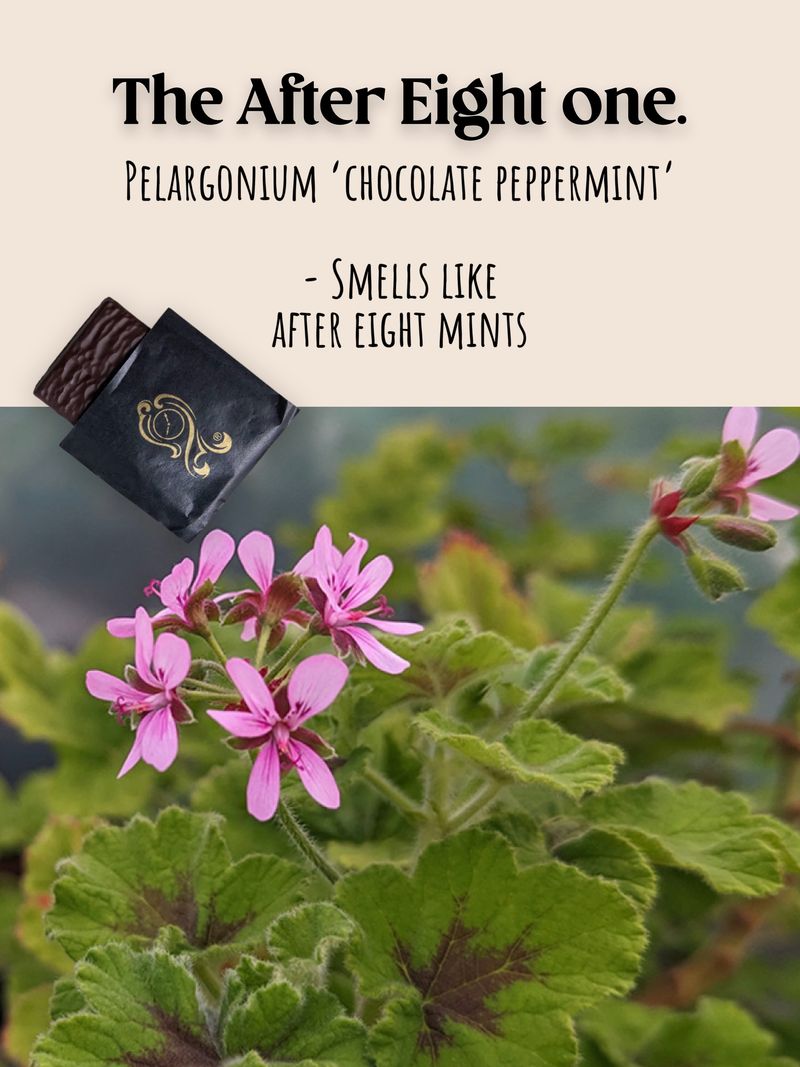
For a porch plant with a little personality, gently brush the leaves of a scented geranium. Depending on the variety, you might notice a rose, lemon, or mintlike fragrance.
Those scented leaves make it an appealing experiment beside a chair, but they do not provide proven wasp control. Choose the fragrance you enjoy rather than buying a plant labeled as a guaranteed insect repellent.
Scented geraniums are types of pelargonium, not the hardy garden geraniums found in cooler-climate beds. Give yours bright light and good airflow.
Morning sun with relief from Florida’s strongest afternoon heat can help a potted plant stay comfortable. Use a well-drained mix, let the surface dry somewhat between waterings, and avoid keeping the foliage constantly wet in humid weather.
Pinch back leggy stems so the scented leaves stay within easy reach. Flowers may draw pollinators, so a leafy plant with blooms trimmed off is a better fit right next to a busy doorway.
Bring a manageable pot into shelter ahead of severe weather instead of leaving it on an exposed porch rail. Scented geranium is the choice for someone who wants a fragrant, touchable plant near a favorite seat.
If you find a wasp nest, keep your distance and contact a qualified pest professional rather than trying to handle it with plants.