
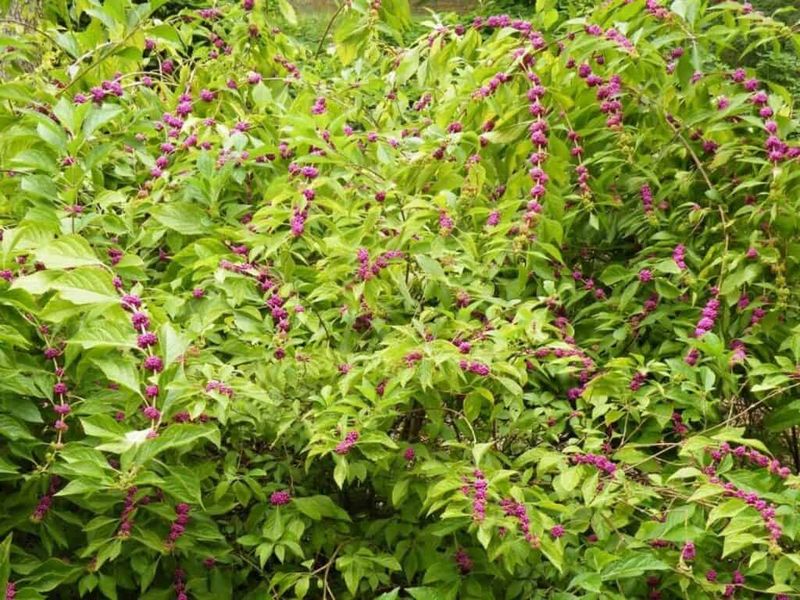
Walk past a yard in early fall and you might spot clusters of bright purple berries wrapped around arching branches. That is American beautyberry, a shrub native to North Carolina that feeds birds when the season turns.
Many homeowners wonder if it can replace a privet hedge, and whether it keeps ticks away. Here is what the science says, what it does not say, and where this shrub really fits.
American Beautyberry Is a Native Shrub, Not a Tick Barrier
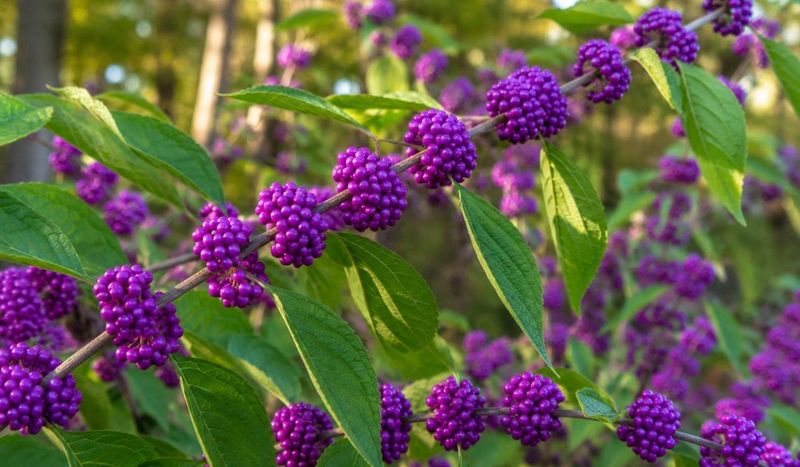
Some shrubs earn their spot in a yard by looking good. American beautyberry (Callicarpa americana) earns it by being a true North Carolina native that wildlife actually use.
NC State Extension’s plant profile lists it as native and notes that its berries feed songbirds and small mammals.
You may have also heard that beautyberry repels ticks. There is a real thread behind that idea.
Researchers pulled compounds out of beautyberry leaves and found tick-repellent activity in laboratory tests.
Here is the catch. The USDA research worked with isolated compounds, not living shrubs growing along a lawn.
Nobody has shown that planting beautyberry keeps ticks off a lawn edge, and nobody has shown it protects your family.
So the decision in front of you is simpler than the rumor makes it sound. Ask whether you want a native shrub with fall fruit for birds, an informal look, and modest upkeep.
If the answer is yes, beautyberry is a strong candidate.
If your main goal is fewer ticks, treat the shrub as a bonus for wildlife and put your effort into the yard-edge steps covered later in this article. That way the plant gets judged on what it truly does well.
Fall Berries Feed North Carolina Birds
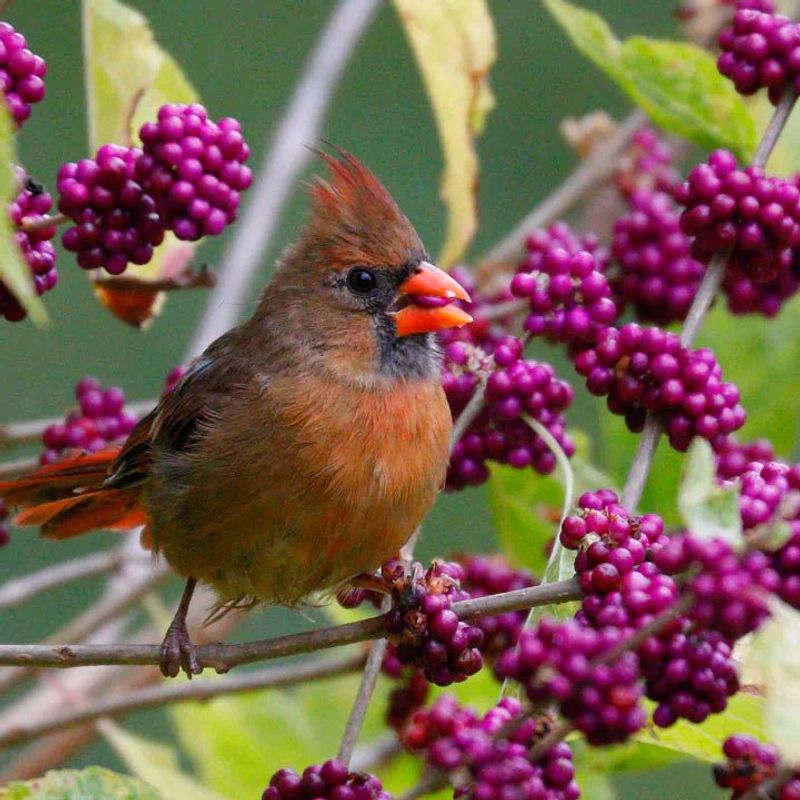
Late summer is when beautyberry starts to show off. According to NC Cooperative Extension, the fruit ripens from August through October and may hang on into early winter.
Plenty of birds take advantage. Extension names robins, mockingbirds, cardinals, bluebirds, and cedar waxwings among the fruit eaters.
Small mammals also eat the berries, according to the NC State plant profile.
Do not be alarmed if your shrub still wears its berries well into the season. Birds may leave the fruit alone until other foods get scarce.
A full, purple shrub in October is normal and does not mean it is failing to attract wildlife.
That slow pace is actually useful. Berries that last into early winter can fill a gap when summer insects and other fruits have faded.
Placing a shrub where you can see it from a kitchen or porch window turns that gap into a front-row view.
For the best show, plant a few shrubs together in sun to part shade. Resist the urge to cut berry-laden branches for the vase early in the season, since you will be trimming them away from the birds’ table.
Laboratory Tick Findings Do Not Establish Yard Protection
The tick claim traces back to a USDA Agricultural Research Service study. The researchers isolated compounds from beautyberry leaves and applied them to treated cloth.
They then ran fingertip bioassays in the lab to see how ticks reacted.
The ticks were nymphs of two species, blacklegged ticks and lone star ticks. Effects were stronger for blacklegged ticks.
The compounds were considerably less effective against lone star ticks, which matters in North Carolina where lone star ticks are common.
Look at what was not tested. No one planted shrubs and counted ticks.
No one measured a lawn edge. No one tested protection for people.
The authors called the work preliminary and said further evaluation was needed, and they noted that the effects of putting concentrated compounds on human skin were unknown.
NC State Extension’s plant profile mentions that crushed leaves can repel ticks. That line does not mean the shrub protects the lawn next to it or the people walking by.
It also is not a recommendation to rub leaves on your skin.
Think of this as an interesting lead for scientists, not a yard tip. Until someone tests real landscapes, the honest takeaway is that nobody knows if beautyberry changes tick numbers at your property line.
Its Open Form Fits Informal Borders, Not Every Hedge
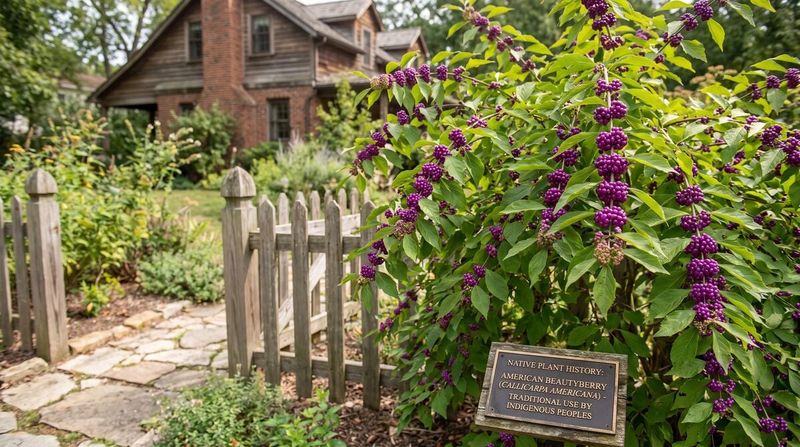
Size and shape decide whether a shrub works, so start there. Beautyberry is deciduous, open, and arching, and it usually reaches about 3 to 8 feet tall and 3 to 6 feet wide, as described in NC State’s plant profile.
It does best in sun to part shade and in well-drained soil. Informal borders, naturalized areas, and woodland edges are good homes for it.
Its loose habit looks relaxed next to oaks, dogwoods, and native grasses.
Pruning is simple. Extension guidance points to late winter, because flowers and fruit form on new growth.
Cutting then keeps the shrub tidy and still leaves plenty of berries for fall.
Now the limit. Because it loses its leaves and has an airy shape, beautyberry will not give you a dense, year-round privacy wall.
If a neighbor’s window looks right into your patio in January, this shrub alone will not solve it.
A smart plan for privacy is to mix evergreen natives behind or beside it and let beautyberry supply the color and the berries in front. That gives you screening in winter and wildlife value in fall.
Chinese Privet Spreads, Though Birds Eat Its Fruit
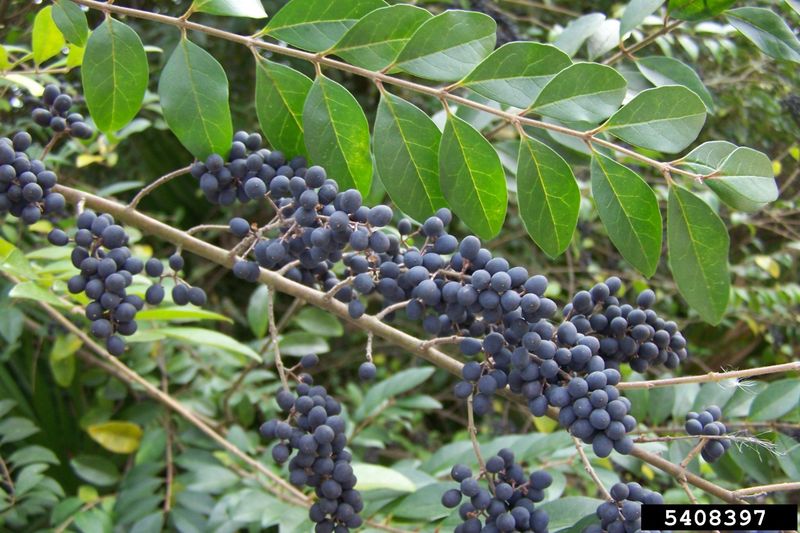
“Privet” is not one plant. Several species carry the name, so the first job is identifying what you have.
The one causing trouble here is Chinese privet (Ligustrum sinense), which the NC Forest Service treats as nonnative and invasive in North Carolina.
Birds are part of the story. They eat its fruit, and that makes them its primary dispersal mechanism.
So it is wrong to say privet offers wildlife nothing. The problem is that it spreads into natural areas and forms dense thickets that change plant communities, which is why NC State’s wildlife landscaping guidance leans on native plants instead.
If you suspect privet, confirm the species before pulling anything. A local Extension office or Forest Service staff can help with identification.
Established Chinese privet may need more than hand-pulling. Plants can resprout, so plan follow-up visits to catch new growth.
If you use an herbicide, read and follow the product label, and ask Extension or the Forest Service for advice that fits your site.
A swap can be gradual. Replace sections over a few seasons so birds still find cover and food while new native shrubs fill in.
Manage Lawn Edges With Established Tick Precautions
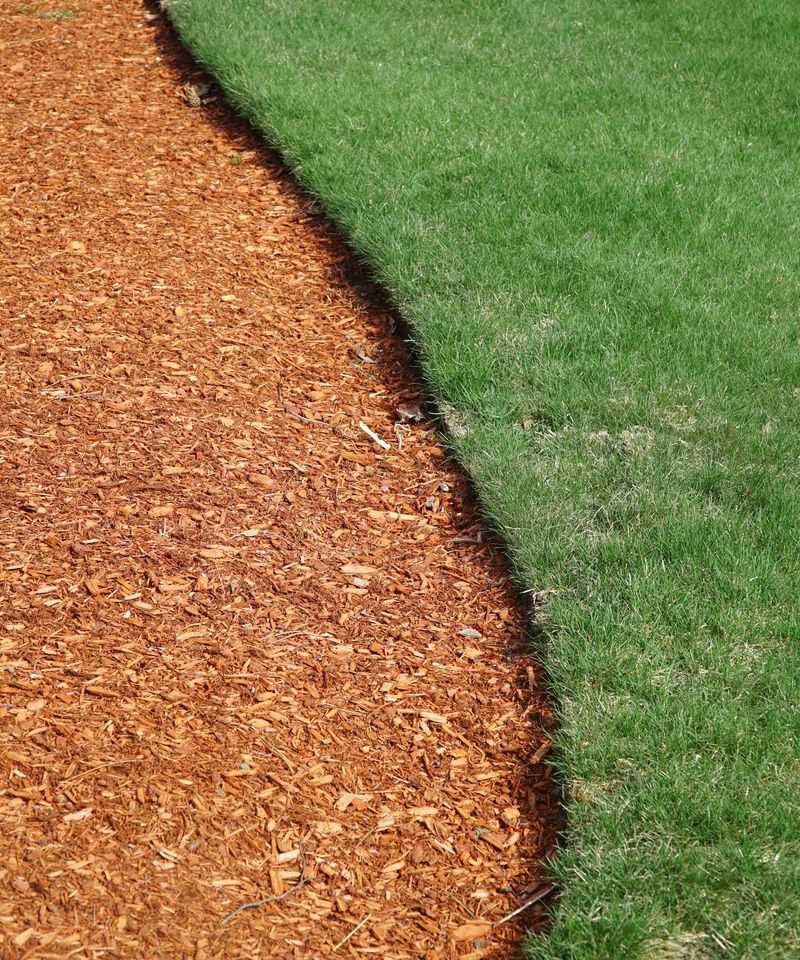
If ticks are your worry, the proven moves happen at the edge of your lawn. CDC guidance recommends mowing, removing leaf litter, and clearing tall grass and brush.
It also suggests trimming shrubs and branches to let in sunlight, since ticks favor shady, damp spots. Between lawn and wooded areas, lay a barrier of wood chips or gravel about 3 feet wide.
Here is a weekend plan. Mow on schedule, rake leaves from the lawn margin, cut back brush where the yard meets the trees, and lay the chip strip.
None of these steps guarantees you will avoid ticks, but they are the recommended precautions.
Personal protection matters just as much. CDC recommends EPA-registered repellents and clothing and gear treated with 0.5% permethrin.
Do a tick check after time outdoors, especially after working near brush.
Notice that a planted shrub border is not on that list. Beautyberry can sit well back from play areas as a wildlife plant, but keep the cleared, sunny strip between the yard and the woods.
Do not rely on homemade leaf rubs as skin protection.
Choose Beautyberry for Wildlife Value, Not Tick Control
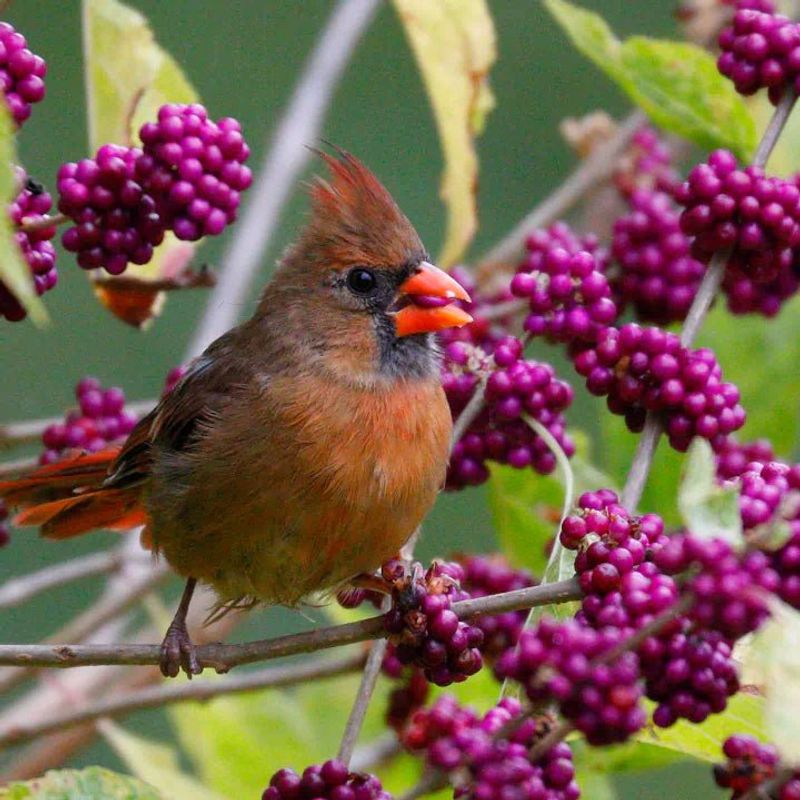
Plant beautyberry where a native, berry-laden, informal shrub suits your yard, and enjoy the birds it draws, as NC State Extension describes. Do not count it as tick control or as an evergreen screen.
For ticks, keep up the lawn-edge work and personal precautions from the CDC.
A good yard can feed the birds and still keep its edges clear, and each job is best done by the right tool.