
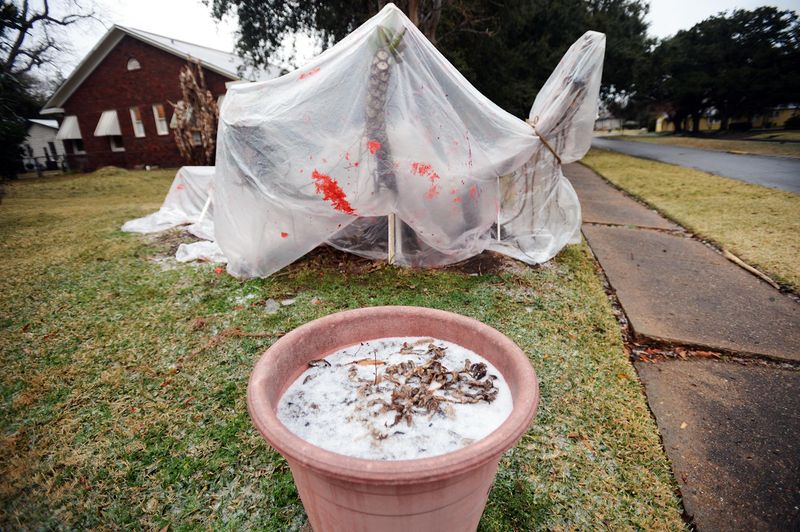
A plumeria that sat in full Texas sun all summer can be hurt fast when a cold snap shows up early. Cold-sensitive plants like this one need a plan before the forecast turns ugly.
The good news is that you have two clear winter routes to choose from. Here is how to pick one and carry it out calmly.
Prepare before freezing weather arrives
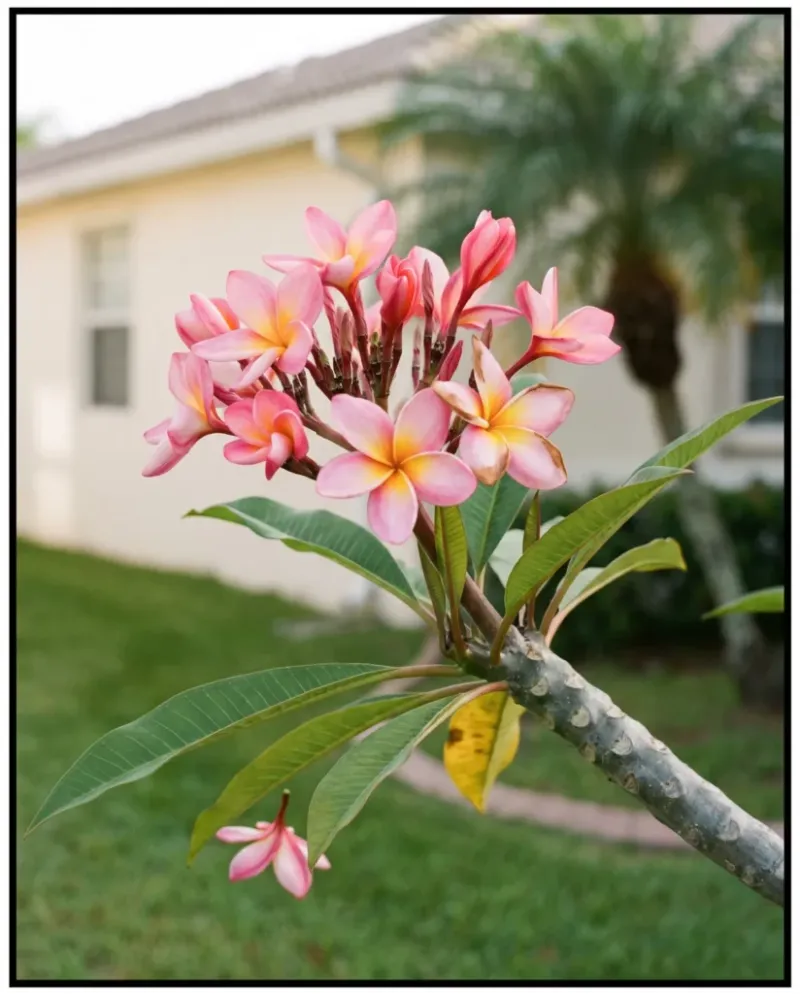
Texas does not have one dependable first-frost date. As one local example, the National Weather Service freeze summary for DFW lists an average first freeze of November 22, yet its records include an earliest freeze of October 22.
Gulf Coast, Hill Country, and Panhandle gardeners will each see different timing.
Because of that spread, watch your own local forecast and climate records instead of marking one date on the calendar. Check the overnight lows several times a week once nights start cooling.
A sheltered city yard and an open rural lot can differ by several degrees on the same night.
For a rule of thumb, a Henderson County Master Gardener article says plumerias naturally start heading toward dormancy as overnight temperatures fall toward 60°F. It recommends moving them inside when nights drop below 50°F.
Treat those numbers as regional advice, not a universal damage line for every cultivar or microclimate.
The point is to act before freezing weather, not after the first frosty morning. A plant that is already chilled is harder to help.
Start with one question: can you move this plant to a place that reliably stays above freezing? Your answer shapes everything in the next sections.
Choose a winter plan for your plumeria
You have two main routes. One is to store a dormant plant dry and dark.
The other is to keep it actively growing indoors with bright light and less water.
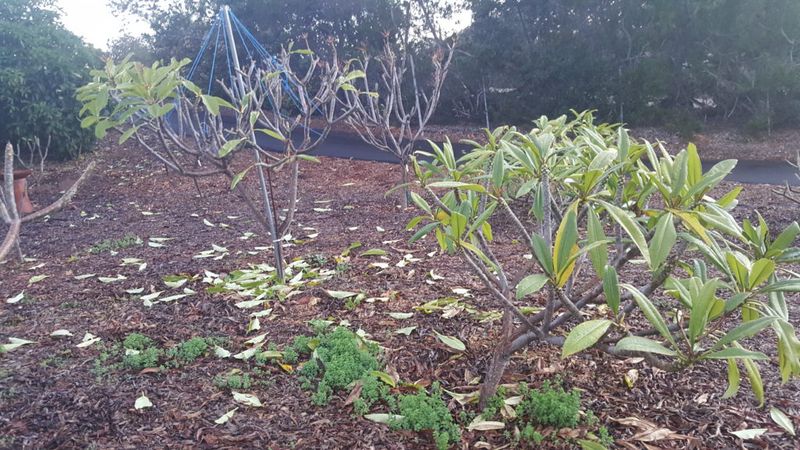
Many plumerias drop their leaves in fall, but not all of them do. Wisconsin Extension notes that some species, including P. obtusa and P. pudica, are evergreen.
If yours keeps its leaves and you have a sunny window, active indoor growth may suit it better.
The routes ask for opposite things. A dormant, leafless plant generally needs no light and no water until spring.
A growing plant needs bright light and careful, reduced watering as growth slows, as the Henderson County guidance describes.
Let your space decide. If you have a bright spot with strong light, active growth is possible.
If you only have a dark closet or room that stays reliably above freezing, dormant storage fits better.
Neither route guarantees survival, and neither promises heavier flowers next summer. UF/IFAS describes plumeria as cold-sensitive, with some plants regenerating after cold damage and others suffering heavy damage or death.
The goal is simply to give your plant the best odds.
Store dormant plants dry and frost-free
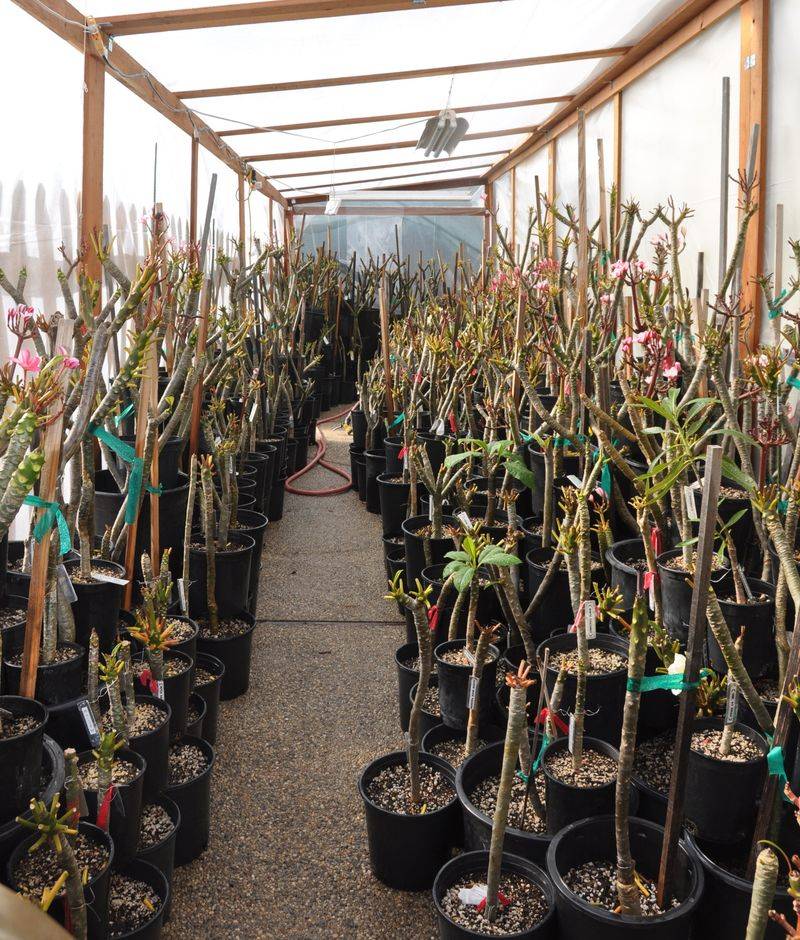
Dormancy is a rest period, and a deciduous plumeria will tell you when it starts by dropping its leaves. Texas A&M AgriLife’s Galveston County guide explains that plumerias go dormant as winter daylight shortens.
It advises storing them indoors above freezing, with no light or water until spring.
Once the plant is bare, move it before a hard freeze to a dry spot. A spare room, an interior closet, or a heated storage area can work.
Set the pot where it will not be knocked over and where nobody will water it by habit.
Be careful with the phrase frost-free. An unheated garage, shed, or porch is not automatically safe.
The Henderson County article warns that an unheated storage space can still get cold enough to freeze plants. A cheap min-max thermometer left in the spot for a few cold nights will show you the truth.
For the whole rest period, leave the plant alone. Skip the watering can and skip the fertilizer, since a leafless plant is not using either.
Check it now and then for shriveling or mold, but do not respond with routine water. Spring is when the routine changes.
Give actively growing indoor plants light and less water
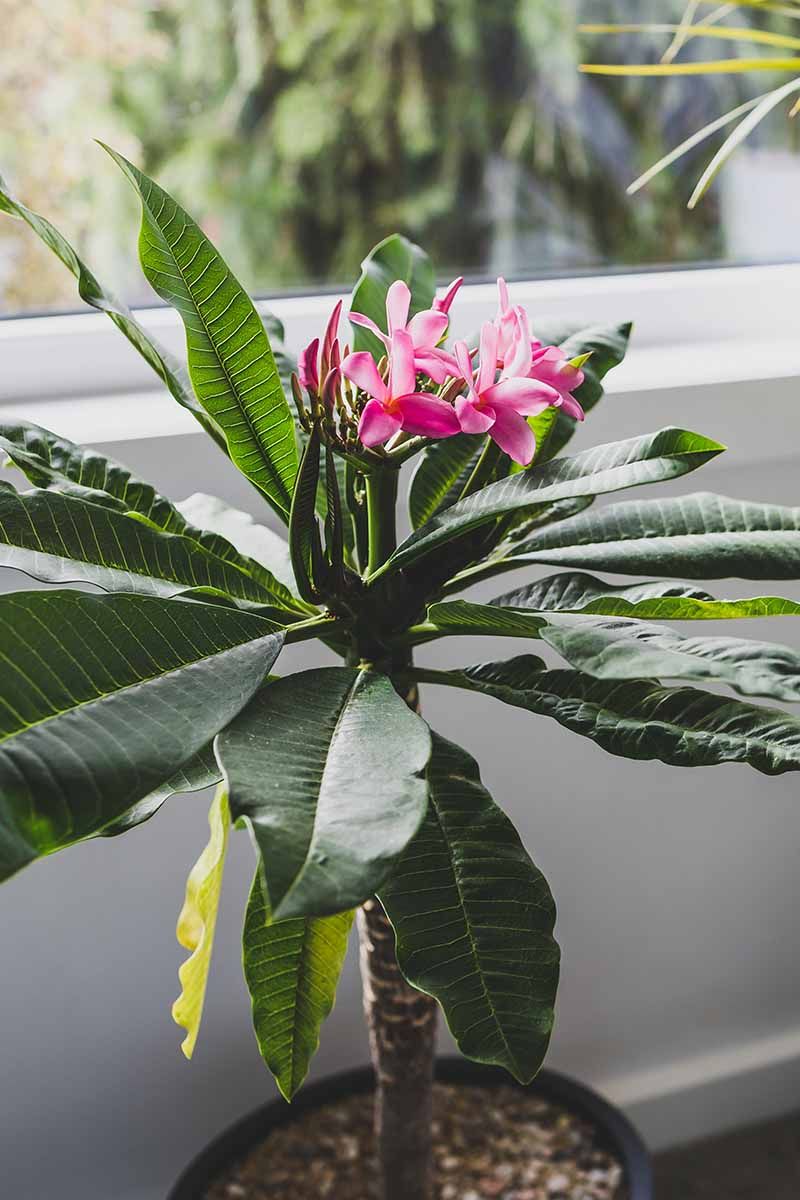
A plumeria that keeps growing indoors lives by different rules than a sleeping one. Light comes first.
The Henderson County Master Gardeners call for direct light for indoor growing, so a south-facing window or a spot near a sunny glass door is the usual starting point.
Water is the second piece. Cooler air and shorter days slow growth, and a slower plant drinks less.
Skip the fixed schedule you used on the patio in August and check the soil before each watering instead.
The reason is root rot. Wisconsin Extension cautions that soggy soil can rot the roots and advises less watering in cooler conditions.
Use a pot with drainage holes and empty the saucer after watering.
Watch the leaves for clues. Yellowing and drooping with wet soil points to too much water.
Stretched, pale growth points to too little light.
Keep this plan separate from dormant storage. A plant that has dropped all its leaves and sits in a dark corner needs neither light nor water.
If your plant is partly leafy and slowing down, decide which route it is on instead of mixing the two.
Clear fallen leaves and handle sap carefully
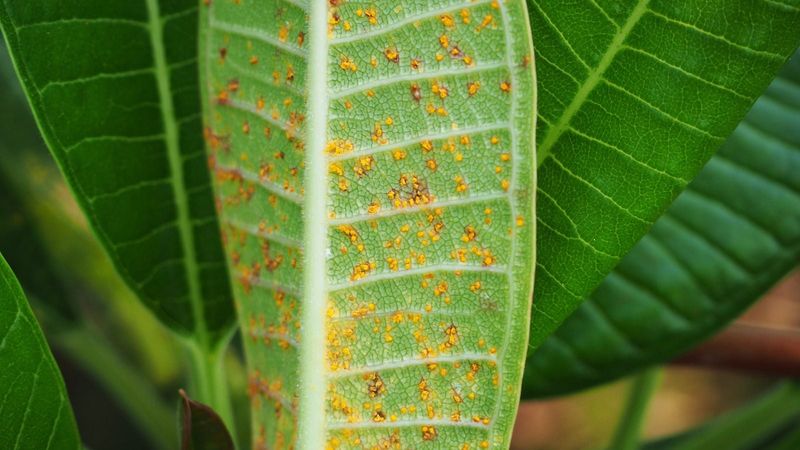
Fallen leaves are worth picking up, especially if your plant had orange, dusty spots last season. UF/IFAS explains that plumeria rust builds on the undersides of leaves and that removing fallen leaves in autumn can reduce disease levels in the next growing season.
Bag them or throw them out instead of leaving them under the plant.
Put on gloves first. Plumeria sap can irritate skin, and UC Cooperative Extension advises treating all parts of the plant cautiously because the sap may cause a rash.
Wash your hands and tools afterward.
Keep leaves, cuttings, and broken pieces away from children and pets. The plant is not harmless, though it is also not something to panic over.
Simple habits, like cleaning up promptly and storing the plant out of reach, cover most of the risk.
Resist the urge to trim while you are out there. Plumerias usually do not need pruning, and fall cutting is not a shortcut to more flowers.
If a branch really does need to go, Wisconsin Extension advises waiting until spring, before deciduous types leaf out.
Support next season’s flowers without promising more
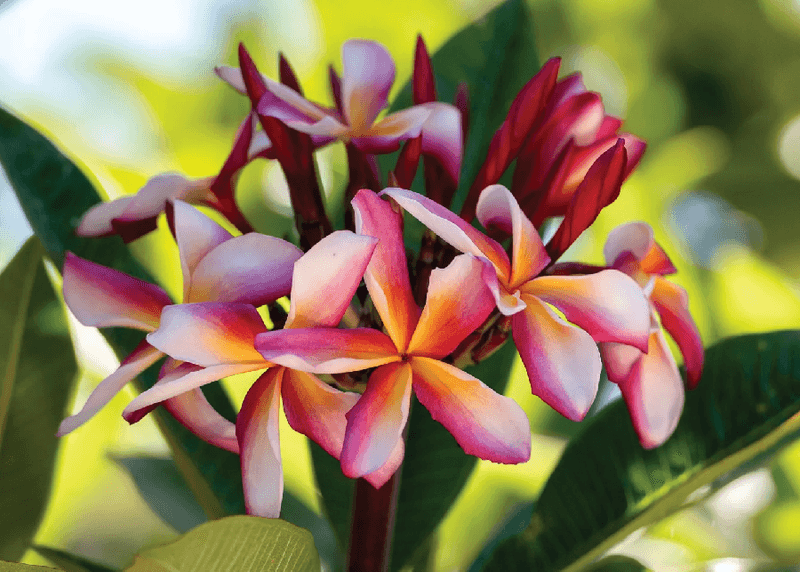
Once spring warms up and growth restarts, the care changes again. Texas A&M’s Galveston County guide points to full sun, well-drained soil, and growing-season feeding.
It recommends fertilizer monthly from April through August.
Think of that schedule as local care guidance, not a bloom guarantee. The Galveston guide suggests a fertilizer higher in phosphorus, but NDSU Extension says high-phosphorus fertilizer does not necessarily increase flower numbers in ornamentals generally.
That advice is not a plumeria-specific trial, so a bloom booster is no sure bet.
Bloom timing also varies. Wisconsin Extension notes that flowering timing and flushes differ by cultivar.
If your neighbor’s plumeria blooms earlier than yours, the variety may be the reason.
Move plants back outside only after nights stay warm, and ease them into direct sun over a week or so to avoid leaf scorch. Pick a spot with sun most of the day and soil or potting mix that drains fast.
Protect the plant from cold, then give it good growing conditions. Blooms follow on the plant’s own schedule.