
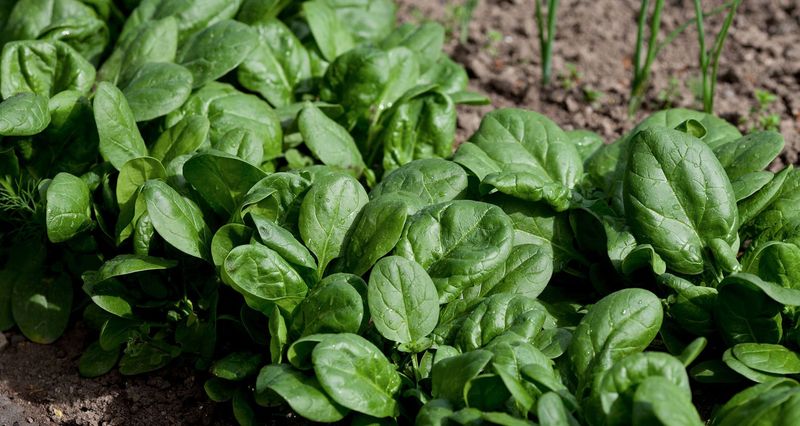
October feels like the end of the garden year for a lot of folks, but in North Carolina it can be the start of something tasty. Our mild Piedmont and coastal plain winters let many leafy greens and roots keep growing long after the tomatoes quit.
A few smart seeds or transplants tucked in now can mean fresh salads and sweet roots from Thanksgiving into early spring. Here are nine vegetables worth planting this month, plus tips on where and how they grow best across the state.
1. Collard Greens
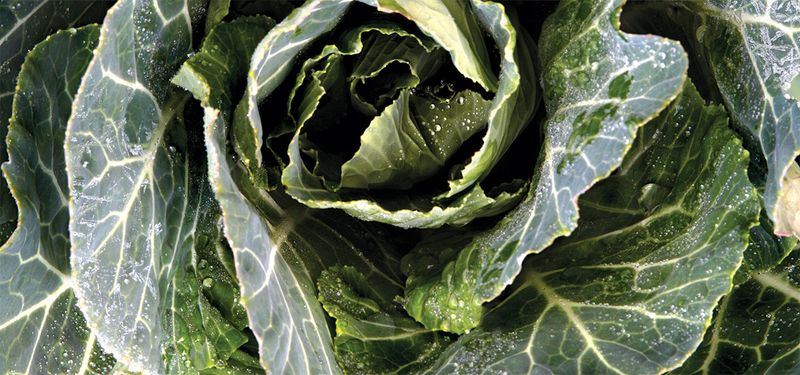
Ask any grandmother in Johnston County and she will tell you collards taste better after the first frost. She is right, too.
Cold weather pushes the plant to turn starches into sugars, which mellows that bitter bite.
Collards are about as tough as a Southern green gets. Established plants can often handle dips into the low 20s, and in the coastal plain they may keep producing all winter with little fuss.
Set out transplants in early to mid October rather than seeds, since seedlings need a head start before days get short.
Space plants about 18 inches apart in full sun and feed them with a little compost. Harvest the lower leaves first and let the center keep growing.
One healthy plant can give you greens for months, so a short row feeds a family.
2. Kale
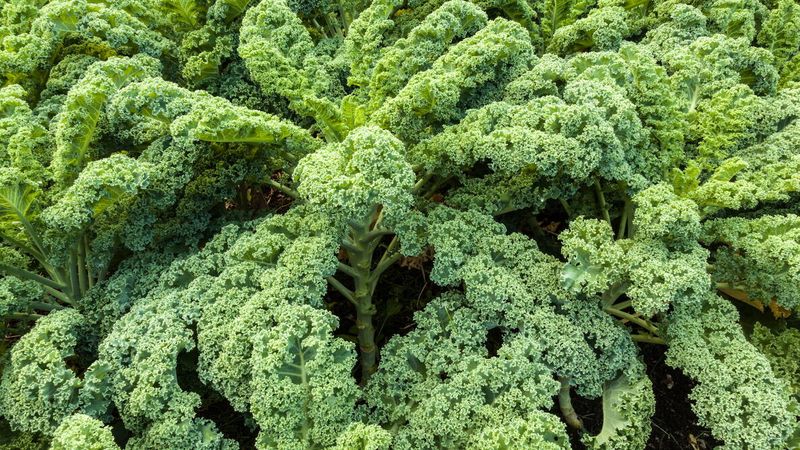
Picture a gray January afternoon and a bowl of kale soup made from leaves you picked twenty minutes earlier. That kind of winter luxury is easy to pull off here.
Kale shrugs off cold better than most greens, and varieties like Winterbor and Red Russian are favorites in the mountains and Piedmont. Lacinato, sometimes called dinosaur kale, is a bit less hardy but has a rich, earthy flavor worth growing.
Plant transplants by mid October so roots settle in before hard freezes.
Pick outer leaves regularly and the plant keeps going. In western NC, a simple frost cloth on the coldest nights can stretch the harvest.
Bonus: any plants that bolt in spring send up yellow flowers that early bees may visit.
3. Spinach
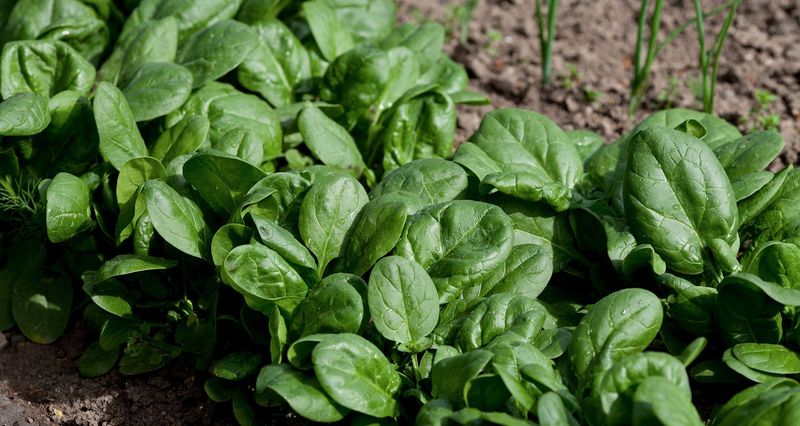
Spinach is the garden crop that actually sulks in heat and cheers up when the air turns crisp. That makes October one of its happiest planting months in our state.
Sow seeds directly in the bed about half an inch deep. Germination can be spotty in warm soil, so early October in the mountains and mid to late October in the east usually works well.
Savoy types like Bloomsdale tend to hold up best to cold.
Plants sown now may give a small harvest before Christmas, then overwinter and burst back in late February. A light row cover helps on nights below about 20 degrees.
Snip leaves when they reach a few inches, and you’ll have tender salads long before spring planting starts.
4. Garlic
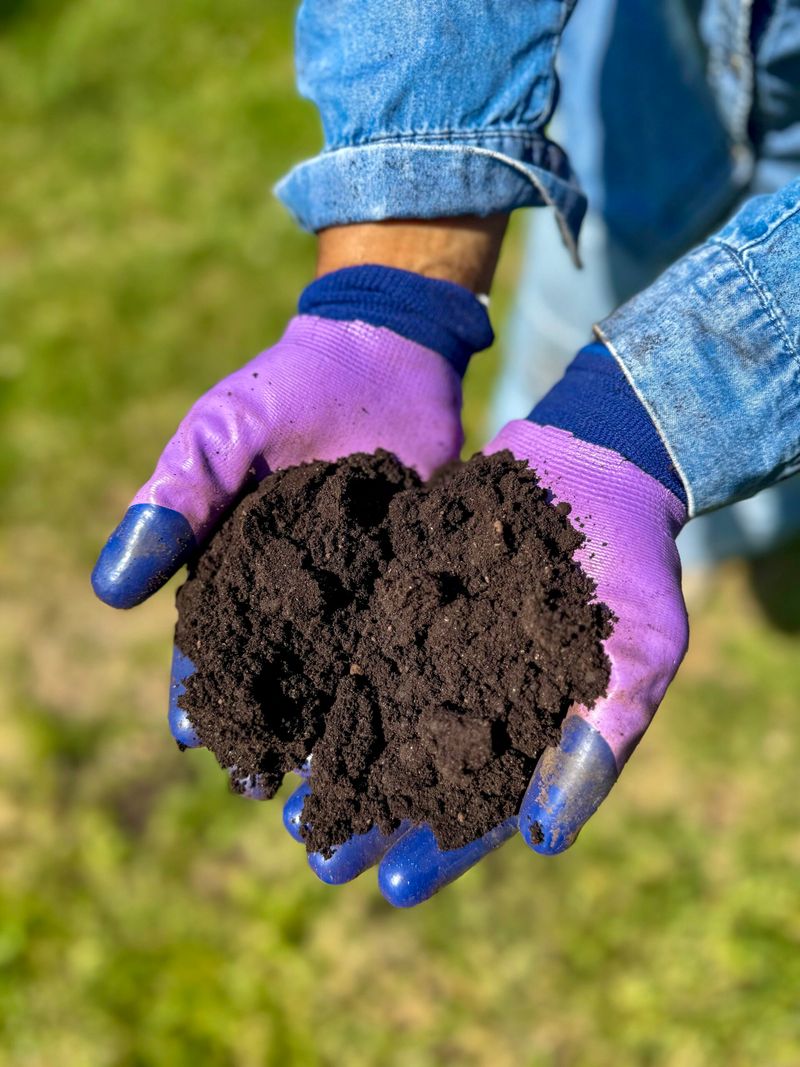
Here’s the slow-food champion of the list. Plant garlic in October, ignore it for most of the winter, and dig fat bulbs in late May or June.
North Carolina gardeners usually have the best luck with softneck types in the east and hardneck types in the mountains. Separate cloves right before planting, set them pointy end up about two inches deep, and space them six inches apart.
Mid to late October is the sweet spot for much of the Piedmont.
Cover the bed with a few inches of clean straw or shredded leaves. That mulch keeps soil temperatures steady and cuts down on weeds.
Green shoots will poke through during winter, which is normal and nothing to worry about.
5. Radishes
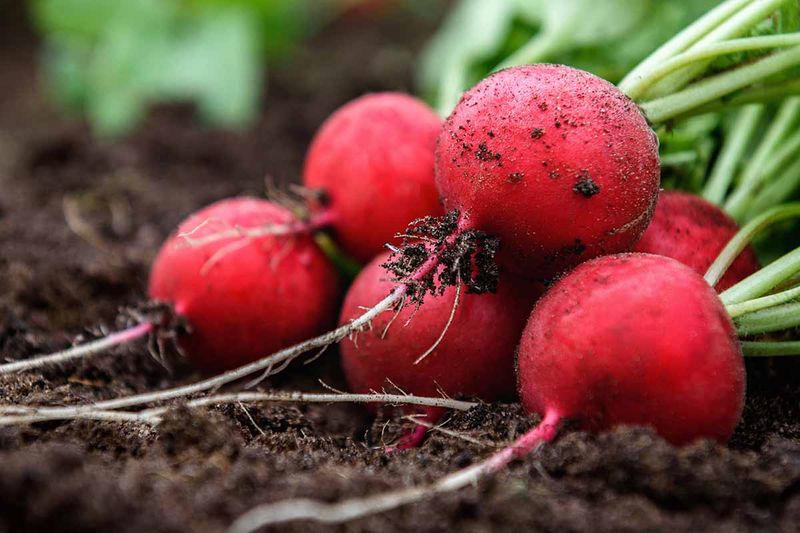
Impatient gardeners, meet your new best friend. Radishes can go from seed to salad in about four weeks, so an October sowing pays off before the holidays.
Scatter seeds thinly in loose soil and cover them lightly. Thin seedlings to about two inches apart, or the roots will stay skinny.
Classic Cherry Belle is quick, while winter types like daikon and watermelon radish take longer and grow huge, sweet roots.
Kids love growing these because the results show up fast. Try sowing a short row every two weeks through October for a steady supply.
In the coastal plain, sowings can often continue into November.
6. Turnips
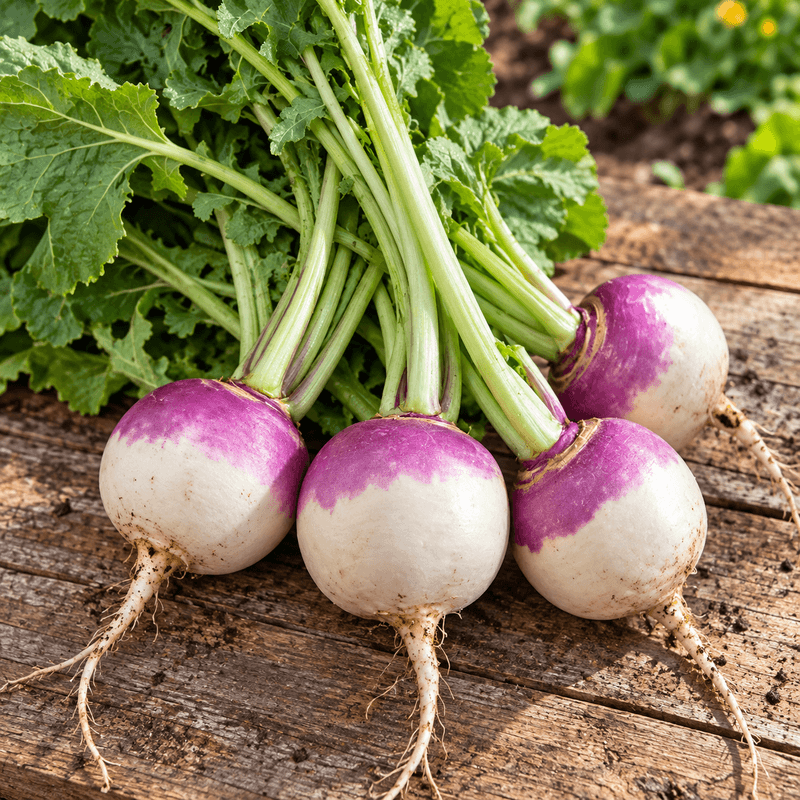
Turnips are the two-for-one deal of the winter garden. You get peppery greens up top and a sweet, tender root below, all from one packet of seeds that costs a couple of dollars.
Purple Top White Globe has been a Southern staple for generations, and Seven Top is grown just for greens. Direct sow in early October across most of the state.
Roots are best picked small, around golf ball to baseball size, before they turn woody.
A frost or two sweetens both the roots and leaves. Many NC families grow them alongside collards for a full pot of winter greens.
7. Lettuce
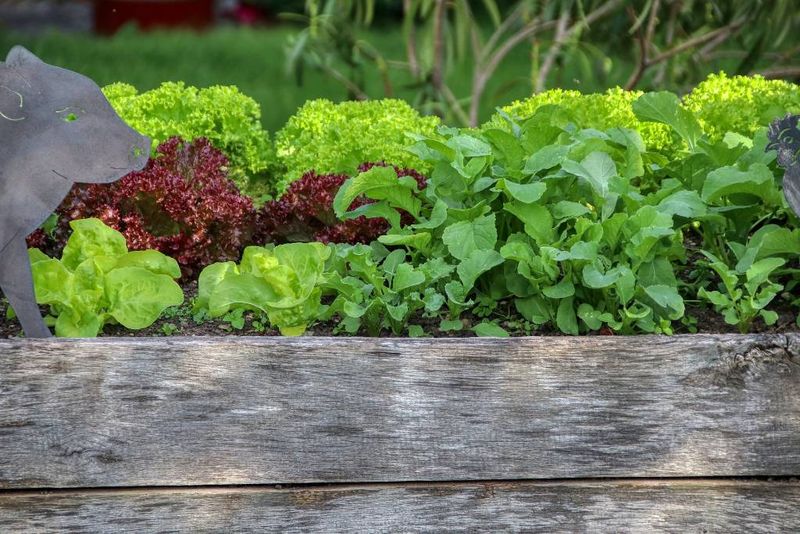
Store-bought winter lettuce often tastes like crunchy water. Homegrown leaves picked on a cool morning are a completely different experience.
Loose-leaf and butterhead types are the most forgiving for fall. Set transplants or sow seed in early October, especially in the Piedmont and east.
Lettuce is less cold-tough than kale, so plan to cover it with frost cloth or a simple hoop when temperatures drop into the mid 20s.
Harvest using the cut-and-come-again method, taking outer leaves and leaving the core. A small bed near the back door makes picking easy on chilly evenings.
Red varieties also look lovely as edible edging.
8. Onions and Green Onions
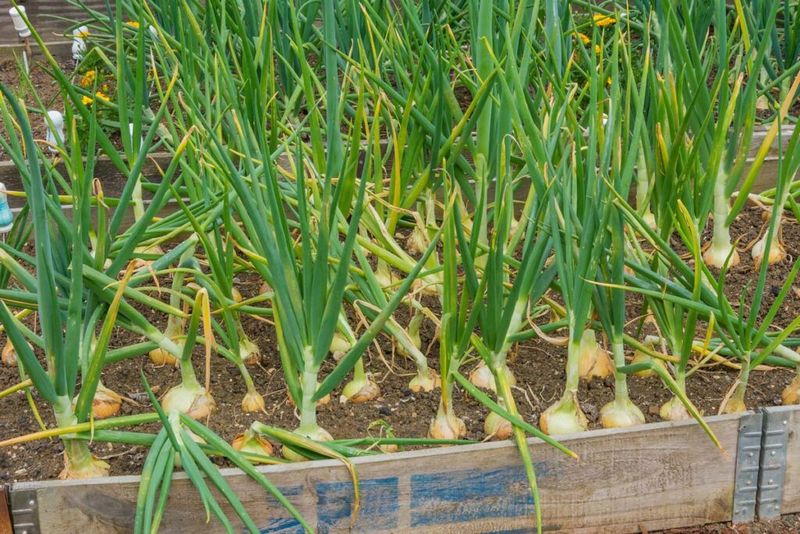
Few things feel as satisfying as pulling a sweet onion in May from a bed you planted months ago. October is a great time to get the process started.
For bulbing onions, short-day varieties like Granex suit most of NC, especially the east. Many gardeners plant sets or transplants in fall or late winter, depending on local timing.
Green onions, also called bunching onions, are even easier and can be harvested through winter.
Plant sets about an inch deep and four inches apart, then mulch lightly. Onions grow slowly in cold weather, so patience matters.
Keep weeds pulled, since onions don’t compete well with them.
9. Mustard Greens
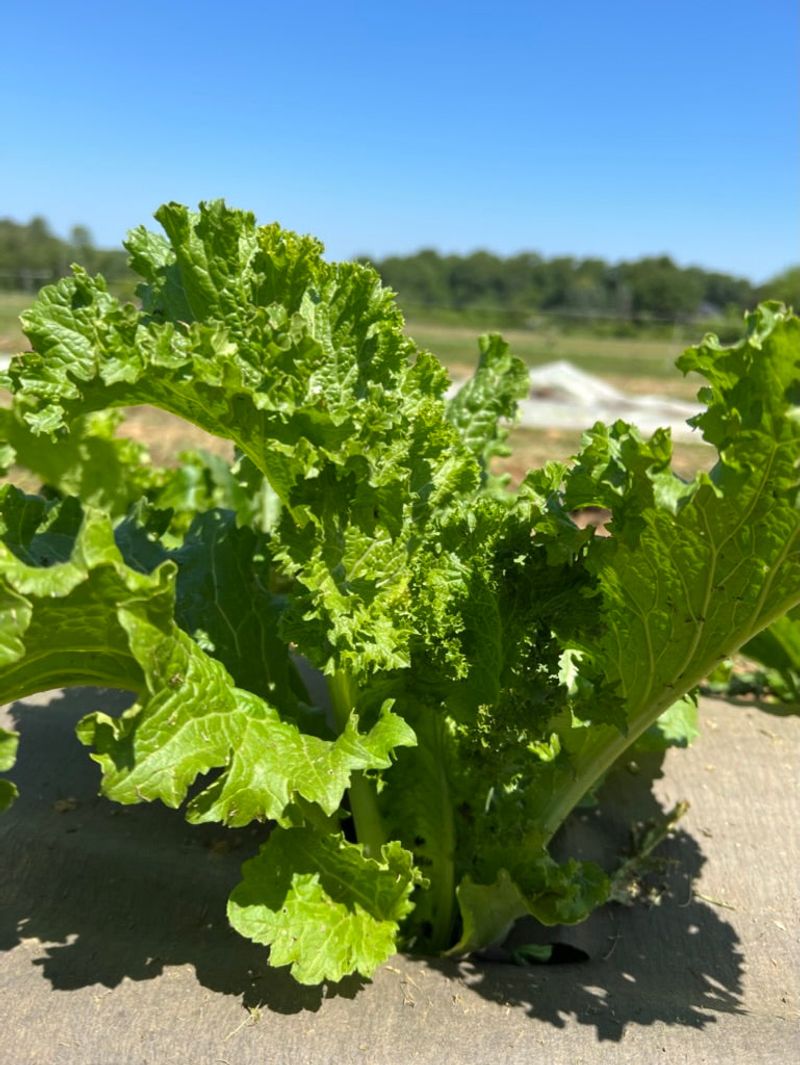
Bold, spicy, and fast, mustard greens bring a little kick to the winter garden. Southern Giant Curled has fed North Carolina tables for a very long time, and it still earns its spot.
Seeds sprout quickly in cool soil, and young leaves are ready in about a month. Sow directly in early to mid October and thin plants to six inches apart.
Red varieties like Red Giant add color to both the garden and the plate.
Cold weather tames the heat a bit, making leaves milder by midwinter. Cook them with turnip greens or toss baby leaves into salads.
Plants that flower in spring may also feed early pollinators, a small win for backyard wildlife.