
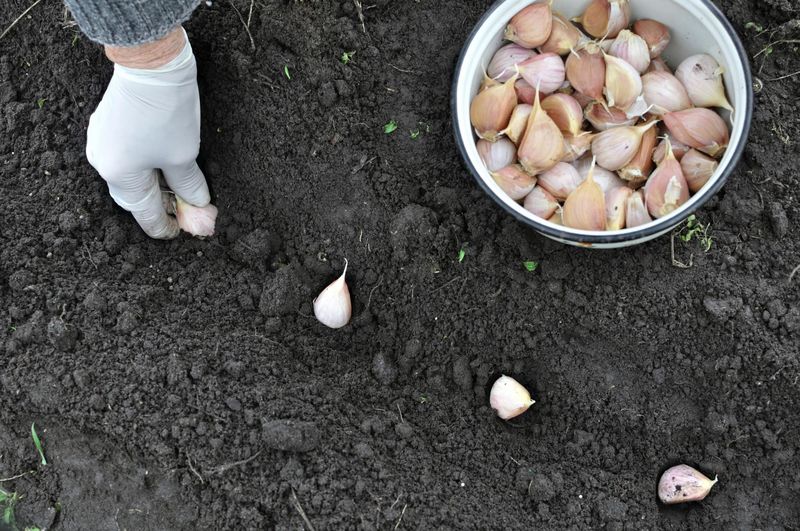
Nothing stings quite like pulling up garlic in early summer and finding heads no bigger than a marble. The truth is, most small bulbs are decided months earlier, right when the cloves go into the ground in fall.
A few easy-to-miss slipups at planting time can shrink your harvest, especially in the warm South where timing and variety matter even more. Here are the twelve most common mistakes and simple ways to fix each one before you plant.
1. Planting Grocery Store Garlic
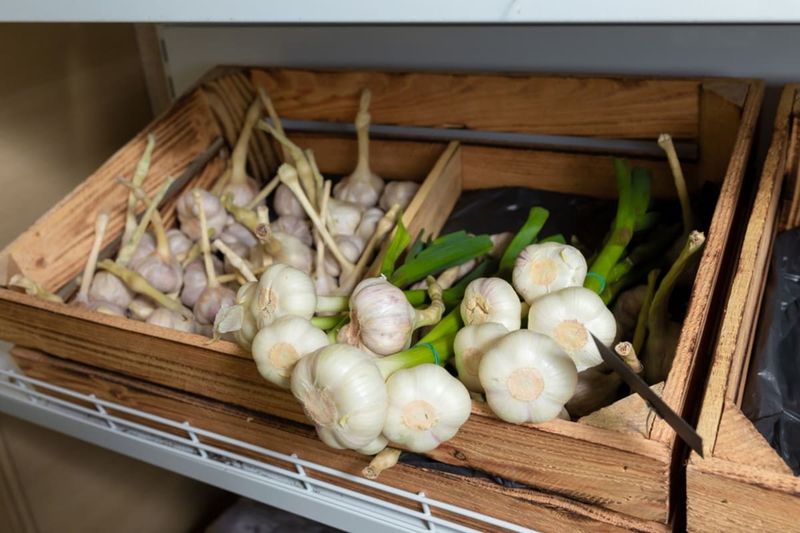
That bag of garlic on the kitchen counter looks like a free shortcut. Unfortunately, most supermarket garlic is grown in California or overseas for a very different climate, and some of it may be treated to slow sprouting.
When those cloves meet a Texas or Florida winter, they often struggle to adjust. The plant may grow leaves just fine, then form a tiny, single-clove round instead of a full head.
Disease can also hitch a ride, since grocery bulbs are not inspected for planting the way certified seed garlic is.
Buying seed garlic from a reputable supplier or local nursery costs a bit more, but it usually pays you back in bulb size. Look for growers who list the variety by name and note where it performs well.
Southern gardeners often have better luck ordering early, since popular warm-climate types can sell out by late summer.
A smart move is to save your own biggest heads each year once you find a variety that thrives. Over a few seasons, that garlic can become better suited to your yard.
Think of it as building a strain that already knows your soil, your rain, and your odd winter warm spells.
2. Choosing the Wrong Garlic Type for the South
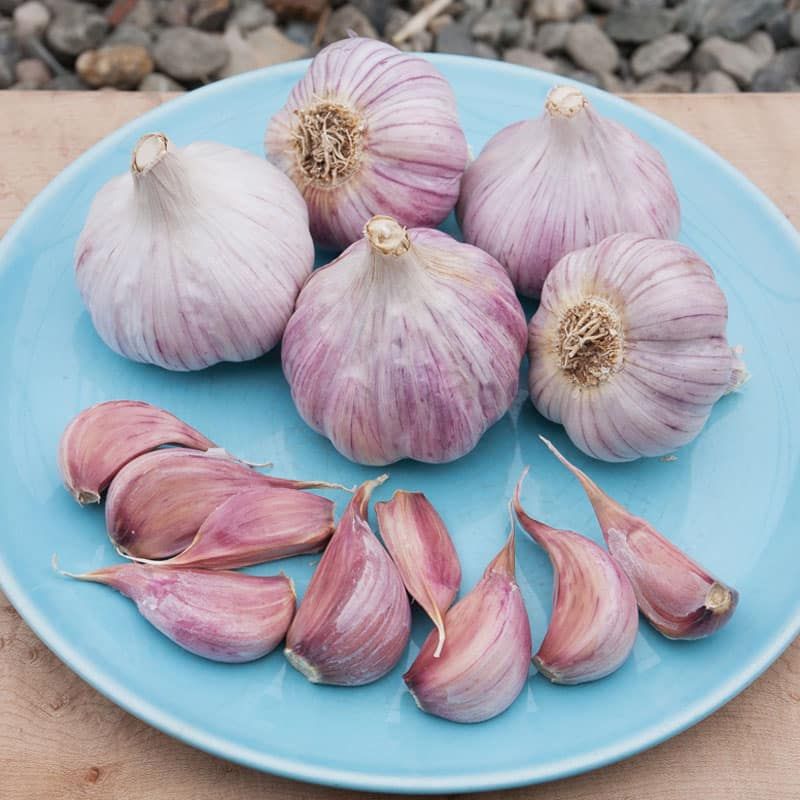
Hardneck garlic gets plenty of love in gardening magazines, and for good reason up north. Down South, though, those same varieties can be a heartbreak.
Most hardnecks need a long, steady stretch of cold to divide into cloves. In much of Texas and nearly all of Florida, winters simply do not deliver enough chill.
The result is often a small, undivided bulb that looks more like a pearl onion than garlic.
Softneck types are generally the safer bet in warm zones. Artichoke and silverskin varieties such as Inchelium Red, California Early, and Lorz Italian tend to handle mild winters better.
Creole garlic is another favorite in the Gulf South, prized for its rosy cloves and heat tolerance. In the warmest parts of Florida, some gardeners also grow elephant garlic, which is technically a leek relative but forms big, mild bulbs.
Before ordering, check whether the seller lists climate notes or zone suggestions. A quick call to your county extension office can also point you toward varieties that have proven themselves locally.
Picking the right type may be the single biggest step toward heads that actually fill your hand.
3. Skipping the Pre-Chill in Warm Zones
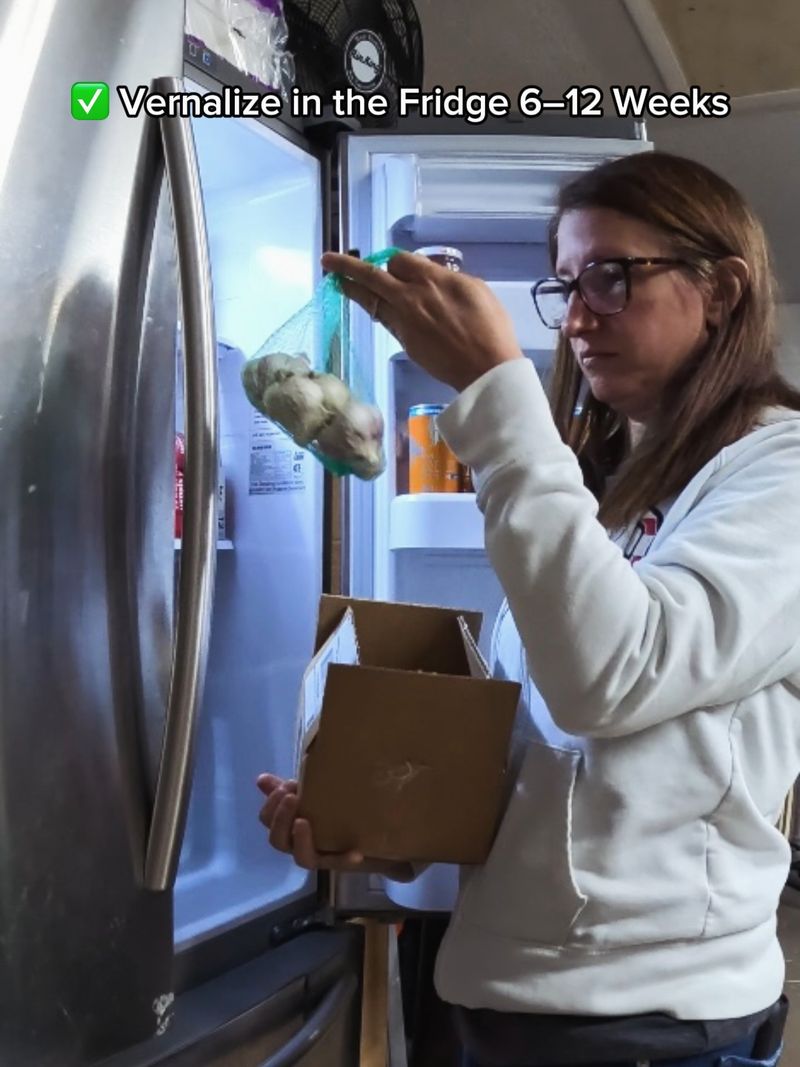
Here is a trick plenty of Florida gardeners swear by, and it costs nothing but fridge space. Garlic needs a cool spell to trigger proper bulb splitting, and a warm winter may not provide it.
Without that signal, cloves can grow into leafy plants that never form decent heads. Giving them an artificial winter before planting helps make up the difference.
Place whole bulbs in a paper bag and set them in the refrigerator, around 40 degrees, for roughly six to ten weeks before planting. Keep them away from apples and other ripening fruit, which release ethylene gas that can affect sprouting.
Avoid plastic bags too, since trapped moisture invites mold.
Pre-chilling is most useful in zones 9 and 10, plus mild coastal areas of Texas. Gardeners in the Panhandle or North Texas may get enough natural cold, especially with softneck types, so this step becomes optional there.
Results can vary from year to year depending on the variety and how warm the winter turns out. Still, many southern growers find chilled cloves produce noticeably fuller bulbs.
Mark your calendar in late summer so the bag goes into the fridge on time.
4. Planting Too Early or Too Late
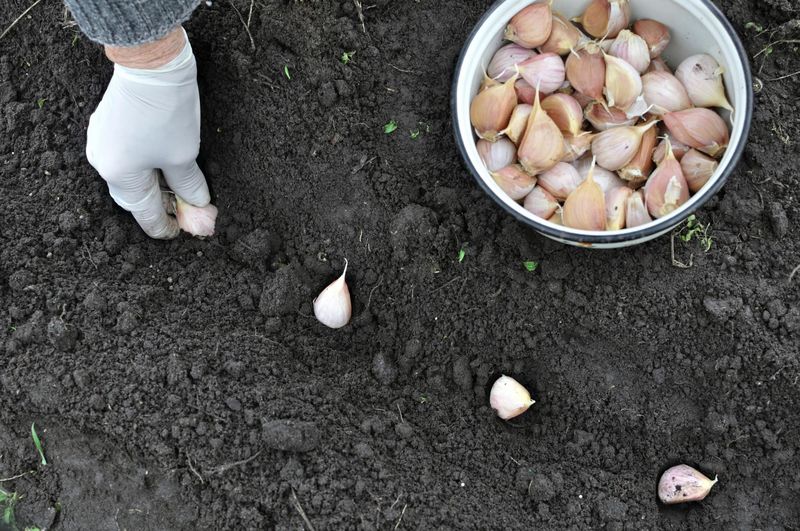
Timing garlic in the South is a little like catching a ride. Show up too soon or too late and you miss it.
Plant while the soil is still hot in September, and cloves may sprout fast, push tender growth, or even rot in warm, damp ground. Wait until January, and the plant runs short on cool growing time before summer heat signals it to stop bulking up.
Either way, bulbs tend to come up small.
For most of Texas, mid-October through November works well. Central and South Florida gardeners often do best planting from late October into December, once nights start cooling down.
North Texas and the Florida Panhandle can lean toward the earlier side of that window.
A handy guide is soil temperature. Many growers aim for soil around 60 degrees or a bit cooler at planting depth, which a cheap soil thermometer can confirm in seconds.
The goal is roots first, then leaves. When garlic settles in during cooling weather, it builds a strong root system through winter and is ready to put on leaf and bulb size as days lengthen in spring.
5. Planting Small Cloves From the Center
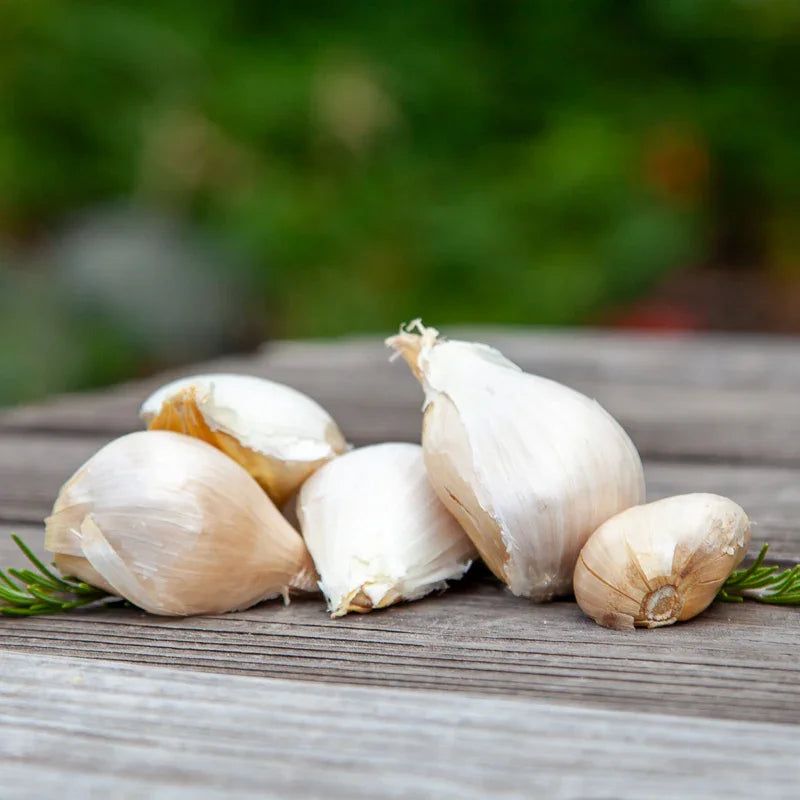
Size in, size out. Old-time growers repeat that phrase for a reason, and it holds true with garlic more than almost any crop.
Each clove carries the food reserves the new plant uses to get started. A plump outer clove gives roots and leaves a generous head start, while a skinny center clove often produces a skinny bulb to match.
Mixing them all together can leave you with an uneven, disappointing harvest.
When you crack open your seed bulbs, sort the cloves. Plant the biggest ones from the outer ring and set the tiny inner slivers aside.
Those little ones are not wasted, though. Toss them in the kitchen or plant them thickly in a pot to snip as garlic greens, which taste wonderful in eggs and stir-fries.
Also, separate cloves no more than a day or two before planting. Once broken apart, they can dry out and lose some vigor.
Keep the papery skin on each clove, since it offers a bit of protection in the soil.
That small sorting step takes maybe ten minutes. It is one of the easiest ways to nudge next summer’s bulbs bigger.
6. Putting Cloves in Upside Down or Too Shallow
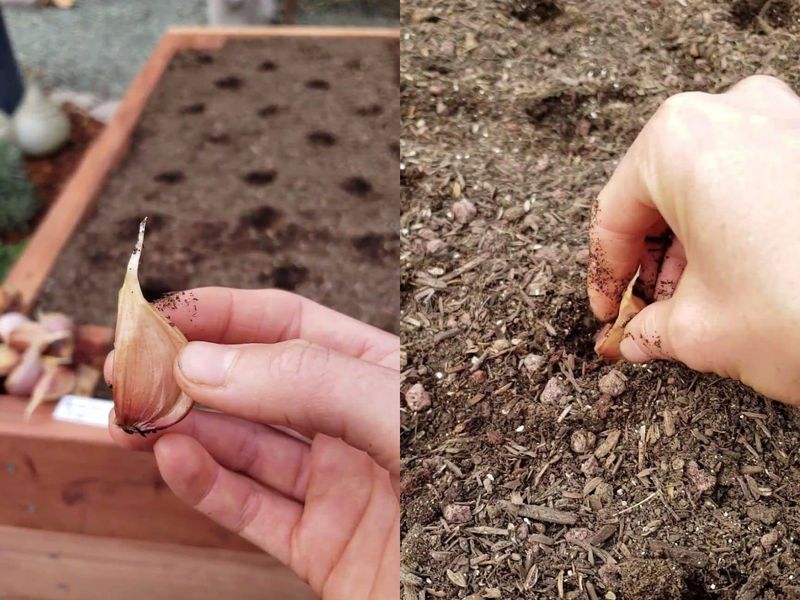
Ever seen a garlic sprout that curled around like a fishhook before reaching daylight? That twisty little plant was probably planted upside down.
Garlic will usually right itself, but it burns energy doing so. That wasted effort can mean a later start and a smaller bulb.
The fix is simple: the flat, root end goes down and the pointed tip faces up.
Depth matters too. Cloves set barely under the surface can get pushed up by heavy rain, dried out by sun, or dug up by curious squirrels.
In most Southern gardens, about two inches deep to the base of the clove works nicely. In sandy Florida soil, which dries fast, going a touch deeper can help hold moisture.
Going too deep causes its own trouble, especially in heavy Texas clay. Cloves buried four or five inches may sit cold and wet, which can slow growth or invite rot.
A quick tip: use a dibber or the handle of a trowel to make uniform holes. Drop a clove in, point up, and firm the soil gently over it.
Consistent depth helps the whole row grow evenly.
7. Crowding Cloves Too Close Together
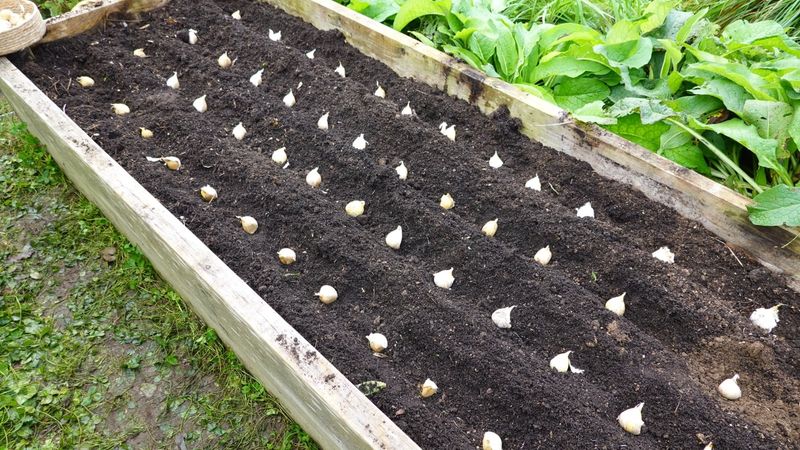
Squeezing in a few extra cloves feels thrifty in the moment. By June, though, that crowded row usually tells a different story.
Garlic roots spread wider than most people expect. When plants sit shoulder to shoulder, they compete for water, nutrients, and sunlight, and each one ends up a little hungrier.
Crowding also slows air movement between leaves, which can raise the odds of rust and other fungal problems in humid Southern springs.
Aim for about six inches between cloves, with rows roughly a foot apart. In raised beds, a grid of six-inch squares works well and makes weeding easier.
Elephant garlic needs more breathing room, closer to eight or ten inches.
If space is tight, a better plan is to plant fewer cloves rather than pack them in. Twenty well-spaced plants often yield more usable garlic by weight than forty cramped ones.
Here is a fun bit of trivia. Garlic has been grown for more than 5,000 years, and ancient Egyptian workers reportedly received it as part of their rations.
Even back then, growers likely learned that roomy beds made for the best bulbs.
8. Ignoring Heavy or Poorly Drained Soil
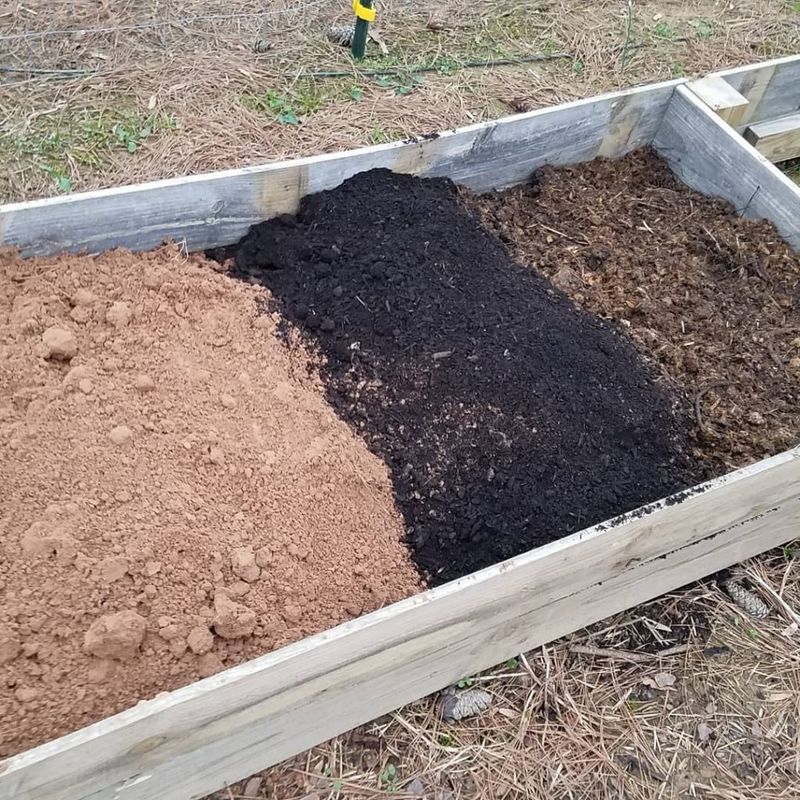
Picture a clove sitting in a pocket of soggy clay all winter. It cannot breathe, it cannot spread its roots, and it may start to rot before spring arrives.
Garlic forms its bulb underground, so it needs soil loose enough to swell into. Dense Blackland Prairie clay in Texas can literally squeeze bulbs small.
Standing water after winter storms adds another risk, since soggy ground often invites root rot and basal rot.
Florida gardeners usually face the opposite issue. Sandy soil drains so fast that water and nutrients rush right past the roots, leaving plants thirsty and underfed.
Both problems point to the same remedy: organic matter. Work two to three inches of compost into the bed before planting.
In clay, compost helps open up the soil structure. In sand, it acts like a sponge that holds moisture and food.
Raised beds are another good option, especially where clay is stubborn or yards stay wet. Even a bed eight inches tall can make a real difference in drainage.
Garlic generally prefers a slightly acidic to neutral pH, around 6.0 to 7.0. A simple soil test through your extension office can confirm where you stand.
9. Underfeeding at Planting Time
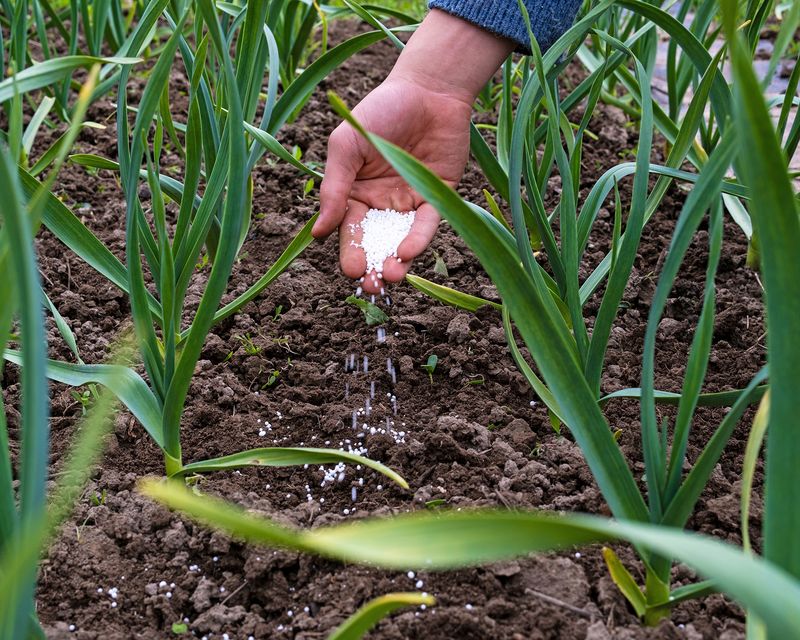
Garlic is a surprisingly hungry crop for something so small. It spends months building leaves, and each healthy leaf corresponds to a layer of wrapper around the bulb.
More leaves generally mean a bigger head. That growth depends heavily on nitrogen, and many Southern soils, particularly sandy ones, run low on it.
At planting, mix a balanced organic fertilizer or well-rotted manure into the bed along with compost. Then plan for follow-up feedings.
Many growers side-dress with a nitrogen source such as blood meal or a fish-based fertilizer once in late winter and again in early spring while leaves are actively growing.
Timing the last feeding matters. Once bulbs begin swelling, usually as days lengthen in spring, extra nitrogen may push leaves at the expense of storage quality.
Most gardeners stop fertilizing about a month or so before expected harvest.
Watch the plants for clues. Pale, yellowish leaves in winter can signal a nitrogen shortage, though overwatering can cause similar color.
A healthy garlic patch usually looks deep green and upright.
Feeding right will not fix a poor variety, but it helps a good one reach its full size.
10. Forgetting to Mulch
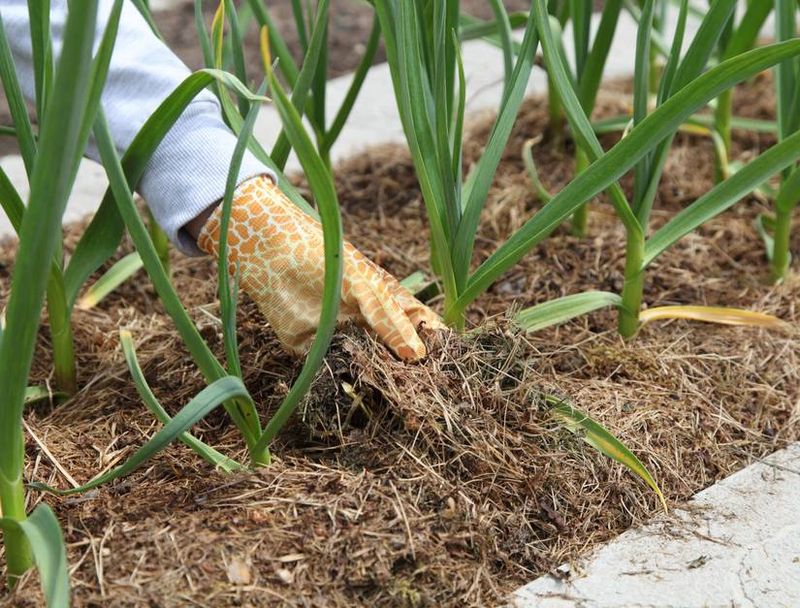
Bare soil might look tidy, yet it quietly works against your garlic. Mulch is one of those humble chores that often pays off in bulb size.
In the South, mulch is less about frost protection and more about keeping conditions steady. A three to four inch layer of clean straw or shredded leaves helps hold moisture during dry winter stretches and keeps soil temperatures from swinging wildly during warm spells.
Florida gardeners can see real benefit, since sandy beds dry out quickly.
Mulch also smothers weeds, which matters more than people think. Garlic has thin, upright leaves that cast very little shade, so weeds move in fast and compete for water and nutrients.
Fewer weeds usually means less root disturbance from hand pulling, too.
Apply mulch after planting, once the soil has settled. If you live in a rainy area with heavy clay, keep the layer a bit thinner to avoid holding too much wetness around the cloves.
Avoid hay, which tends to carry weed seeds, and skip fresh wood chips directly on the bed. Pine straw is a handy local choice in much of the Southeast and works nicely.
11. Getting the Watering Wrong
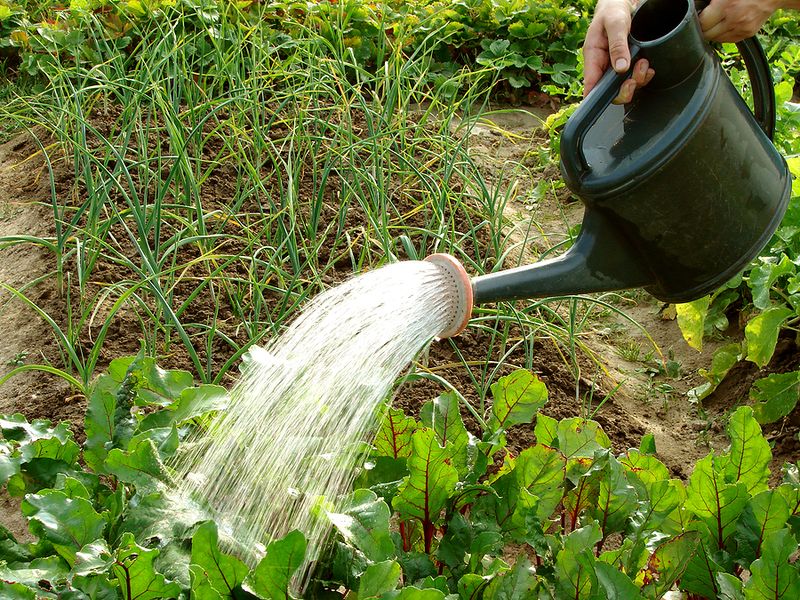
Garlic sits in the ground so long that it is easy to forget it is there. Then a dry January hits, or a soggy week drags on, and the plants pay the price.
Steady moisture during the leafy growing months helps garlic build the foliage that feeds the bulb. Most gardens do well with about an inch of water per week from rain or irrigation.
In Texas, winter can bring long dry spells, so checking soil by poking a finger in a couple of inches helps you know when to water.
Overwatering is the flip side. Constantly wet soil may encourage rot and fungal trouble, especially in clay.
If the soil still feels damp, wait another day or two.
Drip lines or soaker hoses keep water at the roots and off the leaves, which can lower disease risk in humid weather.
As harvest nears, cut back. When the lower leaves begin to brown, usually in late spring for Southern growers, stopping irrigation for a couple of weeks helps bulbs firm up and store better.
Watering right up to harvest can lead to split or poorly cured heads.
12. Planting Where Onions Grew Last Year
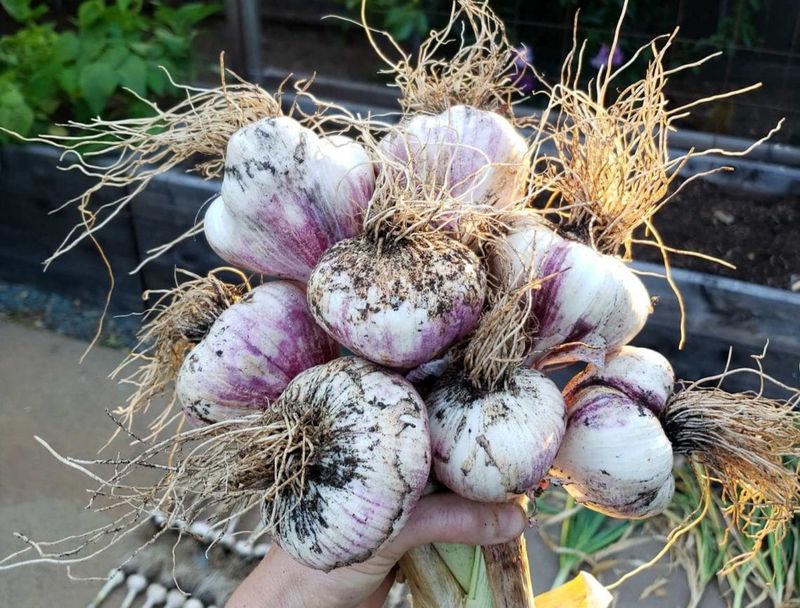
That same sunny corner seems perfect every year, and it probably is for many crops. For garlic, though, repeating the spot can quietly stack the odds against you.
Garlic belongs to the allium family alongside onions, leeks, shallots, and chives. These relatives share several soil-borne problems, including white rot, onion maggots, and certain nematodes.
Planting alliums in the same bed season after season may allow those troubles to build up, leading to stunted plants and smaller bulbs.
A simple rotation can help. Many growers try to wait three to four years before returning alliums to the same bed.
Following garlic with summer crops like southern peas, okra, or squash fits nicely into the Southern calendar, since garlic comes out around late spring just as those warm-season crops go in.
If space is limited, containers or a fresh raised bed with new soil can serve as a workaround.
Keep a quick notebook or phone photo of each season’s garden layout. Memory gets fuzzy by October, and a little record makes rotation easy.
Rotation does not guarantee a disease-free crop, but it often reduces the pressure enough to let bulbs reach their full potential.