
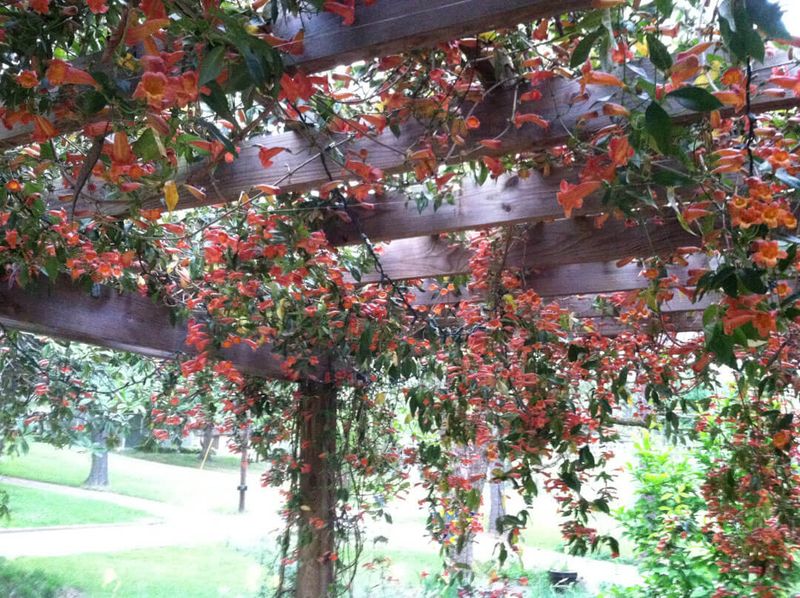
Crossvine is a tough, red-orange flowering vine that can climb a Texas fence and offer nectar to hummingbirds. The catch is timing.
Its big bloom comes in spring, so planting it in October is about building a strong plant for the seasons ahead. Here is how to decide if it fits your yard and how to get it growing well.
Crossvine’s main hummingbird bloom comes in spring
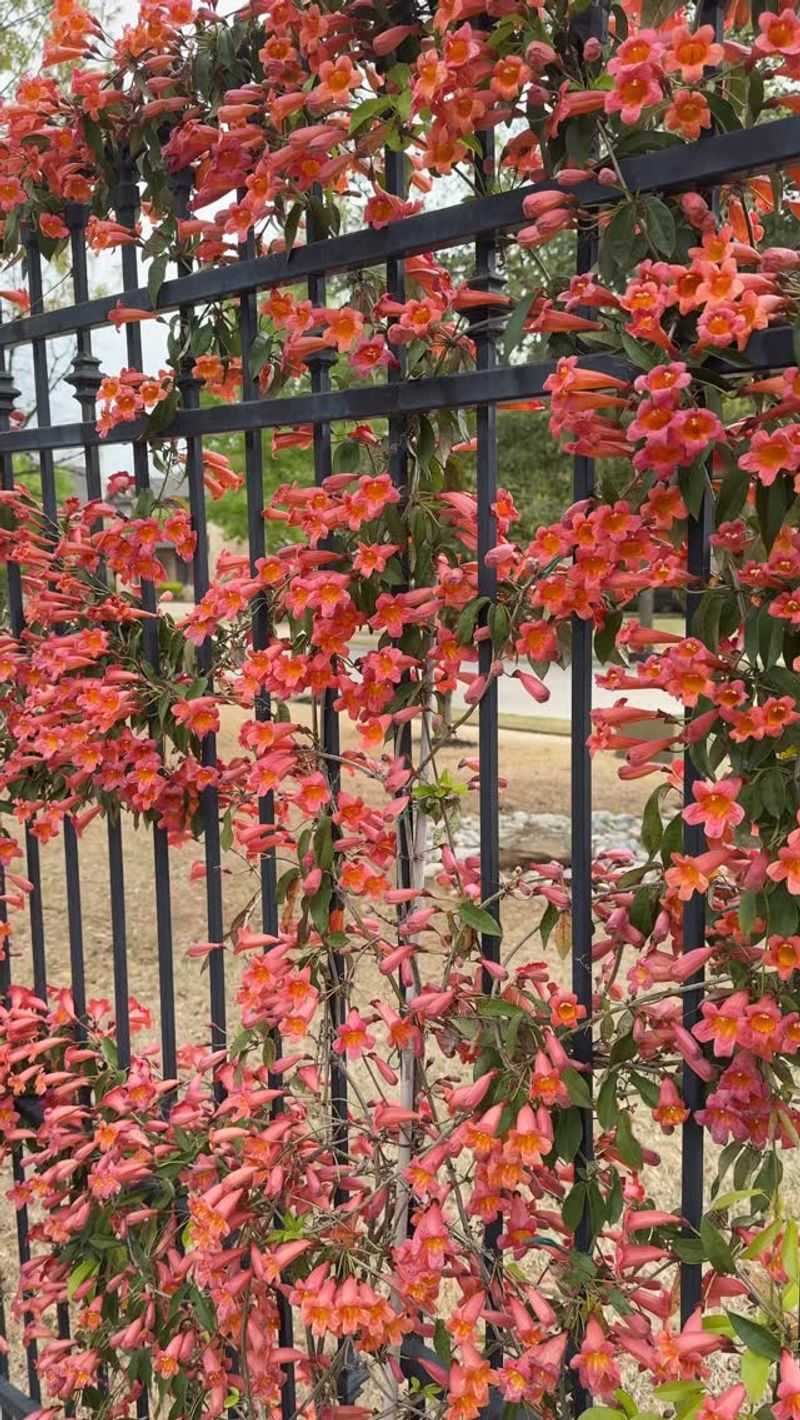
Picture the flowers first: crossvine (Bignonia capreolata) carries tubular blooms in orange, red, or yellow, a shape that suits a hummingbird’s long bill. Those blooms hold nectar, which is why the plant earns a spot on lists of hummingbird-friendly vines.
Now the timing, which matters most for your plans. USDA’s plant guide lists the flowering period as mid-March to mid-June.
That is spring, well before fall migration begins.
Some gardeners hope for a second round of flowers in autumn. Texas SmartScape describes fall flowers only as an occasional repeat, which means it may happen on an established plant in a good year, but you cannot count on it.
A bonus bloom in October is a pleasant surprise, not a schedule.
So be candid with yourself about what planting now can do. A crossvine set out this month is not going to put out a feast for birds passing through Texas this fall.
A young plant is busy growing roots, and flowers are a later reward.
A better way to think about it is as an investment. You plant in autumn, the vine settles in over the cool months, and in a following spring it has a chance to cover part of your fence with nectar-rich flowers.
If a few blooms show up in fall after that, consider them a gift rather than the plan.
Check whether crossvine suits your part of Texas
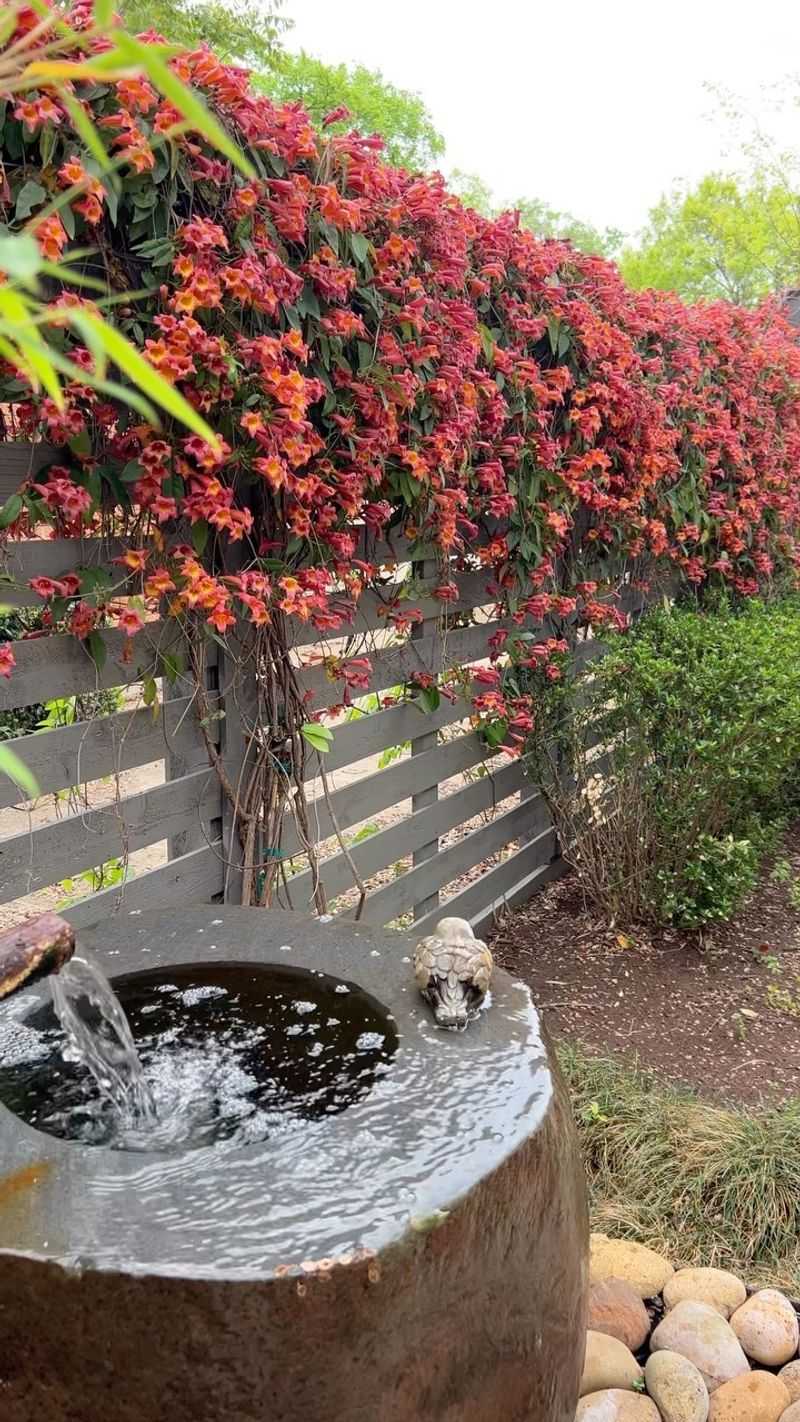
Texas covers deserts, piney woods, prairies, and limestone hills, so a plant that is native in one county may not belong in another. Crossvine is a good example.
It is worth checking before you buy rather than assuming it is native everywhere in the state.
The City of Austin plant guide gives specific regional exclusions, naming the Edwards Plateau and Blackland Prairie as areas where it is not treated as native. In contrast, Texas SmartScape lists it as native in its North Central Texas plant database.
Those are two different pictures, and neither one covers the whole state.
Your next step is local. Call or visit your county AgriLife Extension office, a native plant society chapter, or a Master Gardener group and ask whether crossvine fits your area.
They can also tell you how it behaves in your soil and climate.
When you shop, ask the nursery where its plants came from. Locally grown or locally sourced stock is often a better match for regional conditions than plants shipped in from far away.
If crossvine turns out to be a poor fit, a local expert can suggest a nectar-producing alternative that belongs in your region.
Give the vine room, sun, and a graspable support
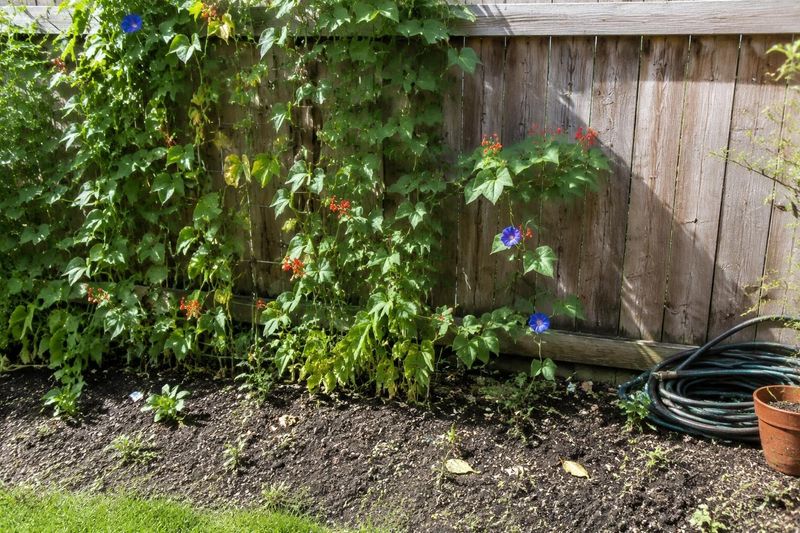
Walk your fence line before you pick a spot. Crossvine does best in sun to part shade, so look for a place that gets decent light for much of the day.
Deep shade usually means fewer flowers.
Next, look at what the vine will actually hold. It climbs by branched tendrils, which need something thin to wrap around, such as wire, lattice, or a trellis.
A smooth solid board fence gives them very little to grab, so plan on adding wires or a trellis.
Strength matters too. Austin’s plant guide calls it a very aggressive climber and advises pruning to direct and control growth.
A mature vine gets heavy, so a flimsy or rotting fence is a poor choice.
Also think about spread. North Carolina State Extension notes that it can spread by root suckers, so leave space around the base and keep an eye out for shoots popping up where you do not want them.
Finally, plan to be involved. Tie young stems where you want them to go, and trim wandering growth after flowering.
Skip placing it right beside a gutter, window, or neighbor’s property unless you are ready to prune regularly.
October can be a planting window, depending on local conditions
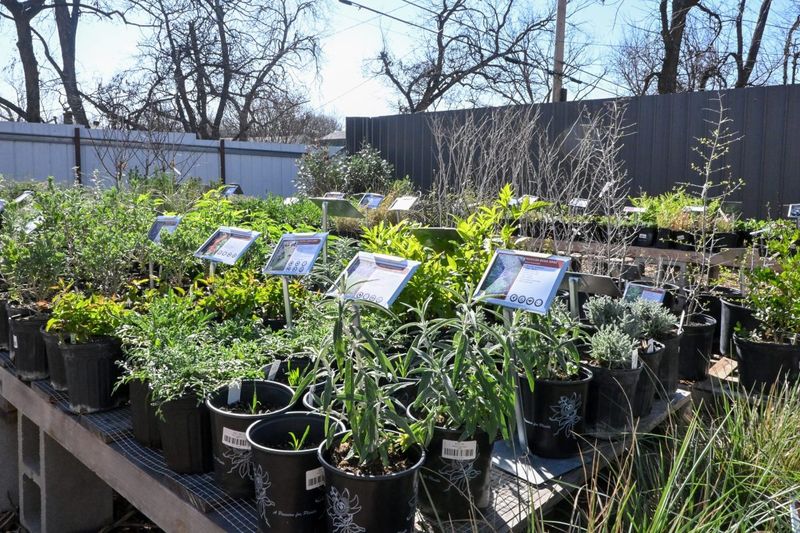
Cooler air and still-warm soil make fall a friendly time to plant in many parts of Texas. Collin County Master Gardeners explain that this combination helps hardy plants establish roots before summer heat arrives.
Central Texas gardeners get similar advice. Travis County’s October checklist calls it a good time for new trees and shrubs.
Both are regional recommendations, not a calendar for the entire state.
Weather can change the plan. A hot, dry October stresses new roots and means more watering.
If an early freeze is on the way, holding off or protecting a young plant may make more sense.
Check your own county’s guidance for local frost dates and planting tips. A quick call to your Extension office can save you from planting at the wrong moment.
Keep the goal in mind: October planting is about establishment. Strong roots now set up the vine for growth next year, not for an immediate burst of flowers.
Plant at soil level and keep the root zone watered
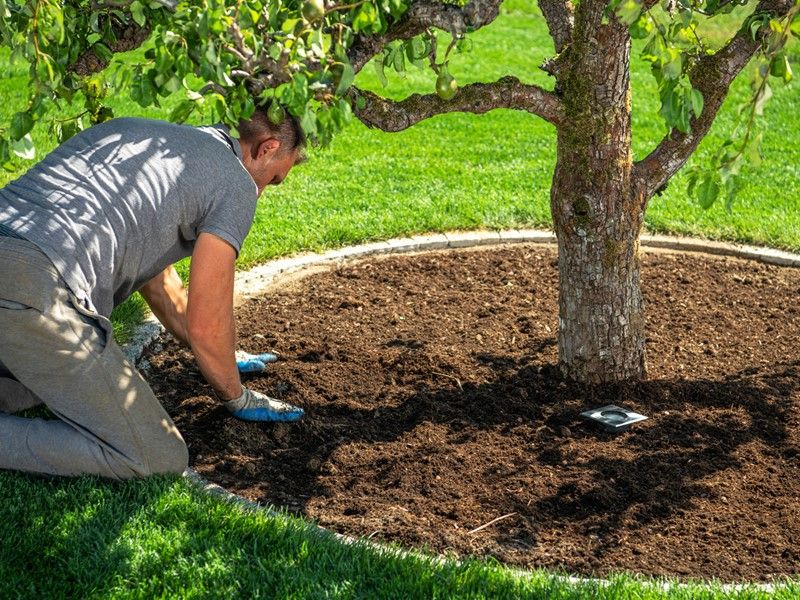
Start by digging a hole as deep as the root ball and a bit wider. Set the plant in so the top of the root ball sits level with the surrounding soil, not sunken below it.
Backfill, firm the soil gently, and keep the stem base uncovered.
Water thoroughly right after planting to settle soil around the roots. Then spread mulch over the root area, keeping it slightly back from the stem.
Mulch slows moisture loss and helps buffer temperature swings.
Watering does not stop just because it is fall. During dry spells, check moisture in two places: the nursery root ball and the soil nearby.
As North Texas Master Gardeners note, new plants still need attention while roots get established.
A practical test is to push a finger or small trowel a few inches into both spots. Root balls can dry out while the surrounding soil stays damp, or the other way around.
Texas SmartScape’s perennial care guidance covers this kind of moisture checking.
Keep these steps separate from later vine management. Tying stems to wires and pruning come once the plant is growing.
For now, the job is simple: get it in the ground at the right depth and keep roots from drying out.
Plant for future flowers, not a guaranteed hummingbird stop
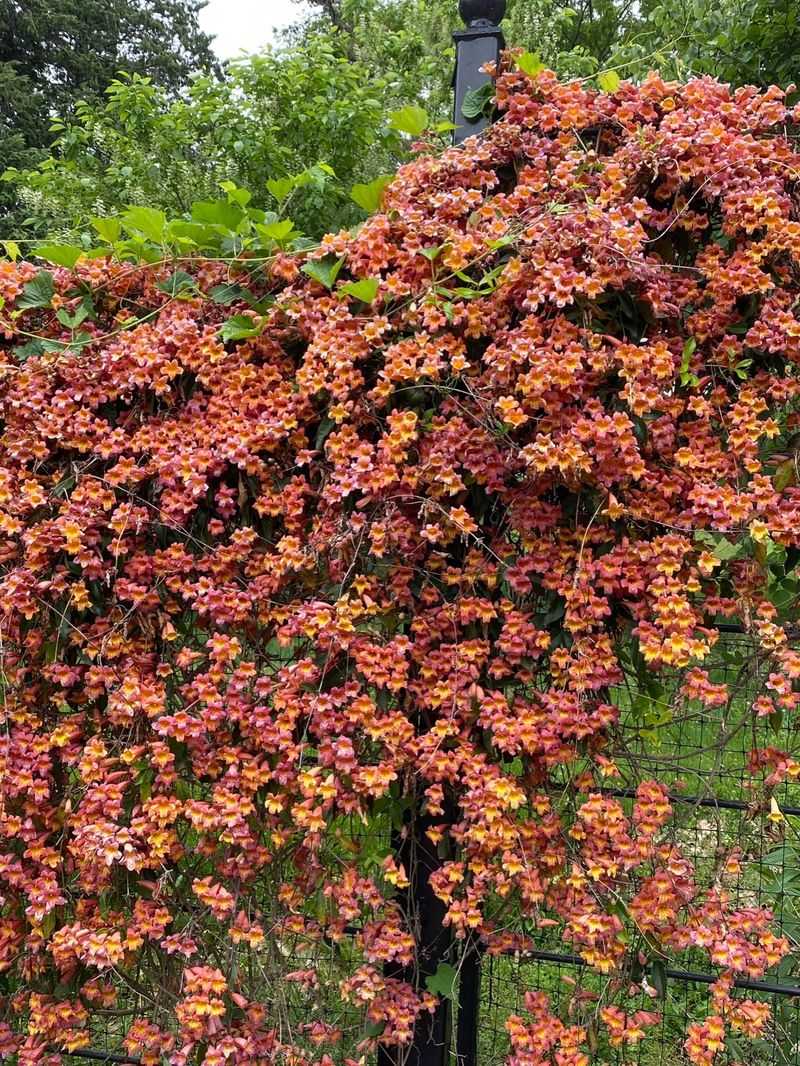
Ruby-throated hummingbirds do pass through Texas in large numbers each fall, and Texas Parks and Wildlife notes they feed on flower nectar and insects. That shows why nectar plants matter in general.
It does not mean birds will stop at your fence.
Crossvine’s main flowering window is spring, per USDA, and Texas SmartScape calls fall bloom occasional. Treat any October flowers as a bonus.
Plant it for what it can become: a sturdy vine with nectar-rich spring flowers that hummingbirds may visit. The payoff arrives on its own schedule, not the migration’s.