
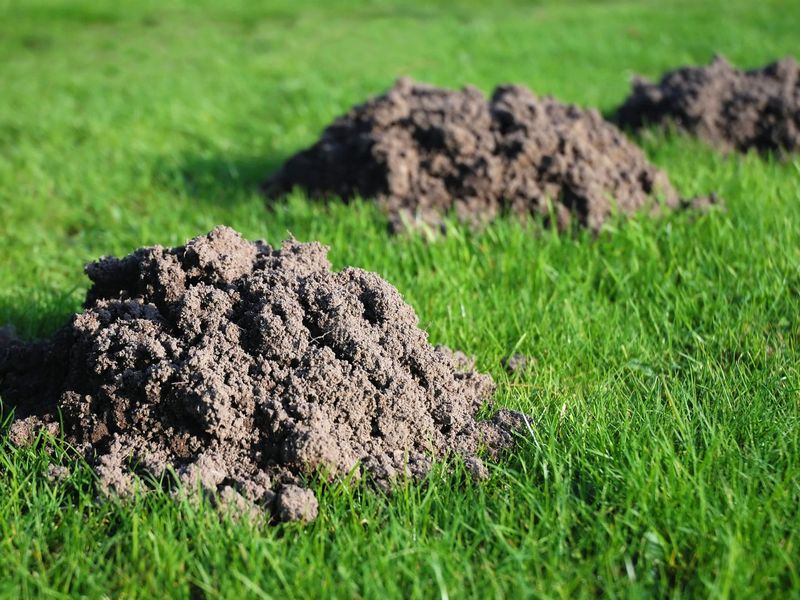
Raised, winding ridges across a once-smooth lawn are enough to frustrate any homeowner. Plenty of online advice promises that a pantry item will send the diggers packing, but that advice does not hold up well.
Here is how to tell what is really going on under your grass and how to pick a response that fits the damage without wasting money.
Are those ridges really from moles?
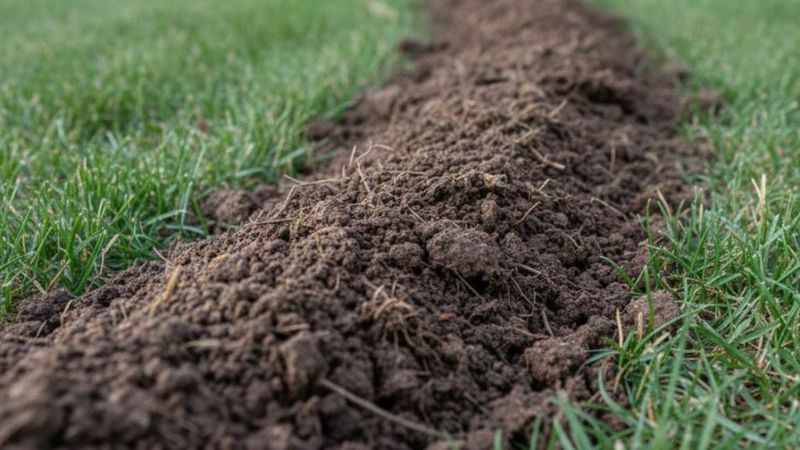
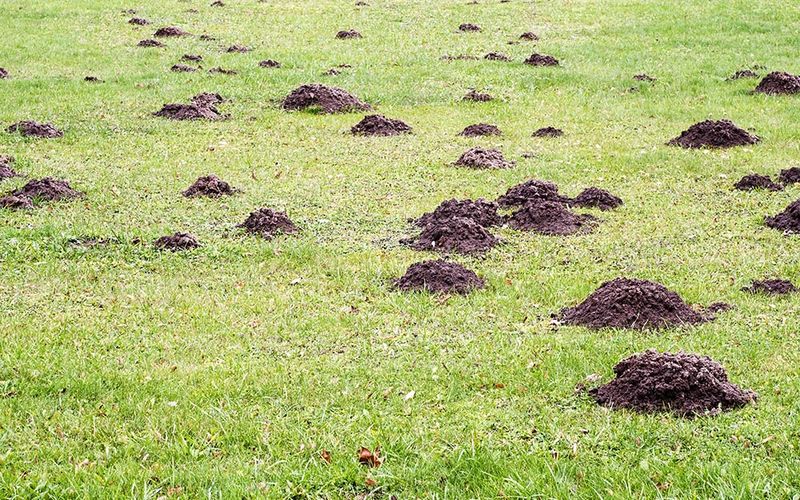
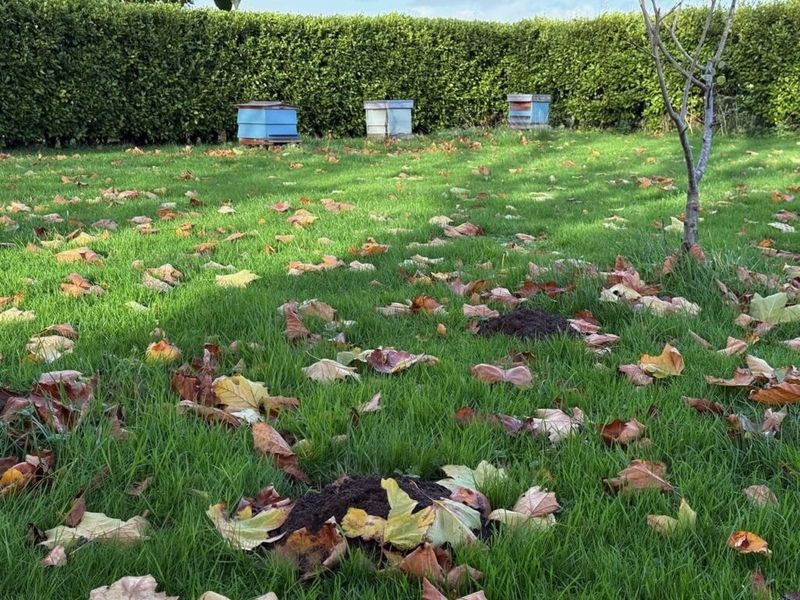
Shallow, raised ridges snaking across the grass are the classic sign of a mole. Researchers at University of Maryland Extension describe these surface tunnels as a typical clue, and you may also see small soil mounds.
Chewed or missing plants tell a different story. Plant damage is often blamed on moles, but it may instead come from voles, which are small rodents that feed on roots, bulbs, and stems.
So before you buy anything, look at what is actually happening. Ridges in the turf point toward moles.
Gnawed plants with no raised tunnels do not, and plant damage alone is not enough to diagnose a mole problem.
Walk the yard after a rain or a good watering and note where the ridges run. A quick sketch or a few phone photos will help you track whether new tunnels keep appearing, which matters for the choices covered later.
Moles can help the soil and still damage a lawn
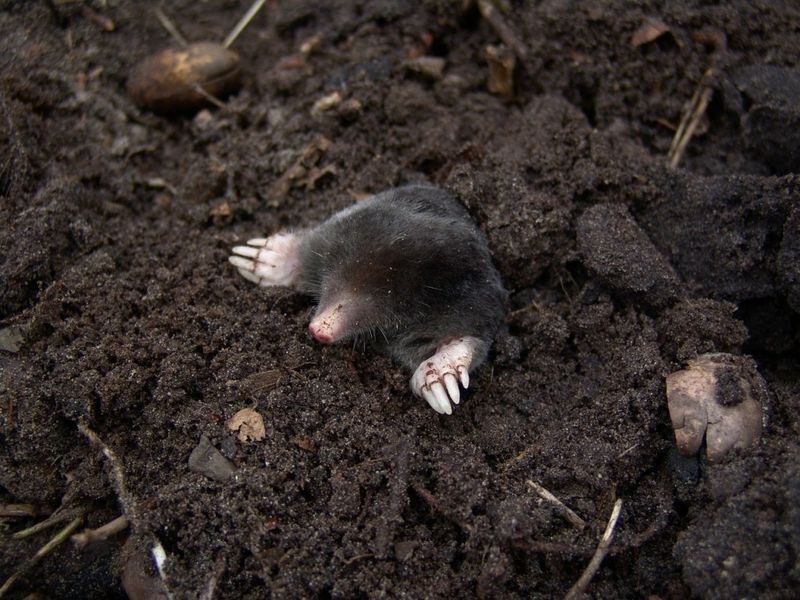
Moles are not eating your grass. They hunt earthworms, insects, and other soil invertebrates, and Maryland Extension notes they can aerate soil and eat some lawn pests.
The trade-off is that their ridges and mounds can make a lawn look rough.
Timing is also less predictable than the title suggests. Mole activity can happen year-round, and UC IPM and other extension sources describe activity that shifts with conditions.
Iowa State notes that rain-related activity peaks in late spring and summer. Nothing here shows a reliable fall surge across Southern yards.
Activity can also stop on its own. Ask yourself how much damage you actually have: a few ridges along a fence, or a torn-up front lawn that affects mowing and curb appeal?
That answer should guide whether you act at all.
Coffee grounds are not a proven mole repellent
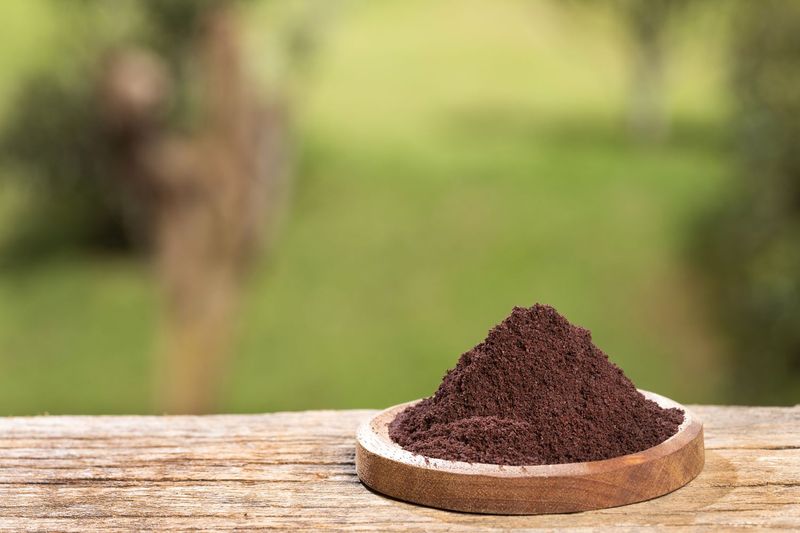
Spent coffee grounds are a popular suggestion, mostly because they are free and already in the kitchen. The catch is that nobody has shown they work.
Washington State University Extension reports no published evidence that coffee grounds repel or kill garden pests.
That is a broad finding about garden pests, not a lab test of coffee grounds on moles. Still, it means there is nothing solid to back the claim, and no one has proven that every possible use has been tested.
Coffee grounds are fine in a compost pile, but spreading them over tunnels is unlikely to protect your lawn. Please do not count on them, and save your effort for steps with a better track record.
Castor-oil research does not validate a homemade recipe
Castor oil is the one repellent with any research behind it, and it is easy to overstate. A small 1995 study tested a commercial product and reported reduced eastern-mole activity at its test sites for roughly 30 to 65 days.
The effect was temporary.
Later results were less encouraging. Iowa State Extension says testing has not produced consistent results, and an Arkansas Extension fact sheet treats the early study as limited and calls for more research.
Notice what was tested: a manufactured product, not a mix of oil and dish soap from your cupboard. Nothing shows a homemade version works the same way, so any castor-oil approach is a gamble rather than a dependable fix.
If the damage is minor, tamp the tunnels and reassess
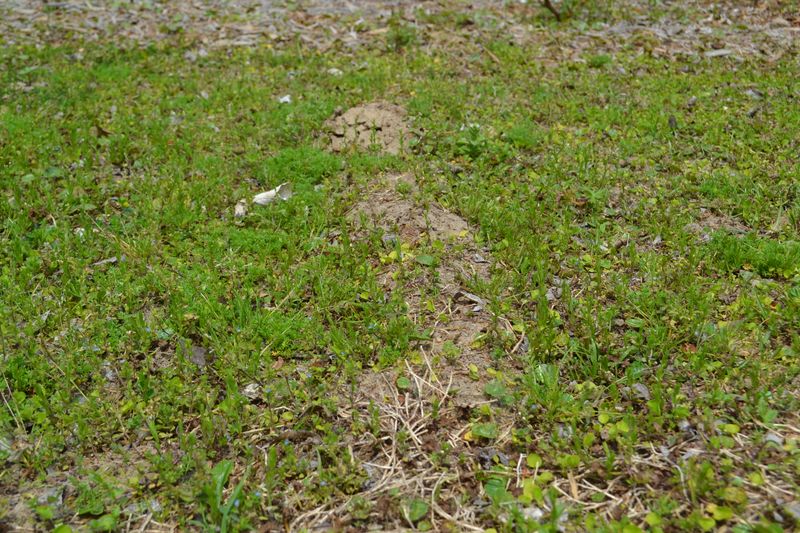
Sometimes the cheapest answer is the quietest one. UF/IFAS advises homeowners to consider accepting some mole activity and pressing the soil back into place.
Walk along each ridge and firm it down with your foot or the back of a rake. Grass roots can often settle back in, and the lawn looks smoother for mowing.
Be realistic about what tamping does. It improves the surface, but it does not remove the mole or stop new tunnels from showing up.
Check the yard again in a few days. If fresh ridges keep returning and the damage bothers you, it may be time to look at control.
Trapping works best when you target an active tunnel
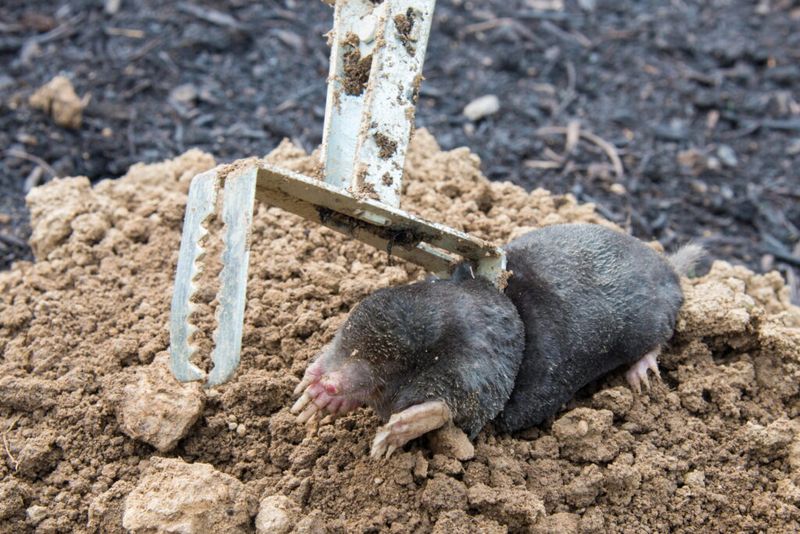
Not every ridge is in use. To find the busy ones, flatten short sections of tunnel and come back later to see which ones are raised again.
Those are the active runs.
University of Maryland Extension recommends setting traps in active tunnels, and UC IPM calls trapping the most dependable general control method. Dependable is not the same as guaranteed, so expect to adjust your setup if nothing is caught.
Texas readers can look at Texas A&M AgriLife guidance, which focuses on trap setting and habitat changes.
Follow the instructions that come with your trap exactly. Keep traps out of reach of children and pets, and check them as directed.
Skip risky remedies and unnecessary grub treatments
Internet advice for moles gets creative, and some of it is hazardous. Mothballs, bleach, gasoline, broken glass, gum, and flooding the tunnels all show up in forums.
Purdue Extension cautions that such home remedies are unproven.
Mothballs deserve special mention. The National Pesticide Information Center warns they are not meant for repelling animals, and outdoor use can expose people and pets to pesticide vapors.
Grub killers are another trap for your wallet. Moles also eat earthworms and other soil insects, so, as Maryland Extension explains, cutting grubs may not end tunneling.
Treat grubs only when their presence is a problem on its own.
For any pesticide, check your local Extension office, such as Texas A&M AgriLife, and read the exact product label first.
Choose a measured response, not a cupboard cure
Start by confirming that ridges, not just damaged plants, point to a mole. If the damage is small, tamp the tunnels as UF/IFAS suggests and watch what happens.
If new ridges keep rising, find the active tunnels and consider trapping, which UC IPM calls the most dependable general method.
The reviewed evidence does not back a reliable pantry fix. A little patience often costs less than any jar from the shelf.