
Garlic is one of the few crops you plant in fall and pick months later, and it turns a small patch of dirt into something you can smell in the kitchen. Texas is huge, though, so the best planting month in the Panhandle is not the best month in the Rio Grande Valley.
Knowing your region keeps you from planting too early or too late. Here is how to pick your window, plant sound cloves, and tell when the bulbs are ready.
Find the planting window for your part of Texas
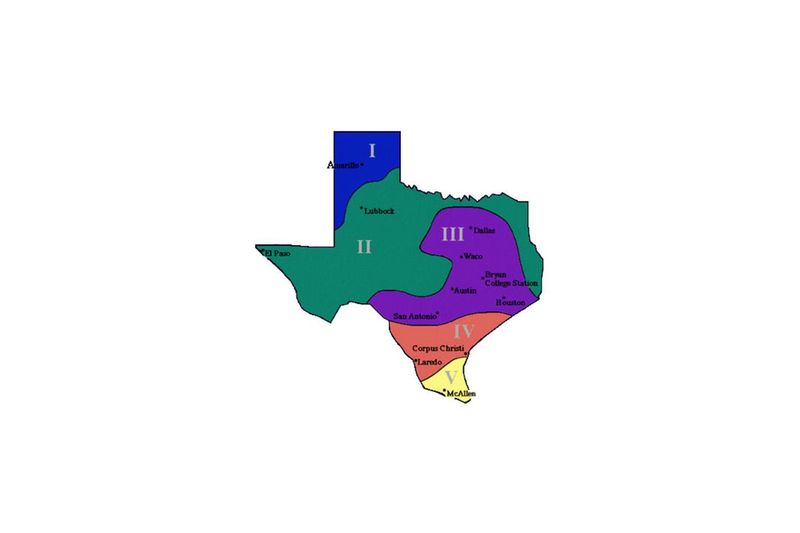
Before you buy a single bulb, figure out which part of Texas you garden in. The state does not share one garlic calendar, and that is the most important thing to settle first.
Texas A&M AgriLife’s fall vegetable gardening guide splits the state into five regions and lists a different planting month for each. Region I is July, Region II is August, Region III is October, Region IV is November, and Region V is December.
Find your county on the guide’s map and use the month listed for your region.
Central Texas gardeners get a slightly different, more local answer. A Bell County Master Gardener publication places garlic planting there from roughly mid-October to early December.
That is a local recommendation, so it should not be stretched across the whole state.
As of October 8, 2026, the Central Texas window is about to open rather than already underway. There is no statewide deadline running right now, so you have time to order seed garlic, prep the bed, and plant when your own region says it is time.
If you sit near a regional boundary, a call to your county AgriLife Extension office can settle the question. Local agents know how your soil and first frost behave in a way a statewide map cannot.
Choose garlic with your local winter in mind
Not every garlic behaves the same way once it is in the ground. Variety and growing conditions both shape how well bulbs form, so a type that thrives in one Texas region may sulk in another.
The Texas A&M garlic production guide lists several varieties and describes a cold requirement for bulbing: 6 to 8 weeks below 40 degrees Fahrenheit. That is how the guide frames it for commercial production.
It is not a rule that applies equally to every variety or every corner of Texas, and mild Gulf Coast and South Texas winters may not deliver that many cold weeks.
Day length, temperature, water, and plant growth all play a part too, so cold exposure is only one piece of the puzzle.
One local observation is worth knowing if you garden near Temple or Belton. The Bell County Master Gardener source says softneck types are more tolerant of warm winters in its Central Texas area.
Treat that as a Central Texas note, not a statewide recommendation.
The practical move is to buy from a seller who can tell you which varieties do well in Texas, start with a small test bed of two types, and keep notes. After one season you will know what suits your yard.
Start with large, healthy cloves
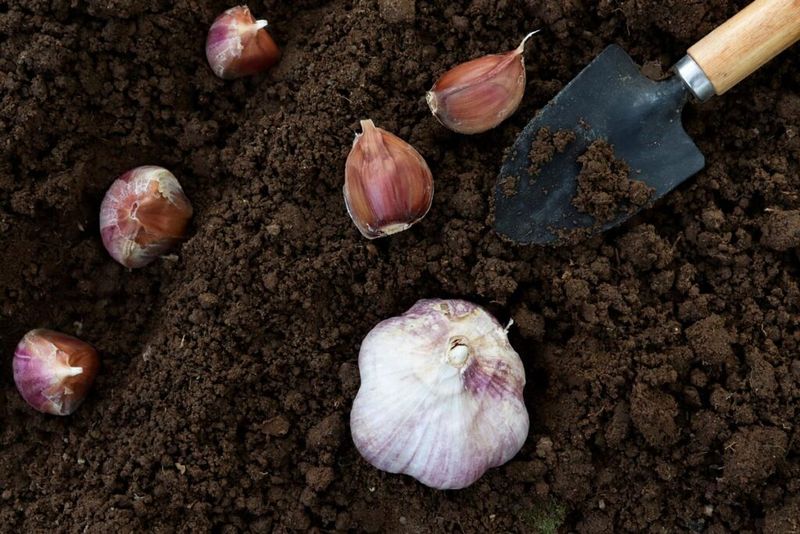
Great garlic starts well before the soil. Pick seed garlic from a reputable source, and choose firm bulbs with sound, disease-free cloves.
Skip anything soft, moldy, shriveled, or stained.
Size matters here. UGA Extension’s garlic guide notes that larger cloves tend to produce larger mature bulbs.
That is a tendency, not a promise. Variety, spacing, water, nutrition, disease, and the weather all affect how big your bulbs end up.
Plant a few days after you break the bulbs apart, and keep each clove’s papery skin on. Save the biggest cloves for the garden and use the small ones in the kitchen.
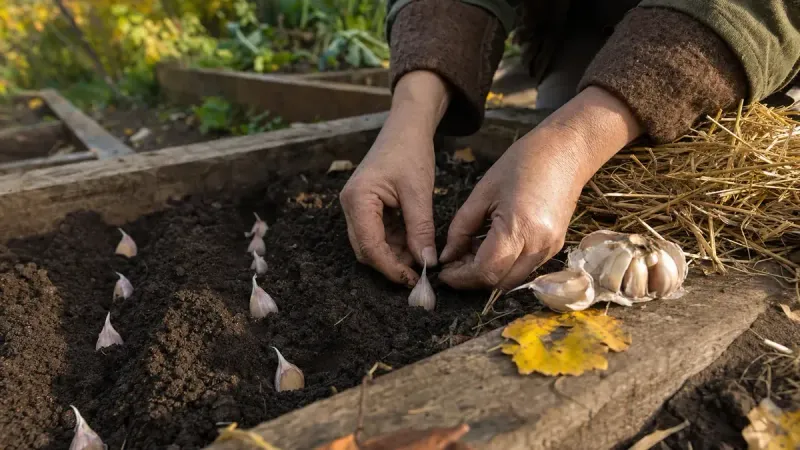
The Texas Home Gardening Guide gives clear planting directions. Set individual cloves with the pointed end up, 1 to 2 inches deep, and 2 to 4 inches apart.
Grocery store garlic is a gamble, since it may be treated or poorly suited to Texas. Seed garlic from a dependable grower takes much of the guesswork out of your first season.
Give the bed sun, drainage, and steady care
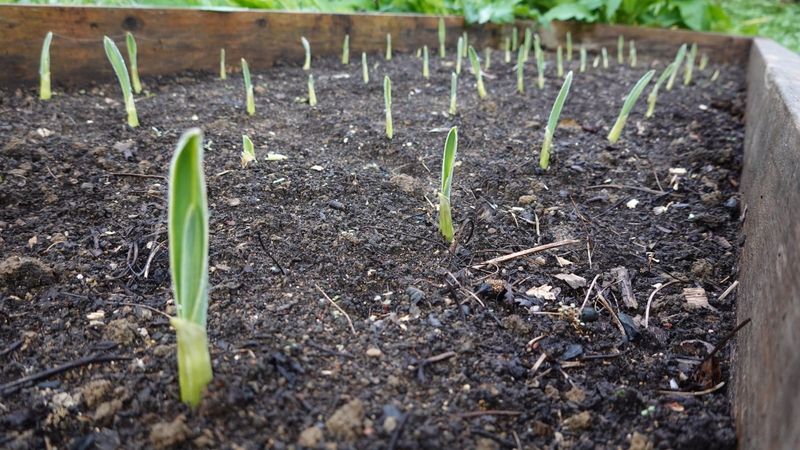
Garlic asks for a simple setup: full sun, soil that drains well, and a bit of attention through the cool months. Texas clay is the usual troublemaker, so raised beds or loosened, amended soil help a lot.
Keep moisture steady while the plants are actively growing. Waterlogged soil is the bigger danger, since bulbs sitting in soggy ground can rot.
UGA Extension also stresses controlling weeds early, because garlic is a poor competitor.
Timing the planting around soil warmth helps too. Texas A&M’s production guidance lists soil below 85 degrees Fahrenheit at two inches deep as an optimum planting condition.
Think of that as a helpful target from commercial guidance, not a pass-or-fail line for every yard. A cheap soil thermometer takes the guesswork out of an early planting in a warm fall.
As the plants mature, back off. University of Minnesota Extension advises reducing or stopping irrigation late in the season, and your local Extension office can tell you when that makes sense in your area.
If pests or disease show up, check with your county Extension office first. Any pesticide must have a current label that permits that use on your site.
June is possible, but the crop sets the harvest date
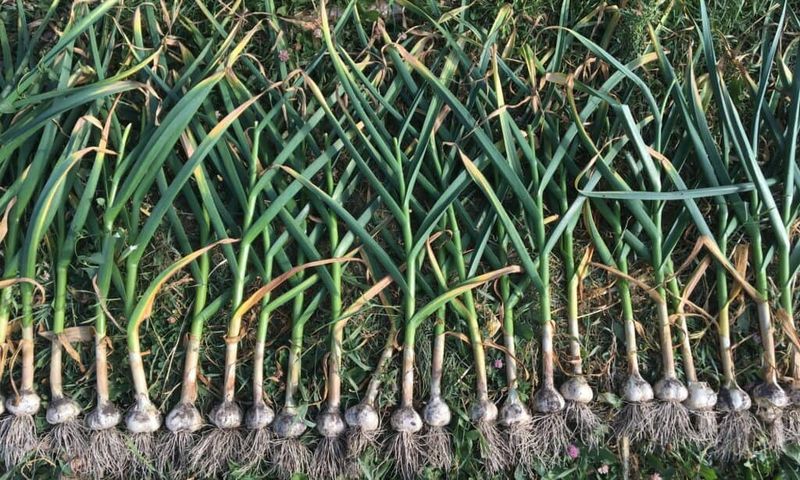
A June harvest is a real possibility in some parts of Texas, just not everywhere. According to Texas A&M’s garlic production publication, South Texas garlic is usually ready in late May or June, while North Texas harvest generally comes in July.
Weather, cultivar, and planting date can all shift readiness. A cool, wet spring may push things later, and a hot one may speed them up.
So a calendar date makes a poor harvest trigger.
Let the plants tell you instead. Watch for the lower leaves to yellow and die back, and for bulb growth to stop.
Then sample a few bulbs by digging them gently and checking whether the cloves have developed.
Timing matters for quality. UGA Extension notes that harvesting too early or too late can hurt the bulbs, including how long they store.
Picture a Saturday in late spring, a fork loosening the soil, and a few firm, papery bulbs coming up. That is the payoff, and it arrives when the plants are ready rather than when the calendar says so.
Cure the bulbs before storing them
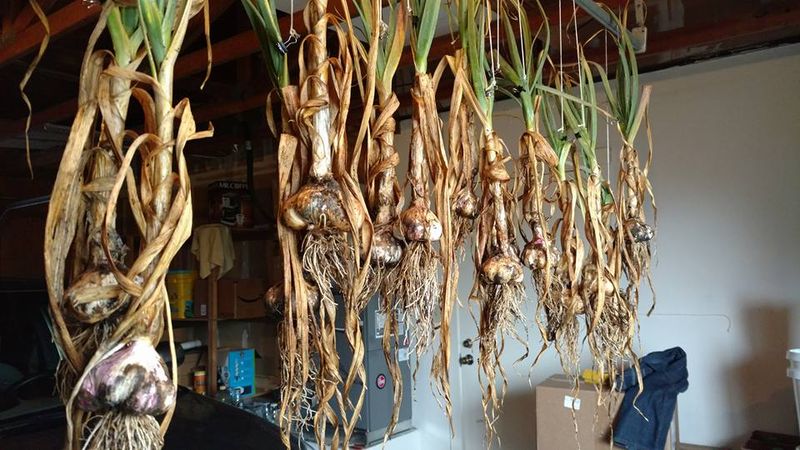
Digging up the bulbs is not quite the finish line. Curing, which means letting them dry in a dry, well-ventilated spot, prepares garlic for storage and helps the outer wrappers tighten up.
Texas A&M’s garlic production publication ties both curing and harvest timing to storage quality. Bulbs pulled at the wrong moment or cured poorly tend not to keep as well.
Handle them gently. Bruised or cut bulbs are more likely to go bad, so lift them with a fork rather than yanking, and shake off loose soil without scrubbing them.
Spread the bulbs out or hang them in small bundles where air moves freely. A covered porch or garage with good airflow can work in many Texas homes, as long as the space stays dry.
University of Minnesota Extension also recommends curing before storing garlic. Once the tops and roots feel dry, you can trim them and move on to storage.
Set aside your best bulbs as seed for next fall, and the whole cycle begins again.