
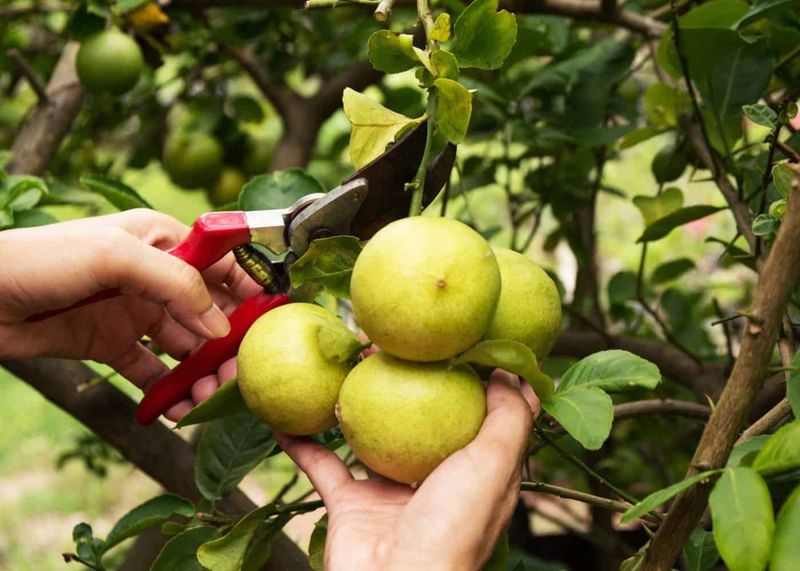
Your orange or lemon tree has spent all summer building fruit, and now the hardest stretch is coming. In much of California, the first winter rains arrive right as nights start dipping toward freezing, and that combo can make trees drop fruit, split rinds, or rot at the roots.
The good news is that a few simple steps in fall can help your tree hold on until you are ready to pick. Here is what to do before the storms roll in.
1. A Deep Drink Before the Cold Arrives
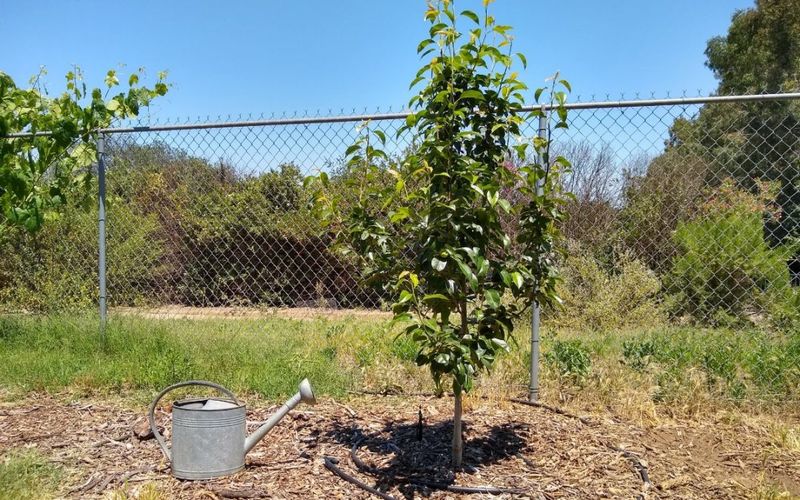
Dry soil freezes faster than moist soil. That simple bit of physics is why many California citrus growers give their trees a slow, deep soak a day or two before a cold night is forecast.
Moist ground stores daytime warmth and releases it after dark, which can raise the air temperature around the canopy by a degree or two. On a borderline night in the Central Valley or the Inland Empire, that small boost may be enough to protect tender fruit.
Aim to wet the root zone out to the drip line, not just the trunk. A soaker hose or drip ring works well and keeps water use in check, which matters under local watering rules.
Skip the daily sprinkle, since shallow watering keeps roots near the surface where they suffer most.
2. A Mulch Ring Pulled Back From the Trunk
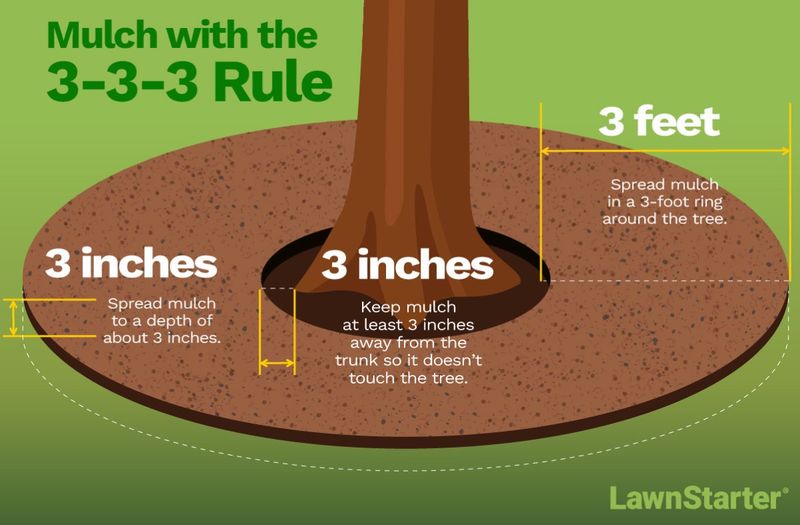
Picture a donut, not a volcano. That is the shape you want when you spread mulch under your citrus this fall.
A two to four inch layer of wood chips helps hold soil moisture and keeps roots steady as temperatures swing. But piling mulch against the trunk invites trouble once the rains start, because constantly wet bark is an open door for brown rot gummosis and other fungal problems common in California yards.
Keep a gap of about six inches around the trunk. Some growers even pull mulch back a bit farther right before a hard freeze so bare soil can soak up and release more heat.
It is a small tweak, but it can protect both the tree and the fruit hanging above it.
3. Good Drainage Before the Storms Hit

Ever notice yellow leaves on a lemon tree right after a rainy week? Soggy roots are often the reason, and California’s heavy clay soils make it a common story.
Citrus roots need air as much as water. When winter storms fill a low spot or a container with no escape route, roots can start to suffocate and rot, and a stressed tree is more likely to shed fruit.
Walk your yard now and look for spots where water pools. For in-ground trees, a shallow swale can steer runoff away.
For potted trees, raise them on pot feet and make sure drainage holes are clear. Fixing this before the first storm is far easier than rescuing a waterlogged tree in January.
4. A Pause on Nitrogen Fertilizer
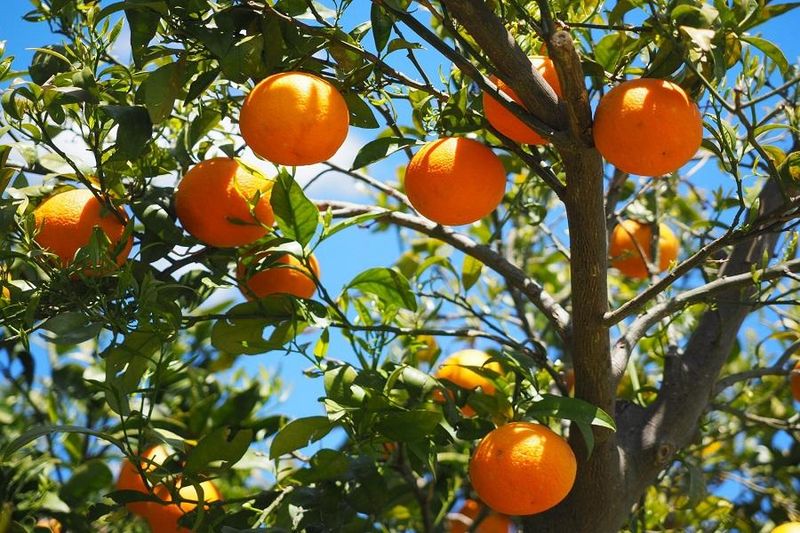
Here is a mistake plenty of caring gardeners make: feeding their citrus in fall to help it get through winter. It sounds kind, but it can backfire.
Nitrogen pushes soft new leaves and shoots. That fresh growth is the most cold-sensitive part of the tree, and it pulls energy away from ripening fruit right when nights turn chilly.
Most California guidance suggests wrapping up citrus feeding by late summer, then starting again in late winter or early spring. If your tree looks pale in fall, a micronutrient spray may be a gentler fix than a heavy dose of fertilizer.
5. Frost Cloth Ready to Go
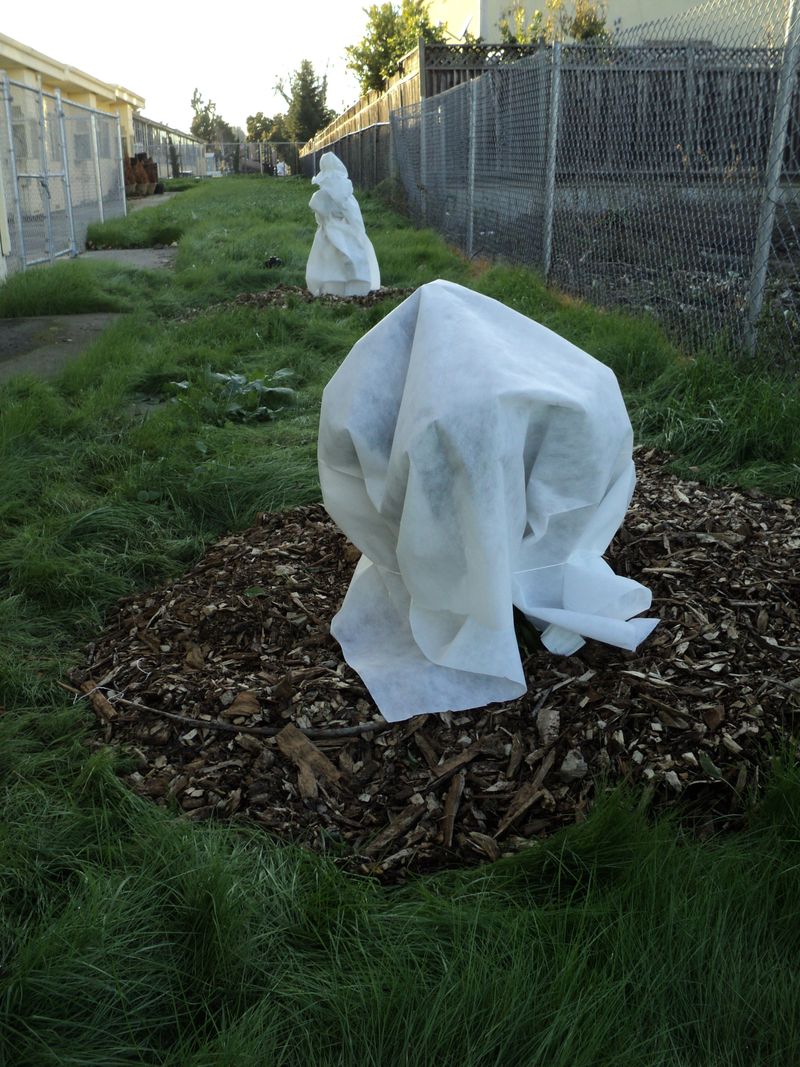
Nobody wants to hunt for a cover at 10 p.m. with the thermometer falling. Having frost cloth folded and waiting in the garage turns a cold-night scramble into a five-minute job.
Choose breathable frost cloth rather than plastic, which can trap moisture and actually chill leaves where it touches. Drape it all the way to the ground so it traps warmth rising from the soil, and weigh down the edges with bricks or stakes.
For extra help, some growers string old-style incandescent holiday lights inside the canopy, since LEDs give off little heat. Remove the cover once the morning warms up so the tree gets sun and air.
Mandarins and kumquats tend to handle cold better than limes and lemons, so give your most tender trees first priority.
6. Skirts Lifted and Fallen Fruit Cleared
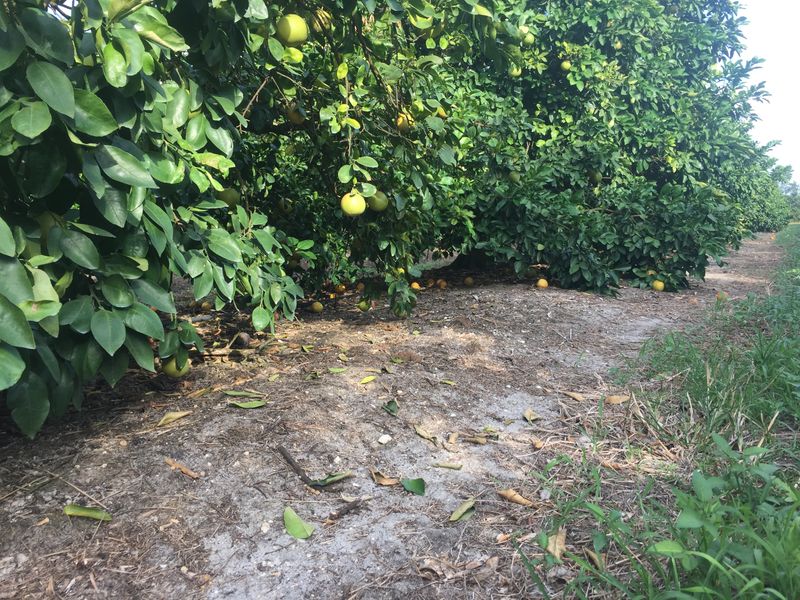
Old citrus growers have a saying that the ground is the tree’s winter blanket. To let that blanket work, you need to tidy up underneath.
Lightly trimming the lowest branches so they sit a foot or so off the soil, sometimes called raising the skirt, helps rain splash less fungus onto leaves and fruit. It also improves airflow, which can reduce brown rot on low-hanging oranges after storms.
Pick up dropped and rotting fruit while you are down there. Fallen citrus can draw rats, which are a frequent nuisance in California neighborhoods, and it can shelter pests over winter.
Composting it or bagging it keeps the area clean.
7. A Pruning Break Until Spring
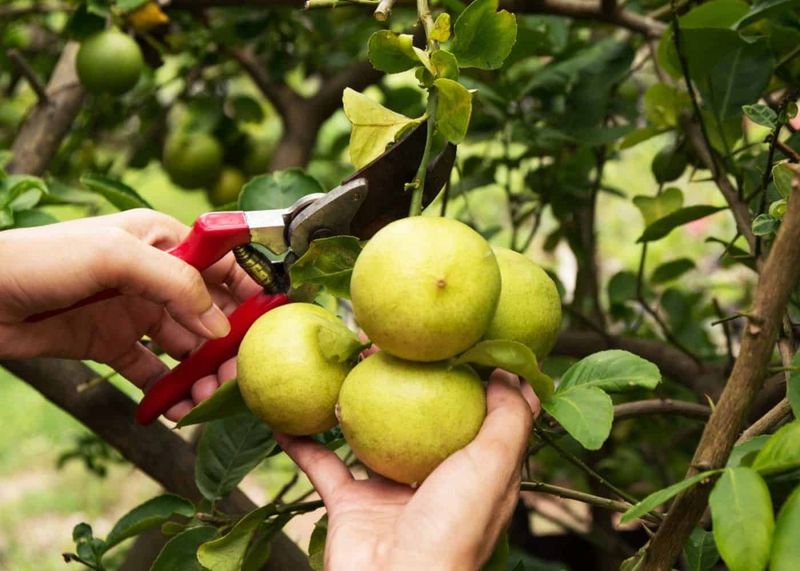
Put the loppers away. Fall is one of the worst times to give a citrus tree a major haircut.
Heavy pruning wakes up dormant buds, and the tender shoots that follow are easy targets for frost. It also opens the canopy, exposing fruit and inner branches that were sheltered by outer leaves on cold nights.
If frost does damage some branches, leave the brown leaves in place until spring. They may look rough, but they can shield healthier growth underneath, and waiting lets you see exactly how far the damage goes before you cut.
Small fixes like removing a broken limb are fine anytime.
8. An Early Harvest of Ripe Fruit
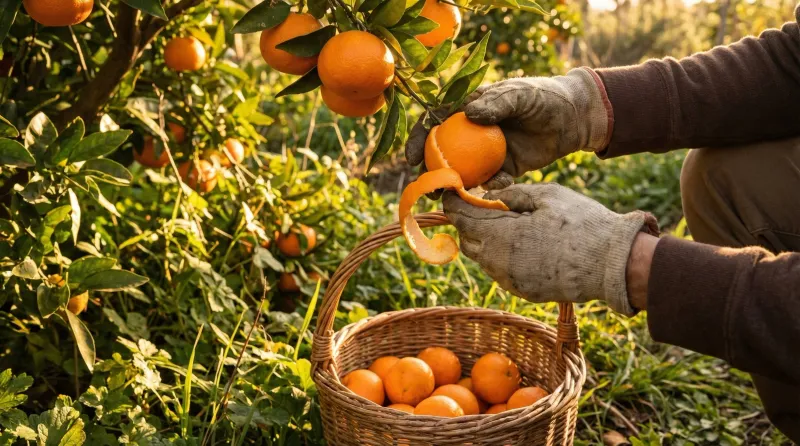
Sometimes the smartest way to keep fruit safe is to pick it. If your mandarins taste sweet and your lemons are ready, harvesting before a hard freeze saves them from damage.
Frozen citrus often looks fine on the outside but turns dry and pithy inside within days. A quick taste test is the best guide, since color alone can fool you in California’s cool coastal areas.
Fruit that still needs time can stay on the tree with the protection steps above. Many oranges and lemons actually store well on the branch through winter, so you only need to pull the ripe and most exposed ones.
Share the extras with neighbors and enjoy a cold-weather treat from your own yard.