
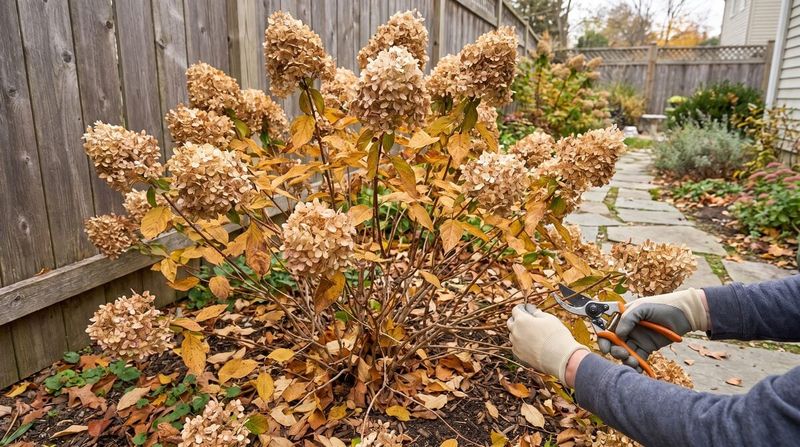
That scraggly hydrangea looks like it needs a haircut once the leaves start to fade. But for some hydrangeas, next summer’s flowers are already waiting on the stems you are about to cut.
Whether a fall trim hurts depends on the type of hydrangea and where the shears land. Here is how to tell which plants can handle a cleanup and which ones should be left alone.
When a fall cut can remove next summer’s flowers
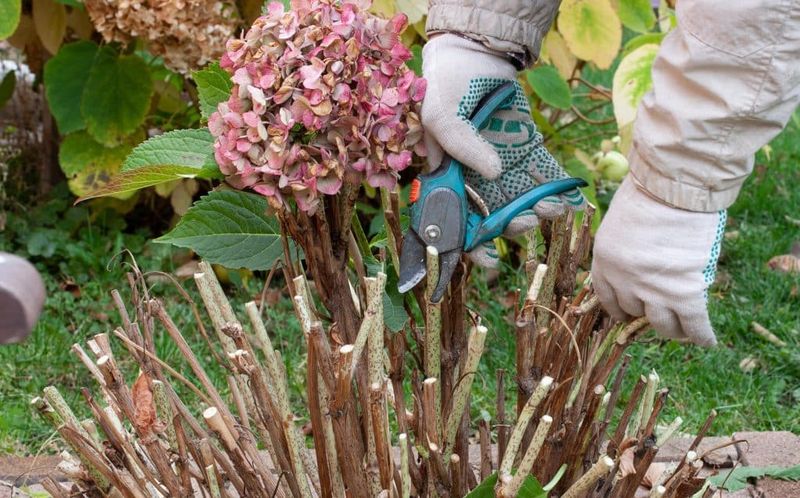
Some hydrangeas set their flower buds during the growing season, then carry them through winter on the same stems. Those buds sit quietly on last year’s growth, waiting for spring.
A fall cut through those live stems can snip off the buds before they ever open, and that means fewer flowers next summer.
The risk is real, but it is not universal. University of Maryland Extension explains that bloom timing depends on whether a hydrangea flowers on old wood or new wood.
Fall pruning is not the villain by itself. The trouble starts when the cut removes live, bud-bearing stems on a plant that blooms on old wood.
Cut placement matters too. Clemson Cooperative Extension notes that pruning needs differ by hydrangea type.
Trimming off only a spent flowerhead is very different from shortening a whole stem. So before you pick up the shears, the first question is always which kind of hydrangea you are growing.
Bigleaf, oakleaf, and mountain hydrangeas bloom on old wood
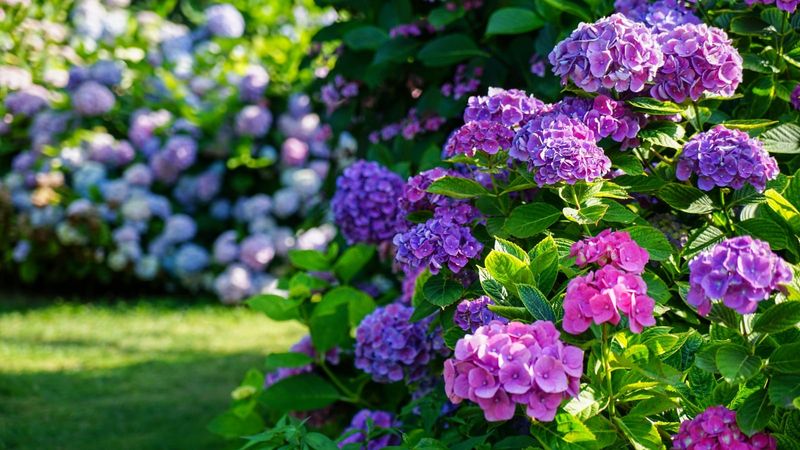
Bigleaf, oakleaf, and mountain hydrangeas generally form their flower buds on stems grown the previous year. That is why they are called old-wood bloomers.
Shortening those stems in fall, even for a neater look, can take off buds and leave you with a leafy shrub and few flowers.
Most of these plants need little or no routine pruning. When shaping is needed, the usual advice is to do it after flowering, so you are not cutting off the next round of buds.
UGA Cooperative Extension’s bigleaf hydrangea guide covers how these plants grow and bloom.
Not sure what you have? Check the plant tag, the nursery receipt, or a reliable Extension resource such as this University of Maryland pruning guide.
Guessing from leaf shape or flower color alone can lead you astray. A few minutes of identification beats a season without blooms.
Smooth and panicle hydrangeas bloom on new wood
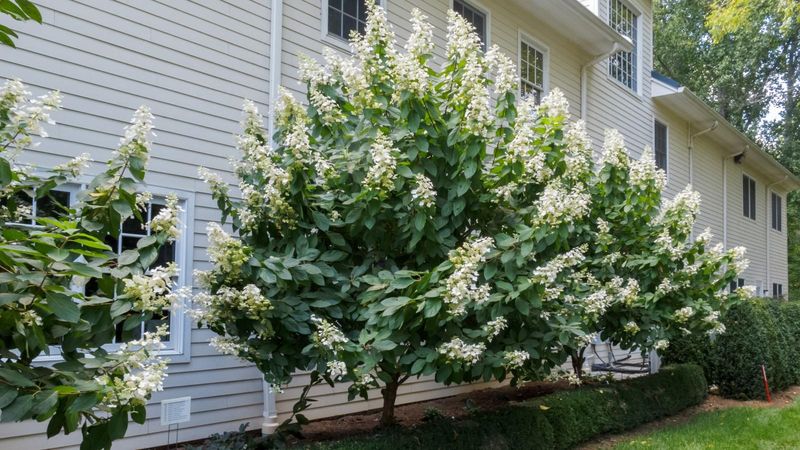
Smooth and panicle hydrangeas flip the script. They flower on growth produced in the current season, so they are not carrying next summer’s buds through winter on old stems.
A fall cut does not remove overwintering buds the way it can on bigleaf or oakleaf types.
That does not make fall the best time to prune. UGA Cooperative Extension points gardeners toward dormant-season pruning for these types, and University of Maryland Extension recommends late winter or early spring.
Hard pruning is optional, not required. Cutting a plant back heavily can change its shape and may affect flower size.
If your panicle hydrangea looks fine, you can simply leave it. UGA’s landscape plant care publication offers more general pruning guidance.
Reblooming cultivars can still lose old-wood flowers
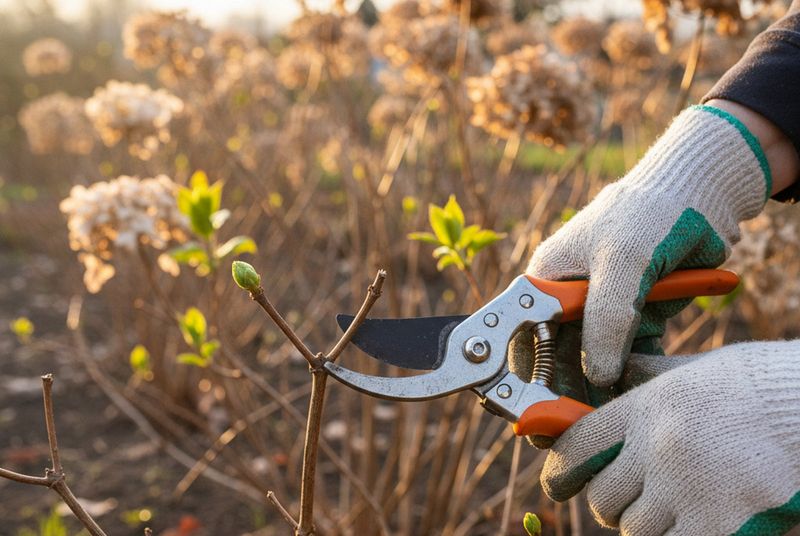
Reblooming hydrangeas sound like a loophole. Some bigleaf and mountain cultivars can flower on both old and new wood, so a shrub may still bloom on fresh growth after a hard cut.
That is a real safety net, but it is not a free pass.
Old stems may be holding buds for the first flush of the season. University of Maryland Extension classifies certain bigleaf and mountain varieties as remontant, yet pruning can still sacrifice flowers that would have come from those buds.
Treating them like new-wood types can cost you the early show.
Look for the cultivar name on the tag or in your purchase records. UGA Cooperative Extension notes that some newer hydrangeas rebloom on new growth.
Check the label or your local Extension office for advice on that specific plant.
Tidy flowerheads without reshaping the shrub
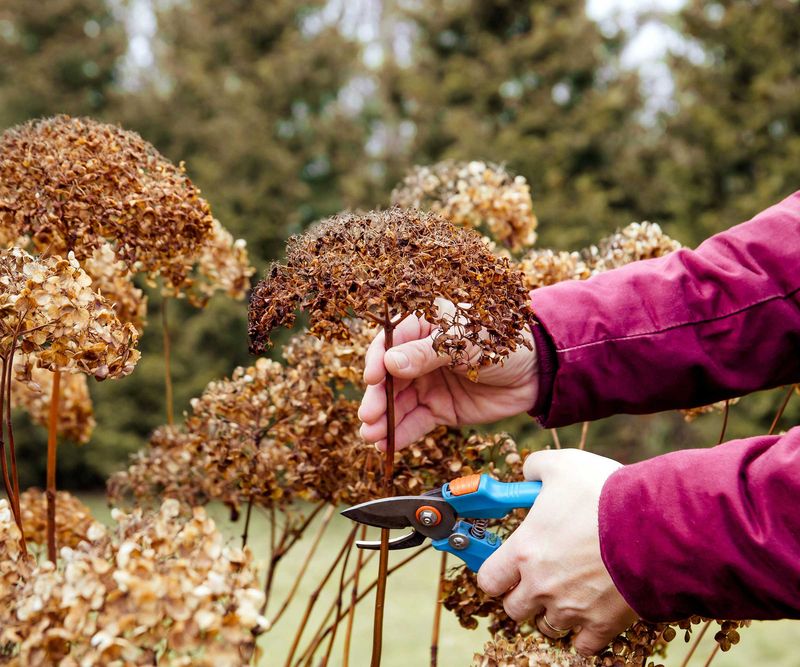
Dried flowerheads are not harmful, and leaving them in place is a perfectly fine choice. If you want a tidier look, deadheading is the gentler route.
Penn State Extension and University of Maryland Extension both discuss how cut placement affects buds.
Keep the cut on the flower stalk, and stay above the lower buds. That is very different from shortening a live stem or reshaping the whole shrub, which can remove buds on old-wood types.
Some wood does need to go. Remove clearly dead, damaged, or diseased stems, but do not confuse dormant live stems with dead ones.
For disease, NC State Extension advises cutting back to healthy wood and sterilizing tools. You can also read UGA’s note on fall pruning for added context.
Prune after flowering or in late winter, depending on type
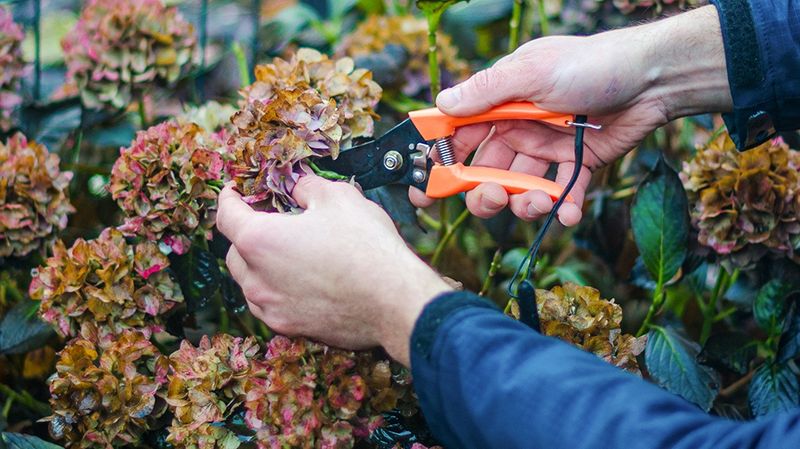
Timing follows the wood type. Old-wood hydrangeas, when they need shaping, are pruned after they flower.
Smooth and panicle types are generally pruned in late winter or early spring, as University of Maryland Extension recommends.
Florida offers a handy example. UF/IFAS Gardening Solutions says oakleaf hydrangea blooms on old wood and should be pruned shortly after flowering.
A UF/IFAS Nassau County source advises pruning bigleaf hydrangea after flowering and before August when shaping is needed.
That does not mean one calendar date works for Florida, Texas, and the rest of the South. Bloom timing and local conditions vary, so tie your cuts to when your plant flowers, not a date on the wall.
For general landscape guidance, see UGA’s care guide, and check with your local Extension office.
Identify the plant before you reach for the shears
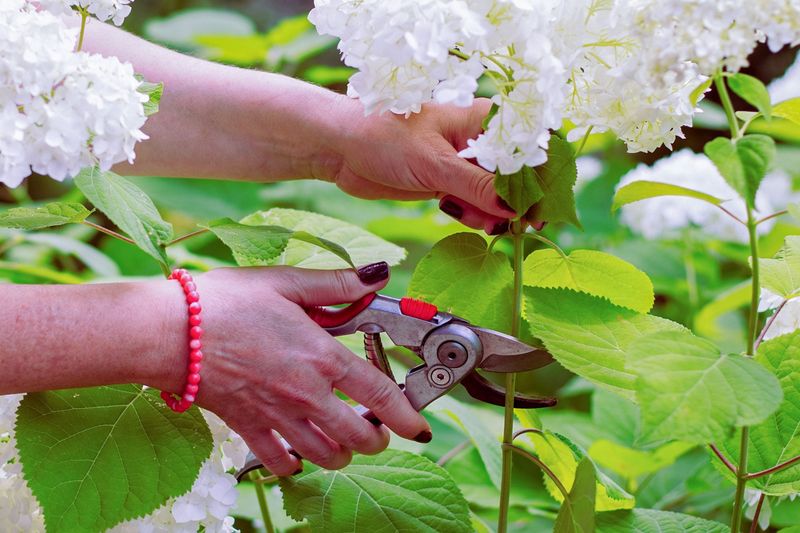
Start with the plant. Find the tag or the cultivar name, and confirm whether it blooms on old wood or new wood.
University of Maryland Extension is a good place to check.
Next, name your goal: deadheading, removing dead or damaged growth, or reshaping. Deadheading and cleanup can often go ahead with small, careful cuts.
Reshaping is the one to hold off on.
If you are unsure of the type, skip the unnecessary fall cut and protect any buds that may be waiting. Plenty of hydrangeas can be pruned, just not blindly.
A few minutes of detective work now may be the difference between a bare shrub and a summer full of blooms.