
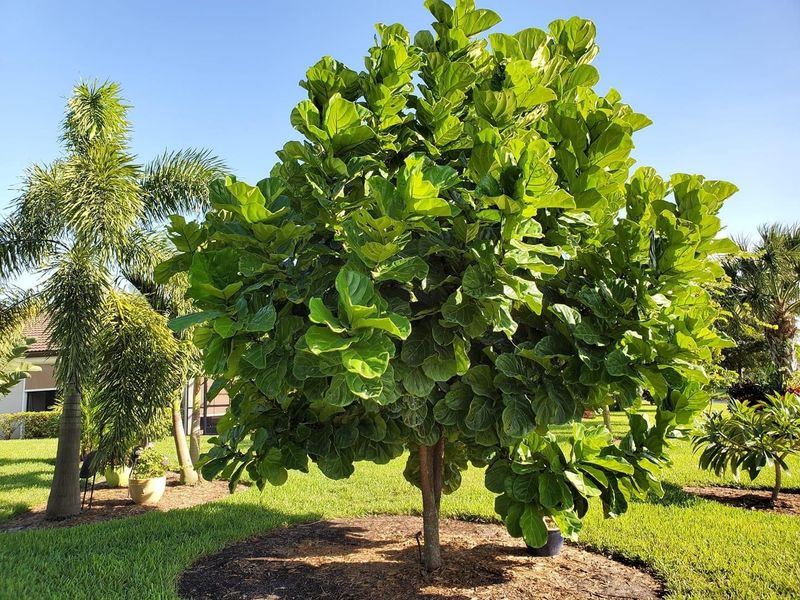
A fig tree covered in big green leaves looks healthy, so it stings when you find only a handful of figs all summer. The good news is that a leafy, fruitless fig is usually sending you clues, and fall is the best time to read them.
Small changes you make now, before winter dormancy, can shape how many figs show up next year. Here are eight fall fixes that Southern gardeners in Texas, Florida, and nearby states can start this weekend.
1. Stop the Nitrogen Feeding Now
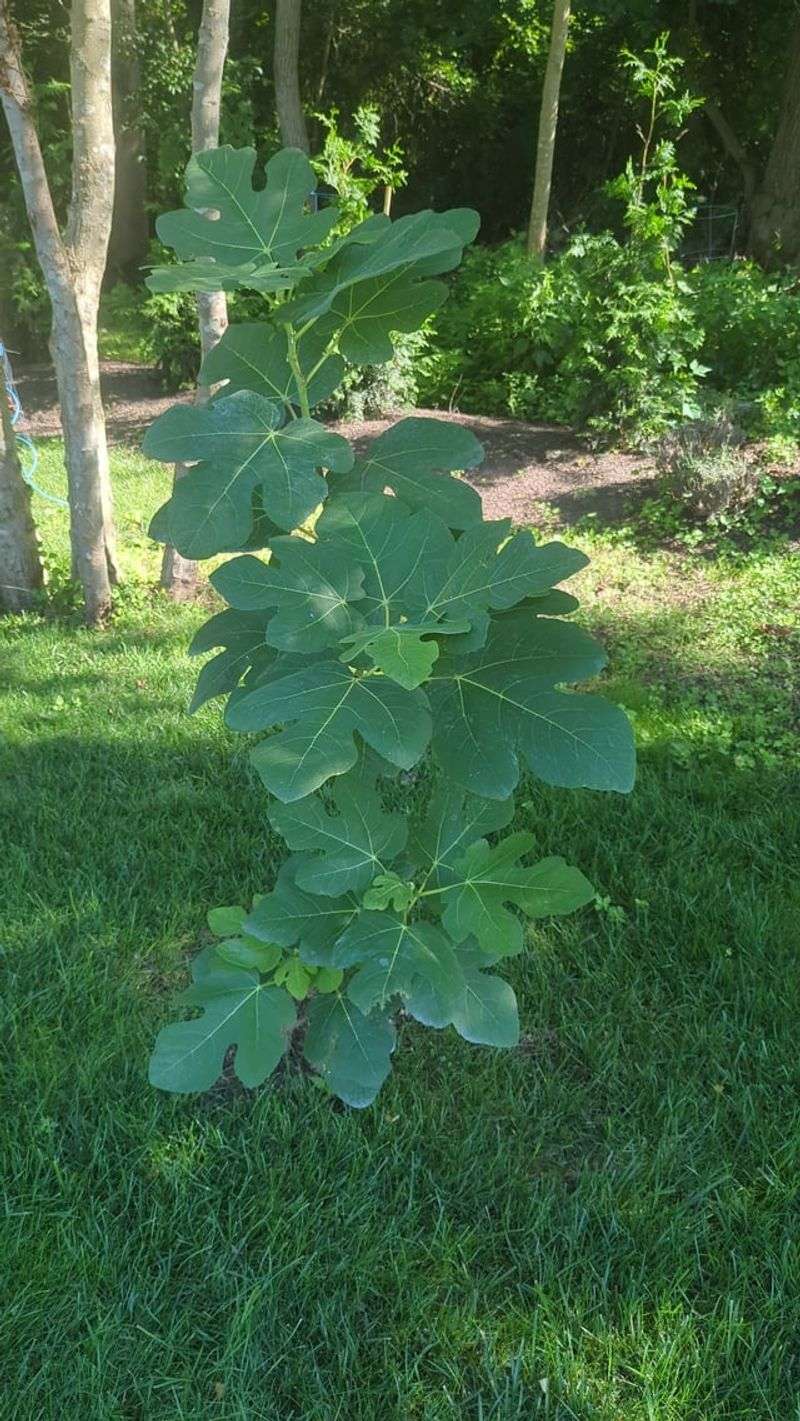
Lawn fertilizer is one of the sneakiest reasons a fig tree turns into a leaf factory. When fig roots reach into a fed lawn, they soak up nitrogen meant for grass, and that nitrogen pushes soft green growth instead of fruit.
Figs are naturally light feeders. In most Southern yards, an established tree in decent soil needs little or no fertilizer at all.
If you fed your fig with a high-nitrogen blend this year, that alone may explain the jungle of leaves.
Starting this fall, stop all feeding. Late-season nitrogen also encourages tender new shoots that can be damaged by an early cold snap, which matters in North Texas and other spots that see frosty nights.
Keep lawn fertilizer spreaders at least a few feet away from the drip line, or wider if your tree is large.
Next spring, if growth looks weak and leaves are pale, a light dose of a balanced or lower-nitrogen fertilizer can help. Think of it as a snack, not a feast.
Many gardeners find that simply cutting back on feeding often leads to fewer leaves and more figs within a season or two, though results can vary with soil and variety.
2. Prune at the Right Time, Not in Fall
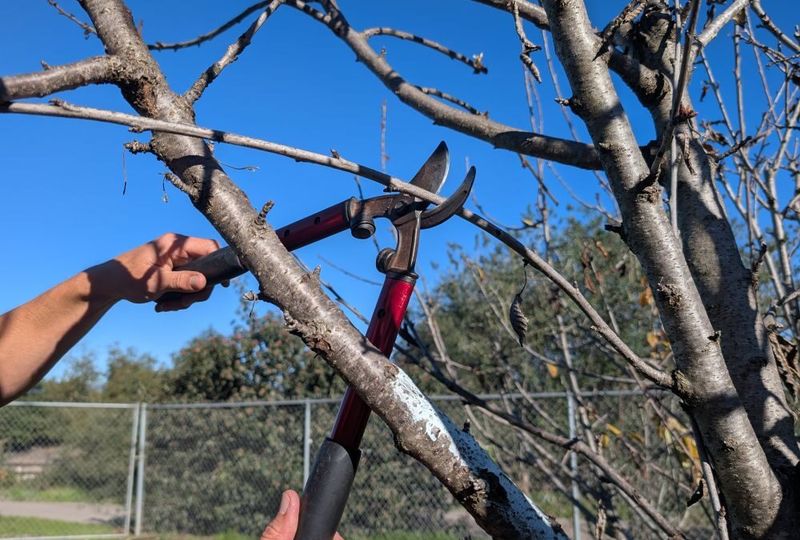
Here is a twist many people miss: the best fall pruning move is often to leave the shears in the shed. Heavy fall cuts can trigger new growth right before cooler weather and may remove wood that would have carried next year’s early crop.
Many fig varieties grown in the South, like Celeste and Brown Turkey, can produce a small early crop on last year’s wood, called the breba crop. The main crop forms on new spring growth.
Cut hard in the wrong season and you may lose part of one or both.
So use fall to plan instead. Walk around the tree and flag branches that cross, rub, point inward, or look dead.
Tie a bit of ribbon on them so you remember.
Then do the real pruning in late winter, just before buds swell. In much of Texas and the Gulf Coast, that is usually January to February.
Removing about a quarter of the oldest, crowded wood can open the canopy and may encourage stronger fruiting shoots. Light, thoughtful cuts tend to work better than a dramatic chop that leaves the tree scrambling to regrow leaves.
3. Give It More Sun Before Spring
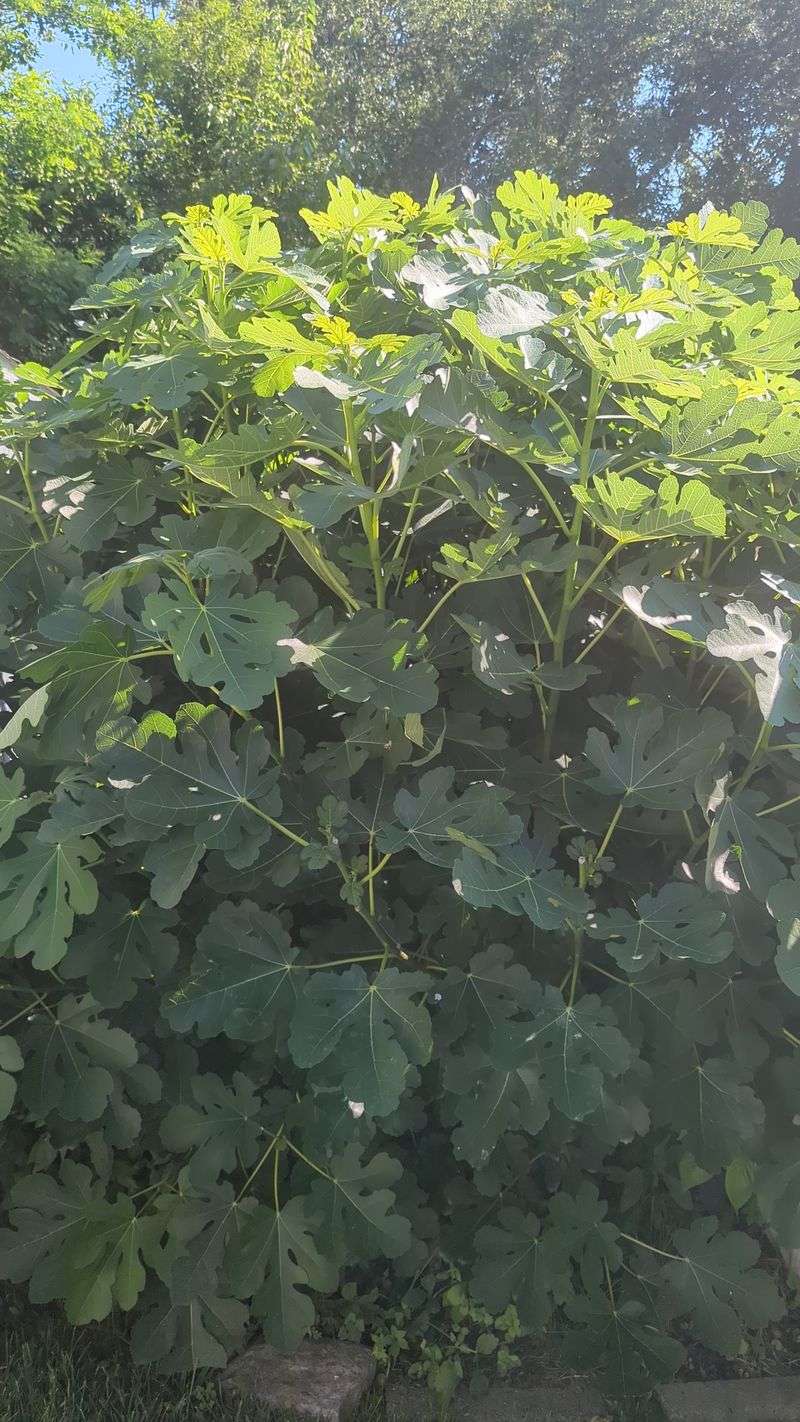
Picture a fig tucked under the edge of a big oak. It grows tall and leafy, reaching for light, but it rarely sets much fruit.
Shade is a quiet fruit killer.
Figs want at least six to eight hours of direct sun to fruit well. As neighboring trees and shrubs fill in over the years, a once-sunny spot can slowly turn shady without anyone noticing.
Fall, when leaves start dropping, is a great time to study where light really lands in your yard.
If nearby trees are the problem, consider having overhanging limbs trimmed back during the cooler months. For young figs under about three or four years old, transplanting in late fall or winter while dormant is often doable.
Dig a wide root ball and water well afterward.
In Florida and South Texas, a spot with strong morning sun and a bit of afternoon relief can still fruit nicely. Farther north, full sun against a south-facing wall may give extra warmth.
Moving a fig is real work, but more light can often make a bigger difference than any product you buy.
4. Fix Late-Season Watering Habits
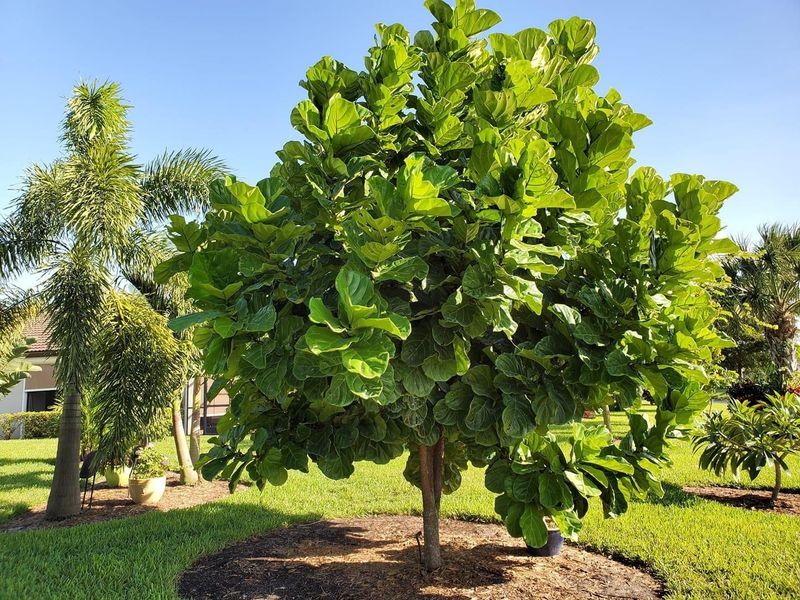
Watering seems simple until you realize figs react to both too much and too little. Uneven moisture can cause figs to drop early, split, or never fill out, while constant soggy soil keeps the tree in leafy growth mode.
During a hot Southern fall, figs still need water, especially young trees and those in sandy Florida soil. Aim for deep soakings every week or so when rain is scarce, rather than daily sprinkles.
A soaker hose under mulch is an easy way to do it.
As days cool and the tree slows down, taper off gradually. A fig sitting in wet soil going into winter can be prone to root problems, and steady late water may push fresh shoots that cold can damage.
Check moisture with your finger a few inches down. If it feels damp, wait.
If it feels dry, water slowly and deeply.
Next year, try to keep watering steady once small figs appear in spring and summer. Consistent moisture during fruit set often helps more figs stay on the branch, though heavy heat waves can still cause some drop.
5. Mulch and Protect the Roots for Winter
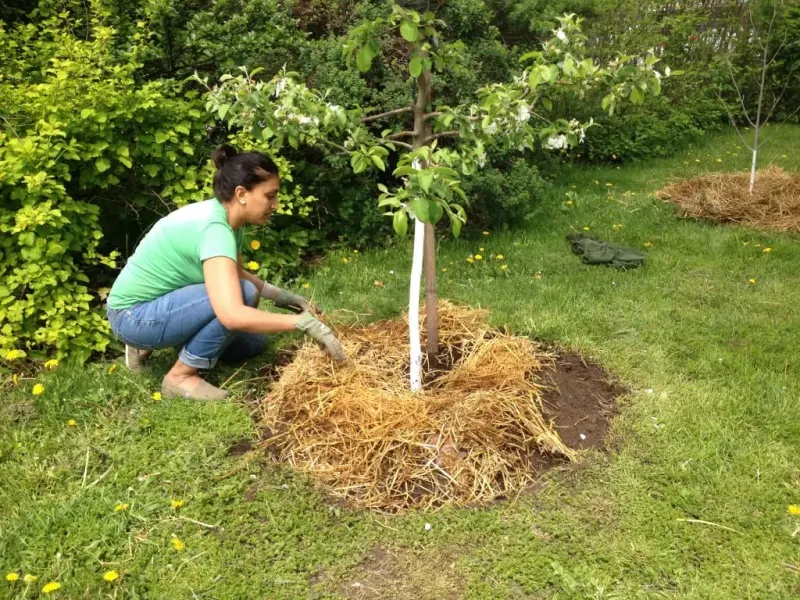
Winter damage is the hidden reason some fig trees spend every spring rebuilding instead of fruiting. When cold kills branches back to the ground, the tree pours its energy into new leaves and may produce little or no early fruit.
A good layer of mulch is cheap insurance. In late fall, spread three to four inches of pine straw, shredded leaves, or wood chips in a wide circle around the trunk.
Keep it a few inches away from the bark to avoid rot.
In North and Central Texas, northern Louisiana, and similar areas where hard freezes happen, extra protection can help young trees. Frost cloth draped over the canopy on the coldest nights may reduce damage.
Avoid plastic touching leaves or stems, since it can trap cold.
Potted figs are easier. Roll them into a garage or against a warm wall when temperatures dip into the low twenties.
Deep South gardeners in Florida rarely need heavy winter wrapping. Still, mulch keeps soil moisture steady and adds organic matter over time, which can support healthier roots and a better crop.
6. Test the Soil Before Guessing
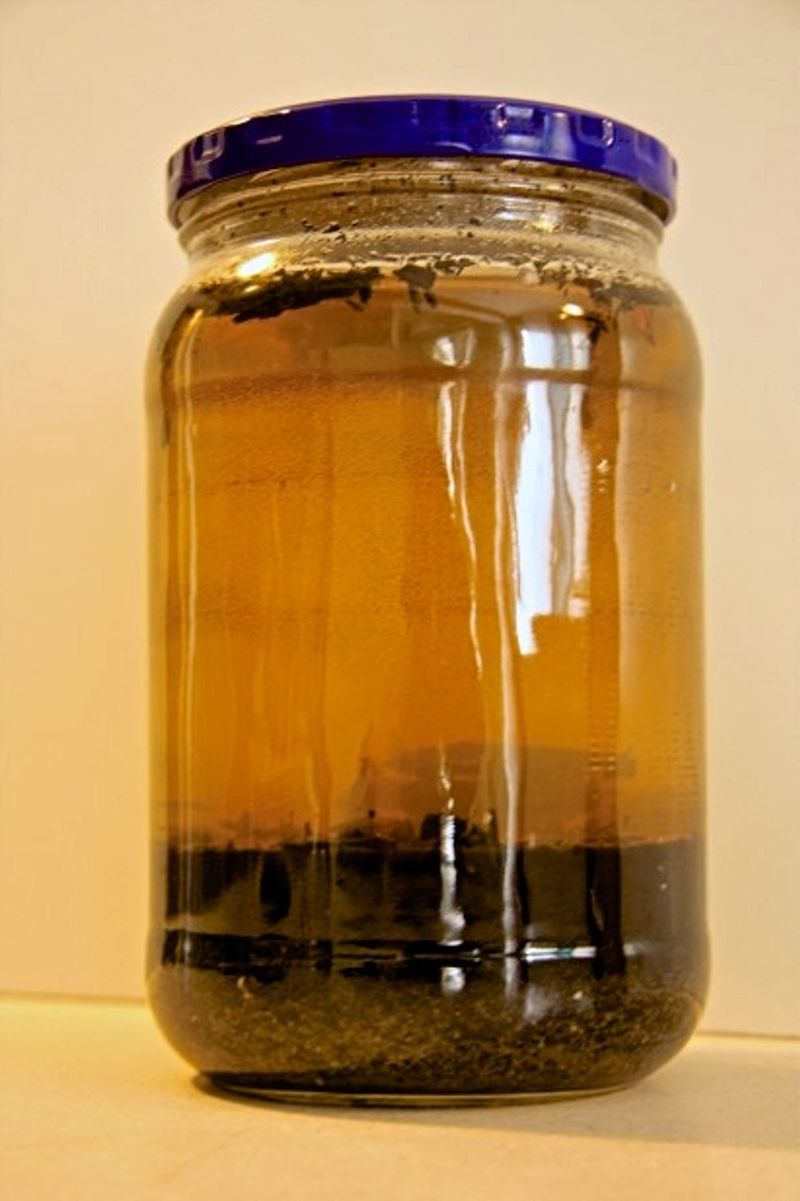
Guessing at what a fig tree needs is how many gardeners end up making the leafy problem worse. A simple soil test takes the mystery out of it.
Fall is an ideal time to test, since labs are less busy and you have months to adjust before spring growth. Many state extension services, including Texas A&M AgriLife and UF/IFAS in Florida, offer affordable soil testing.
Follow their instructions for collecting samples from several spots around the tree.
Figs tend to do well in soil that is slightly acidic to neutral. Results will show if nitrogen is already high, if potassium is low, or if pH is off.
Low potassium and phosphorus may limit fruiting, while extra nitrogen can push more leaves.
Once you have numbers, you can make small, targeted changes instead of tossing random fertilizer around. That might mean adding compost, a potassium source, or nothing at all.
Fun fact: figs have been grown for thousands of years in rocky Mediterranean soil, which helps explain why they often fruit better in modest conditions than in rich, heavily fed ground.
7. Check the Variety and the Tree’s Age
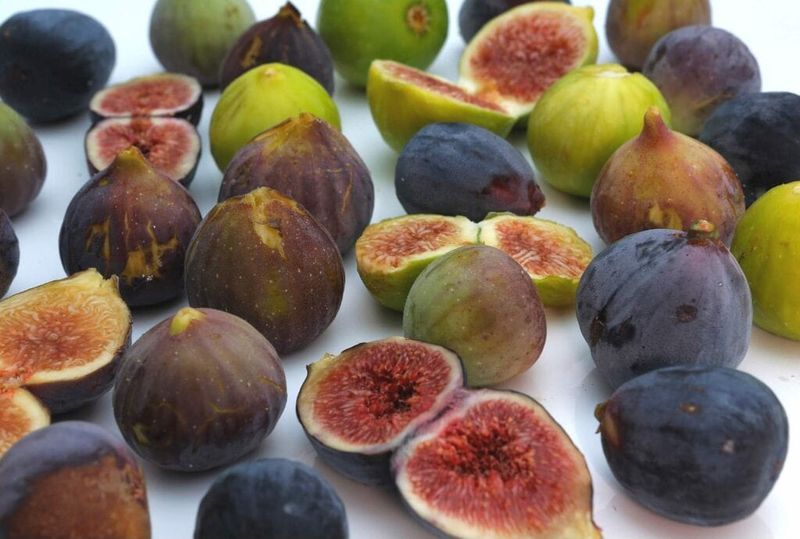
Sometimes the tree is not broken at all. It is just young, or it is the wrong variety for your climate.
Many fig trees take two to four years after planting before they fruit well. A young tree often focuses on roots and branches first.
If yours went in the ground recently, patience may be the main fix.
Variety matters too. Some figs need a tiny wasp for pollination that does not live in the U.S., so their fruit may drop before ripening.
Most popular backyard types, like Celeste, Brown Turkey, LSU Purple, and Alma, set fruit without pollination and tend to suit Southern yards. Celeste is a favorite in the Gulf South for its cold hardiness and sweet small figs.
Fall is a good time to dig out the plant tag or old receipt. If you are not sure what you have, a local nursery or extension agent can often help identify it from leaves and fruit.
If the variety is a poor match, consider adding a proven Southern fig this winter. A second tree may give you a crop while you work on the first.
8. Clean Up Fallen Leaves and Fruit
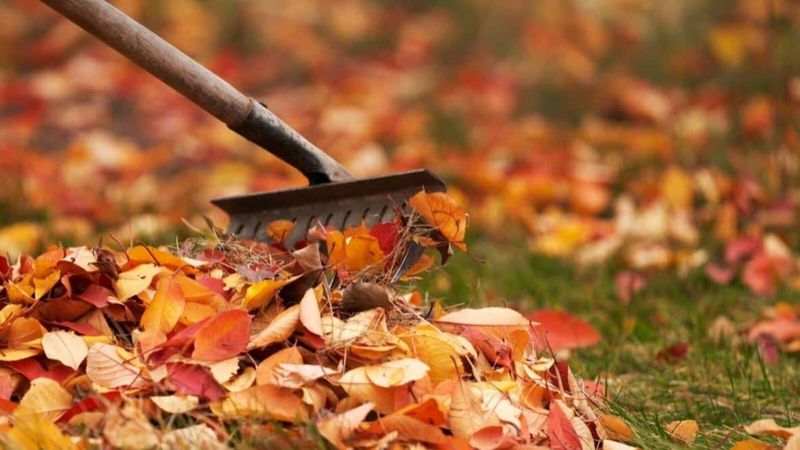
A tidy patch under the fig might not seem like a fruit booster, yet cleanup can quietly protect next year’s crop. Fallen leaves and shriveled figs can harbor fig rust spores and insect pests.
Fig rust is common in humid Florida and Gulf Coast summers. It shows up as small rusty spots on leaves and can cause early leaf drop.
A tree that loses leaves too soon may struggle to store energy for the next season, which can mean fewer figs.
Once leaves drop in fall, rake them up and bag or dispose of them rather than leaving them in place. Pick up any mummified fruit still clinging to branches, too.
Dropped figs also attract fire ants, beetles, and even raccoons and opossums. Clearing them may reduce some pest pressure around the tree.
After cleanup, add fresh mulch. Next summer, improving airflow through light pruning and watering at the base instead of overhead can lower rust problems, though no method stops it completely in humid years.
A clean start often sets the tree up for a stronger, fruit-heavy season.