
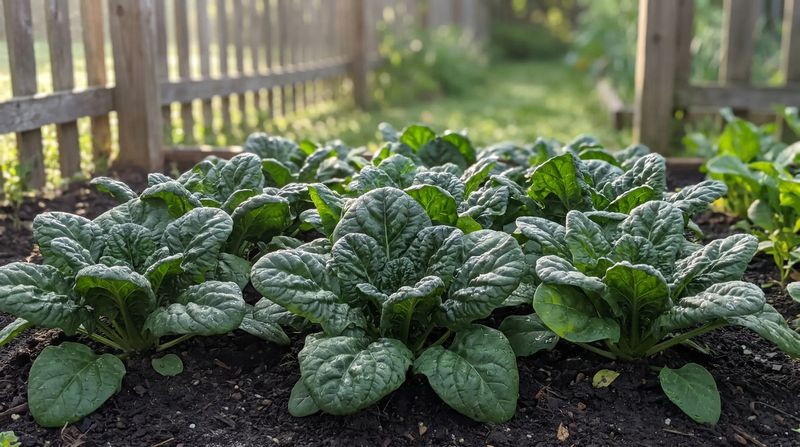
Most Texas gardens look tired by the end of a long, hot summer, but fall is when the real salad season begins. Spinach and kale love cool nights, and they can keep growing right through a light frost.
If you get seeds or transplants in the ground at the right time, you could be cutting fresh greens in December and even January. Here is how to time it, pick the right kinds, and keep your harvest coming when the weather turns cold.
1. Know Your Texas Planting Window
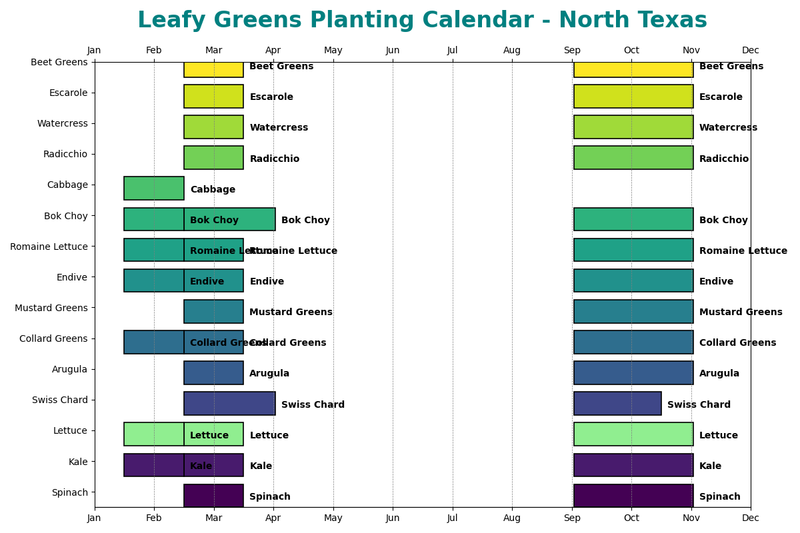
Timing beats everything else when it comes to fall greens. Texas is a big state, and the right planting date in Amarillo is not the right date in Houston or the Rio Grande Valley.
As a rough guide, North Texas gardeners usually plant spinach and kale from late August through September. Central Texas often does best from mid-September into October, while the Gulf Coast and South Texas can keep planting into November.
Your county AgriLife Extension office publishes local vegetable planting charts, and they are worth a quick look.
A simple trick is to count backward from your average first frost date. Kale needs roughly 55 to 75 days to reach full size, and spinach about 40 to 50.
Planting six to eight weeks before frost gives young plants time to settle in so they are sturdy when the cold arrives.
2. Choose Heat-Tolerant Spinach Varieties
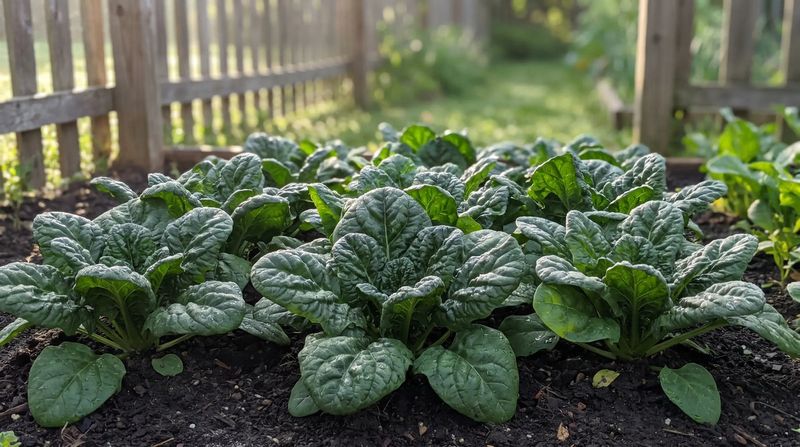
Spinach has one bad habit in Texas: it bolts. A warm spell can push it to send up a flower stalk, and once that happens the leaves turn bitter fast.
Picking the right variety helps a lot. Savoy and semi-savoy types such as Bloomsdale Long Standing, Tyee, and Melody tend to hold up better in fluctuating fall weather.
Smooth-leaf types like Space are easier to wash, which matters if you hate gritty salads.
Some Texas gardeners also lean on Malabar spinach or New Zealand spinach early in the season, since both shrug off heat. They are not true spinach, but they can fill the gap until cooler weather lets the real thing shine.
3. Pick Kale That Laughs at Cold Snaps
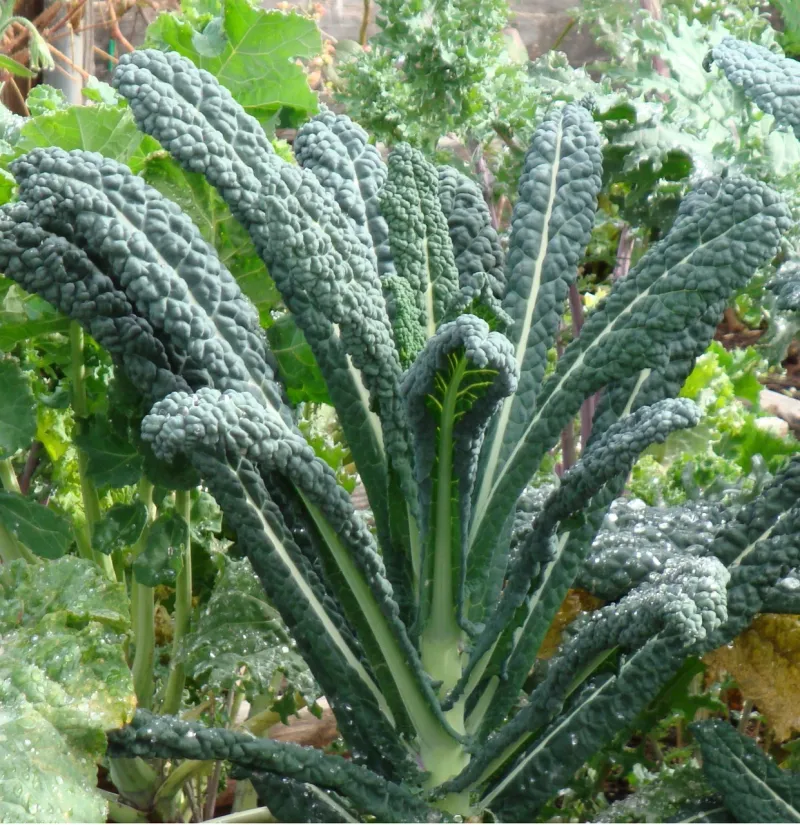
Picture a frosty December morning, the tomato cages bare and brown, and a row of kale standing tall like nothing happened. That is the payoff of choosing a tough variety.
Lacinato, also called dinosaur or Tuscan kale, is a favorite for its deep blue-green leaves and mild flavor. Winterbor and Vates curly kale are famously cold-hardy, while Red Russian brings purple stems and tender leaves that work raw in salads.
Most kale can handle temperatures down into the low 20s, and some types survive even colder. Fun bonus: a light frost actually converts some starches in the leaves to sugar, so your kale may taste sweeter after a cold night.
4. Prep Soil That Fights Texas Clay and Sand
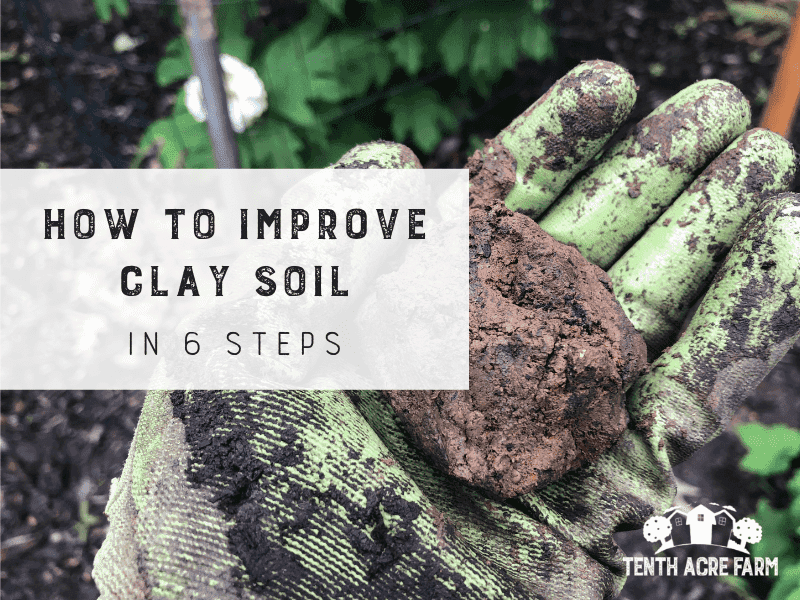
Texas soil can be heavy black clay in one yard and loose sand in the next. Neither one gives leafy greens what they want, which is rich, crumbly ground that holds moisture without staying soggy.
Work two to three inches of compost into the top six inches of your bed before planting. Raised beds are a smart move in clay-heavy areas, since spinach roots can rot when water pools after a fall storm.
Greens are heavy nitrogen users, so a balanced organic fertilizer at planting time can help. Many Texas soils run alkaline, and a soil test from AgriLife can tell you if your pH is drifting too high for good growth.
5. Beat the Lingering September Heat
Here is the tricky part. In much of Texas, it is still hitting the 90s when you need to sow fall greens.
Spinach seed is fussy and may not sprout well when soil runs above about 85 degrees. Some gardeners chill seeds in the fridge for a few days, sow in the evening, and keep the bed evenly moist.
Others start seeds indoors and move transplants out once a cool front blows through.
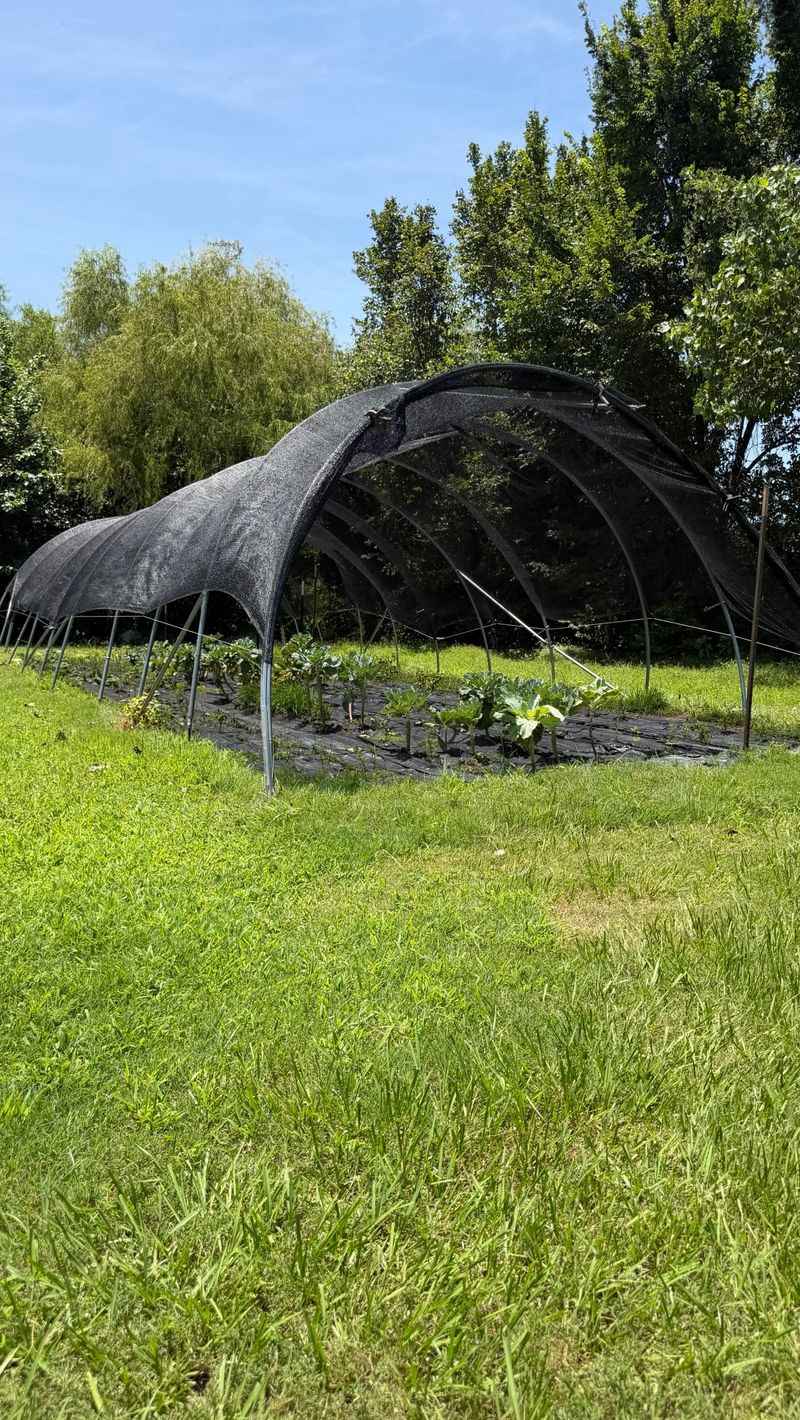
A strip of 30 to 40 percent shade cloth over hoops can cool young plants noticeably during the first few weeks. Pull it off once nights settle into the 60s, and your seedlings will take off.
6. Water and Mulch Smart
Steady moisture is the secret to tender leaves. Greens that swing between bone dry and soaked often turn tough or bolt early.
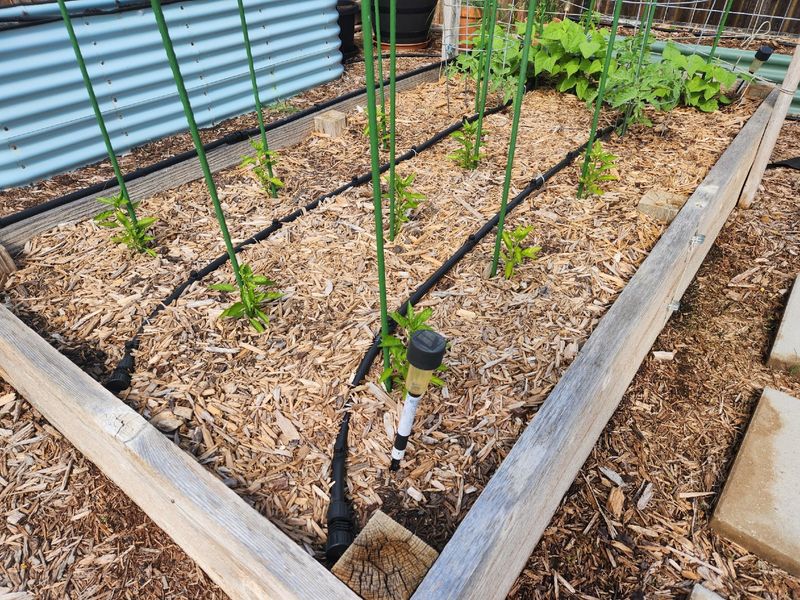
Drip lines or soaker hoses are a great fit, especially if your city has watering restrictions. They put water right at the roots and keep leaves dry, which can reduce fungal problems.
Finish with a two-inch layer of mulch. Shredded leaves, straw, or pine needles keep soil cooler in early fall and a little warmer during cold snaps later.
7. Watch for Fall Pests
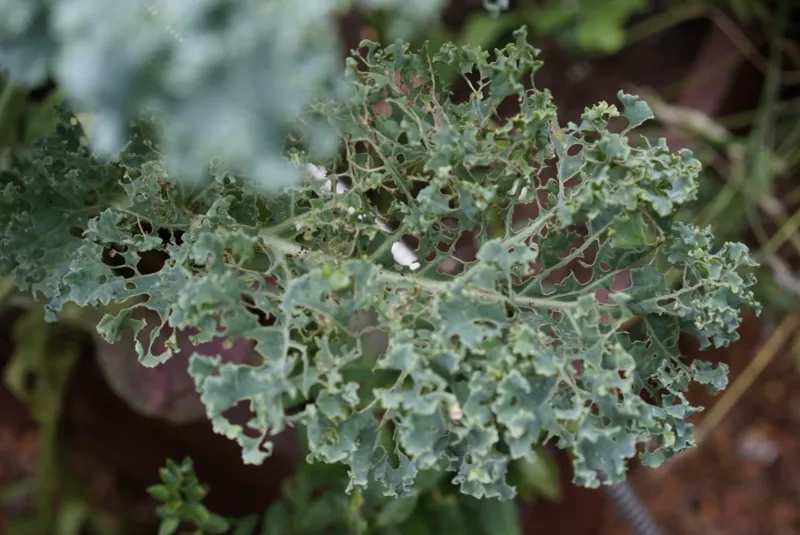
Cabbage loopers and imported cabbageworms seem to show up the very week your kale looks its best. Those little green caterpillars chew ragged holes fast.
Check the undersides of leaves every few days. Hand-picking works for small gardens, and lightweight row cover keeps the white moths from laying eggs at all.
Bt, a natural bacterial spray, can help control caterpillars without harming bees.
Aphids also love cool-season greens. A strong spray of water often knocks them back, and ladybugs and lacewings tend to move in to help.
8. Protect and Harvest Through Frost
Cut-and-come-again harvesting keeps greens producing for months. Pick the outer leaves and leave the center growing, and one plant can feed you for most of the winter.
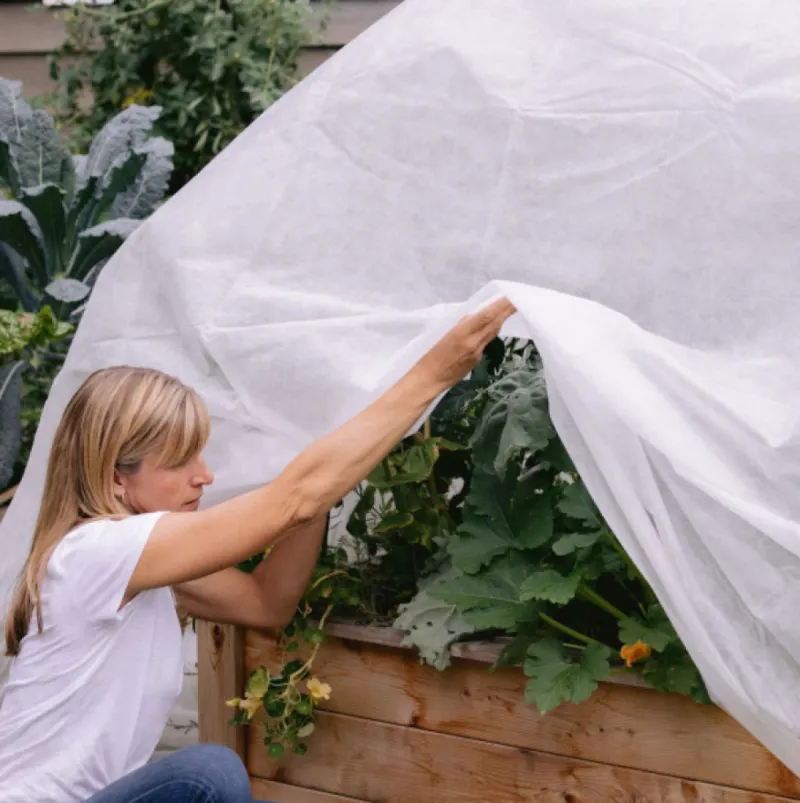
Light frost rarely bothers established spinach or kale. When a hard freeze in the teens is forecast, toss frost cloth or an old sheet over the bed and weigh down the edges.
Water the day before, since moist soil holds heat better.
Remember the February 2021 freeze? Covered beds came through far better than bare ones.
With a little protection, you may still be snipping fresh greens long after the rest of the garden goes quiet.