

Your neighbor’s orange tree drops fruit on your lawn every week, and you wonder if it is yours to keep. Many California homeowners face this exact question, and the answer is less clear than you might think.
There is a likely answer for fruit on the ground, plus a catch about fruit still hanging on the tree. Here is what to know before you grab that basket.
The short answer is probably yes—but California law leaves a gap
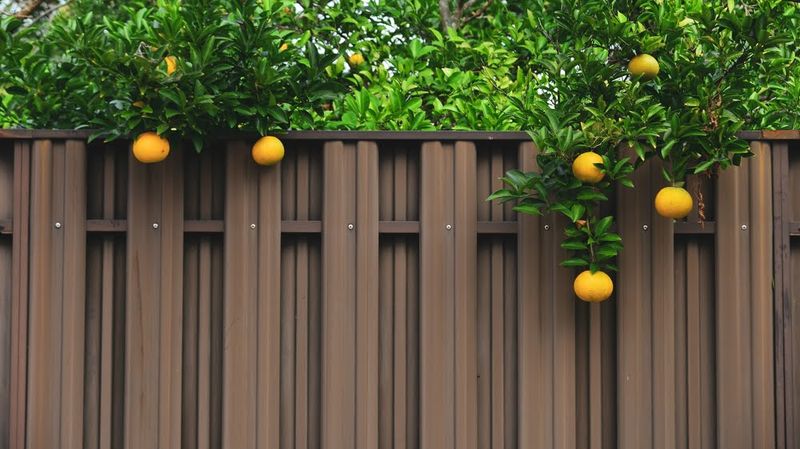
Picture oranges, lemons, or avocados thumping onto your grass from a tree on the other side of the fence. If the fruit has already landed on your property, you can plausibly keep it.
A California attorney quoted in a Los Angeles Times report on picking neighbors’ fruit said the landowner may take fruit that falls onto their land.
That is a lawyer’s informed view, not a court ruling. The statutes and appeals court cases found for this article cover who owns a tree, overhanging branches, trimming, and nuisance.
None of them sets a clear statewide rule for every fallen orange, lemon, or avocado, so nobody should call this settled law.
Think of it as a sensible reading of the law, not a guarantee. If your neighbor objects, a friendly conversation will go much further than quoting a newspaper article.
Here is the catch most homeowners miss. Fruit lying on the ground is one question.
Fruit still attached to a branch that reaches over your fence is a different question, and the sources do not agree on it. Keep those two situations separate in your mind, because the comfortable answer for the first does not carry over to the second.
Tree ownership starts with the trunk
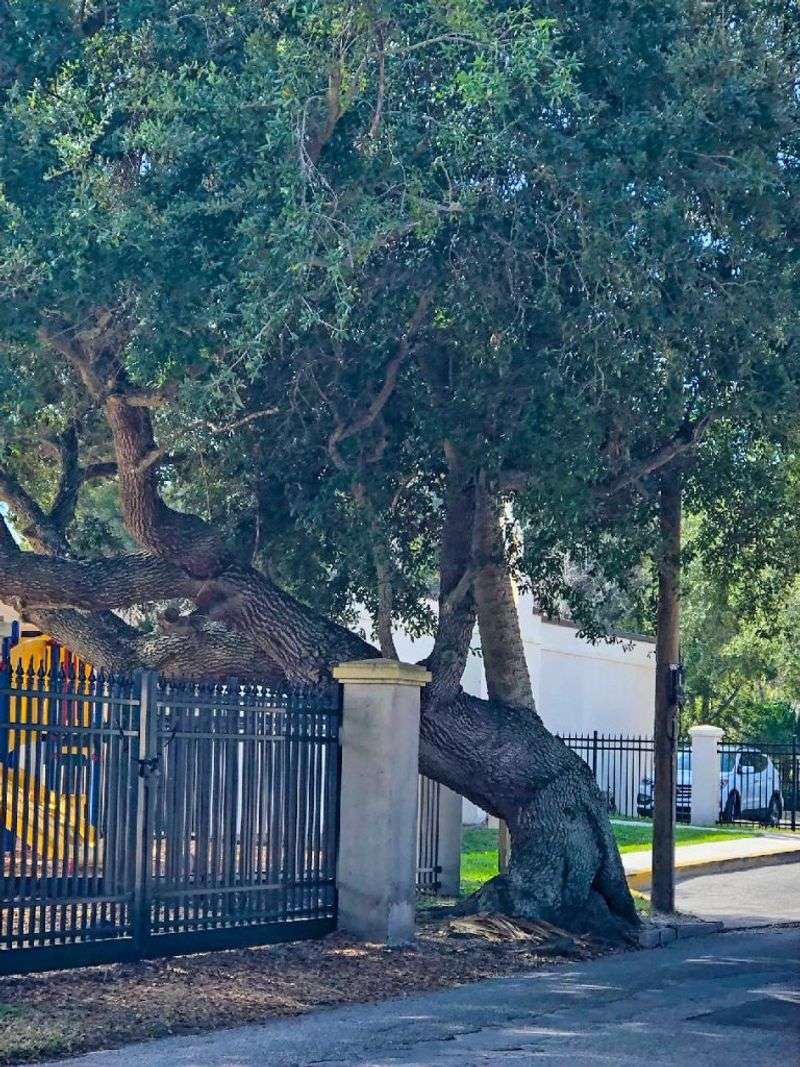
When people argue about a tree, the first question is whose tree it is. California Civil Code section 833 answers part of that.
Under the text of Civil Code section 833, a tree whose trunk stands wholly on one owner’s land belongs exclusively to that owner, even if its roots reach into another yard.
That is a rule about the tree itself. It does not say who owns fruit after it drops onto the other side of the fence.
Reading it as a rule about windfalls would stretch the statute beyond what it says.
Boundary trees are a narrower case. If the trunk sits partly on both properties, the tree is generally held in common.
In Kallis v. Sones, a 2012 Court of Appeal decision, the court applied Civil Code section 834 and said one co-owner cannot cut the tree, or part of it, if that injures the shared tree.
Practically, if your neighbor’s lemon tree straddles the line, do not trim it on your own. These rules are about who owns the tree and what you may do to it.
They are not answers to the fallen-fruit question.
Fruit on the ground is not fruit on the branch
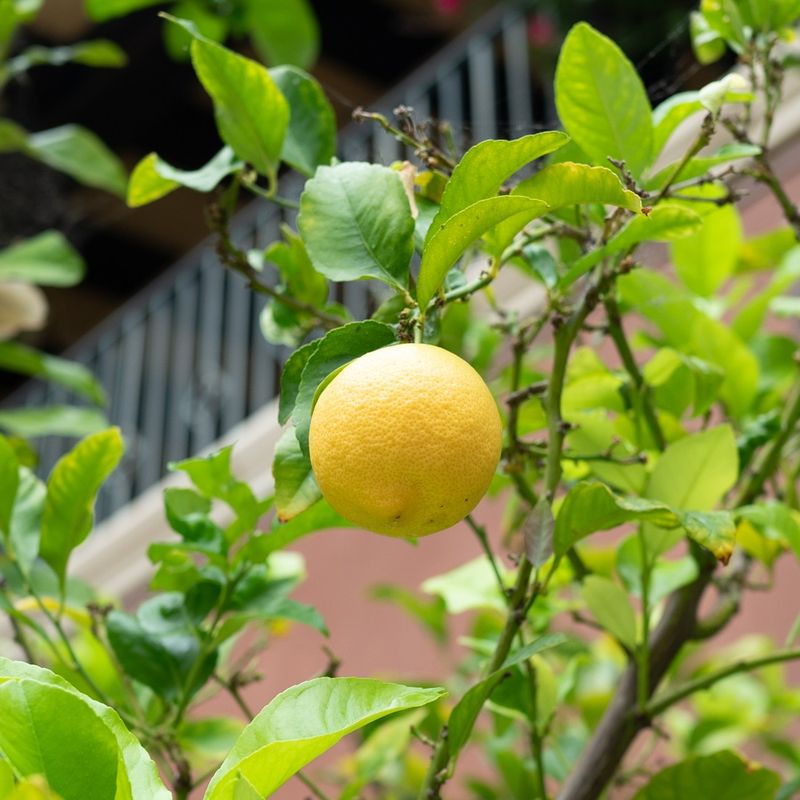
Say a lemon branch crosses your fence, loaded with fruit at eye level. It is tempting to treat that fruit like the lemons on your lawn, but the legal footing is different.
The reasoning that makes windfalls plausibly yours does not automatically stretch to fruit still attached.
The sources even disagree. The California attorney quoted by the Los Angeles Times said attached fruit technically remains the tree owner’s.
Meanwhile, the Community Law Center reads California’s overhanging-branch rule as giving the neighbor ownership of products on those branches.
Both are commentary, not court rulings on this exact question. Neither one settles it.
An old case often comes up here. Grandona v.
Lovdal, an 1889 California Supreme Court case, said branches overhanging a landowner’s property belonged to that landowner, and mentioned fuel and hop-poles growing over the land. It dealt with encroaching trees and nuisance.
It did not decide who owns fruit that naturally falls into a neighbor’s yard.
So avoid claiming a clear right to pick from overhanging branches. When in doubt, ask.
Stay on your side of the fence
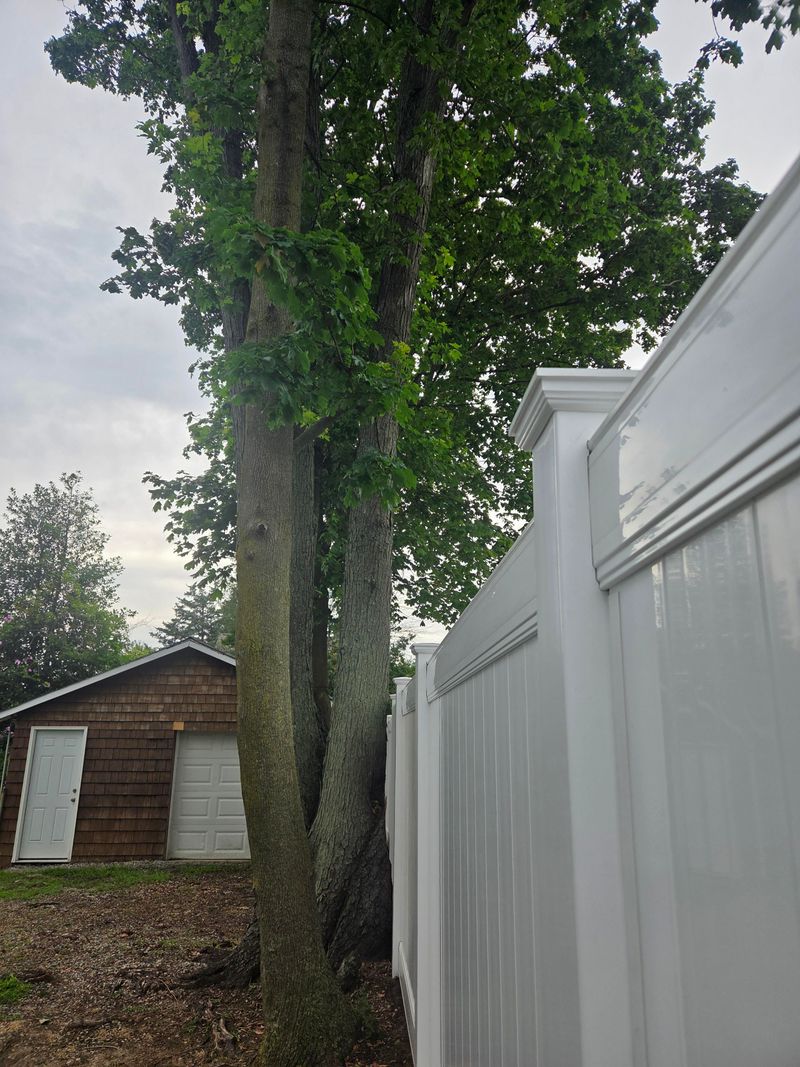
A low-conflict habit works best here. Pick up only fruit that has already landed on your property.
Do not reach across the fence, climb it, or step into the neighbor’s yard to get at fruit.
Leave the tree alone, too. California cases recognize that a neighbor may cut back encroaching growth on their own side, but that right has limits.
In Booska v. Patel, a 1994 Court of Appeal case, the court rejected an absolute right to act without regard to foreseeable harm.
Your conduct has to be reasonable.
A rough pruning job that hurts or kills the tree can create its own legal trouble. Cutting branches is not an automatic fix for a fruit problem.
Entering the yard is a separate risk. California’s trespass jury instruction lists willful entry onto another person’s land without consent as a key element of a trespass charge.
That does not mean every fruit retrieval is a crime. It does mean you should not walk over to collect fruit without asking first.
If you want the fruit that is still on the branch, or you need to cross the property line, knock on the door. Most neighbors happily say yes, and some will hand you a full bag.
When recurring fruit drop becomes a yard problem
Sometimes the problem is not wanting the fruit. It is the mess.
Rotting fruit can draw flies and wasps, stain a patio, and make a lawn hard to mow week after week.
Start by keeping simple records. Take dated photos, note how often fruit falls, and write down any costs or pests it brings.
That gives you something concrete to show instead of a vague complaint.
Then talk to your neighbor. Offer to collect the fruit and share it, or suggest a pruning plan you can both agree on.
Many fruit tree owners have no idea how much lands next door.
On the legal side, California’s nuisance statute, Civil Code section 3479, covers conditions that harm health or interfere with the comfortable enjoyment of property. That is a high-level description, and each situation depends on its facts.
A few fallen fruits do not automatically make a nuisance. They also do not mean the tree owner must remove every piece.
If the problem is substantial and keeps coming back, written notes and a calm conversation come first, and a local attorney or mediation service can help if talking fails.
Gather windfalls; ask before picking
Fruit already on your side of the fence is your strongest case for keeping it, even though no court has set a statewide rule. Fruit still hanging on the tree, or anything that means stepping onto the neighbor’s property, calls for permission first.
The Los Angeles Times piece shows why that caution makes sense.
If the drops keep piling up, offer to share the harvest. A bag of oranges tends to settle more than any legal argument.