
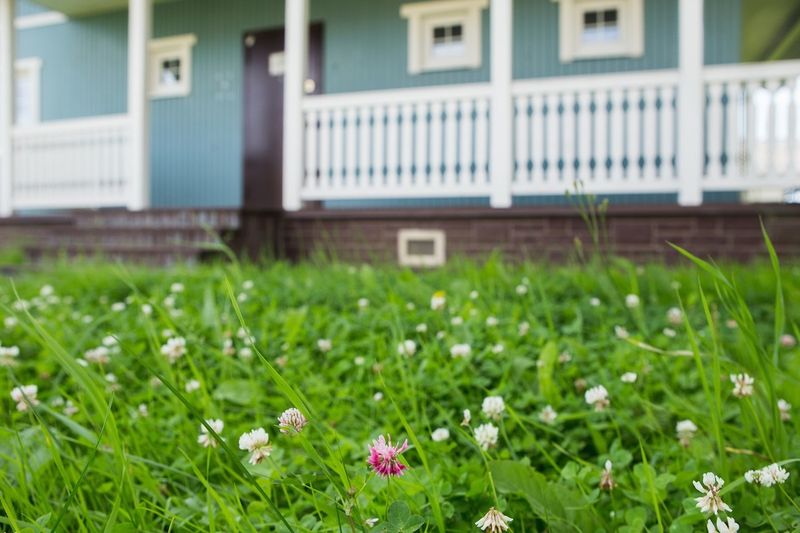
Clover popping back up in your lawn can feel personal, especially after you’ve mowed, fed, and sprayed. The truth is more mixed than the usual advice suggests.
Clover does not return every fall, and common lawn chores are not guaranteed to cause it. Here is what really drives clover, and how to pick a response that fits your grass and your yard.
Why clover can return without a lawn-care mistake
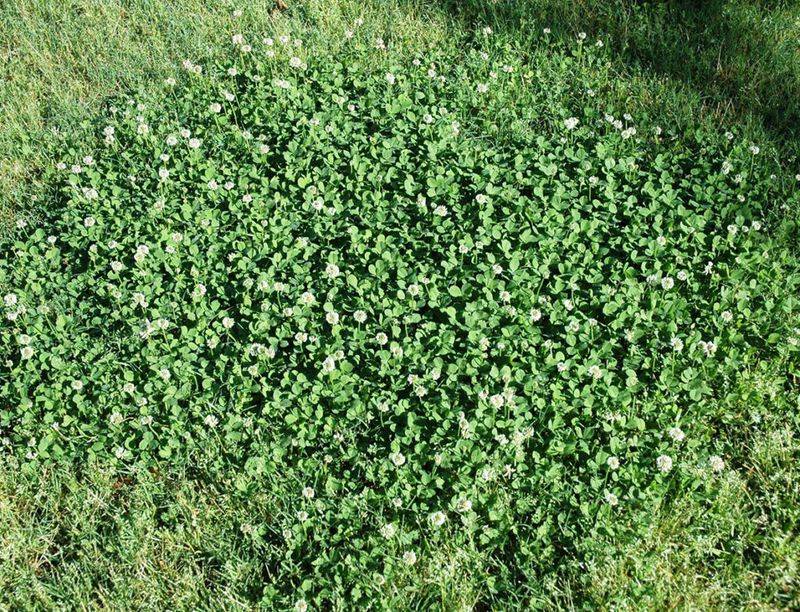
A clover patch coming back does not prove you did something wrong. Lawns have more than one way to get clover, and some of them have nothing to do with your routine.
According to UC IPM guidance on clovers, white clover is a perennial that spreads by seed and by creeping stems that root at nodes. That means one patch can slowly widen through rooted stems, while seeds can start new plants a few feet away.
Thin turf leaves open soil where either route can work.
Not every plant called clover behaves this way. Some clovers are annuals, so their timing and control needs differ from white clover.
Calling it all one weed is where plans go sideways.
Before you buy anything, look closely. Do you see creeping stems rooting along the ground, or scattered seedlings that sprouted in a bare spot?
Snap a clear photo of the leaves and flowers, and have your local extension office confirm what you have. That small step keeps you from using a fix meant for a different plant, and it avoids assuming every patch follows the same seasonal pattern.
Mowing may limit seeds but will not remove established clover
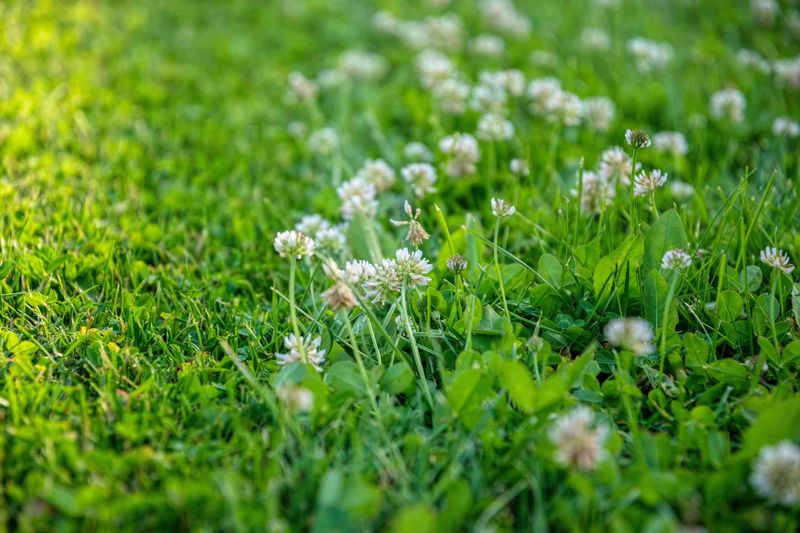
Mowing gets blamed a lot, but there is no good basis for saying it makes clover spread. What it does is more limited.
Cutting before the flowers set seed may reduce reseeding, according to UC IPM.
The catch is that mowing does not remove plants already growing. White clover hugs the ground and sends out creeping stems, so the mower often passes right over it.
The patch looks trimmed for a day or two, then it is back.
That can make mowing feel like a failure, and it is easy to decide the mower caused the problem. A more accurate read is that mowing was never going to finish the job on rooted plants.
A practical example: if you see white flower heads on your clover, a mow before they mature may cut down on new seedlings. Pair that with pulling small patches or thickening the turf.
Think of mowing as one tool for managing seed, not a cure.
Fertilizer needs soil evidence, not guesswork
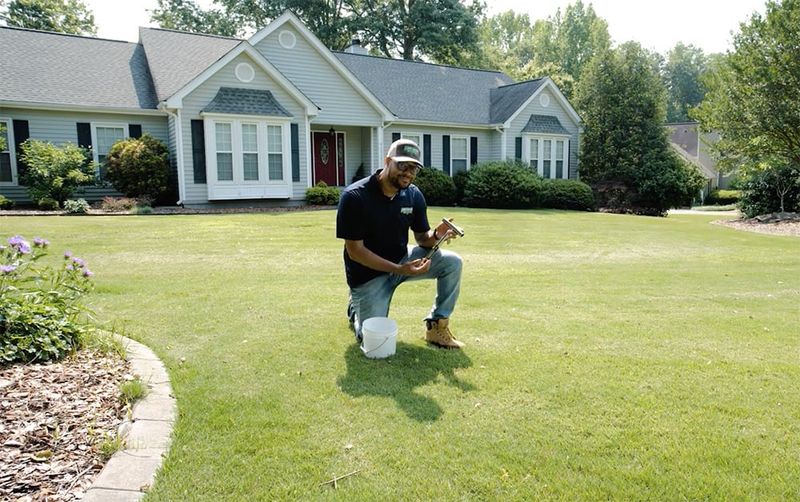
Fertilizer advice for clover is tricky because the answer depends on your soil. UC IPM notes that low nitrogen can leave turf yellow while clover stays green, and that excess phosphorus can favor clover, as described in its clover guide.
Those two clues point in different directions. One lawn may need nitrogen, another may already have plenty of phosphorus.
Guessing can leave you adding the wrong nutrient.
Fertilizer also will not control clover that is already established. Extra nitrogen can run off and waste money, so the goal is healthy turf, not blanket or extra applications.
Start with a soil test through your county extension office. Florida and Texas soils vary widely, from sandy to alkaline clay, so a neighbor’s routine may not fit your yard.
Once you know what the soil lacks or has too much of, you can adjust. If the report shows no need, skip the bag.
A broadleaf herbicide may not control clover or spare the grass
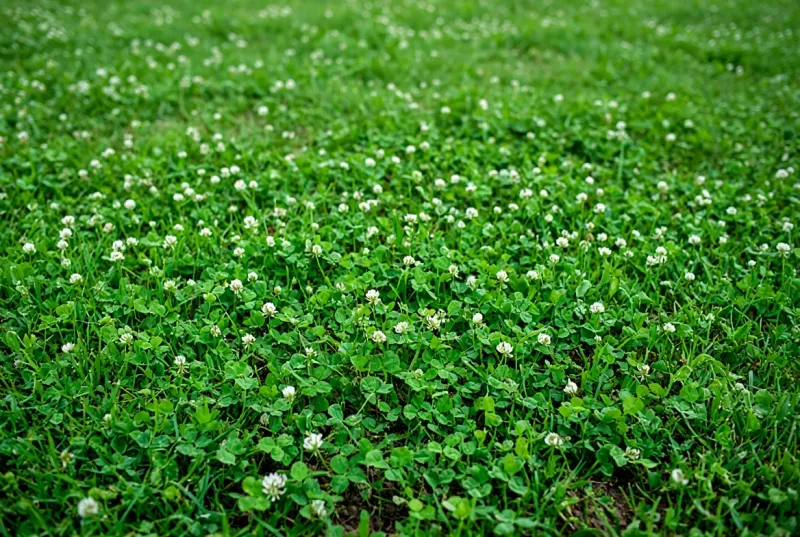
Grabbing a bottle labeled for broadleaf weeds seems logical, but it can backfire. Active ingredients differ in how well they handle clover, and turfgrass species differ in what they tolerate.
Texas A&M’s turfgrass weed control guide says 2,4-D alone does not control clovers. That applies to that single ingredient, not to every mixture, so check what is in your product.
Turf tolerance matters too. UF/IFAS weed guidance for Florida lawns shows that suitability differs among bermudagrass, St. Augustinegrass, centipedegrass, bahiagrass, and zoysiagrass.
Conditions count as well. UF/IFAS herbicide advice warns that some products can injure turf under heat or stress, and says to follow the container label.
Before you spray, confirm the current label lists clover and your exact grass, then follow the directions and conditions.
Fall is not a universal clover-control window
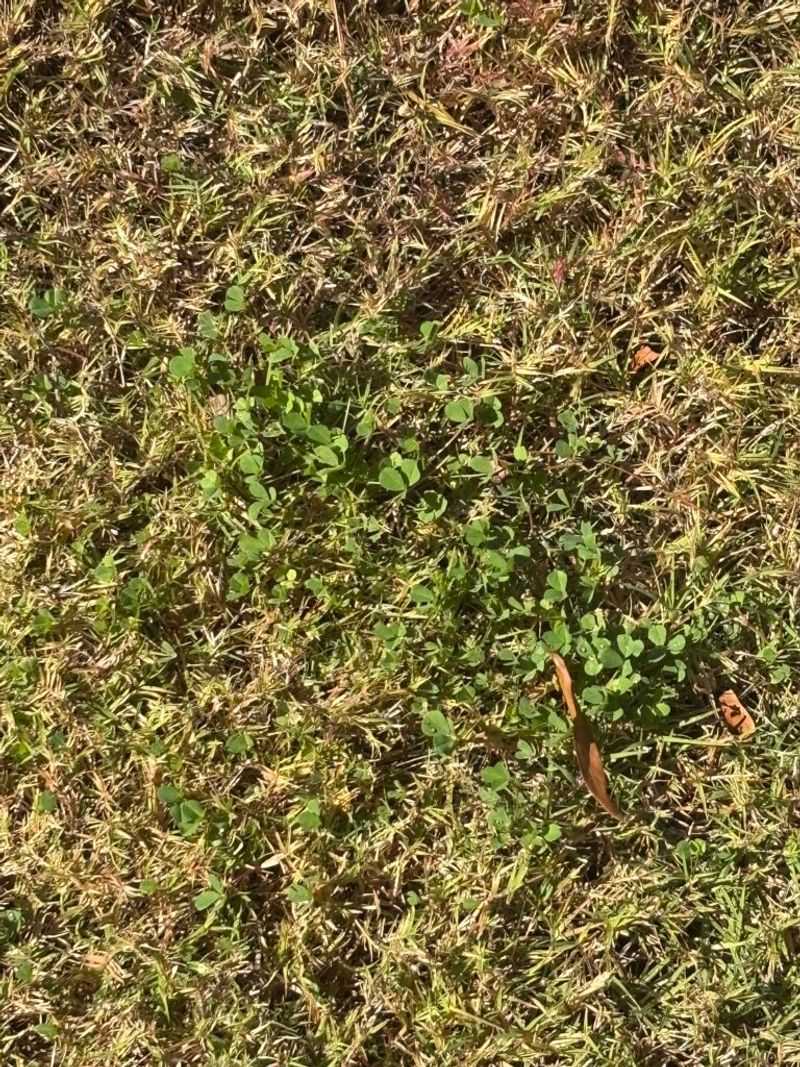
Fall gets pitched as the time to settle the clover question, but that is too broad for the South. Climate, grass type, and the clover itself all change what makes sense.
Take the Georgia example. UGA Extension discourages unnecessary nitrogen in fall for warm-season grasses such as bermudagrass, centipedegrass, and zoysiagrass as they approach dormancy, since it can delay dormancy and raise the risk of cold injury.
That is advice for those grasses in Georgia, not a rule for every Florida or Texas lawn.
Herbicide timing is likewise tied to the product. Florida guidance in the EP141 weed guide makes suitability depend on turf species and the label, and the EP575 herbicide guide cautions about stress and heat.
Fall is a fine time for a soil test, though. That is planning, not a one-size treatment.
Match the response to the clover, turf, and site
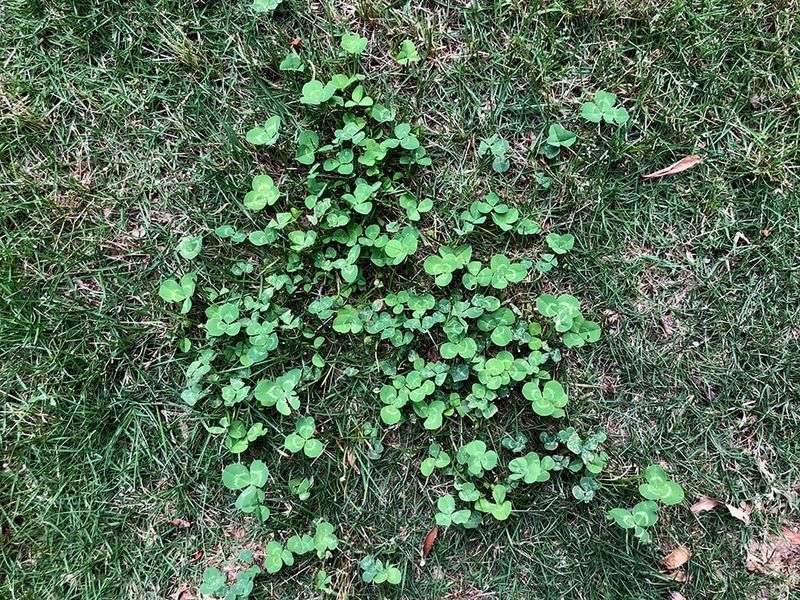
A workable plan starts with identification. Figure out which clover you have and which grass you are growing, then choose steps that fit both.
Next, test the soil before changing your fertilizer. The results tell you whether nutrients are part of the problem or whether you can leave the spreader in the shed.
For small patches, hand-pulling can work well. UC IPM suggests removing plants before seeds form, and expect follow-up pulls as more seeds germinate.
Then fill the gaps. Repair bare spots with turf suited to your site, such as sun-loving bermudagrass or shade-tolerant options where light is limited, because a thick stand of grass can help limit reinvasion.
Treat herbicide as a conditional option, not the default. Use one only if the current label lists clover and your exact turf species, a point UF/IFAS stresses for Florida lawns.
If the label does not match, skip it.
Decide whether a clover-free lawn is your goal
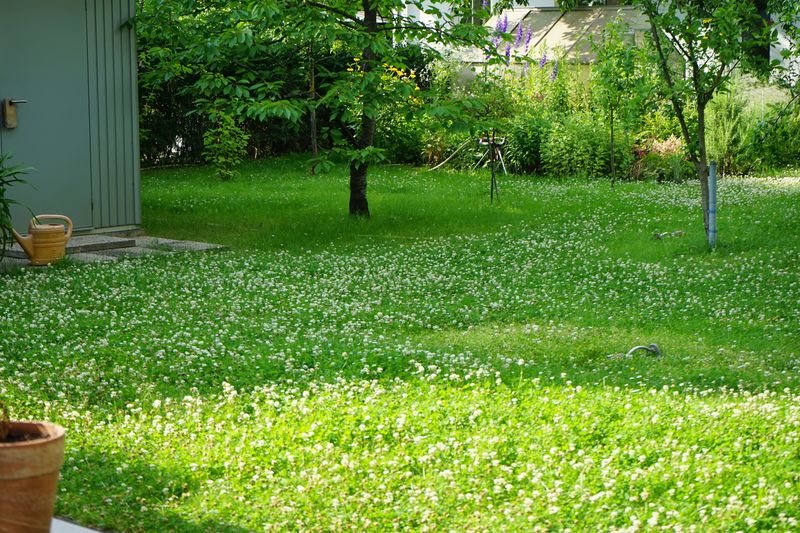
Some people want a lawn that looks uniform from curb to fence, and that is a reasonable preference. Others do not mind a little green mixed in.
White clover has a history in lawns. As University of Maryland Extension explains, it was once included in grass seed mixes, and its flowers can feed bees.
If you have kids and pets who play barefoot, though, bloom time may mean bee stings you would rather avoid.
So the question is not only how to get rid of it, but whether you want to. Foot traffic, appearance, and your tolerance for upkeep all count.
Whatever you choose, let the plant, the turf, and the site guide you. Common fixes are not proven culprits, and fall is not always the answer.
A lawn does not have to be pure grass to be a good one.