
A lizard perched beside your porch is a small hunter already at work. Florida native plants can give these insect eaters places to hide, climb, and find food close to your outdoor sitting area.
Lizards sometimes eat small roaches and mosquitoes, but they will not keep a porch pest-free on their own. These seven plants build useful habitat while making your porch garden look better.
1. Firebush
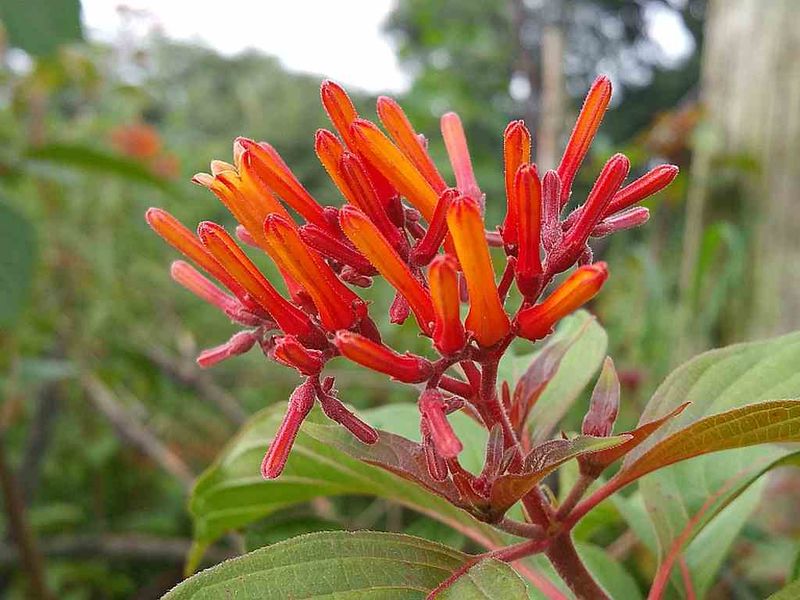
A sunny porch corner can become a leafy lookout with just one well-placed shrub. Native firebush, Hamelia patens, offers branching stems where lizards can perch above the ground and foliage where they can retreat when startled.
Its orange-red flowers attract hummingbirds and visiting insects. Those insects help support a garden food web, although the plant does not specifically draw lizards to hunt mosquitoes or roaches.
Give firebush sun to partial shade and well-drained soil. It is best suited to warmer parts of Florida; cold weather can damage the top growth farther north, and its size varies with climate and growing conditions.
Near a porch, leave enough space for a large shrub instead of squeezing it against a railing. Water during establishment, then adjust irrigation to rainfall and soil moisture rather than keeping the bed constantly wet.
Ask a native nursery for locally appropriate native firebush, since plants sold under that common name can include nonnative forms. Prune selectively to preserve climbing branches and an airy shape, and keep growth away from screens, doorways, and walking paths.
2. American Beautyberry
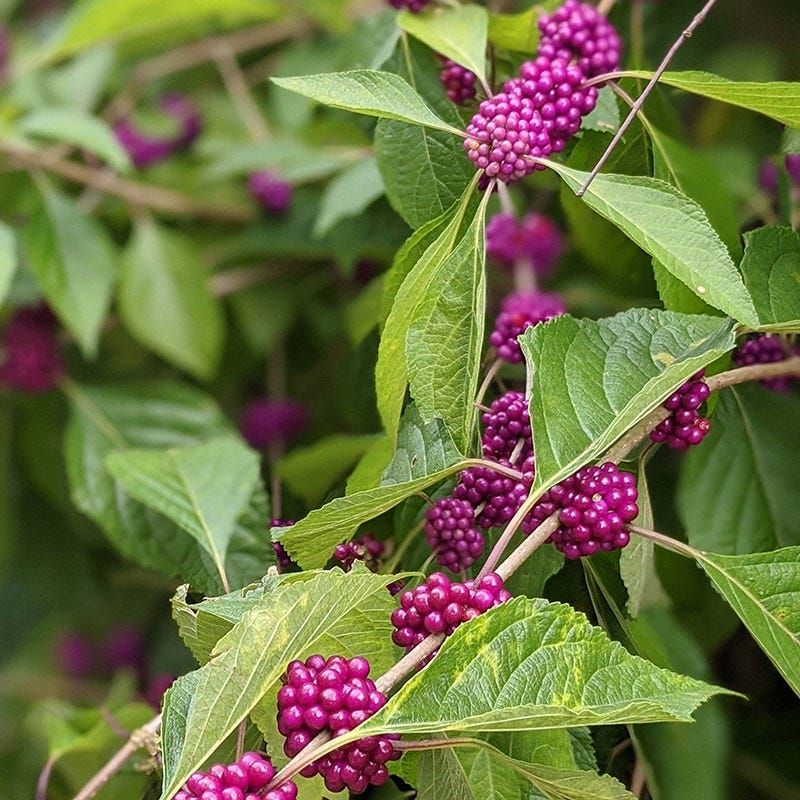
Bright purple berries make this shrub easy to spot, but its loose, arching shape is the feature a lizard can use. American beautyberry, Callicarpa americana, creates a middle layer between low plants and taller shrubs.
That layered cover gives small hunters several routes through a porch-side bed. Leaves and twigs provide places to rest, while the surrounding vegetation supports insects they may catch.
Beautyberry grows across Florida and handles sun or partial shade, with moisture needs depending on the site. Expect a shrub commonly around 4 to 8 feet tall and wide, so place it where its branches can spread without blocking a walkway.
Water new plants regularly until established. On dry, sandy sites, occasional watering during extended drought can help keep the foliage looking better, especially in stronger sun.
You may have heard that beautyberry repels mosquitoes. Research on compounds extracted from its leaves does not mean an intact shrub protects a porch, and homemade preparations are not a substitute for proven repellents.
Use it for attractive habitat, not as a mosquito shield. Keep nearby gutters clear and empty water-holding containers so your wildlife-friendly planting does not sit beside a mosquito nursery.
3. Muhly Grass
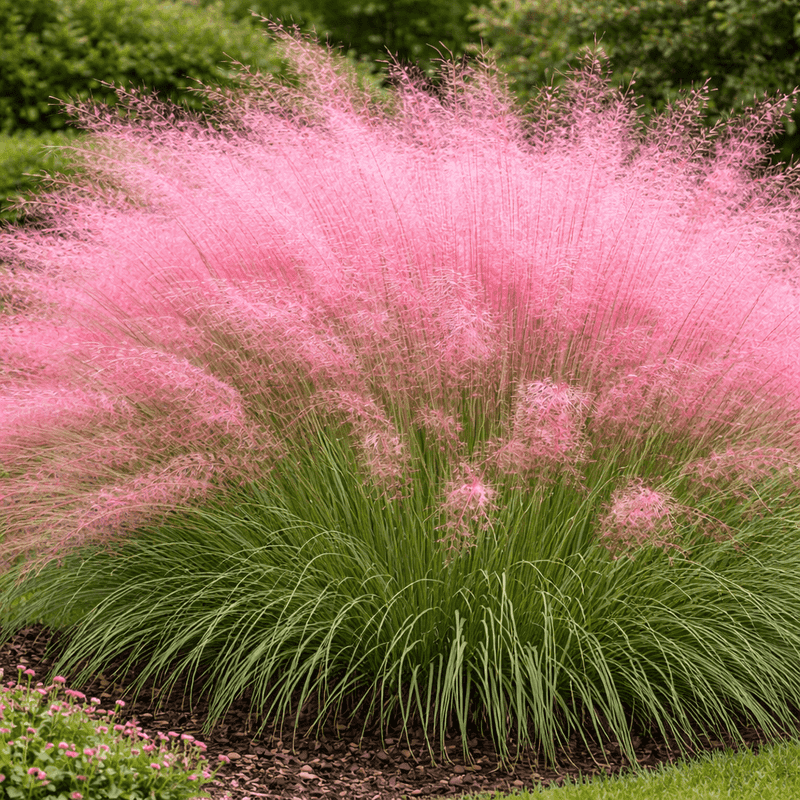
Not every useful lizard plant needs to be a shrub. Muhly grass, Muhlenbergia capillaris, adds low shelter beneath a cloud of pink flowers in fall, making it a good fit for sunny porch borders.
The fine leaves create small hiding spaces close to the soil. Open gaps between clumps also let lizards move between cover and sunny spots, rather than forcing them through one solid wall of plants.
Choose full sun and well-drained soil for the best display. Established muhly handles Florida’s sandy conditions well, but a newly planted clump still needs watering while its roots settle in.
Allow roughly 3 feet of room per plant, adjusting for the expected mature size. A few spaced clumps usually look cleaner beside an entry than a crowded row that spills onto the steps.
If the foliage needs refreshing, cut it back in late winter before fresh growth gets underway. Check for sheltering wildlife first, and avoid repeated trimming that removes the plant’s natural shape.
Muhly’s main contribution is ground-level cover, not mosquito control. Keep the bed free of trash and heavy piles of damp debris, which can give outdoor roaches shelter too.
4. Coontie
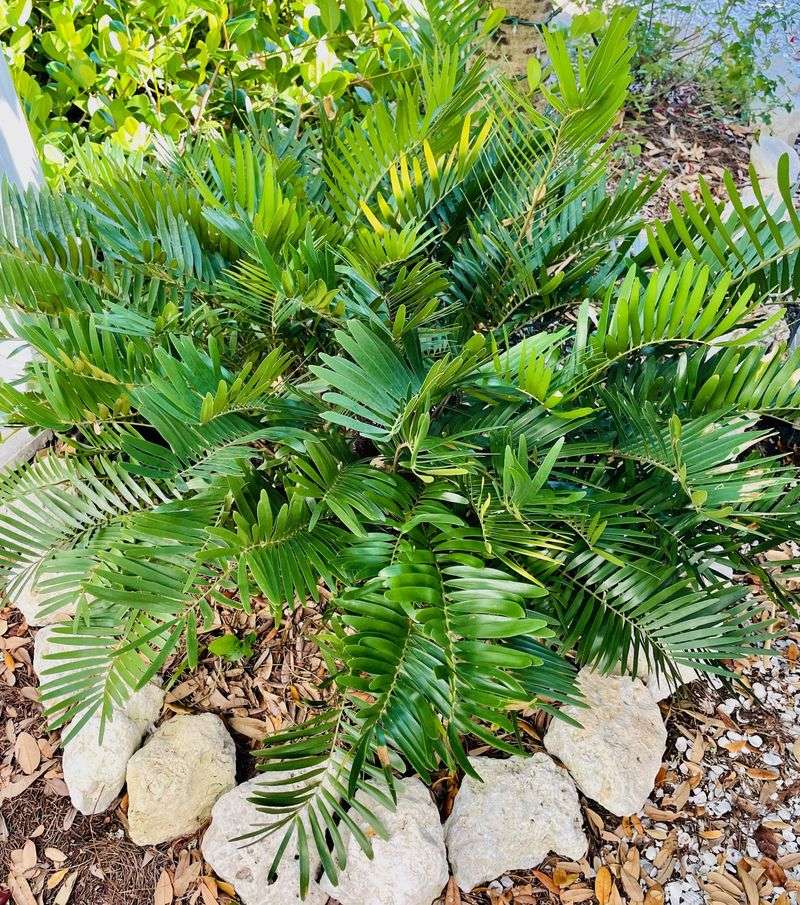
For a tidy porch bed that still offers hiding places, a compact evergreen can do a lot of work. Coontie, Zamia integrifolia, forms clusters of stiff, fernlike leaves without growing into a tall screen.
It is actually a cycad, not a fern or palm. Its low fronds give lizards shaded retreats and short climbing surfaces, especially when planted near taller native shrubs that add another layer of cover.
Coontie accepts sun or partial shade and needs good drainage. Florida’s sandy soils often suit it well, but a soggy spot beside a downspout is a poor choice.
Plan for a slow-growing plant commonly reaching about 2 to 3 feet tall, with a spread that can become wider over time. Give individual plants space so their mature leaves do not crowd a narrow path.
There is a serious placement caution: coontie is toxic if eaten. Keep it away from pets that chew plants and areas where young children might handle or taste seeds.
Buy nursery-grown plants rather than collecting them from the wild. Once established in a suitable site, coontie generally needs little pruning, letting you keep useful cover without constant clipping around the porch.
5. Wax Myrtle
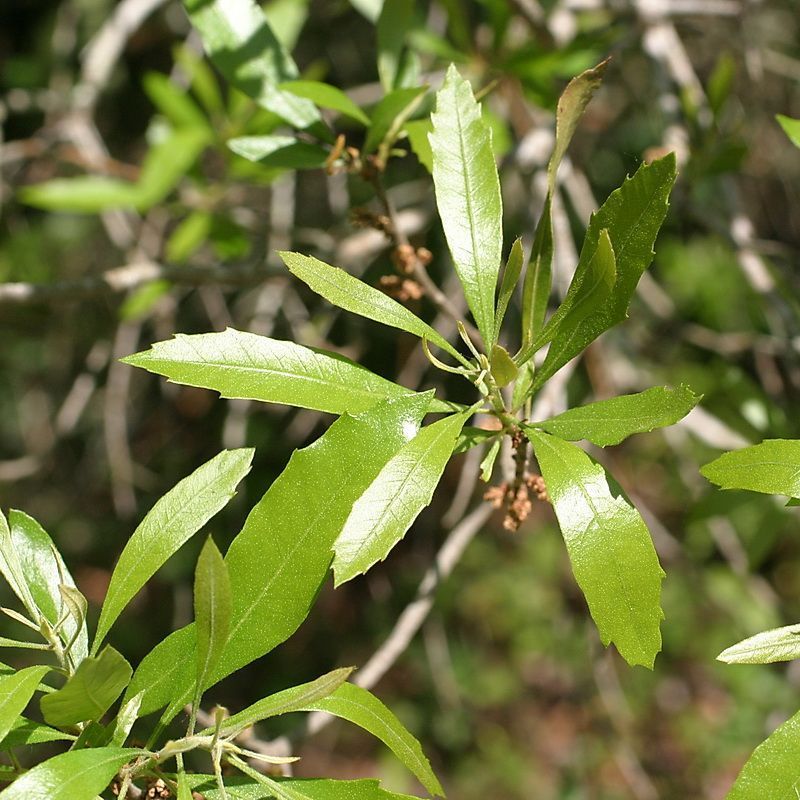
A porch facing a bare lawn often needs something taller than a flower border. Wax myrtle, Morella cerifera, can supply an evergreen backdrop with plenty of branching space for climbing lizards.
Its value comes from structure: leafy shelter, woody perches, and connections between different heights in the garden. That can be helpful for native green anoles, which often use shrubs and trees.
Wax myrtle grows across Florida and tolerates a range of soils, including sandy sites. It accepts sun to partial shade, but its eventual size deserves attention before you plant.
This is not a small foundation shrub. It can grow into a large shrub or small tree, often 10 to 20 feet tall, so position it well away from the porch roof, utilities, and the house wall.
Use selective pruning rather than repeatedly shearing it into a tight box. Keeping a natural branch pattern preserves useful perches and reduces the work of forcing a large plant into a small space.
Despite its aromatic foliage, wax myrtle should not be treated as a proven mosquito-repelling landscape plant. Pair its habitat benefits with practical pest prevention, including repaired screens, sealed entry gaps, and removal of standing water.
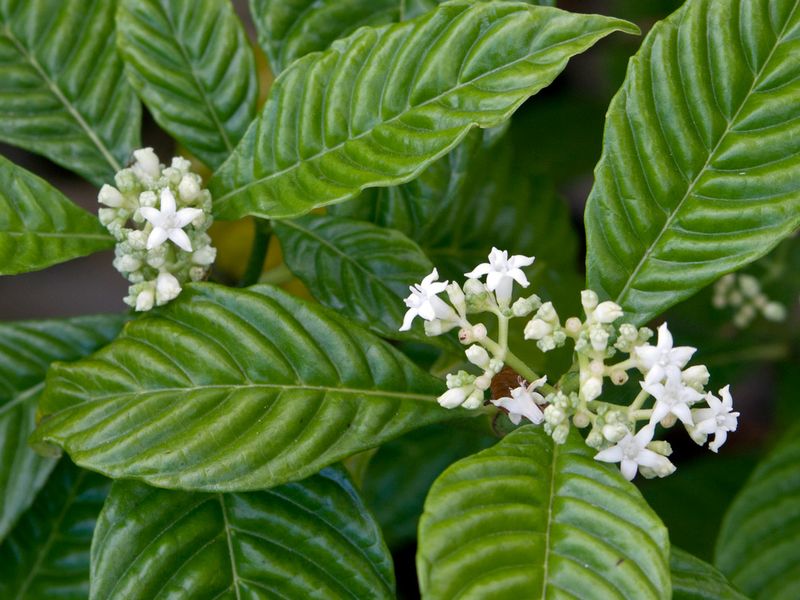
6. Wild Coffee
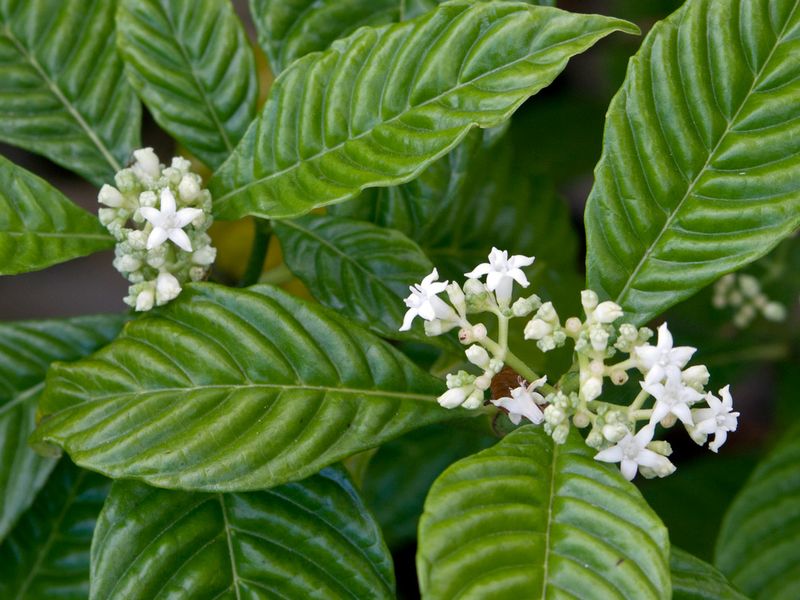
Shade beside a porch does not have to mean an empty planting bed. Wild coffee, Psychotria nervosa, brings glossy, deeply textured leaves to sheltered gardens in Central and South Florida.
Its foliage and branching stems create a shaded refuge where lizards can disappear from view. Small flowers attract visiting insects, and the shrub helps fill the understory beneath taller plants.
Choose partial to full shade and a well-drained site with suitable moisture. Strong afternoon sun can be tough on its appearance, especially where reflected heat from paving dries the bed quickly.
Wild coffee commonly grows about 4 to 6 feet tall, sometimes larger in favorable conditions. Allow room for its natural spread and place it beyond the swing of a screen door.
Cold limits its usefulness in northern parts of the state. Before buying, check your county’s UF/IFAS Extension guidance or ask a native nursery whether it suits your location and exposure.
The name does not make it a substitute for commercial coffee. Treat it as an ornamental wildlife plant, and preserve a few open spaces around its base so you can inspect irrigation, remove debris, and watch the garden’s small hunters at work.
7. Saw Palmetto
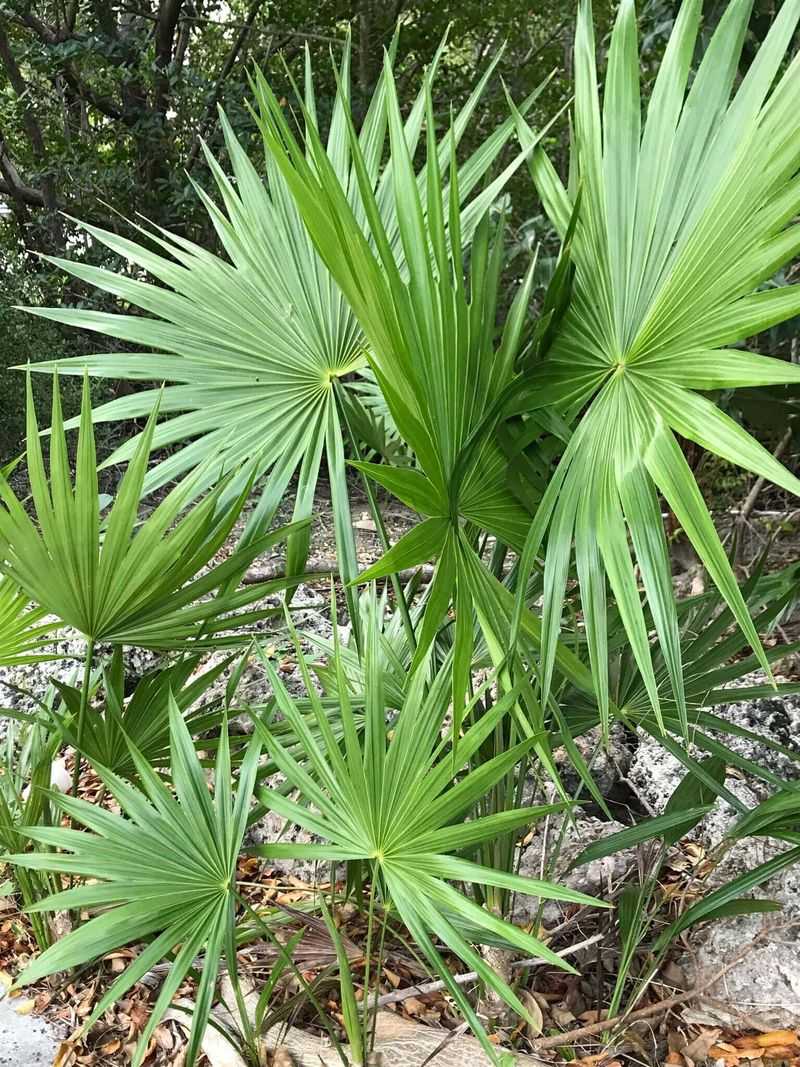
At the outer edge of a roomy porch garden, broad palm fans can create a sturdy patch of cover. Saw palmetto, Serenoa repens, offers a different shape from the leafy shrubs and grasses on this list.
Its fronds and low, creeping stems provide sheltered spaces and surfaces for basking. It suits a larger habitat planting better than a narrow strip directly beside the front steps.
Saw palmetto is native throughout Florida and tolerates sun to partial shade. Once established in an appropriate site, it handles drought and sandy soil well, although new plants need water while their roots develop.
Check mature dimensions carefully because a clump can become broad. The leaf stalks have sharp teeth, so keep it well back from doors, play areas, and routes used by people or pets.
A little natural leaf litter can support garden life, but do not pack dead fronds or mulch against the house. Habitat plantings can shelter unwanted insects too, making clean building edges especially useful.
Finish your porch plan with realistic expectations: none of these plants guarantees more lizards or fewer biting insects. Support the lizards already present without relocating them, avoid routine broad-spectrum insecticide use, and combine habitat with sanitation, screens, and mosquito-source removal.